
Review · MATCHA EXPERIENCES
Matcha tasting for all five senses at Hotel Yokohama
Matcha becomes much more interesting when you stop treating it as a green drink and start paying attention to its aroma, texture, color, and aftertaste. This two-hour Yokohama session combines tasting, tea preparation, Japanese sweets, and a thoughtful ikigai exercise about what gives your life purpose.
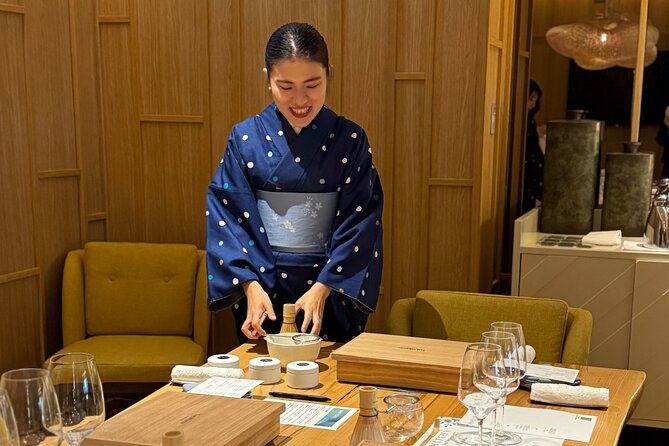
I like two things here: you get to whisk your own matcha with a bamboo chasen, and instructor Misato brings the subject beyond technique into Japanese culture and daily values. The main consideration is the price, $100 per person, plus fees and taxes, which makes this a better fit for people who want a small cultural workshop rather than a quick cup of tea.
Key points
- Several matchas to compare: Notice how different Japanese tea regions produce different flavors and aromas.
- Misato’s personal instruction: The session includes guidance on matcha preparation, tea culture, and ikigai.
- Hands-on whisking: You use traditional tools, including a bamboo whisk and tea bowl.
- Japanese sweets with the tea: Wagashi and other small foods help balance matcha’s bitterness and umami.
- Private two-hour format: Only your group participates, making the pace more personal.
- A useful souvenir: You receive matcha and related tea products to continue practicing at home.
Why this Yokohama matcha session feels different
Many tea activities stop after showing you how to whisk a bowl. This one uses matcha as a doorway into several parts of Japanese life. You taste different teas, learn where their character comes from, prepare one yourself, and consider the idea of ikigai, often described as a reason for getting up in the morning or a sense of purpose.
That wider focus is the most distinctive part of the experience. The session is not only about identifying grassy notes or making a neat layer of foam. It asks you to slow down and think about what you value. For some people, that reflective exercise will be the most memorable part of the afternoon. If you only want a formal tea ceremony, it may feel like more than you expected.
The setting is a hotel in Yokohama’s Minatomirai area, beginning at 3:00 pm. The supplied meeting address is 4 Chome Minatomirai, Nishi Ward, Yokohama, Kanagawa 220-0012. The activity lasts about two hours and finishes where it begins, so you can plan dinner or an evening walk in the same part of the city.
More Matcha Experiences in Japan:
- World Heritage Kyoto & Nara Uji Authentic Matcha Experience
★ 5.0 · 1,573 reviews - Matcha Making Class in Tokyo with Authentic Japanese Sweets Set
★ 5.0 · 744 reviews - Kyoto: Tea Museum Tickets and Matcha Grinding Experience
★ 4.9 · 739 reviews
Starting in Minatomirai at 3:00 pm
Your afternoon begins in Minatomirai, a convenient Yokohama district with public transportation nearby. The meeting point is important because the activity does not include a city transfer. You need to arrive at the stated location on your own, then return there at the end.
The private format matters. Only your group takes part, so questions do not have to compete with a large class. That is especially useful here because matcha has many small details: water, whisking, powder quality, bitterness, sweetness, and the way a tea changes as it cools.
The available information does not give a detailed room description or a precise hotel name in the meeting instructions. Confirm the exact meeting directions when you book, and allow enough time to locate the hotel entrance in Minatomirai. The start time is fixed at 3:00 pm.
Comparing matcha from different Japanese regions
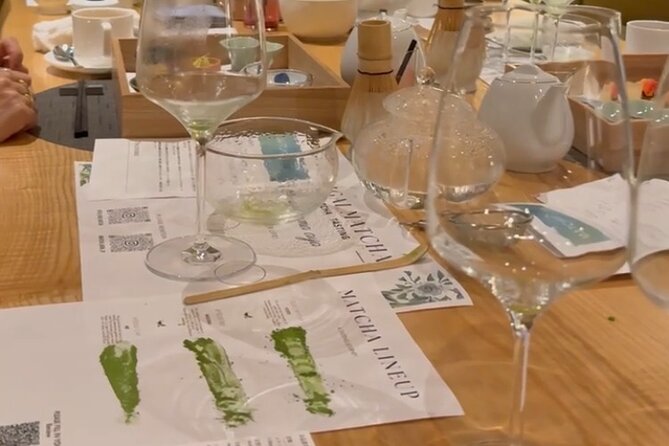
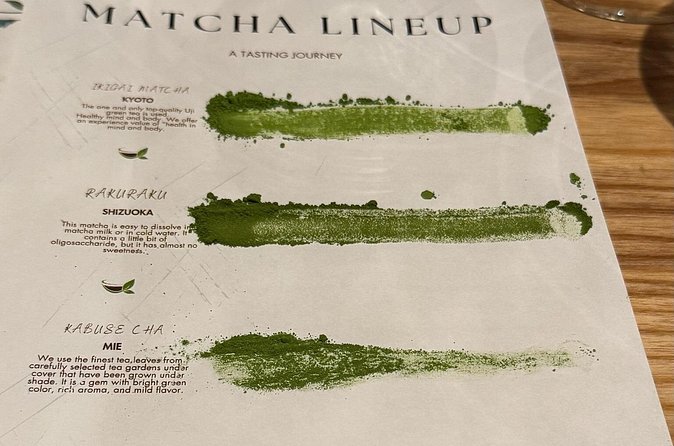
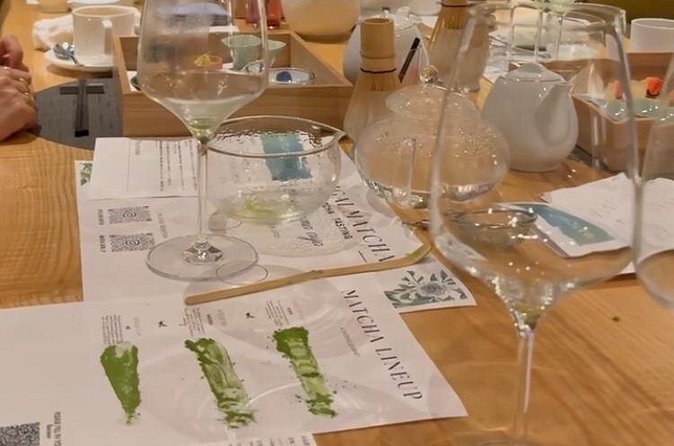
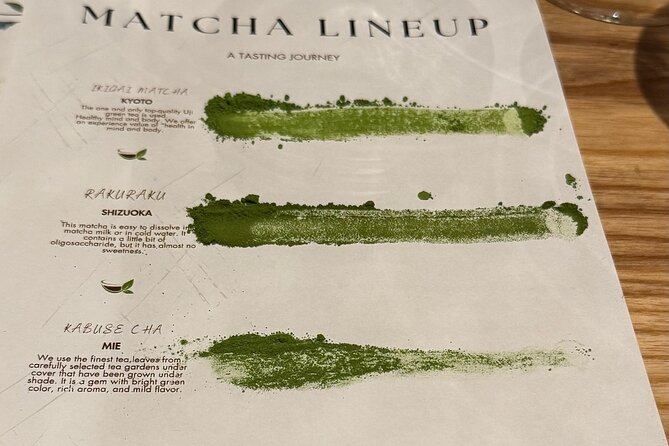
The tasting begins with several varieties of high-quality matcha from Japanese tea-growing areas. This comparison gives you a practical way to understand matcha. Instead of hearing that all green tea tastes the same, you can sample different aromas and flavors side by side.
Matcha is powdered tea, so you consume the leaf rather than steeping it and throwing the leaves away. That helps explain its strong taste and fine texture. One bowl may seem smooth and mellow, while another may have more bitterness, sweetness, or a savory quality. The point is not to pick a single winner. It is to notice how production and origin affect the cup.
The instructor explains the making of matcha, its background, and its place in Japanese culture. That context adds value to the tasting because you learn what to notice instead of simply being handed a drink. If you are new to matcha, this guided comparison can make the flavor less mysterious.
You should also expect the tea to be prepared in more than one way during the session. The information provided promises a tasting of several varieties and instruction in preparation, but it does not specify the exact number of teas or the names of every growing region. Think of it as a guided introduction, not a technical tea certification course.
Whisking your own bowl with a bamboo chasen
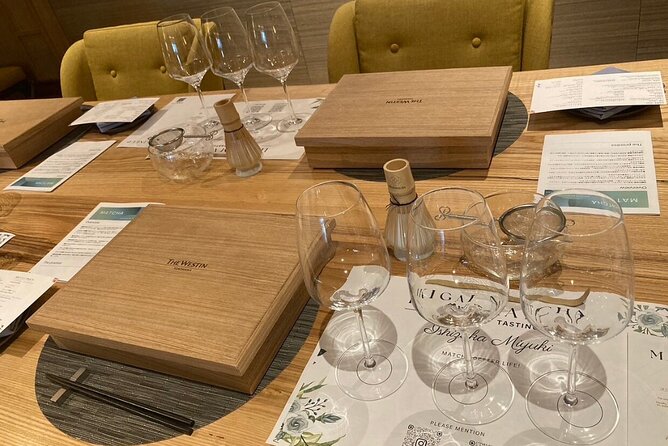
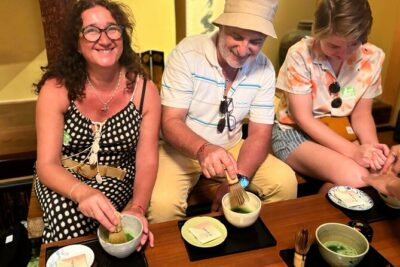
The hands-on part gives the session its practical edge. You learn to prepare matcha with a chasen, the traditional bamboo whisk, and a chawan, the tea bowl. This is a simple act, but the tools change the experience. You are no longer watching someone else create the foam. You are responsible for the movement, the texture, and the final bowl.
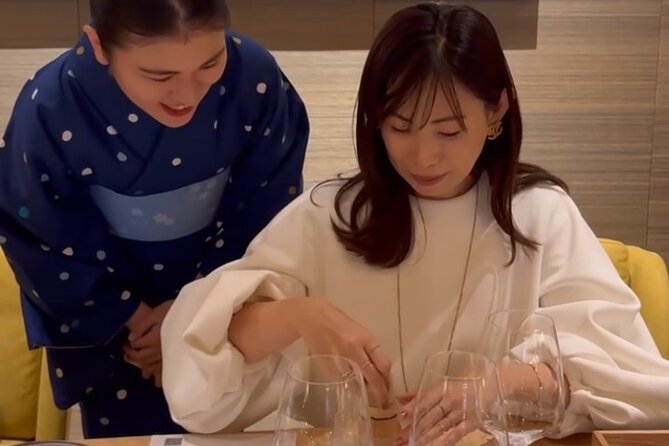
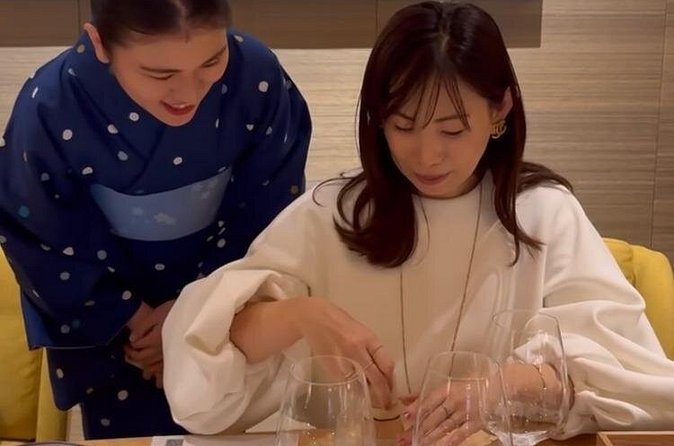
Your instructor guides you through the basic technique. The whisk is moved quickly through the tea and water to create a smooth drink with a light foam. Do not expect your first bowl to look perfect. That is part of the fun, and the private setting gives you room to ask for help without feeling rushed.
This lesson also gives you something you can repeat at home. You receive a small package of matcha and related tea products, so the session does not end when you leave the hotel. The included items are a useful reminder of the method, though the supplied information does not list the exact quantity or brands.
I like this feature for practical reasons. A purely ceremonial demonstration can be lovely but passive. Making the tea yourself gives you a physical memory of the experience and helps you understand why the whisk, bowl, water, and powder all matter.
More Food and Drink Tours in Japan:
- Private Tea Ceremony and Sake Tasting in Kyoto Samurai House
★ 5.0 · 163 reviews - Experience all of Japanese culture and Japanese food experience classes “origami, udon, Japanese food, green tea, calligraphy” in 4 hours
★ 5.0 · 105 reviews - Tokyo Sushi Making Class : Sake Ceremony & Matcha Experience
★ 5.0 · 44 reviews - Matcha Experience with of Japanese Tea Tasting in Tokyo
★ 5.0 · 31 reviews
Wagashi and small Japanese food pairings
Matcha is often bitter, grassy, and slightly savory. Traditional Japanese sweets, known as wagashi, provide a gentle counterpoint. Their sweetness can soften the tea’s sharper edges and make subtle flavors easier to notice.
The session includes carefully selected Japanese sweets and small food pairings. The supplied details also refer to canapés, silk, and onigiri in connection with the broader IKIGAI MATCHA experience. The exact menu can vary, so you should not book this expecting a fixed meal or a substitute for lunch.
The food is valuable because it shows how Japanese tea service often depends on contrast. Sweetness prepares your palate for matcha, while matcha keeps the sweets from becoming overwhelming. You may find that a tea you disliked on its own works better after a bite of wagashi.
Dietary information is not provided. If you have allergies or follow a restricted diet, ask the provider before booking rather than assuming the sweets can be changed.
Misato, matcha, and the idea of ikigai
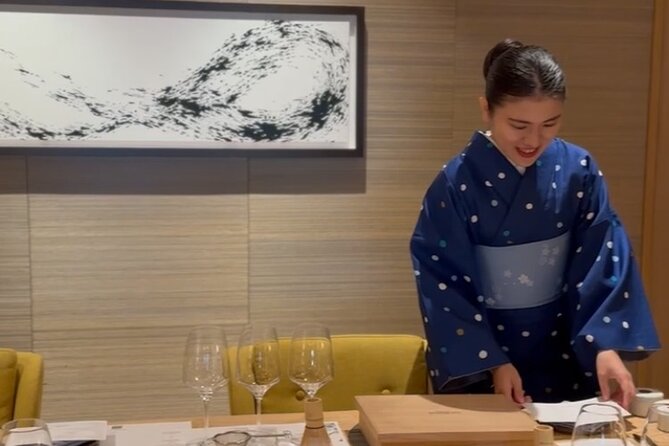
Instructor Misato is central to the experience. The supplied comments describe her as calm, attentive, and able to answer detailed questions about matcha, its history, and ikigai. Her role is not limited to showing you how to hold the whisk. She connects the tea to a broader conversation about purpose and the way you want to live.
The ikigai exercise asks you to consider your goals, values, and sense of purpose. Some participants found this emotional and reflective, especially when taking part with friends. Others may prefer a more focused tea lesson and find the personal-development section unexpected.
That difference is worth considering before you pay $100. If you enjoy cultural activities that leave you with something to think about, the ikigai element adds real value. If you are looking for a short, formal ceremony with little discussion, choose a simpler tea tasting instead.
The activity also seems designed for both Japanese and international participants. Explanations cover basic matcha knowledge, while the reflective work gives the session a meaning beyond sightseeing. A Japanese participant can still approach familiar traditions from a new angle, while someone new to Japan gets a clear introduction to tea culture.
What the two-hour schedule gives you
At about two hours, this is long enough to feel like a proper workshop without taking over your day. The 3:00 pm start makes it a useful afternoon plan. You can spend the morning exploring Yokohama, have lunch beforehand, and then use the evening for dinner or further sightseeing.
The likely flow is straightforward:
- Meet at the Minatomirai location.
- Learn about matcha, its production, and its place in Japanese culture.
- Taste several varieties and compare their qualities.
- Pair the tea with wagashi and other small Japanese foods.
- Prepare matcha with a chasen and chawan.
- Take part in the ikigai reflection.
- Receive matcha and related products to take home.
- Finish back at the meeting point.
The exact order is not specified, so do not treat this as a minute-by-minute schedule. The important point is the mix of tasting, instruction, food, preparation, and reflection. You are paying for a guided cultural session, not just for the ingredients.
Is $100 per person a fair price?
At $100 per person, this is not a bargain tea stop. The price makes more sense when you consider the full package: about two hours, a private group, an in-person licensed or certified guide, several matchas, Japanese sweets, hands-on preparation, the ikigai exercise, and take-home tea products.
You also receive more personal attention than you would in a large public class. That matters if you want to ask questions or need extra help with whisking. The activity’s small-group design is one of the clearest reasons to choose it over a cheaper café tasting.
Still, the value depends on your interests. If you mainly want to drink matcha, $100 is high. If you want a thoughtful Japanese cultural lesson with food and an activity you can repeat at home, the fee is easier to justify.
All fees and taxes are listed separately from the activity price, so check the final total before confirming. The experience is also booked, on average, about 18 days ahead. That suggests planning early, especially if your Yokohama dates are fixed.
Who should book this experience?
I would recommend it most to:
- Couples or friends who want a calm cultural afternoon.
- First-time visitors who want more context than a quick tea service provides.
- People interested in Japanese food, craft, and daily customs.
- Anyone curious about the connection between tea and personal purpose.
- Small private groups that prefer asking questions at their own pace.
- Matcha drinkers who want to learn a repeatable preparation method.
Families may also find it appealing, since most participants can take part and service animals are allowed. The supplied information does not give a minimum age, so confirm age rules if you are booking with children.
This is less suitable if you dislike bitter flavors, do not want a reflective exercise, or prefer a fast activity with a clear sightseeing focus. It also may not satisfy someone seeking a highly formal, traditional tea ceremony with detailed rules of etiquette. The session is broader and more conversational.
Practical details before you book
Confirmation arrives when you book, and mobile tickets are supported. Public transportation is nearby, but transport to and from the meeting point is not included. The experience begins at 3:00 pm and ends back at the same location.
Most people can participate, and service animals are allowed. The provider does not give detailed information about wheelchair access, seating, or dietary substitutions, so ask ahead if any of those points affect your plans.
Cancellation is flexible if you act early. You receive a full refund when you cancel at least 24 hours before the local start time. Cancellations or changes made within 24 hours are not accepted for a refund.
The activity has an overall rating of 4.9 from seven ratings, with especially strong praise for Misato’s calm instruction, the beautiful ceremony, the food pairings, and the chance to think about personal purpose. With such a small number of ratings, I would treat that score as encouraging rather than definitive, but the praise points to the parts of the experience that matter most.
Should you book the Yokohama matcha tasting?
Book it if you want matcha to be more than a photo opportunity. The best parts are the side-by-side tasting, the chance to whisk your own tea, Misato’s personal instruction, and the quiet ikigai exercise that connects the drink to everyday life.
Skip it if your priority is low cost, a short tea break, or a strictly formal ceremony. At $100 plus fees and taxes, you should want the full package. For the right person, this is a thoughtful two-hour cultural workshop with tea, sweets, conversation, and a small skill to take home.
FAQ
Where does the matcha tasting take place?
It takes place in Yokohama’s Minatomirai area. The stated meeting address is 4 Chome Minatomirai, Nishi Ward, Yokohama, Kanagawa 220-0012, Japan.
What time does the activity begin?
The start time is 3:00 pm.
How long does the experience last?
The activity lasts approximately two hours.
Where does the activity finish?
It finishes back at the meeting point.
Is this a private activity?
Yes. Only your group participates.
Will I prepare matcha myself?
Yes. You learn to prepare matcha with traditional tools, including a bamboo whisk called a chasen and a tea bowl called a chawan.
Are Japanese sweets included?
Yes. The experience includes selected Japanese sweets, or wagashi, to pair with the matcha.
Do I receive anything to take home?
Yes. Participants receive a small package of matcha and related tea products.
Can I cancel for a full refund?
Yes, if you cancel at least 24 hours before the local start time. Cancellations or changes made within 24 hours are not refundable.
Fresh tea listings around Japan
- Japanese Sweets Making & Tea Ceremony in Yokohama, suburban Tokyo★ 5.0 · 4 reviews
- Yokohama: Sushi & Gyoza Cooking with Matcha Experience★ 5.0 · 4 reviews
- Kyoto: Nighttime Zen Meditation and Matcha Tea Experience★ 5.0 · 7 reviews
- 2 Types of Japanese Sweets making and Tea Ceremony★ 4.6 · 17 reviews
- Kyoto Fushimiinari:Wagashi Making & Small Group Tea Ceremony★ 5.0 · 14 reviews
- Slow Cycling Tour at Uji’s Matcha Green Tea Fields and Heritage★ 5.0 · 25 reviews
- Whisk Your Own Matcha: A Zen Matcha Experience at Temple★ 3.6 · 7 reviews
- Kyoto Hidden Riverside Zen Mediation and Uji Matcha Experience★ 5.0 · 9 reviews
Matcha Experiences, compared.
World Heritage Kyoto & Nara Uji Authentic Matcha Experience
Read our review →
Matcha Making Class in Tokyo with Authentic Japanese Sweets Set
Read our review →
Kyoto: Tea Museum Tickets and Matcha Grinding Experience
Read our review →
Matcha Making Class in Osaka with Authentic Japanese Sweets Set
Read our review →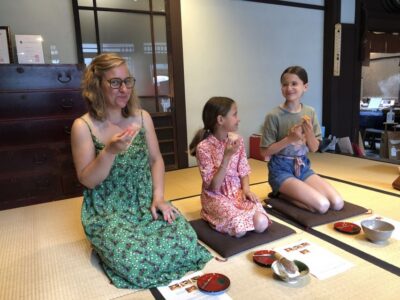
Kyoto: Tea Ceremony Meditation – Make Matcha with Tea Master
Read our review →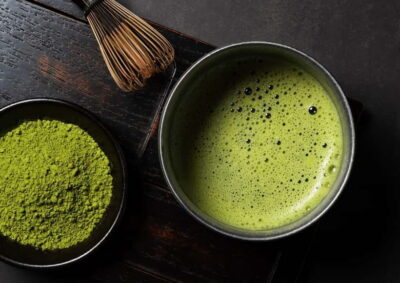
Tokyo: Matcha Making Experience with Mochi Sweets in Asakusa
Read our review →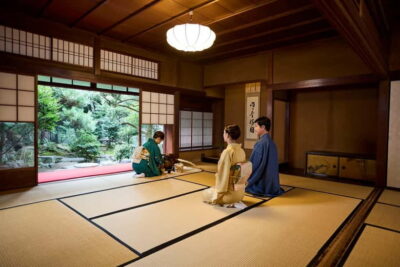
Kyoto: Kimono Tea Ceremony with Matcha and Sweet
Read our review →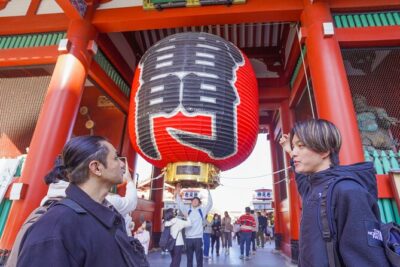
Browse the lists this tour appears in