
Review · KIMONO & TEA CEREMONY
Maiko Dance and Tea Ceremony on a Noh Stage in Kyoto
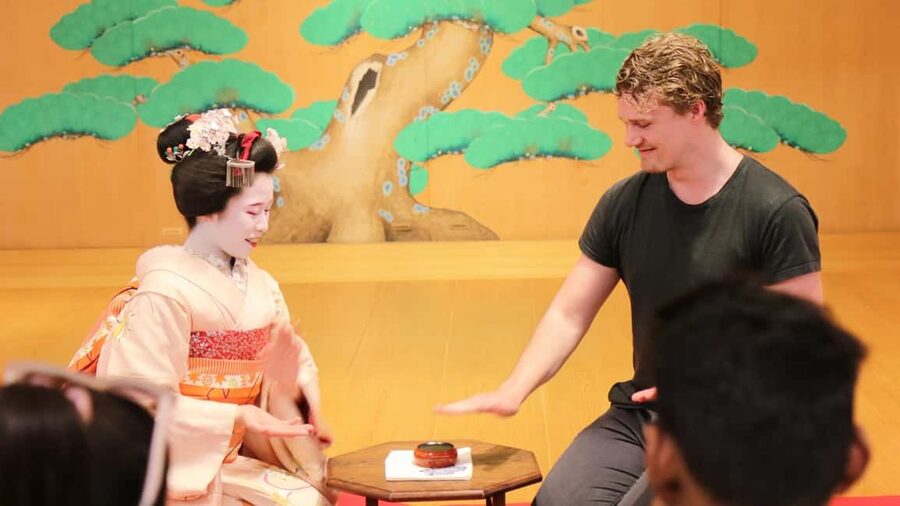
Kyoto’s maiko are apprentice geisha, trained in dance, music, manners, and the careful rituals of hospitality. Here, you watch one perform on an authentic Noh stage, then prepare matcha in a quiet room where the setting matters as much as the program. I like the unusual pairing of formal theater and hands-on tea culture.
I also like the chance to take photos and speak with the maiko, rather than simply watch from a dark auditorium. The main consideration is the price: at $141 per person for 60 to 90 minutes, this is a special-occasion experience, not a low-cost cultural stop.
Key points to know
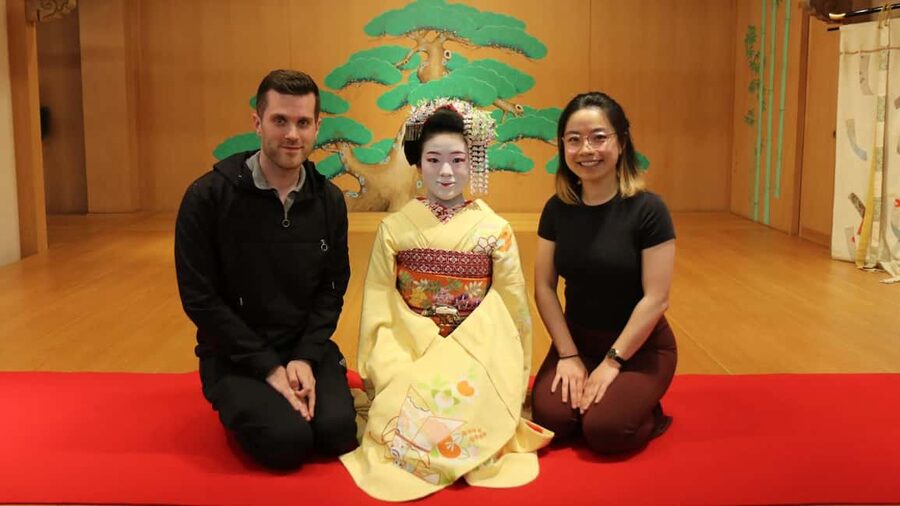
- A maiko performs on a real Noh stage: The setting gives the dance a formal, dignified frame.
- Tea ceremony follows the performance: You see matcha prepared with deliberate movements and receive seasonal Japanese sweets.
- English interpretation is provided: An English-speaking guide helps explain what you are seeing.
- Conversation and photos are part of the visit: The format is more personal than a standard stage show.
- Shoes come off indoors: Bring or wear clean socks, and arrive at Kurochiku Tensho-kan 15 minutes early.
- The visit lasts 60 to 90 minutes: It fits neatly into a Kyoto sightseeing day, but starting times vary.
A maiko, a Noh stage, and a quiet Kyoto setting
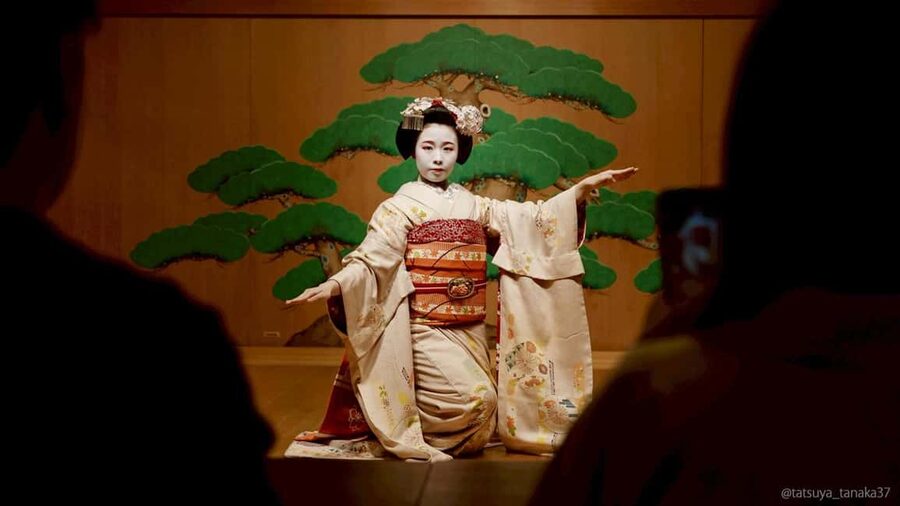
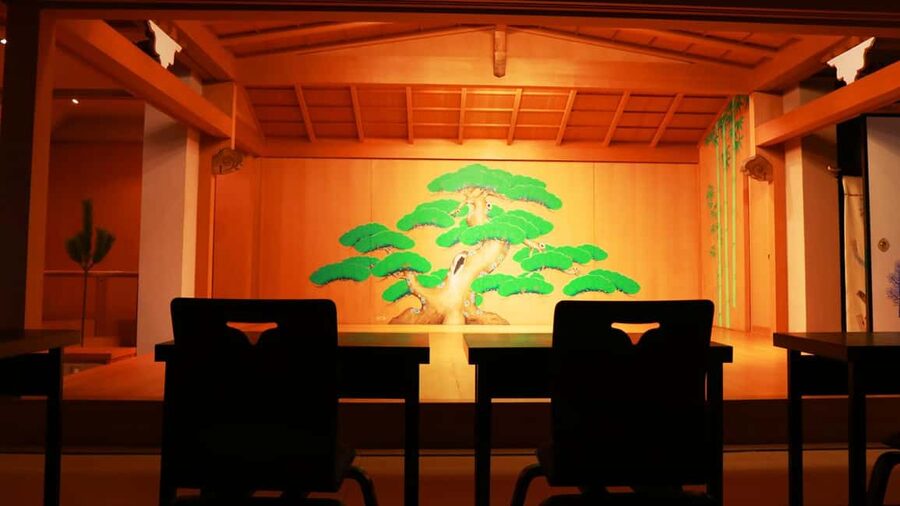
The heart of this experience is the meeting of two Japanese performance traditions. A maiko is an apprentice geisha, and her dance is built around controlled posture, precise gestures, and elegant movement. A Noh stage, meanwhile, is known for its spare design and solemn atmosphere.
That combination changes how the dance feels. This is not a loud entertainment show with a long cast and elaborate effects. You sit in a dignified indoor space and watch small movements carry meaning. A turn of the head, the angle of a fan, or the pace of a step can matter.
The stage itself is a major part of the appeal. Many cultural activities in Kyoto take place in modern halls or restaurants. This one uses a Noh stage at Kurochiku Tensho-kan, giving the performance a setting that feels tied to Japanese theater rather than arranged only for tourists.
You should expect a calm presentation. The supplied details do not name the maiko or the interpreter, so you should not book this expecting a particular performer. The experience is built around the ceremony, the stage, and the opportunity to meet the maiko in person.
More Kimono and Tea Ceremonies in Kyoto
- Kimono Tea Ceremony at Kyoto Maikoya, NISHIKI
★ 5.0 · 911 reviews - Kyoto: Kimono Tea Ceremony at Orizuruya Gion
★ 4.9 · 618 reviews - KYOTO Tea Ceremony with kimono near by Imamiya Jinjya Shrine
★ 5.0 · 343 reviews
What happens during the 60 to 90 minutes
The exact order can depend on the session, but the experience has two main parts: the maiko dance and the tea ceremony. English and Japanese live guidance is available, so you can follow the basic meaning even if you know little about Japanese customs.
The performance gives you a chance to watch without having to decode every detail alone. Your interpreter can help explain the role of the maiko and the nature of the dance. That context matters because the gestures may look simple at first. With a little explanation, you can pay attention to posture, rhythm, costume, and the restraint of the performance.
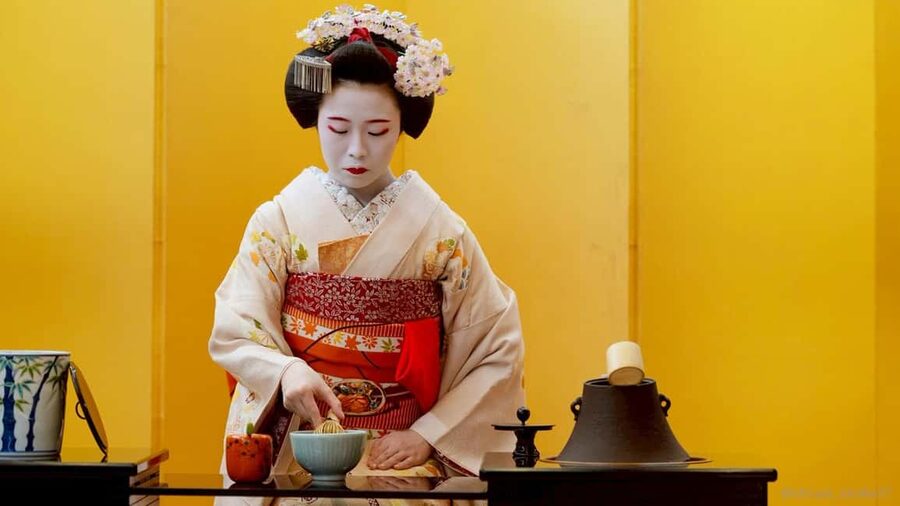
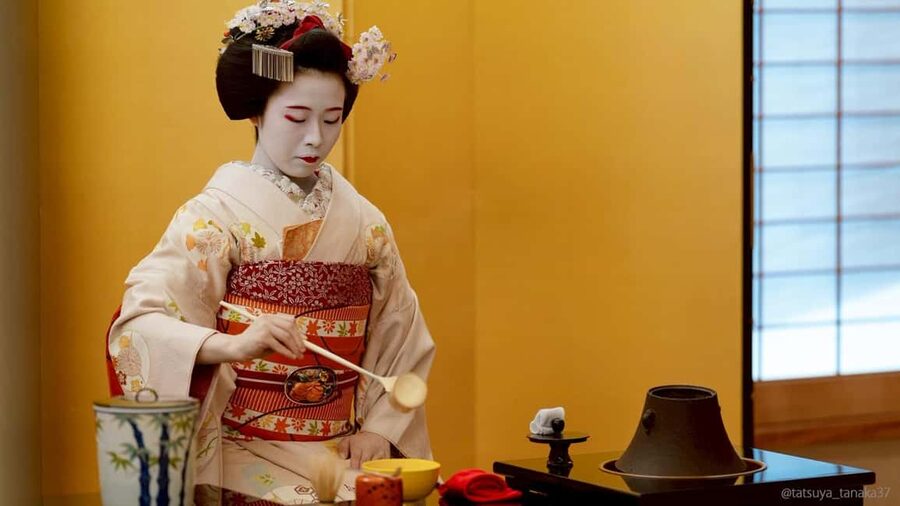
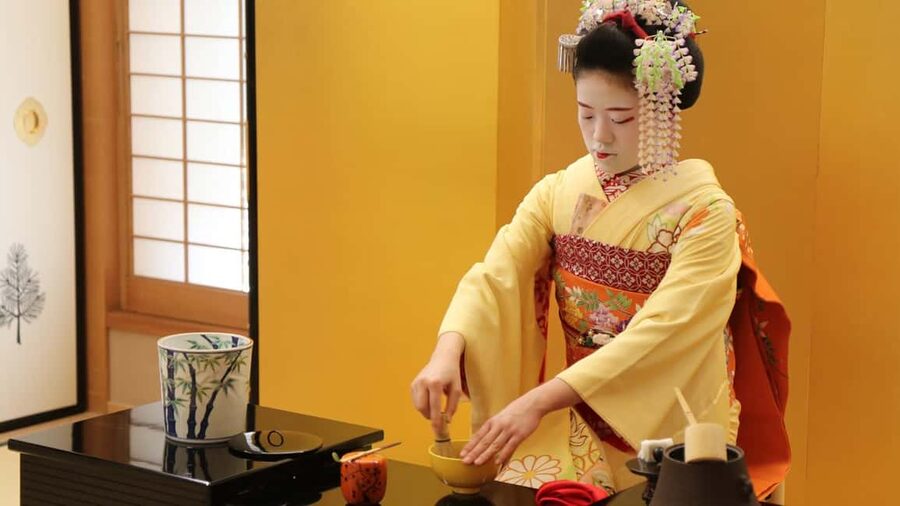
The tea ceremony then shifts your attention from the stage to the preparation of matcha. A maiko prepares the tea with refined, deliberate movements. You are served matcha along with seasonal Japanese sweets, which provide a small taste of the changing seasons that are central to Japanese food and art.
This is not described as a full-day lesson in tea ceremony procedure. It is a compact cultural presentation, suitable for someone who wants a genuine introduction without committing half a day. The shorter format is useful if you are also visiting temples, gardens, or museums in Kyoto.
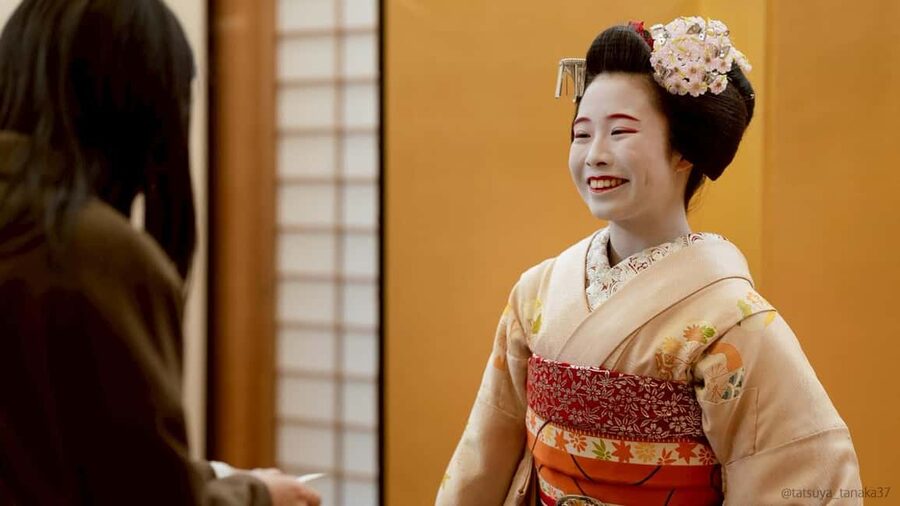
The final portion includes the chance to take photos and chat with the maiko. That personal contact is one of the strongest reasons to choose this event over a performance watched from a distance. You can enjoy the dance first, then have a more relaxed moment to appreciate the person behind the formal presentation.
Why the Noh stage makes a difference
A Noh stage is intentionally restrained. Its design does not compete with the performer, and that makes you notice movement, clothing, and silence. The setting supports the measured pace of the maiko’s dance.
If you have already seen a large geisha-style dinner show, this will likely feel more intimate. The focus is not on a meal, a large audience, or a packed program. Instead, you get a brief look at traditional arts in a setting that asks you to slow down.
That calm mood can be a strength or a limitation. If you want energetic music, comedy, or a broad stage spectacle, you may find the presentation too quiet. If you enjoy cultural details and formal beauty, the Noh stage gives the event a sense of place that a hotel room could not provide.
The experience also gives you a useful contrast with Kyoto’s busy streets. After walking through crowded shopping lanes and temple grounds, sitting indoors with comfortable seating can feel like a welcome change. You do not need to spend the hour standing or moving between several sites.
The tea ceremony and seasonal sweets
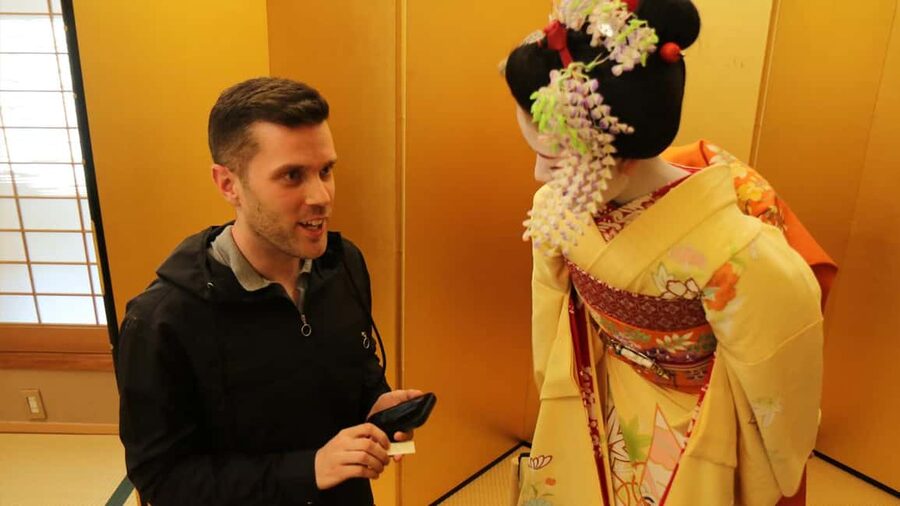
The matcha portion is more than a drink break. Tea preparation in Japan places value on timing, cleanliness, movement, and attention to the person being served. Watching the maiko prepare the tea lets you see hospitality as a practiced art.
You receive seasonal Japanese sweets with the matcha. The sweets are important because Japanese confectionery often reflects the time of year through shape, color, and ingredients. The details of the sweets are not specified in advance, so the exact selection can change.
You do not need prior knowledge of tea ceremony etiquette to take part. The English-speaking interpreter is there to help explain the process, and the format is designed for relaxed enjoyment. Still, you should treat the setting with respect. Quiet attention is more appropriate than treating the ceremony like a casual snack stop.
The tea itself is matcha, so expect a distinct green tea flavor rather than a mild tea served in a large cup. If you do not usually drink matcha, the sweet served alongside it helps balance the taste. The combination also gives you something to notice with more than one sense: the appearance of the tea, the aroma, the texture of the sweet, and the measured preparation.
More Tea Ceremonies in Kyoto
- Kyoto: Tea Ceremony in a Traditional Tea House in Kiyomizu
★ 4.9 · 3,519 reviews - Kyoto: Tea Ceremony Ju-An at Jotokuji Temple
★ 4.9 · 3,207 reviews - Kyoto: 45-Minute Tea Ceremony Lesson Experience
★ 4.3 · 2,378 reviews - Kyoto: Table-Style Tea Ceremony at a Kyo-Machiya
★ 4.9 · 1,211 reviews
Meeting the maiko after the performance
The opportunity to talk with the maiko gives this activity a more personal shape. You are not limited to watching a short dance and leaving immediately. After the formal portion, you can ask questions through the English interpreter and take photographs.
The details of the photo arrangement are not specified, so follow the staff’s instructions about timing and where photography is allowed. The event does specifically include photo opportunities, which makes it suitable for visitors who want a lasting record of the experience.
This contact also helps put the performance in context. A maiko’s appearance is not simply a costume choice for a stage show. Her dress, makeup, hairstyle, and movements all form part of a traditional professional role. The interpreter can help you understand those elements without requiring you to study them beforehand.
Keep your expectations sensible. A 60 to 90 minute session cannot explain every aspect of Kyoto’s geisha districts or the complete training of a maiko. Think of it as a focused introduction, followed by a chance to connect with the performer.
Price, timing, and what you receive
The cost is $141 per person. That is a considerable amount for an hour to an hour and a half, especially if you are comparing it with a temple visit or a museum ticket.
The value comes from the combination rather than any single item. Your admission covers the Noh stage setting, maiko dispatch fee, professional English interpreter, matcha, seasonal sweets, and a Japanese-patterned handkerchief to take home. You are paying for access to a traditional performance, personal interaction, and interpretation in a small cultural setting.
I would consider it good value for someone who has limited time in Kyoto and wants one polished introduction to several Japanese traditions at once. You see dance, theater architecture, tea preparation, sweets, and formal hospitality without arranging each element separately.
It is less convincing value if your main goal is simply to drink matcha or take a quick photo in a kimono. Kyoto has many less expensive ways to enjoy tea or traditional design. This activity makes sense when the maiko and Noh stage are the main reasons you are booking.
Private transportation is not included. You are responsible for getting to the meeting point, which may vary depending on the option you select. Confirm the exact location when booking, and plan to arrive at the first-floor reception of Kurochiku Tensho-kan at least 15 minutes before the start.
Starting times vary, so check availability for your date. The reserve-now, pay-later option can help if your Kyoto schedule is still shifting. Cancellation is free up to 24 hours before the start time, which gives you some useful flexibility.
Practical advice before you arrive
Wear clean socks. Shoes are removed before you enter the indoor area, and bare feet would be an awkward choice for a formal tea and theater setting. Comfortable clothes are sensible because you will be seated indoors, though no special dress code is listed.
The seating is arranged for relaxed enjoyment, so you should not need to sit in an uncomfortable position for the whole program. Even so, arrive early rather than rushing in at the last moment. Entering quietly and settling in before the dance will help you appreciate the atmosphere.
Bring a phone or camera if you want photographs, but be ready to follow staff instructions. The event includes photo opportunities, not unlimited photography during every part of the dance or tea preparation.
English-speaking staff are available, and the live tour language is English and Japanese. The interpreter is particularly useful during the tea ceremony, where a few short explanations can make the gestures easier to understand.
If the activity is canceled because of low participation or operational reasons, an alternative date or a refund will be provided. Advance reservations are required, so do not count on finding a place at the door.
Who will enjoy this Kyoto experience most
I would recommend this to you if you want cultural context without spending several hours in a lecture or museum. It suits first-time visitors who want to see a maiko in a respectful setting, as well as repeat visitors looking for something beyond Kyoto’s major temples.
It is also a good choice for couples, families with older children, and anyone interested in Japanese arts, photography, tea, or traditional theater. The short duration makes it easier to fit around other plans, and the comfortable indoor seating is helpful after a day on foot.
You may want to skip it if you dislike quiet performances, formal settings, or removing your shoes. It may also feel expensive if you are traveling on a tight budget and mainly want a quick cultural activity.
The strongest part is the balance between watching and participating. You see a formal dance, then share tea and have a chance to speak with the maiko. That shift from stage performance to personal contact gives the hour more substance than a show alone.
Should you book the maiko dance and tea ceremony?
Book it if you want a carefully presented cultural experience with a real Noh stage, seasonal sweets, English interpretation, and direct contact with a maiko. The 5 out of 5 rating from four verified bookings supports the impression that the event is consistently interesting and entertaining, though the small number of ratings is not enough to predict every future session.
At $141, I would place it in the special-event category. It is worth the cost when the setting and personal meeting matter to you. Arrive early, wear socks, confirm the meeting point, and keep your expectations focused on quiet beauty rather than a large theatrical production.
FAQ
Where does the maiko dance and tea ceremony take place?
The experience takes place on a Noh stage in Kyoto. Participants should arrive at the first-floor reception of Kurochiku Tensho-kan at least 15 minutes before the start.
How long does the experience last?
The activity lasts between 60 and 90 minutes. Starting times vary, so check availability for your chosen date.
Is the experience available in English?
Yes. English and Japanese live guidance is available, and a professional English interpreter guide is included.
Is matcha included?
Yes. Matcha is prepared and served during the tea ceremony, along with seasonal Japanese sweets.
Can I take photos with the maiko?
Photo opportunities are included, and you can also chat with the maiko. Follow the staff’s instructions about when and where photography is allowed.
Do I need to bring anything?
You should bring socks because shoes are removed for the indoor portion. Comfortable clothing is also a practical choice.
Is transportation included?
No. Private transportation is not included, and the meeting point may vary according to the option you book.
Can I cancel for a refund?
You can cancel up to 24 hours in advance for a full refund. If the provider cancels because of insufficient participation or operational reasons, an alternative date or refund will be offered.
Fresh tea listings around Kyoto
- Traditional Tea Ceremony in Kyoto★ 4.5 · 3 reviews
- Kyoto: Authentic Tea Ceremony in a Small Group★ 5.0 · 7 reviews
- Uji Walking Tour – Byodo-in temple and Tea Ceremony from Kyoto★ 3.5 · 3 reviews
- Tea Ceremony Experience in Traditional Kyoto Townhouse★ 5.0 · 19 reviews
- Tea Ceremony in 150 Years Old Townhouse with Tables and Chairs★ 5.0 · 22 reviews
- Tea ceremony at Kyoto’s Zen Temple Teahouse★ 5.0 · 2 reviews
- Sencha-do the Japanese Tea Ceremony Workshop in Kyoto★ 5.0 · 21 reviews
- Silent Beauty of Kyoto Zen Walk and Tea Experience★ 5.0 · 2 reviews
Kimono & Tea Ceremony, compared.
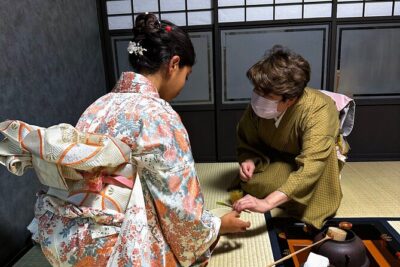
KYOTO Tea Ceremony with kimono near by Imamiya Jinjya Shrine
Read our review →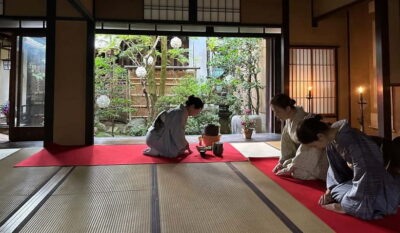
Kyoto: Kimono and Tea Ceremony Experience at Cultural Asset
Read our review →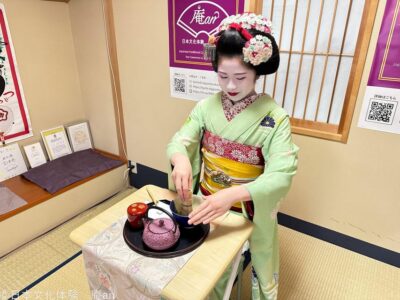
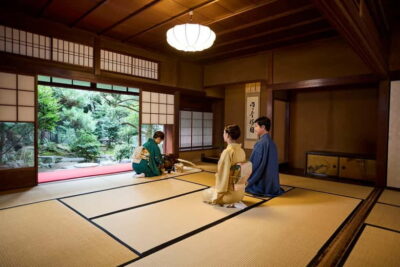
Kyoto: Kimono Tea Ceremony with Matcha and Sweet
Read our review →
Browse the lists this tour appears in