
Review · KIMONO & TEA CEREMONY
Kyoto : Okada Tea Ceremony & Kimono
Kyoto’s kimono and tea ceremony pairing gives you two traditional experiences in one tidy visit. You choose your outfit, have your hair simply arranged, learn how the garments are put together, then move next door for matcha, sweets, and an explanation of tea customs.
I like the tiny group size, limited to four people, and the easy location just 30 seconds from the Kiyomizu-michi bus stop. I also like that you can keep the kimono until 6 PM, giving the activity more value than a one-hour photo stop.
The main consideration is time. Dressing takes about one to 1.5 hours, so the full experience lasts roughly two and a half hours, and the kimono may feel restrictive during a long day of walking.
Key points at a glance
- Choose your own kimono: Your outfit is selected before you receive the full traditional dressing.
- Simple hairstyling included: Allow about one to 1.5 hours for dressing and hair.
- One-hour tea ceremony: Learn the customs, history, and meaning behind the ritual while enjoying matcha and sweets.
- Keep the kimono until 6 PM: Continue into nearby Kyoto streets after the formal activity.
- Small group of no more than four: The format allows for close attention from the host.
- Convenient Higashiyama location: The meeting point is a 30-second walk from the Kiyomizu-michi bus stop.
A Kyoto tradition packed into one afternoon
This experience works because it connects appearance, etiquette, and place. You do not simply put on a kimono for a quick photograph. You learn how the clothing is assembled, then sit down for a tea ceremony that explains why the gestures and objects matter.
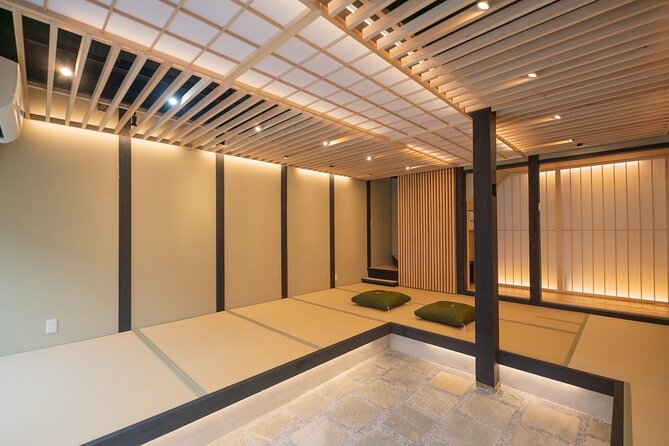
The setting is in Kyoto’s Higashiyama Ward, at 102 Tatsumichō. The kimono rental shop is right beside the tea ceremony venue, so you do not need to travel across town after changing. That small detail matters. Moving through Kyoto in a kimono can be awkward, and an extra transfer would make the activity feel rushed.
The meeting point is about 30 seconds from the Kiyomizu-michi bus stop. If you are already visiting the Kiyomizu-dera area, this is a practical addition to your day. You should still allow enough time to find the exact address, since traditional streets in Higashiyama can be busy and easy to navigate slowly.
More Kimono and Tea Ceremonies in Kyoto
- Kimono Tea Ceremony at Kyoto Maikoya, NISHIKI
★ 5.0 · 911 reviews - Kyoto: Kimono Tea Ceremony at Orizuruya Gion
★ 4.9 · 618 reviews - KYOTO Tea Ceremony with kimono near by Imamiya Jinjya Shrine
★ 5.0 · 343 reviews
Choosing a kimono and getting dressed
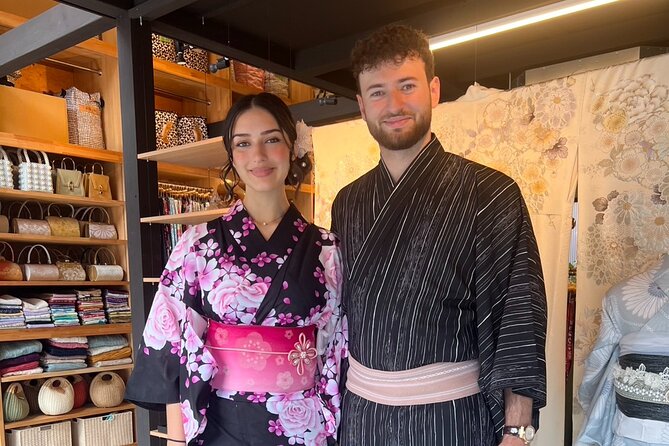
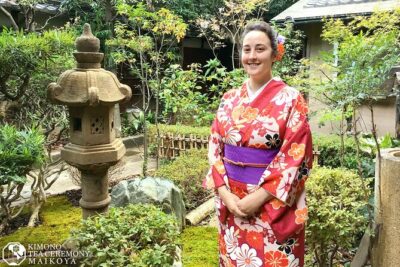
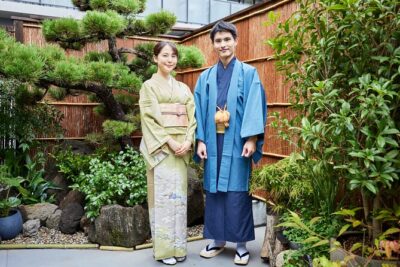
The first stage takes about one to 1.5 hours. You choose a kimono, then receive the layers and accessories needed to complete the outfit. The dressing process itself is part of the lesson. You see that the garment is not just one robe pulled over everyday clothes, but a carefully arranged outfit with several components.
This is one of the strongest parts for anyone who wants more than a costume rental. The clothing gives you a direct look at Japanese dress customs, and the step-by-step process helps explain why the finished shape looks the way it does.
Simple hairstyling is included. That is useful because the hair helps complete the look without turning the appointment into a separate salon visit. Do not expect an elaborate modern hairstyle. The service is described as simple, and the main focus remains the kimono and tea ceremony.
The time needed for dressing is worth planning around. If you have a packed morning at Kiyomizu-dera, Yasaka Pagoda, and nearby shopping streets, you will need to build in room for this appointment rather than squeeze it between two fixed bookings. The full visit lasts about two and a half hours before you even use the extra kimono time afterward.
Learning tea customs with Okada
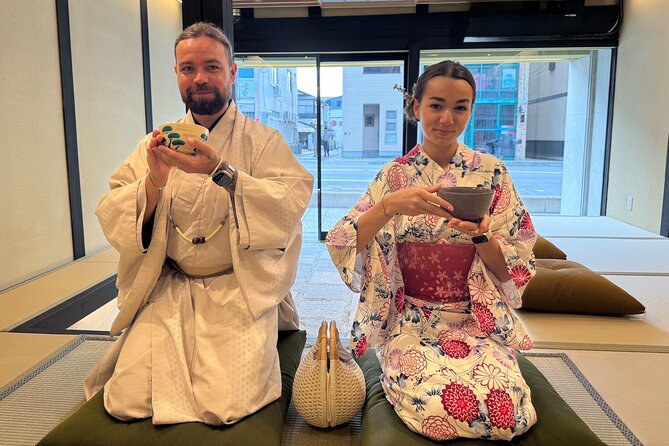
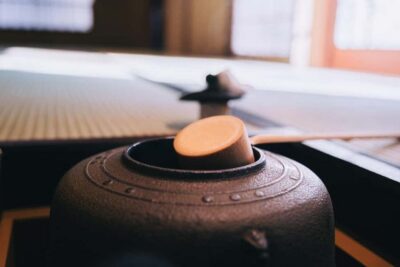
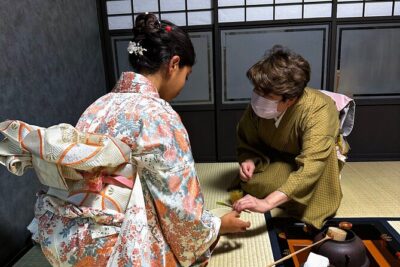
After changing, you go next door for a one-hour tea ceremony. The host, Okada, explains the customs and background of tea culture before or during the preparation of matcha and sweets.
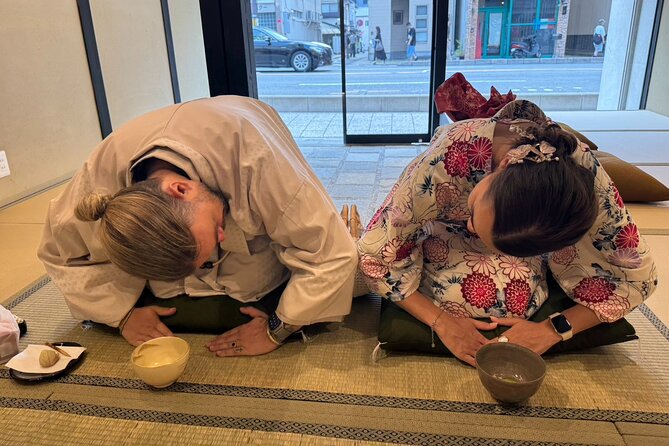
The appeal here is the explanation. Tea ceremony can look quiet and formal from the outside, but the meaning is easy to miss if you only watch. A guided introduction helps you notice the order of actions, the care given to the tea, and the role of the sweets served with it.
The ceremony is not described as a long formal performance. It is a one-hour cultural session, which makes it a reasonable introduction if you are new to Japanese tea traditions. You should expect a calm, structured hour rather than a sightseeing lecture packed with dates and names.
The available feedback points to Okada’s attentive style. He is described as thoughtful and willing to explain the history and customs in detail. He also took photographs of people in their kimonos, which may be useful if you want a record of the occasion without arranging a separate photo service.
The matcha and sweets add a simple but important sensory element. You are not only hearing about tea culture. You taste the tea and receive a traditional sweet as part of the ceremony. For many people, that combination will make the customs easier to remember.
Why the four-person limit matters
The maximum group size is four people. That is a major advantage in an activity built around clothing, gestures, and questions.
A smaller group means the dressing process is less likely to feel like a production line. It also gives you a better chance to ask about the layers, the ceremony, or the meaning of particular actions. If you are traveling with family or friends, the small format keeps the activity personal without requiring a private booking.
The small scale also suits families. The experience has welcomed a three-year-old child, and the host was described as patient and attentive. That does not mean every young child will enjoy sitting through a formal tea ceremony, but families should not assume the activity is adults-only based on the traditional setting.
You will need to judge your own child’s patience and comfort with changing clothes and sitting quietly. The provided details confirm that a young child was accepted, but they do not specify child pricing, stroller arrangements, or special activities for children.
More Tea Ceremonies in Kyoto
- Kyoto: Tea Ceremony in a Traditional Tea House in Kiyomizu
★ 4.9 · 3,519 reviews - Kyoto: Tea Ceremony Ju-An at Jotokuji Temple
★ 4.9 · 3,207 reviews - Kyoto: 45-Minute Tea Ceremony Lesson Experience
★ 4.3 · 2,378 reviews - Kyoto: Table-Style Tea Ceremony at a Kyo-Machiya
★ 4.9 · 1,211 reviews
Wearing the kimono around Higashiyama
Once the ceremony ends, you can keep the kimono until 6 PM and use the remaining time to stroll nearby. This changes the value of the booking. You are not limited to an indoor cultural session, and you can continue using the outfit while seeing Kyoto’s traditional streets.
The area around the meeting point is well suited to a slow walk. The experience is located in Higashiyama Ward, near the Kiyomizu-michi bus stop, so you can combine it with sightseeing in the same part of the city rather than crossing Kyoto between appointments.
A kimono does affect how you move. The clothing may shorten your stride and make stairs or extended walks less comfortable. I would plan a gentle route and keep the post-ceremony outing nearby. The option to keep the outfit until 6 PM is generous, but you do not need to use every available minute.
The arrangement is best for strolling, photographs, and enjoying the atmosphere of the district. It is less suited to a day that includes long distances, fast transfers, or many steep climbs. You should also remember that you return the kimono according to the rental arrangement, so the freedom to wear it is for the same-day period only.
What the $84.70 price includes
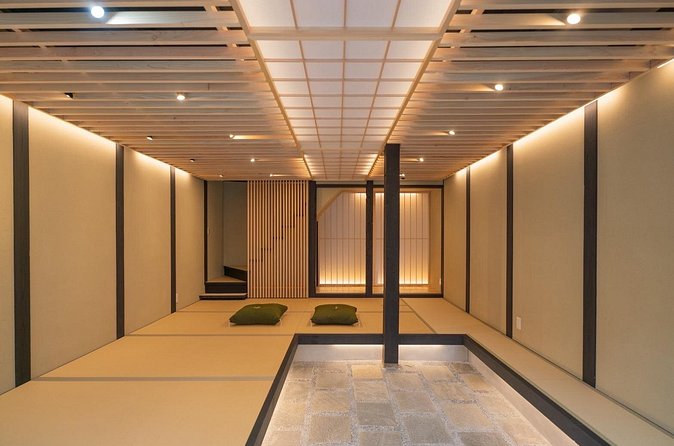
At $84.70 per person, the cost covers more than a tea tasting. You receive the kimono rental, dressing, simple hairstyling, the one-hour tea ceremony, matcha, sweets, and use of the kimono until 6 PM.
That is a fair value if you planned to pay separately for a kimono rental and a cultural lesson. The convenient layout adds practical value because the dressing venue and tea room are beside each other. You avoid paying for transport between the two parts and lose less time to moving around.
The price is less attractive if your main goal is simply to wear a kimono for a few photographs. In that case, the tea ceremony and cultural explanation account for much of what you are paying for, so you should be ready to sit, listen, and take part rather than treat the booking as a costume session.
The small group also supports the price. A maximum of four people allows for more personal attention than a large class, especially during dressing and questions. Still, the total cost does not include every possible Kyoto expense, such as transport to the meeting point or other sightseeing nearby.
Timing your visit around Kyoto sightseeing
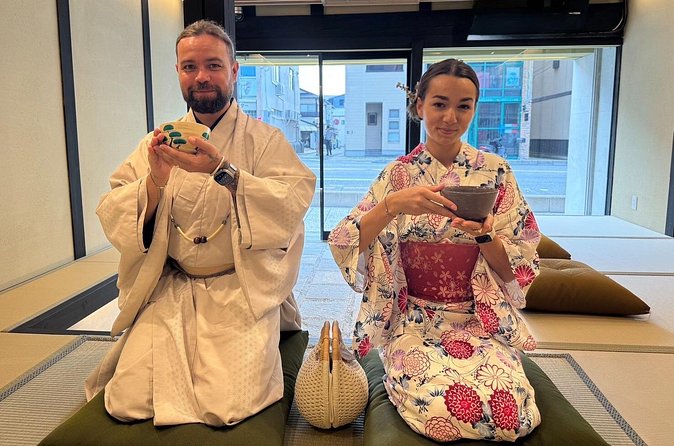
The experience takes approximately two hours and 30 minutes. Dressing and hairstyling use about one to 1.5 hours, while the tea ceremony lasts one hour. Afterward, you may keep the kimono until 6 PM.
For an easy day, schedule this near other Higashiyama sights. The nearby bus stop makes arrival simple, and the shop’s location next to the ceremony venue removes a second journey after changing.
I would avoid booking this immediately before a time-sensitive reservation elsewhere. The exact pace of dressing may vary, and you will want enough time to enjoy the ceremony without watching the clock. The activity ends back at the meeting point, so plan your return or next stop from there.
The extra kimono time is especially useful for afternoon bookings. You can finish the ceremony and still have time for a short walk before returning the outfit. If your booking begins late, though, the period available after the ceremony will naturally be shorter.
A good fit for families, couples, and first-time visitors
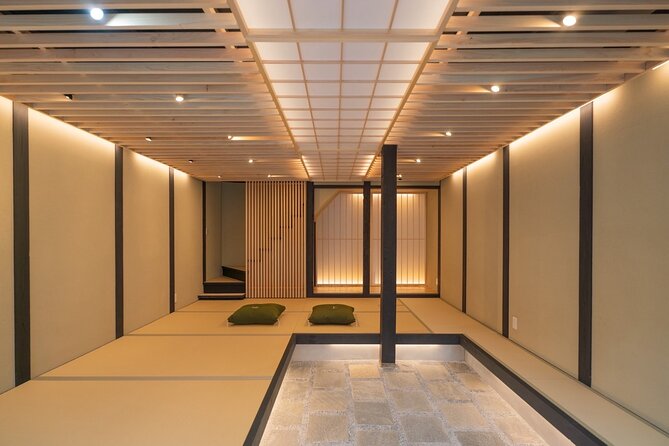
This experience suits you if you want an introduction to two well-known parts of Japanese culture without arranging them separately. It is also a good choice if you value explanation. The ceremony is not just tea and sweets, and the dressing process is not just changing clothes.
Couples and friends will get a shared activity with photographs and a walk afterward. Families may appreciate the patient approach shown toward a three-year-old, though you should consider whether young children can manage the dressing time and one-hour ceremony.
First-time Kyoto visitors will find the location useful because the activity fits naturally into a Higashiyama day. The experience may be less suitable if you prefer fast-paced sightseeing, dislike formal settings, or want a long guided tour of the city.
The service allows animals, including service animals, according to the provided information. It is also near public transportation, with the Kiyomizu-michi bus stop only about 30 seconds away.
Practical booking notes before you reserve
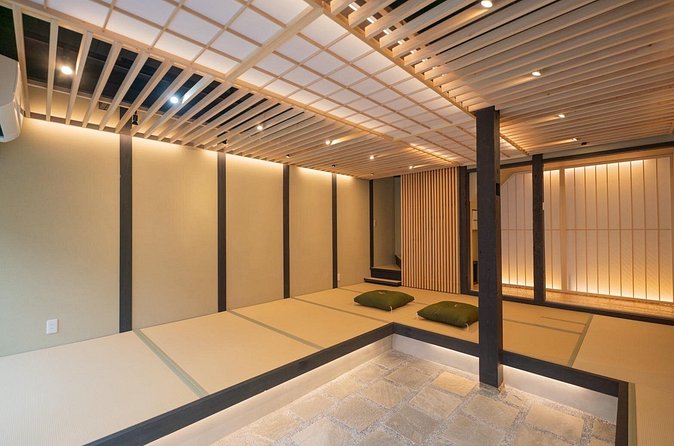
You receive confirmation at the time of booking, and the ticket is mobile, so you can keep the reservation on your phone. The meeting point is 岡田-OKADA-102 Tatsumichō, Higashiyama Ward, Kyoto, 605-0855, Japan.
Free cancellation is available if you cancel at least 24 hours before the local start time. Cancellations made less than 24 hours ahead are not refunded, and changes inside that period are not accepted. That deadline matters if you are building a Kyoto schedule around weather, family needs, or changing train plans.
Wear something that allows you to change without fuss. The supplied information does not specify a dress code, so I would avoid making assumptions about shoes, underlayers, or storage. If any part of the clothing process matters to you, ask the provider before booking.
The activity is available to a maximum of four people. That number is small enough that your booking may feel personal, but the details do not state that every session is private. If exclusivity is important, confirm that directly with OKADA Japan Culture Center.
Should you book the Okada experience?
Book it if you want a compact, well-organized introduction to Kyoto culture, especially if you like the idea of learning the meaning behind the tea ceremony rather than simply watching one. The combination of dressing, hairstyling, matcha, sweets, and post-ceremony sightseeing gives the $84.70 price a solid purpose.
The strongest reasons to choose it are the small four-person limit, the side-by-side venues, and the chance to keep the kimono until 6 PM. Okada’s patient explanations and willingness to take photographs add a personal touch.
Skip it if you only want a short photo opportunity, have little patience for a one-hour ceremony, or plan to spend the day covering large distances on foot. For everyone else, this is a sensible way to slow down in Higashiyama and connect a traditional outfit with the customs that give it meaning.
FAQ
Where does the kimono and tea ceremony experience start?
It starts at 岡田-OKADA-102 Tatsumichō, Higashiyama Ward, Kyoto, 605-0855, Japan.
How long does the activity last?
The main experience lasts approximately two hours and 30 minutes. Kimono dressing and simple hairstyling take about one to 1.5 hours, followed by a one-hour tea ceremony.
How many people can join?
The activity has a maximum of four participants.
Can I keep wearing the kimono after the tea ceremony?
Yes. You can keep the kimono until 6 PM to explore and stroll nearby.
Is hairstyling included?
Yes. Simple hairstyling is included as part of the kimono dressing process.
What is included in the tea ceremony?
You learn about tea culture and ceremony customs, and you enjoy matcha and sweets.
What is the cancellation policy?
You can cancel for a full refund up to 24 hours before the experience start time. Cancellations or changes made less than 24 hours before the start time are not accepted for a refund.
Fresh tea listings around Kyoto
- Traditional Tea Ceremony in Kyoto★ 4.5 · 3 reviews
- Kyoto: Authentic Tea Ceremony in a Small Group★ 5.0 · 7 reviews
- Uji Walking Tour – Byodo-in temple and Tea Ceremony from Kyoto★ 3.5 · 3 reviews
- Tea Ceremony Experience in Traditional Kyoto Townhouse★ 5.0 · 19 reviews
- Tea Ceremony in 150 Years Old Townhouse with Tables and Chairs★ 5.0 · 22 reviews
- Tea ceremony at Kyoto’s Zen Temple Teahouse★ 5.0 · 2 reviews
- Sencha-do the Japanese Tea Ceremony Workshop in Kyoto★ 5.0 · 21 reviews
- Silent Beauty of Kyoto Zen Walk and Tea Experience★ 5.0 · 2 reviews
Kimono & Tea Ceremony, compared.
KYOTO Tea Ceremony with kimono near by Imamiya Jinjya Shrine
Read our review →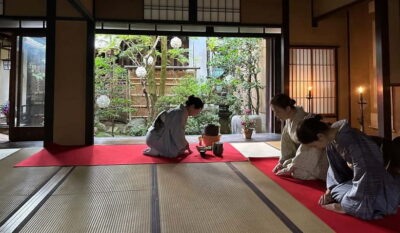
Kyoto: Kimono and Tea Ceremony Experience at Cultural Asset
Read our review →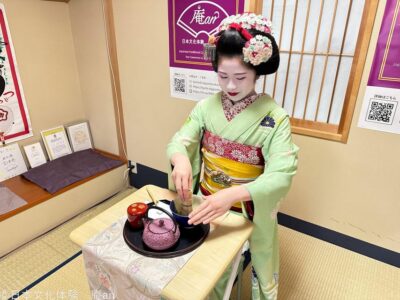
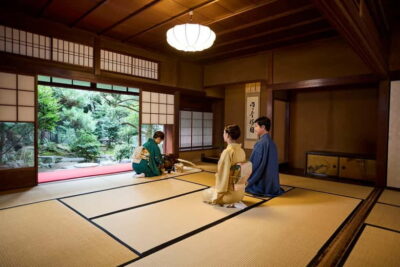
Kyoto: Kimono Tea Ceremony with Matcha and Sweet
Read our review →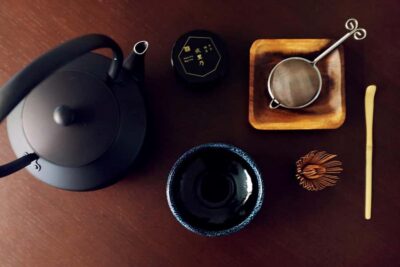
Browse the lists this tour appears in