
Review · TEA CEREMONY EXPERIENCES
Tokyo: Tea Ceremony Experience in a small tea room
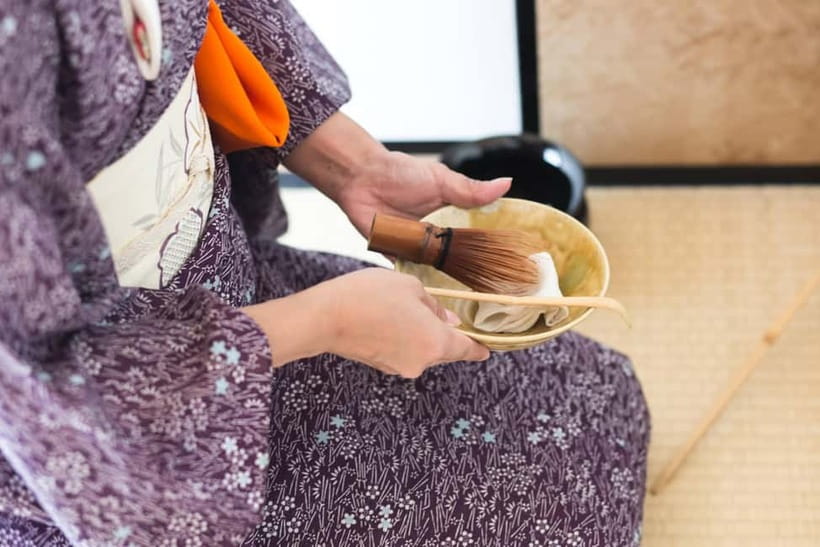
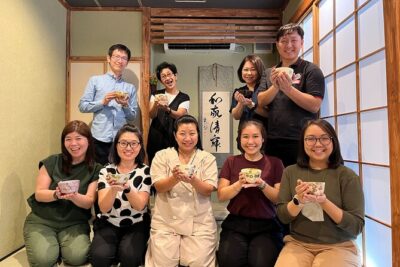
The heart of this one-hour experience is not simply drinking matcha. It is learning why the tea is prepared with such care, from the folding of the tea cloth to the measured whisking of powdered tea. Teacher Mari brings more than 20 years of experience and explains the ceremony in English, so you can follow along without prior knowledge.
I like the small group size, limited to six people, and the chance to prepare your own matcha instead of only watching. I also like the setting near Yanaka and Nezu Shrine, where a quiet tea lesson can fit neatly into a day of old Tokyo streets and local scenery.
The main consideration is access. The meeting point is a 7-minute walk from Nishi-Nippori Station, but the room is in a residential area and can be difficult for a taxi to find. One account also notes two narrow flights of stairs, so ask ahead about the exact room if stairs are a concern.
Key points to know before booking
- Learn from Mari, a tea teacher with more than 20 years of experience, with clear English instruction for beginners.
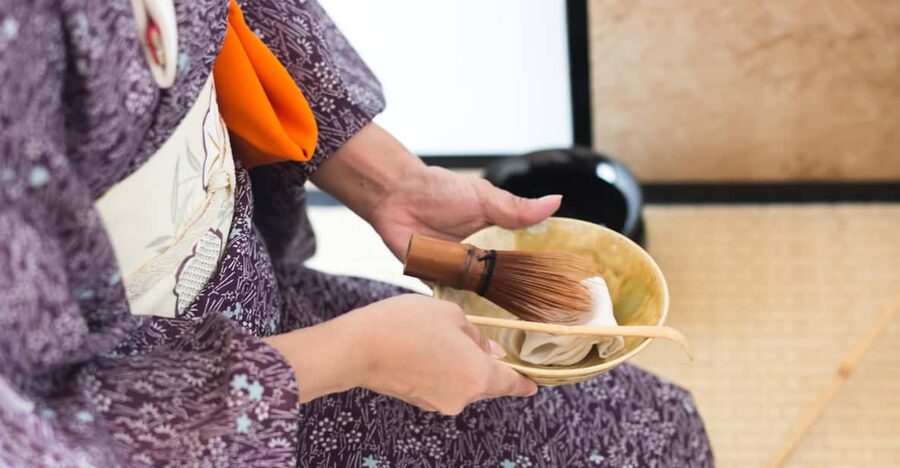
- Make your own matcha by hand, including the careful whisking and folding of the tea cloth.
- Enjoy a quiet tea room near Nishi-Nippori, close to Yanaka and Nezu Shrine.
- Keep the experience personal, with groups capped at six people.
- Taste matcha with traditional dried sweets, included in the $51 price.
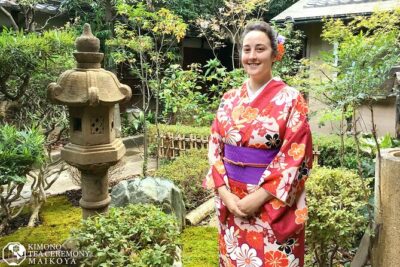
- Request kimono dressing separately, since it is not included and costs extra.
Why this small tea ceremony works so well
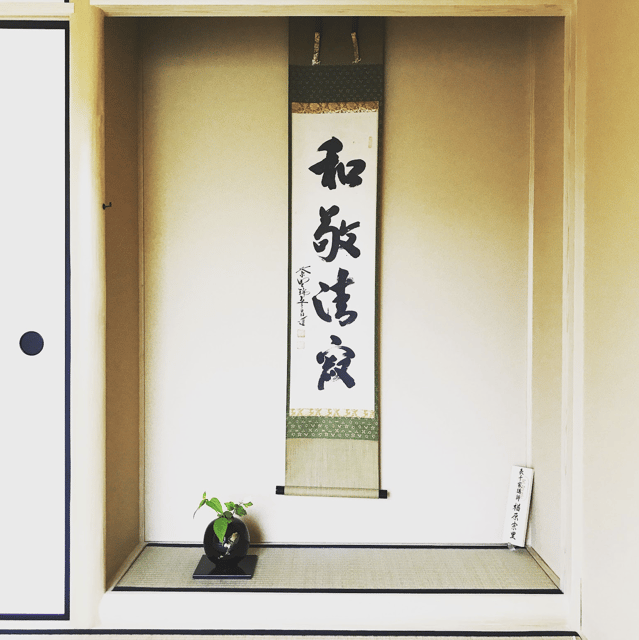
Tokyo can wear you out. Trains, tall buildings, packed shopping streets, and a long list of temples can make your day feel like a race. This tea ceremony gives you one hour to slow down and pay attention to small things.
That is the real value here. You are not simply handed a bowl of matcha and told to take a photo. Mari explains the purpose behind the movements and the ideas that shape the ceremony, including purity, hospitality, and harmony. You begin to see that the quiet gestures are not random rules. They create a calm exchange between host and guest.
You do not need to know the difference between schools of tea, understand Japanese etiquette, or have tried matcha before. The lesson is designed for first-time visitors. If you already know a little about tea ceremony customs, you can still ask questions and practice the movements more carefully.
The setting also helps. The room is connected with a home, which gives the experience a more personal feel than a large cultural venue. You are visiting a small space where the ceremony can remain focused and direct. That intimacy is a strength, though it also means you should expect a simple residential setting rather than a grand historic teahouse.
More Tea Ceremonies in Tokyo
- Kimono Tea Ceremony at Tokyo, Asakusa Maikoya
★ 5.0 · 638 reviews - Tokyo: Traditional Tea Ceremony with a Tea Master
★ 5.0 · 528 reviews - Tea Ceremony Workshop in Tokyo by the Experienced Instrucor
★ 5.0 · 189 reviews
Meeting Mari at Senraku-an
Plan to arrive at Senraku-an 10 minutes before your scheduled start. The tea room is about a 7-minute walk from Nishi-Nippori Station, but allow extra time for the final approach.
This is not the kind of meeting point where you should jump out of a taxi at the last second. The room is in a residential area, and finding the correct entrance may take a little care. Public transport and a short walk may be easier than asking a taxi driver to locate the address, though the supplied information does not specify the best route from the station.
Once you arrive, the mood changes quickly. You leave behind the practical business of getting there and focus on the room, the tools, the tea, and the lesson. Since the group is limited to six, you should have a reasonable chance to hear the explanations and ask questions directly.
One practical warning matters here. A booking account describes the room as being up two narrow flights of stairs. This may not trouble most people, but it can be difficult for anyone with limited mobility or discomfort on stairs. Contact the provider before booking if you need a ground-floor setting or want to confirm the exact arrangement.
The first lesson: understanding the tea room
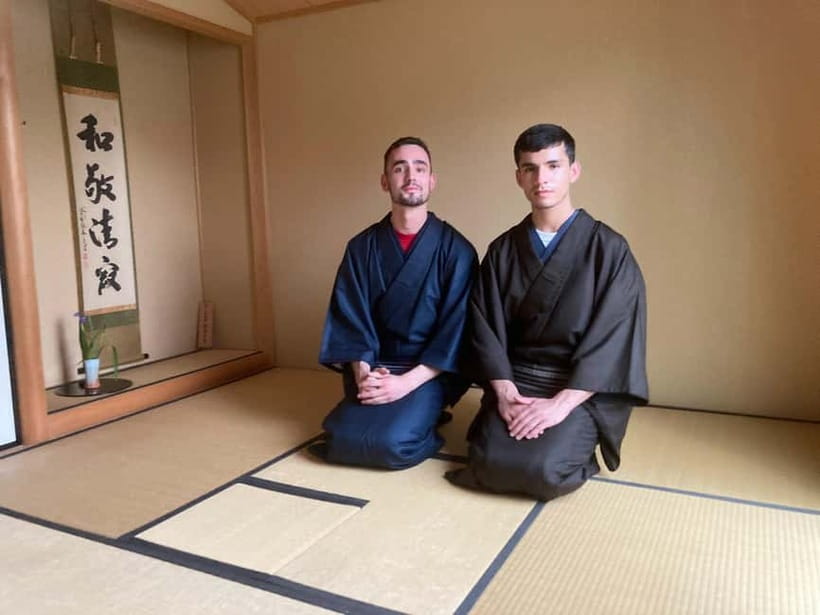
The ceremony begins with an introduction to the setting and the basic ideas behind Japanese tea practice. You will learn to watch closely, since each action has a place and purpose.
This is where Mari’s long experience matters. A good teacher does not merely recite steps. She can explain why the host handles the bowl, whisk, and cloth with such care, and why the guest responds in a certain way. The supplied experience information focuses on purity, hospitality, and harmony, which gives you useful cultural context instead of a list of movements to copy.
The lesson is conducted in English. That makes a major difference for first-time visitors. You can ask about the meaning of a gesture as it happens, rather than trying to decode a formal performance after it is over.
The experience is welcoming rather than stiff. You are not expected to arrive with special clothing or training. That lowers the barrier that often surrounds traditional ceremonies, especially for visitors who worry about making an etiquette mistake.
Watching the matcha preparation
After the introduction, you will see how matcha is prepared. The tea is powdered, and the whisking requires more care than simply stirring a drink with a spoon.
You can watch the measured movements and learn how the bowl, whisk, and tea cloth are handled. The tea cloth is especially useful for understanding the ceremony’s attention to order. One participant found it helpful to practice folding the cloth several times with Mari’s guidance. That detail tells you what makes this lesson different from a short demonstration: you are given room to repeat a movement until it makes sense.
You will also receive matcha and traditional dried sweets. The sweets are not just a small extra. In a tea ceremony, a sweet balances the bitterness of matcha and gives the tasting a clear rhythm. The ceremony becomes a sequence of preparation, hospitality, tasting, and attention.
If you do not enjoy strong green tea, keep your expectations realistic. The experience is about cultural practice as much as flavor. The included sweets help, but this is still matcha, not a mild café latte.
Same city, a very different cup:
- Matcha Making Class in Tokyo with Authentic Japanese Sweets Set
★ 5.0 · 744 reviews - Dynamic Tokyo: Tokyo Tower, Tea Experience, Bay Cruise Day Tour
★ 4.5 · 521 reviews - Tokyo: Matcha Making Experience with Mochi Sweets in Asakusa
★ 4.9 · 388 reviews - Asakusa Cultural Walk & Matcha Making Tour
★ 5.0 · 245 reviews
Making your own bowl of matcha
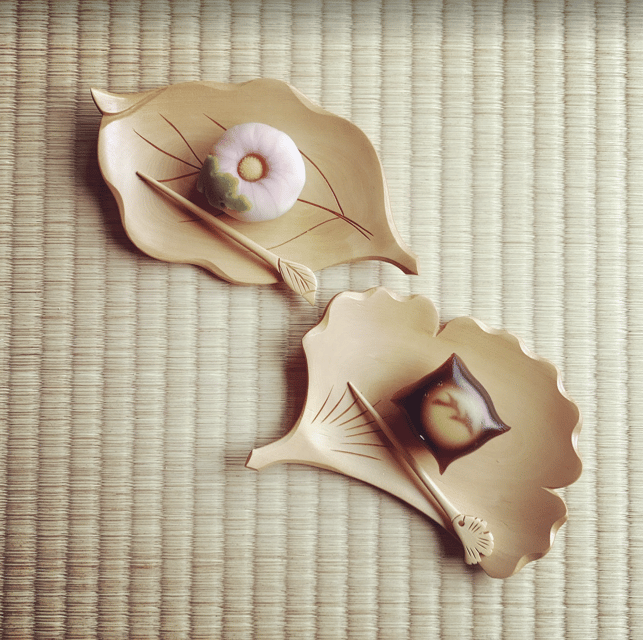
The hands-on portion is likely to be the most memorable part of the hour. Under Mari’s direction, you can whisk your own tea and follow the same basic actions you have just watched.
This is where the small group format earns its place. With no more than six participants, the instructor can watch your technique, correct a movement, and answer individual questions. You are not lost in a crowd waiting for a turn.
I also like that the activity is optional in spirit. You can take part at your own comfort level and focus on watching if that suits you better. The experience is meant to welcome beginners, not test them.
The lesson gives you a better sense of the concentration involved in the ceremony. Preparing matcha is simple enough to learn in an hour, but precise enough that you notice the difference between rushing and paying attention. That small lesson in patience may be the most useful thing you take back into Tokyo’s busy streets.
A quiet base near Yanaka and Nezu Shrine
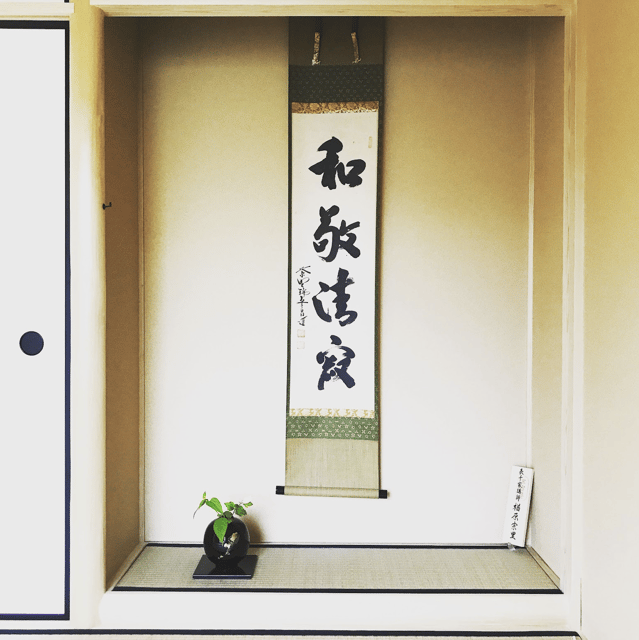
The location makes this activity easy to pair with a day in Tokyo’s older neighborhoods. It is described as close to Yanaka and the Nezu Shrine area, and the meeting point is near Nishi-Nippori Station.
You can use the tea ceremony as a peaceful pause between sightseeing stops. Before or after the lesson, you might find yourself exploring the nearby residential streets, visiting the shrine area, or seeking out the riverside scenery associated with the location. The supplied information also points to hidden historical sites and tranquil settings nearby, though it does not specify a fixed walking route or sightseeing portion.
That last point is important. This is a tea ceremony, not a guided neighborhood tour. You should not book it expecting a long walk with stops at named monuments. The surroundings add atmosphere and make the location useful for planning, but the one-hour session centers on tea.
For me, that focus is a benefit. You get one clear cultural experience rather than a rushed combination of tea, shopping, food, and sightseeing. You can add the neighborhood exploring yourself, at a pace that suits your day.
What the $51 price includes
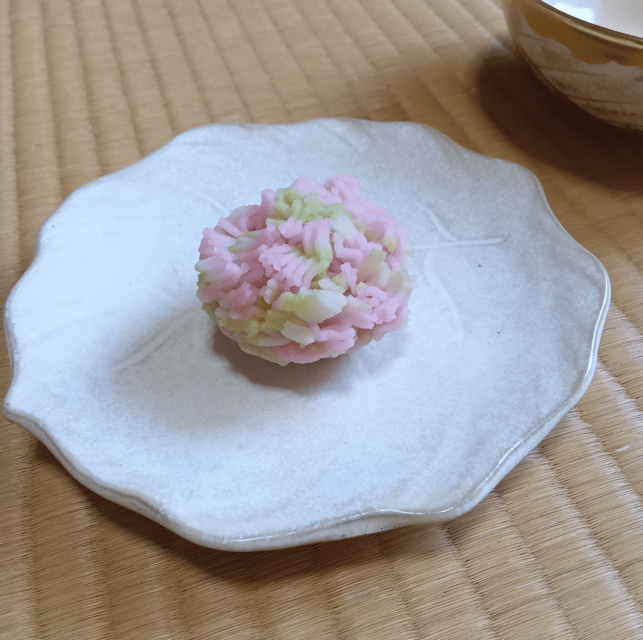
At $51 per person, the cost is fair if you want instruction rather than a simple cup of matcha. The price includes the tea, traditional dried sweets, and the lesson with the tea ceremony teacher.
The strongest part of the value is the personal teaching. You are paying for access to a specialist who can explain the ceremony and guide your own preparation. A large public demonstration might cost less, but it would not offer the same chance to practice the whisking and tea cloth movements.
The price does not include transportation. It also does not include kimono dressing. Kimono can be requested, and one family arranged dressing for two girls for an additional charge, but another account found the separate cost high. Ask for the current price before adding it to your booking.
For a couple or family that wants one focused cultural activity, the cost is reasonable. For a solo visitor on a tight budget who only wants to taste matcha, it may feel high. The value depends on how much you want the explanation and hands-on lesson.
Who should book this experience
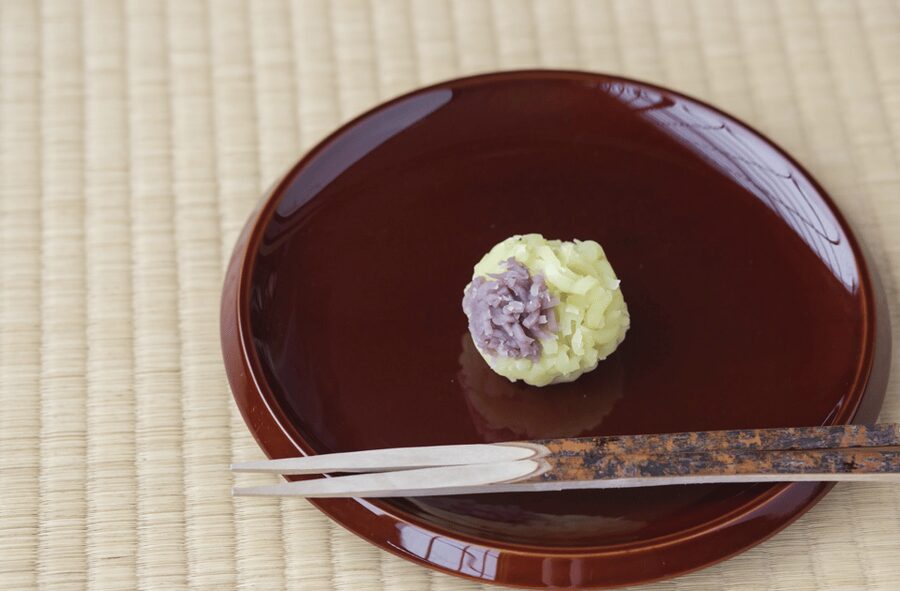
I would point this activity toward first-time visitors who want a calm introduction to Japanese culture without committing to a full-day class. It also suits couples, families, and small groups who prefer direct contact with an instructor.
Families should note that the ceremony is quiet and requires attention, but children can take part. Kimono dressing may add extra appeal for young participants, and it can be arranged separately.
This is also a good fit if you want an English-language activity. Mari’s explanations, patience, and willingness to answer questions are central to the experience. A parent and adult child, for example, can take the lesson together without worrying about a language barrier.
You may want to choose another activity if you need step-free access, want a large formal venue, or expect a long tour of Tokyo’s historic sights. The room is small, the setting is residential, and the tea ceremony itself lasts only one hour.
Timing, cancellation, and group size
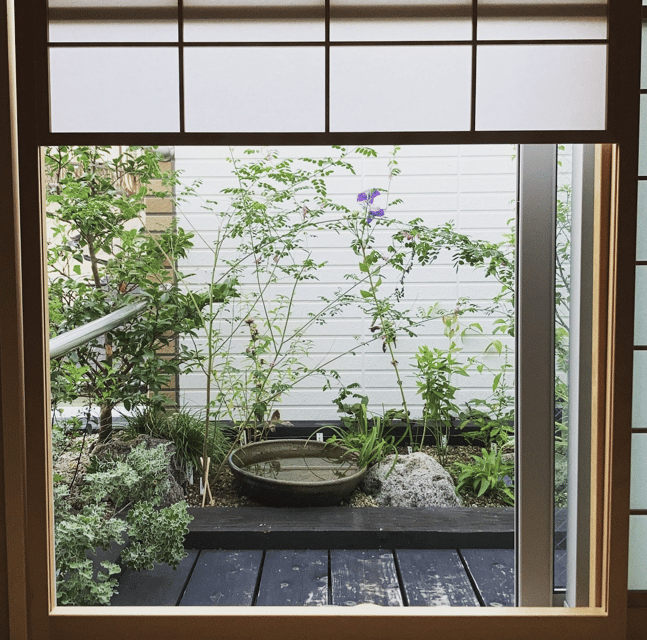
The session lasts one hour, with starting times shown when you check availability. Arrive at Senraku-an 10 minutes early, especially because the residential location may take time to identify.
Groups are limited to six people. That limit is one of the main reasons the lesson can stay personal, so check availability early if you have a preferred time.
You can cancel up to 24 hours in advance for a full refund. The reserve-now-and-pay-later option also helps if your Tokyo schedule is still changing. Transportation is not included, so plan your route to Nishi-Nippori and allow time for the walk to the meeting point.
Should you book the Tokyo tea ceremony?
Book it if you want to understand the ceremony, not merely watch one. Mari’s long experience, English instruction, and patient hands-on teaching give you a genuine chance to learn how matcha is prepared and why the gestures matter.
The setting is quiet and personal, and the location works well with Yanaka and Nezu Shrine. The $51 price is justified by the small group and practical instruction. Just confirm the room access before booking, especially if narrow stairs could be a problem, and ask about the extra charge for kimono dressing.
For a short, thoughtful cultural break in Tokyo, I would book this experience. It gives you something useful to do with your hands, something meaningful to learn, and one peaceful hour away from the city’s constant motion.
FAQ
How long does the tea ceremony last?
The experience lasts one hour.
Where does the tea ceremony meet?
You meet at Senraku-an 10 minutes before the experience begins.
How far is the location from Nishi-Nippori Station?
The tea ceremony location is about a 7-minute walk from Nishi-Nippori Station.
Is the tea ceremony taught in English?
Yes. The instructor teaches in English.
How many people are in each group?
The group is limited to six participants.
Do I need previous tea ceremony experience?
No. The activity is designed for beginners as well as people with some familiarity with tea ceremony customs.
Can I make my own matcha?
Yes. You can prepare your own matcha with guidance from the teacher.
What is included in the price?
The price includes matcha, traditional dried sweets, and the lesson with the tea ceremony teacher.
Is kimono dressing included?
No. Kimono dressing is not included in the listed price, but you can request it for an additional charge.
More Afternoon Tea in Tokyo
- Tea Ceremony Experience in a Private Tea Room in Shibuya
★ 4.9 · 125 reviews - London: Afternoon Tea Cruise on the River Thames
★ 4.4 · 3,274 reviews - Afternoon Tea Bus Tour in Dublin
★ 5.0 · 2,791 reviews - London: Afternoon Tea Bus Tour – 1960s Routemaster Bus
★ 4.5 · 2,032 reviews
Fresh tea listings around Tokyo
- Authentic Japanese tea tasting: sencha, matcha and gyokuro★ 5.0 · 12 reviews
- At an Antique Shop, Tea Ceremony and Japanese Sweets Forming★ 5.0 · 5 reviews
- Mochi Matcha Gluten Free Japanese Sweets Class near Shibuya area★ 5.0 · 26 reviews
- Tokyo: Two Types of Japanese Sweets Making and Tea Ceremony★ 4.6 · 26 reviews
- Japanese Matcha Tea Ceremony and Kimono Experience in Hanayaka★ 5.0 · 26 reviews
- Matcha Experience with of Japanese Tea Tasting in Tokyo★ 5.0 · 31 reviews
- Tokyo:Genuine Tea Ceremony, Kimono Dressing, and Photography★ 5.0 · 33 reviews
- EDOCCO Tea House–A Quick Dive into Japanese Traditional Culture★ 5.0 · 34 reviews
Tea Ceremony Experiences, compared.
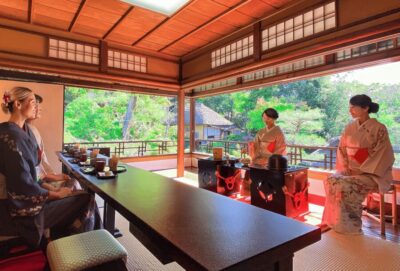
Kyoto: Tea Ceremony in a Traditional Tea House in Kiyomizu
Read our review →
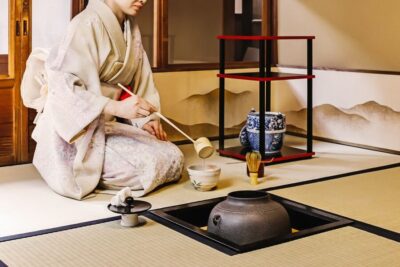
Kyoto: 45-Minute Tea Ceremony Lesson Experience
Read our review →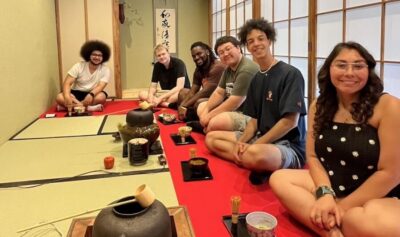
Kyoto: Table-Style Tea Ceremony at a Kyo-Machiya
Read our review →
Browse the lists this tour appears in