
Review · TEA CEREMONY EXPERIENCES
Tokyo: Private Japanese Traditional Tea Ceremony
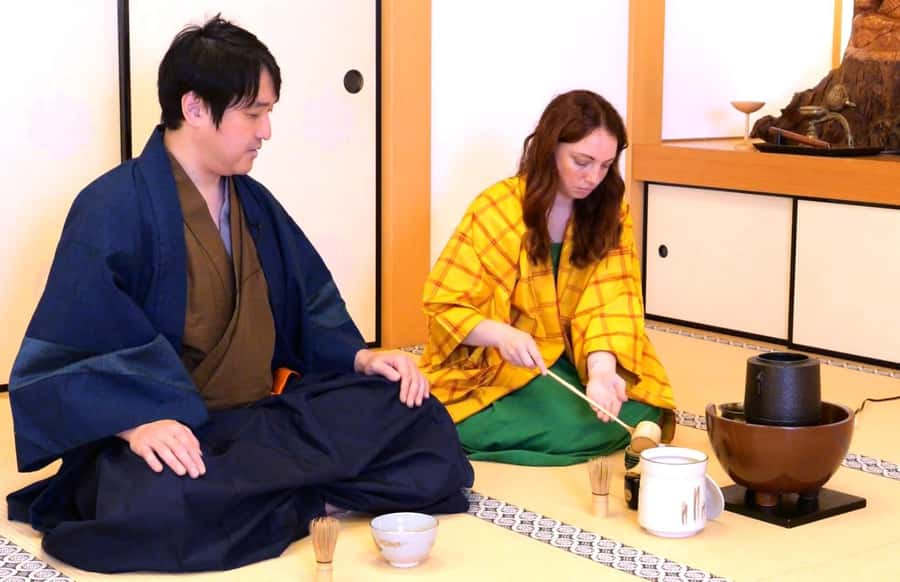
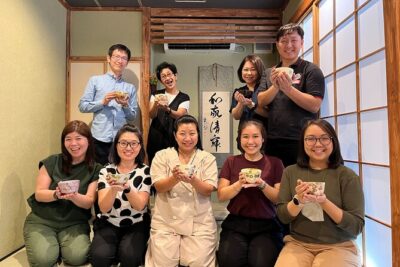
A tea ceremony in a 1,200-year-old Buddhist temple gives this Tokyo experience a sense of place that a hotel demonstration cannot match. In the quiet 24-mat tatami room, a kimono-clad tea master explains the utensils, movements, and manners before guiding you through the ceremony yourself.
I like the hands-on format: you do not simply watch someone whisk matcha, you get to prepare tea with guidance. I also like the small-group setting, English instruction, and the simple pairing of bitter matcha with delicate wagashi sweets.
The main caution is price. At $74 per person, this is not a cheap cup of tea, and the session may feel closer to 45 minutes for some groups rather than the advertised 60. Also, kimono dressing is an optional add-on, not automatically part of the basic experience.
Key points to know before booking
- A 1,200-year-old temple setting: The ceremony takes place at Mita Koboji Temple, in an authentic 24-mat tatami room.
- You make matcha yourself: The tea master demonstrates the process, then helps you prepare tea firsthand.
- English guidance is available: Explanations cover etiquette, utensils, and the meaning behind the ceremony.
- Wagashi is included: Expect traditional Japanese sweets with matcha, but no meal or other food.
- Kimono dressing costs extra: Traditional kimono and Oshima Tsumugi haori options are available separately.
- Plan around one hour: The stated length is 60 minutes, though one account found the activity lasted about 45 minutes.
Entering Mita Koboji Temple for tea
This is not a sightseeing circuit through several Tokyo districts. You meet at Mita Koboji Temple and remain there for the activity, which ends back at the same place. That makes the experience easy to fit between other plans, especially if you want a quiet cultural hour without committing to a half-day tour.
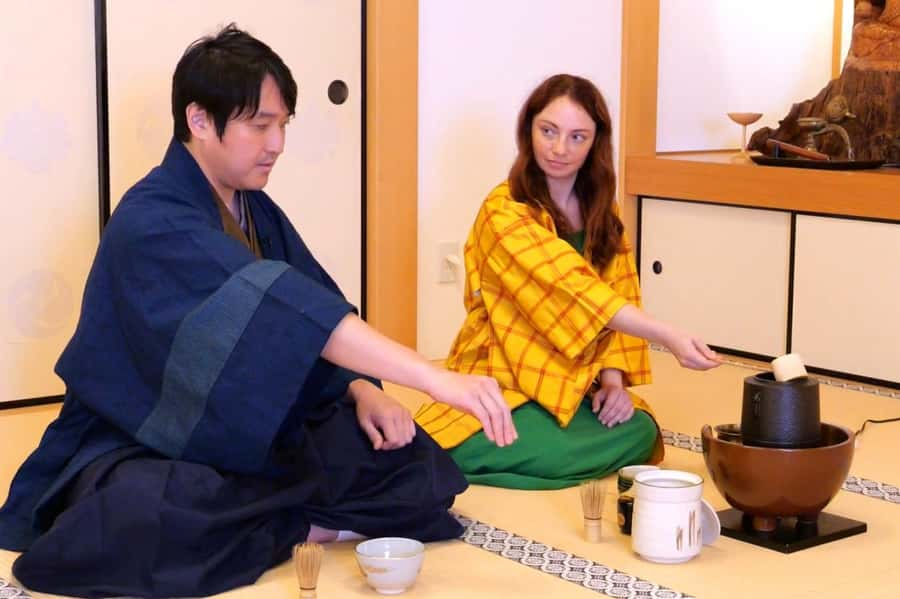
The setting is the first reason to book. Koboji is described as a 1,200-year-old temple, and the ceremony takes place in a proper tatami room with space for 24 mats. You are not being shown a stage version of tea culture in a modern event hall. The temple setting gives the ritual a more fitting backdrop, even though the ceremony itself is designed for visitors who may know little about Japanese customs.
You will likely remove your shoes before entering the tatami space, as is customary in rooms of this kind, though the supplied information does not give specific arrival instructions. Wear something comfortable and easy to sit in. The experience involves sitting on tatami for much of the hour, so anyone unused to kneeling or sitting on the floor should keep that in mind.
More Tea Ceremonies in Tokyo
- Kimono Tea Ceremony at Tokyo, Asakusa Maikoya
★ 5.0 · 638 reviews - Tokyo: Traditional Tea Ceremony with a Tea Master
★ 5.0 · 528 reviews - Tea Ceremony Workshop in Tokyo by the Experienced Instrucor
★ 5.0 · 189 reviews
Learning the rules before touching the tea
The session begins with a lecture on the tea ceremony. This is useful because the formal movements can seem mysterious if you see them without explanation. The master introduces the utensils and explains the etiquette, giving you a reason for each action rather than asking you to copy a series of gestures blindly.
The tea ceremony grew out of samurai culture and was once regarded as a high form of entertainment. That background helps explain why the ritual is so careful. The point is not simply to make a drink. The arrangement of the room, the handling of the bowl, the movements of the host, and the behavior of the person receiving tea all form part of the experience.
The English guidance is a major practical advantage. Several participants found the explanations clear and easy to follow, and one specifically noted that the host was attentive and communicated well in English. Another person found the English less strong, so you should expect understandable instruction rather than a long academic lecture.
I would ask questions during the opening explanation. The tea ceremony can move quickly once the preparation begins, and it is easier to understand the actions if you know what to watch for first.
Making matcha in a 24-mat tatami room
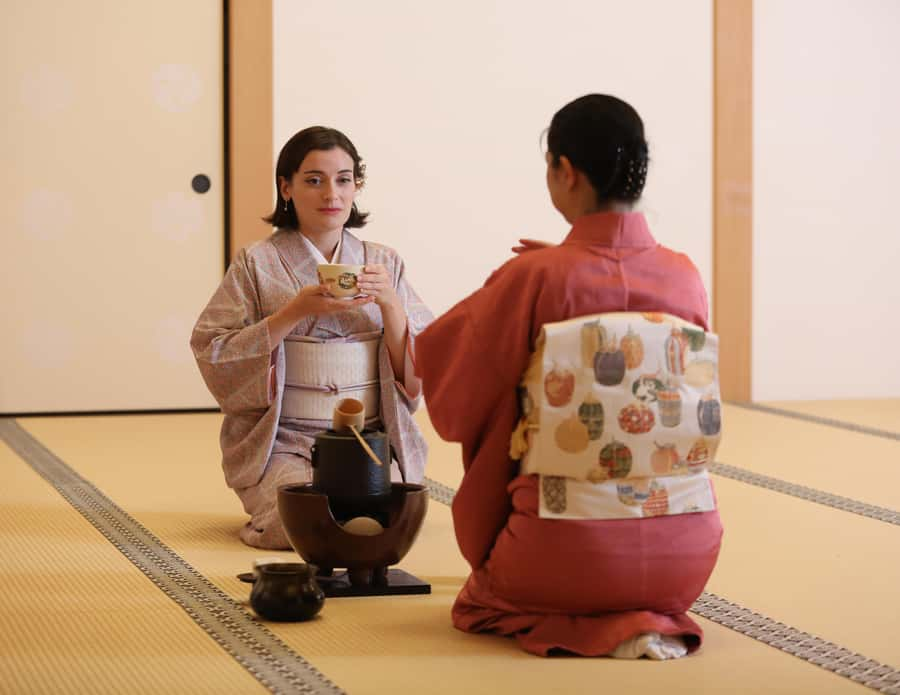
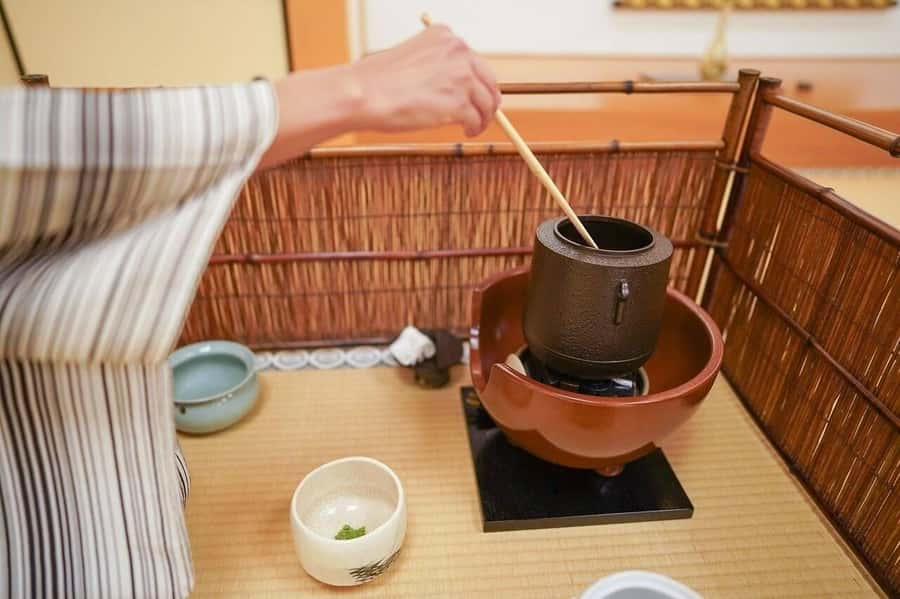
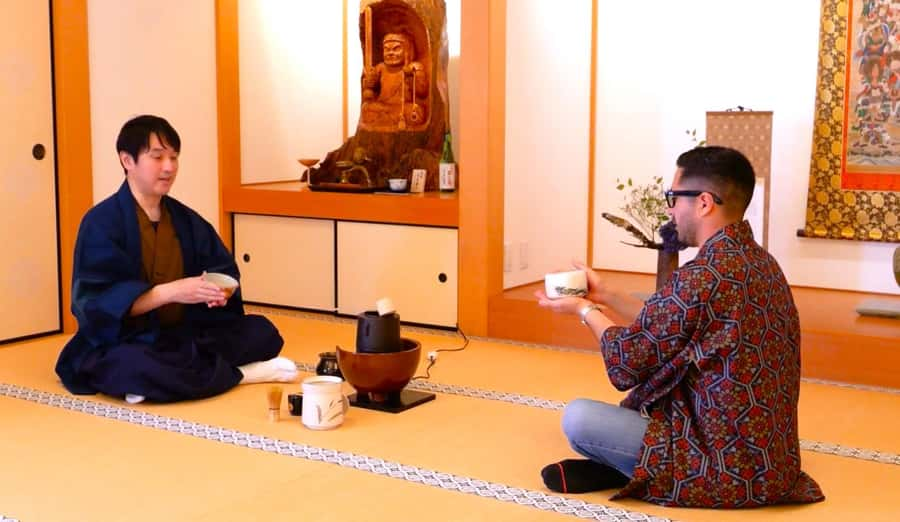
The heart of the experience is the preparation and drinking of matcha. The tea master first shows you the process, then you make tea yourself with guidance. After that, the master prepares another serving for you.
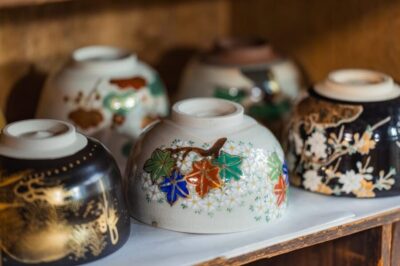
That sequence matters. You get both sides of the tradition: the concentration required to prepare the tea and the calm of receiving it from an experienced host. You will use traditional utensils and learn how they fit into the ritual, rather than simply drinking a pre-made cup.
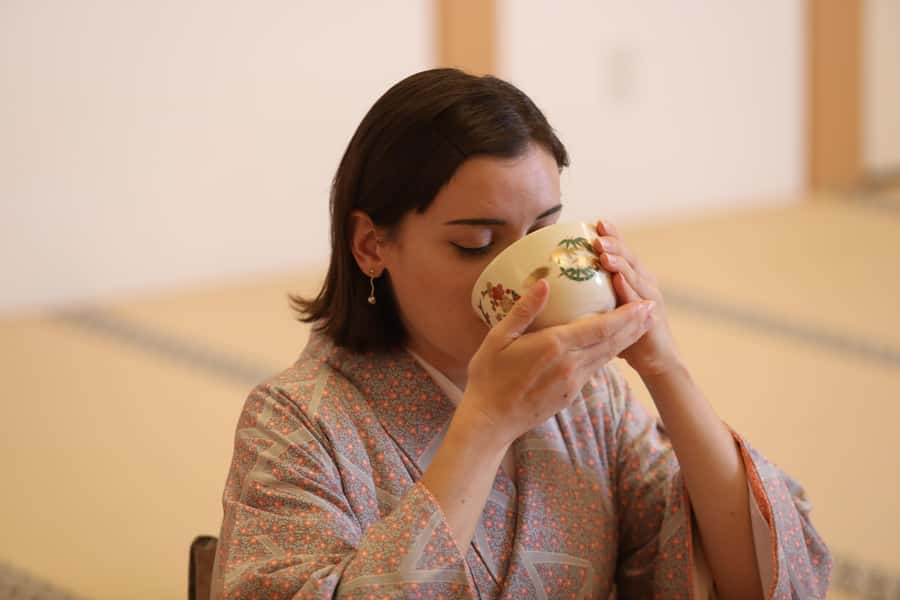
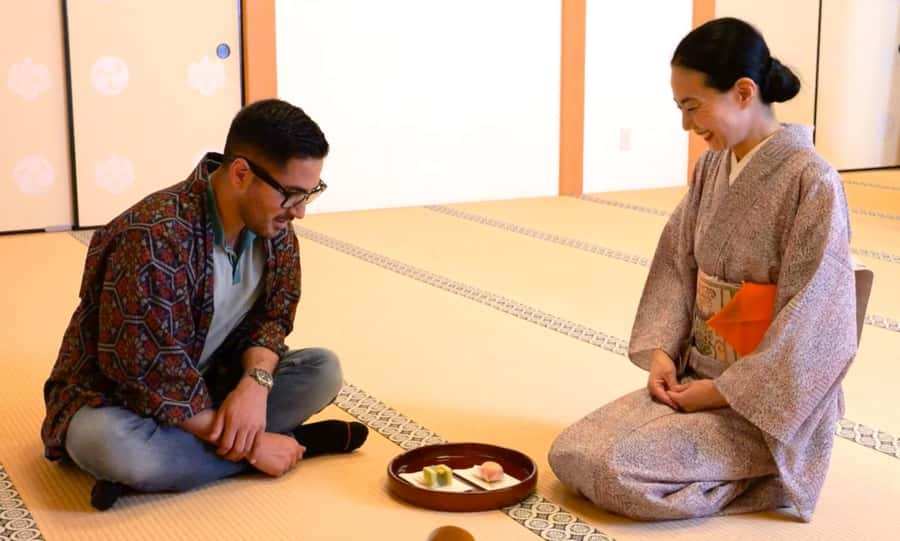
Matcha has a sharp, grassy flavor that may be unfamiliar if you usually drink sweetened tea. The wagashi served alongside it provides the soft, sweet contrast that makes the pairing work. The sweets are traditional Japanese confections, not a full snack plate, so do not arrive expecting lunch or a selection of savory food.
One especially appealing part of this format is its pace. The ceremony is long enough to give the ritual room to breathe, but short enough for most Tokyo itineraries. At the same time, the experience is not a full training course. You will learn the basic flow and try the main actions, but you will not become a tea master in one hour.
Why the ceremony feels peaceful
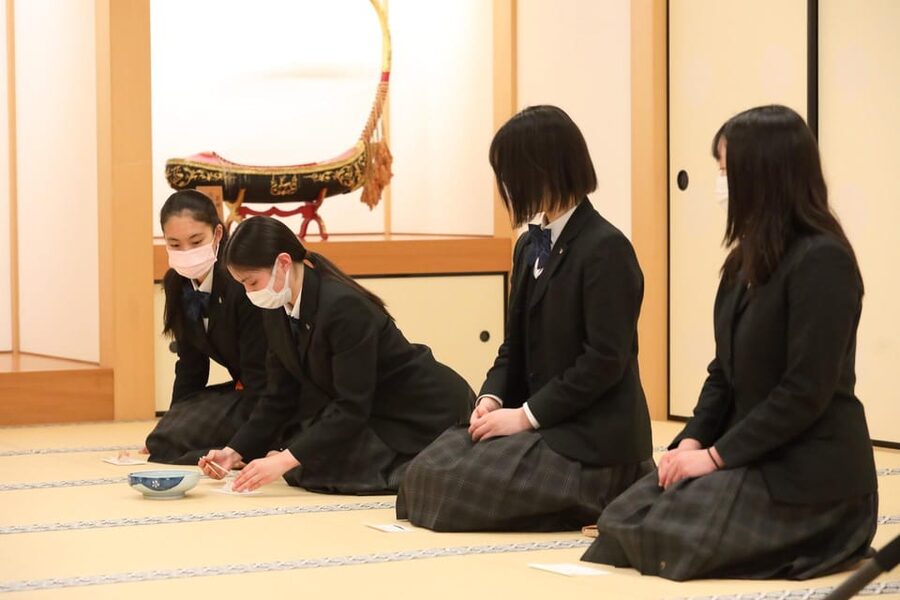
The best part of this activity is its change of rhythm. Tokyo can be noisy, crowded, and fast. A tea ceremony asks you to slow down and pay attention to small movements: the turn of a bowl, the sound of whisking, the presentation of sweets, and the proper way to receive the tea.
Several participants found the ceremony calming and peaceful. That reaction makes sense even if you have no special interest in tea. The room, the formal gestures, and the limited number of people create a short pause from the city outside.
Still, do not expect a religious service or a long meditation session. This is a cultural activity with instruction, conversation, and hands-on practice. The temple gives it a spiritual atmosphere, but the purpose is to teach you about Japanese tea culture in an approachable way.
The private or semi-private format helps. A small group makes it easier to hear the explanations, ask questions, and take your turn making tea. It also avoids the impersonal feeling that can come with watching a demonstration from the back of a large room.
Same city, a very different cup:
- Matcha Making Class in Tokyo with Authentic Japanese Sweets Set
★ 5.0 · 744 reviews - Dynamic Tokyo: Tokyo Tower, Tea Experience, Bay Cruise Day Tour
★ 4.5 · 521 reviews - Tokyo: Matcha Making Experience with Mochi Sweets in Asakusa
★ 4.9 · 388 reviews - Asakusa Cultural Walk & Matcha Making Tour
★ 5.0 · 245 reviews
Kimono dressing and the Oshima Tsumugi option
Traditional clothing can be added to the experience, but it is not part of the standard $74 price. This point deserves careful attention because the basic photos may give the impression that every participant will wear a kimono.
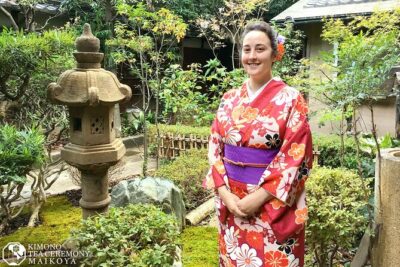
If you choose the add-on, a certified kimono master dresses you comfortably over a T-shirt or kimono undergarment. You do not need to bring clothing or equipment. That makes the option simple for visitors who want photos without arranging a separate dressing appointment.
There is also an option to wear an Oshima Tsumugi haori. This is a fine silk jacket made from a distinctive textile that is mud-dyed, woven with kasuri patterns, and known for a light, supple feel. It offers a more unusual Japanese clothing experience than a standard costume rental.
I would treat the clothing as an optional photo feature, not the reason to book the ceremony itself. One participant was disappointed after expecting kimono dressing from the images and finding it was not included. Check the exact add-on selected at booking, and do not assume the base experience includes a costume.
Is $74 a fair price?
The price is the hardest part to judge. At $74 per person, you are paying for more than matcha and sweets. The cost covers a guided cultural lesson, a temple setting, a tea master, hands-on preparation, and a private or semi-private format.
That can be fair if you value context and personal attention. A cheap cup of matcha will not teach you why the bowl is handled in a certain way or let you practice the ceremony with a host correcting you gently. The setting also gives the activity more character than a quick tasting in a café.
On the other hand, the basic food included is modest: matcha and Japanese sweets only. There is no meal, and the ceremony lasts about an hour. One participant considered the cost excessive, while another felt a third to half of the price would have been more reasonable. I can understand both views.
My advice is to compare it with what you want from the hour. If your goal is simply to taste matcha, skip this and find a tea shop. If you want an introduction to etiquette and traditional tea preparation in a historic religious setting, the price becomes easier to justify.
The optional kimono or Oshima Tsumugi haori will add to the total, so set your budget before booking. The clothing is most useful if you care about commemorative photographs and the visual side of Japanese culture.
Timing, language, and group size

The advertised duration is 60 minutes. That is a manageable commitment, but leave a little room around it for meeting at the temple and moving into the tea room. The activity begins and ends at Mita Koboji Temple, so there is no separate transport between stops.
One person found the actual session lasted roughly three quarters of an hour. That may reflect the size of the group or the way the lesson was paced. I would plan for an hour, while understanding that the active ceremony could be somewhat shorter.
English and Japanese guidance are available. The English option is important for understanding the etiquette, since this is not the kind of activity where you can always follow along by watching others. The quality of communication may vary by host, but the format is intended to welcome people from outside Japan.
The experience can be private or semi-private. That is good news if you prefer to ask questions or want a quieter visit. It also means the atmosphere may depend on who shares the room with you. A small group can feel intimate, while a group with different levels of interest may make the pace less personal.
Who will enjoy this experience most?
I would recommend this activity to you if you want a clear introduction to Japanese culture rather than a passive photo stop. It suits first-time visitors who have never attended a tea ceremony and want a guided explanation in English.
It is also a good fit for couples, families with an interest in culture, and anyone looking for a calm break from Tokyo sightseeing. The hands-on element gives children and teenagers something to do, though sitting on tatami and following formal instructions may not suit every child.
You should also consider it if you are interested in Japanese textiles or traditional clothing. The Oshima Tsumugi haori add-on gives the experience a more distinctive style, especially if you want photographs that show something beyond a standard kimono rental.
I would be less enthusiastic if you want a substantial meal, a long temple tour, or a full-day study of tea culture. This is a compact introduction. It gives you a taste of the ritual, not an exhaustive course.
A practical way to prepare
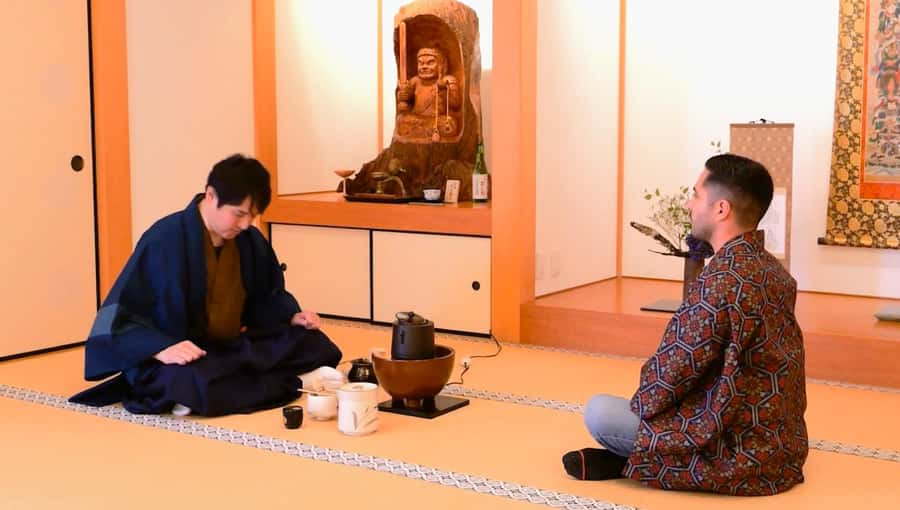
You do not need to bring special equipment. If you choose the clothing option, the kimono master can dress you over a T-shirt or kimono undergarment, and the experience information says you can come as you are.
Wear clothes that allow you to sit comfortably. The tea room uses tatami, and formal floor sitting can be tiring for some people. The information does not state a specific seating style or accessibility arrangement, so contact the provider if floor sitting is a concern.
Eat beforehand if you need more than a small sweet. Matcha and wagashi are included, but other meals are not. This is a tea ceremony, not a lunch stop.
You can reserve now and pay later, which helps if your Tokyo schedule is still shifting. Cancellation is allowed up to 24 hours before the activity for a full refund. Those terms make it easier to place the experience in your itinerary without locking in too early.
Should you book the Koboji tea ceremony?
Book it if you want personal instruction, a historic temple setting, and the chance to make matcha yourself. The quiet room, careful explanations, and wagashi pairing offer a genuine introduction to a tradition that can otherwise feel difficult to understand.
Think twice if $74 feels high for a one-hour activity, or if you mainly want to wear a kimono. The clothing is optional and costs extra, and the session may run closer to 45 minutes depending on the group.
My call: this is a worthwhile cultural stop for someone who values context and participation more than quantity. Go in expecting matcha, sweets, etiquette, and a peaceful hour in a temple, not a meal or a costume package. With that expectation, the experience makes a sensible addition to a Tokyo itinerary.
FAQ
Where does the tea ceremony take place?
The experience takes place at Mita Koboji Temple in Tokyo, on Honshu. It begins and ends at the temple.
How long does the activity last?
The stated duration is 60 minutes. One account found that the session lasted about 45 minutes, so the exact pace may vary.
Is the tea ceremony offered in English?
Yes. Guided instruction is available in English and Japanese.
What food and drink are included?
Matcha green tea and traditional wagashi Japanese sweets are included. Other meals are not included.
Do I make the matcha myself?
Yes. The tea master explains the process and guides you as you prepare tea yourself. The master also prepares tea for you.
Is kimono rental included?
No. Traditional kimono dressing and the Oshima Tsumugi haori are optional add-ons, not part of the standard experience.
Is the experience private?
It is offered as a private or semi-private experience.
Can I cancel for a refund?
Yes. You can cancel up to 24 hours in advance for a full refund. You can also reserve and pay later.
Fresh tea listings around Tokyo
- Yokohama : Tea Ceremony with Sweets and Souvenir★ 5.0 · 5 reviews
- Walking Tour: Yanaka,Nezu& Sendagi: Tea Ceremony & Old Tokyo★ 5.0 · 3 reviews
- Private Mochi・Matcha sweets Making Class Near Shibuya Area★ 5.0 · 22 reviews
- Private Kimono and tea ceremony at local home near Tokyo Disney★ 5.0 · 6 reviews
- 2 Hours Mochi &Nerikiri Making & Matcha Class in Bunkyo★ 5.0 · 21 reviews
- Kimono and Tea Ceremony in Asakusa Private Food Tour With Guide★ 5.0 · 4 reviews
- Tokyo: Tea Ceremony & Japanese Sweets Making★ 5.0 · 10 reviews
- Tokyo Sweets Tour: Hidden Gems & Matcha at an Old Tea House★ 5.0 · 6 reviews
Tea Ceremony Experiences, compared.
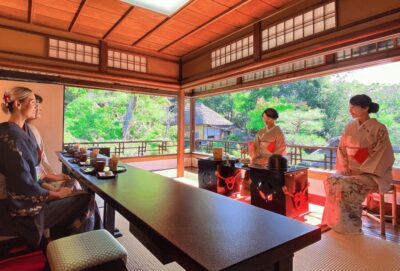
Kyoto: Tea Ceremony in a Traditional Tea House in Kiyomizu
Read our review →
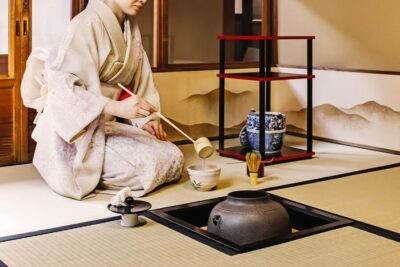
Kyoto: 45-Minute Tea Ceremony Lesson Experience
Read our review →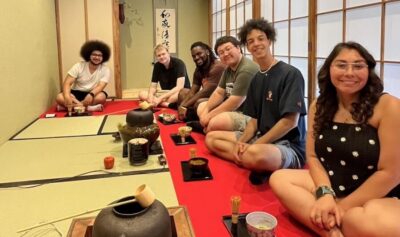
Kyoto: Table-Style Tea Ceremony at a Kyo-Machiya
Read our review →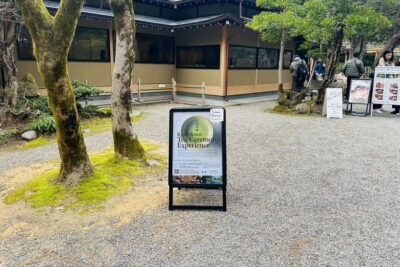
Browse the lists this tour appears in