
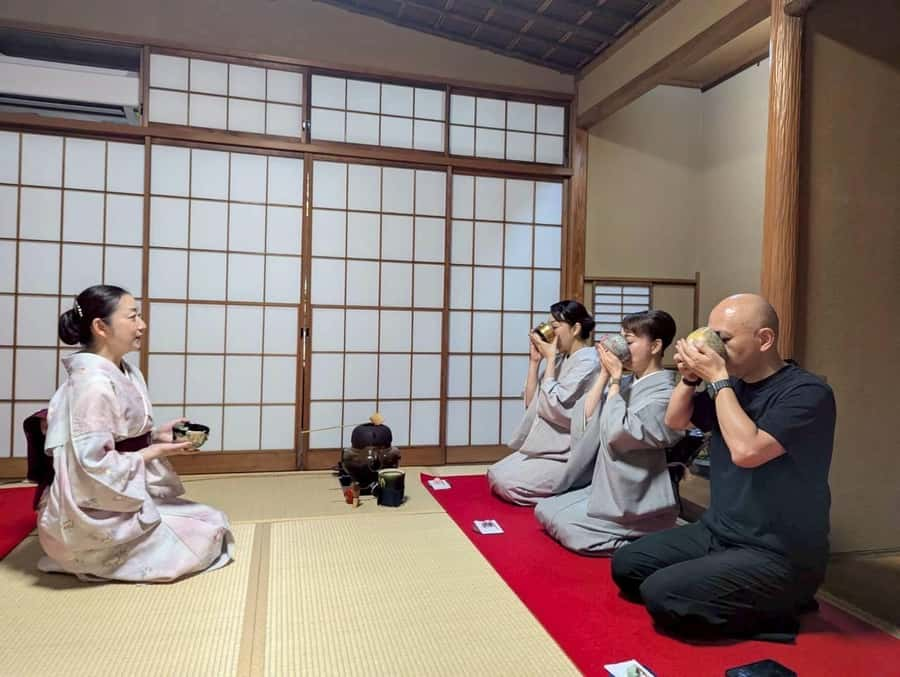
Review · TEA CEREMONY EXPERIENCES
【NEW】Shibuya Tea Ceremony Tokyo-Chaan
The most appealing part of this Shibuya experience is that you do not just watch tea ceremony. After seeing the Otemae demonstration, you prepare your own bowl of matcha with traditional utensils. It gives you a hands-on way to understand the careful movements behind this quiet Japanese art.
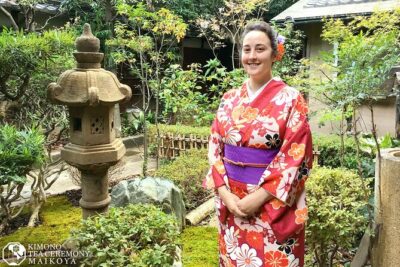
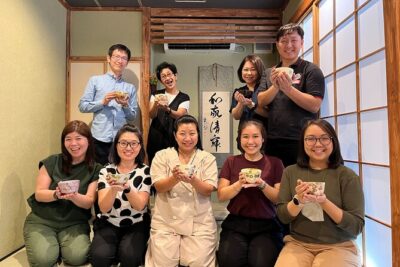
I like the clear English instruction and the chance to learn from Japanese instructors with more than 10 years of tea ceremony experience. I also like the setting: a traditional tatami room, seasonal sweets, and kimono-clad hosts such as Sakura sensei and Kini, who have guided visitors through the history and preparation.
The main consideration is the age rule. Children under four cannot participate, and every child aged four or older needs a ticket. The activity is also focused on a calm cultural lesson, so it may not suit anyone looking for a fast-paced attraction or a long list of sightseeing stops.
Key points to know before you book
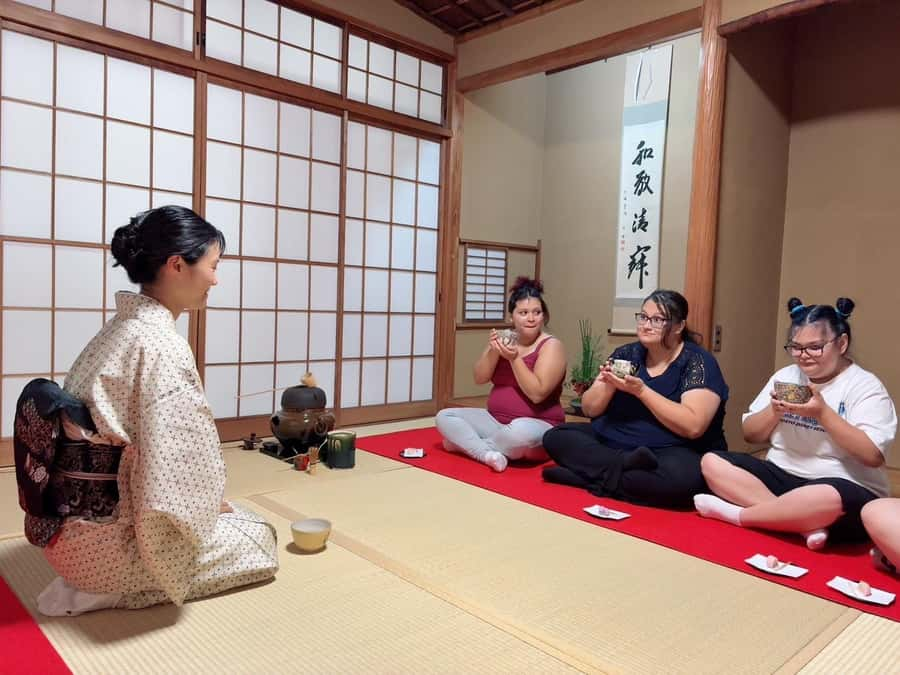
- You make your own matcha: After the demonstration, you use authentic tea tools and freshly ground powdered tea to prepare your drink.
- Sakura sensei and Kini may lead the class: The instructors explain the ceremony, history, and manners in fluent English.
- The tatami room sets the tone: This is a quiet cultural experience rather than a large stage show or busy sightseeing tour.
- Seasonal sweets are included: You taste a Japanese confection alongside the matcha, a pairing that balances the tea’s strong flavor.
- The $18 price covers the basics: Admission, matcha, and confections are included, making this a modestly priced introduction to tea ceremony.
- The meeting point is in Dogenzaka: You begin and end at the second floor of the Manji Building at 1-15-9 Dogenzaka, Shibuya-ku.
Why this small tea ceremony works in the middle of Shibuya
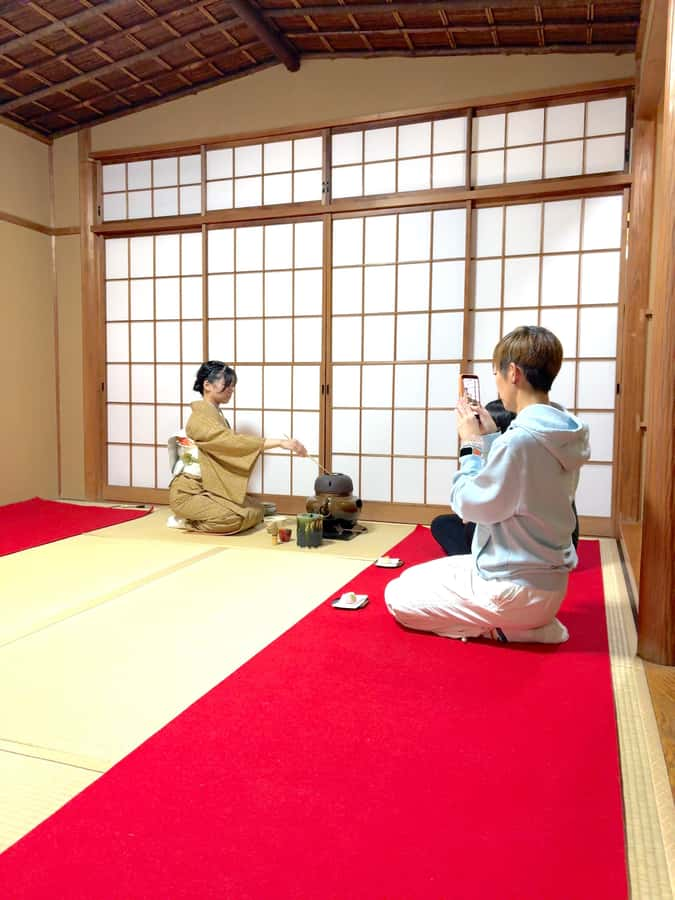
Shibuya is known for giant screens, crowded crossings, shopping streets, and late-night energy. This experience offers a sharp change of pace without asking you to leave the district. You arrive at a traditional Japanese room, sit on tatami, and give your attention to a single bowl of tea.
That contrast is part of the appeal. You can spend the morning or afternoon seeing modern Tokyo, then set aside time for a ceremony built around patience, politeness, and concentration. I find that this kind of short cultural activity can add meaning to a city visit because it explains a practice rather than simply showing you another sight.
The ceremony is designed as an introduction, not an advanced lesson. You do not need previous knowledge of matcha, Japanese manners, or tea utensils. The instructors explain the purpose and basic etiquette before asking you to try anything yourself.
The setting also matters. A tatami room gives the activity a more traditional feel than a casual café demonstration. You are not simply buying a matcha drink. You are learning how the tea is prepared, served, and enjoyed within a formal Japanese custom.
More Tea Ceremonies in Tokyo
- Kimono Tea Ceremony at Tokyo, Asakusa Maikoya
★ 5.0 · 638 reviews - Tokyo: Traditional Tea Ceremony with a Tea Master
★ 5.0 · 528 reviews - Tea Ceremony Workshop in Tokyo by the Experienced Instrucor
★ 5.0 · 189 reviews
Meeting Sakura sensei and Kini
The instructors wear traditional kimono and speak English fluently. That combination helps you focus on the ceremony rather than struggle with translation. Sakura sensei and Kini are associated with the class, and the experience emphasizes their long background in tea ceremony, with each instructor having more than 10 years of experience.
The personal guidance is important here. Tea ceremony involves small movements that are easy to miss in a quick demonstration. An experienced instructor can explain why a tool is handled in a particular way and how the serving manners fit into the larger ceremony.
You should not expect a lecture packed with dates and technical terms. Instead, the introduction covers the meaning and history of tea ceremony in a way suited to first-time visitors. The purpose is to help you understand what you are seeing before you attempt it yourself.
The English instruction also makes this a practical choice for an international visitor. You can ask questions, follow the explanation of each tool, and understand the basic etiquette without relying on a translation app.
The welcome: history, manners, and a slower pace
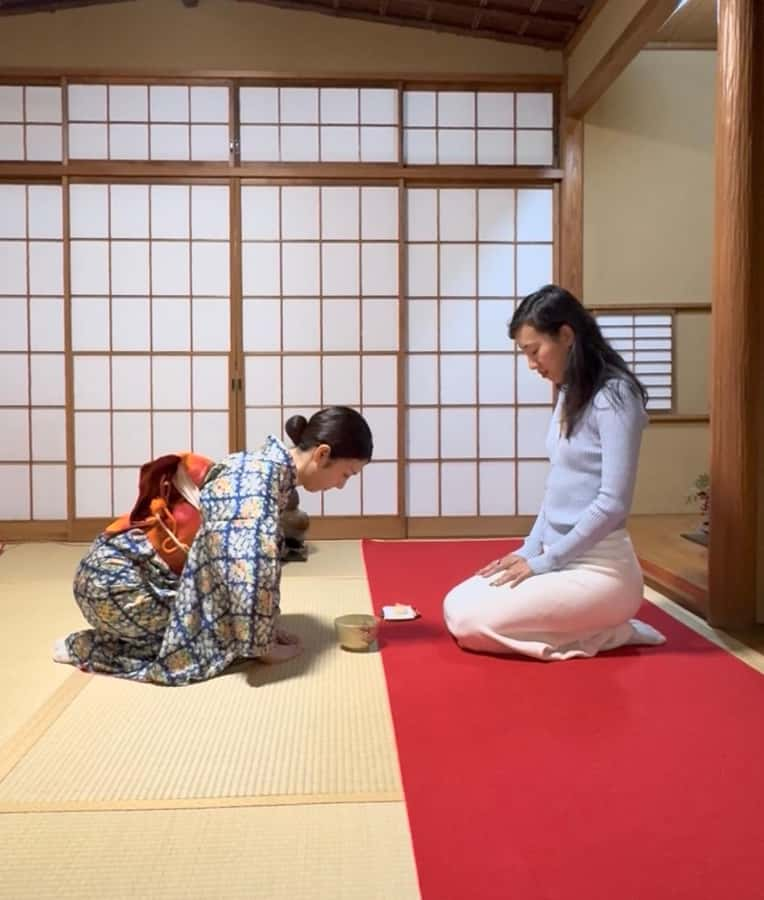
The experience begins with a welcome in the traditional room. The instructor explains the role of tea ceremony in Japanese culture and gives you the background needed for the rest of the session.
This opening is more useful than it may sound. Without context, the movements of tea ceremony can seem overly formal or mysterious. Once you know that the gestures, tools, and serving order have meaning, the ceremony becomes easier to follow.
You also learn basic manners connected with tea serving. These may include how to receive the bowl, how to show respect to the person who prepared it, and how to approach the tea in the correct spirit. The supplied information does not give a full list of every rule, so you should think of this as an introduction to etiquette rather than a complete course.
I like that the welcome prepares you to watch actively. You are not left wondering what the instructor is doing. You know to look at the utensils, the sequence of movements, and the relationship between the tea and the sweet served with it.
Watching the Otemae demonstration
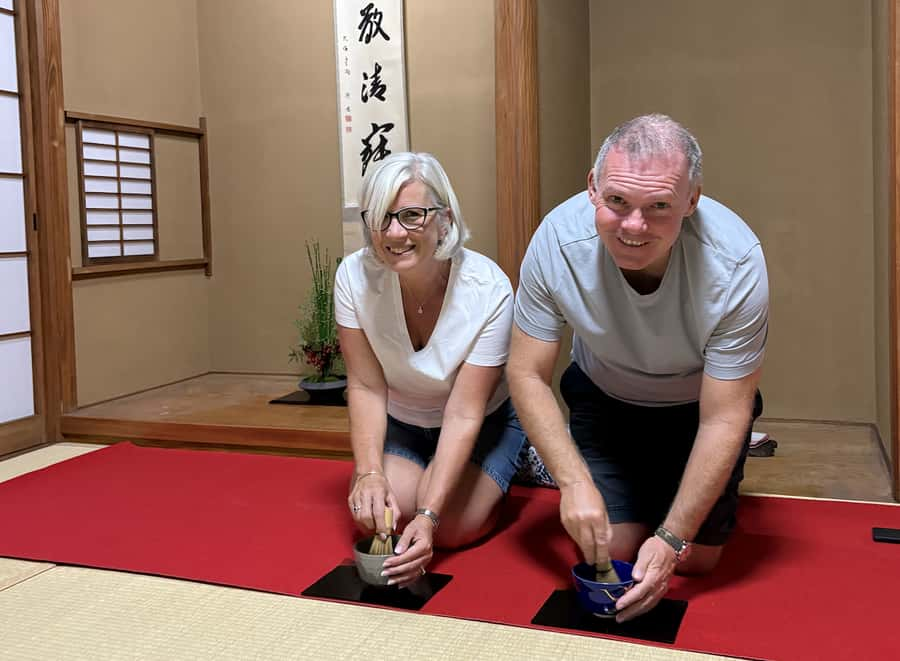
Next comes a live Otemae demonstration. The instructor shows how the tea tools are used and walks you through the basic flow of serving matcha.
This is likely the most important visual part of the experience. You see the process before attempting it, which gives you a model to follow. Watch closely as the instructor handles the utensils, prepares the powdered tea, and moves through the ceremony with care.
The demonstration also shows why tea ceremony is more than simply whisking green tea. The tools, gestures, and order of service all contribute to the experience. Even if you do not remember every Japanese term, you will leave with a clearer idea of how preparation and hospitality fit together.
The calm pace may be a benefit or a drawback, depending on your style. If you enjoy cultural activities that reward attention, the demonstration gives you space to notice details. If you prefer constant action, the slow formality may feel demanding. This is not a quick tasting with a few theatrical movements. Its value comes from watching the process carefully.
Same city, a very different cup:
- Matcha Making Class in Tokyo with Authentic Japanese Sweets Set
★ 5.0 · 744 reviews - Dynamic Tokyo: Tokyo Tower, Tea Experience, Bay Cruise Day Tour
★ 4.5 · 521 reviews - Tokyo: Matcha Making Experience with Mochi Sweets in Asakusa
★ 4.9 · 388 reviews - Asakusa Cultural Walk & Matcha Making Tour
★ 5.0 · 245 reviews
Making your own bowl with traditional utensils
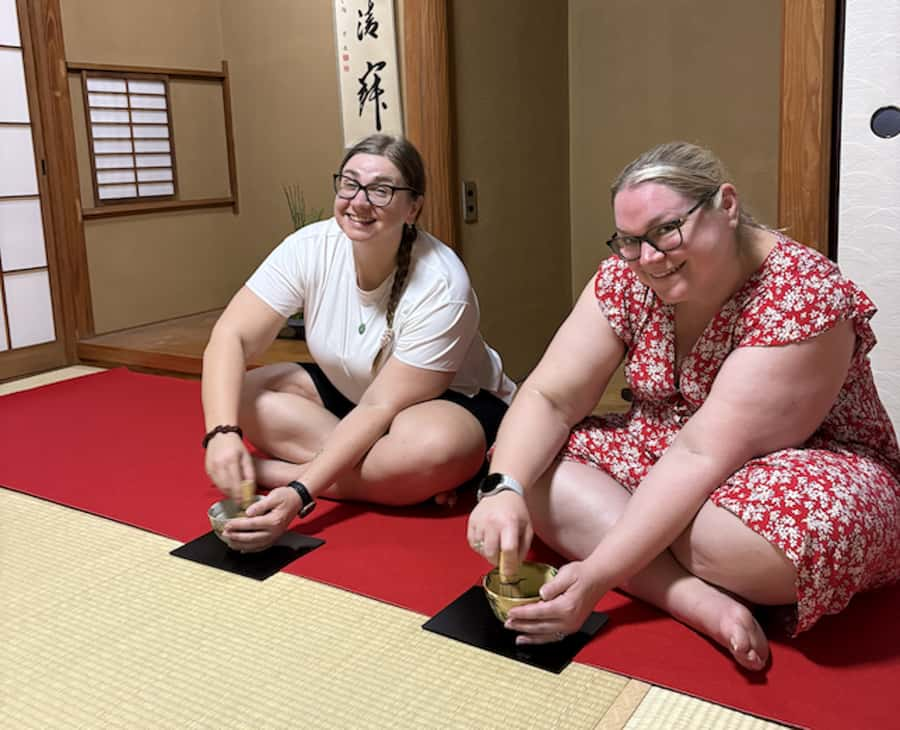
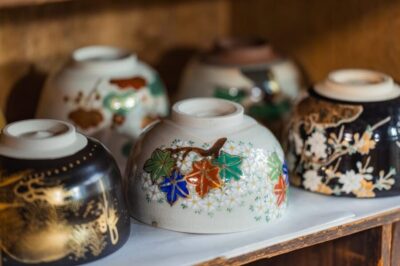
The hands-on portion is where the class becomes personal. After watching the instructor, you use traditional tea tools to make your own bowl of matcha with freshly ground powdered tea.
This step is especially useful for first-time visitors. Watching someone skilled at the task can make it appear effortless. Preparing the tea yourself helps you understand the texture, movement, and care involved.
You receive guidance as you work, so you are not expected to know the correct technique in advance. The goal is not to produce a perfect bowl on your first attempt. It is to take part in the ritual and understand the basic action of preparing matcha.
The wording provided for the activity describes freshly ground powder, which adds to the appeal of the tasting. Matcha has a strong, distinctive flavor, and preparing it yourself gives you a closer connection to what you drink. You are not just handed a finished cup.
The hands-on portion also creates a useful balance. The demonstration gives you the formal example, while your own preparation lets you participate without needing to master every detail. That makes the experience suitable for curious first-timers and for visitors who want more than a photo opportunity.
Matcha and the seasonal sweet
Once you have prepared the tea, you drink it with a seasonal Japanese sweet. The confection is included in the price, along with the matcha and entrance fee.
The sweet is not an extra decoration. Traditional tea service often pairs a sweet with matcha because the confection helps balance the tea’s concentrated taste. The contrast makes the tasting easier to appreciate, especially if this is your first time drinking powdered green tea.
The exact sweet is seasonal, so the item can vary. That changing element gives the experience a connection to the time of year, but you should not book expecting one particular confection. The supplied details do not identify the specific seasonal choices.
This is also a pleasant point at which to slow down. You have learned the background, watched the ceremony, and prepared the tea. Now you can taste the result in the same calm room rather than rushing straight to the next activity.
What the $18 price really includes
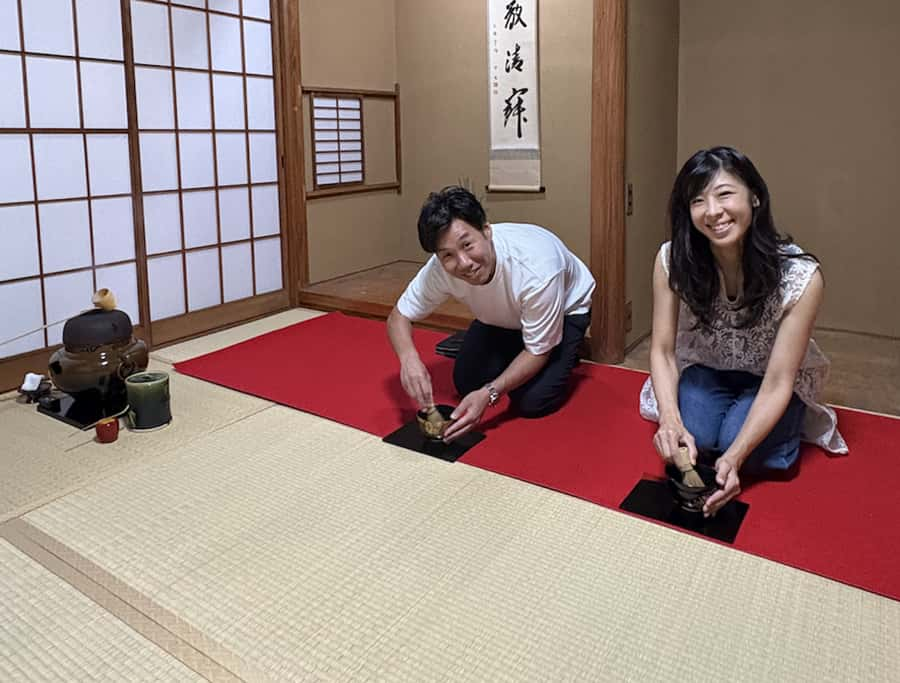
At $18 per person, this is a reasonably priced cultural introduction in one of Tokyo’s best-known districts. The fee includes admission, matcha, and confections, so the main costs are covered before you arrive.
The value comes from the instruction as much as from the drink. A cup of matcha alone would not explain the utensils, manners, history, or ceremonial sequence. Here, you pay for a guided experience with instructors who have more than a decade of practice.
The price is also helpful for a short Tokyo schedule. You do not need to commit to a full-day excursion or travel to another part of Japan. You can fit the class into a visit to Shibuya and return to the same meeting point afterward.
Still, keep your expectations in line with the price. This is an introductory activity, not a private masterclass or a full study of tea ceremony. The information provided does not state the duration, group size, or whether the session is private. If those details matter to you, confirm them before booking.
Getting to the Dogenzaka meeting point
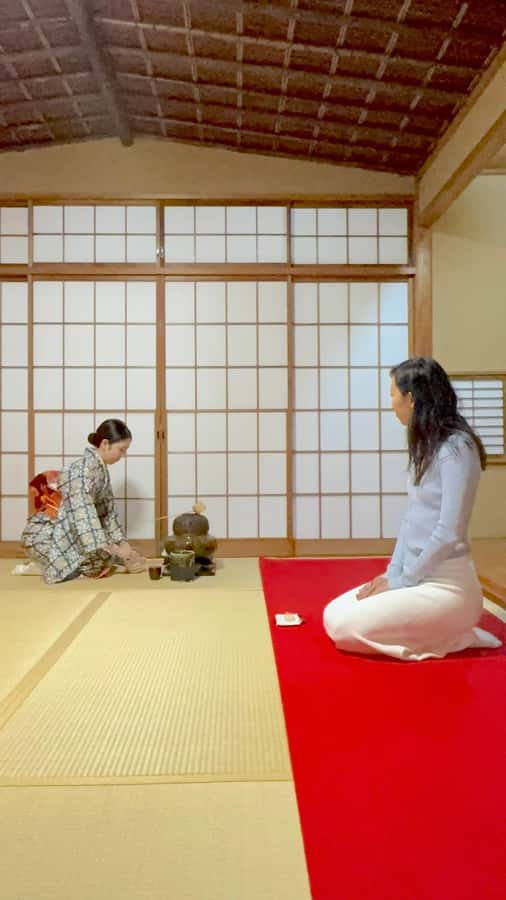
You start at the second floor of the Manji Building, 1-15-9 Dogenzaka, Shibuya-ku, Tokyo 150-0043. The Japanese address is 〒150-0043 東京都渋谷区道玄坂1-15-9 万字ビル 2F.
Because the activity takes place in a building rather than at a major landmark, allow time to find the entrance and reach the second floor. Having the Japanese address saved on your phone can help if you need to show it locally.
The activity ends back at the meeting point. That makes planning simple. You can arrange a nearby meal, continue exploring Shibuya, or use the class as a quiet pause between other plans.
The provided information does not state a meeting time, duration, or transport directions. Check those details when selecting your booking. Do not assume that the class runs continuously throughout the day.
Who will get the most from this experience
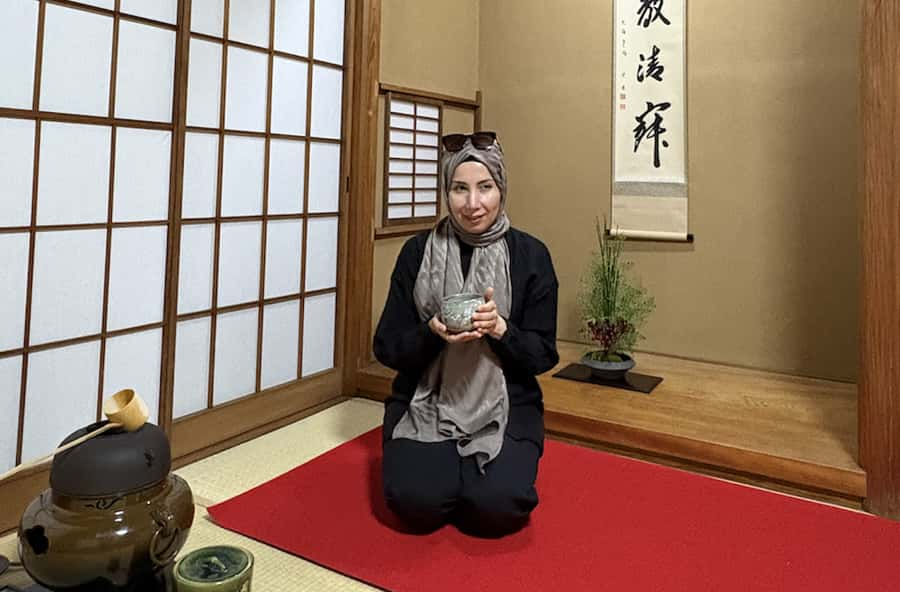
I would recommend this experience to first-time visitors who want a manageable introduction to Japanese culture. You receive enough explanation to understand the ceremony, but you also get to take part instead of sitting through a long formal performance.
It is a good fit for you if you enjoy:
- Hands-on cultural activities
- Quiet settings and careful demonstrations
- Learning through an English-speaking instructor
- Traditional Japanese food and tea
- Short experiences that fit into a Tokyo sightseeing day
Families should pay close attention to the age rules. Children under four cannot participate. Every child aged four and older needs a ticket, even when accompanied by a ticketed adult. If you are traveling with a child under four, contact the provider in advance, since entry may be refused.
The activity may be less suitable if you want a large, energetic show or a broad tour of Shibuya. It focuses on one practice in one room. That narrow focus is its strength, but it also means you should not expect sightseeing commentary about the wider neighborhood.
A few practical ways to enjoy the session
Arrive ready to pay attention to small details. The meaning of the ceremony is found in the movements of the hands, the order of the tools, and the manners used around the bowl.
Wear clothing that lets you sit comfortably in a traditional room. The provided details do not specify a dress code or seating arrangements, so you should not assume that special clothing is required. Still, comfort matters during a quiet activity where you may spend time seated on tatami.
Listen carefully during the demonstration before reaching for the utensils. The class is structured so that you first learn, then prepare your own tea. Trying to copy every movement too early may make you miss the explanation.
Take the seasonal sweet seriously as part of the tasting. Eat it with attention to how it changes the matcha experience. The pairing is one of the small details that turns this from a simple drink stop into a lesson in Japanese hospitality.
You can also ask about the history and meaning of what you are doing. The instructors are there to explain the tradition in English, and the experience is built for visitors who may be encountering tea ceremony for the first time.
Booking, cancellation, and the final decision
You can reserve now and pay later, which keeps your plans flexible. Cancellation is allowed up to 24 hours in advance for a full refund. Those terms are useful if your Tokyo schedule is still changing, but check the exact booking conditions at the time you reserve.
I would book this Shibuya tea ceremony if you want a low-cost, focused cultural activity with real participation. The strongest reasons are the English-speaking Japanese instructors, the tatami setting, the live Otemae demonstration, and the chance to make your own matcha with traditional tools.
I would skip it if you want a long sightseeing tour, a busy social event, or a detailed advanced course in tea ceremony. For most visitors looking for a calm introduction, the $18 cost is fair, especially since tea, seasonal sweets, and admission are included.
FAQ
Where does the Shibuya tea ceremony begin?
It begins on the second floor of the Manji Building at 1-15-9 Dogenzaka, Shibuya-ku, Tokyo 150-0043, Japan. The Japanese address is 〒150-0043 東京都道玄坂1-15-9 万字ビル 2F.
What is included in the price?
The price includes the entrance fee, matcha powdered green tea, and Japanese confections.
Is the activity conducted in English?
Yes. The instructors speak English fluently and guide you through the ceremony, history, manners, and matcha preparation in English.
Can I make my own matcha?
Yes. After watching the tea ceremony demonstration, you use traditional tea utensils to prepare your own bowl of matcha.
Can children participate?
Children under four cannot participate. Children aged four and older may participate, but each child must have their own ticket.
What is the cancellation policy?
You can cancel up to 24 hours in advance for a full refund. You can also reserve and pay later.
Fresh tea listings around Tokyo
- Yokohama : Tea Ceremony with Sweets and Souvenir★ 5.0 · 5 reviews
- Walking Tour: Yanaka,Nezu& Sendagi: Tea Ceremony & Old Tokyo★ 5.0 · 3 reviews
- Private Mochi・Matcha sweets Making Class Near Shibuya Area★ 5.0 · 22 reviews
- Private Kimono and tea ceremony at local home near Tokyo Disney★ 5.0 · 6 reviews
- 2 Hours Mochi &Nerikiri Making & Matcha Class in Bunkyo★ 5.0 · 21 reviews
- Kimono and Tea Ceremony in Asakusa Private Food Tour With Guide★ 5.0 · 4 reviews
- Tokyo: Tea Ceremony & Japanese Sweets Making★ 5.0 · 10 reviews
- Tokyo Sweets Tour: Hidden Gems & Matcha at an Old Tea House★ 5.0 · 6 reviews
Tea Ceremony Experiences, compared.
Kyoto: Tea Ceremony in a Traditional Tea House in Kiyomizu
Read our review →
Kyoto: 45-Minute Tea Ceremony Lesson Experience
Read our review →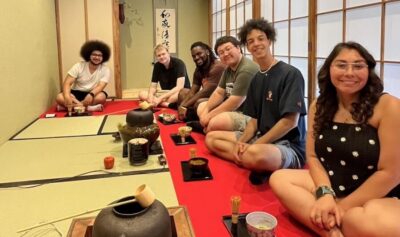
Kyoto: Table-Style Tea Ceremony at a Kyo-Machiya
Read our review →
Browse the lists this tour appears in