
Review · TEA CEREMONY EXPERIENCES
Authentic Japanese Tea Ceremony Experience in Kamakura
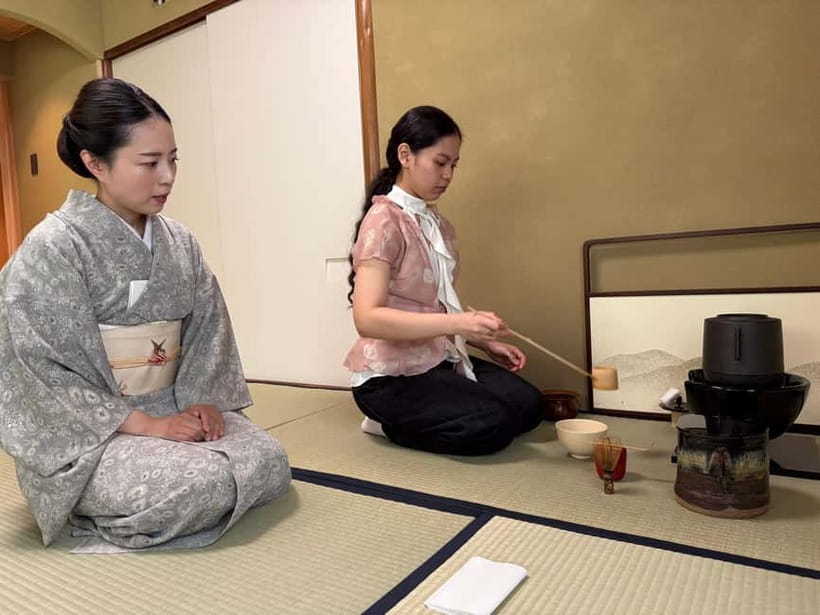
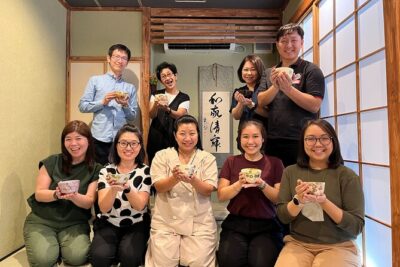
Kamakura’s tea ceremony offers more than a cup of green tea. Inside the traditional sukiya-zukuri tea room, you learn why each bow, movement, and pause matters. I like the small group size of six, and I like that you do not just watch: you whisk and serve matcha yourself. The main consideration is the tatami setting, since shoes come off and kneeling may be part of the session.
I also appreciate the practical location, about five to seven minutes on foot from JR Kita-Kamakura Station. The setting feels personal rather than staged for a crowd, and the English-speaking instructor makes the customs easier to follow. Bring socks, dress modestly, and contact the provider ahead of time if you need a chair.
Key points at a glance
- A 60-minute tea lesson near Kita-Kamakura: The tea room is a short walk from the station, making this easy to add to a day in Kamakura.
- Two servings of matcha and seasonal wagashi: You taste freshly whisked tea with Japanese sweets during the ceremony.
- Hands-on practice: You learn to whisk and serve tea under step-by-step guidance, with no prior experience required.
- A small group of up to six: The limited size allows more attention and keeps the room quiet.
- English and Japanese instruction: An English-speaking certified tea master explains both the actions and their meaning.
- Traditional tatami etiquette: Remove your shoes, bring socks, and ask in advance about chairs if kneeling is difficult.
Why this Kamakura tea ceremony is worth your hour
The best part of this experience is its focus on the why behind the ceremony. You are not simply shown how to hold a bowl or whisk green tea. The instructor explains the ideas tied to sadō, the Japanese way of tea, including mindfulness, respect, and hospitality.
That context changes the experience. A bow can feel formal if you do not know its purpose. Once you understand that the ceremony gives full attention to the person sharing tea with you, the movements feel less like rules and more like a careful form of welcome.
I like the balance between watching and doing. The tea master first demonstrates the ritual, giving you time to take in the quiet rhythm of the room. Then you get your own turn with the tea utensils. Since you receive step-by-step help, you do not need to know the correct wrist movement or etiquette before arriving.
The session lasts about one hour. That is long enough to cover the customs, see a proper demonstration, taste matcha twice, and make tea yourself. It is also short enough to fit into a busy Kamakura day, perhaps before or after visiting the temples around Kita-Kamakura.
More Tea Ceremonies in Japan:
- Kyoto: Tea Ceremony in a Traditional Tea House in Kiyomizu
★ 4.9 · 3,519 reviews - Kyoto: Tea Ceremony Ju-An at Jotokuji Temple
★ 4.9 · 3,207 reviews - Kyoto: 45-Minute Tea Ceremony Lesson Experience
★ 4.3 · 2,378 reviews
Entering Chikusuian near Kita-Kamakura Station
The meeting point is Chikusuian, written 茶室「竹翠庵」, near the restaurant 航. From JR Kita-Kamakura Station, allow roughly five to seven minutes on foot. The directions describe a short walk, but one French-language comment specifically noted that clearer location details would help visitors find the place. I recommend checking the exact meeting instructions before you leave the station area.
The tea room uses the sukiya-zukuri style, a traditional design associated with simple materials, restrained decoration, and a close connection between architecture and the tea ritual. You should not expect a large performance hall. The group limit is six, so the room is intended to feel quiet and personal.
Shoes must be removed before entering the tatami room. Socks are required, making them the one item you should pack rather than leave to chance. Modest clothing is recommended, though no formal dress code is listed.
This is also the point to think about mobility. Chairs are available if kneeling is difficult, but you need to notify the provider in advance. The activity is not suitable for wheelchair users, and it is not recommended for pregnant women.
The opening lesson: sadō, manners, and omotenashi
Once everyone is settled, the instructor introduces the history and meaning of the Japanese tea ceremony. You learn about sadō, often translated as the way of tea, and the principles that shape the ritual.
The word omotenashi is also important here. It refers to thoughtful hospitality, with the host paying close attention to the comfort and experience of the person receiving tea. In this setting, you see that idea in small details: the order of the movements, the preparation of the utensils, and the care given to serving the sweets and matcha.
The lesson covers etiquette and manners rooted in traditional Japanese customs. Some actions may seem precise at first, but the instructor explains what you need to do rather than expecting you to guess. That makes this suitable for first-time visitors and families with children aged seven and up.
The English instruction is a useful feature. Tea ceremony has its own vocabulary and sequence, and a language barrier could make the experience feel like a silent demonstration. Here, you can ask questions and understand the meaning behind what you are seeing.
Watching the traditional tea performance
The tea master then performs the ceremony. This is the most still and polished part of the hour, so give yourself time to watch rather than trying to photograph every movement.
The demonstration shows how tea-making becomes a form of communication. The utensils are handled with care, the preparation follows an established order, and the guest receives the bowl with proper respect. The pace is deliberate. That may feel unusual if you are used to quick service, but slowing down is part of the point.
You will also see the omotenashi spirit in action. The host is not simply preparing a drink for convenience. The ceremony creates a moment in which the host and guest give their full attention to one another.
Photos are allowed at designated times, not throughout the entire session. This is a sensible rule in a small tatami room. You can record parts of the experience without turning the ceremony into a photo shoot, but you should be ready to put your phone away when the ritual begins.
More tea experiences around Japan if you are still choosing
- World Heritage Kyoto & Nara Uji Authentic Matcha Experience
★ 5.0 · 1,573 reviews - Osaka: Tea Ceremony Experience
★ 4.9 · 1,426 reviews - Kyoto: Table-Style Tea Ceremony at a Kyo-Machiya
★ 4.9 · 1,211 reviews - Kanazawa: Kenrokuen Tea Ceremony Experience
★ 4.8 · 1,139 reviews
Two bowls of matcha with seasonal wagashi
You receive two servings of freshly whisked matcha, paired with seasonal Japanese sweets called wagashi. The sweet is not just a side snack. Its flavor and texture balance the bitterness of matcha, and the pairing gives you a better sense of how tea is traditionally enjoyed.
Matcha is powdered green tea whisked directly into hot water, so it has a fuller taste than ordinary steeped tea. If you have never tried it, the first bowl may be a surprise. The wagashi helps soften the tea’s sharper edge.
The seasonal element matters because Japanese sweets often reflect the time of year in their shape, color, or ingredients. Specific sweets are not listed, so you should not arrive expecting a particular type. The important point is that the tea and sweet are presented together as part of the ceremony.
Two servings also give you a useful comparison. You can first concentrate on receiving tea and following the etiquette. Later, after watching the method, you can pay closer attention to the aroma, texture, and balance of the matcha.
Your turn to whisk and serve tea
The hands-on part is where this activity earns its price. You are guided through making and serving tea yourself, using rental tea ceremony utensils supplied as part of the experience.
You do not need previous experience. The instructor shows you how to handle the tools and helps you follow the sequence. This is not a test, and you are not expected to perform like a tea master after one hour. The value comes from trying the movements and understanding how much attention goes into a simple bowl of tea.
I like that the activity lets you serve tea as well as drink it. Being the host changes your view of the ritual. You notice the placement of the bowl, the care involved in presenting it, and the etiquette expected from both sides.
The small group helps here. With a maximum of six people, the instructor can keep an eye on each participant. A large class might show you the same actions, but it would be harder to receive individual guidance in a quiet setting.
What $36 buys you in Kamakura
At $36 per person, this is a reasonable cultural activity for a one-hour session. The fee includes the matcha, Japanese sweets, tea utensils, and the traditional performance. You are paying for instruction and access to a setting that would be difficult to experience casually on your own, not just for a drink.
The value is strongest if you want an activity with real participation. If you only want to taste matcha, a café will cost less and take less time. If you want to understand tea etiquette, see a formal preparation, and make tea yourself, this session offers much more than a menu item.
The group limit also affects the value. Six people is small enough for personal instruction without the cost of a private booking. Couples may enjoy the calm pace, and families can use the session as a gentle introduction to Japanese customs.
The one-hour length keeps the commitment modest. You can fit it between sightseeing stops, though you should allow time to find Chikusuian and arrive ready to remove your shoes.
Fitting the ceremony into a Kamakura day
Kita-Kamakura is a useful base for a day focused on temples, traditional culture, and slower sightseeing. The tea room’s short walk from the station makes this activity easier to add than an experience far outside the central route.
You can schedule the ceremony as a calm break in your day. The quiet room, careful movements, and limited group size offer a sharp contrast to busy stations and crowded shopping streets. Just remember that the tea ceremony itself is the main event. Arriving rushed or squeezing it between tight train connections would work against the peaceful pace.
The activity is not a full-day tour, and it does not include transportation around Kamakura. You make your own way to the meeting point near Kita-Kamakura Station. That simplicity is useful, but you need to plan the walk and location details yourself.
The provider offers free cancellation up to 24 hours before the start time, with a full refund. You can also reserve now and pay later, which helps if your Kamakura plans are still changing.
Who will enjoy this experience most
I would recommend this tea ceremony to first-time visitors who want a clear introduction to Japanese customs without committing to a long formal course. The instructor explains the basics, and you get to practice instead of sitting through a lecture.
It also suits couples looking for a quiet cultural activity. The small group keeps the setting intimate, though it is not a private couple-only booking. Families can consider it for children aged seven and older, especially if they are comfortable sitting quietly and following simple instructions.
Culture-focused visitors will appreciate the connection between etiquette, hospitality, and mindfulness. The activity gives you a practical way to understand those ideas rather than presenting them as abstract travel facts.
You may want to skip it if you dislike removing shoes, sitting on tatami, or following a formal sequence. Chairs are available when kneeling is difficult, but you must request one ahead of time. Pregnant women and wheelchair users should choose another activity because this experience is not suitable for them.
Small cautions before you reserve
The directions deserve attention. The tea room is near restaurant 航 and a short walk from Kita-Kamakura Station, but the information gives both five and seven minutes as estimates. I would save the meeting details and allow a few extra minutes rather than arriving at the last moment.
The clothing advice is simple: wear modest clothes and bring socks. Since shoes come off, socks are not optional here. If you have any concern about kneeling, ask about a chair before the day of the activity.
The overall response has been very strong, with a 4.5 rating from eight submitted ratings. Several comments describe the experience as beautiful, perfect, wonderful, pleasant, friendly, and interesting. One useful criticism concerned the location instructions, so I would treat finding the tea room as the only notable planning issue.
Should you book the Kamakura tea ceremony?
Book it if you want a hands-on cultural lesson rather than a quick taste of matcha. The combination of a certified tea master, English instruction, traditional performance, two bowls of tea, seasonal wagashi, and guided practice gives you a lot in one hour.
I especially recommend it if your Kamakura plans already include Kita-Kamakura. The short walk from the station, six-person limit, and modest price make it easy to add without giving up half a day.
Think twice if you need wheelchair access, cannot remove your shoes, or want a casual café-style tea stop. For everyone else, this is a thoughtful introduction to the etiquette and hospitality behind Japanese tea, with enough participation to make the customs stick.
FAQ
How long does the tea ceremony experience last?
The experience lasts approximately 60 minutes.
Where does the activity meet?
Meet at Chikusuian tea room, written 茶室「竹翠庵」. It is near the restaurant 航 and approximately a five to seven-minute walk from JR Kita-Kamakura Station.
Is the experience available in English?
Yes. The instructor speaks Japanese and English, and an English-speaking certified tea master leads the session.
What is included in the price?
The experience includes matcha, seasonal Japanese sweets called wagashi, rental tea ceremony utensils, and a traditional tea ceremony performance.
Do I need to bring anything?
Bring socks because shoes must be removed before entering the tatami tea room. Modest clothing is recommended, but no formal dress code is required.
Can I join if kneeling is difficult?
Chairs are available if kneeling is difficult, but you should notify the provider in advance. The activity is not suitable for wheelchair users or pregnant women.
Fresh tea listings around Japan
- Authentic Japanese tea tasting: sencha, matcha and gyokuro★ 5.0 · 12 reviews
- Asakusa Cultural Walk & Matcha Making Tour★ 4.5 · 7 reviews
- Authentic Tea Ceremony & Sushi in The Museum of Kyoto★ 5.0 · 3 reviews
- At an Antique Shop, Tea Ceremony and Japanese Sweets Forming★ 5.0 · 5 reviews
- Yokohama: Sushi & Gyoza Cooking with Matcha Experience★ 5.0 · 4 reviews
- Japanese Sweets Making & Tea Ceremony in Yokohama, suburban Tokyo★ 5.0 · 4 reviews
- Matcha tasting for all five senses at Hotel Yokohama★ 5.0 · 7 reviews
- Whisk Your Own Matcha: A Zen Matcha Experience at Temple★ 3.6 · 7 reviews
Tea Ceremony Experiences, compared.
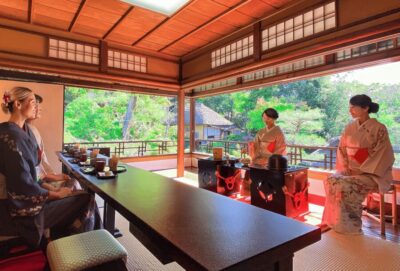
Kyoto: Tea Ceremony in a Traditional Tea House in Kiyomizu
Read our review →
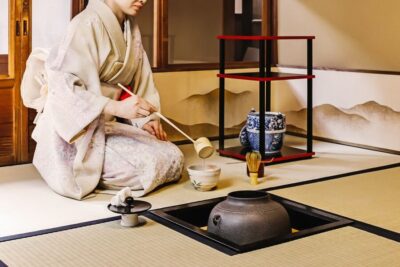
Kyoto: 45-Minute Tea Ceremony Lesson Experience
Read our review →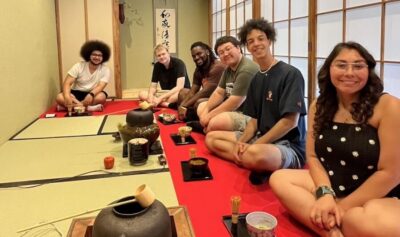
Kyoto: Table-Style Tea Ceremony at a Kyo-Machiya
Read our review →
Browse the lists this tour appears in