
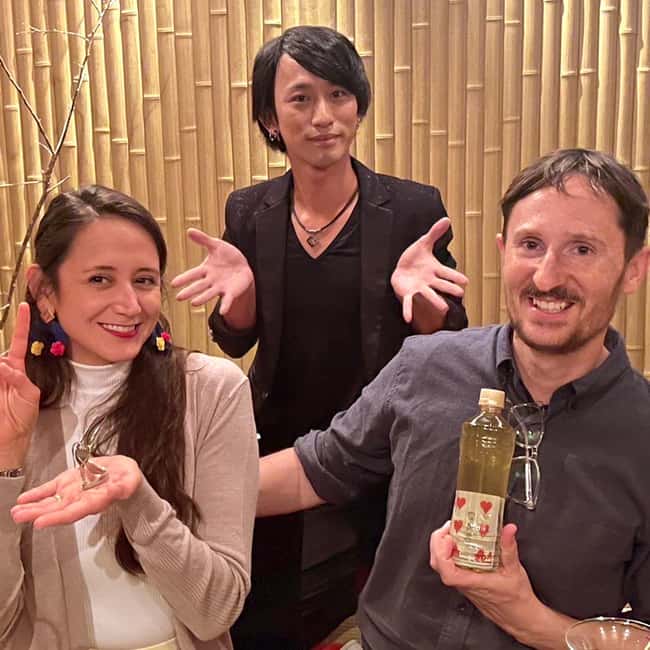
Review · TEA CEREMONY EXPERIENCES
Kyoto: Wazuma Magic Show & Tea Ceremony
Wazuma is Japanese magic in its oldest, most intimate form. In a quiet Gion tea room, you sit only a few feet from a performer while a tradition said to be 1,000 years old unfolds through careful gestures, objects, and sleight of hand. Fewer than 10 masters are believed to still perform it, and Japan recognizes the art as intangible cultural heritage.
I like the six-seat private setting, which makes this feel more like a salon than a stage show. I also like the clean pairing of a lively 30-minute performance with a calm bowl of Uji matcha and English guidance. The main consideration is price: at $77 for one hour, this is not a budget activity, and the traditional tea-room setting is not suitable for wheelchair users.
Key points at a glance
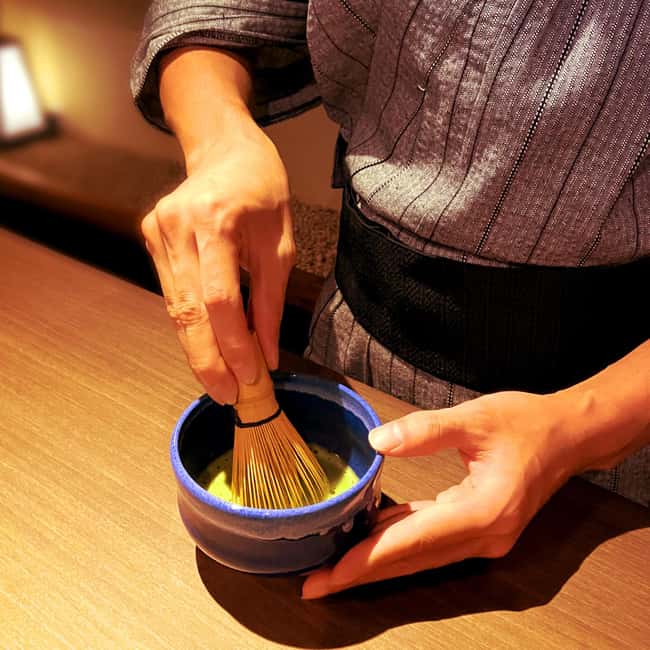
- Rare Wazuma tradition: See an old Japanese illusion art performed by one of the few remaining masters.
- Only six seats: Your group has the tea room to itself, with no crowd between you and the performer.
- Two very different halves: The first 30 minutes are theatrical and interactive, followed by 30 quiet minutes of matcha.
- Close-up magic: The tricks happen just centimeters away, yet the method remains difficult to spot.
- Gion location: The experience takes place in a traditional tea room in one of Kyoto’s best-known historic districts.
- Short and focused: One hour fits neatly into a busy Kyoto day, especially around other Gion sightseeing.
Wazuma in a six-seat Gion tea room
The most unusual part of this experience is not simply that you see magic in Kyoto. It is that you see a form of magic tied to old Japanese performance culture, presented in a room built for intimacy rather than spectacle.
Wazuma is described as a 1,000-year-old Japanese illusion art, and fewer than 10 masters are said to continue the tradition. Japan has recognized it as intangible cultural heritage. That gives the show more weight than a standard hotel magic act, though you should still think of it as entertainment first: the evening is designed to surprise you, not to provide a formal lecture on Japanese history.
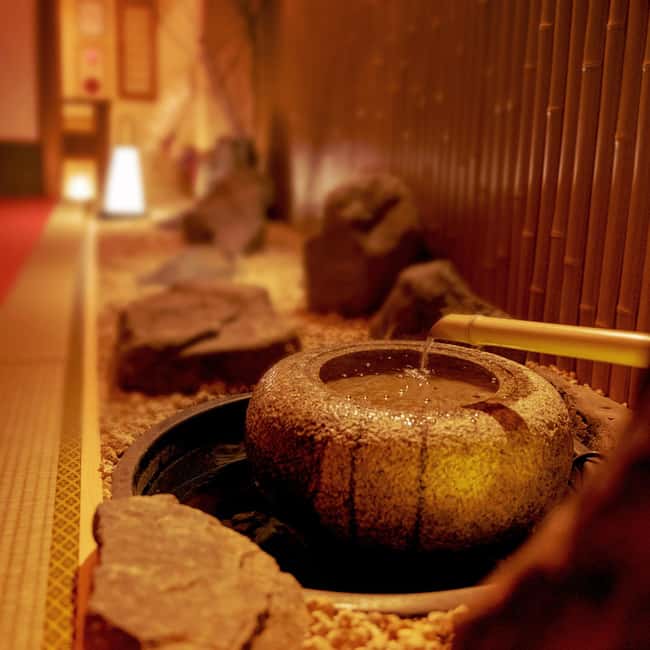
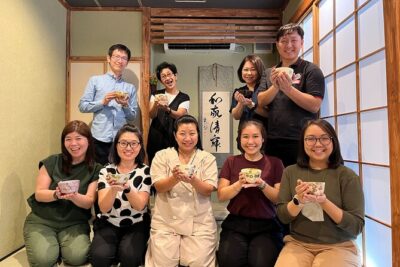
The setting matters. You meet a staff member in front of the building five minutes before the scheduled start, then enter a traditional tea room in Gion. Only six seats are available. That small capacity means you are not looking over a large audience or watching a performer from the back of a hall.
Instead, the action takes place very close to you. The physical distance is part of the fun. You can watch the hands, the objects, and the performer’s timing with unusual care, yet the method can remain completely unclear. That closeness also makes the show more personal and interactive than a large stage performance.
The room itself is part of the experience. It has been arranged as a private salon, with a quiet, refined feel rather than a noisy tourist attraction. If you like Japanese interiors, measured ceremony, and small cultural encounters, the space will likely be as important to you as the tricks.
More Tea Ceremonies in Kyoto
- Kyoto: Tea Ceremony in a Traditional Tea House in Kiyomizu
★ 4.9 · 3,519 reviews - Kyoto: Tea Ceremony Ju-An at Jotokuji Temple
★ 4.9 · 3,207 reviews - Kyoto: 45-Minute Tea Ceremony Lesson Experience
★ 4.3 · 2,378 reviews
The first 30 minutes: old-style magic at close range
The performance lasts about 30 minutes. Expect a compact show rather than a long evening production, with the focus on precise movement, visual surprise, and direct contact with the audience.
The magic is performed at close range, which changes how you watch it. At a distance, a trick can feel like a stage illusion. Here, you may find yourself examining the performer’s hands and trying to anticipate the next move. The fact that the objects are so near makes the mystery more enjoyable, not less.
The performance is also interactive. One couple described being part of the sleight-of-hand acts, and another noted that the show was both theatrical and personal. That does not mean every person must perform, but you should expect more involvement than simply sitting in the dark and watching from a fixed seat.
The names Masaya and Tamaki are associated with the experience. Masaya is specifically praised in the supplied feedback for his close-up performance, while both names are connected with the show by one couple. The host or greeter provides English, so you are not left to guess what is happening or how to follow the presentation.
A small souvenir is given at the end of the experience. The item is not described in detail, so do not book this for the gift alone. Still, it is a pleasant physical reminder of an unusual hour in Kyoto, especially if you are collecting small cultural keepsakes rather than buying standard souvenirs.
Flash photography is not allowed during the performance. That is sensible in a small room, where a sudden burst would distract from the show and spoil the atmosphere. You can enjoy the performance without worrying about taking pictures. Plan to keep your phone put away while the magic is underway.
The second 30 minutes: Uji matcha after the show
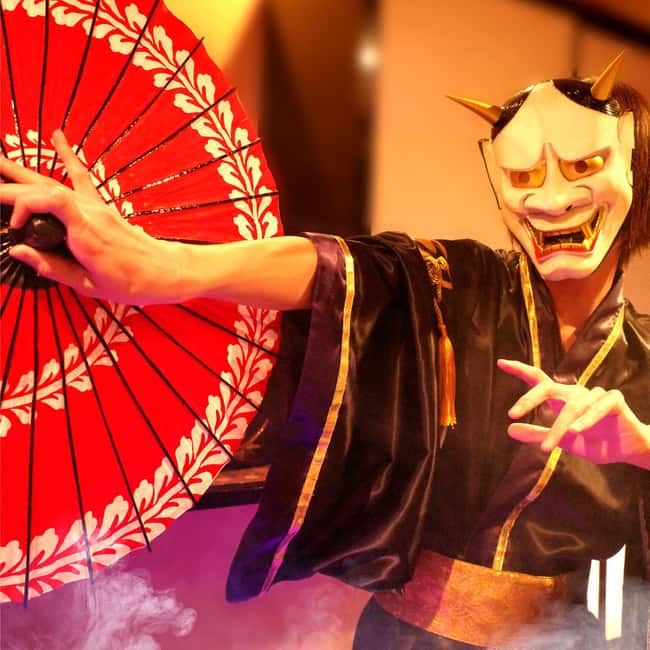
After the magic, the mood changes completely. The final 30 minutes are devoted to Uji matcha, hand-whisked and served with English guidance.
This second half works because it gives you time to slow down after the fast visual surprises. Instead of rushing from one attraction to the next, you remain in the tea room and shift your attention to the preparation and taste of the tea. The matcha is described as top-quality Uji matcha, and the supplied feedback specifically praises its flavor.
You should not expect a full-length formal tea ceremony with an elaborate multi-course meal. The included tea time lasts 30 minutes and centers on matcha. That makes it a good introduction if you want a taste of tea culture but do not want to commit several hours to a more extensive ceremony.
English guidance is important here. Matcha can seem simple when you see only the finished bowl, but the preparation carries its own rhythm and etiquette. Clear explanations help you understand what you are drinking and why the tea is served in this setting.
The matcha also provides a useful contrast with Wazuma. The show is built around surprise and quick shifts in attention. The tea portion is quieter and more deliberate. Together, the two halves create a balanced one-hour program: entertainment first, then a calm cultural pause.
Why the private format matters
Many Kyoto activities take place in large groups, especially in Gion. This one is different because the reservation is for one private group only. The maximum of six seats is small enough that the performer can keep the presentation close and respond to the people in the room.
For couples, friends, or a family group, that privacy can make the hour feel special. You do not have to share the room with a busload of strangers, and you can pay attention without a large audience competing for the best view.
The private format also explains part of the $77 price. You are not paying only for 30 minutes of magic and a bowl of tea. You are paying for a reserved room, a small audience, English assistance, a rare performance tradition, and a carefully paired tea session.
That does not automatically make it good value for everyone. If you measure value by the number of hours or the number of attractions included, $77 is high for a one-hour activity. If you want a distinctive cultural experience and prefer personal attention to a low-cost group show, the price is easier to justify.
The small setting has one possible limitation: it may feel too quiet or formal if you want a large, high-energy production. The show is close and theatrical, but it is not a stage spectacular. Choose it for detail, surprise, and atmosphere rather than scale.
Same city, a very different cup:
- Kyoto: Table-Style Tea Ceremony at a Kyo-Machiya
★ 4.9 · 1,211 reviews - Kimono Tea Ceremony at Kyoto Maikoya, NISHIKI
★ 5.0 · 911 reviews - Kyoto: Kimono Tea Ceremony at Orizuruya Gion
★ 4.9 · 618 reviews - Kyoto: Tea Ceremony in 100-year-old Kyo-Machiya Townhouse
★ 4.8 · 546 reviews
Fitting it into a Kyoto day
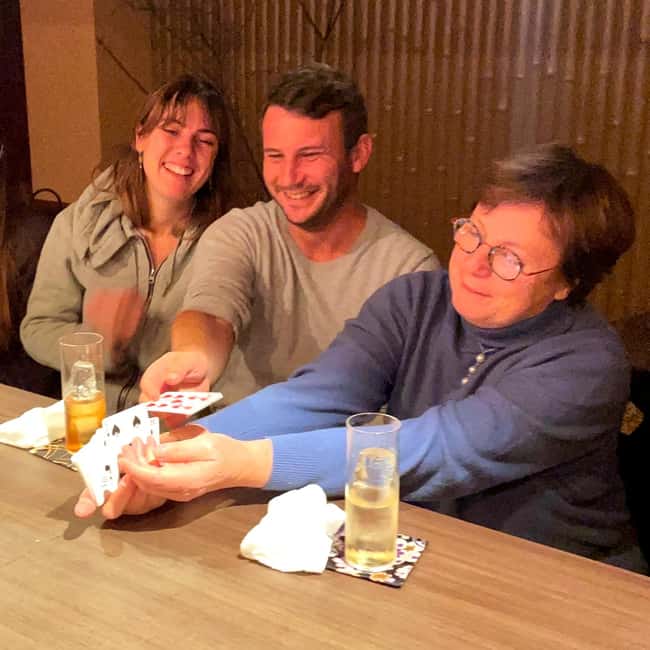
At one hour, this experience is easy to fit around Gion sightseeing. You can place it between visits to nearby temples, traditional streets, shops, or an evening meal, though you must arrange your own transportation to and from the building.
The meeting routine is simple. A staff member waits in front of the building five minutes before the meeting time. Arrive early enough to find the location without hurrying. Because this is a reservation-only performance with just six seats, arriving late could be more disruptive than arriving late to a large public show.
One review notes that the guide adjusted when the party arrived late. That is kind, but I would not treat it as a guarantee. The best approach is to allow extra time, especially if you are coming from another part of Kyoto or navigating Gion’s narrow streets.
The activity does not include transportation or personal expenses. You should also remember that the price covers the show and matcha, not a broader Gion tour. If you want background on the district, plan to explore before or after the appointment.
Who will enjoy this most
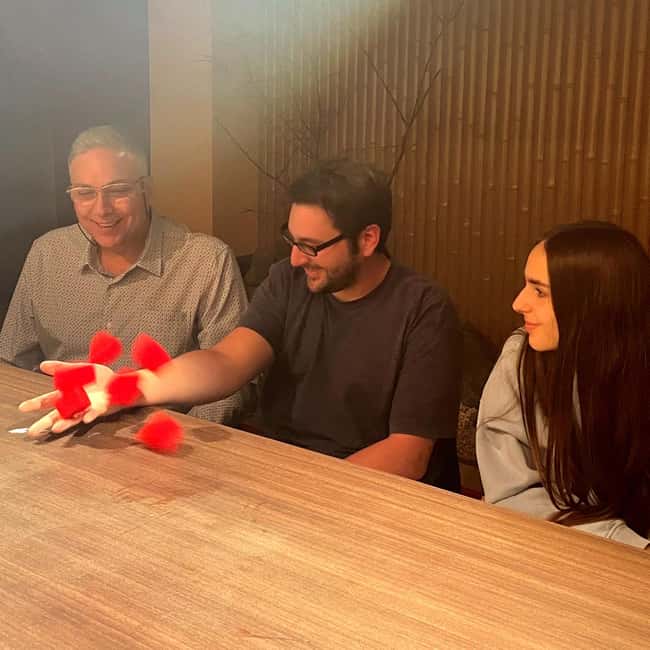
I would recommend this experience to you if you like small-scale cultural activities, unusual performance traditions, and settings where you can watch details up close.
It is especially well suited to:
- Couples looking for a memorable Kyoto activity beyond temple visits.
- Families with older children who enjoy puzzles, illusions, and audience participation.
- Visitors who want to try matcha with English guidance.
- Repeat visitors who have already seen Kyoto’s major sights.
- Anyone who prefers a private room to a crowded group tour.
- People interested in Japanese arts that are rarely presented to international visitors.
You may want to choose something else if your priority is a long tea ceremony, a full day of sightseeing, or the lowest possible price. The experience is also not suitable for wheelchair users, according to the supplied accessibility information.
The performance may be less satisfying for someone who dislikes audience participation or formal settings. The show is described as interactive, so you should be comfortable with the possibility of being involved in a small way.
Practical details before you reserve
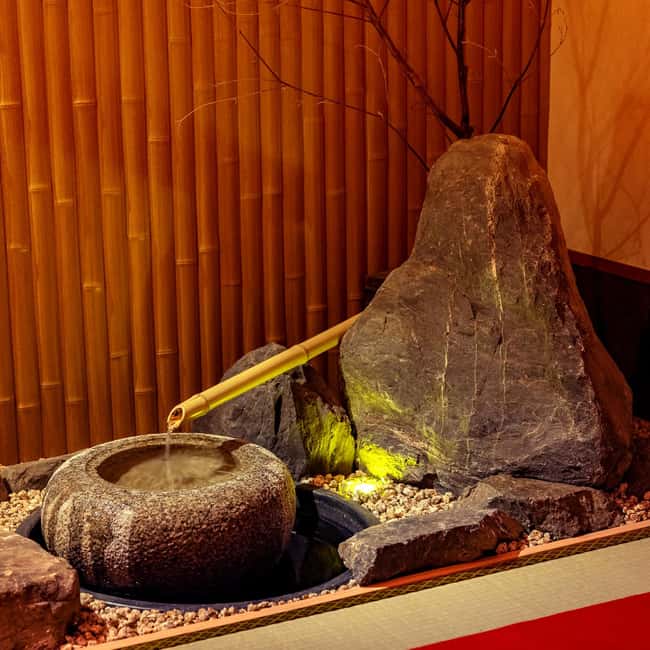
The experience costs $77 per person and lasts one hour. It includes a 30-minute traditional Japanese magic show and a 30-minute Uji matcha tea time.
Reservations are required, and the experience operates with only six seats. Check available starting times when booking, since the exact schedule is not fixed in the supplied information.
You can cancel up to 24 hours in advance for a full refund. The reserve-now-and-pay-later option can help if your Kyoto schedule is still changing.
The host or greeter speaks English, and English guidance is provided for the matcha portion. Flash photography is not allowed during the magic show.
You should arrive at the building five minutes before the start time. A staff member will be waiting outside. Since transportation is not included, allow time to reach the Gion meeting point on your own.
How this compares with other Kyoto activities
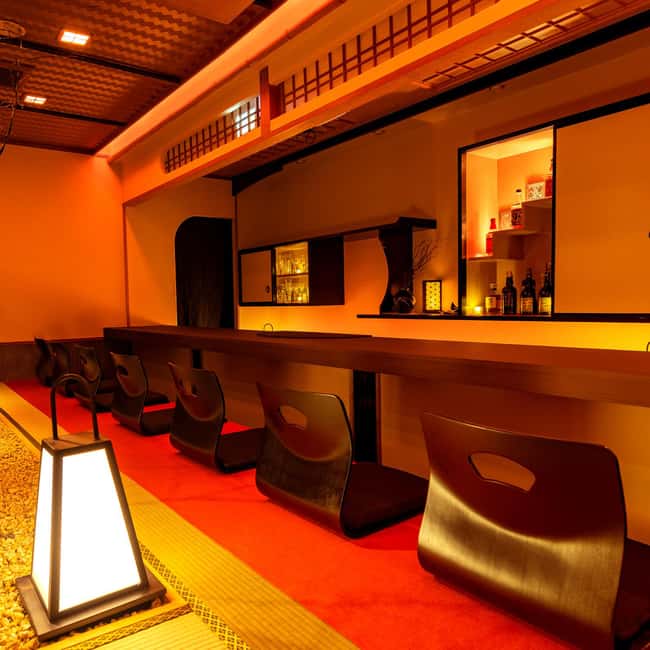
This is not a replacement for a major temple, garden, or full tea ceremony. It offers something different: a brief, private encounter with an old performance tradition, followed by a carefully presented drink.
Compared with a large cultural show, you get much more proximity and less spectacle. Compared with a standard tea tasting, you get a stronger entertainment element and a more unusual setting. Compared with a longer tea ceremony, you get a shorter commitment and a livelier opening half.
That mix is the main reason to book it. You are not spending an entire afternoon on one formal activity, yet the hour feels more distinctive than a quick cup of matcha at a café.
I also like that the experience does not try to fill the schedule with too much. The 30-minute split gives each part room to work. The magic does not drag on, and the tea has enough time to feel like a proper pause.
The main weakness is the fixed price for such a short visit. At $77, you should be interested in both halves. If you care only about magic, you may find the cost steep. If you care only about tea, a tea-focused experience may offer more depth. The value comes from the combination.
Should you book the Wazuma magic and matcha experience?
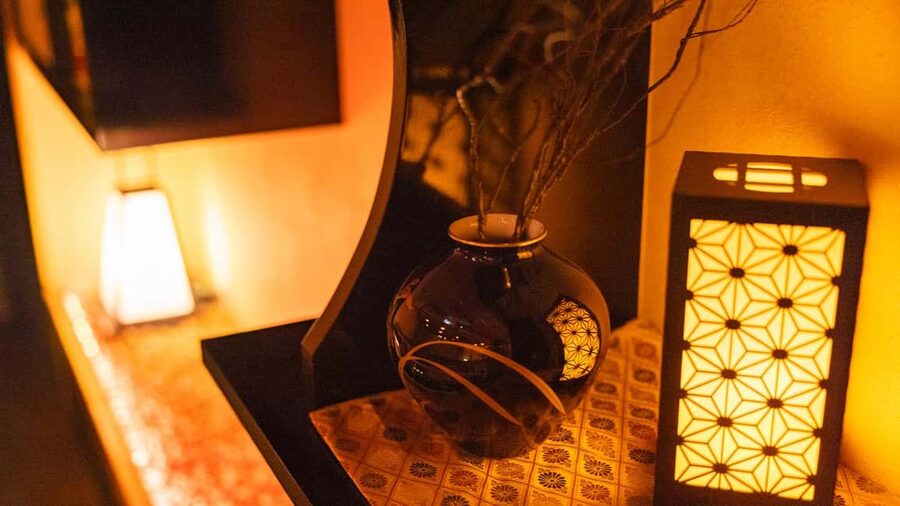
Book it if you want a rare, private Kyoto experience that blends close-up performance with a quiet taste of tea culture. The six-seat room, the old Wazuma tradition, the English guidance, and the calm matcha service make this more distinctive than a standard sightseeing stop.
I would be most likely to choose it for a couple, a small family, or a return visit to Kyoto. I would also choose it for an evening when you want something polished but not lengthy.
Skip it if $77 feels too high for one hour, if you need wheelchair access, or if you want a large-scale show or a full formal tea ceremony. For the right audience, though, this is a smart way to spend a short block of time in Gion, with plenty of mystery packed into a very small room.
FAQ
How long does the Kyoto Wazuma experience last?
The activity lasts one hour. It includes a 30-minute traditional Japanese magic show followed by 30 minutes of Uji matcha tea time.
Where does the experience take place?
The show takes place in a traditional tea room in Kyoto’s Gion area. A staff member meets you in front of the building five minutes before the scheduled start.
How many people can attend?
The tea room has only six seats, and the activity is offered as a private group experience for one reservation group.
Is the experience available in English?
Yes. The host or greeter speaks English, and English guidance is provided during the matcha tea portion.
Is transportation included?
No. Transportation to and from the activity location is not included, so you must make your own way to the Gion meeting point.
Can I cancel my reservation?
Yes. You can cancel up to 24 hours in advance for a full refund. A reserve-now-and-pay-later option is also available.
More Shows in Kyoto
- Samurai Show, Tea Ceremony, Japanese Traditional Activities
★ 5.0 · 56 reviews - Premium Kimono Dressing, Tea Ceremony, Calligraphy, Samurai show
★ 5.0 · 18 reviews - Chengdu: Sichuan Opera Show ShufengYayun & Covered Bowl Tea
★ 4.2 · 14 reviews - Agadir/Taghazout: Sandboarding & Sunset Tea with Fire Show
★ 5.0 · 6 reviews
Fresh tea listings around Kyoto
- Cycling Tour at Uji’s Matcha Green Tea Fields and Heritage★ 5.0 · 10 reviews
- Authentic Tea Ceremony & Sushi in The Museum of Kyoto★ 5.0 · 3 reviews
- Kyoto Fushimiinari:Wagashi Making & Small Group Tea Ceremony★ 5.0 · 14 reviews
- 2 Types of Japanese Sweets making and Tea Ceremony★ 4.6 · 17 reviews
- Kyoto Hidden Riverside Zen Mediation and Uji Matcha Experience★ 5.0 · 9 reviews
- Whisk Your Own Matcha: A Zen Matcha Experience at Temple★ 3.6 · 7 reviews
- Kyoto: Nighttime Zen Meditation and Matcha Tea Experience★ 5.0 · 7 reviews
- Matcha Grinding Experience and Walking Tour in Uji Kyoto★ 5.0 · 26 reviews
Tea Ceremony Experiences, compared.
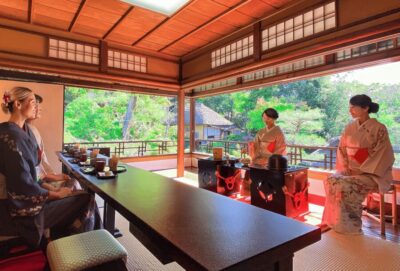
Kyoto: Tea Ceremony in a Traditional Tea House in Kiyomizu
Read our review →
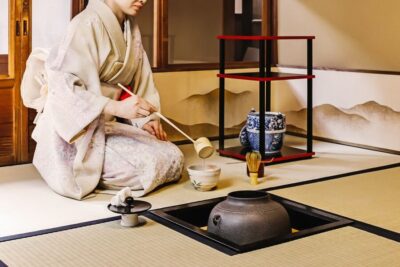
Kyoto: 45-Minute Tea Ceremony Lesson Experience
Read our review →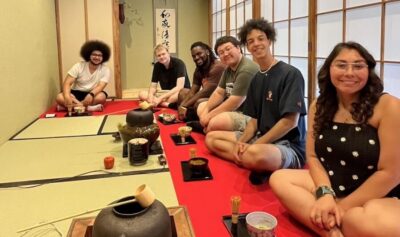
Kyoto: Table-Style Tea Ceremony at a Kyo-Machiya
Read our review →
Browse the lists this tour appears in