
Review · TEA CEREMONY EXPERIENCES
Hiroshima: Morning Hiking Tour with Open-air Tea Ceremony
Futaba Mountain gives you a side of Hiroshima that many first-time visitors miss: quiet shrine paths, wooded slopes, fresh morning air, and a broad view from above the city. The main reward comes after roughly 500 steps, when you reach the Peace Pagoda and settle into an open-air tea ceremony with Hiroshima spread below.
I like the mix of active walking and slow cultural moments. The route visits Hiroshima Toshogu Shrine and Kinko Inari Shrine, while the forest bathing session gives you time to pause rather than rush from one sight to the next. The main caution is simple: this is a real uphill walk, not a gentle stroll, and the hike may run a little beyond three hours.
- A morning climb from Hiroshima Station: Reach the mountain without spending time on a long transfer.
- Shrines among the trees: See Hiroshima Toshogu Shrine and Kinko Inari Shrine before the crowds and heat build.
- A wide view from the Peace Pagoda: Look across Hiroshima City, the Seto Inland Sea, and Miyajima.
- Forest bathing with a guide: Slow down for a sensory nature activity rather than simply walking past the trees.
- Open-air matcha ceremony: Drink green tea outdoors, with the mountain and city as your setting.
- Small groups of up to six: Ask questions easily and receive a more personal introduction to the area.
Why This Three-Hour Hiroshima Tour Feels Different
This is not a standard city sightseeing walk. You begin near Hiroshima Station, then move quickly from urban Japan into shrine grounds and mountain woodland. That change is the point. In one morning, you get cultural sites, exercise, a city view, and two deliberately slow activities.
The tour runs with a small group of no more than six people. That matters on a route with steps and uneven walking, since the guide can set a comfortable pace and explain what you are seeing without shouting over a large crowd. Guides including Naomi, Nana, Mimi, Michiyo, Michiyo, Stephanie, and others have led this experience, with Japanese and English available.
I especially like the way the tour places Hiroshima in a wider context. The city is often introduced through the Atomic Bomb Dome and Peace Memorial Park, rightly so. This morning route lets you learn about Shinto, local shrines, mountain customs, and the city’s setting without treating Hiroshima only as a place connected to wartime history.
The tour costs $106 per person. That is not a bargain hike, but the fee covers a guide, the tea ceremony, and forest bathing. You are paying for interpretation and a planned cultural experience, not just directions up a hill. The price makes the most sense if you want help understanding the shrines and a structured tea ritual. If you only want a view and a workout, you could find cheaper ways to walk in the area.
Meeting at Hiroshima Station and Starting Early
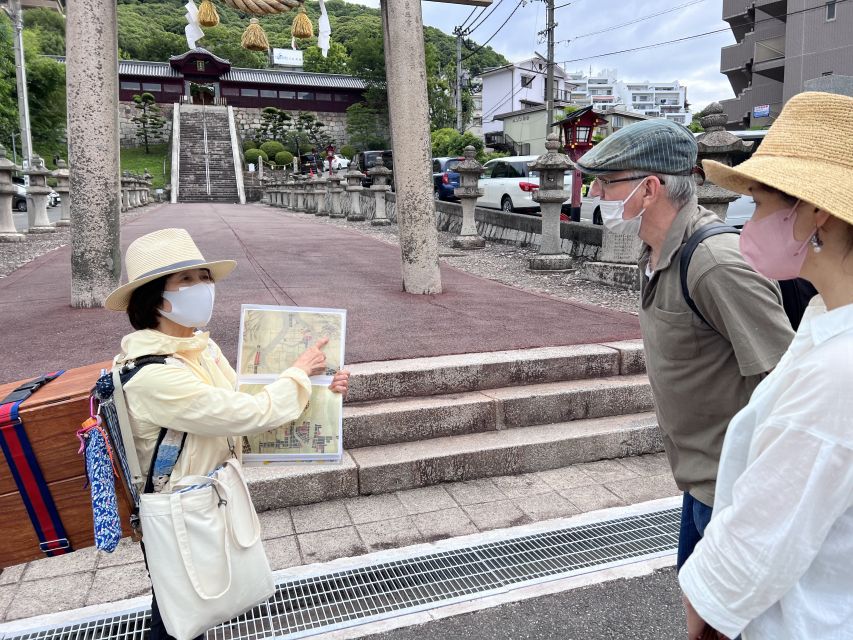
You meet your guide on the deck on the second floor of Hiroshima Station, in front of the Shinkansen North Exit. The listed meeting and drop-off choices include Hiroshima Station and the Seven Bank ATM area, so check the exact meeting instructions when booking.
An early start is one of the tour’s strengths. Morning light makes the view more rewarding, and starting early helps avoid the strongest heat, especially in summer. One walk began at 7:30 in the morning, and that timing suited the uphill route well.
Arrive ready to walk. Wear comfortable shoes with a firm sole, since the route includes shrine paths, steps, and a steady climb. You do not need special hiking equipment according to the provided details, but sandals or smooth-soled shoes would be a poor choice.
There is no hotel pickup or drop-off. You need to reach Hiroshima Station yourself, which is easy for anyone staying near the station or arriving by train. The lack of hotel transport keeps the tour focused and helps explain why the morning fits into a three-hour visit.
More Tea Ceremonies in Japan:
- Kyoto: Tea Ceremony in a Traditional Tea House in Kiyomizu
★ 4.9 · 3,519 reviews - Kyoto: Tea Ceremony Ju-An at Jotokuji Temple
★ 4.9 · 3,207 reviews - Kyoto: 45-Minute Tea Ceremony Lesson Experience
★ 4.3 · 2,378 reviews
Hiroshima Toshogu Shrine: A Cultural Start
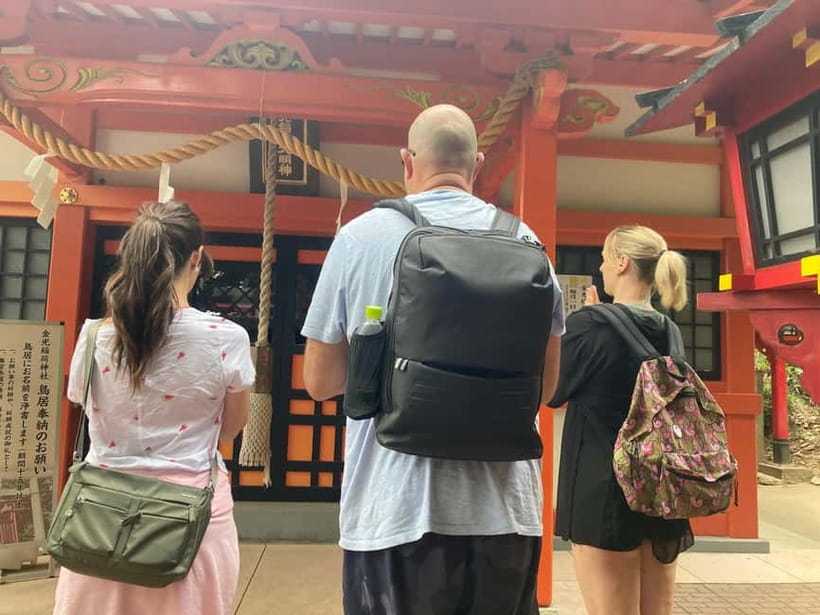
The first major stop is Hiroshima Toshogu Shrine. Your guide leads you through the grounds for about 30 minutes, pointing out the shrine’s traditional architecture, cultural assets, and other buildings.
This is a useful opening because it gives you cultural context before the physical part of the outing begins. Your guide can explain aspects of Shinto practice and the role of the shrine, rather than leaving you to guess what each gate, building, or worship area means.
The shrine visit also sets the pace. You are not being rushed through a checklist. You walk, stop, look closely, and hear about the place before continuing toward the mountain paths.
The amount of detail can depend on the guide. Most of the guides named for this activity are praised for clear explanations and warm conversation. One participant wanted more help with specific shrine worship customs and thought a priest or shrine worker might have added another layer. That is a fair limitation: this is a guided introduction, not a formal religious lecture or specialist shrine tour.
Through Kinko Inari Shrine and Into the Woods
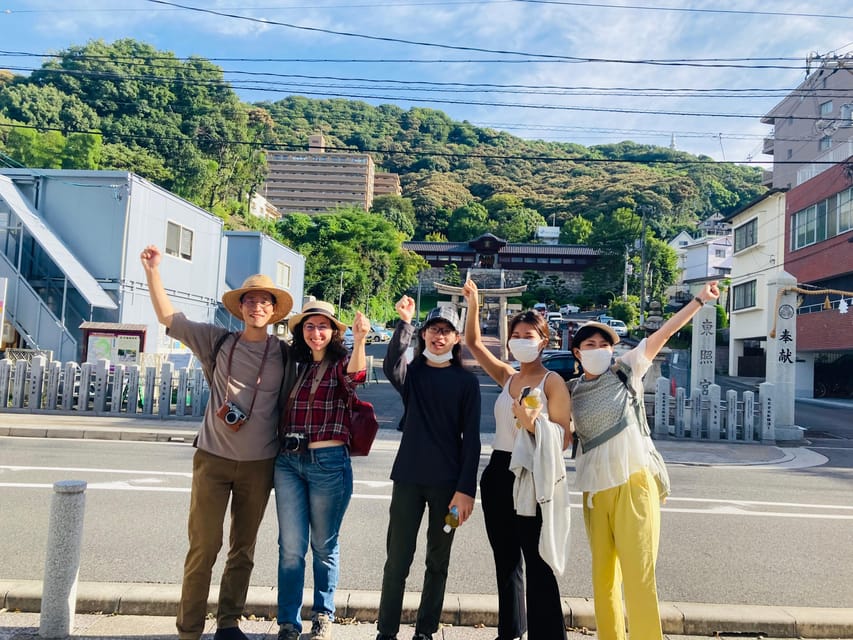
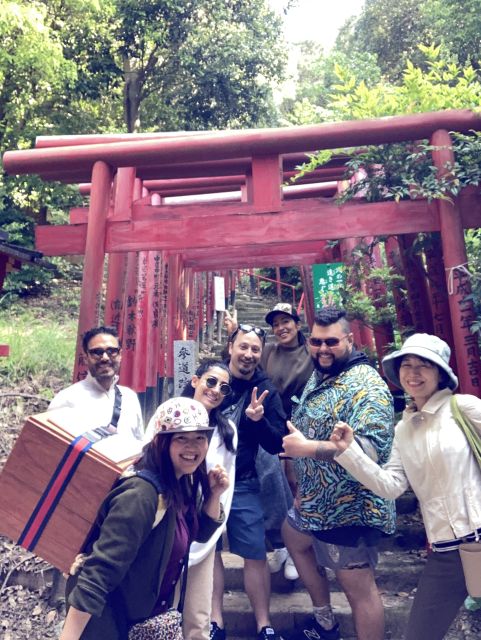
From Hiroshima Toshogu Shrine, the route continues toward Kinko Inari Shrine. The walk and guided visit take about 25 minutes, with the path leading into the wooded slopes of Futaba Mountain.
This section is where the city begins to feel far away. You pass through greenery and shrine features while gradually gaining height. The route offers a different kind of Hiroshima sightseeing, one based on quiet details and changing views rather than major monuments.
Expect steps. The official warning says about 500 steps are required, while one participant counted 466. The precise number may vary with the route, but the practical message is the same: your legs will notice the climb. Another person was still feeling the effort two days later, so do not schedule this as a completely effortless first activity after a long flight.
The guide normally builds in pauses. Those breaks let you catch your breath, take pictures, and listen to explanations. Still, you should be comfortable walking uphill for a sustained period. This outing is not suitable for people with heart problems, and anyone with concerns about exertion should choose a gentler activity.
The Peace Pagoda View Over Hiroshima
After roughly 25 minutes of trekking, you reach the Peace Pagoda area. The stop includes a visit, guided explanation, photographs, and scenic views, with about 35 minutes allotted.
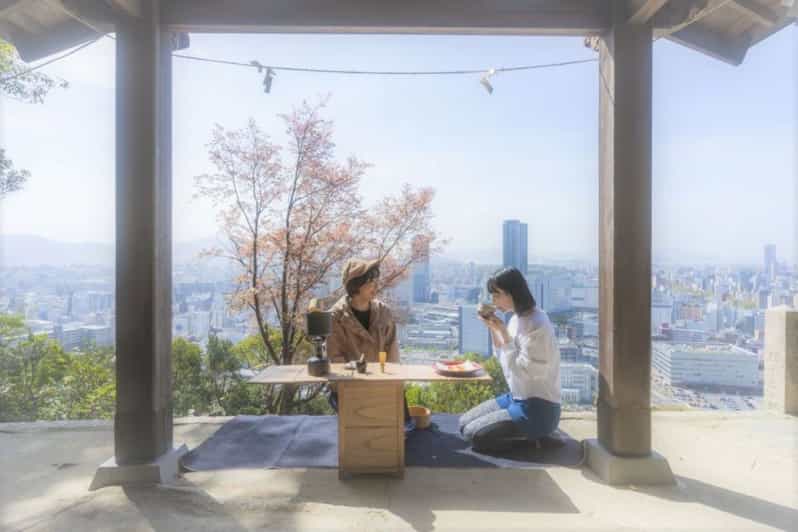
This is the visual high point of the morning. From the mountain, you can look across Hiroshima City toward the Seto Inland Sea and Miyajima. The view helps you understand Hiroshima’s setting in a way a street-level walk cannot. You see the compact city, surrounding hills, and water together.
Bring your camera, but do not treat the stop as a quick photo break. The guide uses this point to explain the area, and the pause gives you time to recover before the tea ceremony. The combination works well: first you make the physical effort, then you get a clear reward and a calm place to sit.
Visibility will naturally affect the view. The provided information does not promise a particular weather condition, so you should book this for the overall experience rather than assuming the islands will always be perfectly clear. Even on a hazier morning, the walk through the woodland and shrines remains part of the value.
More Walks and Hikes in Japan:
- Hiroshima Local guided Hiking Tour&Open-air Tea Ceremony
★ 5.0 · 213 reviews - Tuk-Tuk Safari Liptons seat,Tea Fields Hike,TeaFactory Tour
★ 4.8 · 46 reviews - Private Munnar Tea Trek
★ 4.6 · 38 reviews - Full Day Sreemangal Tea Garden & National Park Hiking Tour
★ 5.0 · 6 reviews
Forest Bathing: A Slow Hour in Nature
The forest bathing activity is not swimming. One participant expected water after reading the phrase and instead found a sensory meditation session. That distinction is worth knowing before you book.
In practice, the activity asks you to slow down and pay attention to the natural setting. Your guide leads the group through a relaxed period of noticing the forest and settling into the surroundings. It is closer to a guided pause in nature than an athletic activity.
I like this part because it prevents the morning from becoming only a climb followed by a cup of tea. You have time to hear the forest, feel the change in pace, and let the mountain replace the noise of the station and city streets.
The activity may feel unusual at first. If you prefer constant movement or a packed schedule, you may find it too quiet. Give it a chance, though. The experience works best when you stop trying to make it productive. Sit, breathe, look around, and let the guide set the rhythm.
Some descriptions also refer to unique yoga or movement during the nature session. The exact format may vary by guide, so you should expect a gentle, sensory nature activity rather than a fixed exercise class.
Nodate Tea With a City View
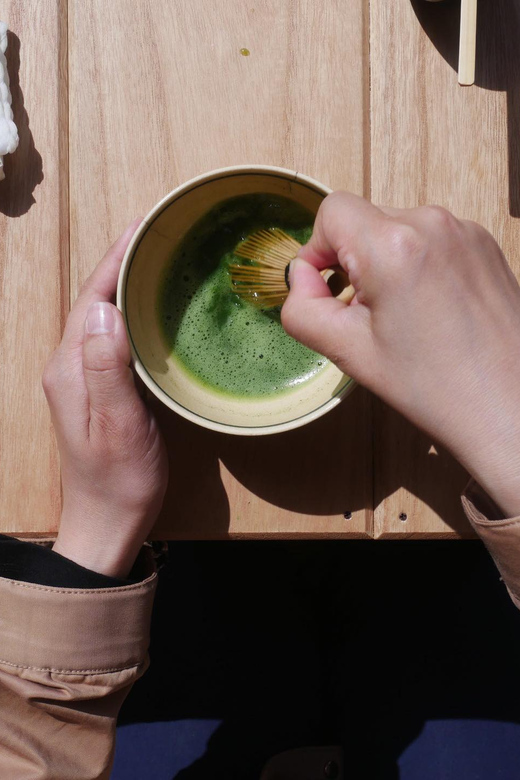
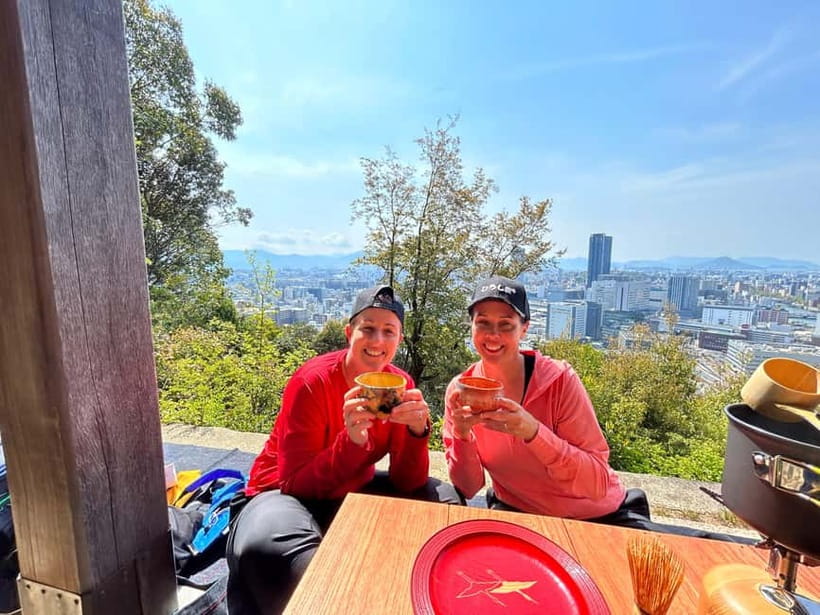
The open-air tea ceremony takes place near Kinko Inari Shrine after the climb and forest bathing. The guide prepares green tea outdoors, and the tea portion lasts about an hour, including a break, photographs, scenic views, and the ceremony itself.
Nodate means making tea outdoors. It is not the same as a formal indoor tea ceremony in a private room, and you should not expect a kimono setting or a highly staged performance. That is part of its appeal. Here, the ritual belongs to the mountain, the morning light, and the view.
The guides explain the steps and may invite you to take part in preparing matcha. One guide let a participant practice making the tea, and another involved a child in learning the correct method. Small touches like that make the ceremony easier to understand than simply watching someone perform it.
You may also receive small sweets with the tea. The matcha gives the morning a clear finish, while the outdoor setting keeps the experience informal and connected to the walk. I would call it a casual, modern take on a traditional practice, not a substitute for a formal tea school session.
If you choose the breakfast option, breakfast is included. The supplied information does not specify the menu, so do not book this solely for a particular food item. The tea ceremony itself is included for all participants.
Guides, Group Size, and the Human Side
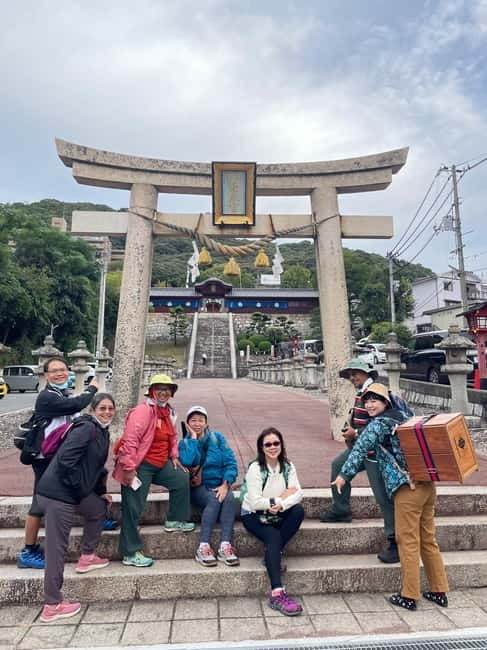
The guide is a major part of this experience. Names associated with the tour include Naomi, Nana, Mimi, Michiyo, Stephanie, and others. The strongest feedback consistently points to friendly, energetic guides who explain the shrines, help set a comfortable pace, and make the ceremony feel welcoming.
Naomi is described as especially prepared and passionate about Futaba Mountain. Nana is praised for clear explanations, patience, and an outgoing manner. Mimi is noted for making the cultural side of the morning engaging, while Stephanie is described as friendly, informative, and fun.
You should still allow for differences in guiding style. A small-group tour gives you room to ask questions, but the depth of the shrine discussion can depend on who leads the walk. The official languages are Japanese and English, and the group limit is six people.
The overall rating is 4.8 from 58 ratings, with strong praise for the guides, forest bathing, tea ceremony, and views. The one recurring practical point to keep in mind is timing: the walk may run a little over three hours. Tell your guide early if you have a firm lunch reservation or train to catch.
Who Should Book This Morning Walk?
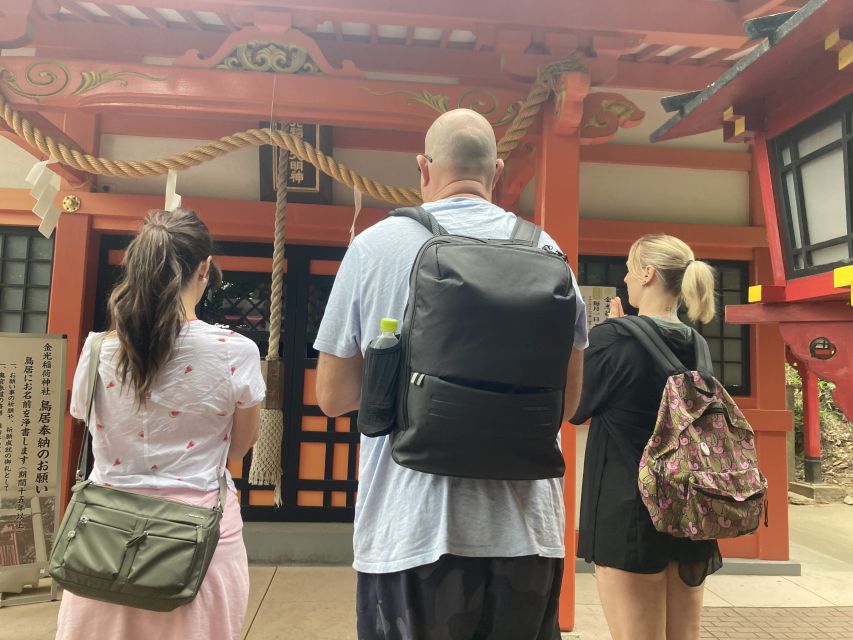
I would choose this tour if you want to combine light adventure with cultural learning. It suits people who enjoy walking, can manage a steep set of steps, and would rather meet a local guide than follow a trail alone.
It is also a good choice for repeat visitors to Hiroshima. If you have already seen the central memorial sites, Futaba Mountain gives you another way to understand the city. First-time visitors can enjoy it too, especially if they want their Hiroshima schedule to include more than museums and memorials.
Families can join if everyone is comfortable with the climb. The guides have included children in the tea-making activity, and the frequent stops help break up the walk. But do not mistake the three-hour duration for an easy outing. The steps are the main physical demand.
You should skip it if you have heart problems, dislike uphill walking, or want a fully formal tea ceremony. You may also prefer another activity if your schedule cannot handle a possible finish after the three-hour mark.
Cancellation is free up to two days in advance for a full refund. Comfortable shoes are required, and alcohol and drugs are not allowed.
Is the $106 Price Fair?
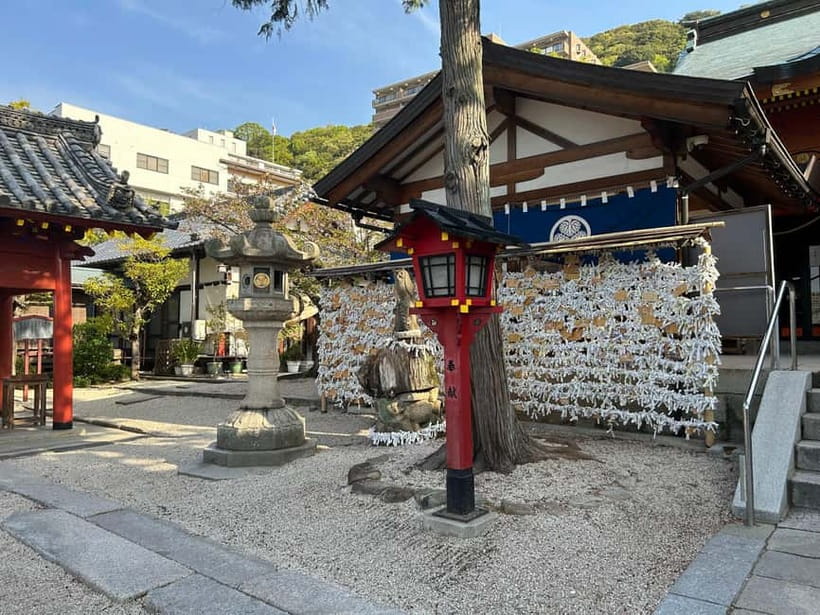
At $106, this is a specialist experience rather than a low-cost sightseeing walk. The value comes from the combination: a guide-led shrine visit, mountain route, Peace Pagoda viewpoint, forest bathing, and outdoor tea ceremony in one morning.
I think the price is fair if you would otherwise pay for separate cultural guidance or struggle to understand the shrines on your own. The group size also matters. With no more than six people, you are not paying for a large coach tour with a rushed explanation.
The price is less convincing for an independent hiker who wants only the trail and view. You are paying for the structure, interpretation, and care built around the walk. Decide if those are what you want from Hiroshima.
Final Decision: Book It If You Want a Quieter Hiroshima
Book this tour if you want a morning that feels personal, active, and rooted in Japanese culture. The best parts are the wooded shrine route, the view from the Peace Pagoda, and the chance to drink matcha outdoors after making the climb.
Go in with the right expectations. You will climb about 500 steps, forest bathing means a sensory nature session rather than a swim, and the tea ceremony is an informal outdoor version rather than a formal indoor performance.
For an early riser with comfortable shoes and a little curiosity, this is a fine way to see Hiroshima from above and beyond its usual memorial route. If your idea of sightseeing means avoiding hills, choose something flatter.
FAQ
Where does the Hiroshima hiking tour meet?
Meet your guide on the deck on the second floor of Hiroshima Station, in front of the Shinkansen North Exit. Hiroshima Station and the Seven Bank ATM area are listed among the meeting and drop-off locations.
How long does the tour last?
The scheduled duration is three hours. It may run slightly longer, so leave extra time if you have a fixed lunch booking or train connection.
How many steps are involved?
You need to climb about 500 steps. One route description counted 466, but the exact number can vary. Comfortable shoes are required.
Is forest bathing a swimming activity?
No. Forest bathing is a sensory meditation-style activity in the woodland. It focuses on slowing down and noticing the natural surroundings.
What languages do the guides speak?
The live tour guide service is available in Japanese and English.
Is breakfast included?
Breakfast is included only if you select the breakfast option. The guide, open-air tea ceremony, and forest bathing activity are included in the standard experience.
More Morning Experiences in Japan
- Magnetic Island: Guided Bus Tour with Morning Tea
★ 4.8 · 129 reviews - Half Day Sea Kayak Tour from Batemans Bay with Morning Tea
★ 5.0 · 99 reviews - Sydney Harbour: 2-Hour Morning Yacht Cruise with Morning Tea
★ 4.8 · 42 reviews - Brisbane Bus Tour: Max 10 people | Half Day | Morning tea inc.
★ 5.0 · 28 reviews
Fresh tea listings around Japan
- Cycling Tour at Uji’s Matcha Green Tea Fields and Heritage★ 5.0 · 10 reviews
- Authentic Japanese tea tasting: sencha, matcha and gyokuro★ 5.0 · 12 reviews
- Asakusa Cultural Walk & Matcha Making Tour★ 4.5 · 7 reviews
- Authentic Tea Ceremony & Sushi in The Museum of Kyoto★ 5.0 · 3 reviews
- At an Antique Shop, Tea Ceremony and Japanese Sweets Forming★ 5.0 · 5 reviews
- Authentic Japanese Tea Ceremony Experience in Kamakura★ 4.5 · 8 reviews
- Matcha tasting for all five senses at Hotel Yokohama★ 5.0 · 7 reviews
- Yokohama: Sushi & Gyoza Cooking with Matcha Experience★ 5.0 · 4 reviews
Tea Ceremony Experiences, compared.
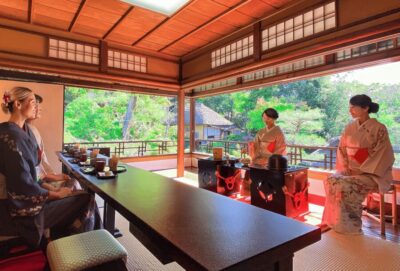
Kyoto: Tea Ceremony in a Traditional Tea House in Kiyomizu
Read our review →
Kyoto: 45-Minute Tea Ceremony Lesson Experience
Read our review →
Kyoto: Table-Style Tea Ceremony at a Kyo-Machiya
Read our review →
Browse the lists this tour appears in