
Review · TEA CEREMONY EXPERIENCES
Tokyo 6 hr Private Guided Tour & Tea Ceremony Experience
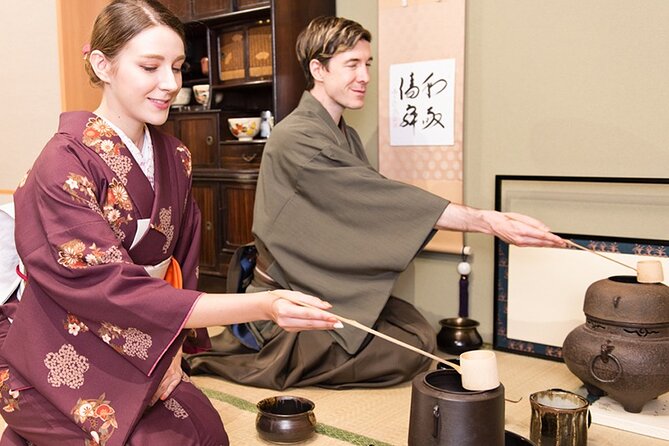
A traditional tea ceremony at Jidaiya gives this Tokyo outing its strongest sense of place. You do not simply look at a shrine or market, then move on. You take part in a formal Japanese custom, with a local guide explaining what you are seeing and why it matters.
I like the freedom to choose two or three sights instead of being marched through a fixed route. I also like the hotel pickup option within Tokyo’s 23 Special Wards, which can save you a morning of subway confusion. The main catch is that transport, meals, and most entrance fees are extra, and six hours is not enough to see every place on the long menu.
Key points at a glance
- Tea ceremony at Jidaiya: The cultural portion is included, and it offers more than a quick photo stop.
- Pick your Tokyo: Choose two or three locations from a wide range of temples, gardens, markets, and modern districts.
- Hotel pickup in the 23 Special Wards: Convenient, though the tour itself does not include a private vehicle.
- Strongest for first-time visitors: A guide can connect old Tokyo, pop culture, food, and daily life in one day.
- Budget for extras: Subway or other transport, entrance fees, lunch, and personal purchases are not included.
- Guide quality matters: Taka received praise for a fun, well-planned day, while one guest found Kris slow and hard to understand.
A flexible six-hour introduction to Tokyo
This experience works best as a guided sampler, not as a grand tour of the whole city. You choose two or three stops from a generous list, meet a licensed English-speaking guide, and spend part of the day at a tea ceremony.
That structure is useful in Tokyo, where districts can feel like separate cities. Asakusa’s temple streets, Harajuku’s youth fashion, Akihabara’s electronics shops, and Shinjuku’s narrow drinking lanes all show different sides of the capital. A local guide helps you understand the shifts instead of treating each stop as an isolated photo opportunity.
The price is $161.25 per person. That is not a bargain in the basic sightseeing sense, since transport and many admissions are extra. Still, the value improves if you are a small party that wants a private plan, an English-speaking guide, and a cultural activity in one booking. You are paying for personal attention and flexibility, not a long list of included tickets.
The group limit is 10 people, and groups cannot be combined. The word private should therefore be understood as a dedicated booking rather than a large public bus tour. Confirm the exact pickup arrangement before you go. The experience offers hotel pickup in the 23 Special Wards, while the included details describe meeting the guide on foot in a designated part of Tokyo.
More Tea Ceremonies in Tokyo
- Kimono Tea Ceremony at Tokyo, Asakusa Maikoya
★ 5.0 · 638 reviews - Tokyo: Traditional Tea Ceremony with a Tea Master
★ 5.0 · 528 reviews - Tea Ceremony Workshop in Tokyo by the Experienced Instrucor
★ 5.0 · 189 reviews
Jidaiya and the tea ceremony
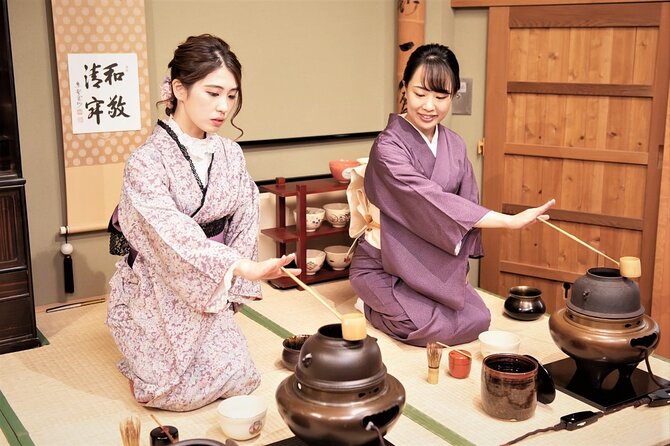
The tea ceremony is the heart of the experience. It takes place through Jidaiya’s Japanese culture programs, which are designed for people seeking a more substantial cultural activity than ordinary sightseeing in Asakusa.
A tea ceremony is valuable because it asks you to slow down. Tokyo can fill a day with train stations, crowds, neon, and constant movement. Here, the focus shifts to manners, preparation, presentation, and the quiet logic of a traditional Japanese ritual.
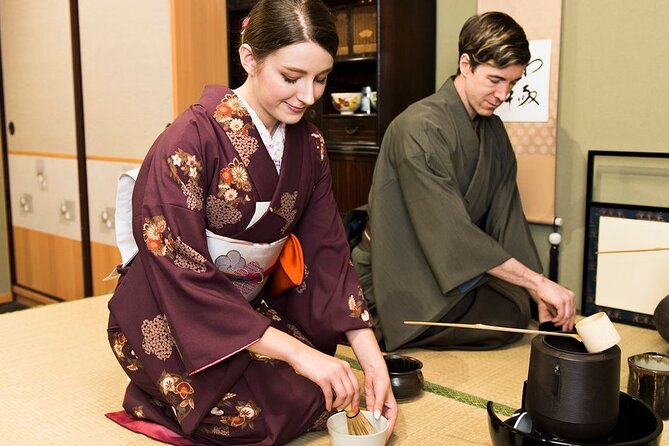
Your guide can help explain the meaning behind the ceremony and make the customs less intimidating. You do not need to arrive already familiar with every gesture. The point is to take part respectfully and learn as you go.
The tea ceremony is included, but kimono rental is not. If wearing a kimono is important to you, treat that as a separate cost and arrangement. The same applies to any extras connected with the cultural program.
Jidaiya also offers an alternative to a standard Asakusa walk. That makes it a smart choice for you if you have already seen major temples or want something more hands-on. It is less useful if your main goal is a long temple visit, shopping trip, or food crawl, since the six-hour schedule has to cover both the cultural activity and your selected sights.
Asakusa, Senso-ji, and old Tokyo
Asakusa is one of the most natural choices for this tour. It is the center of Tokyo’s Shitamachi, or low city, where older neighborhood character survives amid the modern capital.
Senso-ji is the headline attraction. This Buddhist temple is one of Tokyo’s most colorful and popular religious sites. Its origin story reaches back to 628, when two brothers are said to have found a statue of Kannon in the nearby river. The legend gives the temple a memorable beginning, while the setting gives you an easy introduction to Japanese Buddhist worship.
You can use this stop to learn how to behave at a temple, what the structures mean, and how Senso-ji fits into Asakusa life. The listed timing gives about 30 minutes for Asakusa and 15 minutes at Senso-ji, so expect an orientation rather than a slow, detailed visit.
That short timing is a limitation. If you want to study the temple grounds, browse shops, sample food, and take your time with photographs, you will probably need a longer independent visit. Still, Asakusa pairs especially well with the tea ceremony because both parts offer a look at older Japanese customs.
Choosing between the Imperial Palace and Tokyo gardens
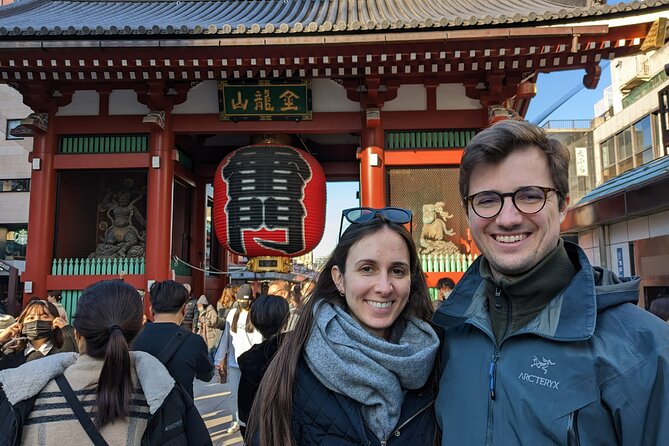
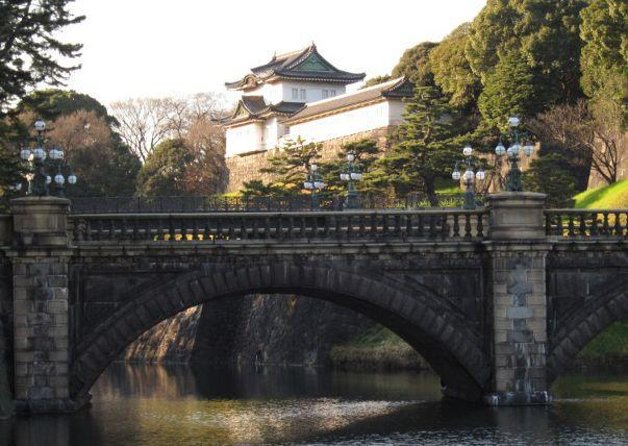
The Imperial Palace gives you a different view of Tokyo’s past. The current palace occupies the former site of Edo Castle, surrounded by moats and large grounds. The tour does not include access inside the palace, so you should think of this as an exterior and area visit.
This stop suits you if you want a central landmark with connections to the shogun-era city and Japan’s imperial present. It is less suitable if you expect palace rooms, interior exhibits, or a long palace tour. The scheduled 30 minutes keeps the visit brief.
Hamarikyu Gardens offer a calmer change of pace. Set beside Tokyo Bay, the garden has seawater ponds that change with the tides and includes a teahouse. The garden’s position near the water makes it a useful contrast to Asakusa’s temple streets and Shibuya’s crowds.
Admission to Hamarikyu is not included. The same applies to Rikugien, Koishikawa Korakuen, and Shinjuku Gyoen. That matters when you compare the tour price with the cost of going on your own. Your guide’s entry fees are covered only for sights listed under the tour’s expectations, so ask which admissions apply to your chosen route.
Rikugien is often considered one of Tokyo’s finest Japanese gardens. Built around 1700 for the fifth Tokugawa shogun, it takes its name from the six Chinese poetic categories. Koishikawa Korakuen is another old garden, begun in the early Edo period for the Mito branch of the ruling Tokugawa family.
Both gardens deserve more than a rushed glance. Their listed times are 30 minutes for Rikugien and 15 minutes for Koishikawa Korakuen. I would choose one garden, not both, unless your priority is simply a quick look.
Shinjuku Gyoen gives you another peaceful option. It is one of Tokyo’s largest and most popular parks, with open lawns, walking paths, and quieter scenery close to Shinjuku Station. Admission is extra, and the suggested 15 minutes is enough for an introduction, not a full walk through the park.
Same city, a very different cup:
- Matcha Making Class in Tokyo with Authentic Japanese Sweets Set
★ 5.0 · 744 reviews - Dynamic Tokyo: Tokyo Tower, Tea Experience, Bay Cruise Day Tour
★ 4.5 · 521 reviews - Tokyo: Matcha Making Experience with Mochi Sweets in Asakusa
★ 4.9 · 388 reviews - Asakusa Cultural Walk & Matcha Making Tour
★ 5.0 · 245 reviews
Harajuku, Meiji Shrine, and Shibuya
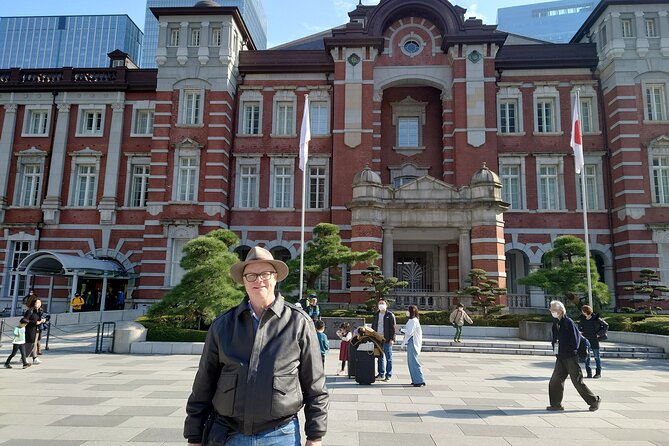
Takeshita Street shows Tokyo’s younger, more fashion-focused side. Harajuku is known for teenage culture and unusual clothing styles, and the street offers a sharp contrast to the temple grounds of Asakusa.
The scheduled 30 minutes is practical for getting a feel for the area, but it is not a serious shopping session. Shops, food stops, and crowds can easily absorb more time. Choose this stop if you want to see how Tokyo’s youth culture differs from its older neighborhoods.
Meiji Jingu Shrine sits beside busy Harajuku Station, yet the shrine is dedicated to Emperor Meiji and Empress Shoken. The pairing of Takeshita Street and Meiji Jingu is one of the better combinations on the menu. You see modern fashion and then move into a major Shinto setting tied to Japan’s modern imperial era.
The shrine visit is listed at 30 minutes. That gives you time to understand the site and walk through part of the grounds, though not necessarily enough for an unhurried exploration. Your guide can explain the difference between a Shinto shrine and a Buddhist temple, which makes the day’s cultural themes easier to follow.
Shibuya Scramble Crossing is the modern Tokyo image many people have in mind before arriving. The crossing sits in front of Shibuya Station and is known for streams of people moving in several directions at once.
The information provided does not assign a separate duration to Shibuya Crossing, so treat it as one possible short stop rather than a full district visit. It makes sense for you if you want a quick look at Tokyo’s famous city energy. It makes less sense if you prefer gardens, religious sites, or long conversations with your guide.
Akihabara, Tsukiji, and Shinjuku after dark
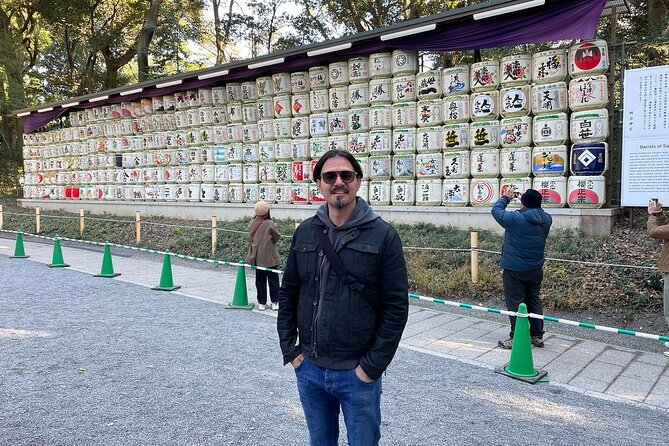
Akihabara is famous for electronics shops and has also become a center of Japanese pop culture. The district gives you a look at a modern side of Tokyo that feels far removed from the Imperial Palace or Meiji Jingu.
The suggested 30 minutes is enough to see the district and hear how its identity has changed. It is not enough for serious shopping or a detailed search through specialty stores. If you have a particular electronics or pop-culture goal, tell your guide early so the time is used well.
Tsukiji Fish Market now refers to the outer market area beside the former wholesale market site. Its streets contain wholesale and retail shops, making it a useful choice if food and market culture appeal to you.
Again, 30 minutes is a quick visit. You may get a sense of the area, but lunch is not included, and personal purchases are your responsibility. If you want to eat, shop, and ask questions at a relaxed pace, allow extra time beyond this tour.
Shinjuku Golden Gai is a very different kind of Tokyo stop. Its small eating and drinking establishments began taking shape around 1950 after a black market near Shinjuku Station moved to the area.
The district is known for its narrow cluster of tiny bars and restaurants. A 30-minute stop can introduce you to its unusual layout and postwar character, but it is not a full evening out. Food and drinks are not included, and you should not expect the tour to cover every lane.
What the guide adds, and where the risk lies

A good guide is the difference between a pleasant route and a tiring transfer between famous names. Taka is specifically noted for building a terrific itinerary, keeping the day fun, and explaining Tokyo with confidence. One unusual stop mentioned in connection with his tour was a 3D-art cafe, a reminder that the route can be shaped around interests rather than only the standard attractions.
The guide can also help with Tokyo’s confusing station exits and neighborhood changes. That is a real benefit when you have limited time and do not want to spend the morning reading maps.
You should also keep expectations realistic. One guest found guide Kris pleasant but too slow, occasionally lost at subway exits, weak at taking photographs, and sometimes difficult to understand. The provider apologized and indicated that the experience needed improvement.
That account does not mean every guide will have the same problems. It does mean you should be clear about your walking pace, priorities, and preferred level of explanation at the start. If mobility or speed is a concern, mention it before the route is set. Most people can participate, and service animals are allowed, but the tour does not include a private vehicle.
Planning the route and the extra costs
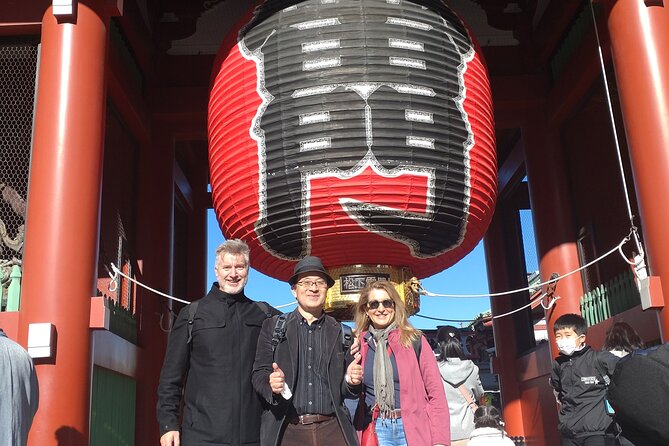
The most important decision is not which ten sites sound interesting. It is which two or three fit together without wasting time.
Good combinations include:
- Asakusa, Senso-ji, and Jidaiya for temples and traditional culture.
- Takeshita Street, Meiji Jingu, and Shibuya for youth culture, Shinto tradition, and modern city life.
- Imperial Palace, Hamarikyu Gardens, and Tsukiji for central Tokyo, gardens, and food culture.
- Akihabara, Shinjuku Golden Gai, and one nearby district for modern entertainment and postwar Tokyo.
The guide may help adjust the plan, but the tour does not include transport fees. You also pay entrance fees where required, plus lunch and personal expenses. Hamarikyu, Rikugien, Koishikawa Korakuen, and Shinjuku Gyoen are specifically listed with admission not included.
At $161.25 per person, the experience makes the most financial sense for a small group that values a private guide and wants the tea ceremony included. It makes less sense if you are comfortable using Tokyo’s public transport, already know which sights you want, and plan to spend little time at each place.
The tour is normally booked 64 days ahead, so popular dates may require planning. You receive confirmation at booking, and free cancellation is available until 24 hours before the start time. Cancellations or changes inside that window are not refunded or accepted.
Who should book this Tokyo experience?
You should consider it if you are visiting Tokyo for the first time, want help choosing between very different districts, or would like a cultural activity built into a sightseeing day. It is also a good fit for families or small groups that want one guide focused on their interests.
I would especially recommend choosing a compact route rather than chasing distant districts. Asakusa with Jidaiya is the clearest traditional option. Takeshita Street with Meiji Jingu gives you the best old-meets-new contrast. Tsukiji or a garden can work well if you want a quieter pace.
You should skip it if you want a full day at one museum, a long food tour, extensive shopping, or a private car. You should also budget carefully for transit, admissions, lunch, and any kimono rental.
Should you book it?
Book this experience if you want a flexible introduction to Tokyo with a real cultural activity, not just a checklist of landmarks. The tea ceremony gives the day a clear purpose, and the choice of two or three sites lets you match the outing to your interests.
Before booking, decide what matters most: old Tokyo, gardens, pop culture, markets, or modern city life. Ask for that route clearly, confirm the meeting or pickup point, and allow for extra costs. With a strong guide such as Taka, this can be a very efficient and memorable first look at Tokyo. The uneven experience described with Kris is a reason to set expectations early, not necessarily a reason to reject the tour outright.
FAQ
How long is the Tokyo guided tour?
The experience lasts approximately six hours.
What is included in the price?
The price includes a licensed local English-speaking guide, the customizable guided tour of two or three selected sites, and the tea ceremony experience.
Is hotel pickup available?
Pickup is offered from hotels within Tokyo’s 23 Special Wards. The included details also describe meeting the guide on foot within a designated area, so confirm the exact arrangement for your booking.
How many sites can I visit?
You choose two or three sites from the listed options. The long list is not intended to be completed in one six-hour outing.
Is transportation included?
No. Transportation fees are not included, and the tour does not provide a private vehicle.
Are entrance fees included?
Some entrance fees are not included. Hamarikyu Gardens, Rikugien Garden, Koishikawa Korakuen Garden, and Shinjuku Gyoen National Garden are specifically listed with admission not included.
Is lunch included?
No. Lunch and other personal expenses are not included.
Is kimono rental included?
No. Kimono rental is not included in the experience.
What is the cancellation policy?
You can cancel for a full refund up to 24 hours before the experience begins. Cancellations or changes made less than 24 hours before the start time are not accepted for a refund.
Fresh tea listings around Tokyo
- Yokohama : Tea Ceremony with Sweets and Souvenir★ 5.0 · 5 reviews
- Walking Tour: Yanaka,Nezu& Sendagi: Tea Ceremony & Old Tokyo★ 5.0 · 3 reviews
- Private Mochi・Matcha sweets Making Class Near Shibuya Area★ 5.0 · 22 reviews
- Private Kimono and tea ceremony at local home near Tokyo Disney★ 5.0 · 6 reviews
- 2 Hours Mochi &Nerikiri Making & Matcha Class in Bunkyo★ 5.0 · 21 reviews
- Tokyo Sweets Tour: Hidden Gems & Matcha at an Old Tea House★ 5.0 · 6 reviews
- Kimono and Tea Ceremony in Asakusa Private Food Tour With Guide★ 5.0 · 4 reviews
- Tokyo: Tea Ceremony & Japanese Sweets Making★ 5.0 · 10 reviews
Tea Ceremony Experiences, compared.
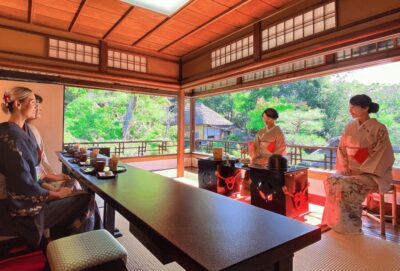
Kyoto: Tea Ceremony in a Traditional Tea House in Kiyomizu
Read our review →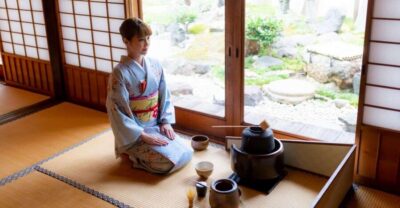
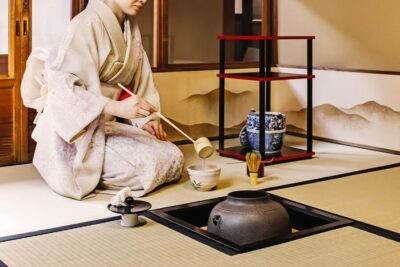
Kyoto: 45-Minute Tea Ceremony Lesson Experience
Read our review →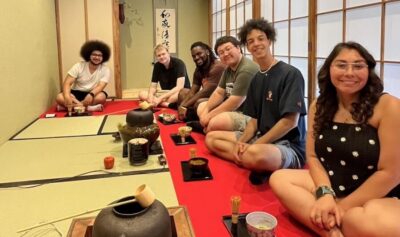
Kyoto: Table-Style Tea Ceremony at a Kyo-Machiya
Read our review →
Browse the lists this tour appears in