
Review · TEA CEREMONY EXPERIENCES
Traditional Japanese Tea Ceremony at Master’s Private Tea Room
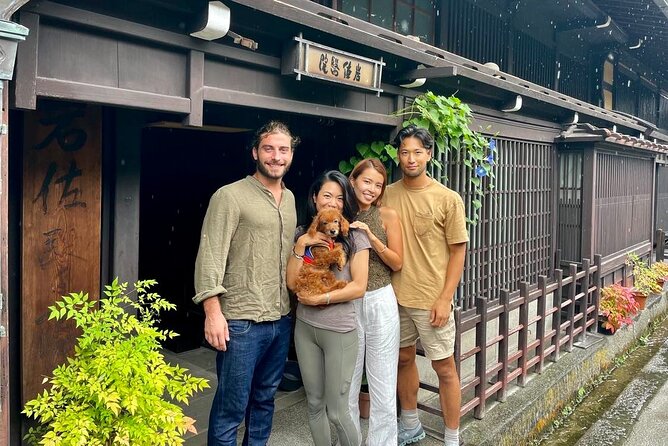
Takayama’s best tea experiences are not always in formal public tea houses. This one takes you inside a 200-year-old machiya, a long, narrow merchant home that once also operated as an obstetrics and gynecology clinic. You’ll learn how the house works, then prepare green tea and matcha with seasonal fruit and sweets.
I like the mix of architecture and hands-on tea making. I also like the private format: only your group takes part, so the visit can feel more personal than a large demonstration. The main consideration is the price, $97.73 per person, which is a serious spend for two hours and makes most sense if you care about old houses, Japanese design, and tea customs.
Key points to know
- A rare house with two past lives: The building combines a traditional merchant home with a former obstetrics and gynecology clinic.
- Tea preparation is hands-on: You learn to make both green tea and matcha, rather than only watching a formal demonstration.
- Seasonal food is part of the visit: Tea is served with seasonal fruit and Japanese sweets.
- Your group has the room to itself: This is a private activity, not a shared class.
- The setting is authentic: The house retains much of its original form and shows how a Takayama machiya was built and used.
- Plan ahead: The activity is often booked about 99 days in advance, with confirmation subject to availability.
Entering a 200-year-old Takayama machiya
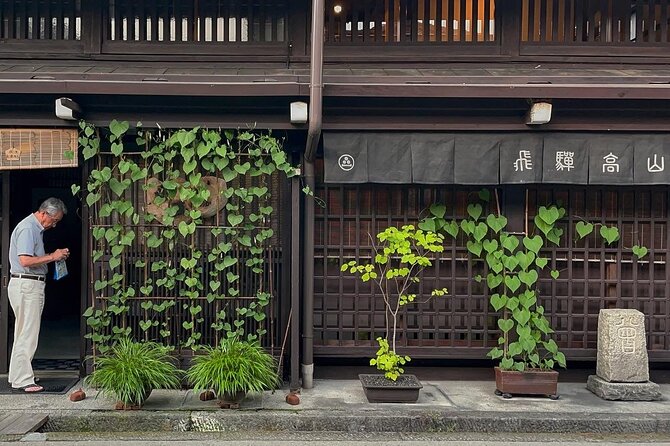
The first pleasure here is the building itself. From the street, a machiya can look surprisingly narrow. Inside, its long shape reveals a careful arrangement built around limited frontage. That design reflects the merchant homes of Japan’s Edo period, when town plots were often narrow and deep.
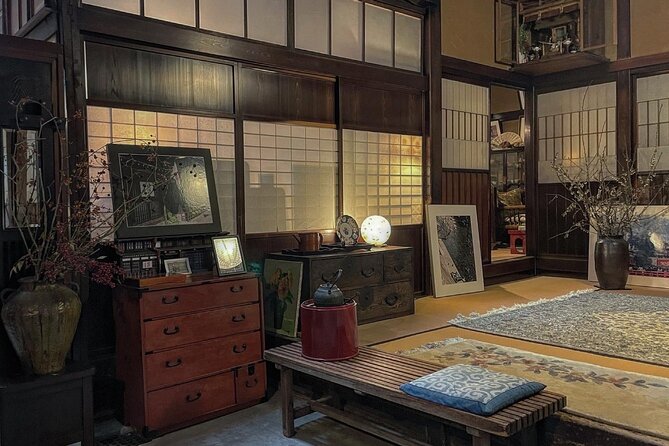
The house in Takayama still shows how people lived and worked within that format. Hida craftsmen used the finest materials available at the time, shaped with practical skill and an eye for beauty. After more than two centuries, the structure remains useful as well as attractive.
I would pay attention before the tea begins. Look at how much character comes from proportion, materials, and restraint rather than decoration. You may find that the house teaches you more about everyday Japanese life than a polished museum display would.
The building’s unusual past adds another layer. It was formerly an obstetrics and gynecology clinic, and the main house and clinic remain part of the same story. That combination is unusual, and it gives the visit a more personal feel. You are not simply entering a preserved merchant house. You are seeing a place that adapted to changing needs while keeping its older form.
The information provided does not set out a room-by-room route, so you should expect the host to explain the house as the visit unfolds rather than follow a fixed museum circuit. That is a benefit for people who prefer conversation and context. It also means the exact flow may depend on the host and your group.
More Private Tea Experiences in Japan
- Private Tea Ceremony and Sake Tasting in Kyoto Samurai House
★ 5.0 · 163 reviews - Tea Ceremony Experience in a Private Tea Room in Shibuya
★ 4.9 · 125 reviews - Kyoto: Private Tea Ceremony with a Garden View
★ 4.9 · 61 reviews
Understanding why the narrow design matters
Machiya architecture makes more sense once you stop judging the building from the front. The narrow entrance can hide a surprisingly deep plan. This arrangement allowed merchants to use a constrained town site while keeping a home, work areas, and daily life within one connected structure.
The house also shows the Hida region’s strong building tradition. Hida craftsmen were known for careful woodwork and smart use of materials, and the home’s survival points to solid construction. The value here is not only visual. You get a glimpse of how local skill supported ordinary life over many generations.
I like that the architecture is presented as a lived system rather than as a backdrop for photographs. You can think about how people moved through the house, how a narrow frontage shaped the rooms, and how the former clinic later fitted into the property. Those details give the tea session a clear sense of place.
Still, this is not advertised as a full architectural study. If your main goal is detailed information about construction methods, ask questions as you go. The private setting should make that easier, especially if Bob-san is your host.
Preparing green tea and matcha with Bob-san
The tea portion gives the visit its active center. You learn how to make green tea and matcha, rather than sitting through a demonstration with no chance to take part. A previous participant singled out Bob-san as a friendly and kind host who showed how to make both types of tea.
That detail matters. Matcha is not just a drink poured into a cup. The preparation has its own rhythm, tools, and attention to texture. Green tea offers a different way to think about Japanese tea, so trying both helps you compare them instead of treating all Japanese tea as the same.
You should expect instruction suited to a small private group. The exact tools, sequence, and amount of practice are not specified, so I would not assume a formal ceremony with every traditional step. The experience is better understood as a personal tea lesson in a historic home, with cultural explanation woven into the process.
The private format is especially useful here. If you are unsure how to handle the tea, you can ask without feeling that you are holding up a crowd. If you already know something about Japanese tea, you can ask more focused questions about the house, the drinks, or local customs.
The host’s manner appears to be one of the strongest parts of the activity. Bob-san was described as an excellent host, with friendliness and patience at the center of the visit. That is important because tea customs can feel intimidating if they are presented as a test. A good guide makes the ritual feel approachable while still respecting its meaning.
Seasonal fruit, Japanese sweets, and a slower pace
Tea is served with seasonal fruit and Japanese sweets. This is more than a snack break. Sweet foods help balance the bitterness of matcha, while seasonal ingredients connect the visit to the Japanese habit of noticing the time of year through food.
The exact fruit and sweets are not listed, so you should not book this expecting a particular dessert. The seasonal approach is part of the appeal. What appears on the day may change, and that keeps the food tied to the calendar rather than turning it into a fixed tasting menu.
I like this part because it encourages you to slow down. A cup of tea in an old house asks for a different pace than a quick stop between Takayama sights. You have time to look around, taste carefully, and think about how the house was used long before your visit.
There is also a practical point: the activity lasts about two hours. That gives enough time for an introduction to the building, tea instruction, and refreshments without turning the session into an all-day commitment. You will need to reserve a meaningful part of your schedule, but the length should fit well into a day of sightseeing in Takayama.
More Tea Ceremonies in Japan:
- Kyoto: Tea Ceremony in a Traditional Tea House in Kiyomizu
★ 4.9 · 3,519 reviews - Kyoto: Tea Ceremony Ju-An at Jotokuji Temple
★ 4.9 · 3,207 reviews - Kyoto: 45-Minute Tea Ceremony Lesson Experience
★ 4.3 · 2,378 reviews - Osaka: Tea Ceremony Experience
★ 4.9 · 1,426 reviews
What the private format really offers
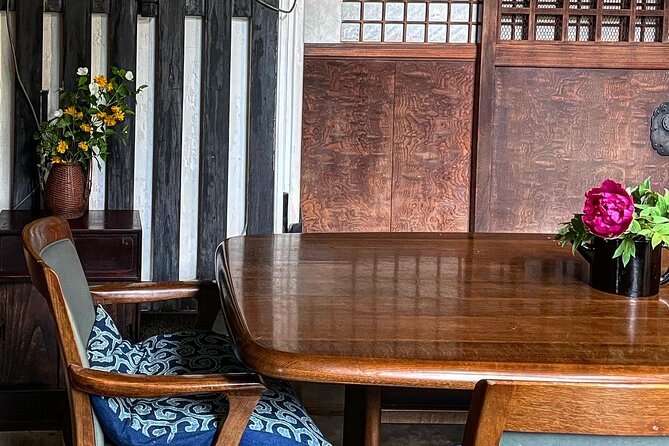
Only your group participates, and the activity returns to the meeting point at the end. That makes it a good choice if you want a quiet cultural visit rather than a large class. A private booking can also work well for families, couples, or friends with different levels of interest in tea.
The benefit is not just comfort. A small setting gives you room to ask why the house is so narrow, how the clinic fit into the property, or how green tea differs from matcha. You may also have more freedom to spend extra attention on the architectural details that interest you.
The tradeoff is cost. At $97.73 per person, this is not a casual drop-in activity. The price includes a private session, a historic building, instruction in two tea preparations, seasonal fruit, and Japanese sweets. I think the value is strongest for people who would otherwise pay for a cultural class or who place a high value on access to an intact private home.
If your main aim is simply to drink matcha cheaply, this is probably not the right pick. Takayama offers other ways to have tea. This experience earns its higher price through the setting, the personal instruction, and the unusual history of the building.
Location, timing, and planning ahead
The meeting point is 2-chōme-147 Morishitamachi, Takayama, Gifu 506-0823, Japan. The activity ends at the same place, so you do not need to arrange a separate return transfer through the experience.
It is listed as being near public transportation, though the supplied details do not name a station or give walking directions. Check the exact route before setting out, especially if you have a timed reservation. A mobile ticket is provided, which makes access simpler once your booking is confirmed.
The listed operating period runs from July 1, 2023, through January 8, 2027, with Monday hours shown as 9:00 AM to 6:00 PM. Because the schedule information provided is limited, confirm the available time for your chosen date before you build the rest of your Takayama day around it.
This activity is commonly reserved about 99 days in advance. That is a useful warning, particularly if your visit falls during a busy season. Confirmation arrives within 48 hours of booking and depends on availability, so do not treat the booking as fully settled until you receive confirmation.
You can cancel for a full refund up to 24 hours before the start time. Cancellations or changes made inside that 24-hour window are not accepted for a refund, and the cut-off uses local time in Japan.
Who will get the most from this tea visit
I would choose this for someone who wants culture in a small setting. It fits visitors who enjoy old buildings, local craftsmanship, quiet food experiences, and practical instruction rather than a quick photo stop.
It also suits first-time tea participants. The presence of a host such as Bob-san can make the process less formal and easier to follow. You do not need to arrive with a background in Japanese tea to appreciate the contrast between green tea and matcha.
Architecture fans have a strong reason to book. The house is still intact, and its combination of merchant-home design and former clinic use is more unusual than a standard tea room. You get a sense of change over time, not just a frozen picture of the Edo period.
I would think twice if you have little interest in tea or traditional buildings. Two hours is a long time for anyone who wants only a quick refreshment. The price also calls for interest in the full setting, not just the cup.
Service animals are allowed, and the activity is near public transportation. Other accessibility details are not provided, so contact the provider if you have specific mobility or access needs.
Should you book the private tea room?
Book it if you want a personal introduction to Takayama’s old architecture and Japanese tea, especially if a private setting matters to you. The strongest reasons are the rare house, the former clinic connection, the chance to prepare green tea and matcha, and the seasonal fruit and sweets.
I would skip it if your budget is tight or if you only want a quick tea tasting. At $97.73 per person, the experience needs to be judged as a two-hour private cultural visit, not as a beverage purchase.
For the right person, this is a thoughtful way to spend part of a Takayama day. You leave with more than a taste of matcha. You gain a closer look at how a narrow merchant house shaped daily life, and how one unusual property continued to serve its community over time.
FAQ
Where does the tea ceremony take place?
It takes place at 2-chōme-147 Morishitamachi, Takayama, Gifu 506-0823, Japan.
How long does the experience last?
The activity lasts approximately two hours.
What is included in the tea experience?
You learn about the machiya house and prepare Japanese green tea and matcha. Seasonal fruit and Japanese sweets are served with the tea.
Is this a private activity?
Yes. Only your group participates, and the activity ends back at the meeting point.
What is the price?
The listed price is $97.73 per person.
Can I cancel for a full refund?
Yes. You can cancel at least 24 hours before the scheduled start time for a full refund. Cancellations and changes made less than 24 hours before the start time are not accepted.
Is the activity accessible by public transportation and are service animals allowed?
The location is near public transportation, and service animals are allowed. The available details do not provide further accessibility information.
More Afternoon Tea in Japan
- Kyoto: Tea Ceremony Experience in a Small Tea Room
★ 4.9 · 70 reviews - Tokyo: Tea Ceremony Experience in a small tea room
★ 4.9 · 53 reviews - Tokyo Tea Ceremony Class at a Traditional Tea Room
★ 5.0 · 2 reviews - London: Afternoon Tea Cruise on the River Thames
★ 4.4 · 3,274 reviews
Fresh tea listings around Japan
- Yokohama : Tea Ceremony with Sweets and Souvenir★ 5.0 · 5 reviews
- Walking Tour: Yanaka,Nezu& Sendagi: Tea Ceremony & Old Tokyo★ 5.0 · 3 reviews
- Visit local home for music and tea ceremony near Disney★ 4.9 · 13 reviews
- Trip to Kamakura & Enoshima: Shrines, Seaside, Temples &Tea★ 5.0 · 11 reviews
- Yokohama: Sushi & Gyoza Cooking with Matcha & GreenTea Experience★ 5.0 · 3 reviews
- Uji: Private immersion into Kyoto’s tea and reglious culture★ 5.0 · 17 reviews
- Uji Tea Ceremony and UNESCO Heritage Walking Tour★ 5.0 · 20 reviews
- Kyoto tea town for matcha lovers★ 5.0 · 16 reviews
Tea Ceremony Experiences, compared.
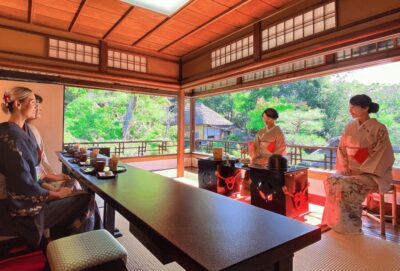
Kyoto: Tea Ceremony in a Traditional Tea House in Kiyomizu
Read our review →
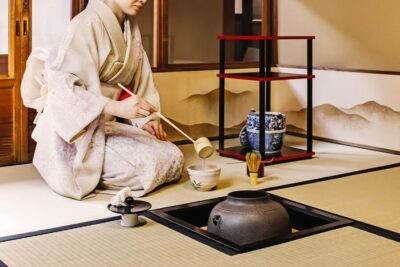
Kyoto: 45-Minute Tea Ceremony Lesson Experience
Read our review →
Kyoto: Table-Style Tea Ceremony at a Kyo-Machiya
Read our review →
Browse the lists this tour appears in