
Review · TEA CEREMONY EXPERIENCES
Kyoto: Tea Ceremony Experience in a Small Tea Room
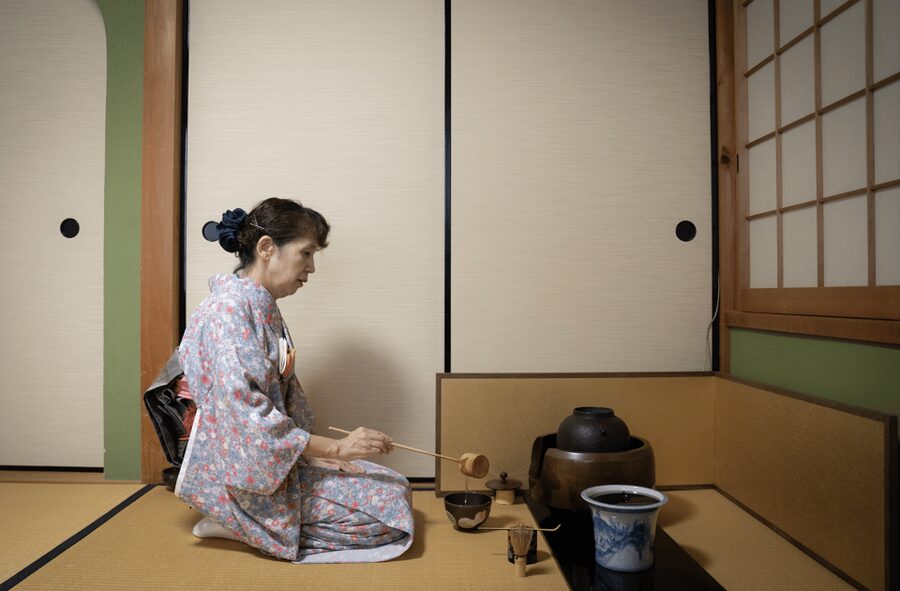
The most appealing part of this Kyoto experience is its small scale. In a Japanese house marked with a Tisato sign, you learn the quiet motions of tea preparation from a teacher with more than 30 years of practice. Ms. Yamazaki is patient, clear, and happy to work with complete beginners.
I like the hands-on matcha lesson, since you do more than sit and watch. I also like the location: a calm tea room about 15 minutes on foot from Kamogawa Delta, with Demachiyanagi Station nearby. The main consideration is time. One hour gives you a neat introduction, not a long study of every branch of Japanese tea ceremony.
Key points
- Small group of up to six: The setting allows for direct guidance instead of a large demonstration.
- A seasoned English-speaking teacher: Learn from an instructor with more than 30 years of experience.
- Make your own matcha: Try whisking the tea and following the key movements yourself.
- Traditional sweets included: Matcha is served with dried sweets, an important part of the tasting.
- Good Kyoto pairing: Walk to Kamogawa Delta or begin an outing from nearby Demachiyanagi Station.
- Beginner-friendly format: You do not need previous tea ceremony experience.
A Small Tea Room Near Kyoto’s River
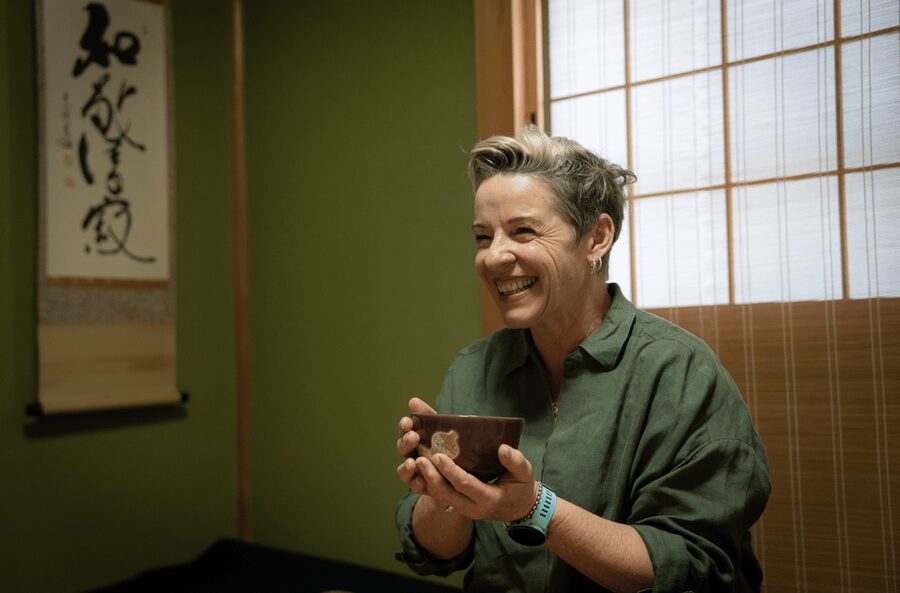
This is the kind of activity that works well when you want a cultural experience without giving up half a day. The tea room is near the Kamogawa Delta, one of Kyoto’s pleasant riverside spots, and about a 15-minute walk from Demachiyanagi Station.
Finding the entrance matters. Look for the Japanese house with the sign marked Tisato. That detail is more useful than a grand meeting landmark, since you are entering a local-style home rather than a large attraction with a ticket booth.
The setting helps set the mood. You are not being ushered through a crowded sightseeing stop. You enter a smaller place where the focus is on the tea, the teacher, and the careful sequence of movements.
I would pair this session with a walk beside the river. Kamogawa Delta is close enough to visit before or after, and Demachiyanagi gives you a useful starting point for exploring the area around Kibune Shrine and Rurikou Temple. The activity itself does not include those sites, so plan them separately.
More Tea Ceremonies in Kyoto
- Kyoto: Tea Ceremony in a Traditional Tea House in Kiyomizu
★ 4.9 · 3,519 reviews - Kyoto: Tea Ceremony Ju-An at Jotokuji Temple
★ 4.9 · 3,207 reviews - Kyoto: 45-Minute Tea Ceremony Lesson Experience
★ 4.3 · 2,378 reviews
What Happens During the One-Hour Session
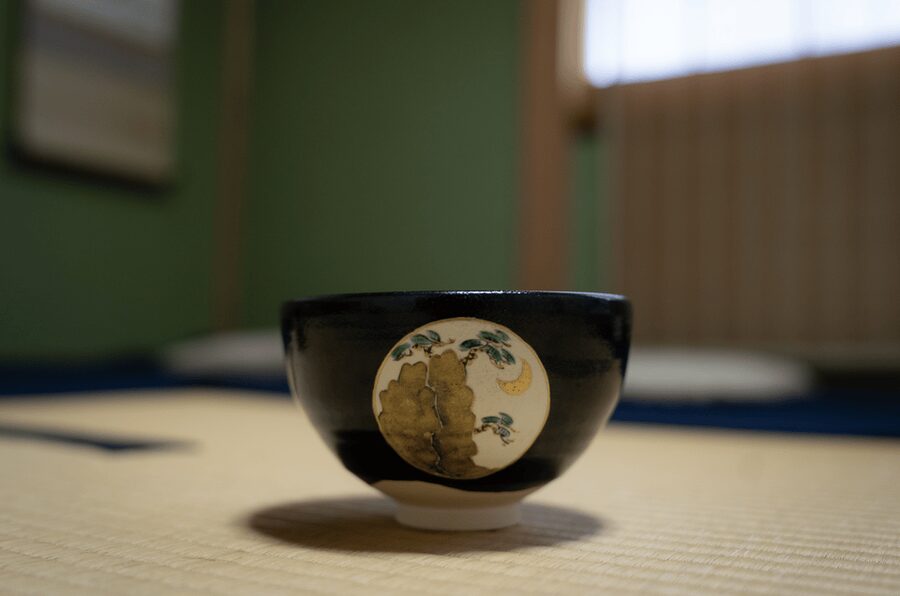
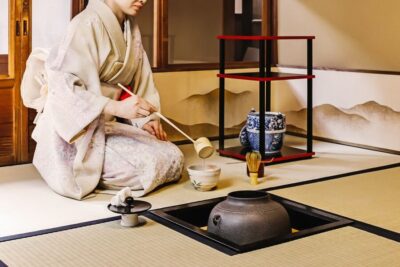
The session begins with an introduction to Japanese tea ceremony and its place in Kyoto culture. You learn why the movements matter, rather than simply copying a set of gestures without context.
That explanation is valuable for first-time visitors. Tea ceremony can look formal from the outside, and it is easy to worry about sitting incorrectly or missing an important step. The stated aim here is to lower those barriers and make the session comfortable for people with no prior knowledge.
You then receive matcha and traditional dried sweets. The sweets are not just a small snack added to the booking. They balance the bitter, grassy taste of powdered green tea and help you notice how the tea ceremony treats serving, tasting, and presentation as one connected act.
The central activity is the matcha preparation. Your teacher guides you through whisking powdered tea and the precise motions used to prepare it. If you prefer, you can make your own tea rather than only watching the instructor.
That choice is useful. Some people want to observe first, especially if they are nervous about getting the steps wrong. Others want to take part right away. You can use the experience to suit your own comfort level.
Because the full session lasts one hour, the pace should remain focused. You get enough time to understand the main ideas and try the preparation, but you should not expect a long ceremonial program or advanced training.
Why the Teacher Makes a Difference
The instructor’s 30 years of experience is one of the strongest reasons to choose this activity. Tea ceremony depends on small details: how the tea is whisked, how the utensils are handled, and how each movement fits into the wider practice.
A seasoned teacher can explain those details without making them feel stiff or mysterious. The English-language instruction also means you can ask questions and follow the purpose behind the actions.
Ms. Yamazaki receives especially strong praise for her patience and kindness. That matters because beginners often need a second explanation or a slower demonstration. A teacher who welcomes questions can turn a formal ritual into a useful cultural lesson.
You should still remember that English instruction does not mean every fine point of Japanese tea culture will be translated into a full academic lecture. The value here is direct access to the practice, delivered in a clear and approachable format.
The Hands-On Matcha Lesson
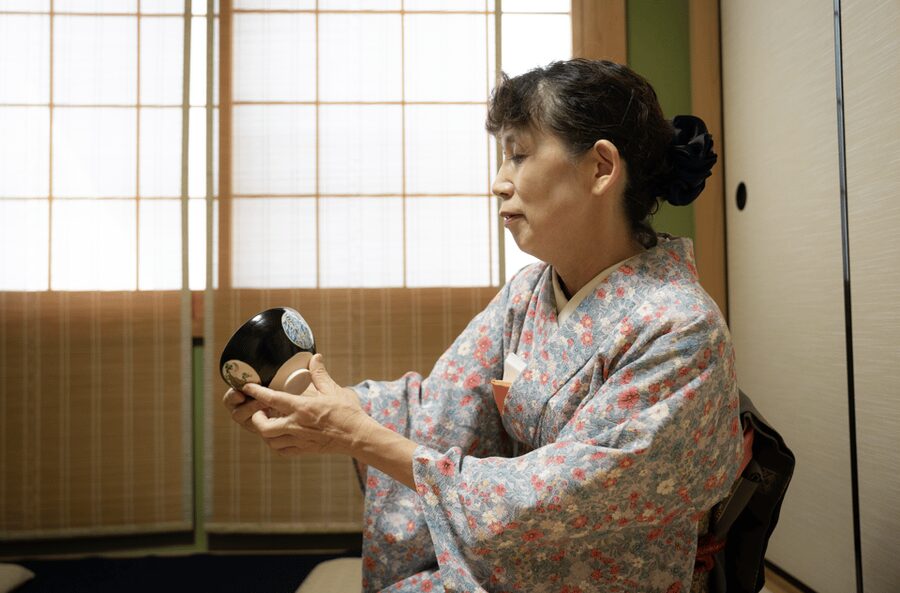
Watching matcha being made is pleasant. Making it yourself gives you a better sense of the care involved.
You will learn the basic process of whisking powdered tea into a smooth drink. The exact movements are more deliberate than the quick stirring you might use at home. This is where the activity connects technique with the tea ceremony’s focus on calm attention.
You do not need to arrive with tea knowledge. The class is designed for complete beginners as well as people who have some familiarity with ceremonies. That makes it a sound choice for a first introduction, especially if you want something more active than a short tasting.
The hands-on part also gives families and mixed-age groups a simple way to take part together, though the supplied information does not specify a minimum age. If you are booking for children, confirm the age policy before reserving.
Do not expect to leave as a trained tea practitioner. In an hour, you learn the basic structure and try the key action. Think of it as a thoughtful first lesson, not a full course.
Same city, a very different cup:
- Kyoto: Table-Style Tea Ceremony at a Kyo-Machiya
★ 4.9 · 1,211 reviews - Kimono Tea Ceremony at Kyoto Maikoya, NISHIKI
★ 5.0 · 911 reviews - Kyoto: Kimono Tea Ceremony at Orizuruya Gion
★ 4.9 · 618 reviews - Kyoto: Tea Ceremony in 100-year-old Kyo-Machiya Townhouse
★ 4.8 · 546 reviews
Matcha, Dried Sweets, and the Pace of the Ritual
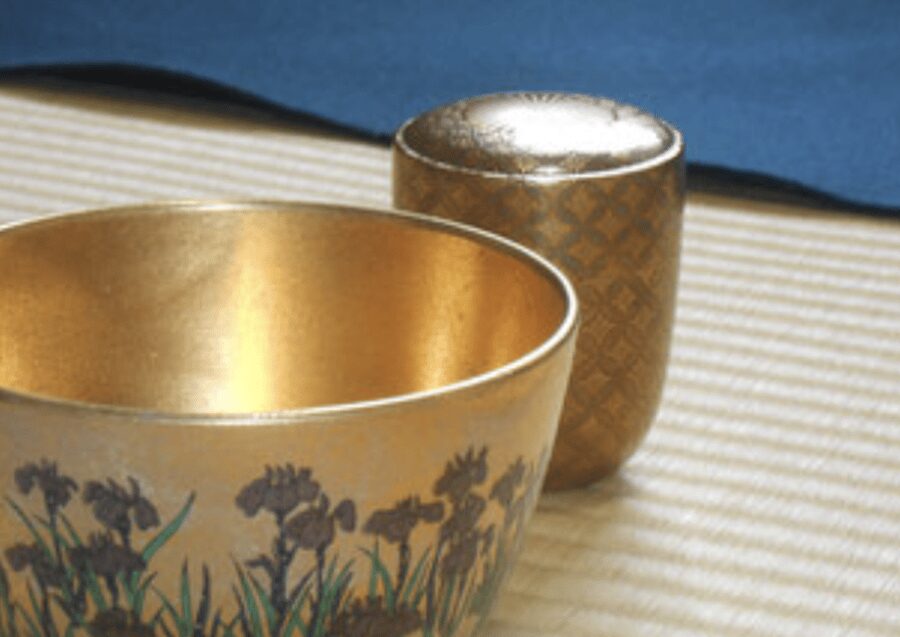
The tea and sweets are included in the price. The combination gives you a small but complete tasting experience.
Matcha has a distinct flavor and texture, and it may be unfamiliar if you usually drink brewed tea. The dried sweets provide a traditional counterpoint, making the tasting more balanced. You can pay attention to how the sweet and bitter flavors work together instead of treating the tea as an ordinary refreshment.
The pace is part of the appeal. A tea ceremony asks you to slow down and notice what you are doing. That may sound simple, but it is a welcome change after Kyoto’s temples, train connections, and busy shopping streets.
The session is also described as calming and pleasant, and that quality fits the format. A one-hour appointment gives you a defined pause without requiring a full day of stillness.
Linking the Tea Room With Kamogawa Delta
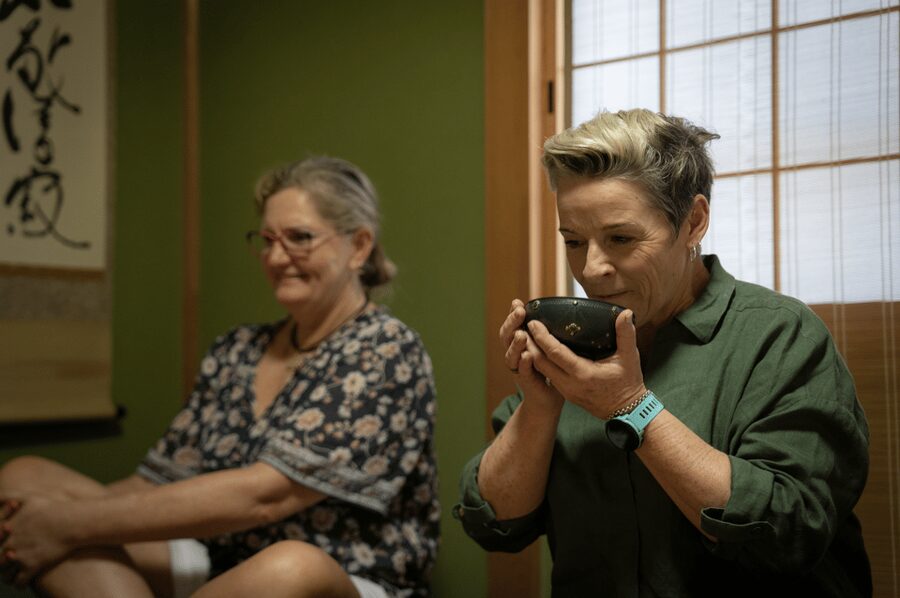
The location gives you a practical way to build a half-day around the activity. Kamogawa Delta is about a 15-minute walk away, so you can add riverside time before or after the ceremony.
This is useful if your Kyoto schedule already includes outdoor strolling. You can visit the tea room, walk toward the river, and continue exploring without crossing the city for another major attraction.
Demachiyanagi Station is also about a 15-minute walk from the tea room. The station is described as a starting point for exploring Kibune Shrine and Rurikou Temple, so the tea ceremony can fit into a broader northern Kyoto plan.
The catch is that the ceremony does not include transport to those places or a guided tour of them. You are booking the tea experience only. Use a map and allow enough time between your appointment and any separate visit.
Is $38 a Fair Price?
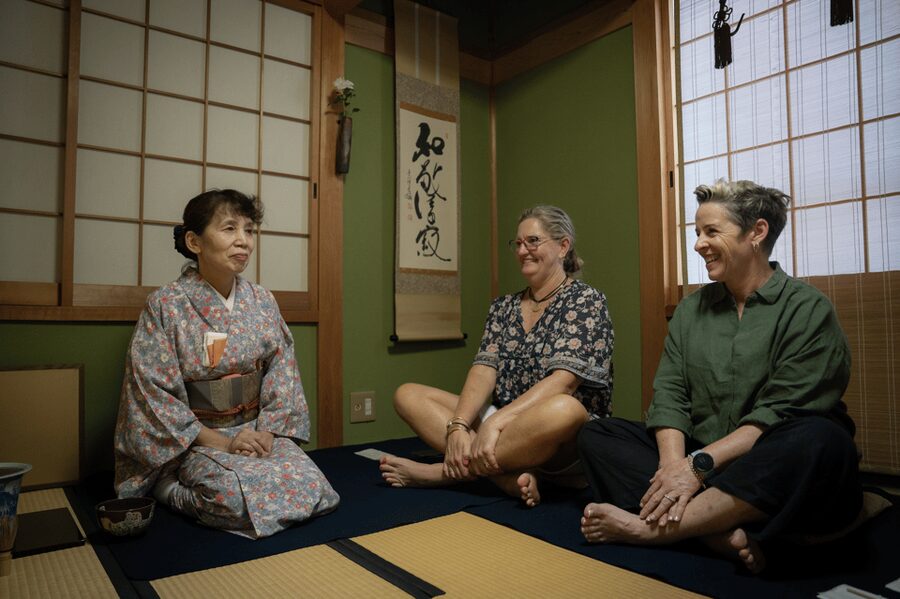
At $38 per person, this sits in the reasonable range for a small, instructor-led cultural activity in Kyoto. You are paying for one hour, matcha, traditional sweets, English instruction, and direct guidance from an experienced teacher.
The small group limit of six improves the value. You are less likely to feel like one face in a crowd, and the teacher has a better chance to watch your technique and answer questions.
The price makes the most sense if you want participation and explanation, not simply a cup of tea in a pretty setting. You are paying for access to the ritual and the chance to prepare matcha yourself.
It may feel less worthwhile if you want a long ceremony, an extensive meal, or a tour of several historical sites. Those are not part of this one-hour format.
The flexible booking terms also help with planning. You can reserve now and pay later, and cancellation is allowed up to 24 hours before the activity for a full refund. Check the available starting times before building the rest of your day around it.
Who Should Book This Kyoto Experience?
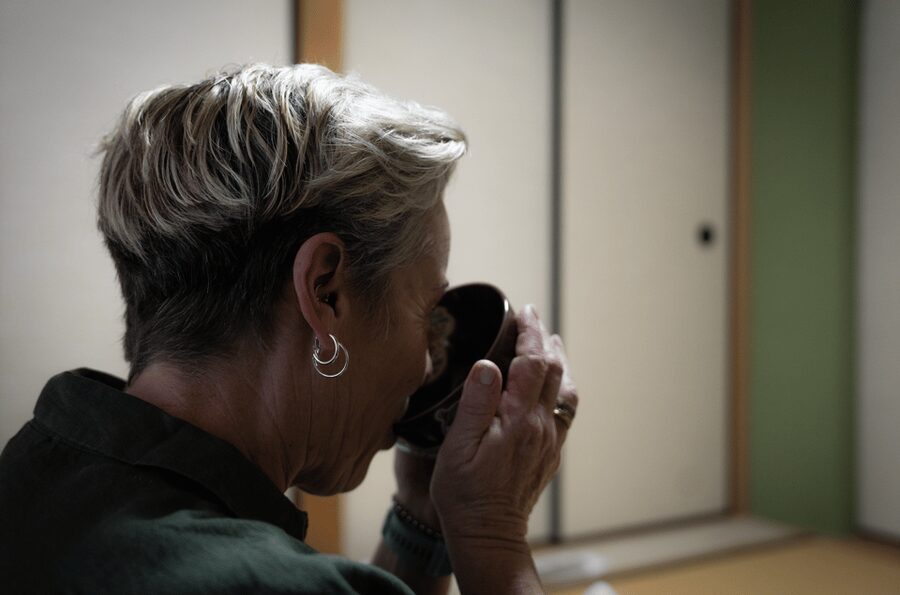
I would recommend it to first-time visitors who want a gentle introduction to Japanese culture. You do not need to know the etiquette in advance, and the teacher explains the process in English.
It also suits people who prefer small groups. With no more than six participants, the session should feel more personal than a large demonstration.
Couples, solo visitors, and friends can all get something from it. A solo visitor may appreciate the calm structure and easy conversation with the teacher. Couples and friends can share the hands-on preparation without needing to commit to a long formal event.
It is a good fit if you are already planning to visit Kamogawa Delta or use Demachiyanagi as your base for nearby sightseeing. The location saves you from adding a separate cross-town journey.
You may want to skip it if you strongly dislike matcha, have no interest in ritual or cultural explanation, or need a highly flexible walk-in activity. The session has a fixed one-hour format and requires you to find the Tisato entrance at a Japanese house.
Practical Details Before You Go
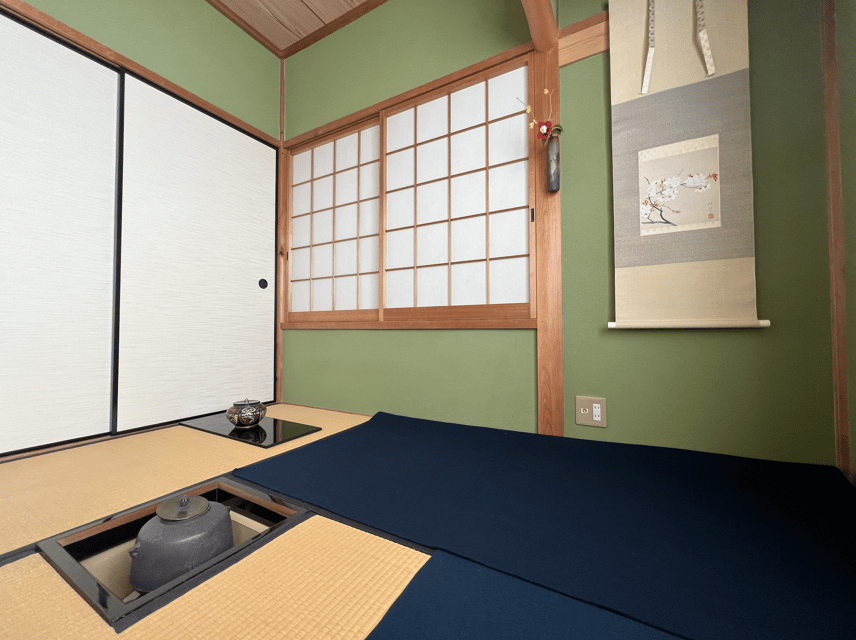
The activity is conducted in English, and the group is limited to six people. Starting times vary, so check availability before you select a slot.
Allow time to reach the meeting point. The useful landmark is the Japanese house with the Tisato sign, not a large public building. If you are coming from Kamogawa Delta or Demachiyanagi Station, the walk is about 15 minutes.
Wear something that lets you sit and move comfortably. The supplied information does not state a dress code or seating arrangement, so you should ask the provider directly if you have a specific concern.
The tea ceremony itself lasts one hour. Matcha, dried sweets, and instruction are included. Extra sightseeing at the river, Kibune Shrine, or Rurikou Temple is separate and needs its own planning.
The activity has a 4.9 rating from 70 reviews, with particular praise for clear explanations, kind hosting, tasty tea and sweets, and the calm atmosphere. The repeated theme is simple: you get patient instruction in a setting that feels personal rather than intimidating.
Should You Book It?
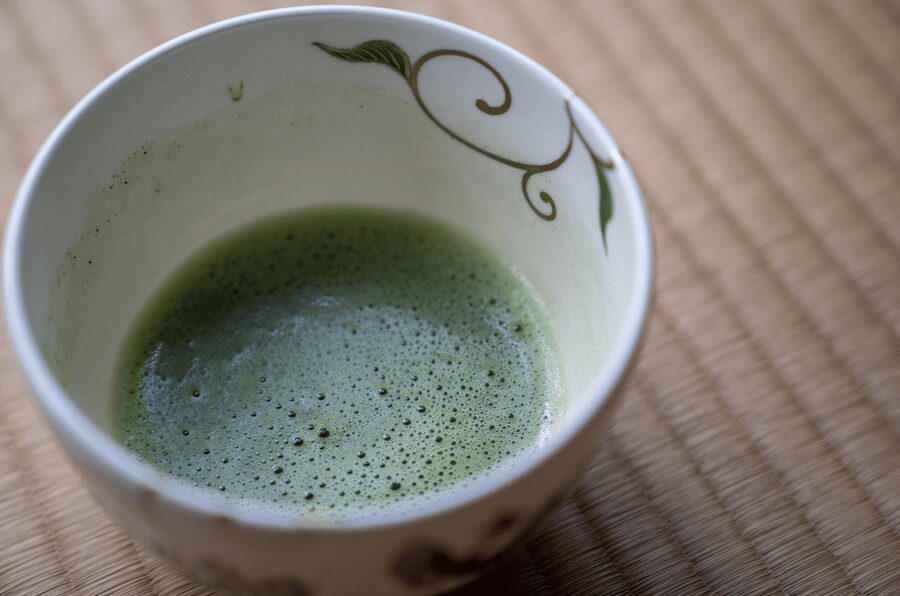
Book this tea ceremony if you want a focused, welcoming introduction to Kyoto’s tea tradition, especially if you value direct teaching and a small group. The hands-on matcha preparation gives you more to remember than a passive demonstration, and the nearby river makes it easy to add a walk.
Skip it if you are seeking a long, elaborate ceremony or a wider sightseeing tour. For most visitors, though, $38 is a fair price for one hour with an experienced English-speaking teacher, matcha, sweets, and a chance to take part in a ritual that can otherwise seem difficult to enter.
FAQ
How long does the tea ceremony last?
The experience lasts one hour.
How much does the activity cost?
The price is $38 per person.
Is the experience taught in English?
Yes. The instructor speaks English.
How large is the group?
The activity is limited to six participants.
Do I need previous tea ceremony experience?
No. The session is designed for complete beginners as well as people with some prior familiarity.
Can I make my own matcha?
Yes. You can prepare your own tea under the teacher’s guidance if you wish.
What is included?
The tea ceremony, instruction from an experienced teacher, matcha tea, and traditional dried sweets are included.
Where is the meeting point?
Enter the Japanese house marked with the sign Tisato.
How close is the tea room to Kamogawa Delta and Demachiyanagi Station?
The tea room is about a 15-minute walk from both Kamogawa Delta and Demachiyanagi Station.
More Afternoon Tea in Kyoto
- London: Afternoon Tea Cruise on the River Thames
★ 4.4 · 3,274 reviews - Afternoon Tea Bus Tour in Dublin
★ 5.0 · 2,791 reviews - London: Afternoon Tea Bus Tour – 1960s Routemaster Bus
★ 4.5 · 2,032 reviews - London: Afternoon Tea Bus with a Glass of Prosecco
★ 4.4 · 1,853 reviews
Fresh tea listings around Kyoto
- Authentic Tea Ceremony & Sushi in The Museum of Kyoto★ 5.0 · 3 reviews
- Kyoto: Nighttime Zen Meditation and Matcha Tea Experience★ 5.0 · 7 reviews
- Kyoto Fushimiinari:Wagashi Making & Small Group Tea Ceremony★ 5.0 · 14 reviews
- 2 Types of Japanese Sweets making and Tea Ceremony★ 4.6 · 17 reviews
- Kyoto Hidden Riverside Zen Mediation and Uji Matcha Experience★ 5.0 · 9 reviews
- Whisk Your Own Matcha: A Zen Matcha Experience at Temple★ 3.6 · 7 reviews
- Matcha Grinding Experience and Walking Tour in Uji Kyoto★ 5.0 · 26 reviews
- Stunning Private Tea Ceremony: Camellia Garden Teahouse★ 5.0 · 28 reviews
Tea Ceremony Experiences, compared.
Kyoto: Tea Ceremony in a Traditional Tea House in Kiyomizu
Read our review →
Kyoto: 45-Minute Tea Ceremony Lesson Experience
Read our review →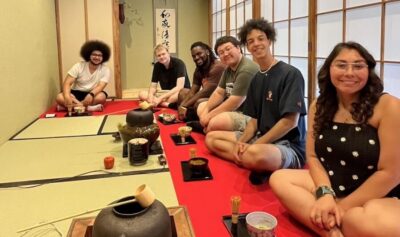
Kyoto: Table-Style Tea Ceremony at a Kyo-Machiya
Read our review →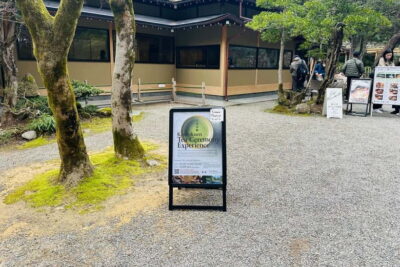
Browse the lists this tour appears in