Review · KIMONO & TEA CEREMONY
Samurai dress-up and shows, plus Tea Ceremony & Calligraphy
The most unusual part of this Osaka activity is the chance to put on samurai armor and take part in shows, rather than simply watch a staged performance from a seat. You can follow that with calligraphy, a tea ceremony, traditional music, and music lessons, all in one indoor venue near Dotonbori. I like the variety, and I like that the staff can help shape the order of your activities. The main consideration is the price: at $123.87 per person, this is best for people who want several cultural activities in one visit, not just a quick photo in costume.
I also like the convenient setting and the comfort of an indoor program. You are about a five-minute walk from Dotonbori, with lockers, WiFi, hot and cold water, tea, and coffee available. If you want to wear a kimono as well, plan on an extra ¥19,800 per person, which can make the total cost climb quickly.
Key points at a glance
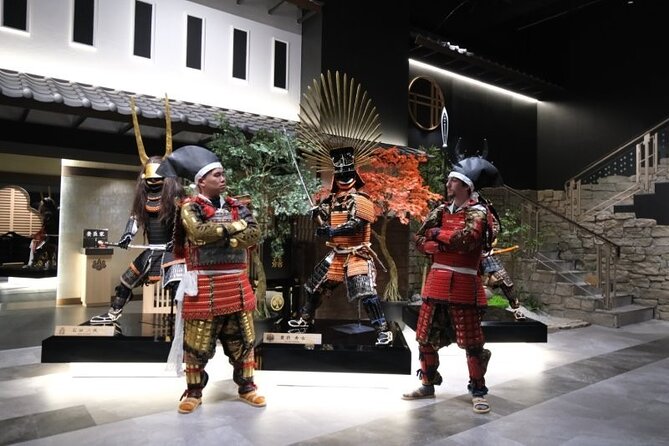
- Samurai armor with live action: Dress in traditional armor, join activities in costume, and watch sword performances accompanied by traditional music.
- Several arts in one visit: The roughly three-hour program combines samurai activities, calligraphy, a tea ceremony, and music.
- Easy Dotonbori location: Shinsaibashi ARTY Inn is about five minutes from Dotonbori and within a 10-minute walk of Namba or Shinsaibashi stations.
- Helpful personal service: Staff members including Roi and Maya have provided careful assistance with individual requests and costume details.
- Comfort in every season: The whole program takes place indoors, with lockers, WiFi, complimentary drinks, and hot and cold water.
- Extra cost for kimono: Kimono rental is not part of the listed price and costs ¥19,800 per person.
Samurai armor near Dotonbori
This experience gives you a playful but substantial introduction to several parts of Japanese culture without sending you across Osaka from one appointment to the next. The venue is at Shinsaibashi ARTY Inn, about a five-minute walk from Dotonbori. That makes it easy to pair with an evening meal, a walk through the canal district, or a day of shopping around Shinsaibashi.
The program lasts about three hours. That is long enough to try several activities without turning the visit into an all-day commitment. You are not limited to a single demonstration. The appeal comes from moving between active participation and quieter cultural activities.
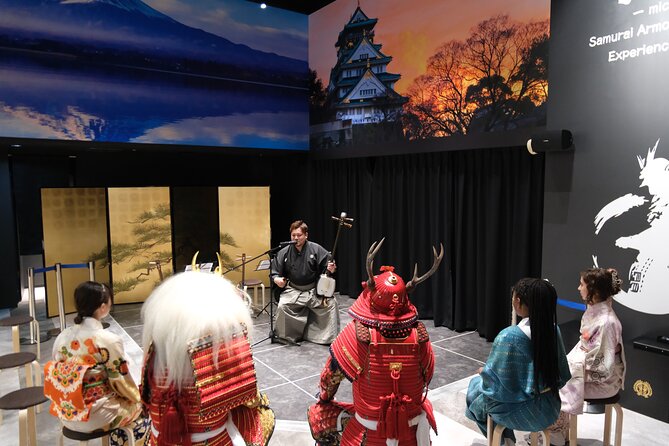
The samurai portion provides the biggest visual moment. You can wear armor, take part in shows, and watch sword performances with live traditional music. The wording of the program suggests an interactive format rather than a museum display, and the staff help you take part safely and comfortably.
I would set your expectations correctly. This is a cultural entertainment session for visitors, not a historical weapons course or a formal martial arts training program. The sword action is presented as a show, while the costume and guided activities give you a hands-on taste of samurai culture.
More Kimono and Tea Ceremonies in Osaka
- Osaka: Tea Ceremony, Calligraphy, and Kimono Experience
★ 4.9 · 130 reviews - Samurai Show, Tea Ceremony, Japanese Traditional Activities
★ 5.0 · 56 reviews - Premium Kimono Dressing, Tea Ceremony, Calligraphy, Samurai show
★ 5.0 · 18 reviews
What happens during the three-hour visit
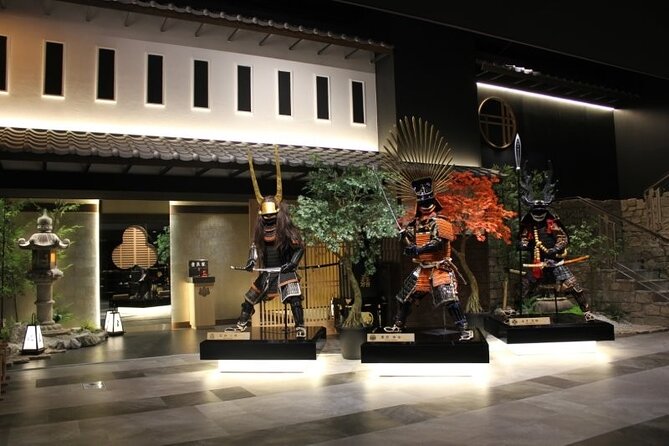
The order of activities can vary. Staff explain how the visit works, and you can choose which activity to begin with. That small amount of flexibility matters, especially if you have a strong preference for starting with the samurai armor, calligraphy, or tea ceremony.
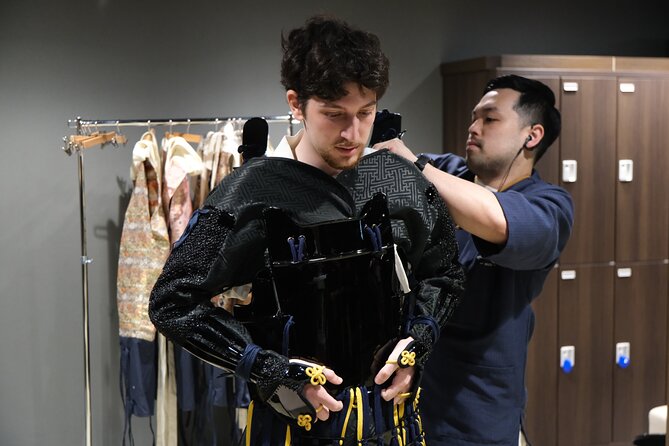
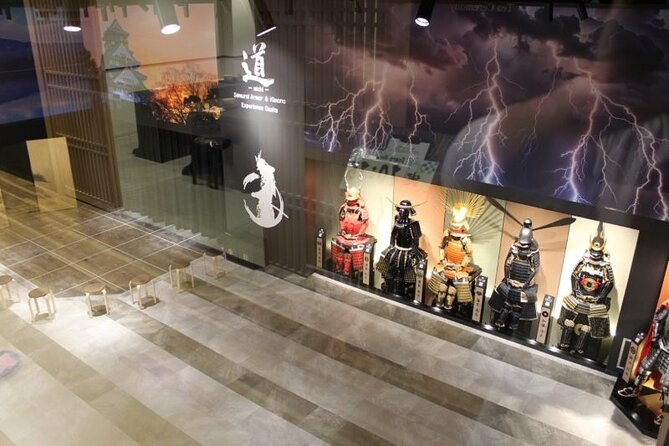
You might begin with the armor. Staff assist with dressing and help you get ready for photographs and the interactive show. The armor is one of the most praised parts of the experience because it gives the activity a strong sense of occasion. You are not just looking at costume pieces behind glass. You are wearing them and using the setting as part of the program.
The sword performance follows the theatrical side of the visit. You can watch dynamic sword work and take part in sword-fighting activities with guidance. The traditional music adds atmosphere and helps the samurai section feel like a complete performance rather than an isolated photo opportunity.
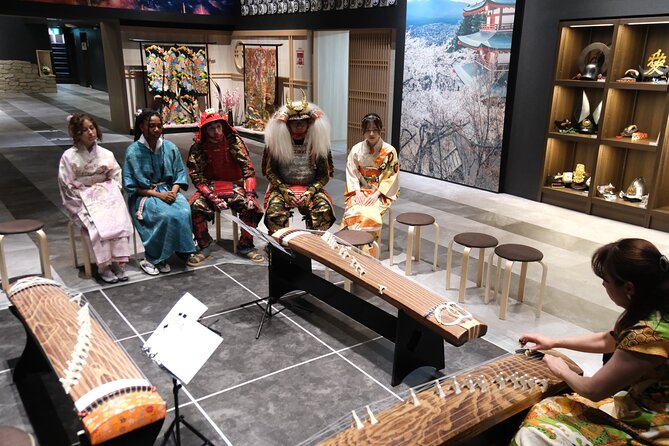
The music element may also include a lesson. Several people have particularly enjoyed being shown how to play traditional music, so expect more than background sound during the show. If you like activities that let you try something with your hands, this part may be more satisfying than simply sitting through a performance.
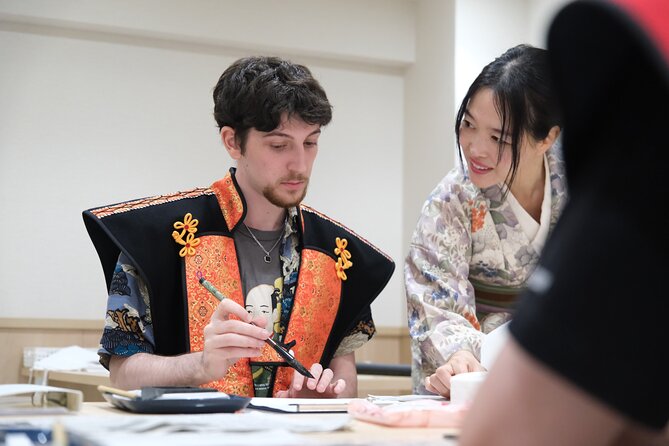
Calligraphy changes the pace. You learn to create Japanese characters with a brush, making this one of the quieter sections of the visit. The finished piece gives you a personal reminder of the activity, although the exact format of what you create is not specified.
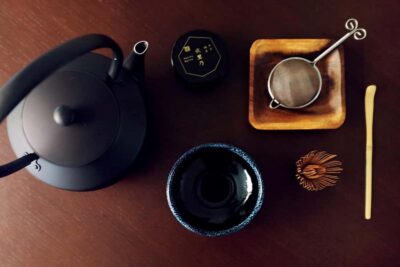
The tea ceremony provides another shift in mood. It is presented as a refined cultural activity, with complimentary tea and hot or cold water available at the venue. You should expect an introduction to the customs and careful movements of the ceremony, rather than a long formal tea-school session.
The variety is the point. In a single afternoon, you can move from armor and sword action to brushwork, music, and tea. That makes the program particularly useful if you have limited time in Osaka but still want more than one cultural encounter.
The samurai section is the main event
The armor makes this experience easy to remember. Samurai imagery is familiar around the world, but wearing the armor gives you a more direct connection to the performance. Staff support is important here, and the personal attention has been a repeated strength of the program.
Roi and Maya have been singled out for careful assistance with individual requests and costume details. That is useful information if you are marking a special occasion or want help getting the most from the dress-up portion. The staff’s friendly, attentive approach also helps first-time visitors feel at ease.
The performance is designed to be fun and accessible. Most people can participate, and no advanced skill is listed as a requirement. You do not need prior experience with Japanese arts, sword work, or calligraphy.
Still, armor can be more cumbersome than ordinary clothing. If you are hoping to move quickly or spend the entire session in costume, remember that the program also includes seated and quieter activities. The mixed format is a benefit for most people, but anyone seeking a pure samurai show may find the tea and calligraphy sections less exciting.
Tea, brushwork, and traditional music
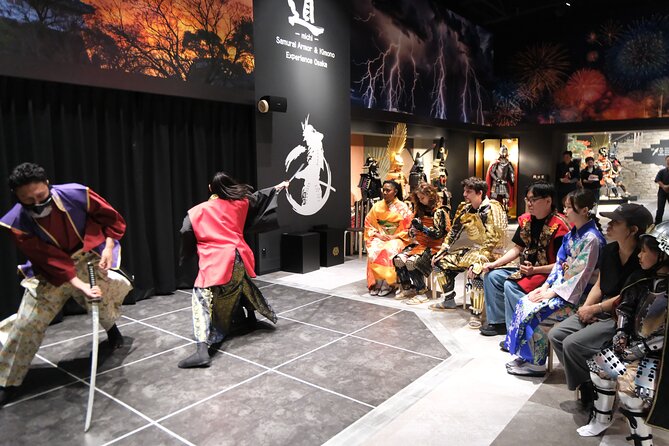
The quieter activities stop the program from becoming a costume-only attraction. The tea ceremony gives you a look at the care and formality built into a familiar Japanese custom. Even a short introduction can help you notice the gestures, order, and respect that shape the ritual.
Calligraphy is the most hands-on of the calm activities. You can try forming Japanese characters with a brush and ink rather than simply watching an expert work. Beginners should find the lesson approachable because the program is intended for general visitors, not trained calligraphers.
Traditional music appears in both the show and the lesson format. That gives you two ways to encounter it: as part of the performance and as something you may try yourself. If you enjoy cultural programs that involve sound, movement, and making something, this combination adds real value.
The activities also work well for different interests within the same party. One person can focus on costume and sword action, while another may prefer tea, calligraphy, or music. You do not have to build the whole visit around one kind of activity.
More Tea and Calligraphy Workshops in Japan
- Osaka: Private Tea Ceremony and Calligraphy Experience
★ 5.0 · 50 reviews - Kyoto: Tea Ceremony Meditation – Make Matcha with Tea Master
★ 4.8 · 406 reviews - Tokyo: Practicing Zen with a Japanese Tea Ceremony
★ 4.7 · 105 reviews - Experience all of Japanese culture and Japanese food experience classes “origami, udon, Japanese food, green tea, calligraphy” in 4 hours
★ 5.0 · 105 reviews
Why the indoor setting matters in Osaka
Osaka weather can change your plans, particularly during hot summer days or wet periods. Since all activities take place indoors, you have a dependable option that does not depend on clear skies or comfortable temperatures.
That indoor format also makes the program a practical break from sightseeing. You can leave the noise and crowds of the entertainment district, sit down for tea, and take part in structured activities without worrying about the weather. The venue provides lockers, which is useful if you are carrying shopping bags or day-trip items.
Coffee, tea, and complimentary hot or cold water are included. WiFi is also available. These are small details, but they make a difference during a three-hour session, especially if you have spent the morning walking around Osaka.
The central location is another strength. The venue is within a 10-minute walk of either Namba or Shinsaibashi stations, and Dotonbori is about five minutes away on foot. If you arrive by cruise ship, a short taxi ride from the cruise terminal can make the venue reachable without a complicated transfer.
Is $123.87 a fair price?
At $123.87 per person, this is not a cheap add-on activity. The value depends on how many parts of the program you use.
For the price, you are getting roughly three hours that combine costume, a live sword performance, traditional music, music instruction, tea ceremony, and calligraphy. Booking each type of activity separately could take more time and create a more complicated day. If you want a broad introduction to Japanese culture, the bundled format makes the cost easier to justify.
The price is less attractive if your main goal is only to wear samurai armor for a few photographs. In that case, much of the tea, calligraphy, music, and performance content may not match your priorities. You should also factor in the extra ¥19,800 per person if you want to wear a kimono. That fee is separate, and it changes the budget substantially.
I would see this as a special cultural outing rather than a basic sightseeing stop. Couples celebrating an anniversary, families wanting a shared activity, and first-time visitors who prefer guided participation may get the strongest value. The program has also worked well for people who want several Japanese experiences in one convenient place.
Who should book this activity?
You should consider it if you want to participate rather than simply watch. The armor, calligraphy, music lesson, and tea ceremony all ask you to do something, even if the level of involvement varies.
It also suits mixed-age groups and mixed-interest parties. One person may be excited by the sword performance, while another prefers calligraphy or tea. Since the staff explain the flow and can help you choose where to begin, the experience is not locked into one narrow format.
This is a good rainy-day plan and a useful choice for a short Osaka visit. Its location near Dotonbori means you can fit it between major sightseeing stops. The indoor format also helps if you need a break from walking.
You may want to skip it if you are looking for a serious history lecture, a long traditional tea-school ceremony, or advanced sword instruction. The program offers an accessible cultural introduction with entertainment, not specialist training.
Booking and practical details
Confirmation is provided when you book, and the ticket is mobile, so you can keep the booking on your phone. The venue is near public transportation, with Namba and Shinsaibashi both within a 10-minute walk.
Most people can participate, but the available information does not give detailed mobility guidance, clothing instructions, or group-size information. If you have specific needs, contact the provider before booking rather than guessing.
Free cancellation is available if you cancel at least 24 hours before the start time. A cancellation made within 24 hours is not refunded, and changes during that period are not accepted. The deadline follows local Osaka time.
Should you book it?
I would book this if you want one well-located visit that combines samurai costume and performance with tea, calligraphy, and traditional music. The staff attention, indoor setting, and choice of activities make it more flexible than a simple photo session.
The strongest reason to go is the variety. You can wear armor, watch sword action, try brush calligraphy, hear traditional music, and take part in a tea ceremony without spending the day moving between venues. Just check your budget carefully, especially if you also want the separate kimono option.
For a first visit to Osaka, this gives you an easy, hands-on cultural afternoon near Dotonbori. It is not the cheapest activity in town, but it offers enough different elements to make the three hours feel worthwhile for the right kind of visitor.
FAQ
How long does the experience last?
The activity lasts approximately three hours.
Where does the activity take place?
It takes place at Shinsaibashi ARTY Inn in Osaka, about a five-minute walk from Dotonbori.
What activities are included?
You can wear samurai armor, join samurai shows, watch sword performances, enjoy traditional music, take part in a tea ceremony, and try Japanese calligraphy. Music lessons are also part of the experience.
Is the experience indoors?
Yes. All activities take place indoors, so the program can be enjoyed in any season.
Is kimono rental included in the price?
No. Wearing a kimono costs an additional ¥19,800 per person.
Can I cancel for a full refund?
Yes, if you cancel at least 24 hours before the experience start time. Cancellations made less than 24 hours in advance are not refunded, and changes within that period are not accepted.
More Tea and Calligraphy Workshops in Osaka
- An Amazing set of Cultural experience: Kimono, Tea Ceremony and Calligraphy
★ 5.0 · 69 reviews - Beijing Culture: Tea Ceremony, Heritage Instrument & Calligraphy
★ 5.0 · 57 reviews - Cultural Activities :Kimono, tea ceremony, Calligraphy and Amulet
★ 5.0 · 44 reviews - Shizuoka Shore Excursion: Zen, Matcha & Calligraphy Shimizu Port
★ 5.0 · 14 reviews
More Tea Ceremonies in Osaka
- Osaka: Tea Ceremony Experience
★ 4.9 · 1,426 reviews - Tea Ceremony Experience in Osaka Doutonbori
★ 5.0 · 754 reviews - Osaka: Japanese Traditional Sweets Making and Tea Ceremony
★ 4.7 · 118 reviews - Osaka; Japanese Tea ceremony experience, Macha and Sencha
★ 4.9 · 29 reviews
Fresh tea listings around Osaka
- Osaka Temple Head Spa &Matcha Facial – Refresh & Glow〈90min〉★ 5.0 · 24 reviews
- Premium Kimono Dressing, Tea Ceremony, Calligraphy, Samurai show★ 5.0 · 18 reviews
- Osaka; Japanese Tea ceremony experience, Macha and Sencha★ 4.9 · 29 reviews
- Osaka: Private Tea Ceremony and Calligraphy Experience★ 5.0 · 50 reviews
- Samurai Show, Tea Ceremony, Japanese Traditional Activities★ 5.0 · 56 reviews
- Osaka Temple Cool Foot Bath & Matcha Experience〈45min〉★ 4.9 · 82 reviews
- Osaka: Japanese Traditional Sweets Making and Tea Ceremony★ 4.7 · 118 reviews
- Osaka: Tea Ceremony, Calligraphy, and Kimono Experience★ 4.9 · 130 reviews
Kimono & Tea Ceremony, compared.
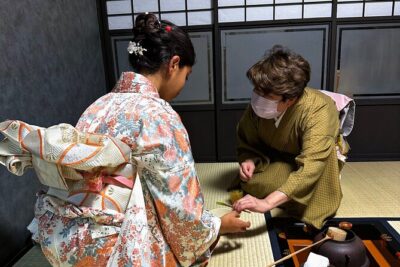
KYOTO Tea Ceremony with kimono near by Imamiya Jinjya Shrine
Read our review →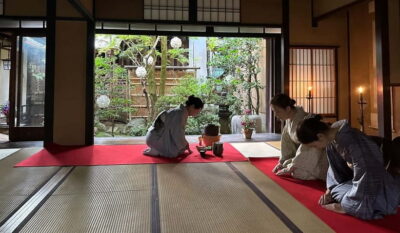
Kyoto: Kimono and Tea Ceremony Experience at Cultural Asset
Read our review →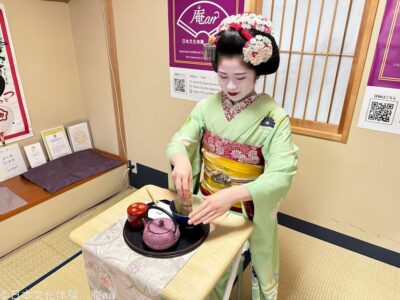
Kyoto: Kimono Tea Ceremony with Matcha and Sweet
Read our review →