
Review · MATCHA EXPERIENCES
Nara Deer Park, Uji Matcha, & Hot Spring Full-Day Tour from Osaka
Nara’s bowing deer and Uji’s green-tea sweets make this a lively day outside Osaka. You get two very different slices of Japan in one trip: the old Buddhist center of Nara and the tea town of Uji, followed by a traditional hot spring visit.
I like the easy round-trip transport and the chance to see Todaiji’s giant Buddha without arranging trains and buses yourself. I also like the mix of open-air Nara, matcha tasting along Uji’s main street, and a quiet bath at Genji-no-Yu. The main drawback is pace: Nara can feel short, and the tour may function more like a shared shuttle with meeting times than a fully guided walk.
Key points to know before booking
- Feed the deer carefully: Nara’s deer are friendly but can be persistent once they see the special crackers.
- Todaiji costs extra: Temple admission is about $5 per person and is not included.
- Uji is built for matcha fans: You can browse tea shops and buy ice cream, cakes, noodles, and other green-tea treats.
- The hot spring is a proper Japanese bath: You bathe without clothing, and tattoos are not permitted in most Japanese hot springs.
- Guide quality can vary: Etta, Leo, Joe, and Yao have been singled out for lively, helpful service, while some English-speaking customers found explanations brief or hard to follow.
- Bring cash and patience: Food, temple admission, and the $9 hot spring fee are extra, and traffic can change the day’s timing.
What this Osaka day trip really offers
This is a sightseeing circuit rather than a slow, deeply guided cultural walk. A vehicle collects you in central Osaka, carries you to Nara and Uji, and returns you to the same meeting point after roughly nine hours.
That structure works well if you want to cover several major sights without learning Japan’s regional rail system. It is also a sensible choice for a first visit, when Nara and Uji are both on your list but you have only one free day.
The tradeoff is independence. You will often receive instructions and a return time, then explore on your own. Some guides add useful facts and local suggestions. Others provide only basic commentary, especially when the group has fewer than 13 people and the guide also drives.
The tour uses an air-conditioned vehicle, with capacity varying from about 10 to 45 seats and a maximum group size of 40. That makes the ride practical, but not intimate. If you want a private guide at every temple gate, this is not that kind of outing.
More Matcha Experiences in Osaka
- Matcha Making Class in Osaka with Authentic Japanese Sweets Set
★ 5.0 · 509 reviews - Osaka: Matcha Making Experience with Japanese Sweets
★ 5.0 · 146 reviews - Osaka Temple Cool Foot Bath & Matcha Experience〈45min〉
★ 4.9 · 82 reviews
Meeting at Nipponbashi and getting an early start
The meeting point is near Nipponbashi Exit 2 in the Namba and Shinsaibashi area, at 1-chōme-3-6 Nipponbashi, Chuo Ward. The published information gives an 8:30 a.m. start and also lists an 8:40 a.m. departure reference, so check the confirmation message carefully for the exact instruction.
Arrive 15 minutes early. Look for the guide holding a yellow Gogoday flag. Late arrivals and no-shows are not refunded, which is a good reason not to cut this meeting close.
The operator sends guide and driver contact details by email the evening before. Keep that message handy. It is especially useful if the meeting spot is crowded or if you need to confirm a timing change.
The drive to Nara is included, along with the driver and guide service. You do not need to arrange a separate train ticket or local bus connection. Traffic, weather, or other delays can alter the order or length of stops, so avoid booking a fixed evening plan after the tour.
Nara Park and the deer, about 90 minutes
Nara Park is the day’s most playful stop. Deer roam freely around the park and near the temples, creating one of Japan’s most memorable public spaces. You can buy special deer crackers and feed them, but hold the crackers where the deer can see them and be ready for a quick approach.
The deer can be gentle, but they can also be pushy. A useful trick is to show empty hands once the crackers are gone. Do not linger with your hands raised if you have nothing left, since the deer may continue looking for food.
You get about an hour and a half here, which sounds generous until you account for walking between the vehicle drop-off, the deer areas, and Todaiji. Several customers found the time tight, particularly if they wanted both a relaxed deer encounter and a proper temple visit.
The park is especially appealing in autumn, when the trees add color around the open grounds. It is still a good stop outside that season because the deer are the main attraction, but the walking can be more exposed and busy at popular times.
A guide such as Etta may show you how to feed the deer and point out useful places for photographs. Other guides may simply give you a meeting time and let you find the animals yourself. Pay close attention to the return point and time before wandering off.
Todaiji Temple and the Great Buddha
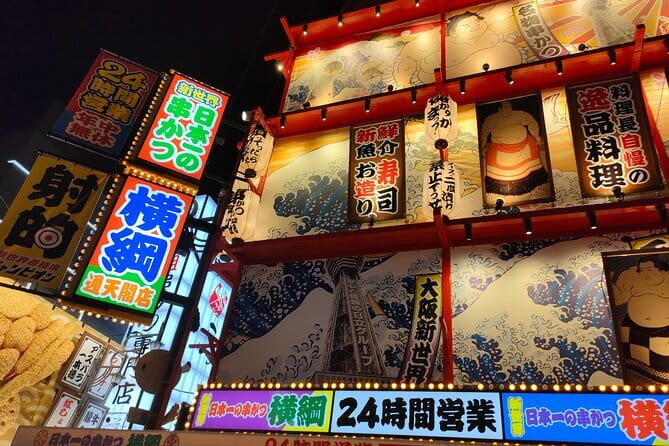
Todaiji is the day’s major cultural stop. This UNESCO World Heritage site is one of Japan’s best-known Buddhist temple complexes, and its main hall contains the enormous Great Buddha statue.
You have about 40 minutes here. That is enough to enter, see the statue, and take in the scale of the wooden hall, but it leaves little room for a slow look at every detail. The temple admission fee, listed at about $5 per person, is extra.
The short stop makes the guide’s instructions important. Some guides give a brief explanation in the vehicle and then set a return time. Others, including guides praised for lively commentary, add context about Nara and the temples before turning you loose.
If Todaiji is your main reason for visiting Nara, keep the route focused. Do not spend all your park time with the deer, then rush the temple. If the tour’s transport schedule changes, the available time may become even shorter.
A separate indoor viewing experience for Byodo-in is sometimes suggested as a worthwhile addition, but that is not part of this tour. Here, the emphasis is on seeing the temple grounds and main sights within the allotted time.
Same city, a very different cup:
- Osaka: Tea Ceremony Experience
★ 4.9 · 1,426 reviews - Tea Ceremony Experience in Osaka Doutonbori
★ 5.0 · 754 reviews - Osaka: Tea Ceremony, Calligraphy, and Kimono Experience
★ 4.9 · 130 reviews - Osaka: Japanese Traditional Sweets Making and Tea Ceremony
★ 4.7 · 118 reviews
Lunch is flexible, not included
Lunch is not included, so you pay for your own meal. The day’s format may leave you choosing between a sit-down lunch and more time for sights or food sampling.
The tour description places lunch in a natural setting, but it does not specify a restaurant or fixed menu. Bring cash because some shops and attractions may not accept credit cards. This is also useful for deer crackers, snacks, matcha purchases, and small food stops.
I see the flexibility as a plus if you are eager to try local food. It is less convenient if you want a planned meal with no decision-making. Budget separately for lunch and the other paid entrances.
Uji Matcha Street, about 90 minutes
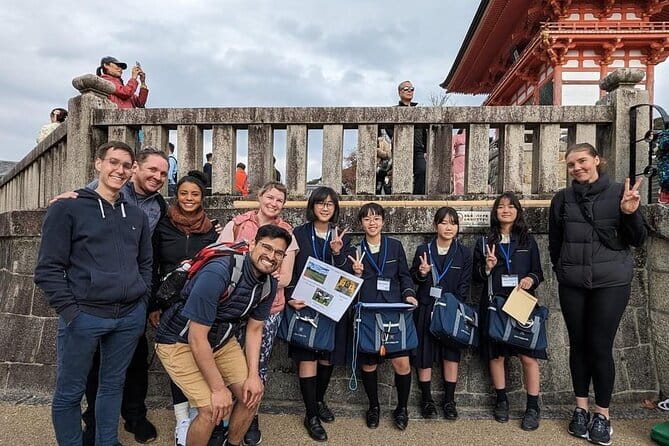
Uji changes the mood completely. This small city is famous for Japanese green tea, and Matcha Street gives you a concentrated introduction to the town’s food culture.
You can browse established matcha shops and sample treats such as matcha ice cream, matcha cakes, and soba noodles made with green tea. The point is not a formal tea ceremony. It is a chance to taste how matcha appears in everyday sweets and meals.
The stop lasts about an hour and a half. That gives you time to choose a snack, browse tea shops, and walk toward Byodo-in, but it is not enough for leisurely shopping at every store. If you have a particular tea shop in mind, ask the guide for directions as soon as you arrive.
Uji is a strong part of the tour for food-focused visitors. It also gives you a break from the large temple crowds and open parkland in Nara. Still, remember that all food and shopping costs are your own.
Byodo-in and the Phoenix Hall
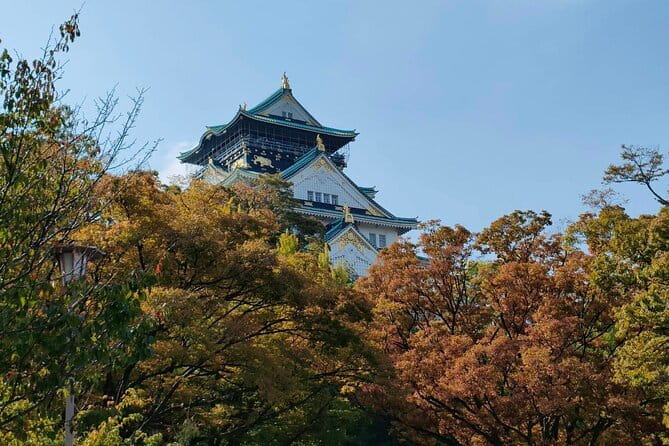
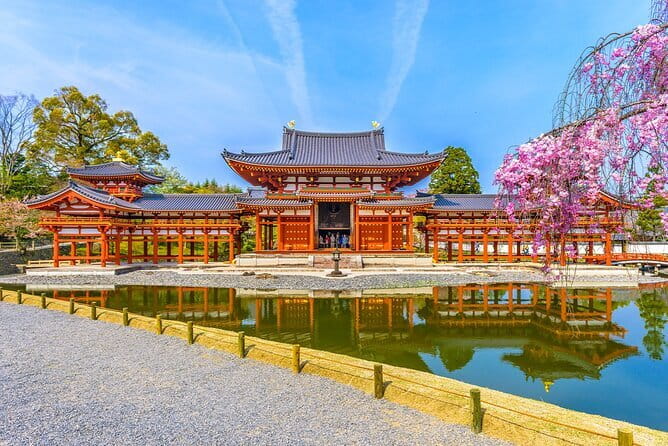
Byodo-in is Uji’s signature temple and another UNESCO World Heritage site. Its setting beside the water and its refined architecture make it a pleasant contrast to the massive scale of Todaiji.
The supplied schedule groups Byodo-in with the Uji visit rather than giving it a separate timed stop. That means you should confirm how much time is available for the main temple grounds on your particular departure.
An indoor viewing of the Phoenix Hall is not clearly included in the basic experience. If seeing the interior matters to you, ask the guide about admission and timing at the start of the Uji stop. Do not assume every part of the temple complex is covered by the standard visit.
The best approach is to see Byodo-in first if it is your priority, then return to Matcha Street for food. If matcha is your main interest, reverse that order only after checking the meeting time. The bus will not wait for late shoppers.
Genji-no-Yu, one hour of hot spring time
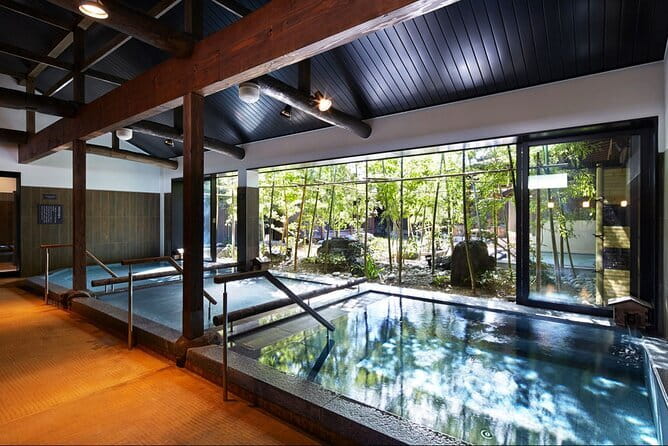
The final stop is Genji-no-Yu, described as Uji’s only natural hot spring, with water rising from 1,111 meters underground. The traditional Japanese setting gives the day a calmer finish after the walking and driving.
You get about one hour. That is enough for a proper soak, but it is not a long spa visit. The entrance fee is about $9 per person and is not included.
Japanese hot spring bathing is done without clothing. You wash before entering the bath, and swimwear is not used. Tattoos are not permitted in most Japanese hot springs, so this stop may not work for everyone.
The onsen shuttle bus follows a fixed schedule. If the tour runs late, the group may miss that shuttle, and the hot spring portion could change. This is one reason the operator advises leaving your evening open.
For many people, the bath is more than a final attraction. It gives your feet and shoulders a rest after Nara’s walking and turns a busy sightseeing day into something more restful. If you are uncomfortable with communal bathing, however, this will not feel relaxing simply because it comes at the end.
Guide style can shape the whole day
The strongest guide experiences come from people who add warmth and useful detail. Etta has been praised for humor, clear deer-feeding advice, helpful recommendations, and looking after a customer who felt unwell. Leo has been noted for good navigation and suggestions for places to see in Osaka. Joe has been described as lively, while Yao has received praise for explaining Nara’s past and the sites along the way.
That positive energy matters on a long shared day. A good guide keeps the group moving, clarifies where to meet, and helps you make the most of short stops.
The weaker experiences have a clear pattern: brief explanations, repeated rules, and long stretches of commentary in Chinese followed by only a few sentences in English. The tour offers English, Japanese, and Traditional Chinese service, but the balance can vary by departure and group.
If you need detailed English interpretation at every monument, ask about the language arrangement before booking. If you are comfortable exploring independently after clear instructions, the variation may matter less.
What the $49.84 price covers
At $49.84 per person, the tour’s value is mainly in the transportation and the number of places covered. You get round-trip travel from Osaka, an air-conditioned vehicle, pickup at the designated meeting point, and guide and driver service.
The price does not cover lunch, the approximately $5 Todaiji admission, or the approximately $9 hot spring entrance. Add those costs before comparing this tour with a self-guided day.
You also pay for convenience. Traveling independently may cost less or more depending on your train fares, local buses, meals, and how much help you need. The guided option saves you from coordinating the Osaka to Nara and Uji connections, but it gives you less control over the length of each stop.
For a first Osaka visit, I consider the price fair if you value coverage over depth. It is less compelling if you already know Nara and Uji well or prefer to spend half a day in one place.
Who should book this experience
This tour suits you if you want a packed day with several recognizable sights and do not want to manage regional transportation. It is a good fit for first-time visitors, couples, families with older children, and anyone who likes a clear route with a little free exploration.
It also works well if your interests are varied. You get animals, a major Buddhist temple, Japanese tea culture, a UNESCO site, and a hot spring in one day.
I would be cautious if you dislike fixed meeting times, shared vehicles, or communal bathing. You should also think twice if you need extensive English explanation, have a tattoo that prevents hot spring entry, or want a relaxed lunch with plenty of time at each sight.
Wear comfortable shoes and keep some cash accessible. Follow the return times closely, especially in Uji, and do not count on an elaborate guided lecture at every stop.
Should you book the Nara and Uji day trip?
Book it if your goal is to see a lot beyond Osaka in one efficient day. The deer, Todaiji, Uji’s matcha shops, Byodo-in, and Genji-no-Yu form a memorable combination, and the return transport removes much of the planning work.
Skip it if you want a slow Nara visit, a full temple tour, or a private guide. The schedule is tight, the group may be large, and the level of English commentary depends on the guide. At $49.84 before meals and admissions, it offers solid coverage, but you are paying for access and transport more than for deep instruction.
FAQ
Where does the tour start?
The meeting point is at 1-chōme-3-6 Nipponbashi, Chuo Ward, Osaka, near Nipponbashi Exit 2 in the Namba and Shinsaibashi area. Look for a guide holding a yellow Gogoday flag.
What time does the tour begin?
The listed start time is 8:30 a.m. The meeting information also references an 8:40 a.m. departure, so check your confirmation email for the exact timing and arrive 15 minutes early.
How long does the tour last?
The experience lasts approximately nine hours and ends back at the original meeting point.
Is transportation included?
Yes. Round-trip transportation in an air-conditioned vehicle, pickup from the designated Osaka meeting point, and driver and guide service are included.
Are lunch and entrance fees included?
No. Lunch is not included. Todaiji admission costs about $5 per person, and Genji-no-Yu entry costs about $9 per person. These fees are paid separately.
Can I feed the deer at Nara Park?
Yes. You can buy special deer crackers and feed the freely roaming deer. Take care, since some deer can be playful or persistent.
Are tattoos allowed at the hot spring?
Tattoos are not permitted in most Japanese hot springs. Bathing is done without clothing.
What happens if I need to cancel?
You can receive a full refund if you cancel at least 24 hours before the local start time. Cancellations or changes made less than 24 hours before departure are not refunded or accepted.
More Full-Day Trips in Osaka
- Hampton Court Guided Tour. Full day Access & High Tea
★ 5.0 · 270 reviews - Tokyo: Full-Day Tour w/Tea Experience,Buffet Lunch & Cruise
★ 4.9 · 151 reviews - From Colombo: Kandy, Pinnawala and Tea Factory Full-Day Trip
★ 4.4 · 99 reviews - Kanazawa: Samurai, Matcha, Gardens and Geisha Full-Day Tour
★ 4.9 · 75 reviews
More Hot Spring Visits in Osaka
- Osaka Temple Head Spa &Matcha Facial – Refresh & Glow〈90min〉
★ 5.0 · 24 reviews - Osaka: Nara, Todaiji, Uji Matcha, and Hot Spring Tour
★ 4.0 · 7 reviews - Jakarta: Volcano, Tea/Rice Fields, Hot Spring, Local Food
★ 4.9 · 515 reviews - Active Volcano, Rice Field, Hot Spring, Fruit market, Tea Plantation with Lunch
★ 5.0 · 513 reviews
Fresh tea listings around Osaka
- Osaka:Zen Tea Ceremony and Foot Bath Experience<45min>★ 5.0 · 7 reviews
- Osaka: Tea Ceremony, Calligraphy, and Kimono Experience★ 5.0 · 6 reviews
- Osaka: Nara, Todaiji, Uji Matcha, and Hot Spring Tour★ 4.0 · 7 reviews
- Discover Japanese Tea Blending Techniques in Osaka★ 5.0 · 19 reviews
- Osaka Japanese Cooking And Matcha Class near Osaka Castle★ 5.0 · 22 reviews
- Craft Sushi and Matcha Ice Cream in Central Osaka (3-Course Meal)★ 5.0 · 2 reviews
- Tea and Calligraphy Session at a Table in Osaka★ 5.0 · 4 reviews
- ZEN therapy | Shiatsu-style massage, EnergyTherapy & Japanese Tea★ 5.0 · 5 reviews
Matcha Experiences, compared.
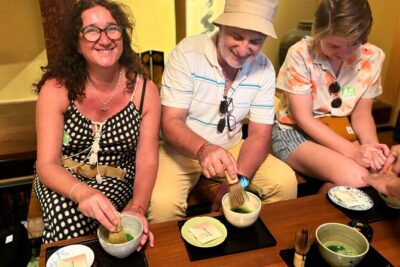
World Heritage Kyoto & Nara Uji Authentic Matcha Experience
Read our review →
Matcha Making Class in Tokyo with Authentic Japanese Sweets Set
Read our review →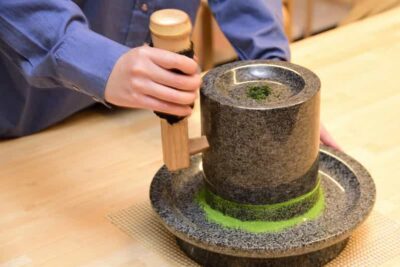
Kyoto: Tea Museum Tickets and Matcha Grinding Experience
Read our review →
Matcha Making Class in Osaka with Authentic Japanese Sweets Set
Read our review →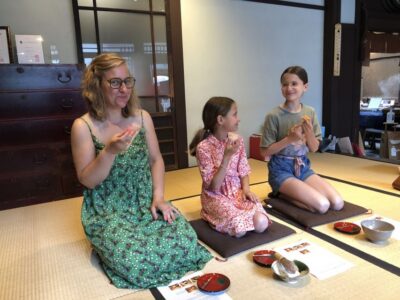
Kyoto: Tea Ceremony Meditation – Make Matcha with Tea Master
Read our review →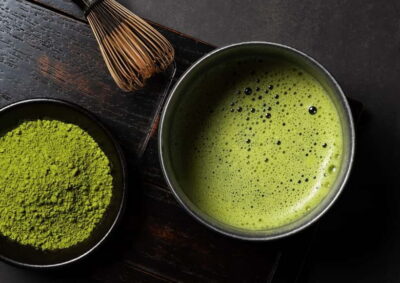
Tokyo: Matcha Making Experience with Mochi Sweets in Asakusa
Read our review →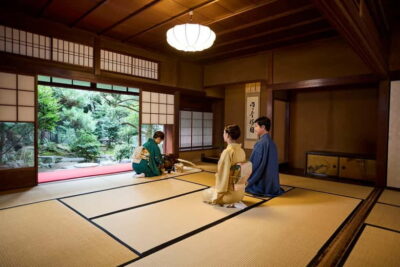
Kyoto: Kimono Tea Ceremony with Matcha and Sweet
Read our review →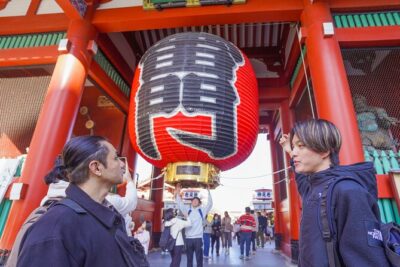
Browse the lists this tour appears in