
Review · TEA CEREMONY EXPERIENCES
Kenrokuen Tea Ceremony Experience in Kanazawa
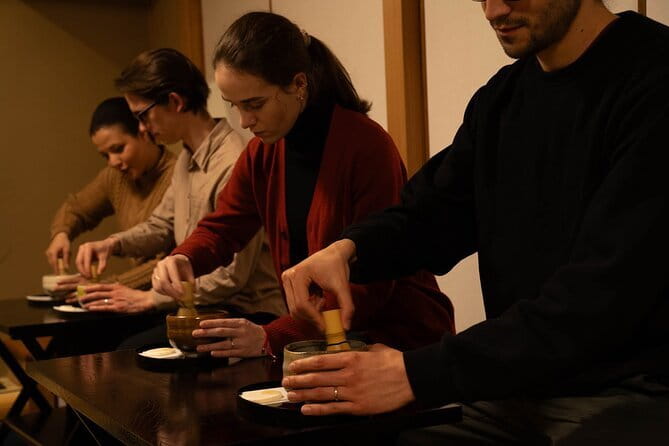
The most appealing part of this experience is that you do not just watch a formal tea ceremony. You learn the movements, handle the utensils, whisk your own matcha, and taste it with traditional wagashi in Kenrokutei, a historic reception place once used by Kanazawa’s lords.
I like the small group size, limited to four people, and the clear English explanations. I also like the choice of a standing-style ceremony, plus the chance to taste sweets from a respected confectioner rather than receiving a generic snack.
The main drawback is strict timing. Arriving more than 10 minutes late can mean losing the reservation without a refund, and the ¥320 Kenrokuen admission fee is extra. Plan your garden visit carefully.
Key points to know before booking

- Historic setting: Meet inside Kenrokutei, a former place for entertaining important guests.
- Hands-on lesson: Watch the tea master first, then use the utensils and whisk your own matcha.
- Small group: The activity accepts a maximum of four people, keeping the lesson personal.
- Traditional sweets: Wagashi from a distinguished confectioner is served with the tea.
- Flexible seating: Choose a standing-style ceremony if sitting on the floor is uncomfortable.
- Allow extra time: The experience lasts about 50 minutes, but Kenrokuen admission costs ¥320 separately.
A tea lesson inside historic Kenrokutei
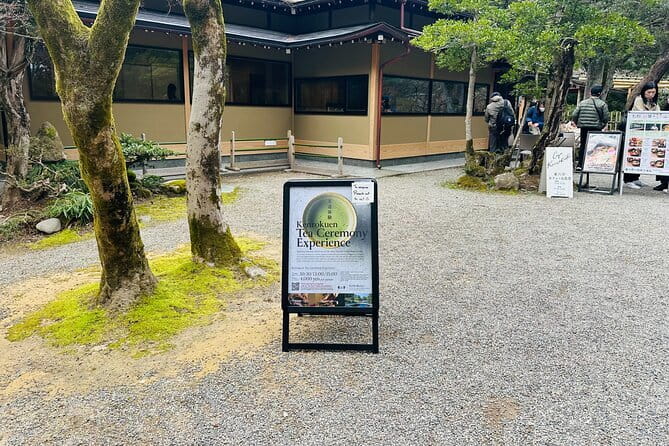
This is a compact cultural experience with a strong sense of place. You enter Kenrokuen Garden, make your way to Kenrokutei, and meet the tea ceremony team in a building connected to Kanazawa’s feudal past.
That setting matters. A tea ceremony in a modern shop could still teach you the basics, but here the room connects the ritual to the city’s old social world. Kenrokutei was used by lords to receive important guests, so the ceremony takes place in a setting built for hospitality and ceremony.
I would schedule this after arriving at Kenrokuen, not at the end of a rushed garden visit. You need to pay for garden entry before reaching the activity, and the meeting point is at 1-20 Kenrokumachi. The experience ends where it begins, so you can return to the garden afterward or continue exploring nearby.
The room is designed for a quiet activity. Children must be at least seven years old, and the organizers ask everyone to keep the atmosphere calm. That makes this a better fit for families with older children than for anyone looking for a loud, casual food activity.
More Tea Ceremonies in Japan:
- Kyoto: Tea Ceremony in a Traditional Tea House in Kiyomizu
★ 4.9 · 3,519 reviews - Kyoto: Tea Ceremony Ju-An at Jotokuji Temple
★ 4.9 · 3,207 reviews - Kyoto: 45-Minute Tea Ceremony Lesson Experience
★ 4.3 · 2,378 reviews
The 50-minute program, step by step
The session begins with an explanation from the tea master. You first watch the process, which gives you a clear idea of the order of the movements before you are asked to try them yourself.
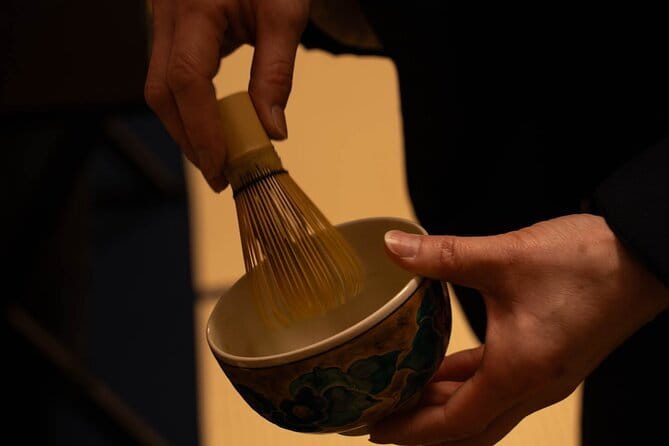
That demonstration is important because Japanese tea preparation is not simply a matter of adding hot water to powdered tea. The placement of the utensils, the way the bowl is handled, and the rhythm of whisking all carry meaning. You do not need prior experience, and the instruction is meant to help you participate without feeling lost.
The English explanations have been praised as clear, and the hosts are described as warm, engaging, and formal without being stiff. The tone seems to balance instruction with a little humor, which helps make a serious ritual approachable.
Next comes the practical part. You learn how to use the traditional tea tools, then prepare your own matcha. This is the feature I would value most if you have already visited temples, gardens, and museums during your time in Japan. Instead of only looking at Japanese culture, you get to perform one small part of it.
Your tea may not have the same smooth foam as the tea master’s, and that is part of the fun. The point is not to produce a perfect bowl on your first attempt. It is to understand the effort, care, and control behind the finished drink.
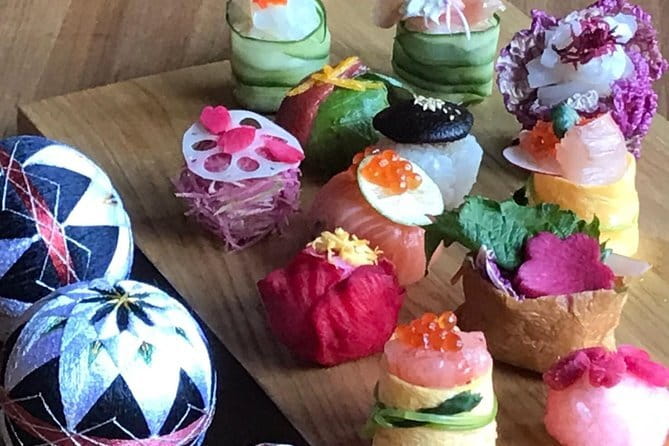
You then drink the matcha and eat wagashi sweets. The sweets are made by a distinguished confectioner, and the pairing helps explain why Japanese tea ceremonies serve something sweet with a strong, bitter tea. The wagashi softens the matcha and gives the tasting a clear rhythm.
Some information describes two types of wagashi and two servings of tea, but the exact selection may vary. You should expect traditional sweets and matcha, with the central focus on the ceremony rather than a large meal.
The session finishes with a photograph of the ceremony. It is a simple but useful keepsake, especially if you are recording the trip through small cultural moments rather than only major sightseeing stops.
Why the small group makes a difference
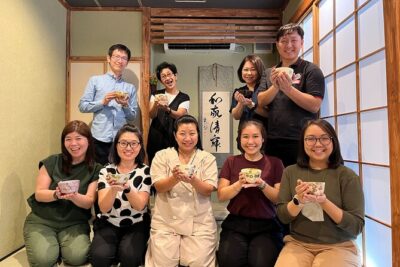
A maximum of four people is a real advantage here. Tea ceremony can feel distant when you are one face in a large group, watching from the back of a room. With only a few participants, you should have a better view of the demonstration and more room to follow the instructions.
The small format also suits the hands-on portion. Everyone gets a chance to handle the utensils and make tea rather than waiting through a long rotation. The activity is still shared with other people, so it is not a private lesson, but the scale keeps it from feeling like a stage performance.
If you need translation beyond the regular explanation, arrange a private reservation by email. The organizers specifically ask people who require translation services to book privately so the group session stays quiet and comfortable for everyone.
That rule is worth taking seriously. The standard experience includes English explanation, but it is not advertised as a fully private, customized language lesson. If detailed interpretation is essential, contact the provider before booking rather than assuming it can be added on the day.
Sitting on the floor or choosing the standing style
Traditional tea rooms often involve kneeling or sitting on the floor, which can be uncomfortable if you have knee, hip, or mobility concerns. This experience offers a standing-style ceremony, so ask for that option if floor sitting is difficult.
The available information does not give a full accessibility assessment, so you should contact Kenrokutei directly if you need specific help with entrance access, stairs, or seating. Still, the standing option is a useful feature and makes the ceremony possible for more people.
You should also remember that the ceremony is held with other groups and aims for a quiet mood. It may not suit very young children who cannot sit calmly for about 50 minutes. The minimum age is seven.
More tea experiences around Japan if you are still choosing
- World Heritage Kyoto & Nara Uji Authentic Matcha Experience
★ 5.0 · 1,573 reviews - Osaka: Tea Ceremony Experience
★ 4.9 · 1,426 reviews - Kyoto: Table-Style Tea Ceremony at a Kyo-Machiya
★ 4.9 · 1,211 reviews - Kanazawa: Kenrokuen Tea Ceremony Experience
★ 4.8 · 1,139 reviews
Is $39.40 good value?
The price is $39.40 per person, and the experience lasts about 50 minutes. You also pay ¥320 to enter Kenrokuen Garden, so the total cost is higher than the advertised activity price.
That makes this more expensive than simply ordering matcha and a sweet at a garden café. You are paying for instruction, the use of traditional utensils, the tea master’s demonstration, your own attempt at making matcha, wagashi, the historic setting, and a small group limited to four people.
I think the price is reasonable if you want cultural context and participation. It is less appealing if you only want a quick cup of tea or a photograph in a traditional room. The difference is the lesson. You are not just consuming tea. You are learning why the preparation takes the shape it does.
The 50-minute length is also practical. It is long enough to explain the ceremony and let you participate, but short enough to fit into a day of sightseeing. You can pair it with a walk through Kenrokuen without giving up half your afternoon.
One important value consideration is the strict late-arrival rule. If you arrive more than 10 minutes late, the reservation may be canceled. Since the garden itself is large and the meeting point is inside it, leave time to enter, find Kenrokutei, and settle in before the start time.
Kenrokuen makes the setting part of the experience
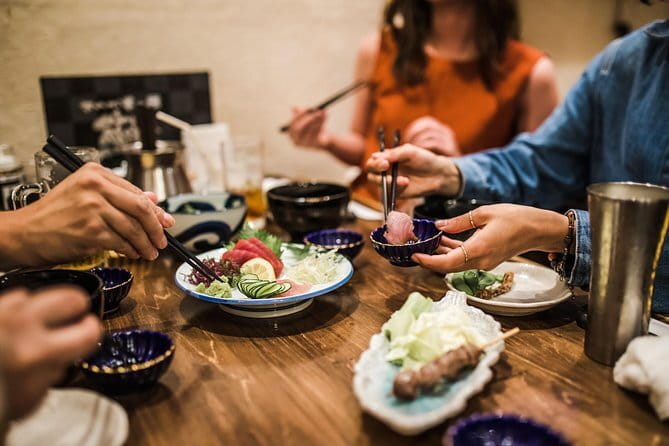
Kenrokuen is one of Kanazawa’s main sights, and the garden gives the tea ceremony a natural context. You are not traveling across town for a stand-alone class. You can combine garden admission and tea in one visit.
I suggest arriving early enough to see at least part of Kenrokuen before the ceremony. The experience is indoors, but the garden visit prepares you for the quiet pace and attention to seasonal detail associated with Japanese tea culture.
Do not treat the garden entrance as a minor detail. It is required separately, and the tea ticket does not include it. If you have already entered Kenrokuen that day, check your timing carefully so you do not arrive at Kenrokutei after wandering farther than expected.
The activity itself returns to the meeting point. That makes planning easy, but it also means you should not assume the session will drop you at another garden exit or sightseeing stop.
What the teaching style appears to do well
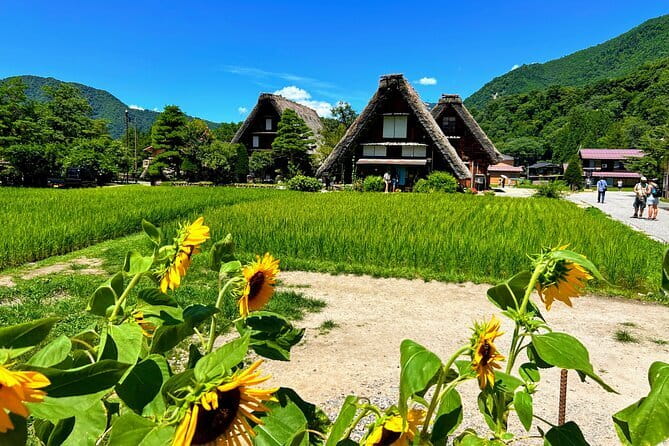
The strongest part of the experience is the explanation. The ceremony can look mysterious if you only observe it. Here, the hosts explain the background, the roles, the movements, and the proper way to handle the tea bowl.
That context turns small gestures into something understandable. You learn that the ceremony is about more than the beverage. The bowl, the tools, the order of actions, and the care shown to the person receiving tea all help shape the encounter.
The hosts are described as formal but welcoming, with strong English communication. That combination matters. A ceremony that is too casual can lose its meaning, while one that is too rigid can make a first-time participant nervous.
The teaching also appears to be interactive. You can ask questions through the session, follow the demonstration, and then make your own tea. The practical attempt gives you a better memory of the process than a lecture alone.
Some people may prefer a longer, more traditional ceremony with fewer explanations and more silence. This program is designed more as an introduction. It gives you a clear, friendly entry point rather than presenting the entire discipline of tea as a specialist study.
Who should book this experience?
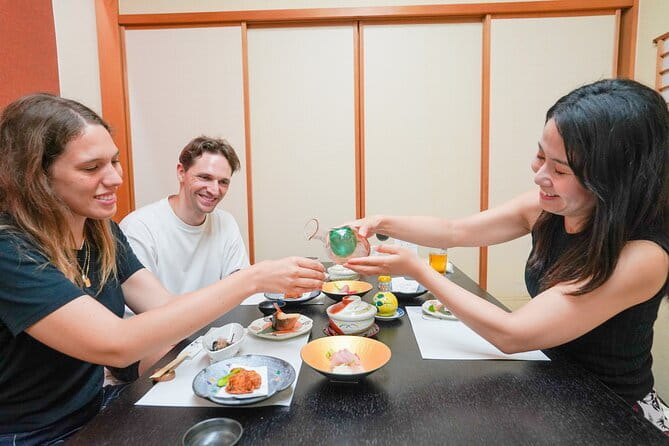
I would recommend it to first-time visitors who want a manageable introduction to Japanese tea culture. It is especially suitable if you enjoy learning how everyday objects and rituals work, rather than simply collecting photographs.
It also fits well into a Kanazawa itinerary built around traditional arts, gardens, historic districts, and local food. The session adds something active to a day of sightseeing, and making your own matcha gives you a small personal connection to the ceremony.
Families with children aged seven and older can consider it, provided the children can remain quiet and attentive. The standing option helps people who find floor seating uncomfortable.
This is less suitable for anyone who dislikes scheduled activities or may be delayed inside Kenrokuen. The late policy is strict. It is also not the right booking for someone who needs extensive translation unless a private reservation has been arranged.
Solo visitors and couples should find the maximum four-person group appealing. Larger parties should check how the booking works, since the stated maximum is four travelers.
Booking, cancellation, and timing advice
You can cancel for a full refund up to 24 hours before the start time. Cancellations or changes made less than 24 hours in advance are not refunded or accepted, and the cut-off uses local time in Japan.
I would book about 10 days ahead if your schedule is fixed, since that is the typical advance booking pattern. Kenrokuen is a major Kanazawa stop, and the small group limit means popular time slots may not remain open.
Use the mobile ticket and keep the meeting details ready before entering the garden. Arrive early enough to pay the separate ¥320 admission fee, walk to Kenrokutei, and locate the room without rushing.
The provider confirms bookings at the time of reservation. Public transportation is nearby, but you still need to reach the precise meeting point inside the Kenrokumachi area.
Should you book the Kenrokuen tea ceremony?
Book it if you want more than a taste of matcha. The combination of a historic room, a tea master’s demonstration, hands-on preparation, traditional wagashi, and a maximum group of four gives you a focused 50-minute lesson in a setting tied to Kanazawa’s past.
I especially like it for visitors who have already planned Kenrokuen and want to make the garden visit more meaningful. The extra ¥320 admission and the $39.40 activity price are worth considering, but the experience offers more substance than a café stop.
Skip it if you are likely to arrive late, need a fully private translation service without arranging one first, or want a long, highly formal tea ceremony. For everyone else, this is a practical and welcoming introduction, with just enough ceremony to feel special and just enough instruction to keep you involved.
FAQ
How long does the Kenrokuen tea ceremony last?
The activity lasts approximately 50 minutes.
Is Kenrokuen Garden admission included?
No. You must pay the separate Kenrokuen entrance fee, listed as ¥320.
Can I make my own matcha?
Yes. After watching the tea master’s demonstration and learning how to use the utensils, you can prepare your own tea and drink it.
Is the ceremony suitable if I cannot sit on the floor?
Yes. You can choose a standing-style tea ceremony if sitting on the floor is difficult.
What is the maximum group size?
The activity accepts a maximum of four travelers.
What happens if I arrive late?
You should be punctual. If you arrive more than 10 minutes late, the reservation may be canceled.
Fresh tea listings around Japan
- Cycling Tour at Uji’s Matcha Green Tea Fields and Heritage★ 5.0 · 10 reviews
- Authentic Japanese tea tasting: sencha, matcha and gyokuro★ 5.0 · 12 reviews
- Asakusa Cultural Walk & Matcha Making Tour★ 4.5 · 7 reviews
- Authentic Tea Ceremony & Sushi in The Museum of Kyoto★ 5.0 · 3 reviews
- At an Antique Shop, Tea Ceremony and Japanese Sweets Forming★ 5.0 · 5 reviews
- Authentic Japanese Tea Ceremony Experience in Kamakura★ 4.5 · 8 reviews
- Japanese Sweets Making & Tea Ceremony in Yokohama, suburban Tokyo★ 5.0 · 4 reviews
- Matcha tasting for all five senses at Hotel Yokohama★ 5.0 · 7 reviews
Tea Ceremony Experiences, compared.
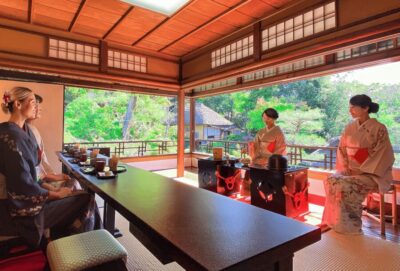
Kyoto: Tea Ceremony in a Traditional Tea House in Kiyomizu
Read our review →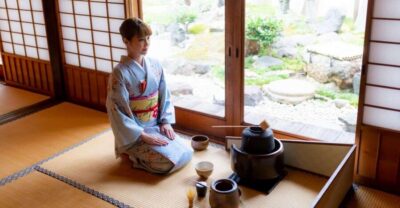
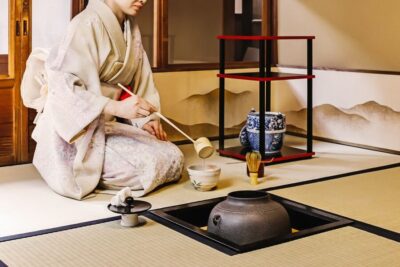
Kyoto: 45-Minute Tea Ceremony Lesson Experience
Read our review →
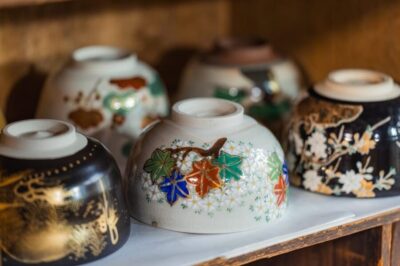
Kyoto: Table-Style Tea Ceremony at a Kyo-Machiya
Read our review →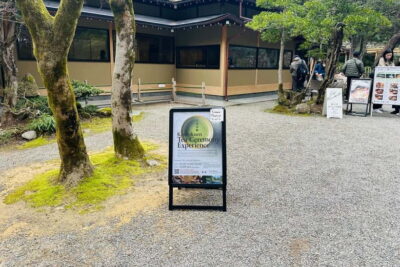
Browse the lists this tour appears in