
Review · KIMONO & TEA CEREMONY
Tea ceremony and kimono experience at Kyoto, Tondaya
Kyoto’s Tondaya experience gives you two strong tastes of old Japan in one visit: wearing an authentic silk kimono and taking part in a tea ceremony inside a Meiji-period wooden townhouse. The house, gardens, rooms, and traditional furnishings give the visit a sense of place that a modern cultural center cannot match.
I like the chance to photograph the kimono in a real family house, and I like that the tea ceremony is paired with an explanation of how to drink the matcha and sweet. The main concern is the group size. With a full room, the ceremony can feel rushed, hot, and hard to see.
Key points before you book
- A real machiya setting: Tondaya is a historic wooden townhouse in Kyoto’s Nishijin district, not a purpose-built stage.
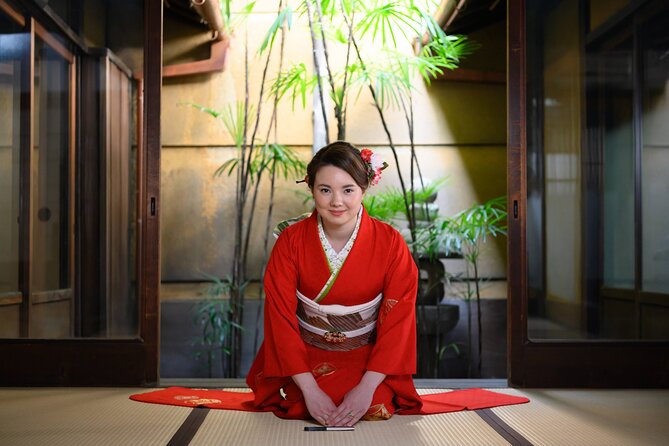
- Kimono fitting included: Staff dress you in an authentic silk kimono over your own clothing, with time for photos.
- About 90 minutes: The visit includes dressing, a house tour, photography, and the tea ceremony.
- Group size matters: The advertised maximum is 20 people, but several accounts describe crowded sessions and limited views.
- Bring your own socks: Socks are required to protect the historic floors. Makeup, hair styling, and geta sandals are not included.
- Best for culture and photos: Choose it for the traditional setting and kimono experience, not if you want a long, highly detailed tea-school lesson.
Why Tondaya feels different from a standard Kyoto activity
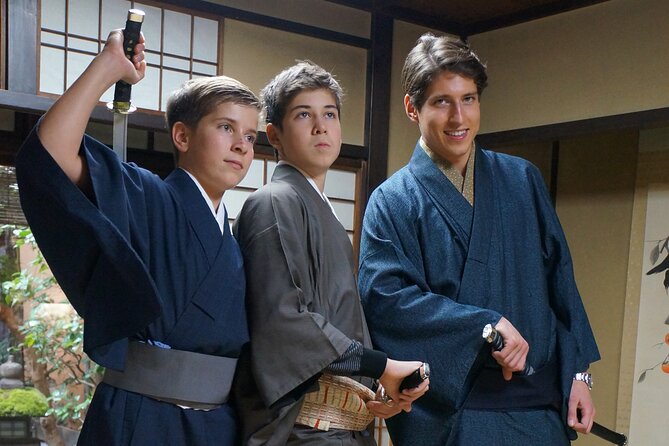
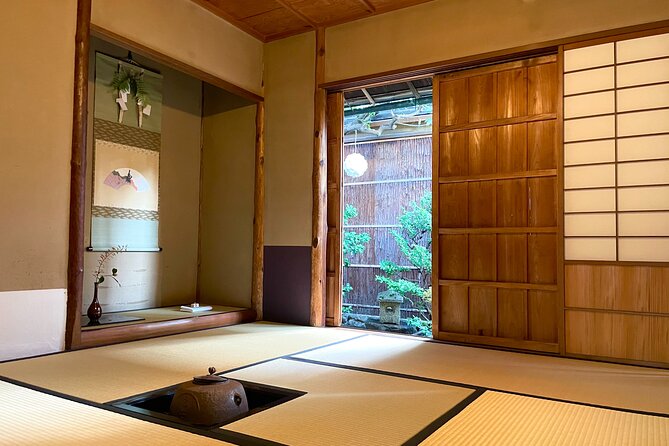
Tondaya operates from a traditional machiya in the Nishijin area of Kyoto. The building dates to the Meiji period, and the visit gives you a look at the narrow rooms, wooden details, garden areas, furnishings, and quiet transitions between spaces.
That setting is the central reason to consider this activity. You are not simply seated in a hotel room while someone demonstrates tea. You move through an old house and see how the ceremony fits into Japanese domestic architecture. Seasonal breezes, garden views, and the modest scale of the rooms help explain why tea ceremony values simplicity, careful movement, and attention to surroundings.
The setting also creates limits. A historic home has small rooms and narrow passageways. When several groups arrive close together, the same charm can turn into crowding. Your experience depends heavily on how many people are present and how well the session is organized that day.
Tondaya has an overall rating of 4.1 from 90 ratings, which tells you the experience works very well for some people and falls short for others. The difference usually comes down to expectations. If you want a beautiful traditional setting, a kimono, photographs, and a short introduction to tea customs, it can be a memorable choice. If you expect a quiet, private ceremony with a long explanation of every gesture, you may find the standard group version too thin.
More Kimono and Tea Ceremonies in Kyoto
- Kimono Tea Ceremony at Kyoto Maikoya, NISHIKI
★ 5.0 · 911 reviews - Kyoto: Kimono Tea Ceremony at Orizuruya Gion
★ 4.9 · 618 reviews - KYOTO Tea Ceremony with kimono near by Imamiya Jinjya Shrine
★ 5.0 · 343 reviews
The kimono fitting comes first
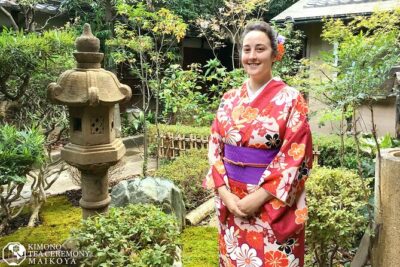
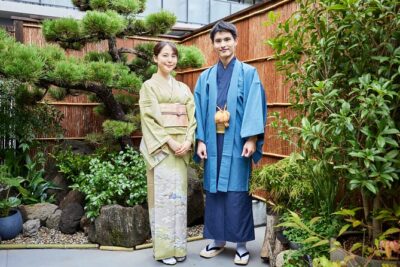
When you arrive, staff fit you with an authentic silk kimono. You wear it over your own clothes, so this is not a full costume transformation with makeup and elaborate hair styling. The fitting is a practical part of the experience, done by staff who can dress several people quickly.
The garments are one of the most praised parts of the visit. You can choose among available colors, and the finished outfit gives you an immediate connection to the ceremony and the house. Accessories are included as part of the dressing process, but the experience does not include makeup or hair styling.
The fitting may feel hurried if the room is full. Staff need to prepare everyone before the house tour and ceremony begin, so you should not expect a slow personal styling appointment. The value here is the chance to wear a proper kimono in a traditional setting, rather than receiving a long lesson on fabric, rank, seasonal patterns, or the history of Japanese dress.
After you are dressed, you can take photographs around the house. This is a real strength. The old rooms, garden areas, furniture, and tea equipment provide much better surroundings than a plain studio backdrop. You are allowed to take photos during the visit, including photographs of the ceremony and its utensils.
Bring socks. You will need them inside the house, and they are specifically requested to help protect the historic building. You may be able to buy socks at the venue, but bringing your own is simpler. Geta, the wooden sandals often associated with kimono, are not included.
Touring the Meiji-period machiya
Once dressed, you tour the Nishijin Japanese Cultural Experience Museum. The museum name can make you expect a formal gallery, but Tondaya is actually a traditional Japanese house. That detail matters when you are finding the entrance. The building can be easy to miss, especially before opening, and signs are not always clear.
Use the exact address, 697 Ishiyakuchicho, Kamigyo Ward, Kyoto, 602-8226, and allow extra time to locate the entrance. The activity is near public transportation, but the final approach may require careful attention to your map. Arriving late can be especially awkward because the fitting and group movement begin on a schedule.
Inside, the house is the main exhibit. You see rooms arranged around traditional living patterns, along with garden views and household objects. The tour is not a large museum presentation with extensive written displays. Instead, the guide explains the rooms and selected objects as you move through the building.
The quality of that explanation can vary. Some sessions provide helpful background about the house, the ceremony, and Japanese customs. At other times, English explanations are brief or difficult to follow. One particularly well-received session was led by a young woman from Holland living in Japan, while other accounts describe explanations that were too short or unclear.
That variation is worth keeping in mind if cultural instruction is your main reason for booking. The building itself carries much of the experience, but the guide determines how much you learn from it.
What the tea ceremony is actually like
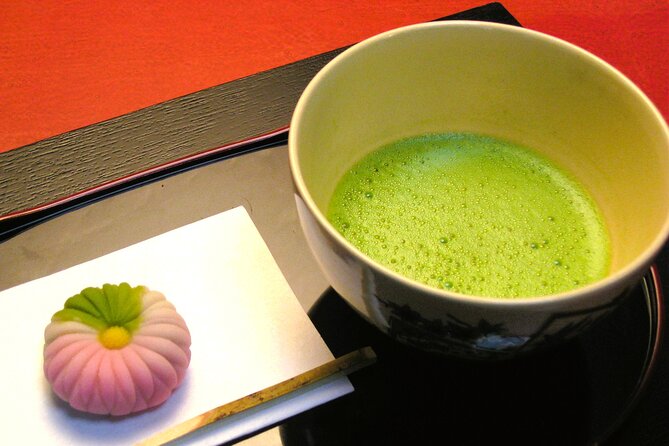
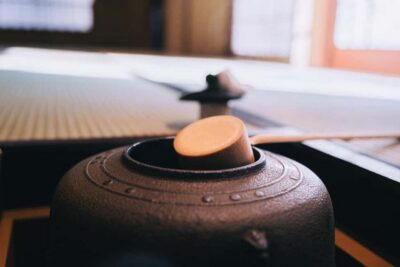
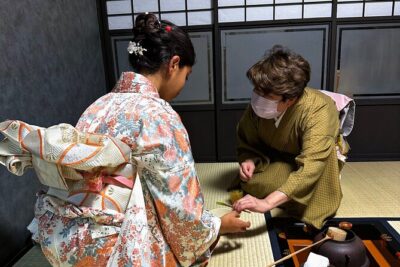
The ceremony is a demonstration of traditional tea preparation and serving. You watch the host prepare matcha, receive the tea with a Japanese sweet, and learn the proper way to drink it. The first serving may be presented directly by the main host, with additional cups brought on a tray for the rest of the group.
The ceremony is usually short. Some sessions feel sufficient as an introduction, while others are described as lasting only a few minutes. A short performance does not mean it lacks value, but it does mean you should not confuse this with an extended formal tea-school appointment.
The best sessions explain why the host handles the bowl, utensils, and movements in particular ways. They also connect the ritual to Japanese culture and the house itself. When that explanation is clear, the ceremony becomes more than a cup of matcha. You begin to notice the order of the movements, the care given to presentation, and the importance of receiving the tea respectfully.
The weaker sessions focus mainly on watching the tea being made and learning how to drink it. If you want the history of the tea ceremony, detailed instruction on each gesture, or a discussion of the clothing and utensils, you may leave wanting more.
Visibility is another concern. In a crowded room, people seated toward the back may struggle to see the bowl and whisk. Noise from another group moving through the house can interrupt the quiet mood. A full room can also become uncomfortably warm, particularly when everyone is wearing layered kimono clothing.
This is where the private option becomes important. The standard booking is a group experience, while a private version is available for people who want a more controlled setting. If the ceremony itself is the heart of your Kyoto plans, paying more for privacy may be sensible. If the kimono and historic home are equally important, the group format may still suit you.
More Tea Ceremonies in Kyoto
- Kyoto: Tea Ceremony in a Traditional Tea House in Kiyomizu
★ 4.9 · 3,519 reviews - Kyoto: Tea Ceremony Ju-An at Jotokuji Temple
★ 4.9 · 3,207 reviews - Kyoto: 45-Minute Tea Ceremony Lesson Experience
★ 4.3 · 2,378 reviews - Kyoto: Table-Style Tea Ceremony at a Kyo-Machiya
★ 4.9 · 1,211 reviews
What the $178.34 price includes
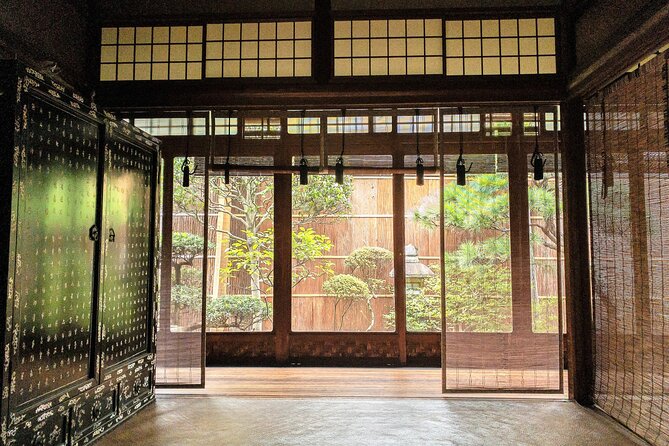
At $178.34 per person, this is not a cheap way to drink matcha. The price includes the tea ceremony, kimono experience, and entrance to the historic house. It does not include lunch, makeup, hair styling, socks, or geta sandals.
The value depends on how you measure the outing. You are paying for several elements at once:
- A silk kimono fitting
- Time for photographs in a historic house
- A tour of a Meiji-period machiya
- A tea ceremony with matcha and a sweet
- Admission to the cultural museum
I can see the price making sense for a first visit to Japan when you want one organized cultural activity that combines clothing, architecture, photography, and tea. The setting is more meaningful than a generic dress-up studio, and the house gives the experience a strong Kyoto connection.
The price is harder to justify if your only goal is learning tea ceremony technique. Some sessions provide only a brief explanation and a few mouthfuls of tea. In that case, much of the cost is attached to the kimono and the location rather than to a long lesson.
The standard experience lasts about 90 minutes, though the exact length can change with crowding. Several accounts describe shorter visits, while others felt the full time was well used. Treat the duration as an approximate maximum, not a promise of 90 quiet minutes in the tea room.
Group size can change the entire mood
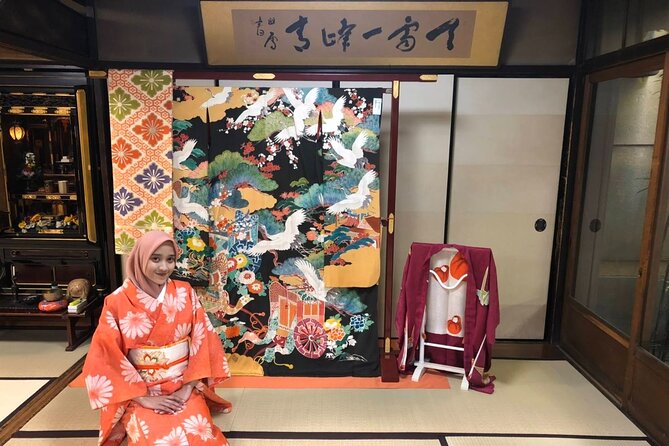
The activity lists a maximum of 20 participants, but the most serious complaints describe much larger-feeling crowds, with several groups sharing small spaces or moving through the house at once. Even when the official group stays within its limit, the rooms may feel tight because a machiya is not designed like a modern tour hall.
A small group lets you hear the guide, see the tea preparation, and ask questions. A crowded group turns the visit into a rotation: dressing, photographs, walking through rooms, and a short ceremony before the next group takes its place.
You may also find that not everyone in the room is wearing a kimono. That can lessen the shared atmosphere for some people, especially if you pictured a quiet scene where everyone is dressed traditionally. It does not stop you from enjoying your own clothing and photographs, but it can make the event feel less carefully staged.
If you are sensitive to heat, noise, or crowded seating, think carefully before choosing the standard group booking. The private option is the safer choice for a special occasion, older family members, or anyone who wants to ask detailed questions.
Practical details for a smoother visit
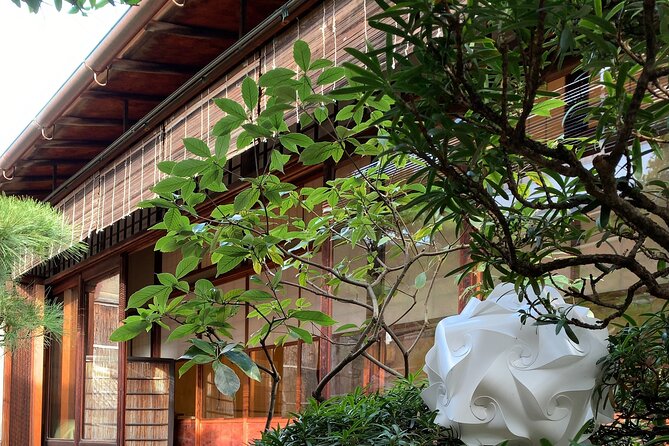
Tondaya is in Kyoto’s Kamigyo Ward, away from the most familiar sightseeing streets of Gion. Do not assume that a Gion location is included. The meeting point and return point are the same, at the Nishijin Japanese Cultural Experience Museum.
Use a map and look for a traditional house rather than a large museum entrance. Poor signage has caused confusion, so arriving early is wise. A taxi can simplify the final approach, while public transportation is also possible because the site is near transit.
Wear clothes that are easy to place a kimono over. You do not need to bring your own formal clothing, but you do need socks. Avoid treating the visit like a full beauty appointment because makeup and hair styling are not included.
You can take photographs, and the house gives you many useful backdrops. Be respectful with the building and follow staff directions around the rooms and furnishings. Photography is one of the strongest practical benefits of the visit, but it should not crowd out the ceremony itself.
Confirmation is provided when you book. Most people can participate, and the activity is designed for a broad range of participants. The booking allows free cancellation up to 24 hours before the start time. Changes or cancellations inside that window are not refundable.
Who will enjoy Tondaya most
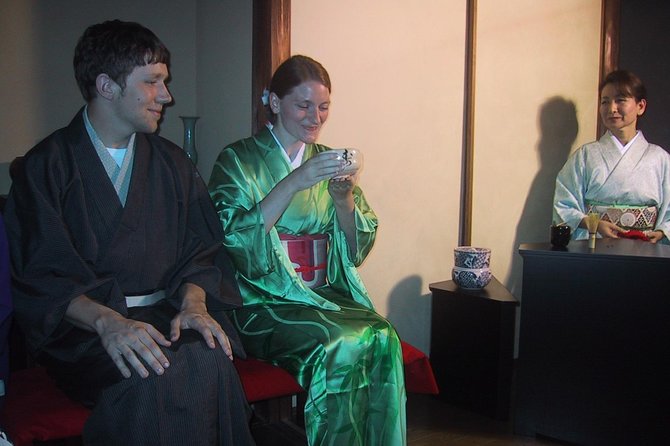
I would recommend this experience to you if you want a compact introduction to several parts of Japanese culture at once. It suits first-time visitors who want to wear a kimono, see an old Kyoto home, take photographs, and taste matcha without committing to a longer formal lesson.
It is also a good fit for couples, families, and anyone who values architecture as much as ceremony. The home and gardens give the visit substance, even when the tea explanation is brief.
You should be more cautious if you have already attended a serious tea ceremony or expect detailed instruction. You may find the standard outing too short and too focused on presentation. People who dislike group activities, crowded rooms, or uncertain English explanations should consider the private version instead.
Should you book this Kyoto tea ceremony?
Book Tondaya if the combination of kimono, historic house, photographs, and a short tea ceremony sounds right for you. Its strongest qualities are the genuine machiya setting, attractive silk garments, kind fitting staff, and the chance to see a quieter side of Kyoto beyond the usual temple route.
Do not book it expecting a long, serene tea lesson every time. The group setting can be chaotic, and the explanation may be light. At this price, I would choose the private option if tea ceremony instruction is your top priority. For a first taste of traditional Kyoto culture, the standard visit can be worthwhile, but go in knowing that the kimono and house are at least as important as the tea.
FAQ
Where does the tea ceremony take place?
It takes place at Tondaya, the Nishijin Japanese Cultural Experience Museum, at 697 Ishiyakuchicho, Kamigyo Ward, Kyoto, 602-8226, Japan.
How long does the experience last?
The stated maximum duration is about 1 hour and 30 minutes. The actual length may vary depending on crowding.
Is the kimono included?
Yes. The experience includes fitting an authentic silk kimono over your own clothing. Makeup, hair styling, and geta sandals are not included.
Do I need to bring anything?
Bring socks. Socks are required inside the historic house to help protect its cultural assets. You may also be able to buy socks at the venue.
Is this a private tea ceremony?
The standard activity is conducted with other participants and has a maximum listed group size of 20 people. A private experience is available as a separate option.
Can I cancel for a refund?
Yes, you can receive a full refund if you cancel at least 24 hours before the experience start time. Cancellations or changes made less than 24 hours in advance are not accepted for a refund.
Fresh tea listings around Kyoto
- Cycling Tour at Uji’s Matcha Green Tea Fields and Heritage★ 5.0 · 10 reviews
- Authentic Tea Ceremony & Sushi in The Museum of Kyoto★ 5.0 · 3 reviews
- Kyoto: Nighttime Zen Meditation and Matcha Tea Experience★ 5.0 · 7 reviews
- Kyoto Fushimiinari:Wagashi Making & Small Group Tea Ceremony★ 5.0 · 14 reviews
- 2 Types of Japanese Sweets making and Tea Ceremony★ 4.6 · 17 reviews
- Whisk Your Own Matcha: A Zen Matcha Experience at Temple★ 3.6 · 7 reviews
- Kyoto Hidden Riverside Zen Mediation and Uji Matcha Experience★ 5.0 · 9 reviews
- Matcha Grinding Experience and Walking Tour in Uji Kyoto★ 5.0 · 26 reviews
Kimono & Tea Ceremony, compared.
KYOTO Tea Ceremony with kimono near by Imamiya Jinjya Shrine
Read our review →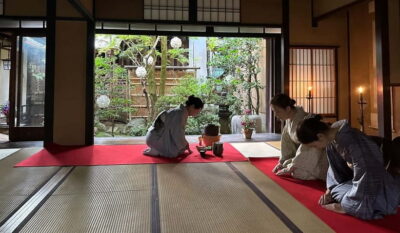
Kyoto: Kimono and Tea Ceremony Experience at Cultural Asset
Read our review →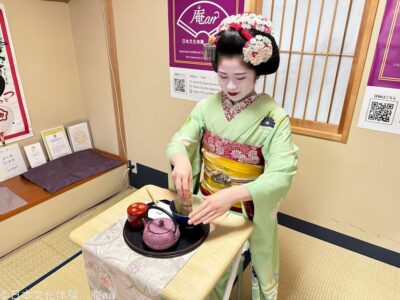
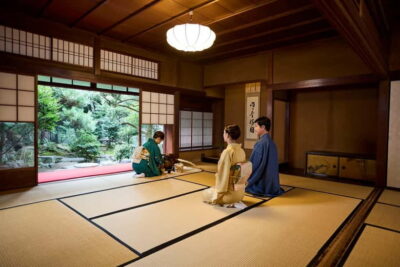
Kyoto: Kimono Tea Ceremony with Matcha and Sweet
Read our review →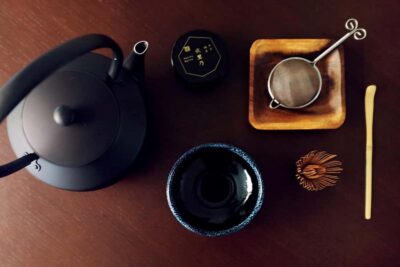
Browse the lists this tour appears in