
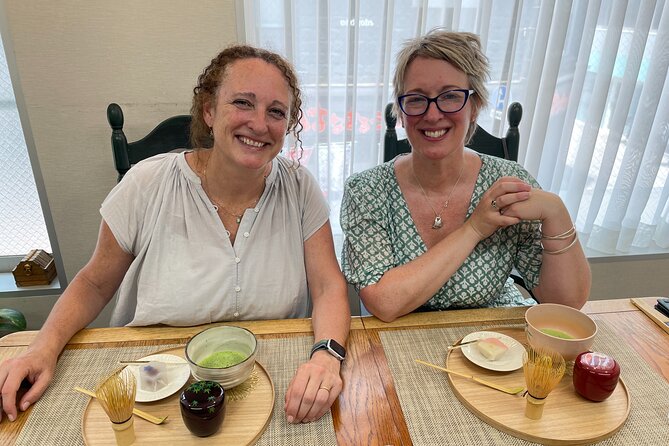
Review · MATCHA EXPERIENCES
Private Hiroshima Matcha & Wagashi Experience Tour
Hiroshima’s matcha culture is easy to enjoy on this small private tour, which combines local shopping streets, tea utensils, Japanese sweets, and a hands-on lesson. I like that you choose the exact matcha and wagashi you will taste, rather than receiving a fixed sample. I also like the covered walking route, which makes the outing more practical in hot weather or light rain.
The main point to understand is that this is not a formal tea ceremony. You will not sit on tatami or follow a long set of rituals. The rental space uses ordinary tables and chairs, and the relaxed format suits beginners, though anyone seeking a grand ceremonial setting may find it too simple.
Key points at a glance
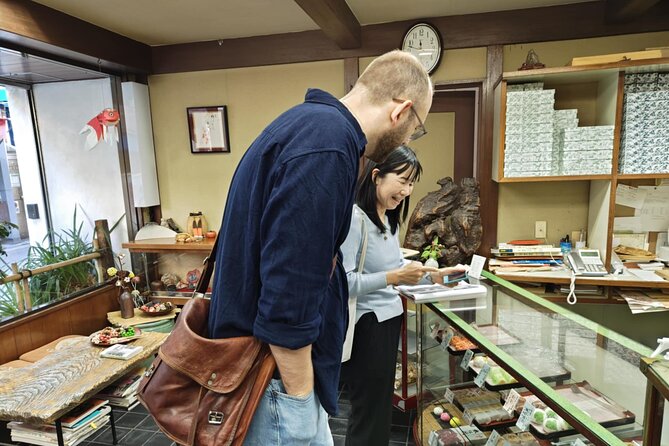
- Choose your own matcha: Browse a tea and utensil shop before selecting the powder you will prepare.
- Pick fresh wagashi: Visit a local confectionery shop and choose sweets traditionally served with tea.
- Learn by making it yourself: Sachi explains whisking, serving manners, and practical tips for better-tasting matcha.
- About 1.2 kilometers on foot: Most of the route runs through covered shopping arcades.
- Private and personal: Only your own group takes part, making it easier to ask questions.
- Take home leftover matcha: Any remaining tea becomes a small souvenir.
Starting at Hiroshima Hondori at 10:30 am
The experience begins outside Starbucks Coffee at 9-1 Hondori in Hiroshima’s Naka Ward. This puts you in a central shopping area, near public transportation and within easy reach of the city’s covered arcades.
The start time is 10:30 am, with the full activity lasting about two hours. That makes it a useful morning plan before lunch or an afternoon of sightseeing. You return to the same meeting point at the end, so you do not need to arrange a separate pickup or learn your way back from an unfamiliar neighborhood.
Because this is a private activity, your group is not combined with strangers. That matters during a food and drink lesson. You can ask Sachi to repeat a step, discuss the differences between tea types, or take a little more time choosing your sweets without holding up a larger group.
The exact rental-space location can change based on availability. The meeting point remains the practical anchor for the activity, but you should be prepared for the final preparation room to vary.
More Matcha Experiences in Japan:
- World Heritage Kyoto & Nara Uji Authentic Matcha Experience
★ 5.0 · 1,573 reviews - Matcha Making Class in Tokyo with Authentic Japanese Sweets Set
★ 5.0 · 744 reviews - Kyoto: Tea Museum Tickets and Matcha Grinding Experience
★ 4.9 · 739 reviews
Choosing tea tools and matcha on Ebisu Street
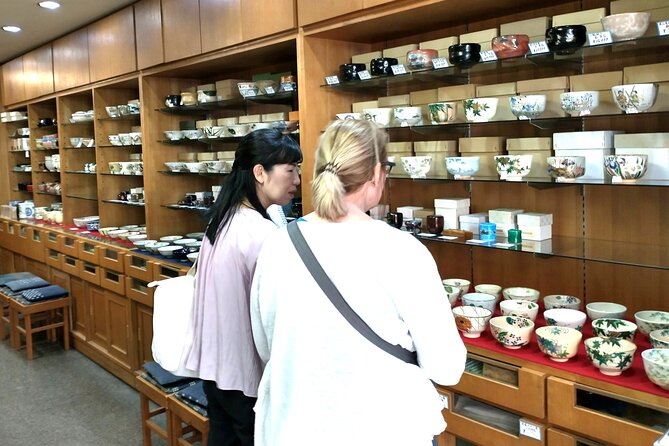
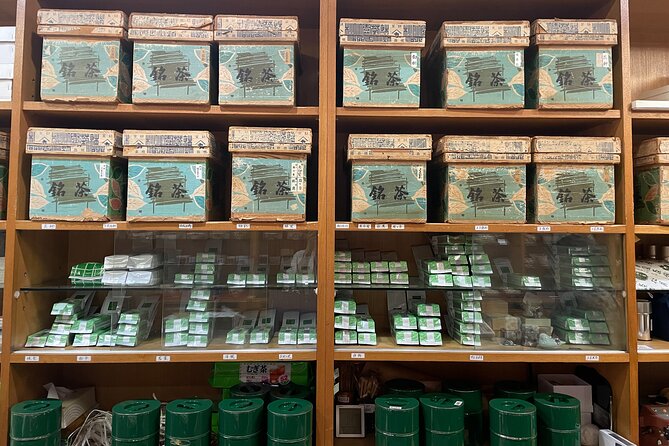
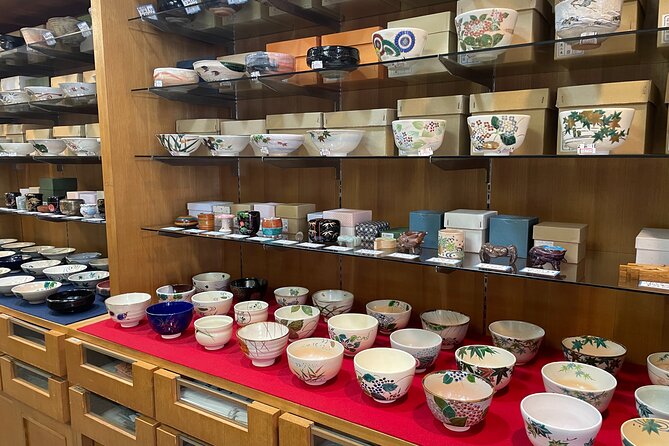
The first stop is Ebisu Street Shopping Arcade, known here for a shop specializing in tea ceremony utensils and matcha. You will have around 30 minutes to look at traditional tools and select the matcha used later in the session.
This opening stop gives the activity more substance than a simple demonstration. You are not just handed a bowl of prepared tea. You get to see the equipment connected with matcha and make a choice before learning how to use it.
For a first-time visitor, the selection process may be one of the most useful parts. Matcha can seem like a single product when you encounter it on a café menu, but the shop setting shows that tea has its own tools, grades, and preparation habits. Sachi can explain the basics in a practical way, without requiring you to know Japanese tea vocabulary in advance.
You should not expect a long shopping session or a full lesson in tea utensils. The stop lasts about half an hour, so the emphasis is on selecting what you need and understanding the objects you will use. It is a guided introduction, not a specialist buying tour.
The personal choice also gives the final tasting more meaning. You will know which tea you picked, and you can connect its appearance and preparation with the flavor in your bowl.
Selecting wagashi in Ura-Bukuro
The next stop moves to Ura-Bukuro Shopping Arcade and a local Japanese confectionery shop. You will spend about 30 minutes choosing wagashi, the traditional sweets commonly paired with tea at formal gatherings.
This is where the balance between bitter matcha and sweet food becomes clear. Wagashi is not simply a dessert added at the end. Its sweetness helps soften matcha’s sharper notes, while the tea keeps the confection from feeling overly sugary. The pairing is one of the easiest ways to understand why these two foods belong together.
You choose the sweets yourself, just as you choose the tea. That gives you some control over the tasting, which is useful if you have a strong preference for certain textures or flavors. The available selection may change, and the supplied details do not specify particular sweets, so you should treat the choice as part of the discovery rather than expecting one named specialty.
The shop visit also connects the tea lesson to ordinary Hiroshima shopping streets. You are not spending the entire two hours inside a classroom. Instead, you move between local businesses and see how the ingredients and tools fit into the city around you.
Thirty minutes is enough for a focused stop, but not enough for a long browse. If you enjoy Japanese confectionery shops, you may wish the visit lasted longer. Still, the short timing keeps the morning moving and leaves the main hour for making and tasting matcha.
Making matcha at a table in Naka-Tana
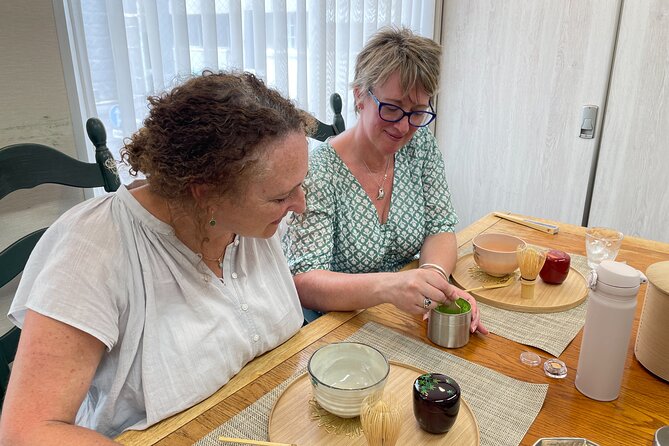
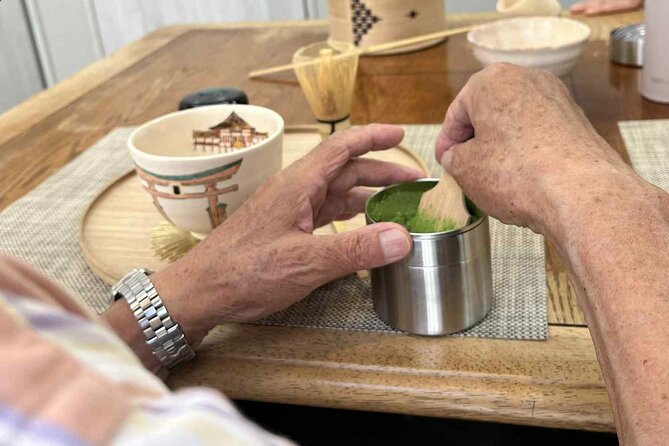
The final stop takes place in a rental space in Naka-Tana Shopping Arcade. Here, you sit at a table with chairs and learn to whisk your own matcha. This part lasts about one hour, so it is the heart of the experience.
Sachi explains the basic preparation method and offers tips to help you make the tea taste good. You will also learn graceful serving etiquette. The lesson is designed for beginners, including people who have only seen matcha preparation in films or on television.
Whisking looks simple, but it takes some coordination. One first-time participant found the process more difficult than expected, despite having watched it before. That is useful to know before booking: the activity is hands-on, not a passive show. You may not produce a perfect bowl immediately, but the learning comes from trying the movements yourself and adjusting with Sachi’s guidance.
The table-and-chair setting makes the lesson less demanding than a formal ceremony. You do not need to kneel on tatami or worry about mastering every traditional gesture. At the same time, the lesson includes serving manners, so you still gain a sense of the care and order behind the custom.
The room itself is not described as a permanent tea house, and its location may change according to rental availability. That flexibility keeps the experience practical, but it also means the setting may feel more functional than atmospheric. If the room’s appearance is important to you, keep your expectations modest.
At the end, you drink the matcha with the wagashi you selected earlier. Any leftover matcha is given to you as a souvenir. That is a small but worthwhile touch, since it lets you repeat part of the experience later rather than leaving with only a memory.
More Tea and Sweets Making in Japan:
- Matcha Making Class in Osaka with Authentic Japanese Sweets Set
★ 5.0 · 509 reviews - Tokyo: Matcha Making Experience with Mochi Sweets in Asakusa
★ 4.9 · 388 reviews - Kyoto: Japanese Traditional Sweets Making and Tea Ceremony
★ 4.4 · 314 reviews - Osaka: Matcha Making Experience with Japanese Sweets
★ 5.0 · 146 reviews
What the private format changes
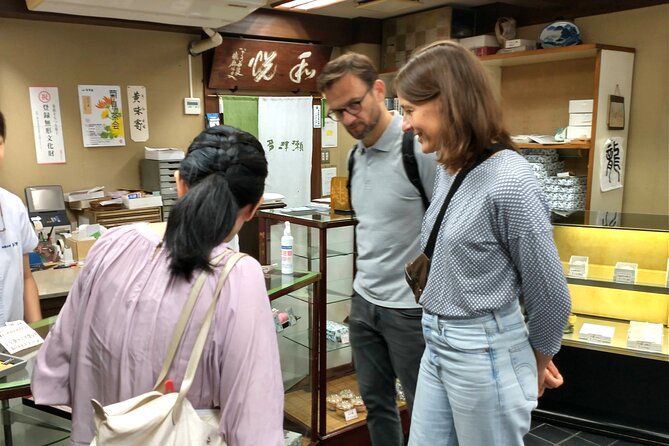
A private tour gives Sachi room to adapt the pace to your group. You can ask about matcha types, tea tools, sweets, or serving habits as they come up. That personal contact is especially helpful if this is your first encounter with Japanese tea culture.
The private format also makes the activity suitable for different ages and interest levels within one group. Someone who knows little about matcha can follow the basic lesson, while a more curious participant can ask about utensils or etiquette.
There is one trade-off. A private tour can feel less social than a shared class. You will not automatically meet other people from different countries or compare your whisking technique with a larger group. The benefit is a quieter, more direct lesson with Sachi.
The guide’s style, based on the available information, is warm and conversational. Sachi has expressed pleasure in learning about participants’ cultures as well as explaining Japanese tea. That suggests the conversation is part of the experience, not an interruption to it.
Walking through covered Hiroshima arcades
The total walking distance is about 1.2 kilometers, or roughly 0.75 miles. Most of it takes place through covered shopping arcades, linking Ebisu Street, Ura-Bukuro, and Naka-Tana.
That route is useful in practical terms. Covered arcades offer shelter from sun and some rain, so the experience is easier to manage than an outdoor walking tour. You still need to be comfortable walking between shops, but this is not a long-distance outing.
The arcades also give the tour a local urban feel. You see tea tools and confectionery in the setting of everyday Hiroshima shopping, rather than in an isolated cultural center. The short walk breaks up the seated lesson and helps you understand where the products come from.
The weather policy needs a little attention. Although much of the route is covered, the activity is marked as weather dependent. If poor weather causes cancellation, you can choose a different date or receive a full refund. It is sensible to check the forecast and keep your schedule flexible.
Is $55.60 a fair price?
At $55.60 per person, this tour costs more than simply ordering matcha and a sweet at a café. The price includes a private guide, two shopping visits, your chosen matcha and wagashi, the preparation lesson, and the chance to take leftover tea home.
The value depends on what you want from the outing. If you only want to taste matcha, a café will be cheaper and quicker. If you want to understand how the tea is selected, see traditional utensils, choose wagashi, and learn to whisk it yourself, the price is easier to justify.
The private format is important here. You are paying for direct attention rather than a large class. That can be good value for couples, families, or small groups who want to ask questions and set their own pace.
The experience does not include a formal tatami ceremony, an elaborate meal, or a long cultural performance. You should not book it expecting those things. Its value comes from personal guidance and participation, not ceremony or luxury.
Who will enjoy this matcha lesson?
I would recommend this activity to first-time visitors who want an approachable introduction to matcha. You do not need previous tea experience, and the lesson explains the basics before asking you to prepare the drink yourself.
It also suits anyone interested in Japanese sweets. The wagashi stop gives you a chance to choose the food rather than receiving a standard item, and the final pairing helps explain the role of sweetness alongside tea.
Families and small private groups may appreciate the simple format and short walking distance. People who prefer indoor activities will also find the covered arcades useful, especially during hot weather.
This is less suitable if you want a highly formal tea ceremony in a tatami room. It may also disappoint visitors looking for a long history lecture or a full-day food tour. The experience is compact, practical, and beginner-friendly.
Practical details before you book
Confirmation is provided when you book, and mobile tickets are accepted. The tour begins at the stated Starbucks meeting point and finishes there, which keeps the transport plan straightforward.
You can cancel for a full refund if you do so at least 24 hours before the 10:30 am start time. Cancellations or changes made within 24 hours are not accepted for a refund. Cutoff times use Hiroshima local time.
Since the rental space can change, it is wise to pay attention to any updated meeting instructions. The covered route reduces exposure to sun and rain, but the weather policy still applies.
Should you book the Hiroshima matcha experience?
Book it if you want to do more than drink matcha. The strongest reasons are the personal choice of tea and wagashi, Sachi’s beginner-focused instruction, the private format, and the chance to practice whisking instead of only watching.
Skip it if your main goal is a formal tea ceremony in a traditional room. The setting is casual, the walking route is urban, and the rental space may change. For a friendly two-hour introduction with a little shopping and a hands-on finish, however, $55.60 is a reasonable price, especially for a private group.
FAQ
Where does the tour begin?
It begins at Starbucks Coffee, 9-1 Hondori, Naka Ward, Hiroshima, 730-0035, Japan.
What time does the experience start?
The start time is 10:30 am.
How long does the tour last?
The experience lasts approximately two hours.
Where does the activity finish?
It finishes back at the original meeting point.
How much walking is involved?
You will walk about 1.2 kilometers, or approximately 0.75 miles.
Is the walking route covered?
Most of the walking takes place through covered shopping arcades.
Is this a formal Japanese tea ceremony?
No. The activity takes place in a casual rental space with tables and chairs, not in a traditional tatami-room setting.
Is the tour private?
Yes. Only your own group participates in the activity.
Can I cancel for a full refund?
Yes. You can receive a full refund if you cancel at least 24 hours before the experience start time. Changes or cancellations made less than 24 hours in advance are not accepted for a refund.
Fresh tea listings around Japan
- Yokohama : Tea Ceremony with Sweets and Souvenir★ 5.0 · 5 reviews
- Walking Tour: Yanaka,Nezu& Sendagi: Tea Ceremony & Old Tokyo★ 5.0 · 3 reviews
- Visit local home for music and tea ceremony near Disney★ 4.9 · 13 reviews
- Yokohama: Sushi & Gyoza Cooking with Matcha & GreenTea Experience★ 5.0 · 3 reviews
- Trip to Kamakura & Enoshima: Shrines, Seaside, Temples &Tea★ 5.0 · 11 reviews
- Uji: Private immersion into Kyoto’s tea and reglious culture★ 5.0 · 17 reviews
- Uji Tea Ceremony and UNESCO Heritage Walking Tour★ 5.0 · 20 reviews
- Kyoto tea town for matcha lovers★ 5.0 · 16 reviews
Matcha Experiences, compared.
World Heritage Kyoto & Nara Uji Authentic Matcha Experience
Read our review →
Matcha Making Class in Tokyo with Authentic Japanese Sweets Set
Read our review →
Kyoto: Tea Museum Tickets and Matcha Grinding Experience
Read our review →
Matcha Making Class in Osaka with Authentic Japanese Sweets Set
Read our review →
Kyoto: Tea Ceremony Meditation – Make Matcha with Tea Master
Read our review →
Tokyo: Matcha Making Experience with Mochi Sweets in Asakusa
Read our review →
Kyoto: Kimono Tea Ceremony with Matcha and Sweet
Read our review →
Browse the lists this tour appears in