
Review · MATCHA EXPERIENCES
Osaka: Tea Ceremony and Matcha Tea Bowl Making Workshop
The clever part of this Osaka experience is the pairing of tea ceremony and pottery. You first learn how matcha is prepared and served, then make the bowl that will one day hold your own tea. That connection gives the workshop more meaning than a quick craft class.
I like the calm, guided tea session and the chance to work with Anna, a ceramist who studied in Osaka and Barcelona. I also like that you receive a small dish for sweets, while your larger tea bowl is fired and sent to you later. The main drawback is the wait: the bowl takes about two months to arrive, and shipping is extra.
Key points at a glance
- Two Japanese traditions in two hours: Learn tea ceremony basics, then shape and decorate a matcha bowl.
- Anna leads the pottery work: She studied ceramics in Osaka and Barcelona and guides you through traditional techniques.
- Matcha and sweets are included: You prepare the tea and enjoy Japanese sweets during the tea session.
- Your bowl arrives later: Firing and delivery take about two months, with shipping charged separately.
- A private English-language activity: The format suits visitors who want personal guidance rather than a large class.
- The meeting point is simple: Meet at the north exit of JR Teradacho Station, where staff hold a Ceramics Tocoton sign.
Why this Osaka workshop feels different
Many Japanese cultural activities ask you to watch a demonstration, copy a few steps, and leave with a souvenir. This one links two parts of the same ritual. You learn how tea is made and appreciated, then create the bowl used for it.
That order matters. After seeing the care given to matcha preparation, you have a better sense of why the bowl needs a certain shape and feel. Pottery becomes more than a hands-on diversion. You begin to see the bowl as part of the ceremony.
The setting is in Ikuno Ward, away from Osaka’s best-known visitor routes. The workshop itself lasts two hours, and the surrounding area gives you a chance to continue exploring after class. The activity does not provide a full neighborhood tour, so plan your own time in Ikuno Ward once the class ends.
The experience is offered in English and is arranged as a private group. That should appeal to couples, families with older teenagers, and small groups who prefer to ask questions as they go. It also makes the session feel more personal than a crowded demonstration.
The activity currently has a five-star rating based on six reviews. The strongest praise centers on the helpful instruction, the peaceful tea ceremony, and the enjoyment of making a bowl by hand. Those are the parts I would consider most important when deciding if the price suits you.
More Matcha Experiences in Osaka
- Matcha Making Class in Osaka with Authentic Japanese Sweets Set
★ 5.0 · 509 reviews - Osaka: Matcha Making Experience with Japanese Sweets
★ 5.0 · 146 reviews - Osaka Temple Cool Foot Bath & Matcha Experience〈45min〉
★ 4.9 · 82 reviews
Meeting the tea ceremony master at Teradacho
Your meeting point is the north exit of JR Teradacho Station. Look for a staff member holding a sign marked Ceramics Tocoton. This is a useful detail in a busy station, so keep the exact wording handy and arrive with enough time to find the exit.
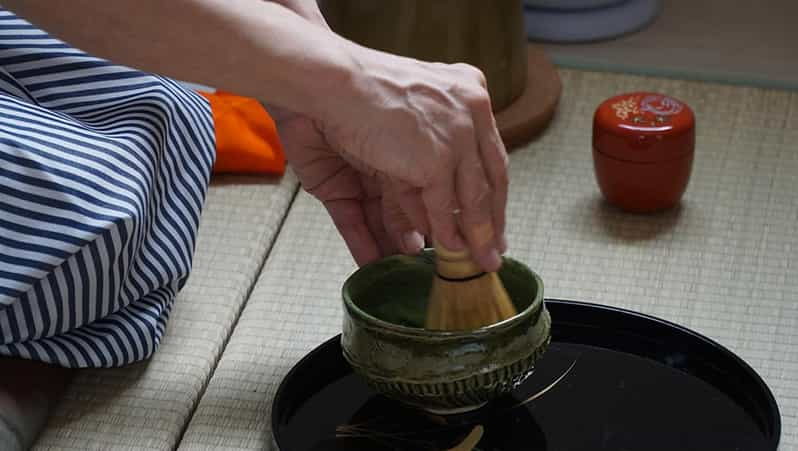
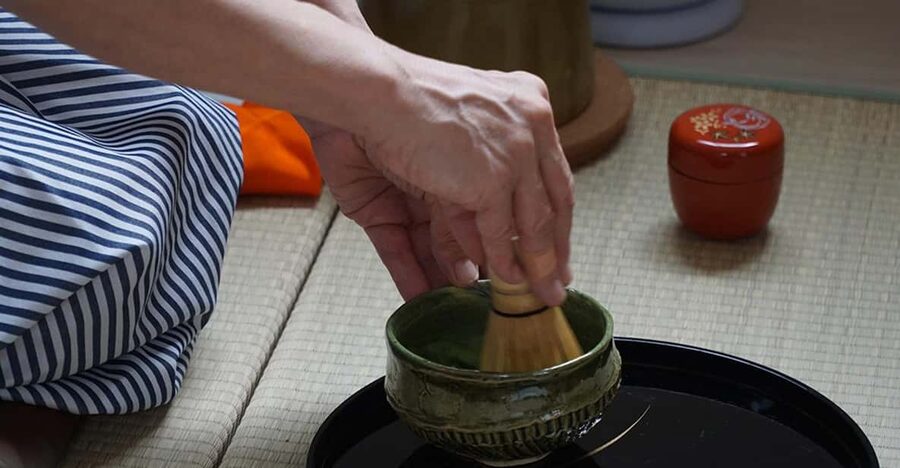
The schedule begins with an introduction to the traditional Japanese tea ceremony. The tea ceremony master explains the basic ideas and guides you as you prepare matcha. You are not simply handed a cup. You take part in the process.
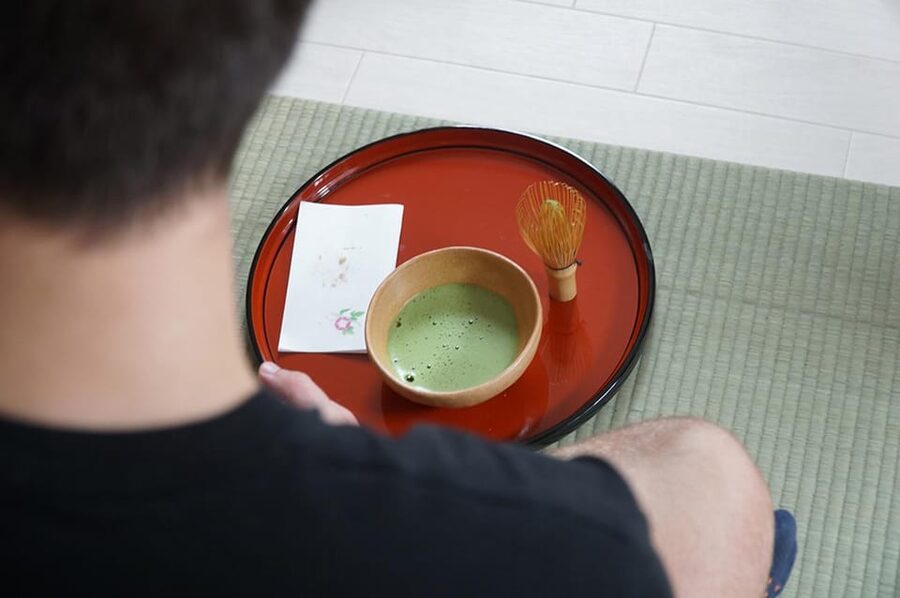
Matcha is whisked into a frothy drink from powdered green tea. Here, you also receive Japanese sweets to eat alongside it. The sweets are not an extra purchase, and they provide the proper companion to the tea rather than leaving you with a drink in isolation.
The tea portion is likely to appeal most to people who enjoy quiet, focused activities. One recent participant described the atmosphere as peaceful and relaxing, with a chance to slow down and pay attention to the tradition. That is a useful expectation: this is not a loud, fast-moving class.
You should also keep an open mind about the formal side of tea ceremony. Japanese tea preparation includes deliberate movements and customs that may feel unfamiliar at first. The instructor’s role is to make those basics approachable, so you can take part without needing prior experience.
The information provided does not name the tea ceremony master. You will meet the master at the start of the activity, while Anna is the named pottery instructor for the second half.
From drinking matcha to making the bowl
The second part moves from tea drinking to ceramics. Anna leads the pottery session. She studied pottery in Osaka and Barcelona, giving the workshop a connection to both Japanese methods and wider ceramic practice.
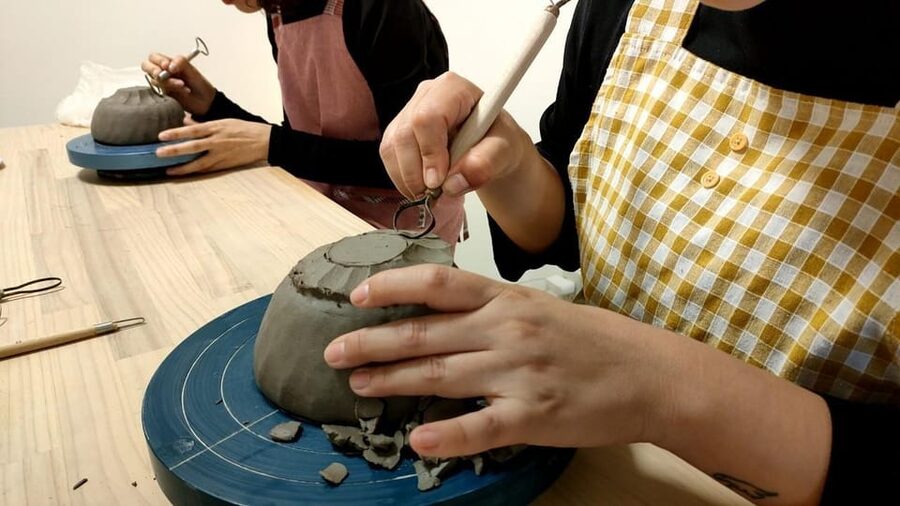
You shape your own matcha tea bowl and decorate it with traditional Japanese pottery techniques. The details of the exact clay process, tools, and finish are not specified, so do not arrive expecting a particular style or color. The clear promise is that you make the bowl yourself under guidance.
This is where the private format has real value. Pottery is easier to enjoy when you can ask for help at the moment your clay begins to lose its shape or your decoration needs adjustment. The provided feedback repeatedly points to Anna’s encouragement and helpful instruction, which matters in a craft class where a little guidance can save a lot of frustration.
Do not expect to produce a museum-quality bowl on your first attempt. The point is the process and the connection to the tea ceremony, not perfect symmetry. Handmade marks are part of what makes your piece personal.
You also receive a small dish as a gift. It can be used for sweets during tea ceremony, so you leave with something useful right away, even though the main bowl is still being finished.
The two-month wait for your finished bowl
Your matcha bowl is not ready to take home at the end of the class. It will be fired and sent to the address you provide after about two months. Shipping is not included in the $134 price.
That delay is normal for a pottery activity, but it affects how you should judge the souvenir. You are paying for the workshop and the chance to create a usable ceramic piece, not for an instant keepsake. Make sure you provide an address that will still work after your trip.
The shipping charge is another cost to include in your planning. The exact amount is not stated, so you should ask the provider if you need to set a firm budget. The two-month timeline also means this is not ideal if you need a finished souvenir before leaving Japan.
I like the delayed arrival in one way. It gives the experience a second chapter after your holiday. Still, it requires patience and a little trust in the delivery process. Keep your booking information and any shipping details until the bowl arrives.
More Tea Ceremonies in Osaka
- Osaka: Tea Ceremony Experience
★ 4.9 · 1,426 reviews - Tea Ceremony Experience in Osaka Doutonbori
★ 5.0 · 754 reviews - Osaka: Tea Ceremony, Calligraphy, and Kimono Experience
★ 4.9 · 130 reviews - Osaka: Japanese Traditional Sweets Making and Tea Ceremony
★ 4.7 · 118 reviews
Is $134 a fair price?
At $134 per person, this is not a bargain activity in the usual sense. You are paying more than you would for a short matcha tasting or a basic souvenir-making session. The price needs to be judged against the full package: a private English-language workshop, tea ceremony instruction, matcha, Japanese sweets, pottery guidance, a small dish, and a handmade bowl sent later.
The value is strongest if you want a personal cultural activity rather than a quick photo opportunity. You get two different types of instruction in one two-hour visit, and the tea and pottery sections support each other. The private group format also means the cost may make more sense for two or more people booking together.
The value is weaker if you only want to sample matcha or take home a souvenir immediately. Shipping costs extra, and you will wait around two months for the bowl. A visitor working with a tight budget should compare this with a simpler tea ceremony or a shorter craft class.
I would also factor in what you value on a trip. If you collect objects with a story, the bowl has a clear personal connection to the tea lesson. If you prefer sightseeing time, two hours plus transport and the later delivery may feel like too much effort for one ceramic piece.
What makes Ikuno Ward a useful setting
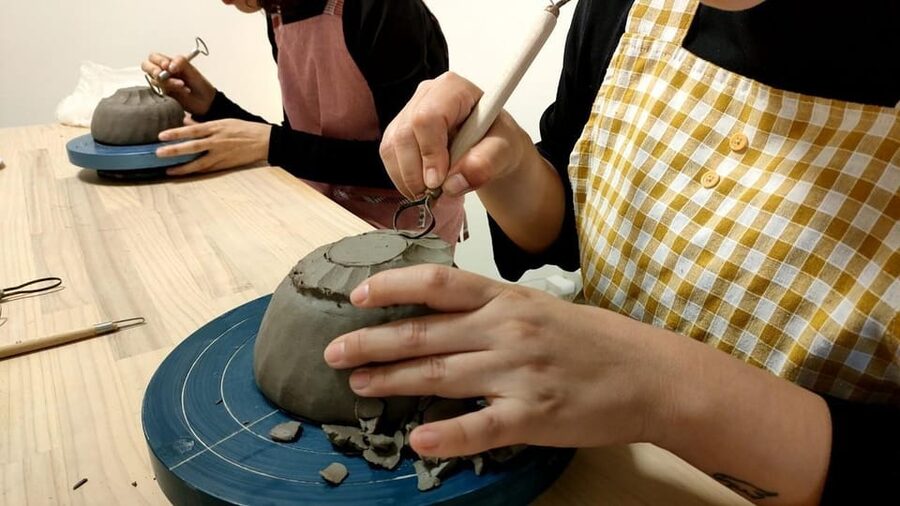
The workshop is based in Ikuno Ward, and you can explore the area afterward. The supplied information does not specify particular shops, restaurants, or sights, so you should not treat the activity as a guided neighborhood tour.
What you do get is a chance to place the class within a less famous part of Osaka. After two hours of quiet concentration, you can continue at your own pace rather than being rushed back to a central attraction. Check local opening hours and transport before adding a specific stop to your plans.
Teradacho Station is the practical anchor for the visit. Meet at the north exit, not simply at the station in general. If you are more than 15 minutes late, contact the provider. Arriving more than 15 minutes after the start counts as a no-show, so punctuality is important.
Who should book this experience?
I would recommend this workshop to adults and older teenagers who like making things with their hands. It suits people who want a calm activity, an introduction to matcha, and a souvenir with a personal story.
It is also a good choice for anyone who has already seen Osaka’s major sights and wants a quieter change of pace. The combination of tea and pottery gives you more to think about than a single demonstration.
The age limit is clear: children under 13 are not allowed. The activity is also not suitable for wheelchair users. Those restrictions should be considered before booking, especially for a mixed-age group.
You do not need to know how to make matcha or work with clay. The instructors guide you through both sections, and the feedback from the experience points to clear, encouraging help. Still, you should be comfortable following a structured activity and accepting that your final bowl may look handmade rather than perfect.
Practical details that affect your day
The class lasts two hours, but allow extra time for getting to Teradacho Station, finding the north exit, and meeting the staff member with the sign. The meeting point is not described as the workshop room itself, so do not wait inside the station without looking for the sign.
English instruction is available. The group is private, which is useful if you want to ask questions about tea ceremony or pottery without holding up a large class.
Matcha and Japanese sweets are included. Shipping for the bowl is not included, and the bowl is sent after about two months. Smoking, alcohol, and drugs are not allowed during the activity.
You can cancel up to 24 hours in advance for a full refund. The reserve-now, pay-later option can help if your Osaka schedule is still changing, but check the final booking terms when you choose your date.
Should you book the tea ceremony and pottery workshop?
Book it if you want an intimate cultural activity that gives you something to do, not just something to watch. The strongest reasons are the calm tea preparation, Anna’s guided pottery work, and the way your handmade bowl connects the two halves.
Think twice if you need an accessible activity, are traveling with children under 13, or want to carry your finished souvenir home that same day. The extra shipping cost and two-month wait are real considerations.
For the right person, $134 is a reasonable price for a private English-language workshop with two linked traditions and a handmade item to come later. I would choose it for a slower Osaka day, arrive early at Teradacho Station, and treat the future arrival of the bowl as part of the experience.
FAQ
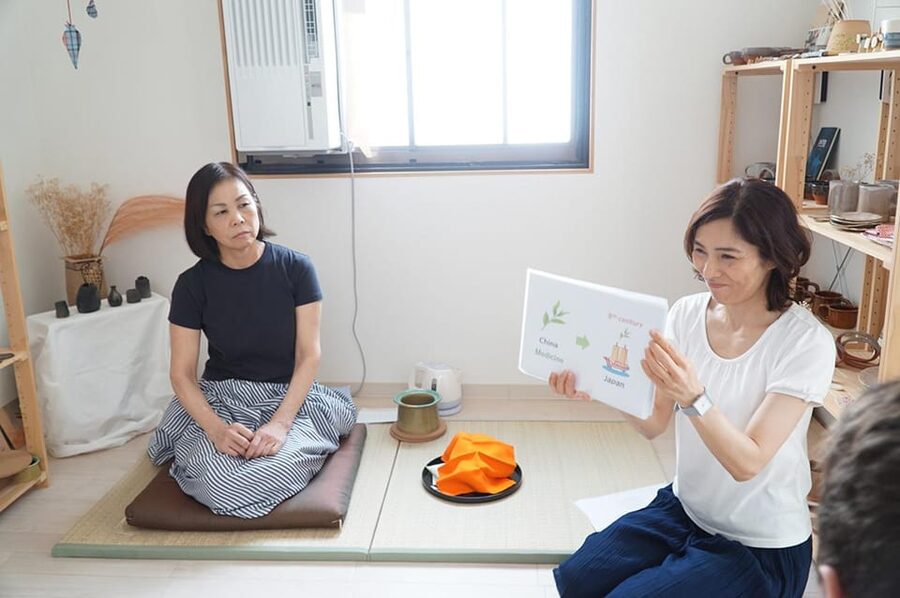
How long does the tea ceremony and pottery workshop last?
The activity lasts two hours.
Where do I meet the staff?
Meet at the north exit of JR Teradacho Station. Look for a staff member holding a Ceramics Tocoton sign.
Is the workshop offered in English?
Yes. English instruction is available.
Is this a private activity?
Yes. The group type is private.
What do I do during the tea ceremony portion?
You learn the basics of traditional Japanese tea ceremony, prepare matcha with guidance from a tea ceremony master, and enjoy Japanese sweets with the tea.
Who leads the pottery session?
Anna leads the pottery session. She studied pottery in Osaka and Barcelona.
What will I make?
You will shape and decorate a matcha tea bowl using traditional Japanese pottery techniques.
Can I take the bowl home after the class?
No. The bowl is sent to the address you provide after about two months.
Is shipping for the bowl included?
No. Shipping costs are not included in the activity price.
Can children join the workshop?
Children under 13 are not allowed. The activity is also not suitable for wheelchair users.
Fresh tea listings around Osaka
- Osaka:Zen Tea Ceremony and Foot Bath Experience<45min>★ 5.0 · 7 reviews
- Nara Deer Park, Uji Matcha, & Hot Spring Full-Day Tour from Osaka★ 4.0 · 21 reviews
- Osaka: Tea Ceremony, Calligraphy, and Kimono Experience★ 5.0 · 6 reviews
- Osaka: Nara, Todaiji, Uji Matcha, and Hot Spring Tour★ 4.0 · 7 reviews
- Discover Japanese Tea Blending Techniques in Osaka★ 5.0 · 19 reviews
- Osaka Japanese Cooking And Matcha Class near Osaka Castle★ 5.0 · 22 reviews
- Craft Sushi and Matcha Ice Cream in Central Osaka (3-Course Meal)★ 5.0 · 2 reviews
- ZEN therapy | Shiatsu-style massage, EnergyTherapy & Japanese Tea★ 5.0 · 5 reviews
Matcha Experiences, compared.
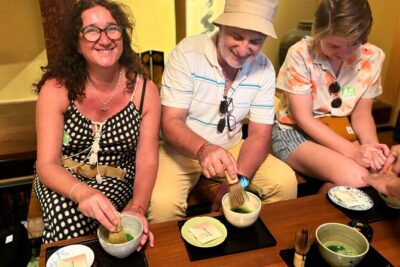
World Heritage Kyoto & Nara Uji Authentic Matcha Experience
Read our review →
Matcha Making Class in Tokyo with Authentic Japanese Sweets Set
Read our review →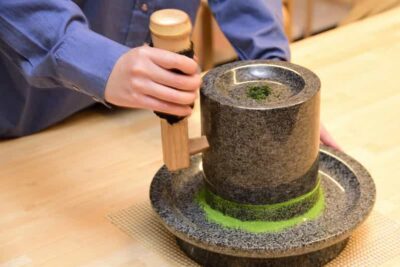
Kyoto: Tea Museum Tickets and Matcha Grinding Experience
Read our review →
Matcha Making Class in Osaka with Authentic Japanese Sweets Set
Read our review →
Kyoto: Tea Ceremony Meditation – Make Matcha with Tea Master
Read our review →
Tokyo: Matcha Making Experience with Mochi Sweets in Asakusa
Read our review →
Kyoto: Kimono Tea Ceremony with Matcha and Sweet
Read our review →
Browse the lists this tour appears in