
Review · TEA CEREMONY EXPERIENCES
Oboro | Mindful Tea Ceremony in a 100-Year-Old Kyoto Teahouse
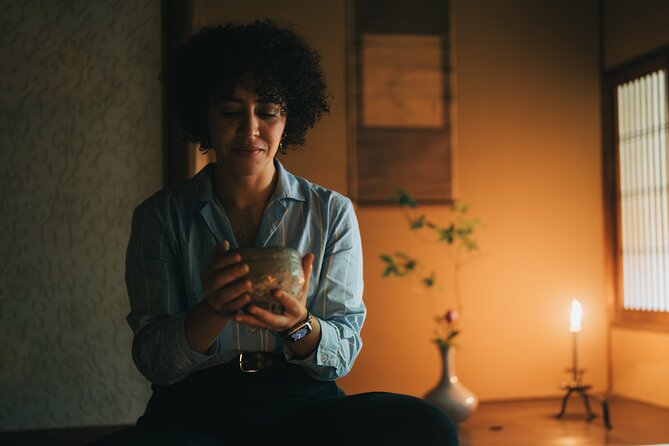
At Oboro, the main attraction is not simply a bowl of matcha. It is the pause around it. In a candlelit room inside a 100-year-old Kyoto teahouse, you watch each utensil cleaned, each movement considered, and each bowl prepared one at a time. The mood is calm, spare, and far removed from a busy café.
I like the small maximum of eight people, which gives you room to see the ritual and ask questions. I also like the English guidance, especially with hosts such as Taku and Naoki, who explain the meaning behind the movements instead of leaving you to guess. The main consideration is timing: arriving more than 10 minutes late means you cannot join.
Key things to know before booking
- The ceremony lasts about 50 minutes, making it an easy cultural experience to fit between sightseeing stops.
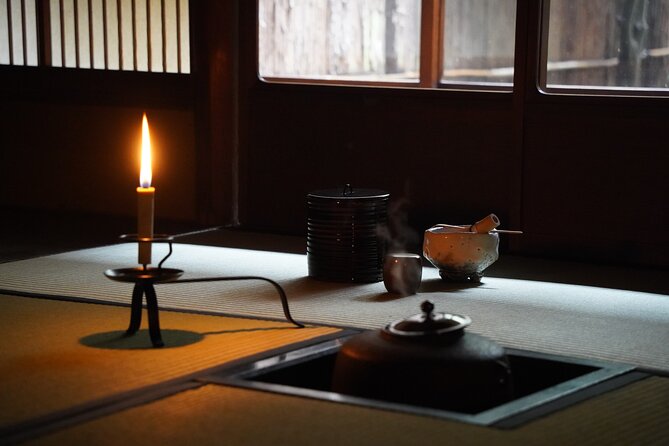
- The setting is candlelit and minimally decorated, with a quiet mood built around attention and stillness.
- An English-speaking guide translates and explains the ceremony, so you are not left trying to follow formal Japanese customs alone.
- You may taste more than matcha, with welcome tea, sweets, and locally made tea included.
- The group is limited to eight people, a useful size for seeing the host’s technique clearly.
- A handmade candle is included as a keepsake, tying the idea of calm to something you can take home.
Entering Oboro’s candlelit Kyoto teahouse
The experience begins at 237 Nakaogawachō in Kyoto’s Kamigyo Ward, near public transportation. You return to this same meeting point at the end, so there is no complicated transfer or second destination to work out.
The first impression is deliberately quiet. The room uses handmade candles, soft light, gentle sounds, and very little decoration. That simplicity matters. In a restaurant, tea is usually one part of a meal or a quick order at the counter. Here, the room asks you to slow down before the tea is even prepared.
You begin with a welcome tea and sweets. This is a small but useful transition from sightseeing mode to ceremony mode. Kyoto can fill your day with temples, buses, crowds, and long walks. A few quiet minutes with tea and a sweet gives you a chance to reset your attention.
The space is designed for reflection rather than spectacle. If you want a colorful show, a large historic building, or a long list of photo stops, this is not that kind of activity. If you want to observe a careful ritual in a peaceful room, the setting does much of the work.
More Tea Ceremonies in Kyoto
- Kyoto: Tea Ceremony in a Traditional Tea House in Kiyomizu
★ 4.9 · 3,519 reviews - Kyoto: Tea Ceremony Ju-An at Jotokuji Temple
★ 4.9 · 3,207 reviews - Kyoto: 45-Minute Tea Ceremony Lesson Experience
★ 4.3 · 2,378 reviews
Watching the utensils become part of the ritual
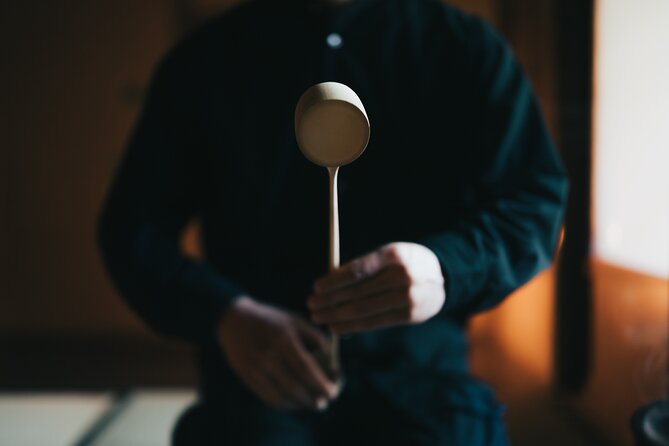
The host leads you into the tearoom and begins by cleaning and preparing the utensils. This part is easy to underestimate. The tea itself comes later, but the preparation shows why a Japanese tea ceremony is treated as an art rather than a simple drink service.
You will see the host handle each item with care and purpose. The movements are measured, and the pace leaves room for you to notice details. The ceremony is not presented as a test of your manners. Instead, the English-speaking guide helps explain what is happening and why it matters.
This is where the experience works well for first-time visitors. You do not need prior knowledge of tea ceremony customs. The hosts answer questions, explain the process, and help you understand the difference between watching a ritual and simply being served matcha.
Taku is noted for combining clear explanations with an entertaining manner. Naoki is described as soft-spoken, which suits the reflective tone of the room. Ryoko also helps create the welcoming atmosphere. The exact host may vary, but the experience includes an English-speaking guide, so language should not be a major barrier.
The ceremony draws on a tradition of more than 1,200 years of tea culture in Japan. You do not receive a full academic history lesson in 50 minutes, but you get a practical look at how respect, focus, hospitality, and quiet awareness come together around tea.
The matcha preparation, one bowl at a time
After the utensils are ready, the host prepares a rare organic green tea. The tea is whisked carefully and served one bowl at a time. That pacing gives each person a clear moment with the tea instead of turning the ceremony into a group demonstration that ends before you can follow it.
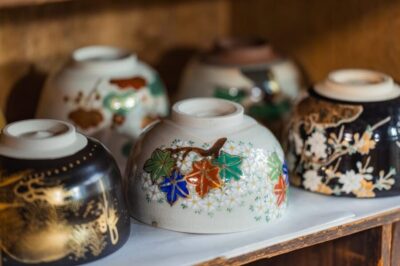
You are encouraged to notice the flavor, the warmth of the bowl in your hands, and the effect of the candlelight around you. That sensory focus is central to the activity. You are not only learning how matcha is made. You are being asked to pay attention to the bowl, the aroma, the texture, and the quiet pause after each sip.
The matcha may suit you if you already enjoy green tea or want to try it in a traditional setting. If you dislike matcha’s grassy flavor, do not assume the experience will convert you. One useful detail is that the tea options can be flexible. One family member chose matcha while another preferred black tea, so this can work for a mixed group with different tastes.
The tea is served with a dessert treat, and the welcome tea and sweets help keep the experience from feeling too austere. Still, this is not a food tour. The portion is part of the ceremony, not a meal replacement. Eat beforehand if you need a full breakfast, lunch, or dinner.
Why the small group size matters
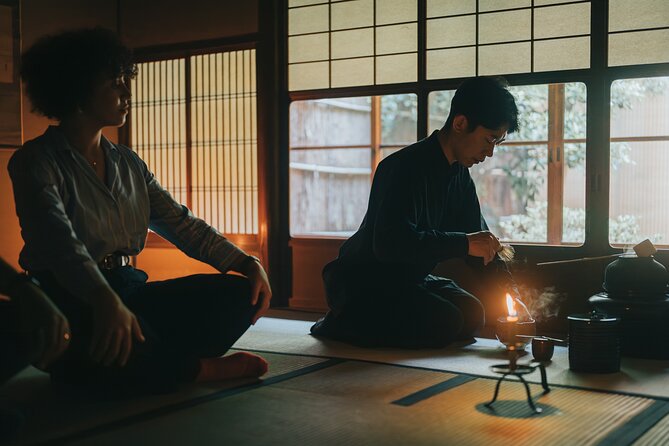
Oboro limits the experience to eight people. That is a meaningful advantage in a ceremony where the host’s hands, utensils, and timing are important. In a large group, you may spend much of the session watching someone’s back or trying to see across several rows. Here, the smaller scale makes it easier to follow the preparation.
The group size also helps with questions. You can ask about the tea, the utensils, the movements, or the meaning of the ritual without interrupting a large presentation. The hosts are described as patient, polite, and willing to explain, which makes the activity approachable for first-timers.
A small group does not mean private service. You may still share the room with several other people, and the experience can include up to eight participants. If you want a completely private ceremony, confirm the booking details before paying. The available information promises a maximum group size, not a private reservation.
The quiet setting also means you should match your expectations to the tone. This is not a loud, social class with constant conversation. The pleasure comes from watching, listening, and allowing the ritual to unfold at its own pace.
Same city, a very different cup:
- Kyoto: Table-Style Tea Ceremony at a Kyo-Machiya
★ 4.9 · 1,211 reviews - Kimono Tea Ceremony at Kyoto Maikoya, NISHIKI
★ 5.0 · 911 reviews - Kyoto: Kimono Tea Ceremony at Orizuruya Gion
★ 4.9 · 618 reviews - Kyoto: Tea Ceremony in 100-year-old Kyo-Machiya Townhouse
★ 4.8 · 546 reviews
A 50-minute break from Kyoto’s busy schedule
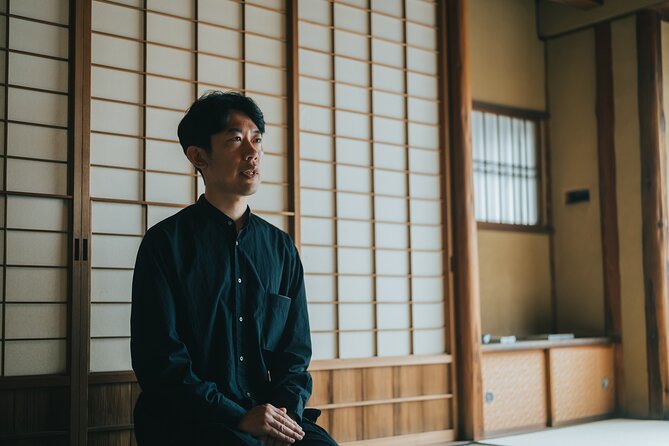
At about 50 minutes, Oboro is short enough to fit into a busy Kyoto day. You can pair it with sightseeing in the Kamigyo Ward or schedule it between other plans without giving up half a day.
The short duration is also a strength for families, couples, and first-time visitors who want a cultural activity without committing to a long formal program. It offers a focused introduction to tea ceremony rather than trying to cover every aspect of Japanese tea culture.
The tradeoff is that the experience cannot offer a complete lesson in tea history, philosophy, tools, and etiquette. You get a concentrated encounter with the ritual. If you want a longer workshop where you prepare several bowls yourself or practice every movement repeatedly, this may feel brief.
For most people, the length is sensible. It gives you enough time to settle into the room, watch the preparation, taste the tea, and leave with a clear sense of the ceremony without making the activity feel demanding.
What makes this more than tea in a café
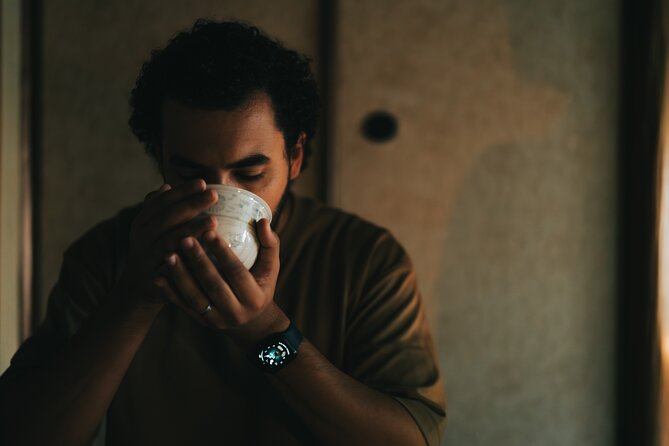
A café can give you a good matcha, but it rarely gives you the context surrounding it. At Oboro, the drink is one part of a larger act of hospitality. The room, the utensils, the host’s movements, the sweets, and the silence all shape the experience.
The ceremony also offers a closer look at Japanese ideas of respect and presence. You are invited to focus on the person preparing the tea and on the people sharing the room. The atmosphere encourages gratitude without requiring you to follow rigid rules from the moment you enter.
That balance is important. Some formal tea ceremonies can feel intimidating if you do not know when to bow, how to hold the bowl, or which details matter most. Oboro presents the ritual in a way that is gentle and understandable, with translation and explanation along the way.
The experience can suit people who do not normally drink tea. One person described the ceremony as worthwhile even for someone who does not like tea, because the cultural display and careful coordination are fascinating on their own. You should still expect the tasting to be part of the session, but the value is not limited to the flavor.
The handmade candle at the end
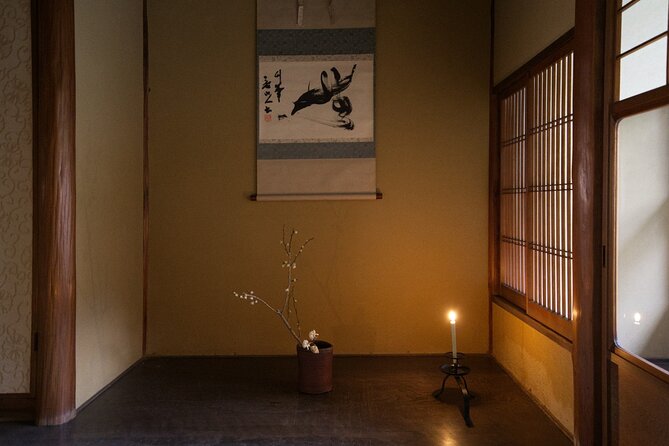
The experience ends with a small handmade candle. It is a simple souvenir, but it fits the theme better than a generic gift-shop item. The candle recalls the light in the teahouse and gives you a physical reminder of the quiet pause you experienced.
Do not expect a large shopping opportunity or a full craft workshop. The candle is a token, not the main activity. Its value is symbolic: you can light it later and remember the idea of making time for tea, attention, and gratitude.
This final detail helps the experience feel complete. You enter from a busy day, watch the room settle, taste the tea, and leave with something connected to the atmosphere.
Price, value, and who should book
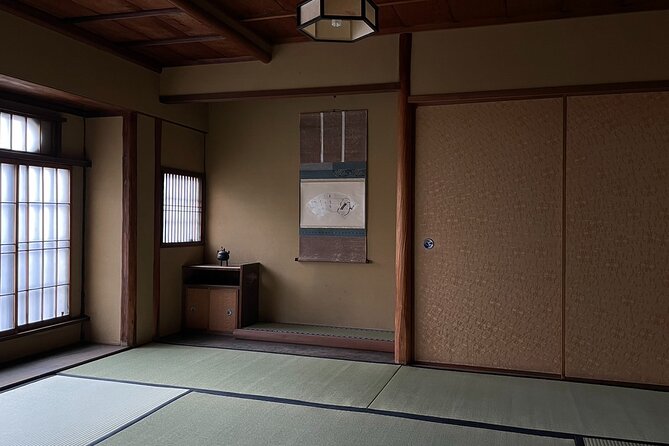
The price is $45.98 per person. That is more than a bowl of matcha at a café, but the comparison is not quite fair. You are paying for the host’s time, the small group, the English explanation, the traditional setting, the sweets, the tea, and the full ritual around the drink.
I consider the price reasonable if you want a cultural activity with a strong sense of place and a clear beginning and end. The small group is especially important to the value. You are not just buying tea. You are buying access to a setting and process that you would not normally see during a casual café visit.
It is less useful for you if your main goal is to drink a large amount of tea, eat a substantial snack, or practice making matcha yourself. The ceremony is about observation and participation in a respectful ritual, not quantity.
This suits:
- First-time visitors who want an easy introduction to tea ceremony
- Couples looking for a quiet Kyoto activity
- Families with different levels of interest in Japanese culture
- People who prefer small groups to large demonstrations
- Visitors who want an indoor cultural experience lasting less than an hour
- Anyone interested in mindfulness, ritual, and traditional hospitality
It may not suit you if you need a fully private booking, dislike quiet activities, or want a hands-on class with extended practice.
Timing, arrival, and cancellation details
Arrive early. The experience does not accept participants more than 10 minutes after the starting time, and a tea ceremony depends on a shared beginning. A late arrival would disrupt the quiet preparation and leave you missing an important part of the session.
Confirmation is provided when you book, and mobile tickets are accepted. The meeting point is 237 Nakaogawachō, Kamigyo Ward, Kyoto, 602-0053, Japan. The activity ends back at that same meeting point.
You can cancel for a full refund if you do so at least 24 hours before the start time. Changes or cancellations within 24 hours are not accepted for a refund. The activity can also be rescheduled or refunded if poor weather affects the operation or if the minimum number of participants is not met.
The experience is listed as requiring good weather, so check your booking details if rain is expected. The maximum group size is eight, but the activity also requires a minimum number to run.
Should you book the Oboro tea ceremony?
Book this if you want a calm, well-explained introduction to Japanese tea ceremony rather than a fast cup of matcha. The old teahouse, candlelight, small group, English guidance, and careful preparation give the experience a clear sense of purpose.
I would especially recommend it for first-time visitors who want cultural context without a long lecture. Hosts such as Taku and Naoki help make the ritual understandable, while the sweets, alternative tea option, and friendly tone keep it from feeling stiff.
Skip it if you want a large meal, a long hands-on workshop, or a private room guaranteed by the standard booking. For everyone else, $45.98 buys a thoughtful 50-minute pause in Kyoto, with a handmade candle to carry the memory home.
FAQ
Where does the Oboro tea ceremony take place?
It takes place at 237 Nakaogawachō, Kamigyo Ward, Kyoto, 602-0053, Japan.
How long does the experience last?
The tea ceremony lasts approximately 50 minutes.
How many people can join?
The activity has a maximum of eight participants.
Is an English-speaking guide included?
Yes. An English-speaking guide is included to translate and explain the ceremony.
What is included in the price?
Coffee and/or tea and an English-speaking guide are included. Sweets are also part of the ceremony experience.
Are tips and gratuities included?
No. Tips and gratuities are not included.
Is the activity suitable for someone attending a tea ceremony for the first time?
Yes. The host explains the process and answers questions, making it suitable for first-time participants.
Can I drink something other than matcha?
The experience includes rare organic green tea, and the available information also notes that black tea can be chosen.
What happens if I arrive more than 10 minutes late?
You cannot join the activity if you arrive more than 10 minutes after the start time.
Can I cancel for a full refund?
Yes. You can receive a full refund if you cancel at least 24 hours before the experience starts. Changes or cancellations made less than 24 hours before the start time are not accepted for a refund.
Fresh tea listings around Kyoto
- Traditional Tea Ceremony in Kyoto★ 4.5 · 3 reviews
- Kyoto: Authentic Tea Ceremony in a Small Group★ 5.0 · 7 reviews
- Uji Walking Tour – Byodo-in temple and Tea Ceremony from Kyoto★ 3.5 · 3 reviews
- Tea Ceremony Experience in Traditional Kyoto Townhouse★ 5.0 · 19 reviews
- Tea Ceremony in 150 Years Old Townhouse with Tables and Chairs★ 5.0 · 22 reviews
- Tea ceremony at Kyoto’s Zen Temple Teahouse★ 5.0 · 2 reviews
- Silent Beauty of Kyoto Zen Walk and Tea Experience★ 5.0 · 2 reviews
- Sencha-do the Japanese Tea Ceremony Workshop in Kyoto★ 5.0 · 21 reviews
Tea Ceremony Experiences, compared.
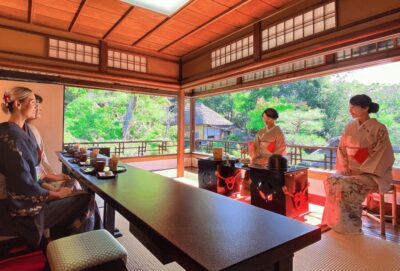
Kyoto: Tea Ceremony in a Traditional Tea House in Kiyomizu
Read our review →
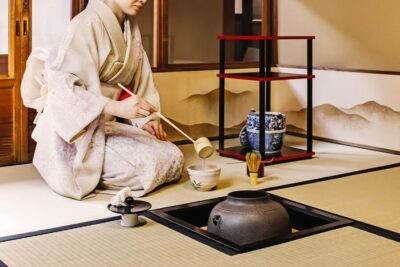
Kyoto: 45-Minute Tea Ceremony Lesson Experience
Read our review →
Kyoto: Table-Style Tea Ceremony at a Kyo-Machiya
Read our review →
Browse the lists this tour appears in