
Review · TEA CEREMONY EXPERIENCES
Nagoya: Japanese Traditional Sweets making and Tea Ceremony
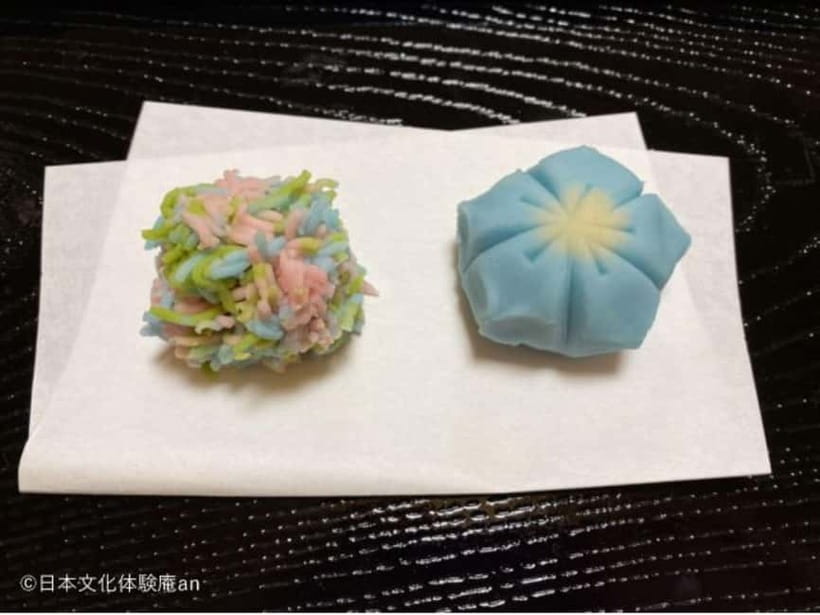
Making Japanese sweets by hand is the best part of this Nagoya experience. You shape colored bean paste into seasonal flowers, leaves, fruit, or other designs, then prepare matcha and eat your creations. The work is simple enough for beginners, but precise enough to make you laugh at your first attempt.
I like the use of Kyoto-made white and red bean paste, and I like that the sweets change with the season. The class also gives you more than a quick craft: you grind matcha, learn how to drink it, and hear why the bitter tea works so well with sweet nerikiri.
The main thing to know is that this is an introduction to tea culture, not a long, formal tea ceremony. English support is available, and some instructors, including Mariko and Saki, have led sessions in clear English, but translation is not guaranteed in every class.
Key points before you book
- Make two seasonal nerikiri sweets, including a flower-shaped sweet and a kinton-style design.
- Use premium bean paste from long-established Kyoto shops, with white and red bean paste prepared for traditional wagashi.
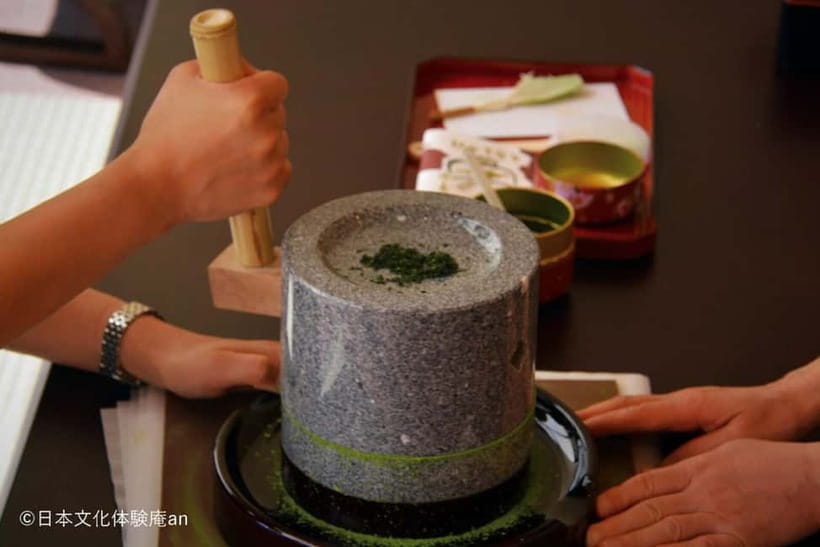
- Prepare single-origin Uji matcha, including a grinding demonstration and hands-on tea making.
- Spend 95 minutes indoors near Nagoya Station, with the meeting point one minute from Kokusai Center Station.
- Expect a relaxed, hands-on class, not a full-length formal tea ceremony with every traditional procedure.
- Budget 100 yen for a takeout box if you want to carry your sweets away, plus 300 yen for an optional completion certificate.
Why this small class works well in Nagoya
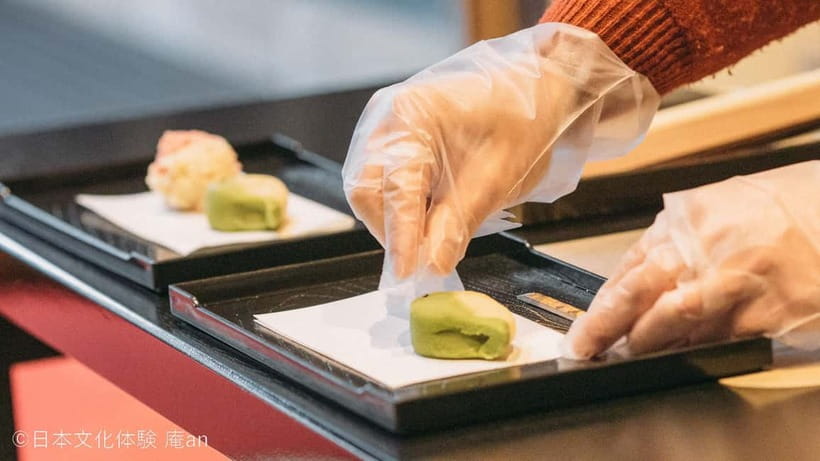
Nagoya is often treated as a transport stop between Tokyo and Kyoto. That is a shame. The city has its own food traditions, museums, and useful cultural experiences, but you need to choose carefully if your schedule is tight. This 95-minute class fits neatly into a morning or afternoon and gives you something you cannot get from simply walking through a market.
The appeal is not just eating wagashi. You handle the paste, add color, and work out how to form a three-dimensional sweet with your fingers and simple tools. The finished piece may not look like the instructor’s first time around. That is part of the fun. Several people have found the shaping both rewarding and pleasantly difficult, especially when trying to copy seasonal details.
I like the balance here. You learn a craft, then sit down with matcha and taste what you made. The class does not demand a full day, a formal dress code, or specialist knowledge. At $18 per person, the price is modest for an instructor-led cultural activity that includes two kinds of sweets and tea preparation.
More Tea Ceremonies in Japan:
- Kyoto: Tea Ceremony in a Traditional Tea House in Kiyomizu
★ 4.9 · 3,519 reviews - Kyoto: Tea Ceremony Ju-An at Jotokuji Temple
★ 4.9 · 3,207 reviews - Kyoto: 45-Minute Tea Ceremony Lesson Experience
★ 4.3 · 2,378 reviews
Finding the classroom near Kokusai Center Station
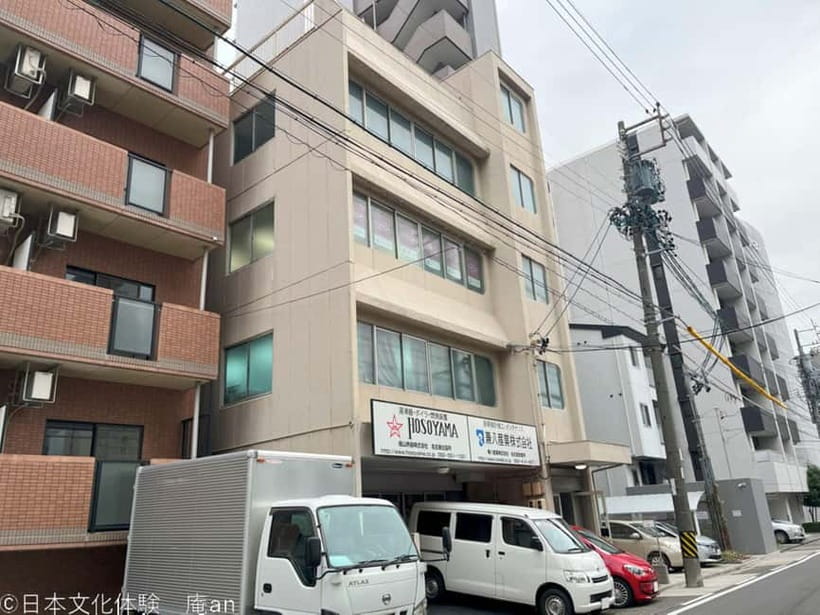
The meeting point is one minute from Exit 3 of Kokusai Center Station on Nagoya’s Sakura-dori subway line. From Nagoya Station, allow about 13 minutes on foot from the Sakura-dori side. The coordinates are 35.1715323, 136.891893.
The venue is on the third floor, and there is no elevator. That matters if anyone in your party has difficulty with stairs, so check this before booking. The location is close enough to Nagoya Station to fit before a train, but do not cut it too close. The class cannot be held for late arrivals, even if your train or taxi is delayed.
The operating window is 10:00 to 17:00. Starting times depend on availability, so check the schedule when you reserve. I would arrive a few minutes early, particularly if you are walking from Nagoya Station or finding the exit for the first time.
First 55 minutes: shaping seasonal nerikiri
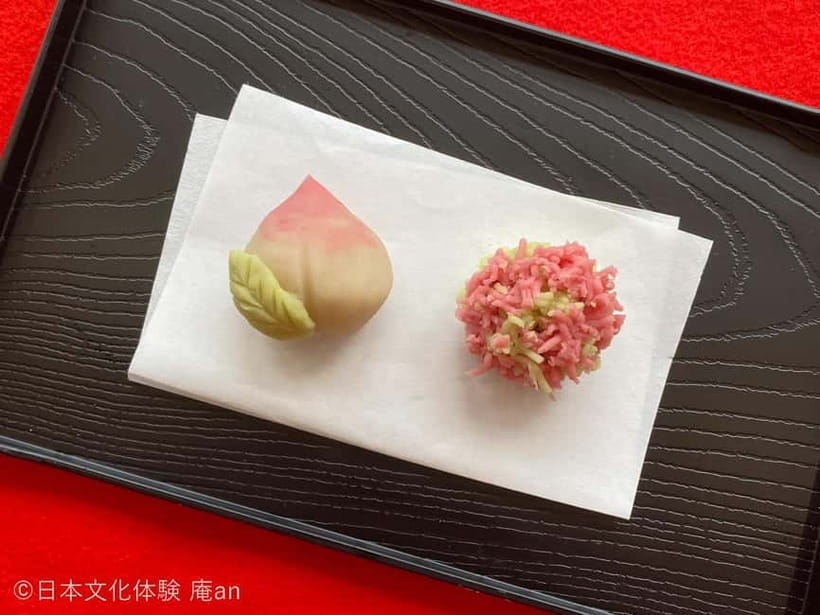
The class begins with an explanation of Japanese traditional sweets, then moves into the first making session. You start with the coloring of white bean paste. This is a useful choice because it shows you that the bright color and delicate finish are not simply added decoration. The appearance is part of the sweet’s seasonal message.
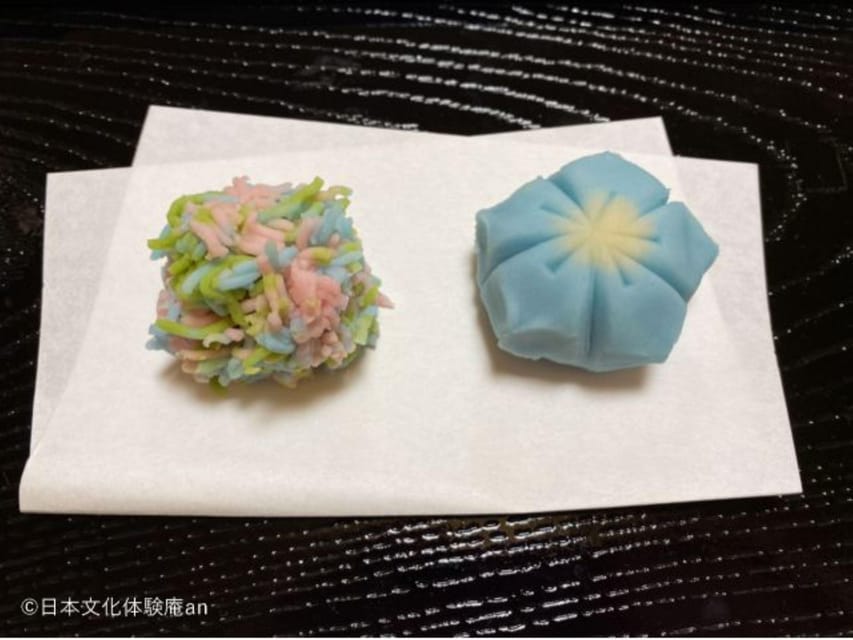
Nerikiri is a high-grade wagashi made from colored white bean paste. It is shaped to suggest flowers, fruits, leaves, or other natural forms. The exact designs change with the season, so a spring class may have a different visual theme from an autumn class. The supplied examples include a ginkgo leaf and chestnut, which shows how the subject can shift beyond the familiar cherry blossom.
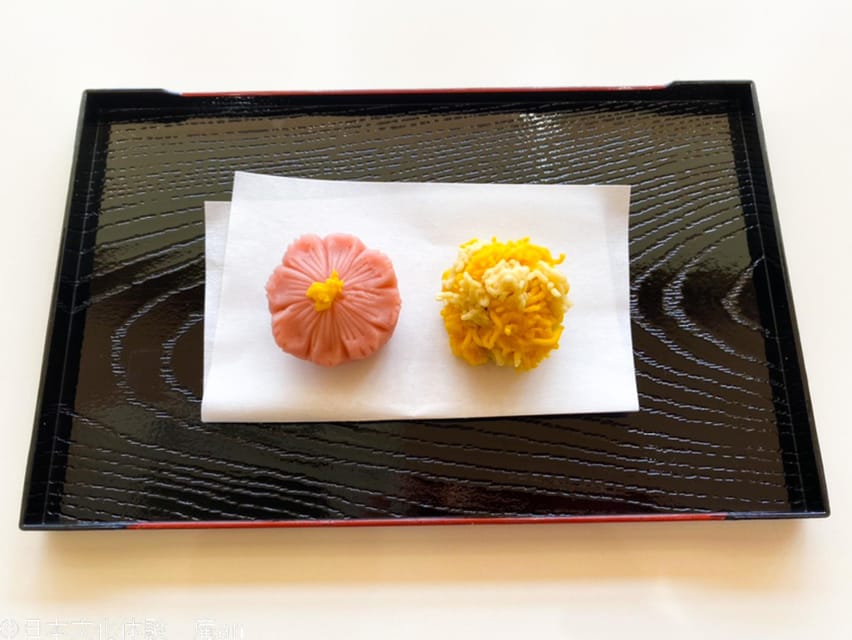
The first sweet is flower-shaped nerikiri. Your instructor demonstrates the process, then you copy the basic movements. Expect to press, fold, smooth, and shape the paste. The result depends on small changes in pressure, so the class gives you a quick lesson in why handmade Japanese sweets are valued.
The second is kinton nerikiri. Kinton often has a more textured appearance, with fine strands or a softly piled surface. It looks elaborate, but the instructor breaks the work into steps. I would pay close attention during the demonstration because the shape is easier to understand when you see the whole process before handling the paste.
The ingredients are a real strength. The class uses white and red bean paste made by long-established shops in Kyoto, rather than treating the sweets as a generic craft. You get to work with the same basic material that gives traditional wagashi its soft texture and gentle sweetness.
You will have around 55 minutes for the opening part of the program. That is enough time to make two pieces without turning the activity into a rushed assembly line. It also leaves room for questions about the sweets and ingredients.
The break and the value of making two sweets
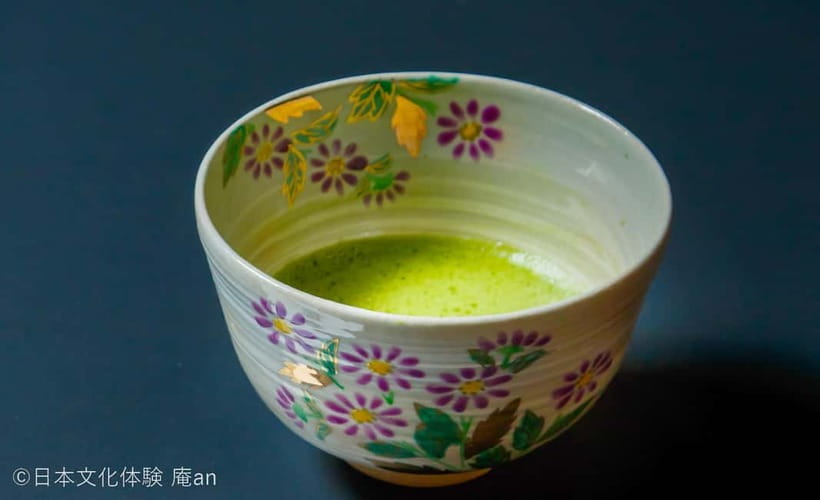
A short break follows the first making session. This is useful because the experience has two different rhythms. The opening section is active and detailed. The tea portion is slower and more reflective.
Making two sweets also improves the value of the class. You are not simply repeating one design. You get to try different shapes and finishes, and you can compare the results when you eat them later. For families, this gives each person a separate project and creates an easy way to work side by side.
Children can take part if they can manage the activity. A six-year-old has enjoyed the class with support from the hosts, and children under two who sit on a parent’s lap are free. The class is still an adult-led cultural activity, so young children will need help with the fine shaping work.
If you want to take the sweets away instead of eating them at the venue, a box costs 100 yen. The activity itself is designed to finish with eating and drinking, so the box is an optional extra rather than something you need to buy.
More Tea and Sweets Making in Japan:
- Matcha Making Class in Tokyo with Authentic Japanese Sweets Set
★ 5.0 · 744 reviews - Matcha Making Class in Osaka with Authentic Japanese Sweets Set
★ 5.0 · 509 reviews - Tokyo: Matcha Making Experience with Mochi Sweets in Asakusa
★ 4.9 · 388 reviews - Kyoto: Japanese Traditional Sweets Making and Tea Ceremony
★ 4.4 · 314 reviews
From Uji leaves to your own bowl of matcha
After the sweet-making session and break, the instructor explains tea. You see a demonstration of matcha grinding, then take part in preparing your own drink. The tea is Uji matcha, and the class uses a single-origin variety selected for the experience.
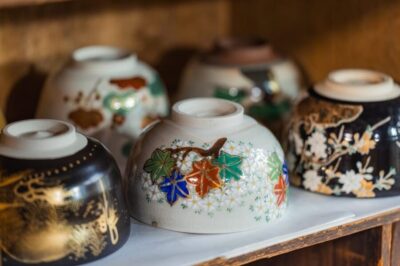
This hands-on step gives you a better sense of what matcha involves than simply ordering a green drink at a café. You see the powder, learn the basic preparation, and taste the tea alongside your sweets. The class explains the proper way to drink matcha, along with the role of the bowl and the process of preparing it.
The bitter, grassy character of matcha can surprise people who expect sweet green tea. That is why the pairing matters. The bean paste supplies a smooth sweetness, while the matcha cuts through it. Eating your own sweets after preparing the tea makes the relationship between the two easier to understand.
The tea session is not presented as a full formal ceremony. One visitor specifically noted that you should not expect every ritual and procedure of a traditional tea gathering. I see that as a useful distinction, not a flaw. You get a clear, practical introduction without spending hours learning formal movements that may be difficult to follow on a short holiday.
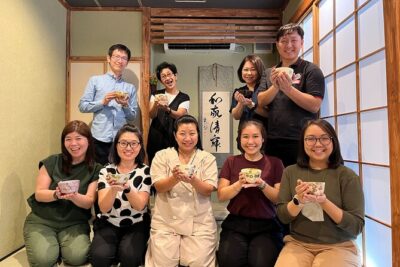
The class includes time for pictures after the tea ceremony experience. The complete activity ends at around 85 minutes, followed by eating and drinking time before room departure at 95 minutes. You can expect the final part to feel unhurried compared with the making session.
The instructors and language question
The listed instructor language is Japanese, and English translation is provided as much as possible if you request it. Contact the provider in advance if English instruction is important to you.
Language support has worked especially well with instructors such as Mariko and Saki. Mariko has explained the sweets, tea, and ingredients in clear detail, while Saki has guided guests through the activity in fluent English. Other sessions have also been led patiently, with careful demonstrations that make the hand movements easier to follow.
Still, I would not book this on the assumption that every session will be fully English-language. The instructor is Japanese, and the official information asks you to contact the provider if you want English support added. A visual demonstration carries much of the class, but advance notice is the sensible move.
This format also suits people who prefer to learn by doing. Even if you miss a word, you can watch the color mixing, shaping, whisking, and drinking gestures. If you have a dietary concern, ask before booking, since the available information identifies the main ingredients but does not provide a full allergy or dietary policy.
Is $18 good value?
At $18, I consider this a good-value short activity in Nagoya. The price includes both the traditional sweets-making and tea experience, rather than charging separately for the craft and the matcha. You also get two sweets made with Kyoto bean paste and a single-origin Uji tea experience.
The value is strongest if you want something more personal than a tasting. A shop visit lets you buy wagashi. Here, you learn how the shapes are made, try the technique yourself, and understand why the sweets look the way they do. The tea session adds context and turns the snack into a small cultural lesson.
There are a few extras. A takeout box costs 100 yen, and a completion certificate costs 300 yen. The certificate can be nominative if you send names in advance. I would skip it unless you want a souvenir for a child or a special occasion. The box is more useful if you have a long afternoon ahead and want to protect the sweets.
The price does not include travel to the venue, and the provider does not compensate you for travel costs if you cancel. That is another reason to leave enough time to reach the third-floor classroom.
Who will enjoy this experience most?
I would recommend this to couples, families, solo visitors, and anyone who wants a calm break from sightseeing. It works especially well on a day when you have already seen a museum or walked through the city and want an activity that slows the pace without taking up half your afternoon.
Families should find the format manageable, provided younger children receive help with the shaping. The creative element gives children a clear task, while the tea portion offers a quiet lesson in Japanese custom. The hosts have supported a six-year-old successfully, but the no-elevator venue and fine handwork are worth considering for your group.
It also suits first-time visitors to Japanese tea culture. You do not need to know how to whisk matcha or recognize different wagashi styles. The instructor explains the basics and demonstrates each stage.
I would choose another activity if you want a formal tea ceremony with elaborate etiquette, a historic tea house setting, or a long meditation-style visit. This is a practical workshop with tea ceremony elements, not a complete study of chanoyu.
Timing, cancellations, and small practical details
The full program lasts 95 minutes. The published schedule gives you 55 minutes for sweets, a break, tea instruction beginning around the 65-minute mark, the tea experience and pictures, then final eating and drinking time. That clear structure makes it easy to fit around other plans.
Free cancellation is available up to 24 hours before the activity for a full refund. After the cancellation fee applies, changing the date or time can also bring a specified charge. Reservations received after 17:00 are processed the next day, so contact the provider during operating hours if you need help.
The venue does not hold the activity for late arrivals. I would avoid booking it immediately before a train departure, especially if you need to walk back to Nagoya Station. The class ends near Kokusai Center Station, which helps, but your connection still needs a cushion.
Should you book it?
Book this Nagoya sweets and tea experience if you want hands-on culture at a low price. The strongest reasons are the Kyoto bean paste, the two seasonal designs, the Uji matcha, and the chance to eat what you create. It is short, easy to fit into a city itinerary, and suitable for families as well as adults.
Skip it if you want a fully formal tea ceremony or if stairs and uncertain English support would create problems. Otherwise, I think it is one of the better ways to spend 95 minutes near Nagoya Station. You leave with a better feel for wagashi, a taste for properly prepared matcha, and perhaps a lopsided flower that is still entirely your own.
FAQ
How long does the Japanese sweets and tea experience last?
The experience lasts 95 minutes. The schedule includes sweets making, a short break, tea instruction, matcha preparation, pictures, and time to eat and drink.
Where does the activity take place?
The meeting point is one minute from Exit 3 of Kokusai Center Station on the Sakura-dori subway line. It is about a 13-minute walk from the Sakura-dori side of Nagoya Station.
How many Japanese sweets will I make?
You will make two sweets. The planned designs include a flower-shaped nerikiri and a kinton nerikiri, with seasonal designs changing during the year.
What ingredients are used?
The class uses white and red bean paste produced by long-established shops in Kyoto. It also uses Uji matcha, including a single-origin variety for the tea experience.
Is this a full formal tea ceremony?
No. It is a hands-on introduction to Japanese traditional sweets and tea, with matcha preparation and tea-drinking instruction. It does not present itself as a complete formal tea ceremony.
Is English available?
The listed instructor language is Japanese, and English translation is provided as much as possible. Contact the provider in advance if you want English support. Some instructors, including Mariko and Saki, have conducted sessions in clear English.
Is a takeout box included?
No. A box for taking the sweets away costs 100 yen. You can also eat the sweets at the venue with your matcha.
Is the venue accessible by elevator?
No. The room is on the third floor, and there is no elevator. Children under two who sit on a parent’s lap are free, but other participants need to reserve a place.
Fresh tea listings around Japan
- Cycling Tour at Uji’s Matcha Green Tea Fields and Heritage★ 5.0 · 10 reviews
- Authentic Japanese tea tasting: sencha, matcha and gyokuro★ 5.0 · 12 reviews
- Asakusa Cultural Walk & Matcha Making Tour★ 4.5 · 7 reviews
- Authentic Tea Ceremony & Sushi in The Museum of Kyoto★ 5.0 · 3 reviews
- At an Antique Shop, Tea Ceremony and Japanese Sweets Forming★ 5.0 · 5 reviews
- Authentic Japanese Tea Ceremony Experience in Kamakura★ 4.5 · 8 reviews
- Japanese Sweets Making & Tea Ceremony in Yokohama, suburban Tokyo★ 5.0 · 4 reviews
- Matcha tasting for all five senses at Hotel Yokohama★ 5.0 · 7 reviews
Tea Ceremony Experiences, compared.
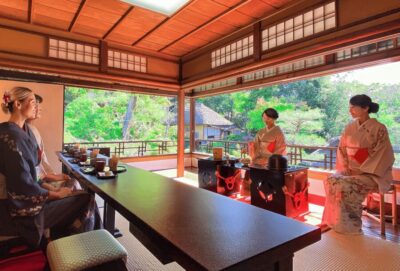
Kyoto: Tea Ceremony in a Traditional Tea House in Kiyomizu
Read our review →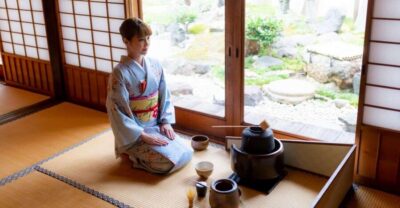
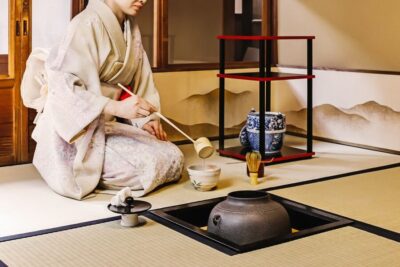
Kyoto: 45-Minute Tea Ceremony Lesson Experience
Read our review →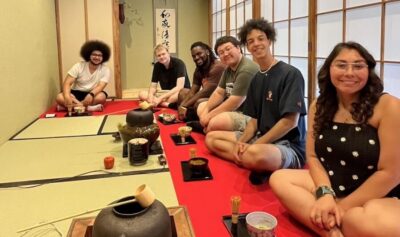
Kyoto: Table-Style Tea Ceremony at a Kyo-Machiya
Read our review →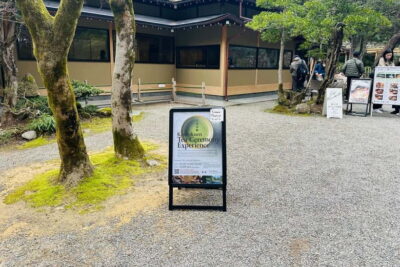
Browse the lists this tour appears in