
Review · JAPAN TEA TOURS
Nagasaki: Explore Japanese Teas on a Tea Tour
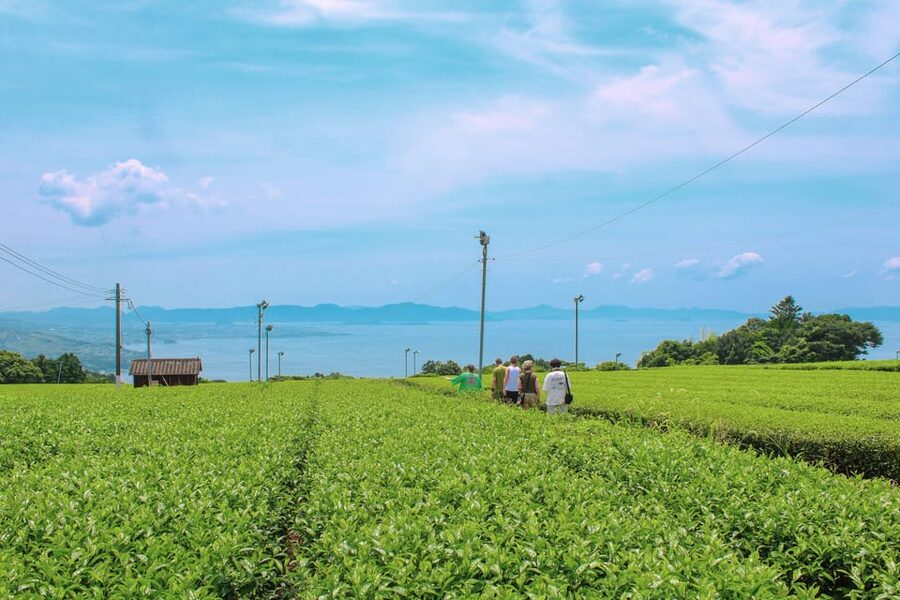
The most memorable part of this four-hour outing is the change of scene. You leave Nagasaki’s urban sights behind for Sonogi, where tea fields roll toward Omura Bay and a local factory makes Tamaryokucha, a curly green tea that gives this area its own character. You taste several Japanese teas, then brew Tamaryokucha and whisk Matcha yourself.
I like the small group of four or fewer, which gives you room to ask questions and learn at your own pace. I also like the mix of scenery, farming, factory work, and lunch. The main consideration is time: at $132 per person, this is a specialized half-day trip, not a general Nagasaki sightseeing tour.
Key points to know
- Sonogi’s tea fields: Enjoy broad views of green tea plants with Omura Bay beyond them.
- Six or more tea styles: Taste Tamaryokucha, Shiraore, Houjicha, Wakoucha, Matcha, and other local teas.
- Hands-on preparation: Brew Tamaryokucha and whisk Matcha instead of only watching a demonstration.
- Local production: Visit a factory where Sonogi’s Tamaryokucha is processed.
- English guidance: Marjolein leads the experience with clear explanations and practical brewing advice.
- Lunch and sweets included: Seasonal Japanese sweets and a local lunch are part of the $132 price.
Why Sonogi Makes a Better Tea Stop Than a Tasting Room
Japanese tea can seem simple until you taste several types side by side. This experience gives you that comparison, then places each cup in its growing and production setting.
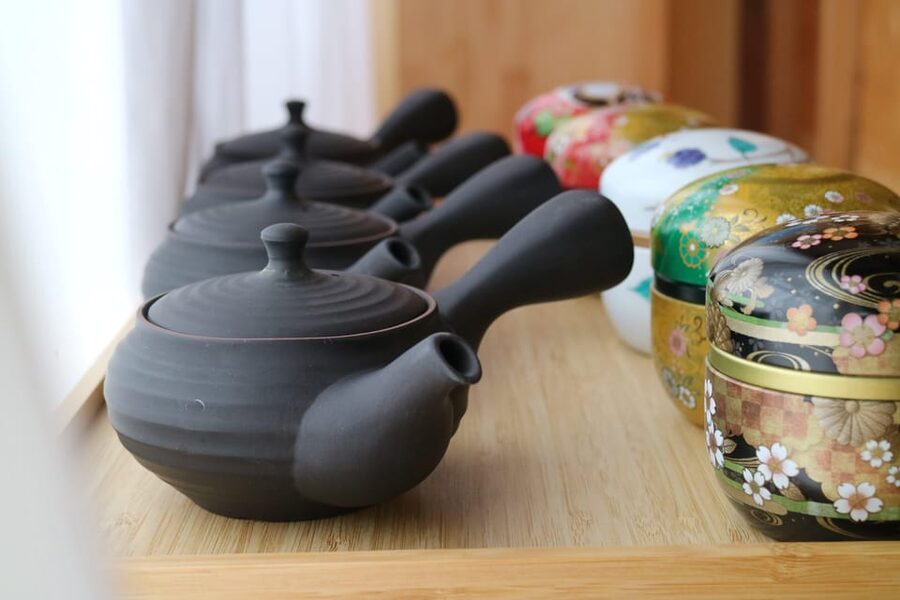
Sonogi is known here for Tamaryokucha, a steamed green tea with a curled, comma-like leaf shape. That shape separates it from the straight needle form associated with many other Japanese green teas. You do not just hear the name during the tour. You see where it grows, learn how it is processed, and prepare it yourself.
The setting matters. Tea fields look different from the usual temple gardens and city streets, and the view toward Omura Bay gives the outing a quiet rural feel. One participant described it as a welcome chance to leave the city and spend time in a small town. That is a useful way to think about the tour: it is both a tea lesson and a short escape from Nagasaki.
More tea experiences around Japan if you are still choosing
- Kyoto: Tea Ceremony in a Traditional Tea House in Kiyomizu
★ 4.9 · 3,519 reviews - Kyoto: Tea Ceremony Ju-An at Jotokuji Temple
★ 4.9 · 3,207 reviews - Kyoto: 45-Minute Tea Ceremony Lesson Experience
★ 4.3 · 2,378 reviews
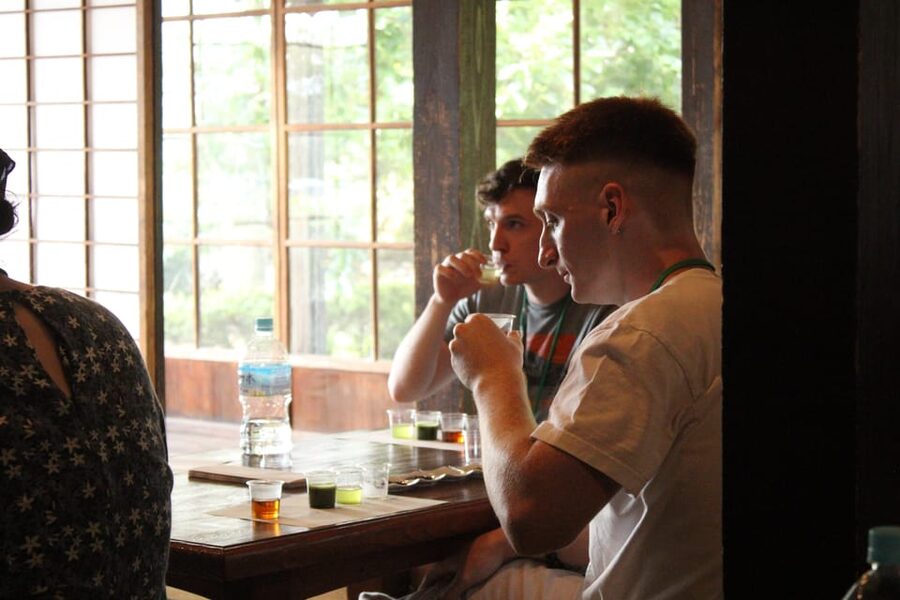
Tasting Tamaryokucha, Shiraore, Houjicha, Wakoucha, and Matcha

The tasting is the heart of the morning or afternoon. You sample a range of Japanese teas rather than being asked to choose one favorite at the start.
Tamaryokucha is the local specialty and deserves your close attention. Its steamed green-tea character connects it to familiar Japanese tea traditions, while its curled leaves make it visually distinctive. You will have a better sense of its flavor after learning how it is made in Sonogi.
Shiraore offers a milder style. This twig tea is useful for comparison because it shows how the tea plant can produce a softer cup when different parts of the plant are used.
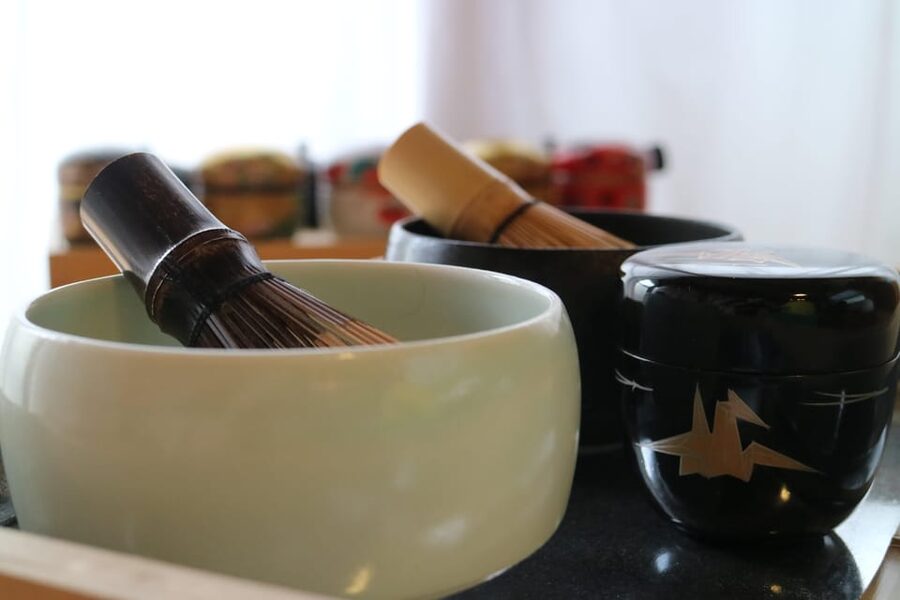
Houjicha brings roasted notes and a darker color. Wakoucha, Japanese black tea, shows another side of local tea production. Matcha changes the experience again, since it is finely ground and prepared as a whisked drink rather than steeped leaves.
The variety is valuable for beginners. You do not need a developed tea palate to take part. The guide explains what to notice, and you can ask questions as you go. If you already enjoy Japanese tea, the range gives you more detail about how processing changes taste.
Brewing Tea Yourself, Rather Than Just Watching
The hands-on part is one of the strongest reasons to book this experience. You brew Tamaryokucha and whisk Matcha yourself, with guidance on how to make a good cup.
That practical instruction is more useful than a long lecture. Small changes in water, timing, and technique affect the result, and the tour gives you a chance to see those changes directly. You can also take the brewing advice home and use it with tea purchased during the trip.
Marjolein is especially important here. The information provided about her describes a guide who is friendly, patient, and deeply interested in tea. She offers tips and tricks for preparing tea well, and the small group format lets you ask questions without competing with a busload of people.
The limit of four participants changes the tone. You get a more personal lesson, and solo travelers may find the setting particularly comfortable. One person found themselves as the only participant, turning the outing into a private-style experience. That is not guaranteed, but the group cap keeps the possibility open.
Seeing Tea Fields Above Omura Bay

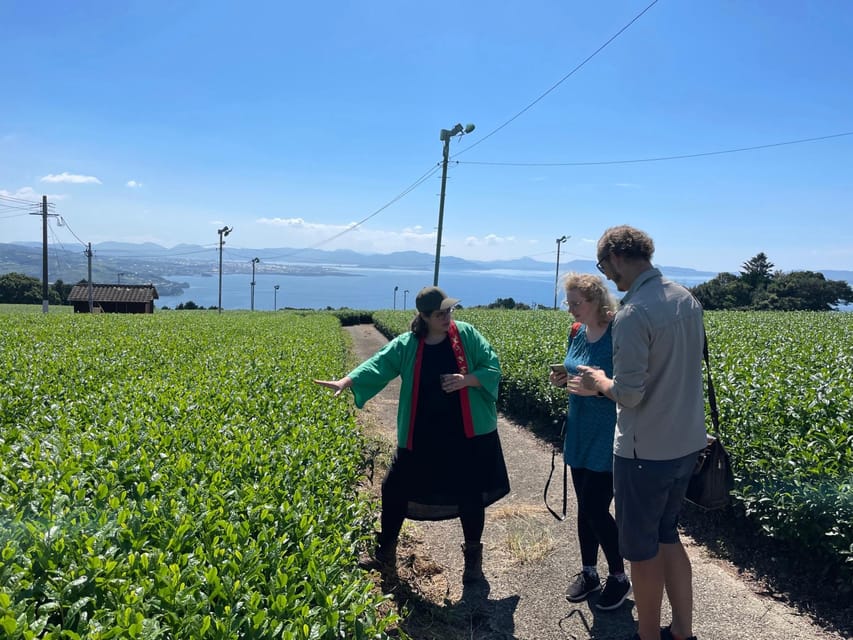
The Sonogi fields provide the visual anchor for the outing. You see tea plants growing in the countryside, with Omura Bay spread out beyond them.
This stop helps explain why place matters in tea. A package on a shop shelf tells you little about the land, weather, or work behind it. Here, the plants and the view connect the drink in your cup to a real agricultural area.
The scenery is also a welcome change from Nagasaki’s central attractions. If your itinerary is packed with churches, memorials, hills, and city streets, Sonogi gives you a slower period outdoors. The fields are likely to be most appealing to travelers who enjoy small-scale local culture and rural views more than major monuments.
Keep your expectations sensible. This is not presented as a long farm walk or a strenuous outdoor tour. It is a tea-focused visit with time to appreciate the fields and the bay. The attraction comes from context and scenery, not from a demanding hike.
Same city, a very different cup:
- World Heritage Kyoto & Nara Uji Authentic Matcha Experience
★ 5.0 · 1,573 reviews - Osaka: Tea Ceremony Experience
★ 4.9 · 1,426 reviews - Kyoto: Table-Style Tea Ceremony at a Kyo-Machiya
★ 4.9 · 1,211 reviews - Kanazawa: Kenrokuen Tea Ceremony Experience
★ 4.8 · 1,139 reviews
Inside the Tamaryokucha Factory
The factory visit completes the basic story of local tea. After seeing the fields, you learn how Tamaryokucha is produced.
Factory visits can be hit or miss when they are rushed or overly commercial. Here, the stop has a clear purpose because the tea you taste and brew is tied to the production process. You can better understand why the leaves look curled and how a local specialty moves from plant to finished product.
The factory also adds value to the price. You are not paying only for tastings and a view. You are getting access to an aspect of tea production that would be hard to understand from a shop visit alone.
The exact machinery, operating schedule, and amount of active production are not specified, so you should not assume you will see every stage running during your visit. Think of it as an educational factory stop rather than a guaranteed behind-the-scenes production show.
Lunch With Seasonal Japanese Sweets
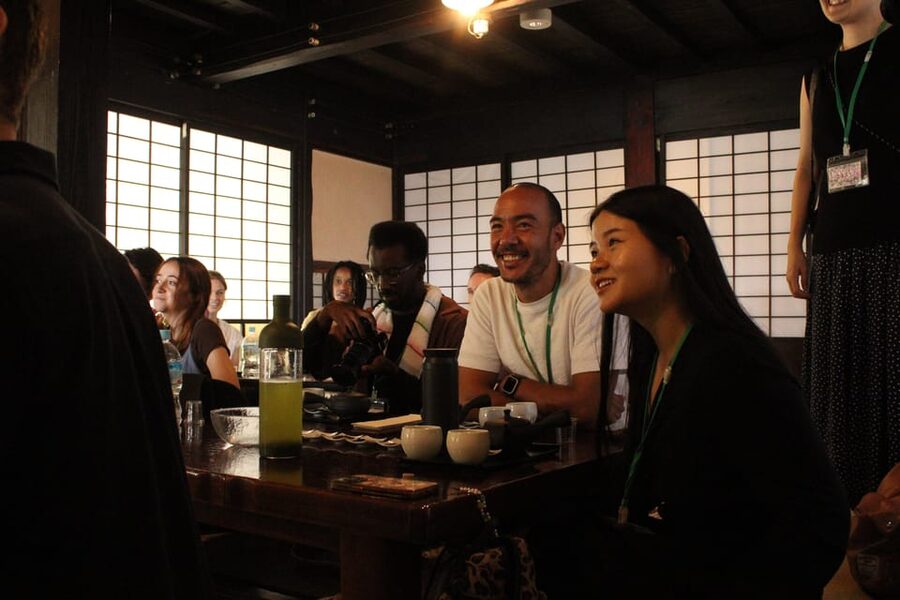
Lunch is included, along with traditional seasonal Japanese sweets. That makes the four-hour schedule feel more complete and keeps you from having to arrange a separate meal during the outing.
The lunch has earned specific praise for its quality, and it fits the theme without making the entire experience feel like a formal tea ceremony. You get a chance to eat local food, continue talking with the guide, and let the tasting settle into a proper meal.
Seasonal sweets are a particularly nice touch with tea. Their flavor and texture give you another way to compare the drinks. A mild Shiraore may feel different with a sweet than a roasted Houjicha or a stronger Wakoucha.
Tell the operator about allergies or dietary restrictions in advance. This is one point you should handle before the tour, since lunch is provided and the available menu may depend on your needs.
What the $132 Price Really Buys

At $132 per person, this is not a bargain activity for anyone seeking a quick cup of tea. The price makes more sense if you value several parts working together: an English-speaking guide, transport or access to the Sonogi area, field scenery, a factory visit, multiple tastings, hands-on preparation, seasonal sweets, lunch, and a very small group.
The strongest value comes from the teaching. If you simply want to drink Japanese tea, you can spend far less in Nagasaki. If you want to understand the differences between Tamaryokucha, Shiraore, Houjicha, Wakoucha, and Matcha, then practice preparing them, the cost becomes easier to justify.
The small group matters as well. A group capped at four allows the guide to respond to individual questions and watch your technique. That personal attention is part of what separates this from a standard food tour.
I would not choose it for a visitor with only a few hours in Nagasaki who wants to cover the city’s famous sights. I would choose it for someone with a spare half-day who wants a quieter, more local experience. The outing has also worked well for families, couples, solo visitors, and older parents. A Singaporean family with parents enjoyed the combination of tasting, scenery, and learning, while another participant found the tea fields and factory worth the trip from the city.
Who Will Get the Most From This Tea Tour
You should consider booking if you enjoy food culture, craft, farming, or small-group instruction. The experience does not require prior tea knowledge, so beginners can take part without feeling out of place.
It is especially suitable for:
- Tea newcomers: You receive an accessible introduction to several tea styles.
- Tea enthusiasts: You get local context, production details, and brewing practice.
- Solo visitors: The small group can create an easy setting for conversation and questions.
- Couples and families: The field views, lunch, and hands-on activities give everyone something to do.
- Repeat Japan visitors: Sonogi offers a different side of Kyushu than the standard city route.
You may want to skip it if your main goal is a formal tea ceremony, a long farm hike, or a broad food tour. This is a focused lesson about Nagasaki-area tea, with lunch and scenery included.
Practical Details Before You Book

The tour lasts four hours and is conducted in English. Starting times vary, so check availability for your date before planning the rest of your schedule.
The group is limited to four participants. That is a major advantage for questions and personal instruction, but it also means spaces may be limited.
Tea purchases are optional. You can buy teas if you find a style you like, but you are not required to shop. This is useful because the tasting comes first, giving you a clearer idea of what you actually want to take home.
Cancellation is free up to 24 hours before the activity for a full refund. You can also reserve now and pay later, which helps if your Nagasaki plans are still shifting.
Should You Book the Sonogi Tea Experience?
I would book this tour if you want to see beyond Nagasaki’s central sights and care about how Japanese tea is grown, processed, tasted, and prepared. The combination of Omura Bay views, a working tea region, several tea styles, lunch, and hands-on brewing gives the outing real substance.
I would pass if you are looking for the cheapest tasting or have no room for a four-hour excursion. At $132, the tour asks you to value guidance and access, not just the drinks.
For most tea-curious visitors, the decision is straightforward: make the trip if you can spare the time. Sonogi gives you a calmer, more personal view of Japanese tea, and you leave with practical brewing skills as well as a better understanding of what is in your cup.
FAQ
How long does the Nagasaki tea tour last?
The experience lasts four hours.
What teas will I taste?
You can taste Tamaryokucha, Shiraore, Houjicha, Wakoucha, Matcha, and other local teas.
Is lunch included?
Yes. Lunch and traditional seasonal Japanese sweets are included. You should provide allergy or dietary restriction information in advance.
Is the tour conducted in English?
Yes. The live tour guide speaks English.
How many people can join the tour?
The tour is limited to four participants.
Can I cancel for a full refund?
Yes. You can cancel up to 24 hours in advance for a full refund.
Fresh tea listings around Japan
- Yokohama : Tea Ceremony with Sweets and Souvenir★ 5.0 · 5 reviews
- Walking Tour: Yanaka,Nezu& Sendagi: Tea Ceremony & Old Tokyo★ 5.0 · 3 reviews
- Visit local home for music and tea ceremony near Disney★ 4.9 · 13 reviews
- Yokohama: Sushi & Gyoza Cooking with Matcha & GreenTea Experience★ 5.0 · 3 reviews
- Trip to Kamakura & Enoshima: Shrines, Seaside, Temples &Tea★ 5.0 · 11 reviews
- Uji: Private immersion into Kyoto’s tea and reglious culture★ 5.0 · 17 reviews
- Uji Tea Ceremony and UNESCO Heritage Walking Tour★ 5.0 · 20 reviews
- Kyoto tea town for matcha lovers★ 5.0 · 16 reviews
Japan Tea Tours, compared.
Kyoto: Tea Ceremony in a Traditional Tea House in Kiyomizu
Read our review →
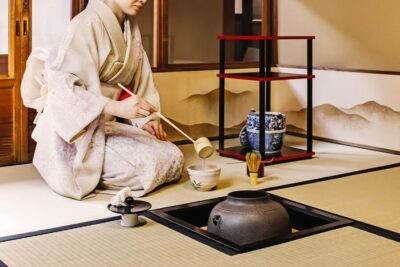
Kyoto: 45-Minute Tea Ceremony Lesson Experience
Read our review →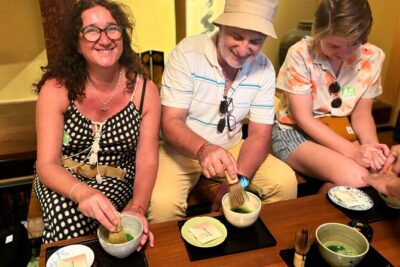
World Heritage Kyoto & Nara Uji Authentic Matcha Experience
Read our review →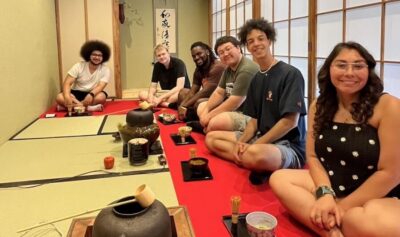
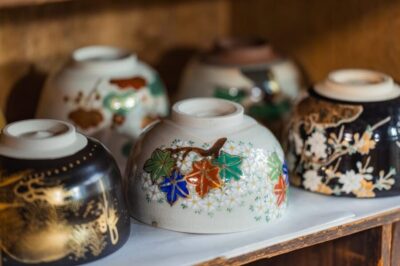
Kyoto: Table-Style Tea Ceremony at a Kyo-Machiya
Read our review →
Browse the lists this tour appears in