
Review · TEA CEREMONY EXPERIENCES
Kyoto: Tea Ceremony, in traditional Japan house (ENG/ES/NLD)
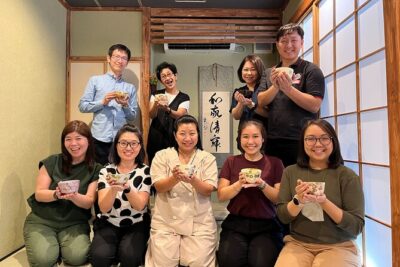
Kyoto’s tea ceremony becomes much easier to understand when you see it performed in a real tea room, not behind a glass case. Here, a Japanese teacher with about 50 years of experience demonstrates the careful movements, explains what they mean, and then lets you whisk your own matcha in a 100-year-old house facing a small garden.
I like the small group limit of six, which gives everyone a clear view and room for questions. I also like the relaxed language support, especially the option for a native Spanish speaker, plus the chance to enjoy two bowls of tea and seasonal sweets. The main drawback is that you spend time on the floor, and a one-hour session may finish early if the group is not full.
Key points to know before booking
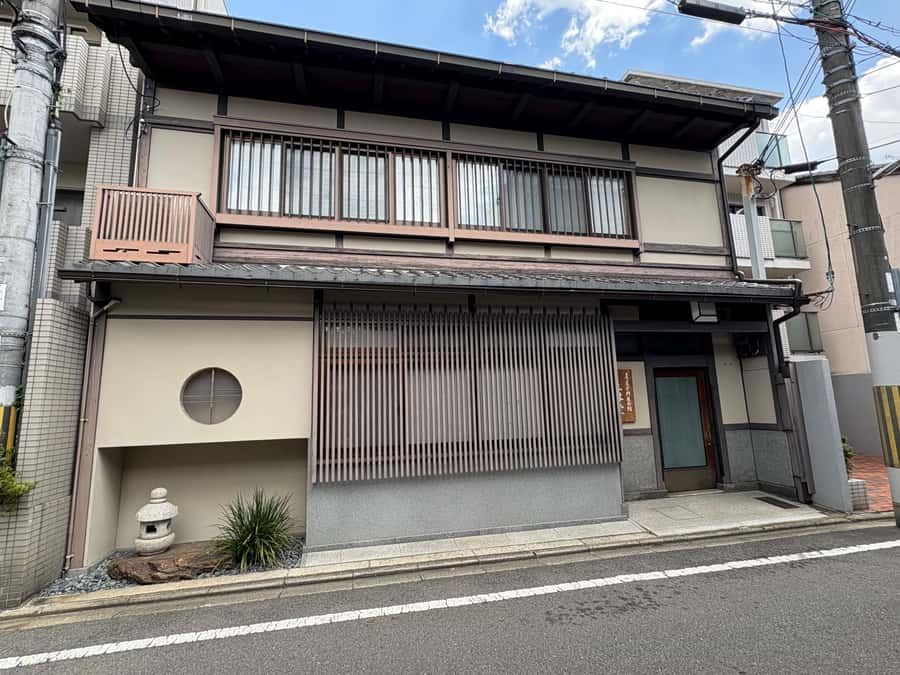
- A real tea room in a century-old home: The house once belonged to a family that sold kimono fabrics and now sits across from Shinrenji temple.
- A teacher with decades of practice: The ceremony is performed by a Japanese tea teacher with roughly 50 years of experience.
- You do more than watch: You drink one bowl prepared by the teacher, then whisk your own matcha.
- Small groups matter: A maximum of six people makes it easier to see the ritual and ask questions.
- English, Dutch, and Spanish support: English support is provided, and Spanish is available on request.
- Plan for floor sitting: Chairs are available, but you must wear socks and should be ready for matcha’s caffeine.
Why this Kyoto tea ceremony feels personal
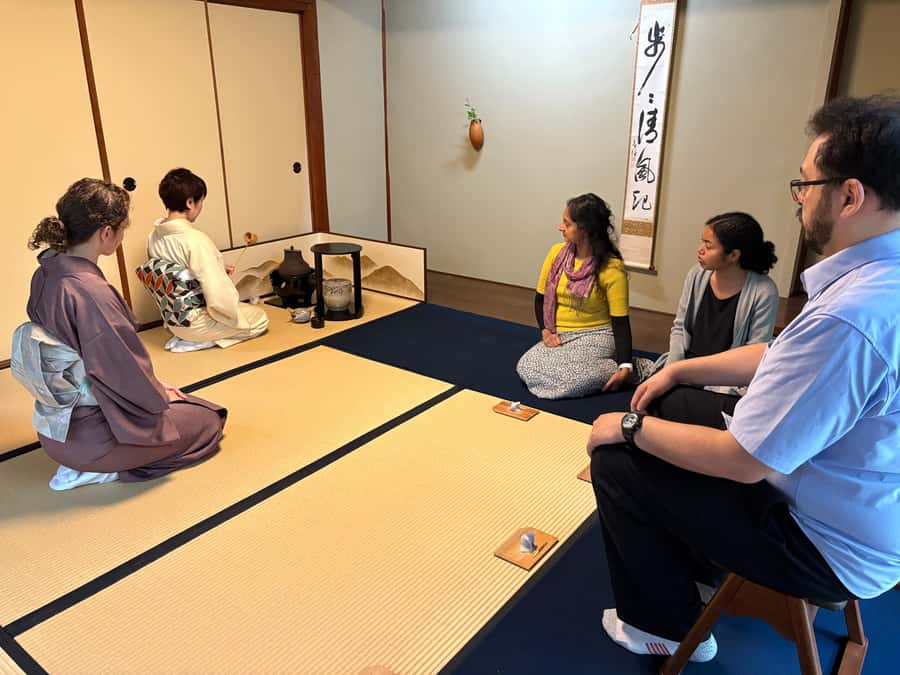
Many first-time visitors hear the phrase tea ceremony and picture a silent performance with rules they might get wrong. This experience takes a friendlier approach. You first learn what you are watching, then taste the tea, ask questions, and try the process yourself.
That order matters. Without explanation, the bowing, utensil handling, pauses, and prescribed movements can seem mysterious. With context, you begin to see that sadō, also called chanoyu, is not simply a method for preparing a drink. It is a disciplined way of paying attention to the room, the season, the guest, the host, and the objects being used.
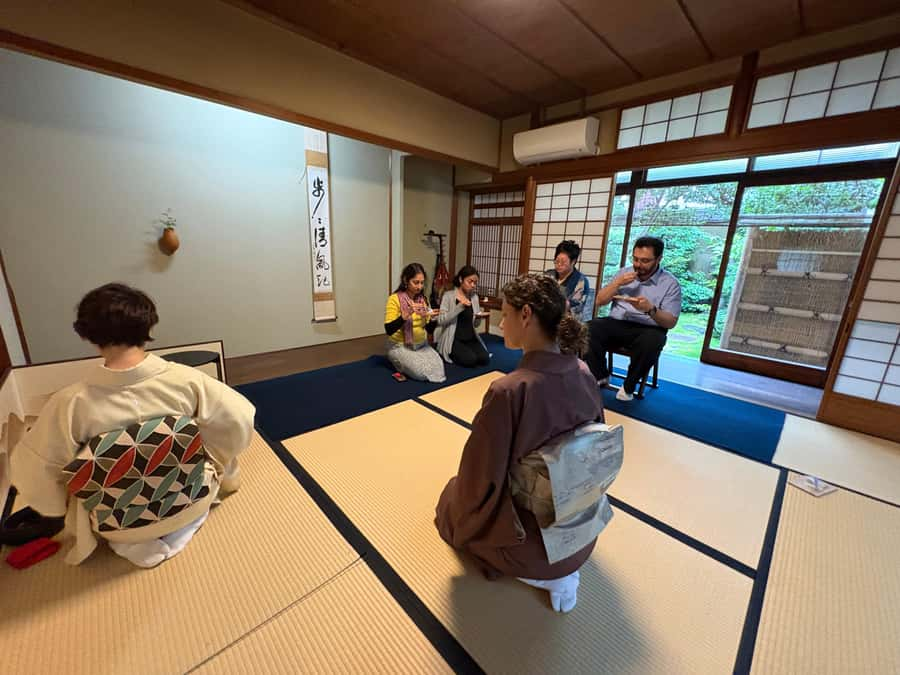
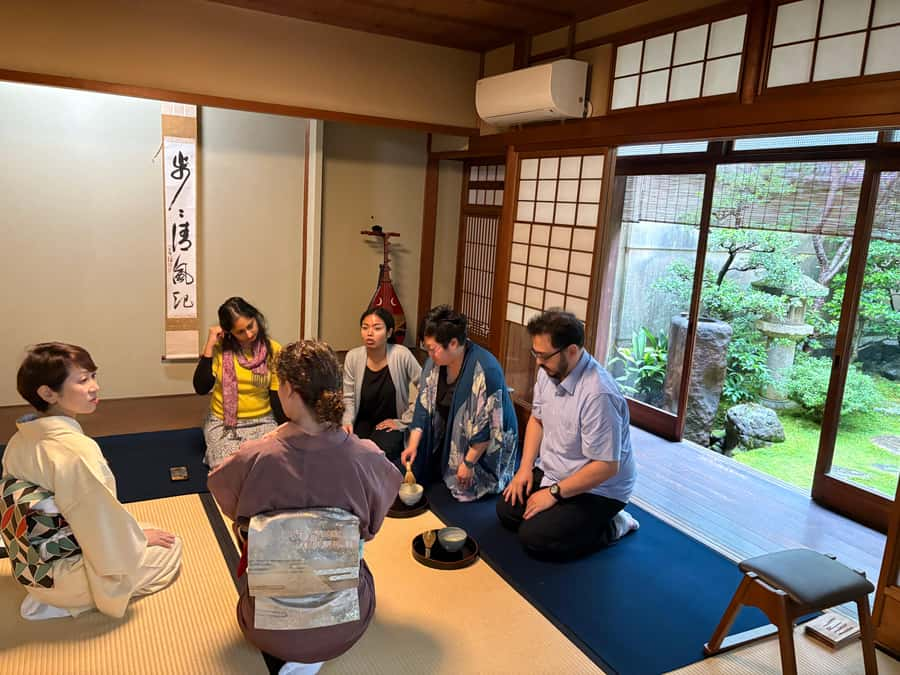
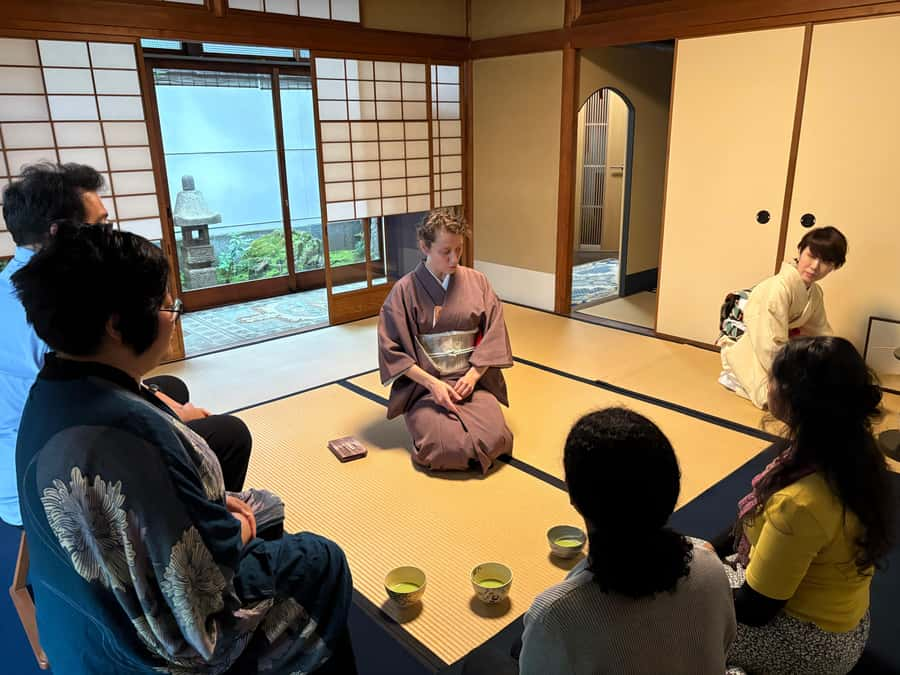
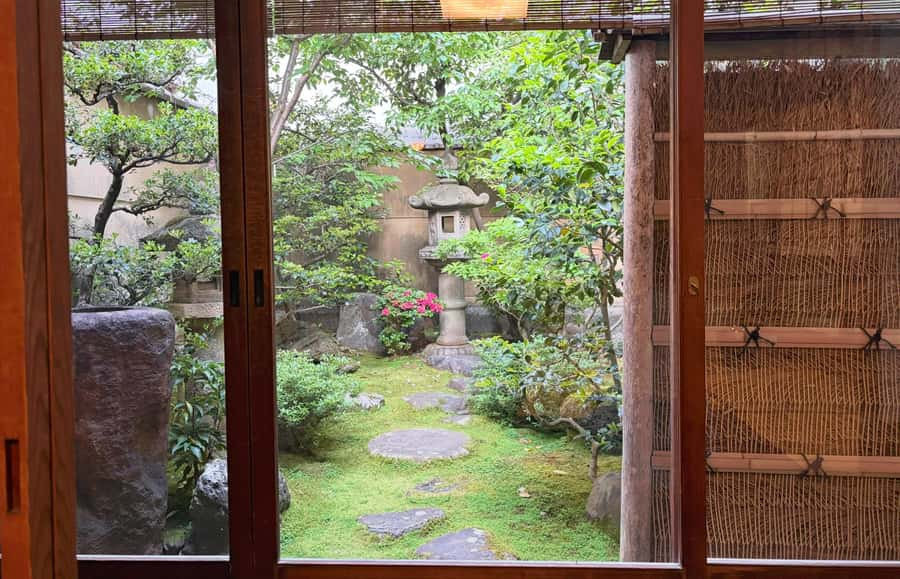
The setting helps. This is not a hotel meeting room dressed up for tourists. The house is about 100 years old, and its tea room was part of the original home because the former owners practiced tea ceremony themselves. A small Japanese garden is visible from the house, while Shinrenji temple is directly across the way.
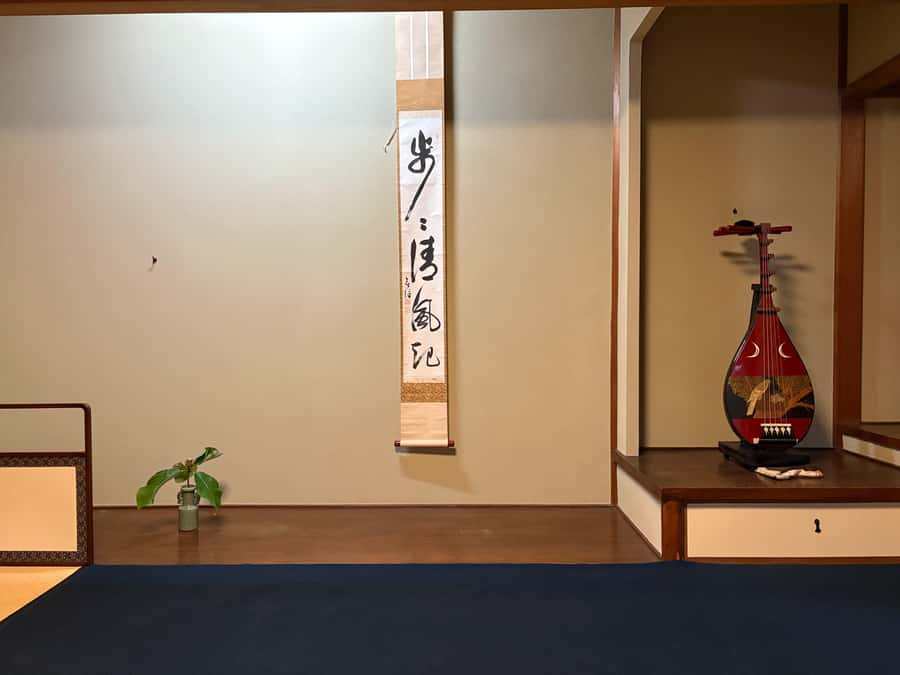
You also get seasonal details that change with the calendar. Flowers and a hanging scroll carry seasonal meaning, and the utensils and sweets vary during the year. That gives the session a connection to Japanese custom rather than making it the same display every day.
More Tea Ceremonies in Kyoto
- Kyoto: Tea Ceremony in a Traditional Tea House in Kiyomizu
★ 4.9 · 3,519 reviews - Kyoto: Tea Ceremony Ju-An at Jotokuji Temple
★ 4.9 · 3,207 reviews - Kyoto: 45-Minute Tea Ceremony Lesson Experience
★ 4.3 · 2,378 reviews
What happens during the one-hour visit
The meeting point is across from Shinrenji, at the building marked near the temple. Look for the person holding a tablet with the GetYourGuide logo. The house is about five minutes from the Hankyu-Omiya or Shijo-Omiya bus stop, so you can reach it without arranging a pickup.
Once inside, expect an introduction to the house, tea room, and basic background of tea ceremony. The atmosphere is casual, and questions are encouraged. That is useful if you are unsure about etiquette or want to know why a particular movement takes place.
The teacher then performs the ceremony. You watch the preparation closely, with translation and explanation in English. Dutch support is available, and a native Spanish speaker can be requested, which is a major help if you want to follow the details in Spanish rather than through a basic translation.
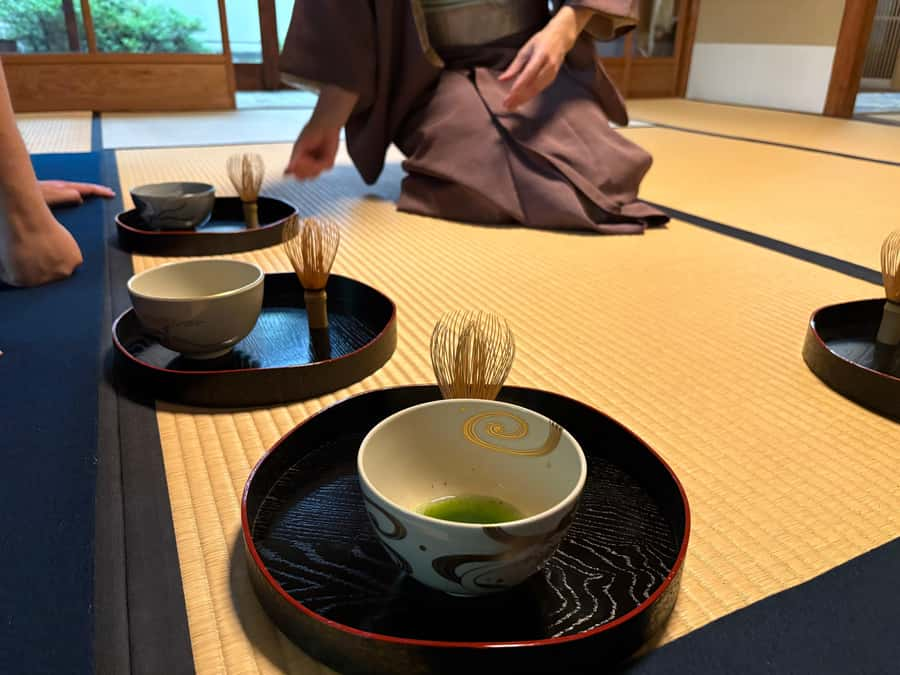
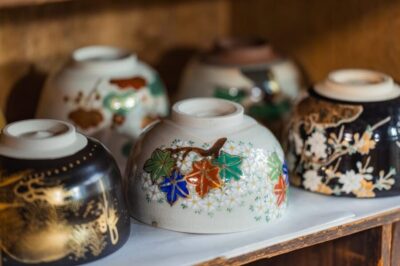
The teacher prepares your first bowl of matcha. It is served with a Japanese sweet, usually made with anko, or sweet red bean paste. The second sweet is a small matcha sweet served alongside the bowl you prepare yourself.
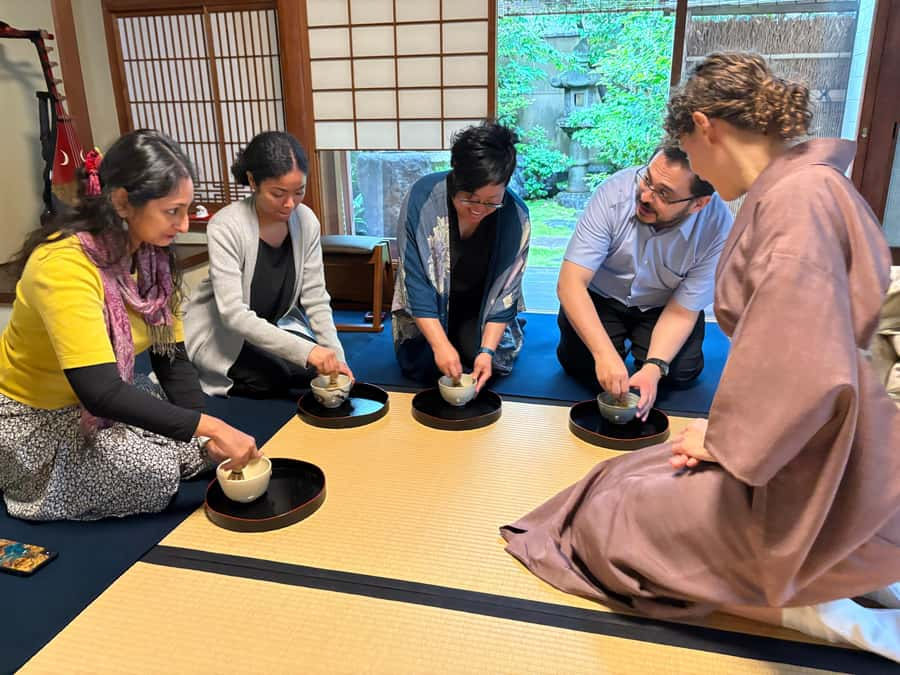
After watching, you get your own turn with the whisk. You will be shown how to make the tea, then whisk a bowl for yourself. This is a simple activity, but it gives you a better feel for the ceremony. Making a smooth bowl is not as effortless as the teacher makes it look, and that small challenge helps you understand the skill involved.
You receive two bowls in all:
- One bowl prepared by the teacher
- One bowl prepared by you
- One seasonal Japanese sweet
- One small matcha sweet
Photos and video are allowed, which is helpful if you want a record of the room, utensils, or your first attempt at whisking. Be respectful during the formal demonstration and follow any instructions given in the room.
The old house and its seasonal details
The building adds more than atmosphere. It once belonged to a family involved in selling kimono fabrics, and the property later came into the possession of the temple across the road. The original tea room remained because the family members enjoyed tea ceremony.
That background gives the visit a strong sense of place. You are not only being shown an abstract set of gestures. You are sitting in a room designed for this purpose, within a home that has a connection to local life and temple surroundings.
Look for the seasonal flowers and the hanging scroll. In tea ceremony, these details are not random decoration. They help set the tone for the gathering and reflect the time of year. The sweets and utensils also change by season, so the exact presentation depends on when you visit.
The garden view is small rather than grand. That is part of the appeal. You are not coming for a major sightseeing panorama. You are coming for a quiet view, a carefully arranged room, and the chance to notice small things.
Why the six-person limit is worth paying for
The $45 price is fair if you want more than a quick demonstration. You receive a one-hour guided lesson, two bowls of matcha, two sweets, language assistance, and access to a traditional house and tea room.
The group limit is especially important. With no more than six people, you should be able to see the teacher’s hands and utensils without standing behind a crowd. You also have a realistic chance to ask questions instead of simply watching from the back.
There is one practical catch. The full one-hour timing applies to a group of six. If only two people attend, the session may end sooner because the teacher has fewer bowls to prepare. That does not necessarily make it poor value, but you should know that the advertised duration is not a guarantee of a full sixty minutes in a smaller session.
The price makes the most sense for first-time visitors who want clear explanations and hands-on participation. If you already study tea ceremony or have attended several formal demonstrations, you may find the introductory material familiar.
Same city, a very different cup:
- Kyoto: Table-Style Tea Ceremony at a Kyo-Machiya
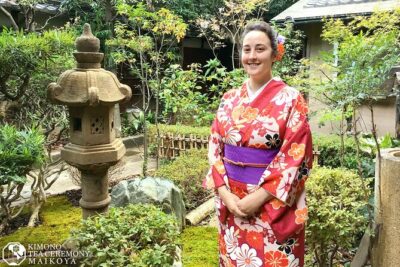
★ 4.9 · 1,211 reviews - Kimono Tea Ceremony at Kyoto Maikoya, NISHIKI
★ 5.0 · 911 reviews - Kyoto: Kimono Tea Ceremony at Orizuruya Gion
★ 4.9 · 618 reviews - Kyoto: Tea Ceremony in 100-year-old Kyo-Machiya Townhouse
★ 4.8 · 546 reviews
Sitting on the floor and other comfort concerns
Traditional tea ceremony often uses the seiza position. You kneel with your legs folded beneath your thighs and sit back on your heels. For some people, this is manageable for a short demonstration. For others, it can become uncomfortable quickly, especially with knee or ankle problems.
Chairs are available upon request. Ask for one rather than trying to push through discomfort. The staff are used to helping visitors participate in a way that works for them, although the experience is not suitable for wheelchair users.
You must wear socks in the tea room. Bare feet are not allowed, so bring a pair if you are wearing sandals. This is an easy detail to miss during a summer day in Kyoto, when open shoes are common.
Matcha has a high amount of caffeine. If you cannot consume caffeine for medical reasons, you will not be able to drink the tea. Drinks are also not allowed in the tea room apart from the tea served as part of the experience.
The sweets usually contain anko. They are made to order, and no alternative sweets are available. If sweet red bean paste is not something you eat, plan on enjoying the tea ritual without relying on the sweets.
Language help for English, Spanish, and Dutch speakers
English support is available during the experience, and the Japanese ceremony is explained as it happens. That is important because the value here is not just seeing the movements. You want to understand their purpose.
Dutch speakers can also receive instruction in Dutch. Spanish support is available on request, and the Spanish-language arrangement can be especially useful for families or groups that want the entire session in Spanish. José and his wife help with the hosting and coordination, while the ceremony itself is performed by the Japanese teacher.
The language option is worth confirming when you book, particularly if Spanish is essential to your group. The available information says Spanish support can be requested, rather than promising that every scheduled session will automatically include a Spanish-speaking host.
Who will enjoy this experience most
This is a good choice if you want a gentle introduction to Japanese culture and prefer asking questions over sitting through a strict, silent performance. The informal setting should suit curious first-time visitors, couples, families, and small groups of friends.
It also works well for people who have heard of tea ceremony but do not know what to expect. The teacher’s demonstration gives you the formal side, while making your own matcha keeps the session practical and approachable.
Families can attend, and the setting has welcomed a group with a baby. Still, the room is traditional, the session involves floor sitting, and the tea contains caffeine. Parents should decide if their children will be comfortable sitting quietly and handling delicate utensils.
I would be less likely to recommend it to someone with serious mobility limits, a strict caffeine restriction, or no interest in Japanese sweets. The wheelchair restriction is clear, and the lack of substitute sweets may matter to people with dietary concerns.
Meeting point, timing, and booking advice
Allow a little time to find the house. The meeting point is across from Shinrenji, and you should look for the tablet with the GetYourGuide logo. The building is close to Hankyu-Omiya and Shijo-Omiya bus connections, about a five-minute walk from the bus stop area.
The activity lasts about one hour, though a smaller group may finish sooner. Starting times vary, so you need to check availability for your date.
Free cancellation is available up to 24 hours before the start time for a full refund. You can also reserve and pay later, which helps if you are still arranging your Kyoto schedule.
The experience is run by LAMBDA CUBE LLC. It is not a pickup tour, so you make your own way to the house and temple meeting point.
Should you book this tea ceremony?
Book it if you want a small, welcoming introduction to tea ceremony rather than a large tourist show. The old house, seasonal room details, experienced teacher, language support, and chance to prepare your own matcha give the hour real substance.
The best reason to choose it is the balance between watching and doing. You see a practiced demonstration, learn why the gestures matter, taste the tea, then discover that whisking your own bowl takes care.
Skip it if you cannot sit on the floor even with a chair, cannot have caffeine, or need alternative sweets. Also keep the shorter session possibility in mind if your time slot is not full.
For most first-time visitors who can manage the practical restrictions, $45 is a reasonable price for a personal Kyoto experience that leaves you with more than a photograph. You leave knowing what tea ceremony is trying to express, and you have made one bowl yourself.
FAQ
Where does the tea ceremony take place?
It takes place in a traditional Japanese house across from Shinrenji temple in Kyoto. The house is about 100 years old and has a view of a small Japanese garden.
How long does the experience last?
The scheduled duration is one hour. If the time slot is not full, the ceremony may end sooner because preparing tea for fewer people takes less time.
How many people can join?
The group is limited to a maximum of six participants.
Which languages are available?
English and Dutch support are available. Spanish support is available upon request.
How much does the experience cost?
The price is $45 per person.
Do I prepare my own matcha?
Yes. You first receive a bowl prepared by the teacher, then learn to whisk your own bowl of matcha.
Are sweets included?
Yes. You receive one seasonal Japanese sweet and one small matcha sweet. Most sweets contain anko, or sweet red bean paste, and no alternative sweets are available.
Do I need to wear socks?
Yes. Bare feet are not allowed in the tea ceremony room, so you should wear socks or bring a pair.
Can I use a chair instead of sitting on the floor?
Yes. Chairs are available upon request. Wheelchair users cannot take part in this experience.
Fresh tea listings around Kyoto
- Kyoto: Authentic Tea Ceremony in a Small Group★ 5.0 · 7 reviews
- Uji Walking Tour – Byodo-in temple and Tea Ceremony from Kyoto★ 3.5 · 3 reviews
- Traditional Tea Ceremony in Kyoto★ 4.5 · 3 reviews
- Tea Ceremony Experience in Traditional Kyoto Townhouse★ 5.0 · 19 reviews
- Tea Ceremony in 150 Years Old Townhouse with Tables and Chairs★ 5.0 · 22 reviews
- Tea ceremony at Kyoto’s Zen Temple Teahouse★ 5.0 · 2 reviews
- Sencha-do the Japanese Tea Ceremony Workshop in Kyoto★ 5.0 · 21 reviews
- Silent Beauty of Kyoto Zen Walk and Tea Experience★ 5.0 · 2 reviews
Tea Ceremony Experiences, compared.
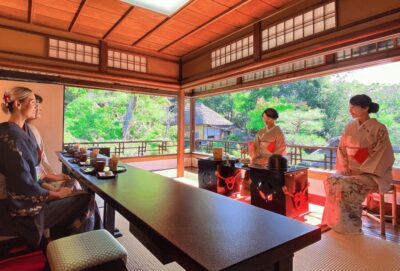
Kyoto: Tea Ceremony in a Traditional Tea House in Kiyomizu
Read our review →
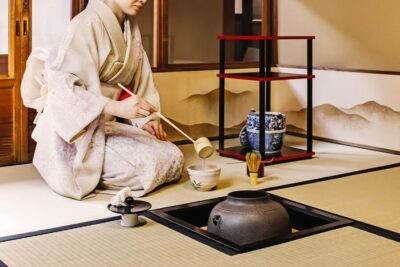
Kyoto: 45-Minute Tea Ceremony Lesson Experience
Read our review →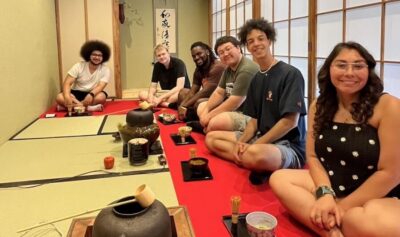
Kyoto: Table-Style Tea Ceremony at a Kyo-Machiya
Read our review →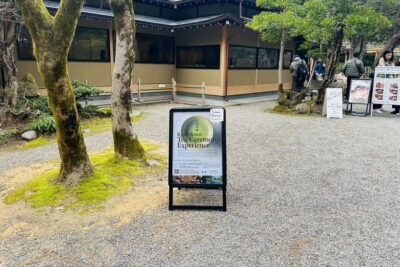
Browse the lists this tour appears in