
Review · TEA CEREMONY EXPERIENCES
Kyoto: Nishiki Market Tea Ceremony with Koto Performance
The best part of this Kyoto experience is the pairing of hands-on matcha making with live koto music. Yurika guides you through the tea ritual, then plays several pieces on the Japanese harp while you enjoy your tea and sweets. It feels more personal than a quick demonstration.
I like the small group size, which is capped at eight, and the central spot beside Nishiki Market. I also like that the music is not background decoration. The koto performance is a real part of the hour, with explanations about the instrument and several songs. The main drawback is that kimono photos and koto lessons cost extra, and the room is not suitable for wheelchairs or large luggage.
Key points to know
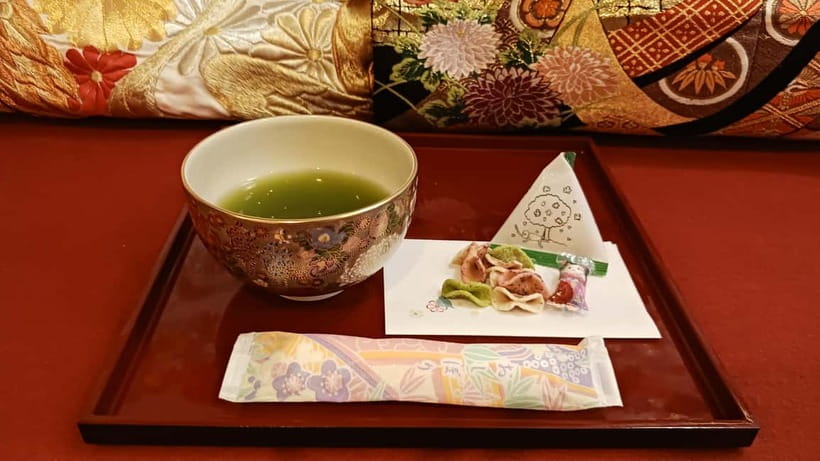
- Matcha you make yourself: Learn how to prepare a smoother, less bitter cup, then drink it with traditional sweets.
- Live koto performance: Yurika plays before and after the tea ceremony, with several full songs during the hour.
- Small central studio: KOTOLILY KYOTO is beside Kinmata Restaurant and close to Nishiki Market shops.
- Optional kimono session: Dress in a beautiful kimono and take photos or video for an added fee on-site.
- Good rainy-day choice: The activity takes place indoors in central Kyoto and lasts one hour.
- A quiet break in a busy area: The calm setting gives you a slower cultural experience before or after exploring the market.
A calm cultural hour beside Nishiki Market
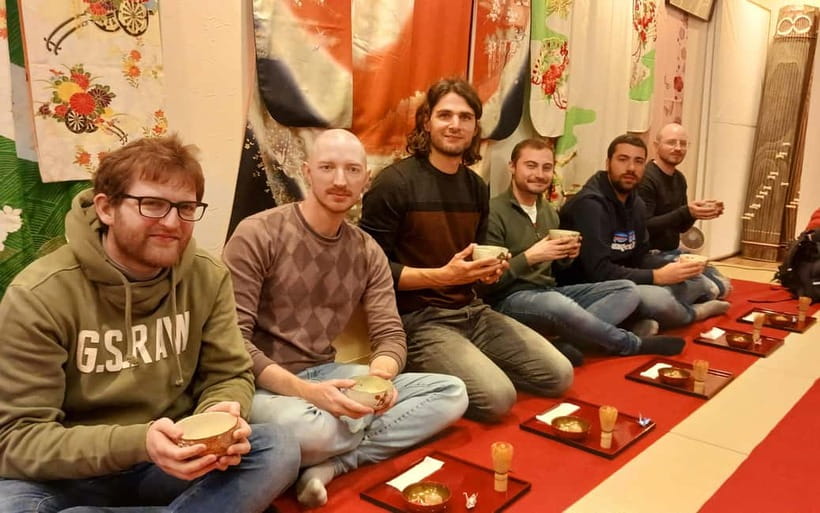
Kyoto offers plenty of tea ceremonies, but this one adds something you do not always get: a live performance on the koto, a traditional Japanese string instrument often described as a harp. The combination gives the hour a pleasing rhythm. You learn, make tea, taste sweets, and then sit back while the music takes over.
The experience takes place at KOTOLILY KYOTO, a small studio next to Kinmata Restaurant and opposite Hotel GOCO stay. It is close to Nishiki Market, so you can pair the booking with a visit to the market before or after. The location is useful on a rainy day because you can stay indoors rather than spend the hour moving between outdoor sights.
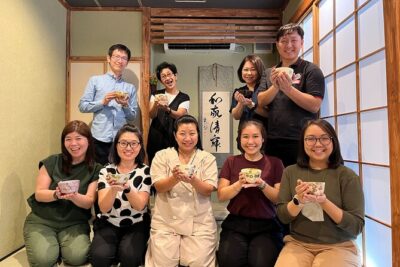
The session is limited to eight people. That matters here. Tea etiquette involves small hand movements and a set order, so a large crowd would make it harder to follow. In a group of this size, you should be able to see the demonstration and receive direct instruction.
More Tea Ceremonies in Kyoto
- Kyoto: Tea Ceremony in a Traditional Tea House in Kiyomizu
★ 4.9 · 3,519 reviews - Kyoto: Tea Ceremony Ju-An at Jotokuji Temple
★ 4.9 · 3,207 reviews - Kyoto: 45-Minute Tea Ceremony Lesson Experience
★ 4.3 · 2,378 reviews
Finding KOTOLILY KYOTO near Nishiki Market
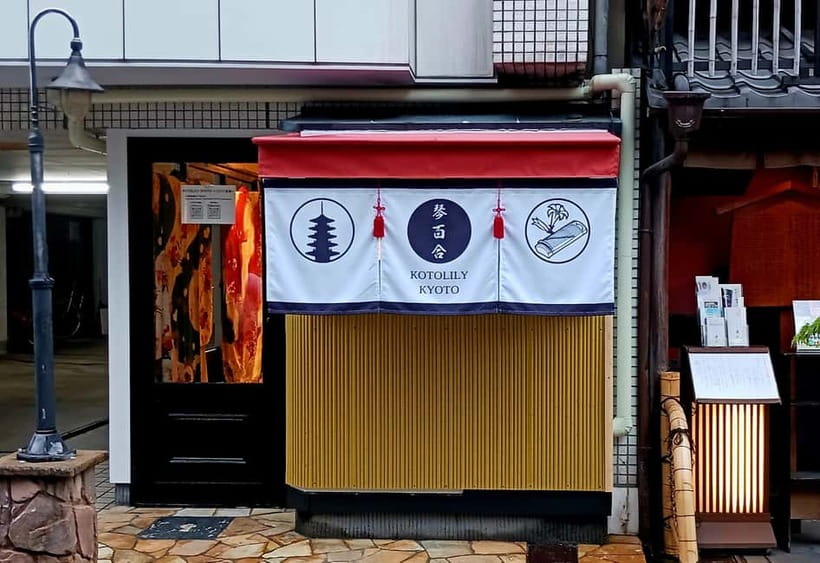
The meeting point is the shop itself. Look for the name KOTOLILY KYOTO beside Kinmata Restaurant. It is across the street from Hotel GOCO stay, but you should not wait at the hotel. Go inside the shop when you arrive.
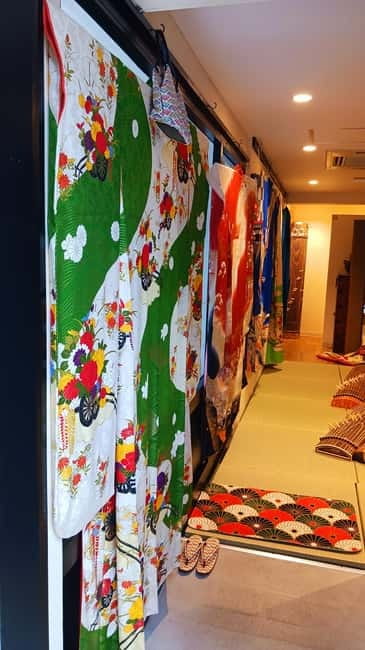
The studio has a compact, decorated feel, with kimonos displayed on the walls. That setting helps the experience feel distinct from a standard café visit, though space is limited. One attendee noted that a large backpack was manageable but that a suitcase would be awkward. I would leave large bags at your hotel or in luggage storage.
You will remove your shoes at the door, so wear clean, comfortable socks if that matters to you. Comfortable clothes are recommended, especially if you plan to sit for the ceremony and possibly try on a kimono afterward.
The opening koto performance sets the mood
The session includes koto music before and after the tea ceremony. Yurika welcomes you with a performance and introduces the instrument before the tea preparation begins. This is one of the experience’s strongest features because the music gives context to the setting instead of simply filling quiet moments.
The koto has a long, low shape and is played with picks attached to the fingers. You hear the bright, delicate notes at close range in a small room. Yurika performs several pieces, and the program can include full-length songs rather than only a short sample. Pieces referred to in the experience include Childhood and Summer.
You also hear about the instrument’s background and Yurika’s years of practice. Her English is described as strong, and the session is offered in English or Japanese. That makes it easier to ask about the music, tea, or customs as you go.
The music is a good reason to choose this activity over a basic matcha workshop. If you are mainly looking for a formal tea ceremony with little explanation, this may feel more relaxed and conversational than you expect. If you want two traditional arts in one short booking, the format works well.
Making matcha instead of simply watching
The tea portion is active. Rather than sitting through a demonstration only, you prepare your own matcha with careful guidance. You learn the order of the steps, how to use the utensils, and how to whisk the tea into a creamy drink.
The instructions are designed to help you avoid an overly bitter result. That is useful if you rarely drink matcha. You can also learn about the tea itself and the etiquette around serving and drinking it.
The movements are simple enough for beginners, but the value is not just in producing a cup of green tea. Tea ceremony places importance on attention, sequence, and hospitality. Even in this short version, you get a sense of why the actions matter rather than treating the ritual as a photo opportunity.
You receive tea sweets with the matcha. Their sweetness balances the green tea and gives you a traditional pairing to taste. If you are already a matcha fan, you will appreciate learning a different preparation method. If you normally avoid matcha, the instruction may help you enjoy a smoother cup.
Same city, a very different cup:
- Kyoto: Table-Style Tea Ceremony at a Kyo-Machiya
★ 4.9 · 1,211 reviews - Kimono Tea Ceremony at Kyoto Maikoya, NISHIKI
★ 5.0 · 911 reviews - Kyoto: Kimono Tea Ceremony at Orizuruya Gion
★ 4.9 · 618 reviews - Kyoto: Tea Ceremony in 100-year-old Kyo-Machiya Townhouse
★ 4.8 · 546 reviews
What the ceremony feels like in practice
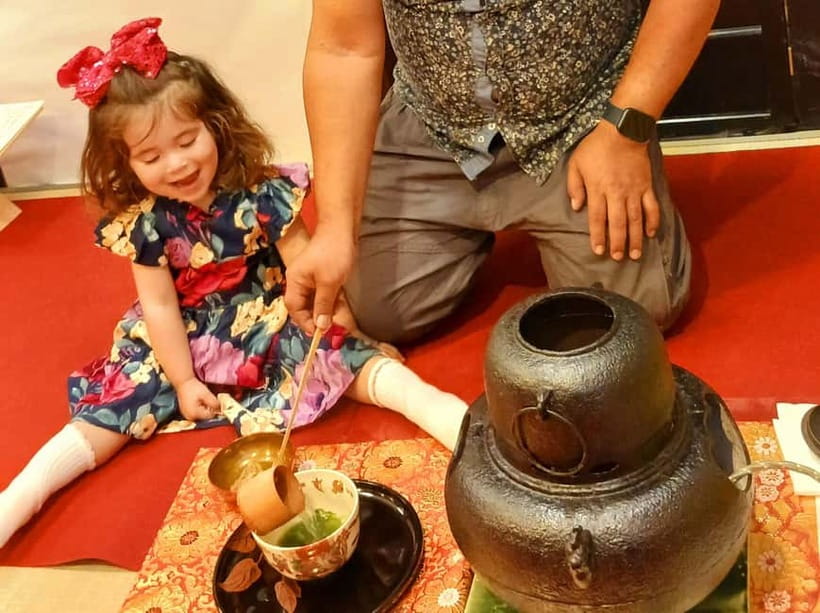
This is a cultural introduction, not a full-length formal tea ceremony lasting several hours. The one-hour format keeps it manageable during a busy Kyoto day, but it also means the experience is simplified for visitors.
You can expect an explanation of the ceremony, guided preparation, tea and sweets, and music woven through the session. The tone is warm and personal rather than stiff. Yurika’s humor and friendly manner help put first-time participants at ease, especially if you worry about making a mistake.
That relaxed approach is a benefit for families with older children, couples, and adults who want a cultural activity without a long period of silence. Children under eight are not accepted, so this is not a choice for families with very young children.
The small room also limits how much you can move around. You will not have the space of a large museum or hotel hall. For most people, that close setting helps the music and instruction feel direct. Wheelchair users should choose another activity because the experience is not suitable for wheelchair access.
Kimono photos are an optional add-on
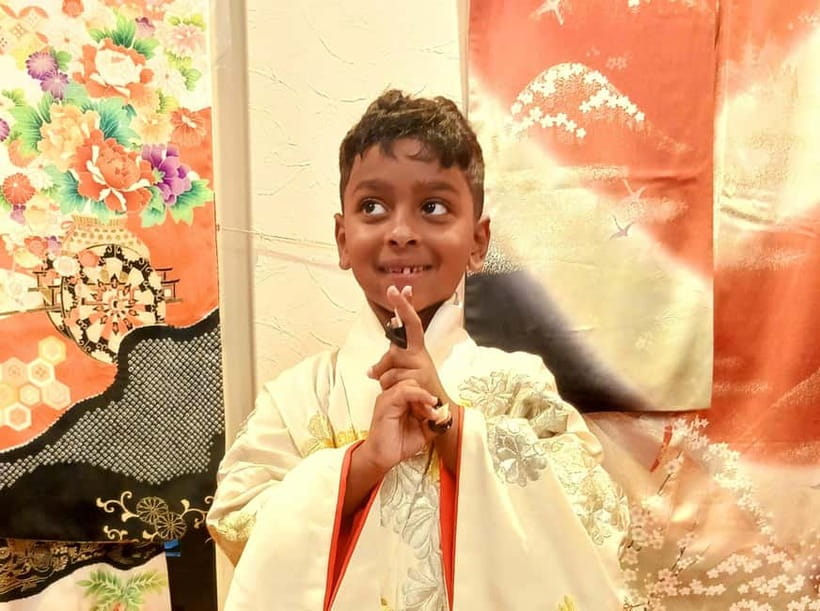
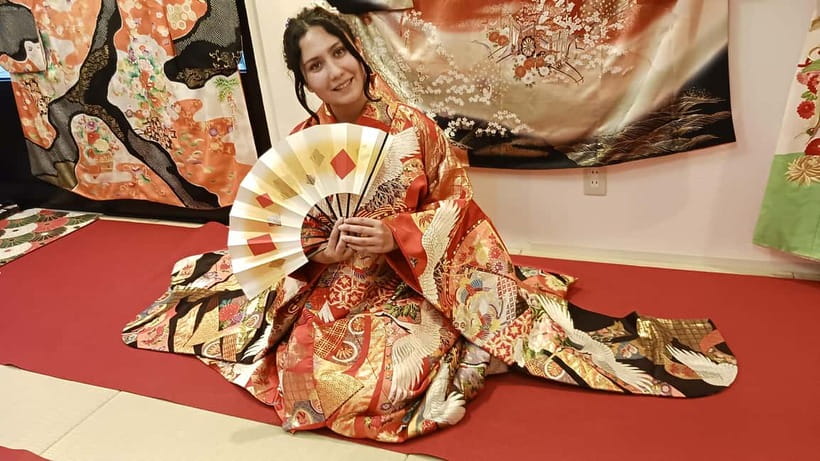
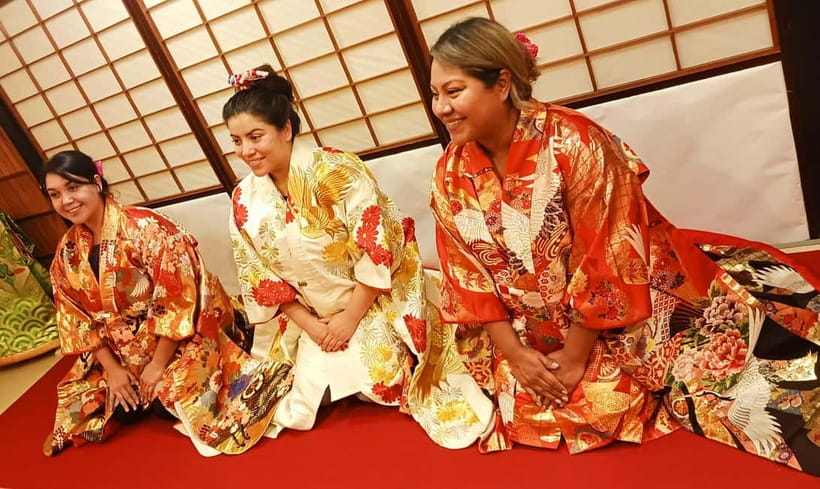
Kimonos are displayed in the studio, and you can pay extra to wear one and have photos and video taken. The available garments add color and ceremony to the setting, and traditional hairpieces may also be offered as part of the photo option.
This is not included in the $56 base price. The kimono session is an optional purchase made at the location after the tea ceremony. That arrangement gives you flexibility, since you can decide after seeing the setting and hearing the details.
There is one practical point to understand: the standard tea experience does not require you to wear a kimono. If you choose the add-on, the photo session may happen after the ceremony rather than while you drink your tea. Some people may prefer to wear the kimono during the full activity, so ask the staff about the timing before paying for the extra option.
The add-on can make sense if you want a visual keepsake from Kyoto or are marking a special occasion. It is less important if your main goal is learning about matcha and hearing the koto.
Adding a short koto lesson
You can also ask about a koto-playing lesson for an additional fee. This is separate from the included performance. The lesson gives you a chance to try the instrument yourself after learning about it from Yurika.
The exact length and cost of the add-on are not specified in the activity details, so ask on-site before agreeing. The option is particularly appealing if you play music, have children over eight, or want more than a listening experience.
The included performance already gives you a substantial musical element. I would treat the lesson as a bonus rather than part of the basic value calculation.
Is $56 a fair price for one hour?
At $56 per person, this is not the cheapest way to drink matcha in Kyoto. You are paying for more than a cup of tea, though. The price includes guided tea preparation, tea sweets, instruction in etiquette, and a live koto performance in a small group.
The value is strongest if you want several cultural elements in one booking. A basic tea tasting may cost less, but it will not necessarily include a professional live performance or the chance to prepare your own tea. This experience also saves time for visitors with a tight Kyoto schedule.
The value is weaker if you mainly want a full formal tea ceremony or a long koto concert. The one-hour format is compact, and the kimono photos and koto lesson are not included. Keep those extras in mind when setting your budget.
I see the base price as reasonable for a short, guided cultural activity in central Kyoto, particularly because the koto performance adds a second traditional art. The optional purchases should be treated separately rather than assumed to be part of the package.
Who should book this Kyoto activity?
I would recommend it to you if you:
- Want a cultural activity that lasts only one hour
- Prefer participating over simply watching
- Enjoy traditional music and would like to hear a live koto
- Are staying near Nishiki Market or central Kyoto
- Need an indoor plan for a rainy day
- Are visiting Kyoto with a partner or family members over eight
- Want the option of kimono photos without booking a separate full-day dressing experience
It is also a good choice for anyone who feels unsure about tea ceremony etiquette. You receive clear instructions, and the relaxed style makes mistakes less stressful.
I would hesitate if you have food allergies, since the activity is listed as unsuitable for people with food allergies. I would also skip it if you use a wheelchair, need to bring a suitcase into the room, or want a long, highly formal ceremony.
Practical details before you go
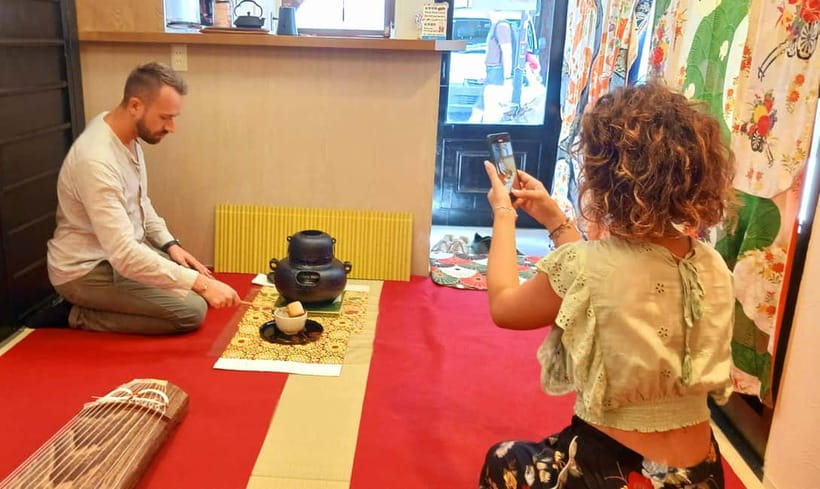
The activity lasts one hour, and starting times vary by availability. Transportation is not included, so plan your own route to the shop. Its central location near Nishiki Market makes it easy to combine with shopping and food stops, but allow time to find the correct entrance.
Bring a camera if you want photos of the setting or the koto. Flash photography is not allowed. If you book the kimono photo option, ask the staff about photography rules and what is included before the session begins.
Wear comfortable clothes and clean socks because shoes come off at the door. Avoid arriving with a large suitcase. The studio is small, and you will have a better time if you can settle in without managing bulky bags.
Cancellation is free up to 24 hours before the activity for a full refund. You can also reserve now and pay later, which helps if your Kyoto schedule is still changing.
My take on the tea, music, and setting
The strongest reason to book this experience is the balance between participation and performance. You are not only served matcha, and you are not only shown a musical instrument. You make the tea yourself, learn why the steps matter, then hear Yurika play several pieces on the koto.
The setting also works in its favor. Nishiki Market can be crowded and noisy, while this studio offers a quieter hour nearby. The contrast makes the activity feel like a useful pause in the middle of sightseeing.
The main limitation is its scale. The room is small, the session is brief, and the most photogenic extras cost more. That is not a problem if you know what you are booking. It becomes disappointing only if you expect a full kimono day or an extended formal ceremony from the base price.
Should you book KOTOLILY KYOTO?
Book it if you want a friendly introduction to Kyoto culture with real participation and live music. The one-hour format fits neatly into a market visit, and the small group keeps the instruction personal.
The best version of the experience is the standard tea and koto session. Add the kimono photos if you want a keepsake, and consider the koto lesson only if trying the instrument matters to you. For first-time visitors, couples, and families with older children, this is a practical and appealing way to connect with two Japanese traditions without giving up half a day.
FAQ
Where does the tea ceremony take place?
It takes place inside KOTOLILY KYOTO, next to Kinmata Restaurant and opposite Hotel GOCO stay. The shop is close to Nishiki Market in central Kyoto.
How long does the experience last?
The tea ceremony and koto performance last one hour.
What is included in the price?
The price includes the tea ceremony experience, matcha green tea making, tea sweets, and a live koto performance.
Is the kimono included?
No. Kimono rental with photos and video is available on-site for an additional fee.
Can I try playing the koto?
Yes. A koto-playing lesson can be added at the location for an additional fee. Ask the staff for details after the tea ceremony.
Is the activity offered in English?
Yes. The activity is offered in English and Japanese.
How many people are in each group?
The group is limited to eight participants.
What should I bring?
Bring a camera and wear comfortable clothes. You should also wear clean socks because shoes are removed at the door.
Can I use flash photography?
No. Flash photography is not allowed.
Is the activity suitable for children and wheelchair users?
Children under eight are not accepted, and the activity is not suitable for wheelchair users. It is also listed as unsuitable for people with food allergies.
More Shopping Tours in Kyoto
- Paris VIP Shopping Experience-Lounge Access, Tea time & Transfer
★ 4.0 · 52 reviews
More Market Tours in Kyoto
- Active Volcano, Rice Field, Hot Spring, Fruit market, Tea Plantation with Lunch
★ 5.0 · 513 reviews - Delicious Doughnuts & Tea: Small-Group Borough Market Experience
★ 5.0 · 169 reviews - Tea Time & Doughnuts at Borough Market: A Proper London Treat
★ 5.0 · 41 reviews
Fresh tea listings around Kyoto
- Cycling Tour at Uji’s Matcha Green Tea Fields and Heritage★ 5.0 · 10 reviews
- Authentic Tea Ceremony & Sushi in The Museum of Kyoto★ 5.0 · 3 reviews
- Kyoto Hidden Riverside Zen Mediation and Uji Matcha Experience★ 5.0 · 9 reviews
- Whisk Your Own Matcha: A Zen Matcha Experience at Temple★ 3.6 · 7 reviews
- Kyoto: Nighttime Zen Meditation and Matcha Tea Experience★ 5.0 · 7 reviews
- Kyoto Fushimiinari:Wagashi Making & Small Group Tea Ceremony★ 5.0 · 14 reviews
- 2 Types of Japanese Sweets making and Tea Ceremony★ 4.6 · 17 reviews
- Matcha Grinding Experience and Walking Tour in Uji Kyoto★ 5.0 · 26 reviews
Tea Ceremony Experiences, compared.
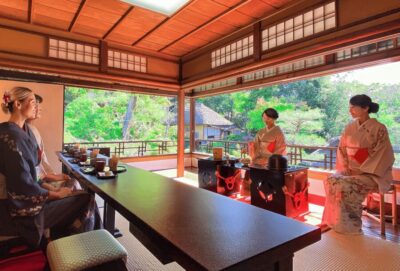
Kyoto: Tea Ceremony in a Traditional Tea House in Kiyomizu
Read our review →
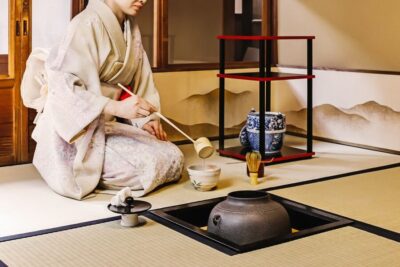
Kyoto: 45-Minute Tea Ceremony Lesson Experience
Read our review →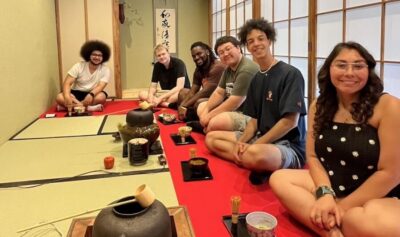
Kyoto: Table-Style Tea Ceremony at a Kyo-Machiya
Read our review →
Browse the lists this tour appears in