
Review · TEA CEREMONY EXPERIENCES
Kyoto Newly Opened Tea Ceremony – Sanjo Chasuian
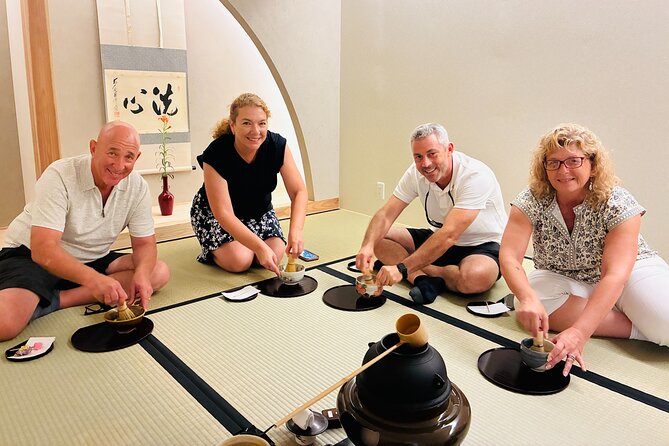
Kyoto’s tea ceremony is not just a cup of matcha. It is a carefully ordered welcome, and this one-hour session lets you see the host perform the ritual before trying it yourself. I like the hands-on format and the fact that you drink two bowls, one made by the tea master and one whisked by you. The seasonal confection from a Kyoto sweet shop with more than 100 years of history adds a lovely local touch.
I also like the small-group setting, limited to 10 people, and the unusual nijiriguchi, a low crawl-in entrance into the tea room. The main thing to watch is timing: the door is locked once the session begins, and even a one-minute delay means you cannot join or receive a refund. Wear socks, and arrive early.
Key points
- Two bowls of matcha: One is prepared by the host, and one is whisked by you or a companion.
- A real tea-room detail: You enter through a nijiriguchi, a small doorway designed to leave the outside world behind.
- Seasonal Kyoto sweets: A traditional confection from a sweet shop with more than a century of history is included.
- Small group size: The room holds no more than 10 participants, allowing time for questions and practice.
- English-friendly instruction: The host explains the ceremony, its customs, and the reason behind the movements.
- Strict arrival rule: Entry begins five minutes before the start, and late arrival is not allowed once the ceremony starts.
What happens during the one-hour ceremony
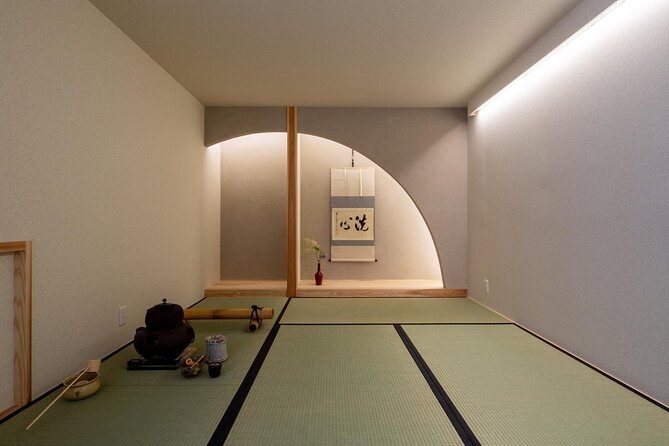
The session begins at Tea Ceremony & Sake Tasting Kyoto, Sanjo Chasuian, at 324-2 Sanjocho in Kyoto’s Nakagyo Ward. It ends at the same place, so you do not need to arrange a separate ride afterward.
You start by settling into the tea room and learning what the ceremony means. The host explains the customs and the purpose behind the movements, rather than asking you to copy a string of gestures without context. That makes a real difference. Once you understand why the bowl, whisk, sweets, and movements matter, the ceremony feels less like a staged show and more like a shared act of hospitality.
The host then demonstrates the preparation of matcha. You can watch the order of the movements, the handling of the utensils, and the way the tea is presented. The atmosphere is deliberately quiet and calm, so this is not the place for constant conversation or a fast tasting.
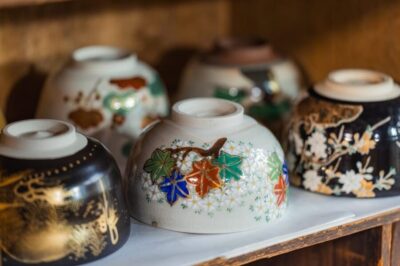
After the demonstration, you get your own turn. You choose a tea bowl and whisk your matcha, either by yourself or with a companion. The point is not to produce a perfect bowl on your first attempt. It is to understand the care and concentration involved in making it.
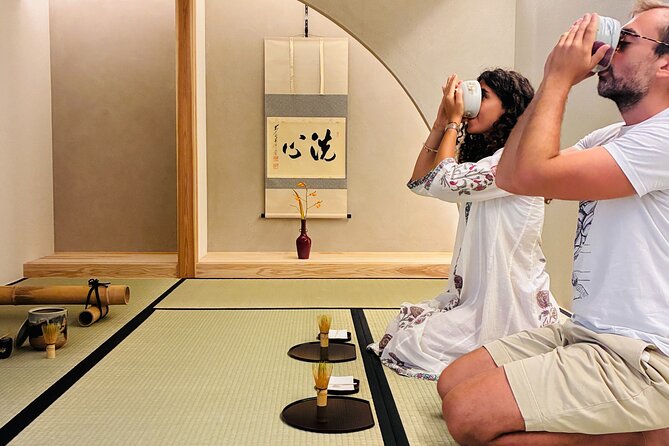
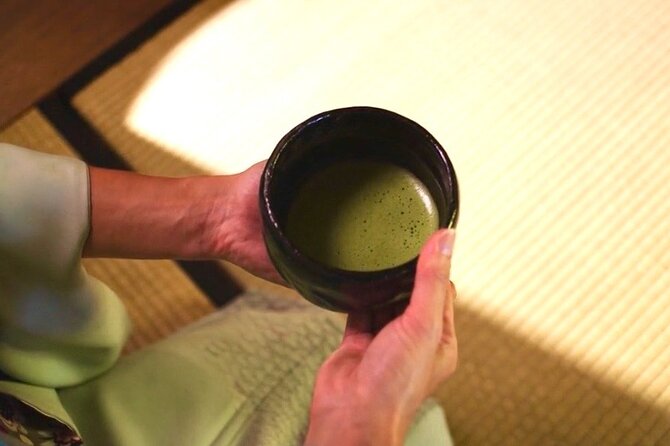
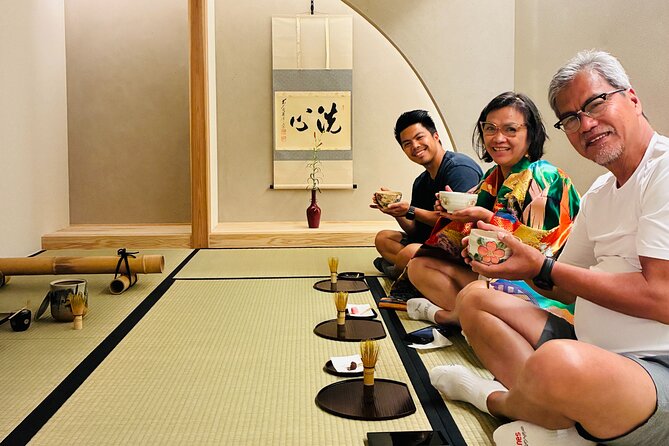
You receive two servings in total. The first is made by the host, and the second is prepared by you. That arrangement is one of the best reasons to choose this session over a demonstration-only ceremony. You get both the polished presentation and the fun of handling the whisk yourself.
More Tea Ceremonies in Kyoto
- Kyoto: Tea Ceremony in a Traditional Tea House in Kiyomizu
★ 4.9 · 3,519 reviews - Kyoto: Tea Ceremony Ju-An at Jotokuji Temple
★ 4.9 · 3,207 reviews - Kyoto: 45-Minute Tea Ceremony Lesson Experience
★ 4.3 · 2,378 reviews
Why the nijiriguchi matters
The tea room has a nijiriguchi, a low entrance associated with traditional tea rooms. You pass through it by bending or crawling in, leaving the ordinary street behind as you enter the ceremony space.
It is a small detail, but it gives the experience a stronger sense of place. The entrance is not simply a doorway. It reflects the traditional idea that everyone enters the tea room on equal terms, setting aside rank and the outside world.
You do not need to treat this as a test of flexibility. Chairs are available, and the host allows you to sit in the way that feels comfortable. Still, much of the traditional arrangement involves sitting on the floor, so anyone who finds floor seating difficult should plan accordingly.
The room is described as clean and new, and the quiet setting suits the ceremony. If you have spent the morning moving through Kyoto’s crowded sights, this hour gives you a welcome pause without requiring a full day away from the city.
The sweets are part of the lesson
The matcha comes with a traditional seasonal Japanese confection from a Kyoto sweet shop with more than 100 years of history. These sweets are made to accompany the tea, not simply to provide a sugary extra.
Their sweetness balances matcha’s grassy, slightly bitter taste. The appearance also matters. Traditional Japanese confectionery often reflects the season through shape, color, and presentation, so the sweet helps you notice how Japanese food can carry visual meaning as well as flavor.
This is especially useful if you have never had matcha prepared in the traditional style. The host can guide you through the order of eating and drinking, so you are not left wondering what to do with the confection or when to taste it.
The sweets are included in the $32.77 price, along with both bowls of matcha. That makes the cost reasonable for a one-hour cultural activity in central Kyoto, especially since you receive instruction, a demonstration, a practical lesson, and food rather than only a brief ceremonial display.
What makes the teaching useful
The strongest part of the session is its balance between explanation and participation. You first see the professional version, then repeat the basic process yourself. That structure keeps the activity accessible for a first-time visitor while still giving you a feel for the discipline involved.
The host explains the history and meaning of the tea ceremony, along with the practical steps for making matcha. English guidance is available, and the instruction is designed to welcome questions. One host identified in the experience is Yuko, who is described as patient, friendly, and especially good at explaining both the reasons behind the ceremony and the method of preparing the tea.
English delivery may include an accent, but the session is built around demonstration as well as spoken explanation. That helps because you can watch each movement as you hear it described.
I would not expect a specialist lecture on every school of Japanese tea. You are booking a short introduction, not a lengthy academic course. For most people, that is the right balance. You learn enough to understand what you are seeing, then get a chance to do it yourself before the hour ends.
Same city, a very different cup:
- Kyoto: Table-Style Tea Ceremony at a Kyo-Machiya
★ 4.9 · 1,211 reviews - Kimono Tea Ceremony at Kyoto Maikoya, NISHIKI
★ 5.0 · 911 reviews - Kyoto: Kimono Tea Ceremony at Orizuruya Gion
★ 4.9 · 618 reviews - Kyoto: Tea Ceremony in 100-year-old Kyo-Machiya Townhouse
★ 4.8 · 546 reviews
A calm cultural break in central Kyoto
The ceremony lasts about one hour, which makes it easy to fit between major sightseeing stops. You could place it in a busy day around central Kyoto, particularly if you are visiting the area near Nijo Castle or other sights in Nakagyo Ward.
The venue is near public transportation, and the meeting point is also the end point. Private transport and hotel transfers are not included, so you need to make your own way there.
Allow extra time for finding the entrance. A useful local tip is that Google Maps may direct you toward a smaller street at the corner. Stay on the main street and look for the green matcha ice cream cone outside. That marker can save you from circling the block while the start time approaches.
The five-minute entry window is important. You may enter from five minutes before the scheduled start, but once the ceremony begins, the door is locked. Since there is no refund for arriving even one minute late, plan to be at the venue early rather than cutting your arrival close.
Floor seating, clothing, and comfort
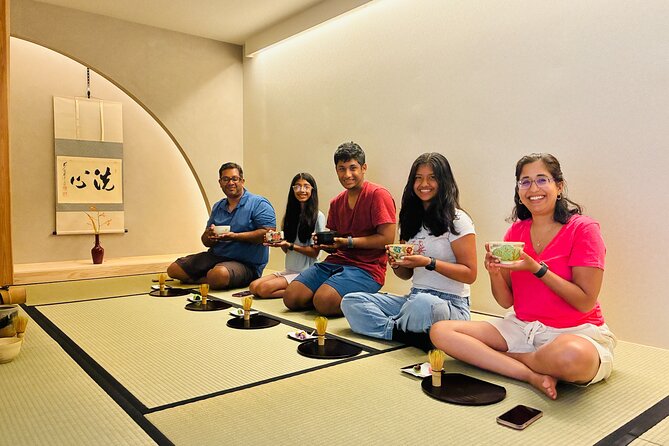
The tea room has a traditional atmosphere, but you are not required to sit in a rigid kneeling pose for the entire session. Chairs are available, and you can sit in the way that feels comfortable.
You should bring or wear socks. This is a firm request for the experience, so do not arrive barefoot in sandals. Comfortable clothing is sensible, particularly if you expect to sit on the floor for part of the ceremony.
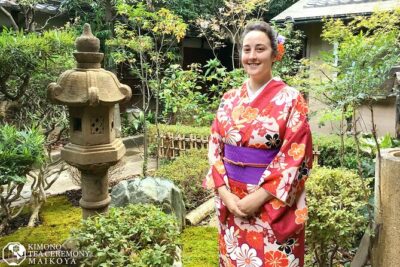
There is also an option to wear a formal uchikake, a richly decorated garment used for formal ceremonies. This is separate from the core tea lesson and may be appealing if you want photographs or a more ceremonial appearance. The information provided does not specify an added cost or how long the dressing option takes, so ask at the venue before counting on it.
The tea bowls and selected matcha items are available for purchase. That can be useful if the session inspires you to continue making tea at home, but purchases are not part of the listed price.
How the $32.77 price holds up
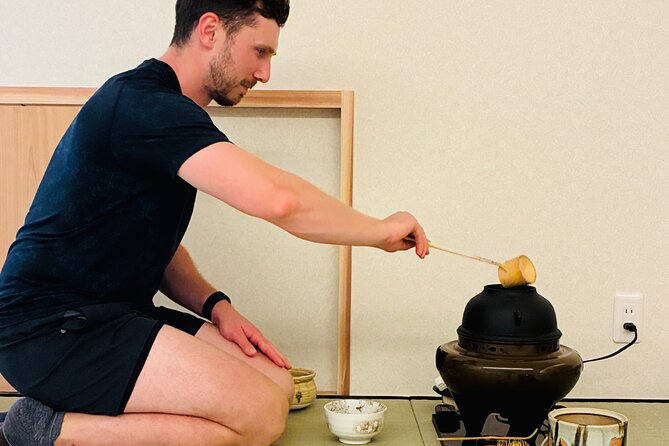
At $32.77 per person, this is priced as an affordable cultural activity rather than a luxury ceremony. You receive two bowls of matcha, a seasonal Japanese sweet, instruction from a tea master, and a chance to prepare tea yourself.
The value is strongest if you want participation. A short ceremony where you only watch might feel expensive if you are mainly interested in drinking matcha. Here, the second bowl gives you a practical part in the ritual, and the explanation helps you understand the details instead of simply observing them.
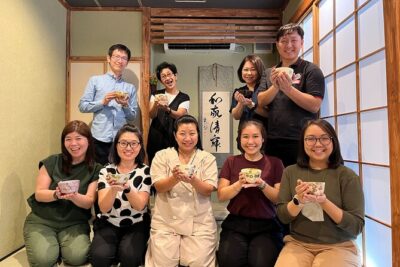
The small group also matters. With no more than 10 people, the host has a better chance to answer questions and watch as you whisk. It is not a private ceremony, but it should feel more personal than a large presentation.
The price does not include transportation, hotel pickup, or anything you buy at the venue. It also does not cover an additional sake tasting, though the location offers sake-related activities and you may wish to ask about them separately. Judge the cost as payment for a focused one-hour lesson, not as a full-day tour.
Who will enjoy this most
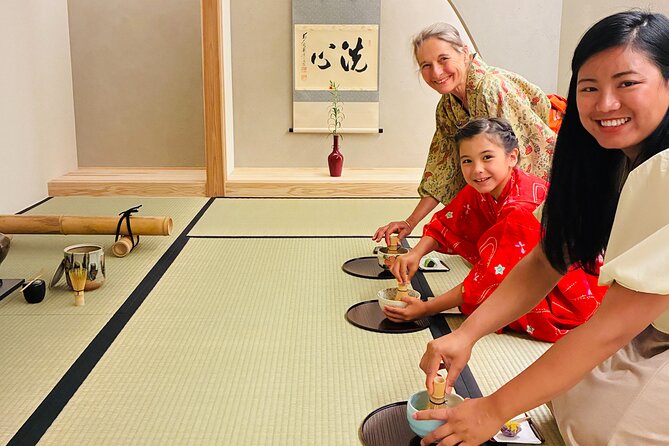
This is a good choice if you are visiting Kyoto for the first time and want a clear introduction to tea ceremony customs. You do not need prior knowledge of matcha, and the host explains the steps in a friendly, accessible way.
Families can also use the session as a quiet cultural activity. The format includes a demonstration and a practical turn, which gives children and teenagers something to do rather than asking them to sit silently for the whole hour. The staff have also shown care when a family member became ill before a session, though you should not rely on special arrangements if someone cannot participate.
The activity suits couples, solo visitors, and small groups of friends who want a slower experience between sightseeing stops. It also works well for anyone interested in Japanese design, utensils, seasonal food, or mindful routines.
You might look elsewhere if you want a large-scale theatrical performance, a long formal ceremony, or extensive time in traditional dress. You should also reconsider if you cannot arrive early or strongly dislike sitting on the floor, even though chairs are available.
Practical booking advice
Free cancellation is available up to 24 hours before the scheduled start time. Cancellations made within 24 hours are not refunded, and changes in that period are not accepted.
Book with the strict start time in mind. Confirmation is provided when you reserve, and the mobile ticket makes it simple to keep the booking details on your phone. Still, allow time for transport and for locating the green matcha ice cream cone near the entrance.
The activity is currently drawing regular interest, with more than five bookings recorded in the past week. Its overall rating is 5 out of 5 from 76 ratings, and the recommendation rate is 100 percent. Those figures fit the experience’s main strengths: clear teaching, a warm host, a spotless setting, and the chance to prepare your own tea.
Should you book Sanjo Chasuian?
Book it if you want an approachable, hands-on tea ceremony that fits neatly into a Kyoto sightseeing day. The two bowls of matcha, seasonal sweet, small group, and nijiriguchi give the hour more substance than a simple tasting.
I would especially choose it for a first tea ceremony, a family activity, or a calm break from busy streets and temples. Arrive early, wear socks, and be ready to sit quietly for part of the session. If you do that, $32.77 buys a useful introduction to one of Kyoto’s most distinctive traditions, with enough participation to make the lesson stick.
FAQ
How long does the tea ceremony last?
The experience lasts approximately one hour.
How many bowls of matcha are included?
You receive two bowls of matcha. The host prepares one, and you prepare the second yourself or with a companion.
Are Japanese sweets included?
Yes. A traditional seasonal Japanese confection from a Kyoto sweet shop with more than 100 years of history is included.
Can I make my own matcha?
Yes. You choose a tea bowl and whisk your own matcha after watching the host demonstrate the process.
How large is the group?
The activity has a maximum of 10 participants.
Are chairs available?
Yes. Chairs are available, although parts of the traditional tea-room experience involve sitting on the floor.
Do I need to wear socks?
Yes. You are asked to bring or wear socks during the experience.
What happens if I arrive late?
Entry is allowed from five minutes before the start time. Once the session begins, the door is locked, and arriving even one minute late means you cannot join and will not receive a refund.
Fresh tea listings around Kyoto
- Authentic Tea Ceremony & Sushi in The Museum of Kyoto★ 5.0 · 3 reviews
- Kyoto Fushimiinari:Wagashi Making & Small Group Tea Ceremony★ 5.0 · 14 reviews
- 2 Types of Japanese Sweets making and Tea Ceremony★ 4.6 · 17 reviews
- Whisk Your Own Matcha: A Zen Matcha Experience at Temple★ 3.6 · 7 reviews
- Kyoto Hidden Riverside Zen Mediation and Uji Matcha Experience★ 5.0 · 9 reviews
- Kyoto: Nighttime Zen Meditation and Matcha Tea Experience★ 5.0 · 7 reviews
- Matcha Grinding Experience and Walking Tour in Uji Kyoto★ 5.0 · 26 reviews
- Kyoto Matcha Green Tea Tour★ 4.7 · 28 reviews
Tea Ceremony Experiences, compared.
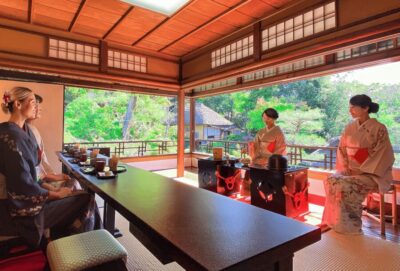
Kyoto: Tea Ceremony in a Traditional Tea House in Kiyomizu
Read our review →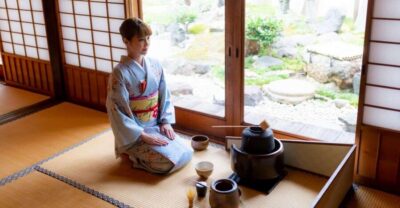
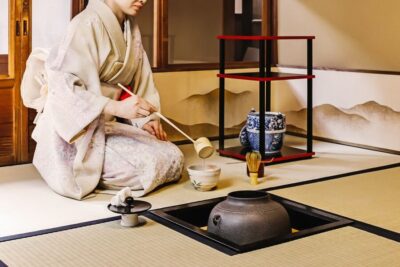
Kyoto: 45-Minute Tea Ceremony Lesson Experience
Read our review →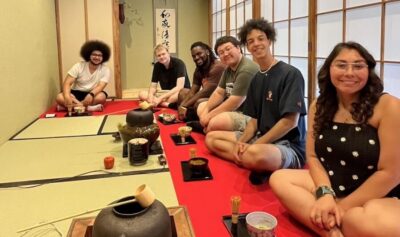
Kyoto: Table-Style Tea Ceremony at a Kyo-Machiya
Read our review →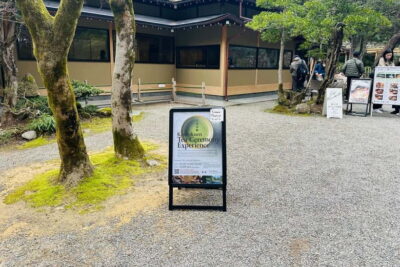
Browse the lists this tour appears in