
Review · KIMONO & TEA CEREMONY
Kyoto: Maiko, Samurai, or Kimono Rental and Tea Ceremony
Kyoto gives you a fine chance to turn a temple visit into a small cultural event. At Studio Shiki, you can dress as a maiko, samurai, or kimono wearer, then walk three minutes to Akebonotei for matcha and sweets. The setting is handy, right by the Kiyomizu-dera sightseeing area.
I like the family-friendly format and the generous kimono rental window, which lets you stroll to nearby sights until 5pm. I also like the short tea ceremony, especially for children who may not want a long formal sitting. The catch is that this is a tourist presentation, not a full traditional apprenticeship or extended tea lesson, and rushed scheduling can spoil it.
Key points to know before booking
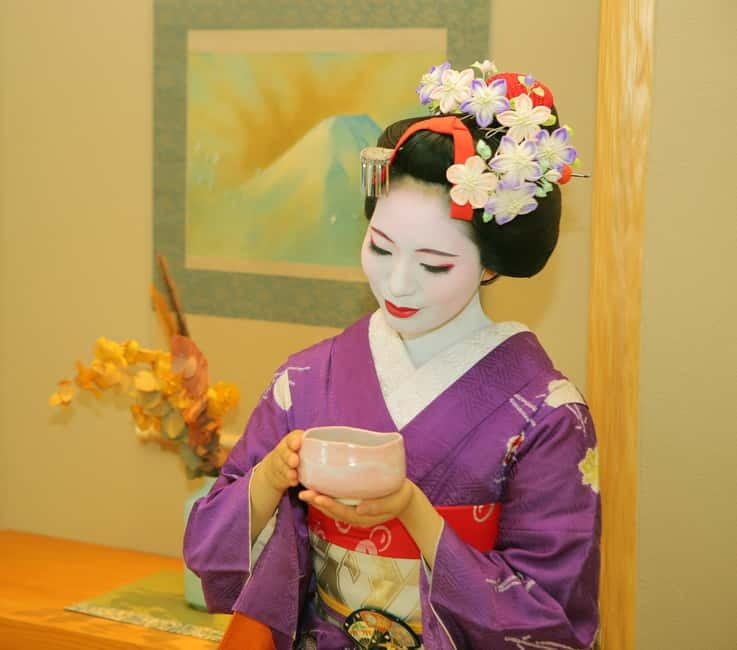
- Three costume choices: Pick a maiko look, samurai style, or standard kimono and yukata rental.
- Tea ceremony nearby: Matcha and a sweet are served at Akebonotei, only a three-minute walk from the rental studio.
- Excellent sightseeing base: Kiyomizu-dera, Ninenzaka, Sannenzaka, and the Yasaka Five-Story Pagoda are close by.
- Rental until 5pm: A kimono booking can give your Kyoto day a longer visual and cultural theme.
- Best for small family groups: Children age five and older can join, but the booking is limited to four people.
- Plan your clock carefully: The tea ceremony follows the dressing appointment by 90 minutes, and lateness may mean joining halfway or missing it.
Dressing up beside Kiyomizu-dera
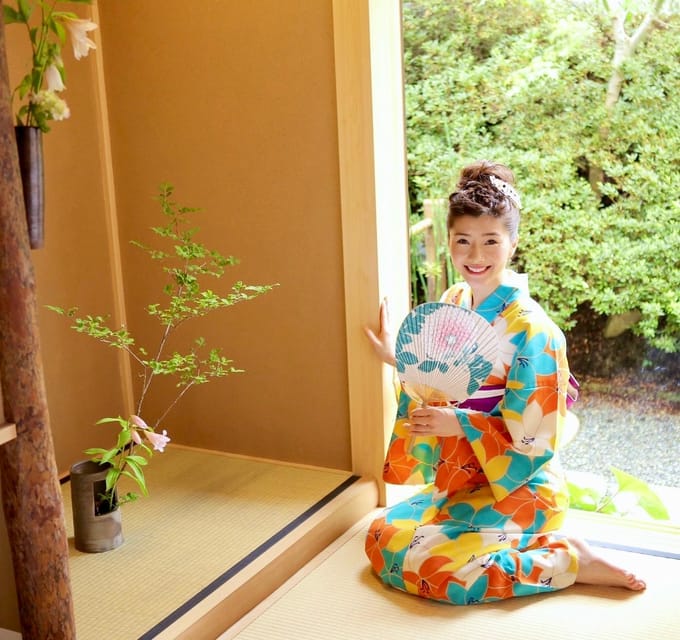
The appeal here is simple. You arrive in one of Kyoto’s best walking districts, put on traditional clothing, and then spend part of the afternoon looking the part as you visit nearby temples and lanes.
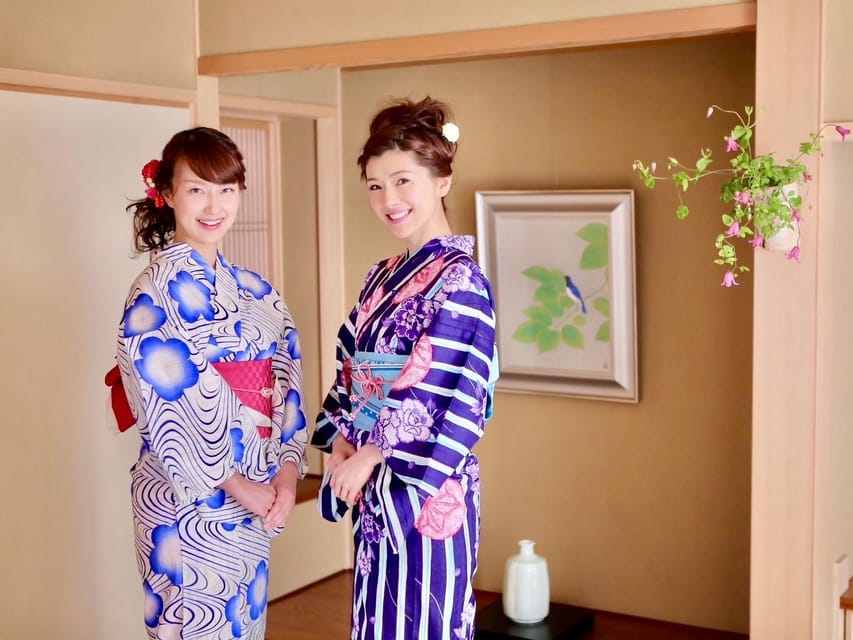
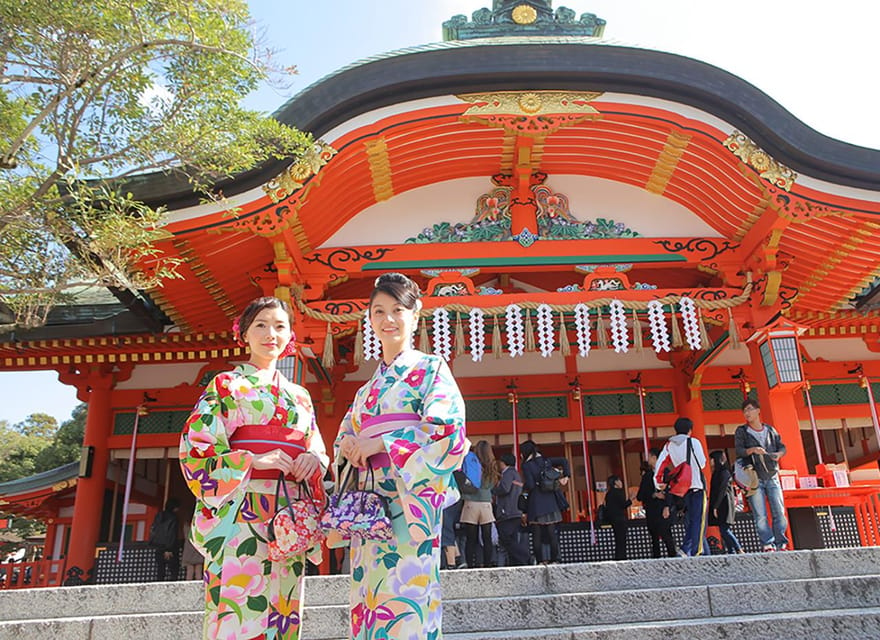
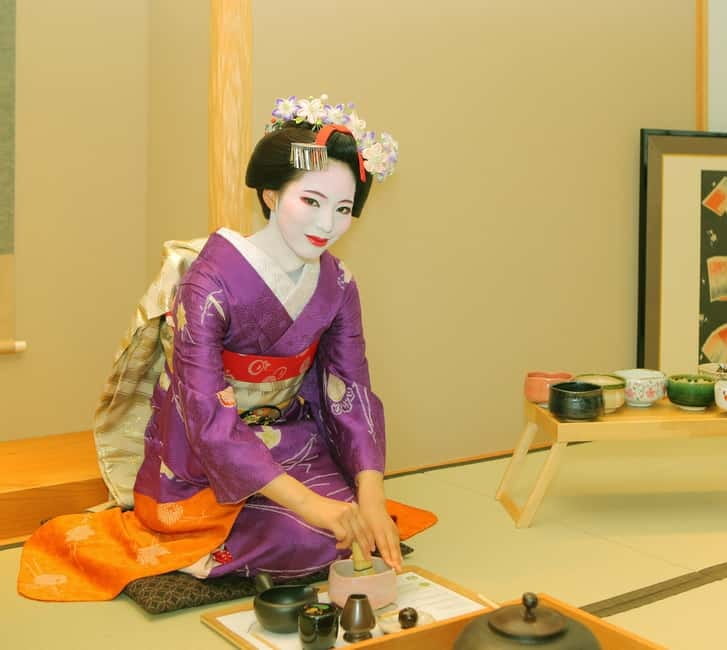
Studio Shiki offers three broad choices. A maiko costume gives you the most theatrical look, while the samurai option suits visitors who want something less delicate and more playful. The regular kimono plan is the practical middle ground, and the seasonal yukata plan is used from June 1 through September 15.
The included clothing package covers the kimono or yukata, obi, undergarments, sandals, and a bag. That matters because you do not need to assemble the outfit yourself or bring extra accessories. Hair styling is not included. It is available for an additional 1,650 yen, according to the booking information, so add that cost if you want a more finished maiko or kimono look.
Do not think of the dressing process as a quick costume grab. Traditional clothing has several layers and needs to be fitted properly, so your appointment time affects the rest of your day. The activity offers several hourly starts, from 9am through 3pm, but the tea ceremony is fixed 90 minutes later.
More Kimono and Tea Ceremonies in Kyoto
- Kimono Tea Ceremony at Kyoto Maikoya, NISHIKI
★ 5.0 · 911 reviews - Kyoto: Kimono Tea Ceremony at Orizuruya Gion
★ 4.9 · 618 reviews - KYOTO Tea Ceremony with kimono near by Imamiya Jinjya Shrine
★ 5.0 · 343 reviews
The 90-minute appointment gap
The schedule is easy to understand, but you need to take it seriously:
- 9am dressing, 10:30am tea
- 10am dressing, 11:30am tea
- 11am dressing, 12:30pm tea
- Noon dressing, 1:30pm tea
- 1pm dressing, 2:30pm tea
- 2pm dressing, 3:30pm tea
- 3pm dressing, 4:30pm tea
The gap gives the staff time to dress you and gives you a clear route to the tea room. It is not spare time for a full temple visit. You may have a little breathing room, but Kiyomizu-dera itself deserves far more than a quick look, and the streets around it can take time to cross.
Arrive early. The instructions are blunt for good reason: if you are late for the dressing appointment or tea ceremony, you may have to join partway through or lose that portion of the experience. I would avoid booking this on a day when you have a tight train connection, a second tour, or a major temple admission slot.
The final 3pm dressing appointment leads to a 4:30pm tea ceremony. Since the rental promise runs until 5pm, that late schedule leaves almost no useful time for walking around afterward. An early or midday booking gives you much better value from the costume.
Matcha and sweets at Akebonotei
After dressing, you walk about three minutes to Akebonotei, the tea ceremony parlor. The short walk is a real advantage. You do not need to navigate across Kyoto in sandals or worry about a long transfer while wearing formal clothing.
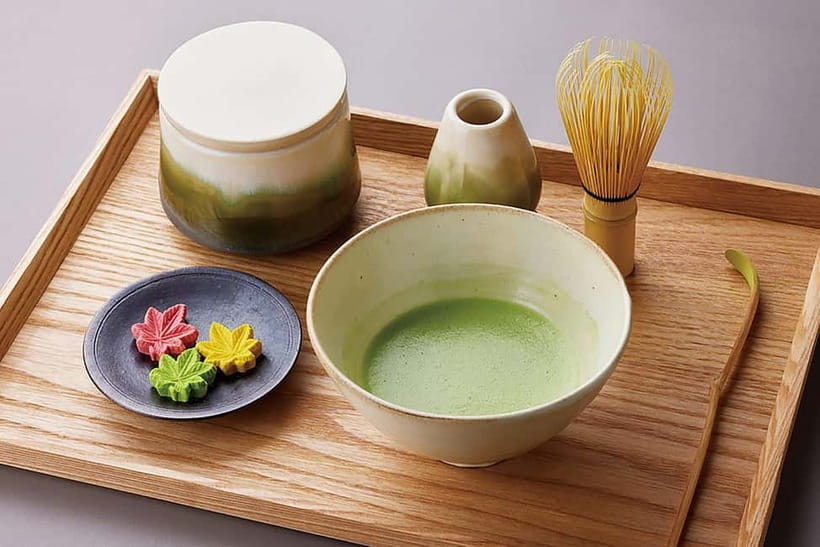
The tea portion includes matcha and a sweet. It is presented as a concise tea ceremony experience rather than a long class. That makes it a good fit for families, first-time visitors, and anyone who wants a taste of Japanese tea culture without giving up half a day.
A short format also has limits. You should not book this expecting a detailed study of tea utensils, schools of tea, or the full sequence of a formal ceremony. Some people will find the staged setting too polished and tourist-oriented. One strong negative account described the ceremony as artificial and crowded, while another family-focused account found the shorter format useful with children.
Both reactions make sense. The value depends on what you want. If you want an approachable introduction and memorable photographs, the format works. If you are seeking quiet, highly formal instruction, choose a longer specialist tea ceremony instead.
The English support is a plus. A woman at the tea venue was described as speaking English very well, which should make the basic steps easier to follow. No individual guide name is provided, so you should not book this expecting a named tea master or personal guide.
Your 5pm kimono deadline
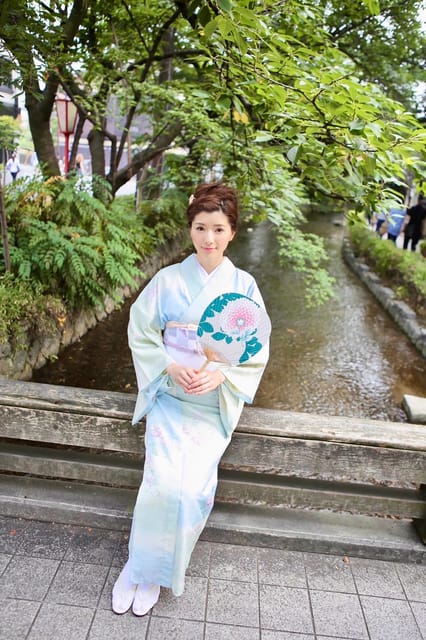
The kimono rental can continue until 5pm. This is the strongest practical feature of the package. You can use the costume for more than the tea ceremony, provided your timing allows it and you return as instructed.
The nearby sightseeing circuit is unusually good for this kind of outing. From the studio area, you can build a walk around:
- Kiyomizu-dera Temple
- Yasaka Five-Story Pagoda
- Yasaka Koshindo
- Ninenzaka
- Sannenzaka
- Kodaiji Temple
- Yasaka Shrine
You will also find cafes and shops in the district. The stone lanes and traditional facades make the clothing feel connected to the surroundings rather than placed in a studio with no context.
There is a practical warning here: the same streets that make the area attractive can be awkward in sandals, and the district includes slopes and busy pedestrian sections. Keep your walk manageable. A kimono is not ideal clothing for racing between distant temples, and a maiko or samurai costume may draw attention in a way that some people enjoy and others find tiring.
Your best plan is to choose one or two nearby sights after the tea ceremony, then return the clothing in good time. Kiyomizu-dera is the obvious pairing because the studio is about a three-minute walk from the temple area. Ninenzaka and Sannenzaka also fit naturally into the same outing.
More Tea Ceremonies in Kyoto
- Kyoto: Tea Ceremony in a Traditional Tea House in Kiyomizu
★ 4.9 · 3,519 reviews - Kyoto: Tea Ceremony Ju-An at Jotokuji Temple
★ 4.9 · 3,207 reviews - Kyoto: 45-Minute Tea Ceremony Lesson Experience
★ 4.3 · 2,378 reviews - Kyoto: Table-Style Tea Ceremony at a Kyo-Machiya
★ 4.9 · 1,211 reviews
Getting to Studio Shiki from Kyoto
If you come by city bus, get off at Kiyomizu-michi. The bus ride takes about 20 minutes, followed by a walk of about 10 minutes to the shop.
That sounds straightforward, but Kyoto buses can be slow when the sightseeing districts are busy. Give yourself more time than the bare travel estimate, especially for a morning appointment. You do not want to arrive flustered and then lose part of a prepaid experience.
The meeting point is useful for a day centered on eastern Kyoto. It is less convenient if you are staying far west or planning a separate activity across town immediately afterward. The strongest plan is to group this with Kiyomizu-dera and the southern Higashiyama sights rather than treating it as a quick stop between unrelated attractions.
Is the $77 price fair?

At $77 per person, this is not a cheap clothing rental. You are paying for more than the garments, though. The package includes the outfit, obi, undergarments, sandals, bag, matcha, sweets, and the organized tea experience.
The rental period adds value. If you book early enough to enjoy the costume until 5pm, you can use the outfit during a larger sightseeing walk. Families may also find the package easier than arranging clothing rental and a tea experience separately.
Still, value depends heavily on your expectations. If you mainly want to put on a kimono for a few photographs, a lower-cost rental may suit you better. One critical assessment felt that the presentation was no more special than renting a room or costume independently. I cannot dismiss that concern, especially for solo adults who care most about authenticity and quiet.
The price makes more sense for a family or first-time Kyoto visitor who wants a simple, prearranged activity in a very convenient location. The tea and sweets provide a clear second part, and the nearby sights give you something to do with the clothing afterward.
The maximum family size is four people. The general small-group information says up to six participants, but the specific family limit is four. If your party is larger, confirm the arrangement before paying.
Who will enjoy this most
I would put this near the top of the list for families with children age five and older. The tea session is short enough to hold a child’s attention, and the clothing creates a shared activity rather than another temple visit where everyone simply follows the adults.
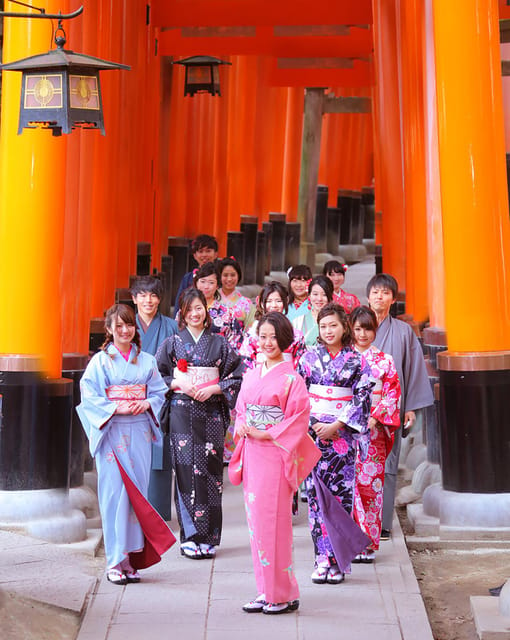
It also suits couples and friends who want photographs in Kyoto clothing, particularly if they plan to explore Kiyomizu-dera and the surrounding lanes afterward. The maiko and samurai choices add a playful element that a standard kimono rental does not provide.
I would be more cautious if you are looking for serious cultural instruction. The tea ceremony is brief, the venue is designed for visitors, and the atmosphere may feel staged. That does not make it worthless, but it does mean you should see it as an introduction and photo-friendly cultural activity.
Pregnant women cannot participate, and children under five are not accepted. Those restrictions are important for family planning.
How to make the day run well
Choose a morning or early afternoon slot. You will have more time to enjoy the costume before the 5pm return deadline, and you will not spend the entire booking watching the clock.
Arrive at the bus stop area early, wear comfortable clothing under the costume, and keep your sightseeing list short. Kiyomizu-dera plus Ninenzaka, Sannenzaka, and one nearby temple is a sensible target. Trying to cover every listed sight in kimono could turn a pleasant outing into a footwear test.
If hair styling matters to you, budget the extra 1,650 yen. This is particularly relevant for the maiko plan, where hair can make a large difference to the final appearance.
Keep the 90-minute sequence in view. The tea ceremony is not a flexible drop-in activity. If you spend too long taking pictures or stop for lunch after dressing, you risk arriving late at Akebonotei.
The cancellation policy is forgiving: you can cancel up to 24 hours ahead for a full refund, and the reserve-now, pay-later option keeps the booking flexible. Even so, a reservation does not remove the need for punctuality.
Should you book this Kyoto costume and tea experience?
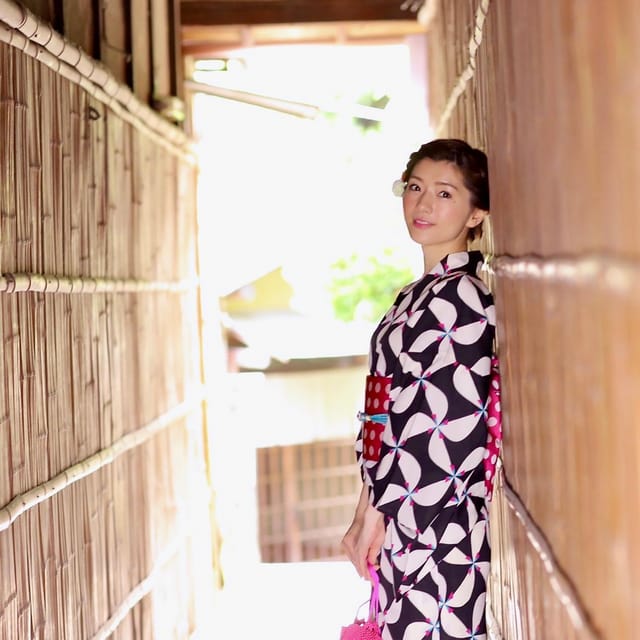
Book it if you want a convenient family activity near Kiyomizu-dera, a traditional outfit for several hours, and a short introduction to matcha. The location is excellent, the included clothing package is useful, and the 5pm return time gives an early booking real sightseeing value.
Skip it if your main goal is a quiet, highly authentic tea ceremony or detailed instruction in Japanese tea culture. You may find the setting too commercial and the ceremony too brief.
For most first-time visitors, I would choose the kimono option rather than the more theatrical maiko or samurai styles, unless the costume itself is the main point. Pick an early start, add hair styling if you want the full look, and build the rest of the day around Kiyomizu-dera. That approach gives the $77 price its best chance of feeling worthwhile.
FAQ
Where does the experience take place?
The rental takes place at Studio Shiki near Kiyomizu-dera Temple in Kyoto. The matcha tea ceremony takes place at Akebonotei, about a three-minute walk away.
How long does the activity last?
The stated duration is 150 minutes to three hours. The exact length depends on the selected start time and the dressing process.
What time can I book the kimono experience?
Available dressing times run hourly from 9am through 3pm.
How soon after dressing is the tea ceremony?
The tea ceremony begins 90 minutes after the kimono appointment. For example, a 10am dressing appointment leads to an 11:30am tea ceremony.
What costumes are available?
You can choose a maiko costume, samurai style, or a regular kimono. A yukata plan is available from June 1 through September 15.
What does the package include?
It includes the kimono or yukata, obi, undergarments, bag, sandals, matcha tea, sweets, and the tea ceremony experience.
Is hair styling included?
No. Hair styling is not included. It is offered separately for 1,650 yen.
How long can I keep the kimono?
If you rent a kimono, you can enjoy it until 5pm, according to the activity details.
Can children participate?
Children age five and older can participate. Children under five are not allowed.
Can pregnant women participate?
No. Pregnant women are not permitted to take part in this experience.
How many people can join?
The activity is limited to families of up to four people. General small-group information lists up to six participants, so larger parties should confirm the arrangement before booking.
How do I reach the meeting point by bus?
Take a city bus to the Kiyomizu-michi bus stop. The bus ride is about 20 minutes, followed by roughly a 10-minute walk to the shop.
Can I cancel for a refund?
Yes. You can cancel up to 24 hours before the experience for a full refund.
Is English available?
English is available at the tea ceremony according to the activity information. The tea venue staff member described there speaks English very well.
Fresh tea listings around Kyoto
- Cycling Tour at Uji’s Matcha Green Tea Fields and Heritage★ 5.0 · 10 reviews
- Authentic Tea Ceremony & Sushi in The Museum of Kyoto★ 5.0 · 3 reviews
- Kyoto Hidden Riverside Zen Mediation and Uji Matcha Experience★ 5.0 · 9 reviews
- Whisk Your Own Matcha: A Zen Matcha Experience at Temple★ 3.6 · 7 reviews
- Kyoto: Nighttime Zen Meditation and Matcha Tea Experience★ 5.0 · 7 reviews
- Kyoto Fushimiinari:Wagashi Making & Small Group Tea Ceremony★ 5.0 · 14 reviews
- 2 Types of Japanese Sweets making and Tea Ceremony★ 4.6 · 17 reviews
- Matcha Grinding Experience and Walking Tour in Uji Kyoto★ 5.0 · 26 reviews
Kimono & Tea Ceremony, compared.
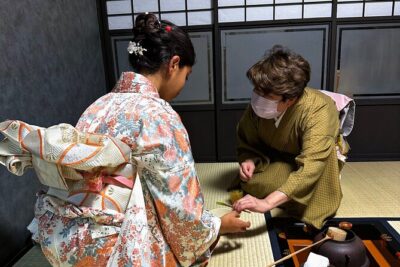
KYOTO Tea Ceremony with kimono near by Imamiya Jinjya Shrine
Read our review →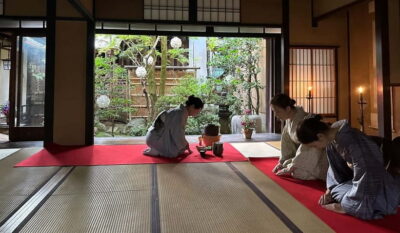
Kyoto: Kimono and Tea Ceremony Experience at Cultural Asset
Read our review →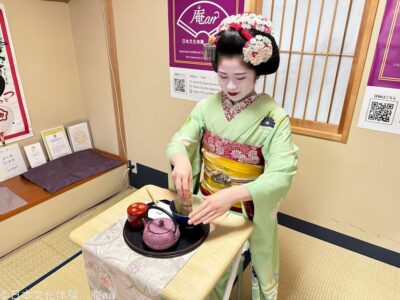
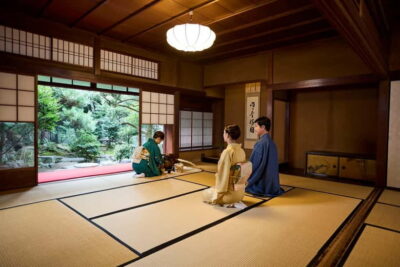
Kyoto: Kimono Tea Ceremony with Matcha and Sweet
Read our review →
Browse the lists this tour appears in