
Review · JAPAN TEA TOURS
Japanese Tea Making Class in Sapporo
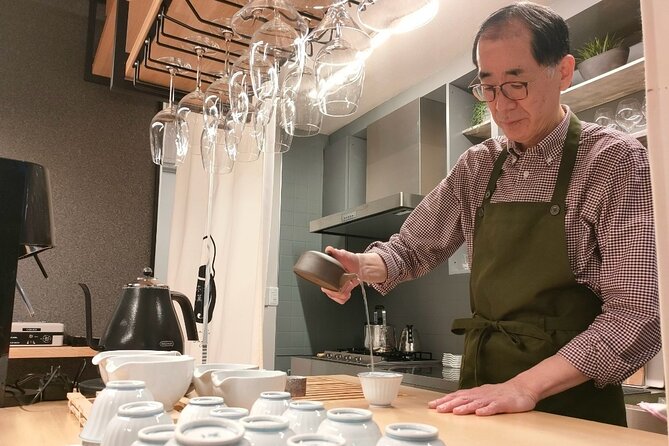
The clever part of this Sapporo class is that you taste the same Japanese tea through three different brewing approaches. Lukewarm water brings out the tea’s original flavor, ice and a wine glass highlight aroma and sweetness, and hot water draws out bitterness and astringency. It turns a familiar drink into a small, useful lesson in taste.
I like the clear, step-by-step format, and I like that you get to practice rather than simply watch someone prepare tea. The seasonal Japanese sweets add another layer, especially when their flavor and appearance are matched with the tea. The main consideration is the price: at $78.48 per person for about 90 minutes, this is best for people who want a focused cultural activity, not a quick cup of tea.
Key points to know before booking
- Three brewing styles: Compare tea made with lukewarm water, ice and water in a wine glass, and hot water.
- Taste changes are the lesson: You will notice shifts in sweetness, aroma, bitterness, and astringency.
- Seasonal wagashi included: Japanese sweets are served with the tea, adding a visual and flavor connection to the season.
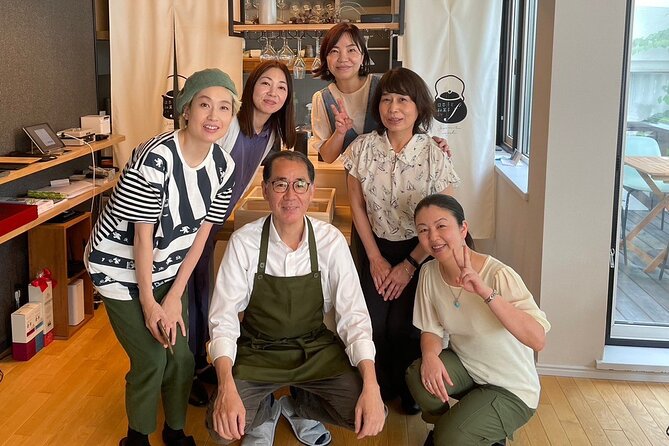
- Private 90-minute format: Only your group takes part, giving the class a personal pace.
- Convenient Sapporo meeting point: Meet at 日本茶と和菓子 エフ near Maruyama Park at 10:00 am.
- Useful knowledge to take home: The class provides practical brewing guidance, including temperature and timing points for different teas.
Three cups, three versions of Japanese tea
This class begins with a simple idea: Japanese tea is not one fixed flavor. The water temperature, brewing time, serving vessel, and amount of ice can all change what reaches your palate.
The first cup uses lukewarm water. This gentler method lets you notice the tea’s original flavor without pushing it toward sharp bitterness. For a first taste, this is useful because it gives you a baseline for comparison.
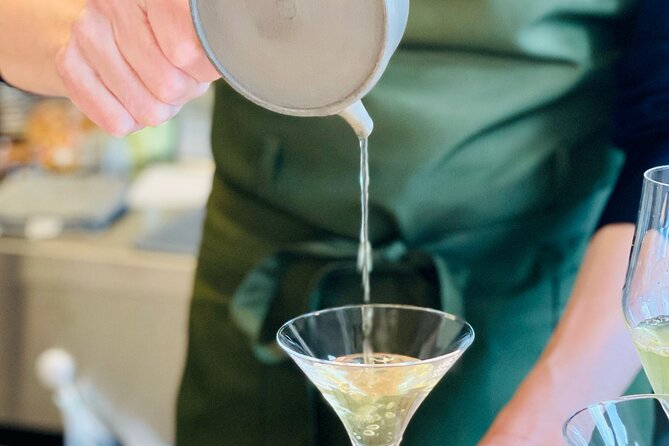
The second cup is made with ice and water, then served in a wine glass. That choice is not just for appearance. A wine glass helps direct the aroma toward your nose, while the cold preparation brings out a different balance of sweetness and fragrance.
The third cup uses hot water. Heat pulls out stronger flavors, including bitterness and astringency. If you usually pour boiling water over tea and wonder why it sometimes tastes harsh, this part gives you a practical answer.
I like this structure because each cup has a job. You are not simply drinking three servings. You are testing how preparation changes the drink, then deciding which style suits your taste.
More tea experiences around Japan if you are still choosing
- Kyoto: Tea Ceremony in a Traditional Tea House in Kiyomizu
★ 4.9 · 3,519 reviews - Kyoto: Tea Ceremony Ju-An at Jotokuji Temple
★ 4.9 · 3,207 reviews - Kyoto: 45-Minute Tea Ceremony Lesson Experience
★ 4.3 · 2,378 reviews
The 10:00 am class near Maruyama Park
You meet at 日本茶と和菓子 エフ, located at 25-chōme-2-12 Ōdōrinishi in Sapporo’s Chuo Ward. The meeting point is near public transportation, which makes this an easy morning activity to add to a day around Maruyama Park and central Sapporo.
The start time is 10:00 am, and the class lasts about one hour and 30 minutes. That timing works well if you want a calm cultural activity before lunch. It is also short enough to fit into a sightseeing day without taking over your schedule.
This is a private activity, so only your group participates. That matters here. Tea preparation involves small observations, such as noticing aroma, comparing the first sip with the aftertaste, and asking why one cup tastes sharper than another. A private setting gives you room to ask those questions without trying to keep up with a large group.
Transportation is not included. You make your own way to the meeting point, and the activity finishes there. Plan your route in advance, especially if you are relying on public transportation and want to arrive ready for the 10:00 am start.
Learning the basics before you brew
The class introduces the wider role of Japanese tea before moving into the practical preparation. Tea is presented not only as a traditional drink but also as a product associated with modern health interest in Japan and abroad.
Japanese tea contains polyphenols, plant compounds associated with antioxidant and antibacterial properties. It also contains theanine, an amino acid linked with relaxation. The class materials connect tea with possible benefits such as helping regulate blood cholesterol and reducing body fat.
You should treat these points as background rather than as medical advice. The most useful part for your visit is the connection between the drink, its production, and the care taken in preparing it. You learn why a small change in water temperature can alter the cup in front of you.
The class also covers tea types and manufacturing methods. That makes the session more useful than a one-time tasting. You are given practical information about temperature and brewing time for different teas, so you can try the methods again at home.
The first cup uses lukewarm water
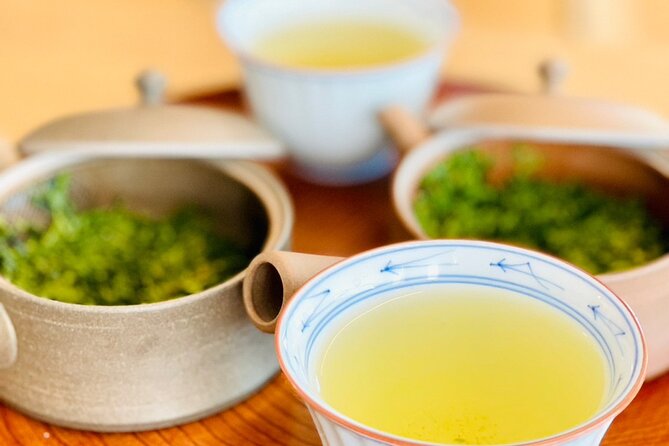
The first preparation uses lukewarm water to reveal the original character of the tea. This is a gentle beginning, especially if you are new to Japanese tea or usually associate tea with a strong, hot brew.
Pay attention to the balance rather than looking for a dramatic hit of flavor. Lukewarm water can make the cup feel softer and less aggressive. It gives you a reference point for the stronger flavors that come later.
This first stage also teaches patience. Brewing is not just a matter of adding hot water and waiting. The temperature and timing are part of the recipe. If you enjoy learning through comparison, this is where the class begins to make sense.
Same city, a very different cup:
- World Heritage Kyoto & Nara Uji Authentic Matcha Experience
★ 5.0 · 1,573 reviews - Osaka: Tea Ceremony Experience
★ 4.9 · 1,426 reviews - Kyoto: Table-Style Tea Ceremony at a Kyo-Machiya
★ 4.9 · 1,211 reviews - Kanazawa: Kenrokuen Tea Ceremony Experience
★ 4.8 · 1,139 reviews
Ice and a wine glass change the aroma
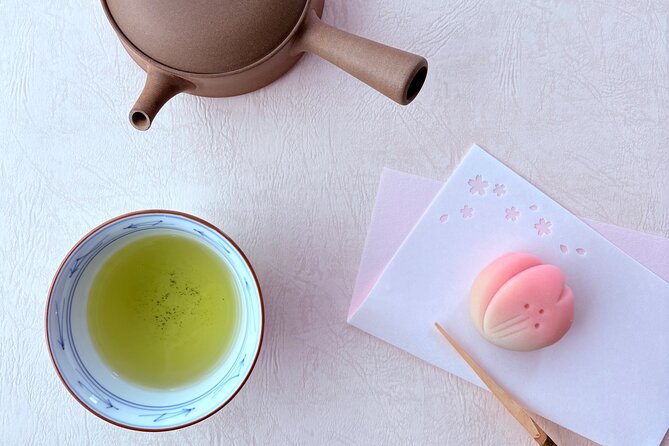
The second cup is the most unusual part for many people. You brew the tea with ice and water, then drink it from a wine glass.
Cold Japanese tea can taste very different from hot tea. The cold method brings attention to sweetness and aroma, while the wine glass helps you notice the fragrance before and during each sip. The shape of the glass gives the experience a different feel from drinking hot tea from a ceramic cup.
That contrast is one of the strongest reasons to book this class. It shows that the serving vessel can affect your perception, even before you change the tea itself. You might find that a tea you consider too plain when hot becomes more fragrant and appealing when served cold.
The wine glass also makes this feel different from a standard tea lesson. You are not being asked to memorize formal rules. You are testing a simple idea with your own senses.
Hot water brings out bitterness and astringency
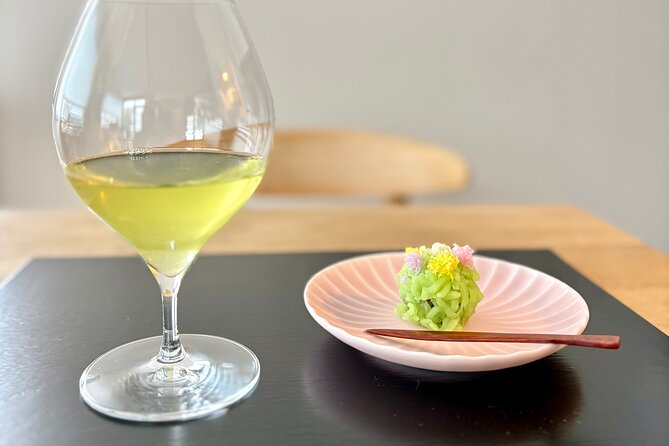
The third cup is prepared with hot water. This method draws out bitterness and astringency, giving you a fuller picture of the tea’s range.
Astringency is the dry, puckering sensation that can remain on your tongue. It is not exactly the same as bitterness, and tasting both in the same session helps you separate the two. The contrast with the lukewarm and cold preparations makes the effect easier to understand.
This is also a useful lesson for your own kitchen. If your tea often tastes too sharp, the problem may be the temperature or brewing time rather than the tea itself. The class gives you a way to adjust both.
You will have the chance to compare the cups in order. That sequence matters. A single cup can be hard to describe, but three versions served as part of one lesson make the differences clear.
Seasonal wagashi finish the tasting
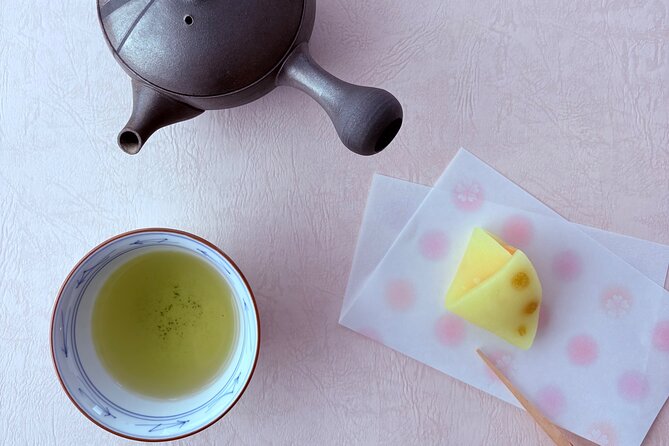
Japanese sweets, or wagashi, are included with the tea. These are not just a snack added at the end. Their sweetness helps balance the bitterness and astringency of the hotter preparation.
The sweets are seasonal, and their designs can reflect the time of year. Spring-themed sweets shaped like flowers are one example of the kind of detail you might encounter. Their appearance encourages you to think about Japanese seasonality as part of the tea table, not as a separate sightseeing topic.
The pairing also gives you a practical way to taste. Take a sip of tea, try a piece of wagashi, and return to the tea. The sweetness can make the tea taste less sharp, while the tea can keep the sweet from feeling heavy.
If you have a strong preference for savory snacks or do not enjoy sweet foods, this part may be less important to you. For most people interested in traditional Japanese food customs, it adds welcome context without requiring a full meal.
Two types of tea and practice you can repeat at home
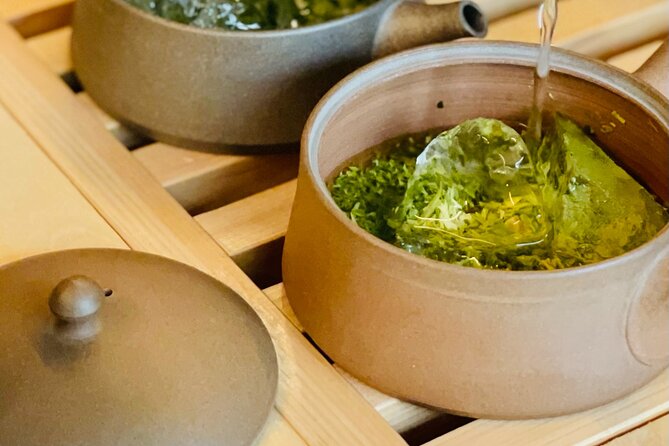
The class uses two kinds of tea, allowing you to compare more than one set of flavors. That is helpful because it prevents the lesson from becoming a single demonstration tied to one particular tea.
You practice each stage and compare the results as you go. The instruction is designed for beginners, with explanations supported by materials and teaching aids. You do not need to arrive with special tea knowledge.
A summary sheet with temperature and brewing-time guidance is available to take with you. This is one of the most practical parts of the experience. After returning home, you have something to consult instead of relying on memory.
I especially value this kind of takeaway because tea preparation is easy to understand during a demonstration and easy to forget later. Written guidance gives you a better chance of repeating the method successfully.
What makes the private format worthwhile
A private class can be a good match for couples, friends, families, or small groups with a shared interest in Japanese food and culture. Only your group takes part, so the session can focus on beginner questions and your own tasting reactions.
That format is especially useful if you want to compare notes as you drink. One person may notice sweetness first, while another focuses on aroma or dryness. A small group can discuss those differences without the noise or pace of a large public class.
The tradeoff is value. $78.48 per person is a considerable price for 90 minutes, particularly since transportation is not included. You are paying for instruction, a private setting, several preparation methods, tea, and seasonal sweets, not for a long sightseeing route or a full meal.
I would consider it good value if you have a real interest in Japanese tea, food presentation, or hands-on cultural activities. If you simply want to sample Japanese tea at the lowest possible cost, a tea shop or café will likely suit you better.
Who will enjoy this Sapporo tea class
I would recommend this experience to anyone who likes learning by tasting. The class makes technical points easy to grasp because you can immediately drink the result of each method.
It also suits people who want a quiet cultural activity away from a packed sightseeing schedule. The 10:00 am start and 90-minute length leave much of the day free, while the private setup keeps the experience personal.
Families and mixed-age groups may appreciate the clear structure, though the supplied information does not specify age requirements. Beginners are welcome, and the teaching approach includes basic explanations rather than assuming prior knowledge.
You should think twice if you dislike sweets, prefer a fast activity, or are mainly looking for a broad introduction to Sapporo. This class stays focused on Japanese tea, brewing, aroma, taste, and wagashi. That focus is its strength, but it will not replace a general city tour.
Practical booking details and cancellation
You receive confirmation when you book, and the activity uses a mobile ticket. The meeting point is near public transportation, but private transportation is not included.
Free cancellation is available if you cancel at least 24 hours before the 10:00 am start time. Cancellations made less than 24 hours in advance are not refunded, and changes within that period are not accepted. The cut-off follows local Sapporo time.
Because the class begins at a fixed time and is private, give yourself enough time to reach 日本茶と和菓子 エフ. The experience ends at the same meeting point.
Should you book this Japanese tea class?
Book it if you want to understand Japanese tea through direct comparison rather than a short explanation. The three preparations make the lesson memorable, and the cold tea in a wine glass is a particularly distinctive touch.
The strongest reasons to go are the practical brewing guidance, the chance to use two kinds of tea, and the seasonal wagashi pairing. You can leave with a better sense of temperature, timing, aroma, sweetness, bitterness, and astringency, plus information you can use at home.
Skip it if $78.48 feels high for a 90-minute activity or if you want a larger meal, a city tour, or a more active morning. For the right audience, though, this is a thoughtful Sapporo experience that turns a familiar drink into something worth paying attention to.
FAQ
Where does the Japanese tea class take place?
The class takes place at 日本茶と和菓子 エフ, at 25-chōme-2-12 Ōdōrinishi, Chuo Ward, Sapporo, Hokkaido 064-0820, Japan.
What time does the class start?
The experience starts at 10:00 am.
How long does the experience last?
The class lasts approximately one hour and 30 minutes.
Is the activity private?
Yes. Only your group participates in the activity.
What types of tea preparation will I try?
You will try tea brewed with lukewarm water, tea prepared with ice and water in a wine glass, and tea brewed with hot water.
Are Japanese sweets included?
Yes. Seasonal Japanese sweets, called wagashi, are included as a snack and are paired with the tea.
Does the activity include transportation?
No. Private transportation is not included. You must make your own way to the meeting point.
Is the meeting point near public transportation?
Yes. The meeting point is described as being near public transportation.
Will I receive booking confirmation?
Yes. Confirmation is received at the time of booking, and the activity uses a mobile ticket.
Can I cancel for a full refund?
Yes, if you cancel at least 24 hours before the experience start time. Cancellations made less than 24 hours before the start are not refunded.
Fresh tea listings around Japan
- Yokohama : Tea Ceremony with Sweets and Souvenir★ 5.0 · 5 reviews
- Walking Tour: Yanaka,Nezu& Sendagi: Tea Ceremony & Old Tokyo★ 5.0 · 3 reviews
- Visit local home for music and tea ceremony near Disney★ 4.9 · 13 reviews
- Yokohama: Sushi & Gyoza Cooking with Matcha & GreenTea Experience★ 5.0 · 3 reviews
- Trip to Kamakura & Enoshima: Shrines, Seaside, Temples &Tea★ 5.0 · 11 reviews
- Uji: Private immersion into Kyoto’s tea and reglious culture★ 5.0 · 17 reviews
- Uji Tea Ceremony and UNESCO Heritage Walking Tour★ 5.0 · 20 reviews
- Kyoto tea town for matcha lovers★ 5.0 · 16 reviews
Japan Tea Tours, compared.
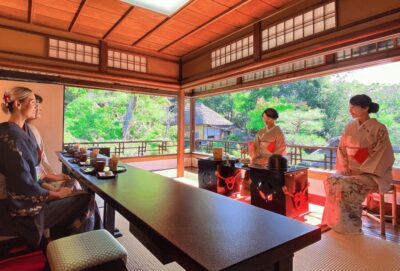
Kyoto: Tea Ceremony in a Traditional Tea House in Kiyomizu
Read our review →
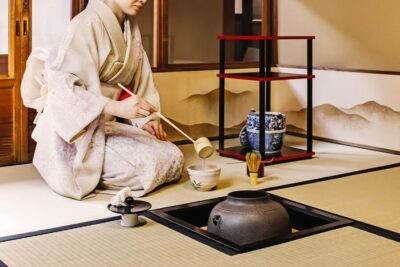
Kyoto: 45-Minute Tea Ceremony Lesson Experience
Read our review →
World Heritage Kyoto & Nara Uji Authentic Matcha Experience
Read our review →
Kyoto: Table-Style Tea Ceremony at a Kyo-Machiya
Read our review →
Browse the lists this tour appears in