Review · KIMONO & TEA CEREMONY
Sweets Making and Kimono Tea Ceremony at Tokyo Maikoya
The most memorable part of this Asakusa cultural activity is the hands-on mix: you do not just watch a tea ceremony, you shape wagashi, wear a kimono, and prepare matcha before sitting down for the formal ritual. It gives you a useful glimpse of Japanese customs without requiring a full day or a trip outside Tokyo.
I like the small-group format, which allows time for help with the sweets and questions about etiquette. I also like the photo opportunities, including the terrace and traditional accessories. The main consideration is price: at $112.29 per person, this is not a cheap craft class, and children under seven cannot enter the venue.
Key points at a glance
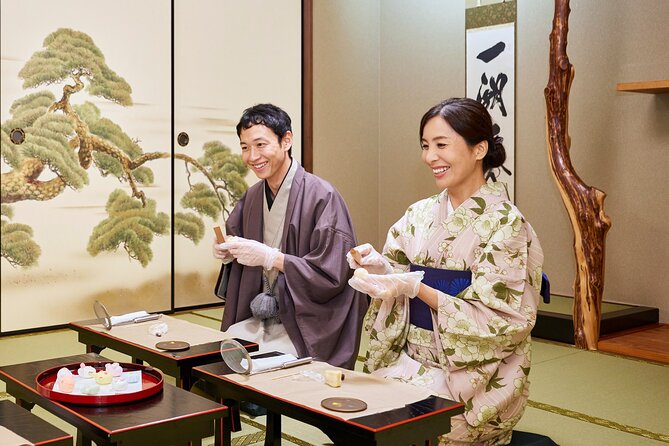
- Make and decorate two wagashi sweets: You color and shape traditional Japanese sweets, then enjoy them with matcha.
- Dress in a kimono: Staff help you choose traditional clothing, an obi, and hair accessories.
- Learn the meaning behind tea etiquette: The ceremony is explained step by step, including its connection with calm and meditation.
- Meet at Maikoya in Asakusa: The activity begins and ends at 1-chōme-12-2 Asakusa, near public transportation.
- Small group, limited to 10 participants: The setting is intended to feel personal, although the published maximum elsewhere is 12.
- Two hours at $112.29: Ingredients, utensils, green tea, water, kimono dressing, and the activity itself are included.
Why this Asakusa activity works so well
Tokyo offers plenty of quick cultural stops, but many are passive. You look, listen, take a photo, and move on. This experience gives you several simple tasks that help the customs make sense: you prepare sweets to serve with tea, put on clothing connected with formal Japanese occasions, and follow the movements of a tea ceremony.
That sequence matters. The kimono is not just a costume for a picture. The sweets are not just a snack. The tea is not just a drink. Each part gives you a small piece of the larger ritual, and the instructor explains the cultural meaning as you go.
The activity is held at Maikoya in Asakusa, one of Tokyo’s historic neighborhoods. You meet at the tea house at 11:30 a.m., and the session lasts about two hours. It ends at the same location, so you can continue exploring Asakusa afterward without arranging a complicated transfer.
I find this timing especially useful on a sightseeing day. You can visit nearby sights before the session, enjoy the workshop around midday, then return to the neighborhood afterward. Transportation and hotel pickup are not included, so you need to make your own way to the meeting point.
More Kimono and Tea Ceremonies in Tokyo
- Kimono Tea Ceremony at Tokyo, Asakusa Maikoya
★ 5.0 · 638 reviews - Tokyo: Matcha and Kimono Experience
★ 4.7 · 219 reviews - Tokyo: Asakusa Kimono Dressing and Matcha Experience
★ 4.9 · 173 reviews
Choosing a kimono and getting ready
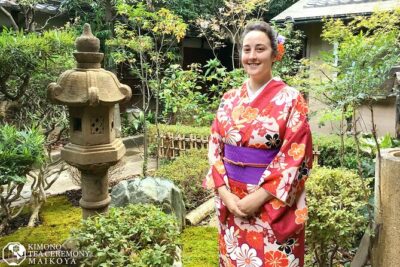
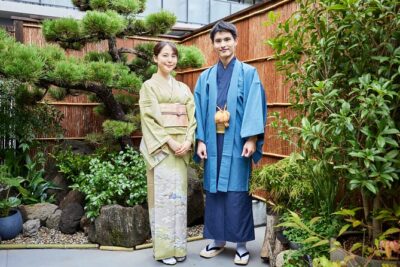
The clothing portion is one of the strongest parts of the activity. Staff help you select a kimono, obi, and hair accessory, then dress you for the ceremony. Some participants also receive a traditional updo with a flower decoration.
You should allow a little patience for this stage. Proper kimono dressing involves several layers and careful tying, so it is not the same as slipping on a loose robe. That care is part of the point. The clothing changes how you sit, move, and think about the formality of the ceremony.
The available sizes have worked well for people who were initially concerned about fit. Still, no detailed size chart is provided, so anyone with particular clothing needs should contact Maikoya before booking rather than assume every option will suit them.
Men and boys can also take part in the dressing experience. Families have used the activity as a shared event, and it works for adults, teenagers, and children aged seven and older. Since the venue does not allow children under seven, an entire party with a younger child cannot book this experience.
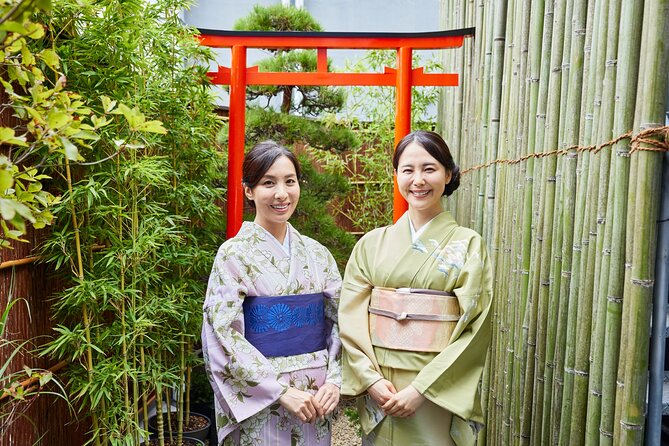
Once dressed, you have time for photos. Staff can help take pictures if you ask, and there are several photo-friendly areas, including a garden or terrace setting and traditional props such as an umbrella. Tripods are not allowed, and photography or video may be restricted during some parts of the ceremony.
That rule is reasonable. A tea ceremony depends on quiet attention, and a phone held up at the wrong moment can disturb the room. Take your main portraits before or after the formal section, then follow the tea master’s instructions once the ceremony begins.
Making wagashi by hand
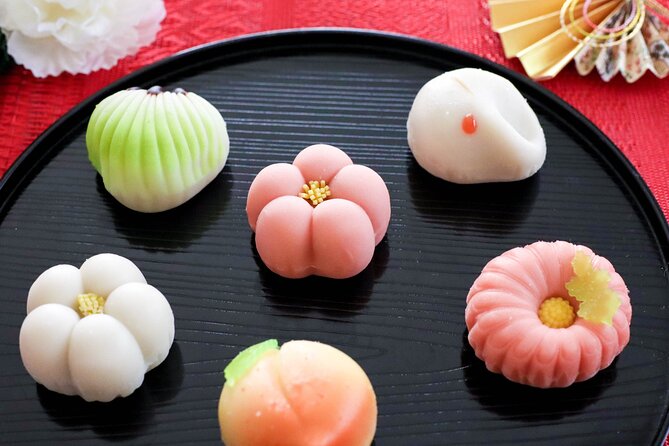
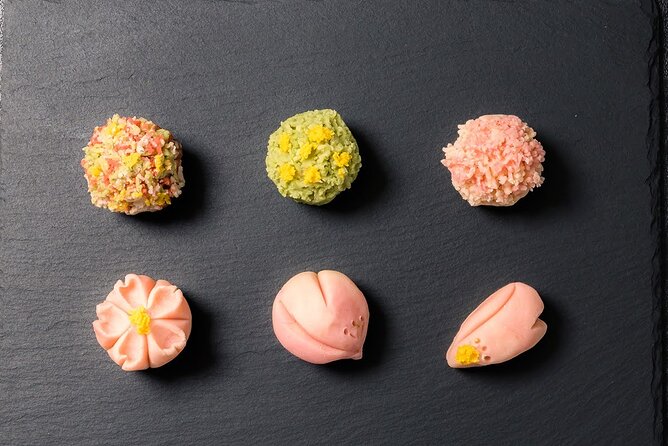
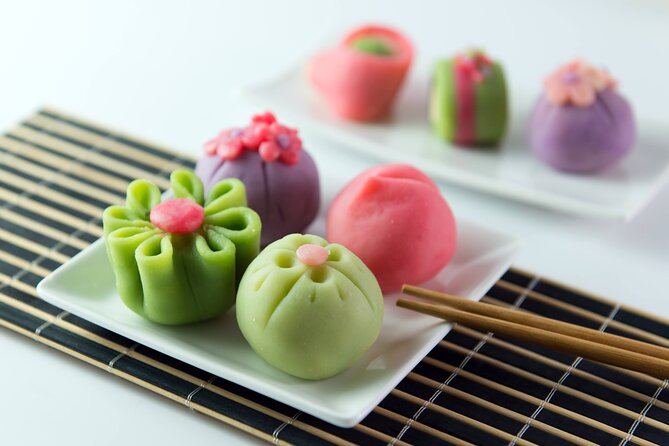
The sweets class is more hands-on than a standard tasting. You make and decorate traditional Japanese wagashi, usually served with matcha. The exact shapes and colors can vary, and you get some choice in the design.
There is an important detail here: you do not necessarily make the dough from the first ingredient onward. The activity focuses on coloring, shaping, and forming the prepared sweet into an attractive design. That still takes skill. Small changes in pressure and finger position can alter the final shape, so the instructor’s help is useful.
The class generally includes two sweets. You prepare them with the supplied ingredients and utensils, then eat them during the tea portion. One French-speaking participant particularly enjoyed leaving with one of the two sweets, but you should not assume that every session includes a take-home treat unless Maikoya confirms it.
This is a good activity for people who like practical crafts but do not want an advanced cooking lesson. You get a clear result within a short session, and the finished sweets look good in photographs. The flavor is also part of the lesson, since wagashi is designed to balance the bitterness of matcha.
Kurumi, one of the hosts named in the feedback, was praised for patient guidance during the shaping process. That matters because the sweets can look simple while requiring a gentle touch. If your first attempt is uneven, you are not doing anything wrong. The point is to learn the form and enjoy the process.
Learning matcha etiquette in the tea room
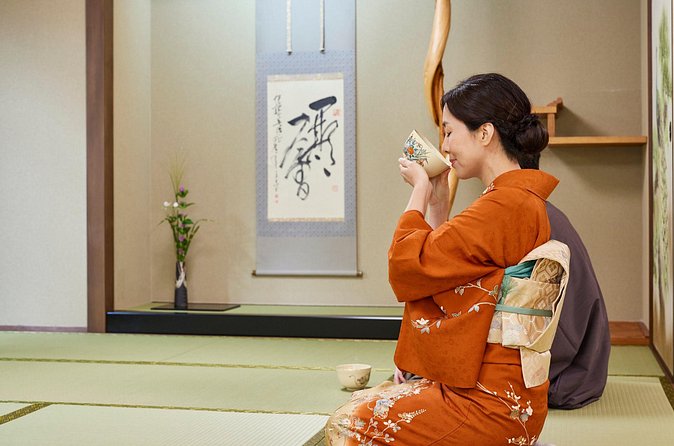
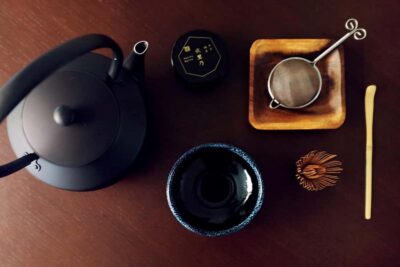
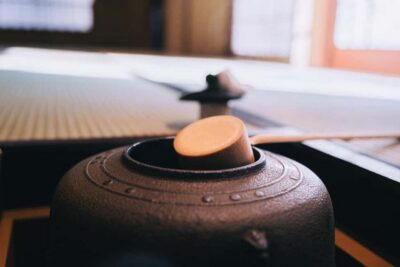
After the sweets, the group moves into the tea ceremony. The instructor explains the correct manners and the meaning behind the movements, then demonstrates how to prepare and enjoy matcha.
You will learn that the ceremony is more than a method for making green tea. The slow gestures, careful arrangement, and quiet attention connect with ideas of respect and meditation. The formal setting can seem mysterious if nobody explains it. Here, the guide makes the sequence easier to follow.
The tea ceremony is not a theatrical show designed only for photographs. You are expected to pay attention and follow instructions. Depending on the moment, this may mean sitting in a particular way, handling the bowl carefully, or waiting before drinking.
That formality is also the activity’s main cultural value. You are not simply dressed in a kimono while drinking a modern cup of tea. You are shown how the sweets, clothing, gestures, and matcha fit together.
The session includes green tea and water. The matcha can taste strong if you are used to sweetened tea, but the wagashi provides the sweetness traditionally paired with it. If you prefer a relaxed sightseeing stop with constant conversation, this quieter section may feel slow. If you enjoy learning through ritual, it is likely to be the highlight.
English-language explanations have been praised, and the hosts are described as friendly and willing to answer questions. The exact instructor can vary, so do not book around one named person. Kurumi is one host associated with the activity, but the operation may use several staff members.
More Tea and Sweets Making in Tokyo
- Matcha Making Class in Tokyo with Authentic Japanese Sweets Set
★ 5.0 · 744 reviews - Tokyo: Matcha Making Experience with Mochi Sweets in Asakusa
★ 4.9 · 388 reviews - Make Traditional Nerikiri Sweets & Matcha experience in Shibuya
★ 5.0 · 130 reviews - Japanese Traditional Sweets making and Tea Ceremony
★ 4.7 · 50 reviews
Photos without losing the cultural value
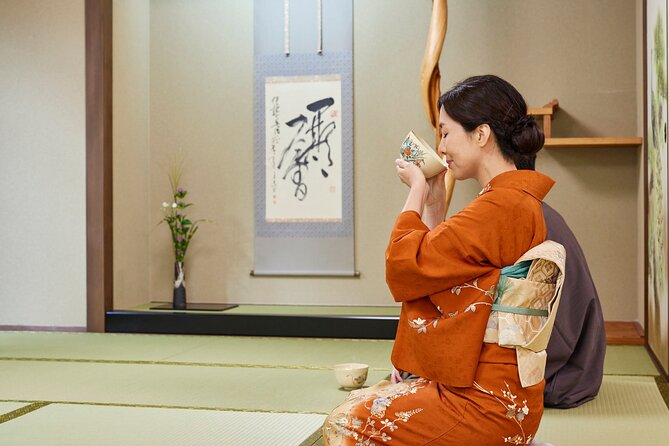
The photo time adds real value, especially for families and couples. You can record the kimono, hair arrangement, sweets, and tea setting in one place instead of arranging separate rental and photography bookings.
Staff may take your pictures if you ask. This is worth remembering because the activity does not include a dedicated photographer as a listed feature. Bring a phone or camera, and ask politely when the staff member is available.
The best approach is to treat the photographs as part of the experience, not the whole purpose. Take pictures while choosing your kimono and after making the sweets. During the tea ceremony, put the camera away unless the tea master says photography is allowed.
Tripods are specifically prohibited. Video can also be limited, so do not plan on producing a full ceremony film. You will get better results by taking a few well-timed portraits and keeping the formal part quiet.
Group size, pace, and comfort
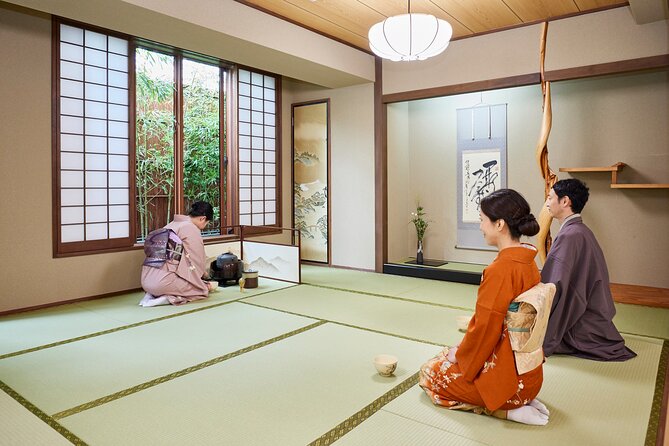
The activity is intended for a small group. The supplied details describe a maximum of 10 participants, while another note gives a maximum of 12. For practical planning, expect a small but not necessarily private class.
A group of this size is large enough for a social atmosphere and small enough for personal instruction. You can watch other people shape their sweets, compare designs, and share the ceremony without being lost in a crowd.
The two-hour duration keeps the program manageable. Dressing, sweets making, tea preparation, ceremony, and photos all fit into a compact session. You will not have the same amount of time for detailed instruction as you would in a half-day workshop, but you also will not give up an entire sightseeing day.
The pace may feel quick during the dressing and sweets work. If you want museum-level historical detail or extensive practice with matcha, this is not the right format. It is better understood as a well-rounded introduction with several activities in one visit.
Is $112.29 a fair price?
At $112.29 per person, the cost is high for a two-hour activity. You are paying more than the price of a tea or a basic kimono rental.
The value improves if you would otherwise book several separate services. The fee includes kimono wearing, ingredients and utensils for the sweets, green tea, water, instruction, and access to the tea ceremony. You also get organized photo time and a cultural explanation in English.
A separate kimono rental may give you longer outdoor wear time, while a specialist wagashi class may offer more detailed cooking instruction. This activity combines both with matcha preparation and a formal ceremony. For a first visit to Japan, that variety can make the price easier to justify.
I would consider it good value for a family, couple, or small group that wants one polished cultural outing with plenty of photographs. I would hesitate if you mainly want a cheap tea tasting, if you dislike dressing up, or if you already plan to attend several tea ceremonies during your stay.
The strong satisfaction record, with a 4.9 rating from 57 reviews and 98 percent recommendation, supports the idea that the program delivers what it promises. Those numbers cannot tell you if the style suits you, but they do suggest a dependable experience for people interested in clothing, crafts, and ceremony.
Who should book this experience
This activity suits first-time visitors who want an accessible introduction to Japanese customs. You do not need prior knowledge of tea ceremony or wagashi, and the instructor explains the steps as you go.
Families with children seven and older are a particularly good match. The sweets work gives younger participants something active to do, while the kimono and photos create a shared memory. Teenagers may also prefer this to a long lecture because they can make, wear, and photograph something.
Couples and parent-child pairs can enjoy the dressing and portrait portions together. It also works for solo participants, though the photo experience may be more enjoyable if you are comfortable asking staff or other group members to help with pictures.
The activity is less suitable for someone seeking a silent, highly formal ceremony with no tourist elements. The kimono fitting, sweets workshop, explanations, and photos make this an educational cultural activity designed for international visitors.
Practical details before you reserve
Book the 11:30 a.m. start carefully. The meeting point is Kimono Tea Ceremony MAIKOYA Asakusa, at 1-chōme-12-2 Asakusa, Taito City, Tokyo 111-0032. The activity ends back there, and the location is near public transportation.
Your mobile ticket and booking confirmation are provided at the time of reservation. Transportation, hotel pickup, and hotel drop-off are not included. Plan extra time to find the tea house, since arriving late could reduce the time available for dressing or sweets making.
You can cancel for a full refund if you do so at least 24 hours before the local start time. Changes or cancellations made less than 24 hours before the session are not accepted for a refund.
The booking information says up to five people can be reserved through Viator, while other booking sites may accept larger groups. If you are traveling with more than five people, confirm how the group will be handled before paying.
Should you book the Maikoya Asakusa tea ceremony?
Book it if you want more than a look at Japanese tradition. The combination of kimono dressing, wagashi making, and matcha etiquette gives you several ways to take part, and the two-hour schedule fits neatly into a Tokyo day.
I would especially recommend it for families, couples, and first-time visitors who value good photographs and clear English explanations. The main reasons to pause are the $112.29 price, the limited time, and the fact that the sweets work involves decorating prepared dough rather than making every ingredient from scratch.
For a focused, hands-on introduction to Japanese culture in Asakusa, this is a sensible choice. Arrive ready to follow instructions, set aside the tripod, and treat the tea ceremony with respect. You will get the most from it by enjoying both sides of the visit: the playful craft and the quiet ritual.
FAQ
Where does the tea ceremony experience begin?
It begins at Kimono Tea Ceremony MAIKOYA Asakusa, located at 1-chōme-12-2 Asakusa, Taito City, Tokyo 111-0032, Japan.
What time does the activity start?
The scheduled start time is 11:30 a.m. The experience lasts about two hours.
What is included in the price?
The experience includes kimono wearing, ingredients and utensils for making Japanese sweets, green tea, and water. Transportation and hotel pickup or drop-off are not included.
Can children attend the experience?
Children must be at least seven years old. Children under seven cannot enter the tea ceremony venue, and a party with a child under seven cannot make a reservation.
Are photographs allowed during the ceremony?
Photography and video may be limited during parts of the ceremony, and you must follow the tea master’s instructions. Tripods are not allowed, but guided photo opportunities are provided during the session.
What is the cancellation policy?
You can cancel at least 24 hours before the local start time for a full refund. Cancellations or changes made less than 24 hours before the start are not accepted for a refund.
More Tea Ceremonies in Tokyo
- Tokyo: Traditional Tea Ceremony with a Tea Master
★ 5.0 · 528 reviews - Tea Ceremony Workshop in Tokyo by the Experienced Instrucor
★ 5.0 · 189 reviews - Asakusa: Kimono Tea Ceremony with Matcha and Sweet
★ 4.9 · 153 reviews - Tea Ceremony Experience in a Private Tea Room in Shibuya
★ 4.9 · 125 reviews
Fresh tea listings around Tokyo
- Authentic Japanese tea tasting: sencha, matcha and gyokuro★ 5.0 · 12 reviews
- At an Antique Shop, Tea Ceremony and Japanese Sweets Forming★ 5.0 · 5 reviews
- Mochi Matcha Gluten Free Japanese Sweets Class near Shibuya area★ 5.0 · 26 reviews
- Tokyo: Two Types of Japanese Sweets Making and Tea Ceremony★ 4.6 · 26 reviews
- Japanese Matcha Tea Ceremony and Kimono Experience in Hanayaka★ 5.0 · 26 reviews
- Matcha Experience with of Japanese Tea Tasting in Tokyo★ 5.0 · 31 reviews
- Tokyo:Genuine Tea Ceremony, Kimono Dressing, and Photography★ 5.0 · 33 reviews
- EDOCCO Tea House–A Quick Dive into Japanese Traditional Culture★ 5.0 · 34 reviews
Kimono & Tea Ceremony, compared.
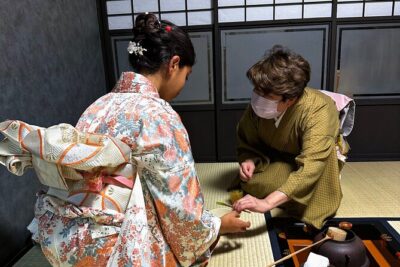
KYOTO Tea Ceremony with kimono near by Imamiya Jinjya Shrine
Read our review →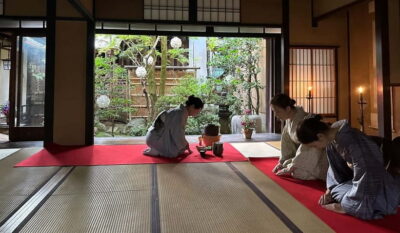
Kyoto: Kimono and Tea Ceremony Experience at Cultural Asset
Read our review →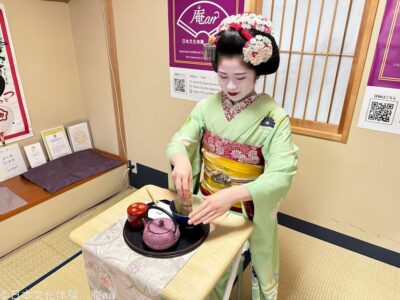
Kyoto: Kimono Tea Ceremony with Matcha and Sweet
Read our review →