Review · TEA CEREMONY EXPERIENCES
Osaka: Private Tea Ceremony and Calligraphy Experience
The best part of this Osaka experience is the chance to slow down and make something with your hands. In a private Namba studio, Wanoma guides you through matcha preparation, Japanese sweets, and calligraphy that turns your name and personality into kanji. The personal attention makes the customs easier to understand, especially if this is your first cultural class in Japan.
I like the calm pace and the fact that you take home a real piece of your own work, not just a photograph. I also like the thoughtful tea details: you choose a tea bowl, taste sweets twice, and learn why sweets change with the seasons. The main consideration is simple: you need to wear or bring socks, and the studio is not suitable for wheelchair users.
Key points to know before booking
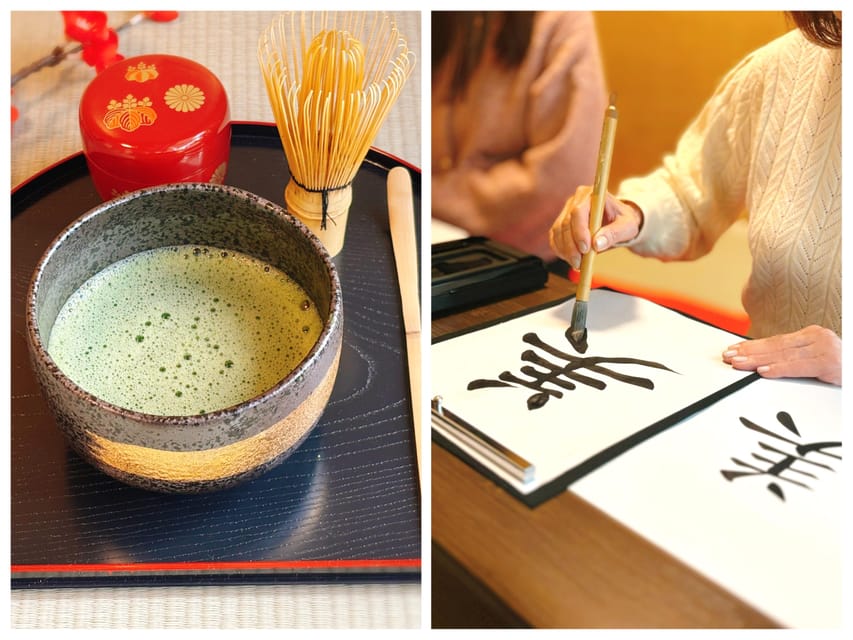
- Private from start to finish: Your group receives the instructor’s full attention, with time for questions, photos, and adjustments for children.
- Your name becomes kanji: Wanoma suggests Japanese characters based on your personality, interests, or chosen theme.
- You make your own matcha: You first watch the process, then whisk the tea yourself.
- Seasonal sweets are part of the lesson: You taste different Japanese confections during two points in the tea ceremony.
- A useful Namba location: The studio is close to Shinsaibashi-suji shopping street and easy to reach in central Osaka.
- A handmade souvenir: You select colored paper, write your kanji, add your name and stamp, and take the finished artwork home.
Why this private Osaka class works so well
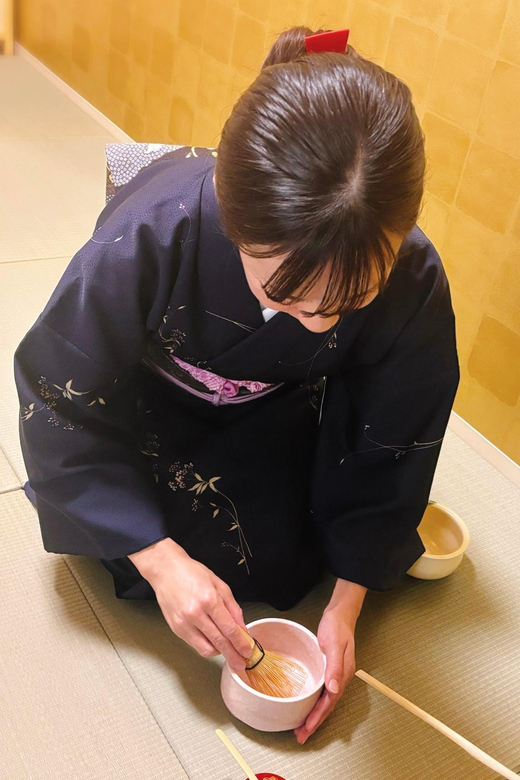
Many cultural activities in Japan ask you to watch quietly while an expert performs the important part. This one gives you a turn. You learn the basic manners, make matcha, select a tea bowl, hold the brush, and produce a finished calligraphy piece.
That hands-on format is the real reason to book it. You are not simply being shown a tea ceremony. You are learning enough to understand the gestures, tools, and choices behind it.
The private format also changes the mood. Wanoma can slow down for a child, repeat a calligraphy stroke, answer a long string of questions, or pause while you take photographs. A family with children aged 10 and older found that the clear teaching and gentle pace kept both children involved, including children with ADHD.
You should still expect a lesson rather than a theatrical show. The value comes from attention and explanation, not from a grand room or a large performance. If you want a fast photo opportunity, this may feel long. If you want to ask questions and try each step yourself, the 135 minutes pass quickly.
More Private Tea Experiences in Japan
- Private Tea Ceremony and Sake Tasting in Kyoto Samurai House
★ 5.0 · 163 reviews - Tea Ceremony Experience in a Private Tea Room in Shibuya
★ 4.9 · 125 reviews - Kyoto: Private Tea Ceremony with a Garden View
★ 4.9 · 61 reviews
Entering the WA NO MA studio in Namba
The studio is in Namba, one of Osaka’s main tourism areas, close to the Shinsaibashi-suji shopping street. You meet outside the main entrance of New Osaka Hotel Shinsaibashi, near a blue vending machine. Your instructor waits there five minutes before the booked time and wears a kimono, making the meeting point easier to spot.
This central location is handy if you are already shopping or sightseeing around Shinsaibashi. You can pair the class with an afternoon in the area rather than spending extra time crossing Osaka for a single activity.
Bring socks. The information specifically asks for them, so do not assume bare feet will be acceptable. Smoking is not allowed, and the studio cannot accommodate wheelchair users.
Once inside, the private setup gives your group the room to settle in. You can take photographs during the class, and the schedule can be adjusted to suit your group. English and Japanese instruction are available.
Tea ceremony first: matcha, manners, and sweets
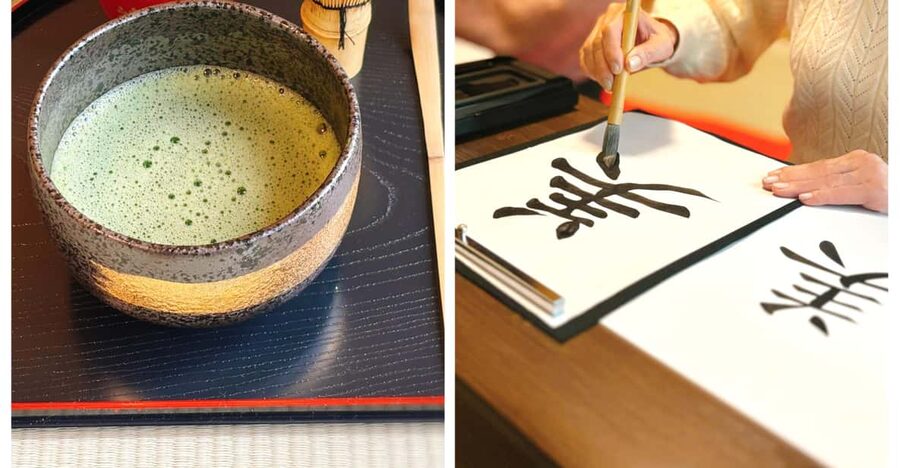
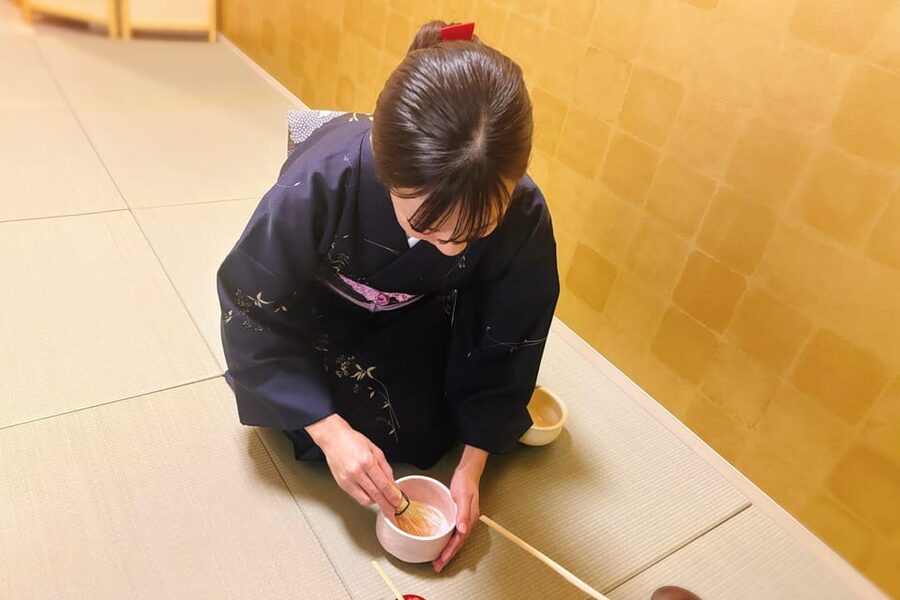
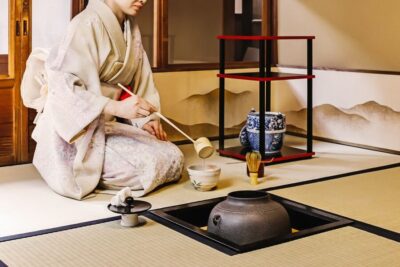
The tea portion begins with an explanation of Japanese tea ceremony practice. You learn how the tea is prepared and how to approach the ceremony with care. The point is not to memorize every gesture perfectly. It is to understand why the movements are deliberate and how attention is given to the tea, bowl, sweets, and people sharing the moment.
Wanoma explains the background and purpose of the ritual before asking you to take part. This helps prevent the common problem of copying gestures without knowing what they mean.
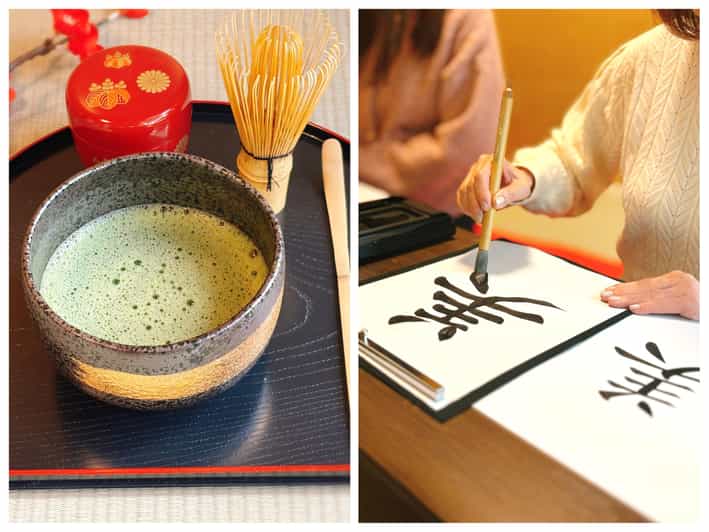
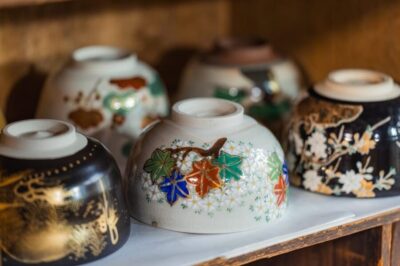
You also choose a tea bowl from several options. That small decision adds a personal touch and gives you a closer look at an important tea utensil. The bowls are not just containers. Their shape and appearance affect the feeling of the tea service.
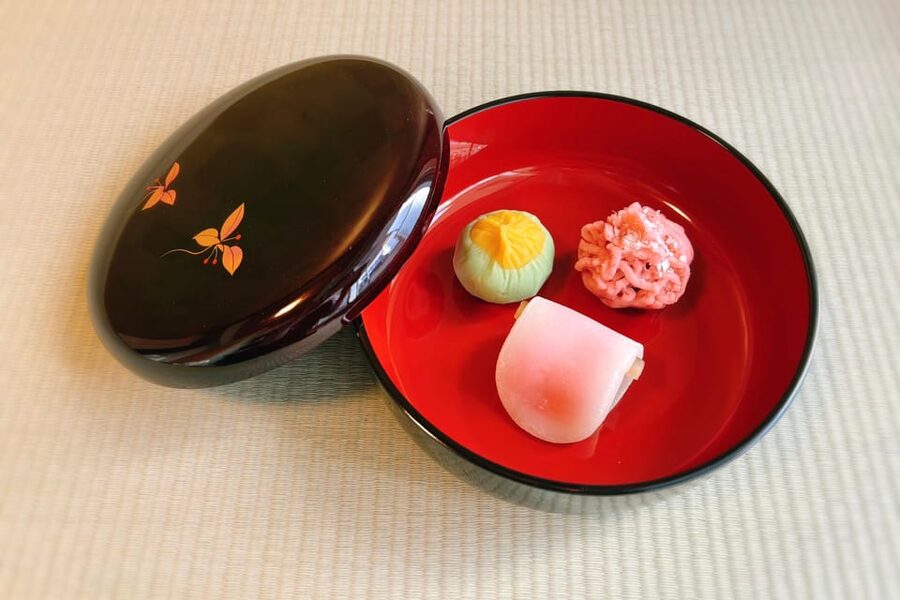
Japanese sweets appear twice during the tea experience, with different types offered along the way. The sweets are not an afterthought. They balance the bitterness of matcha and provide a useful lesson in seasonal Japanese food customs.
One of the most interesting details is the link between sweets and the time of year. The designs and ingredients can change by season, so the snack becomes part of the cultural lesson rather than a generic treat.
You then learn to make matcha yourself. Wanoma demonstrates the method and guides you as you whisk your own bowl. First-time tea drinkers need not worry about getting every motion right. The setting is relaxed, and the instructor encourages you to learn through the attempt.
The result is a better understanding of matcha than you get from ordering a green drink at a café. You see the preparation, feel the rhythm of whisking, and taste the tea alongside the sweets chosen for it.
The tea may not suit every palate. Matcha has a distinct bitter edge, and this is a learning experience rather than a sweet café tasting. People who already enjoy Japanese tea will likely appreciate the detail, while newcomers should approach it with curiosity rather than expecting a sugary drink.
Calligraphy that turns your name into a keepsake
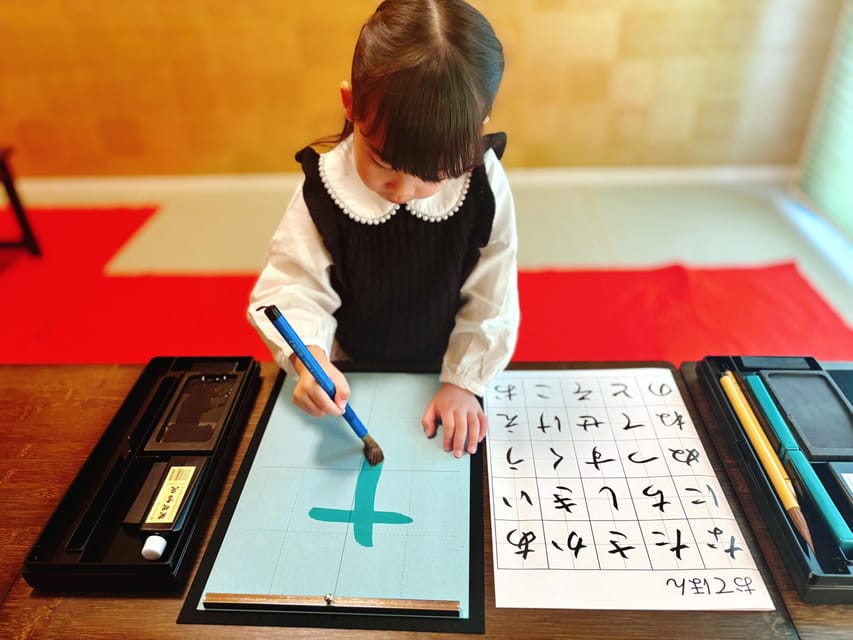
The calligraphy lesson follows the tea ceremony. You begin by choosing a theme, favorite word, or set of letters you want to express. Wanoma can suggest kanji that match your personality or the feeling you want to convey.
This is more personal than simply copying a famous character. Your name can be converted into Japanese characters, and the explanation gives you a reason for the selected kanji. It also avoids the common souvenir-shop problem of receiving a decorative name translation with no explanation.
Before you touch the final paper, you learn the basic brush strokes. Wanoma demonstrates how the characters are formed, then lets you practice. You can choose from several kanji with different levels of difficulty, which makes the activity workable for complete beginners.
The brush can feel less obedient than expected. That is part of the fun. A confident hand is useful, but patience matters more. The private lesson means Wanoma can show you where a stroke begins, how it turns, and how the character’s balance comes together.
Once you are ready, you choose a piece of colored paper from several options. You write your selected kanji, add your name in Japanese characters, and stamp your initials. The finished work becomes a souvenir connected to your own time in Osaka.
This is one of the strongest parts of the experience for families and couples. You can compare your pieces, laugh at uneven strokes, and still leave with something personal. The result does not need to look like a professional calligrapher’s work. Its value is that you made it under guidance.
Young children can take part in water calligraphy. This version helps prevent ink from getting on hands and clothes, making it a sensible option for families with smaller children.
More Tea and Calligraphy Workshops in Japan
- Osaka: Tea Ceremony, Calligraphy, and Kimono Experience
★ 4.9 · 130 reviews - Samurai dress-up and shows, plus Tea Ceremony & Calligraphy
★ 5.0 · 27 reviews - Premium Kimono Dressing, Tea Ceremony, Calligraphy, Samurai show
★ 5.0 · 18 reviews - Kyoto: Tea Ceremony Meditation – Make Matcha with Tea Master
★ 4.8 · 406 reviews
How much personal attention should you expect?
The private group format is important here. Your instructor is not dividing attention among a room full of unrelated parties. You can ask about the tea, kanji, Japanese writing, sweets, or etiquette as the questions occur to you.
The class also allows for photos without making you feel that you are interrupting a large presentation. If you want many photos, say so. If a child needs the lesson to move slowly, that can be requested as well.
Wanoma’s teaching style is friendly and patient. The strongest praise for the class focuses on her ability to explain clearly, encourage beginners, and keep the mood comfortable when someone makes a mistake. That matters in calligraphy, where the first few strokes can feel intimidating.
English instruction is available, but this is still a Japanese cultural lesson with specialized terms and customs. If you have detailed questions about tea ceremony history or kanji meaning, ask them during the private session. The format gives you a better chance of receiving a useful answer than a standard group tour.
Price, timing, and who gets good value
At $64 per person for 135 minutes, this is a fair price for a private class that combines two activities. You receive the instructor, tea, sweets, matcha preparation, colored paper, and all fees and taxes.
The value improves if you are traveling with a partner, family, or small private group. You are paying for more than a cup of matcha and a short brush lesson. You get guided participation, personal kanji selection, a finished artwork, and time for questions.
The class is less attractive if your main goal is a low-cost introduction that lasts 30 minutes. Two hours and 15 minutes is a substantial block of a day, and the slow pace is part of the design.
You can reserve now and pay later, which helps if your Osaka plans are still shifting. Free cancellation is available up to 24 hours before the experience for a full refund. Check the available starting times when booking, since the class lasts 135 minutes.
Best for families, first-time visitors, and curious beginners
I would recommend this class to first-time visitors who want cultural context without needing prior knowledge of tea ceremony or calligraphy. The instructor explains the steps and lets you try them, so you do not need special skill.
It also suits families. Children can choose characters, make matcha with help, and create artwork they can carry home. The water calligraphy option is useful for younger children who may not manage ink neatly.
Couples and friends get a quieter shared activity than shopping or sightseeing. You can choose kanji for names, compare tea bowls, and leave with separate souvenirs.
The experience may not suit you if you have mobility needs that require wheelchair access. It may also feel too gentle if you prefer high-energy activities or a large-scale cultural show.
Should you book this Osaka tea ceremony and calligraphy class?
Book it if you want a calm, private activity that teaches you something and leaves you with a personal souvenir. The combination is especially strong because the tea ceremony gives you a look at Japanese etiquette and seasonal sweets, while calligraphy lets you create something in response.
I would give priority to this class if your Osaka schedule includes Namba or Shinsaibashi and you want a break from crowded streets. Bring socks, arrive at the marked meeting point five minutes early, and tell Wanoma at the start if you want extra photos, a slower pace, or help keeping children engaged.
Skip it only if you want a brief, purely visual ceremony or cannot use a studio without wheelchair access. For most curious beginners, the private attention, matcha practice, personalized kanji, and handmade artwork make the $64 price easy to justify.
FAQ
How long does the Osaka tea ceremony and calligraphy experience last?
The experience lasts 135 minutes, or two hours and 15 minutes.
Where does the experience meet?
Meet outside the main entrance of New Osaka Hotel Shinsaibashi, near a blue vending machine. The instructor waits there five minutes before the scheduled start and wears a kimono.
Is the experience private?
Yes. It is offered as a private group experience, with the instructor focused on your group.
Which languages are available?
The instructor can provide the experience in English or Japanese.
Do I make my own matcha?
Yes. You first learn how matcha is made and then prepare it yourself with guidance.
Are Japanese sweets included?
Yes. Matcha and various Japanese sweets are included, and you can enjoy different sweets twice during the tea ceremony.
What do I take home?
You create a calligraphy artwork on colored paper. You choose the paper, write your selected kanji and Japanese name, add your initials stamp, and take the finished piece with you.
Is the experience suitable for wheelchair users?
No. The experience is not suitable for wheelchair users. You should also bring socks, and smoking is not allowed.
More Tea and Calligraphy Workshops in Osaka
- Experience all of Japanese culture and Japanese food experience classes “origami, udon, Japanese food, green tea, calligraphy” in 4 hours
★ 5.0 · 105 reviews - Tokyo: Practicing Zen with a Japanese Tea Ceremony
★ 4.7 · 105 reviews - An Amazing set of Cultural experience: Kimono, Tea Ceremony and Calligraphy
★ 5.0 · 69 reviews - Beijing Culture: Tea Ceremony, Heritage Instrument & Calligraphy
★ 5.0 · 57 reviews
More Tea Ceremonies in Osaka
- Osaka: Tea Ceremony Experience
★ 4.9 · 1,426 reviews - Tea Ceremony Experience in Osaka Doutonbori
★ 5.0 · 754 reviews - Osaka: Japanese Traditional Sweets Making and Tea Ceremony
★ 4.7 · 118 reviews - Samurai Show, Tea Ceremony, Japanese Traditional Activities
★ 5.0 · 56 reviews
Fresh tea listings around Osaka
- Osaka Temple Head Spa &Matcha Facial – Refresh & Glow〈90min〉★ 5.0 · 24 reviews
- Premium Kimono Dressing, Tea Ceremony, Calligraphy, Samurai show★ 5.0 · 18 reviews
- Samurai dress-up and shows, plus Tea Ceremony & Calligraphy★ 5.0 · 27 reviews
- Osaka; Japanese Tea ceremony experience, Macha and Sencha★ 4.9 · 29 reviews
- Samurai Show, Tea Ceremony, Japanese Traditional Activities★ 5.0 · 56 reviews
- Osaka Temple Cool Foot Bath & Matcha Experience〈45min〉★ 4.9 · 82 reviews
- Osaka: Japanese Traditional Sweets Making and Tea Ceremony★ 4.7 · 118 reviews
- Osaka: Tea Ceremony, Calligraphy, and Kimono Experience★ 4.9 · 130 reviews
Tea Ceremony Experiences, compared.
Kyoto: Tea Ceremony in a Traditional Tea House in Kiyomizu
Read our review →
Kyoto: 45-Minute Tea Ceremony Lesson Experience
Read our review →
Kyoto: Table-Style Tea Ceremony at a Kyo-Machiya
Read our review →