
Review · MATCHA EXPERIENCES
Osaka: Japanese Cooking Class with Matcha Experience
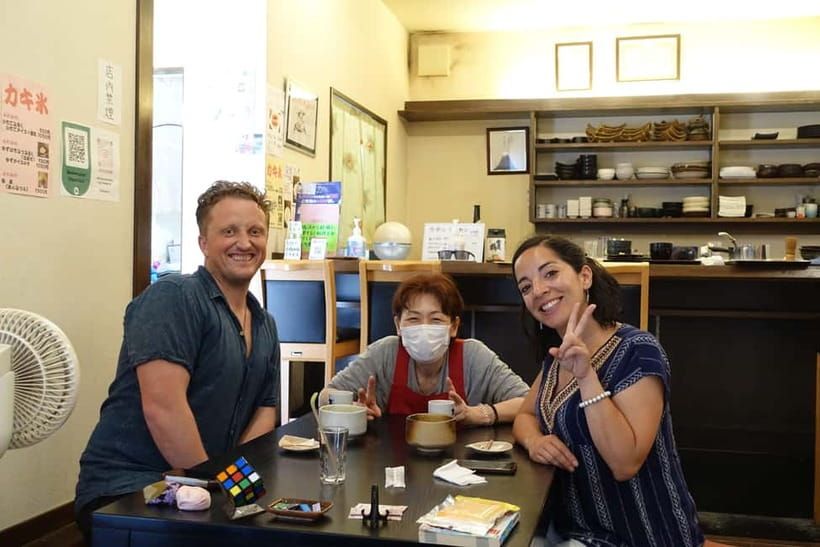
The best part of this two-hour class is that you do not just eat Japanese food, you learn how to make it. You choose home-cooked dishes, okonomiyaki, or bento, then work with a local chef and an Osaka mom who can help if cooking is not your strong suit. I like the small-group setting, limited to 10 people, and the separate matcha experience, which adds a calm finish to the meal.
I also like the location. It is a seven-minute walk from Morinomiya Station and only one JR station from Osaka Castle Station, so you can fit it around sightseeing. The main drawback is that the class is not suitable for wheelchair users or people with food allergies, and the food choice is limited to one of the three set styles.
Key points to know before booking
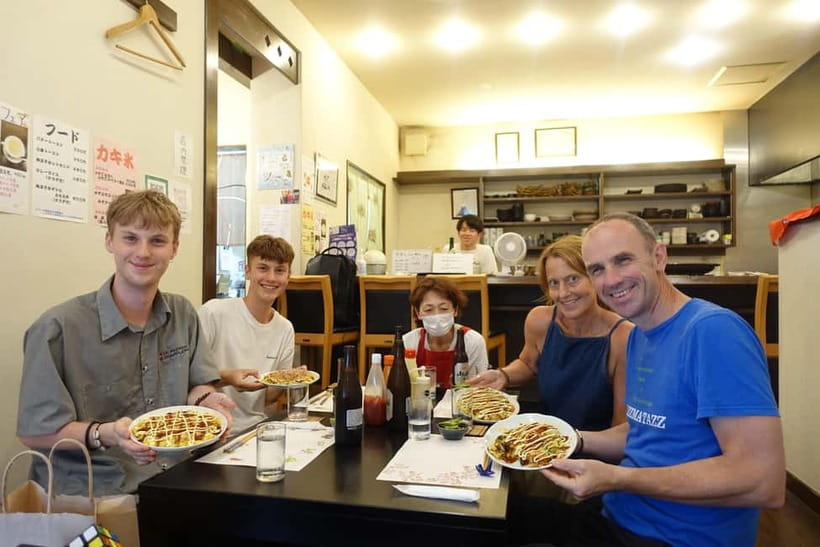
- Choose one Japanese food style: Make home-style dishes, okonomiyaki, or a bento.
- Learn from Ikuko and a local cooking host: Friendly, hands-on teaching is a major part of the experience.
- Matcha is included: You prepare matcha after the cooking portion.
- Small group size: No more than 10 people makes it easier to receive help.
- Easy Osaka location: Reach the class in about seven minutes from Morinomiya Station.
- Best for families and beginners: Children have enjoyed the class, and an Osaka mom helps first-time cooks.
What this Osaka cooking class is really like
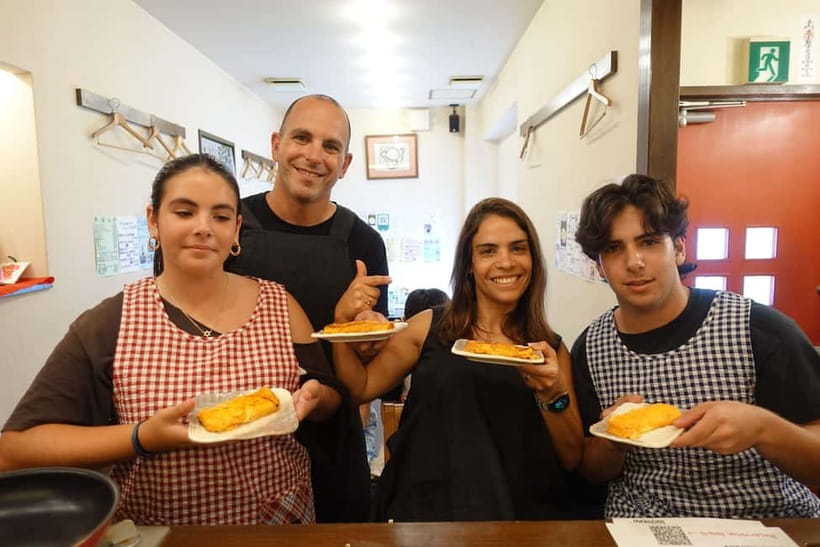
This is a practical food class, not a formal restaurant meal with a short demonstration tacked on. You choose a Japanese dish style, prepare it with the group, and learn enough technique to try the recipes again at home.
The three choices give the class a useful range. Home-cooked dishes are a good fit if you want everyday Japanese food rather than a special-occasion dish. Okonomiyaki gives you a taste of one of Osaka’s best-known foods. A bento offers a more arranged meal, with the fun of preparing several parts that come together in one box.
The exact recipes can vary, so you should not book expecting a particular ingredient or menu item unless the operator confirms it. That flexibility is helpful for repeat visitors and families who want to choose their own style, but it means you should read the available options carefully when reserving.
The class is taught by a local chef, with English and Japanese support. Ikuko is specifically associated with the experience, and her teaching style has been described as enthusiastic, warm, and easy to follow. That matters in a cooking class. A recipe can be excellent, but a rushed or unclear instructor can make even simple steps hard to manage.
Here, the format is designed for participation. You cook together rather than watch from the side. If you are unsure how to handle the preparation, an Osaka mom is available to guide you. I would especially value that support if you rarely cook, are bringing children, or want to ask basic questions without feeling out of place.
More Matcha Experiences in Osaka
- Matcha Making Class in Osaka with Authentic Japanese Sweets Set
★ 5.0 · 509 reviews - Osaka: Matcha Making Experience with Japanese Sweets
★ 5.0 · 146 reviews - Osaka Temple Cool Foot Bath & Matcha Experience〈45min〉
★ 4.9 · 82 reviews
Choosing between home cooking, okonomiyaki, and bento
Your dish choice shapes the feel of the class, so give it some thought.
Home-cooked dishes are probably the most useful pick for anyone interested in ordinary Japanese meals. They offer a look at the sort of food people might prepare at home, rather than focusing only on a famous restaurant specialty. Choose this option if your main goal is to take a few practical ideas back to your own kitchen.
Okonomiyaki is the natural choice for an Osaka-focused food experience. Osaka is strongly associated with this savory pancake, and making it yourself gives you more connection to the dish than simply ordering one at a restaurant. This option should appeal to families and first-time visitors who want a food activity that feels closely tied to the city.
Bento is a good choice if presentation and variety interest you. The point is not just the flavor of one dish, but how separate foods are arranged into a portable meal. It may also suit you if you like the idea of preparing a Japanese meal in a tidy, organized format.
You choose one of the three, not all three. That keeps the two-hour schedule manageable, but it also limits how much you can sample. If you want a broad survey of Japanese cooking, this may feel narrow. If you prefer enough time to actually prepare food, the focused format is a better fit.
Why the matcha portion adds value
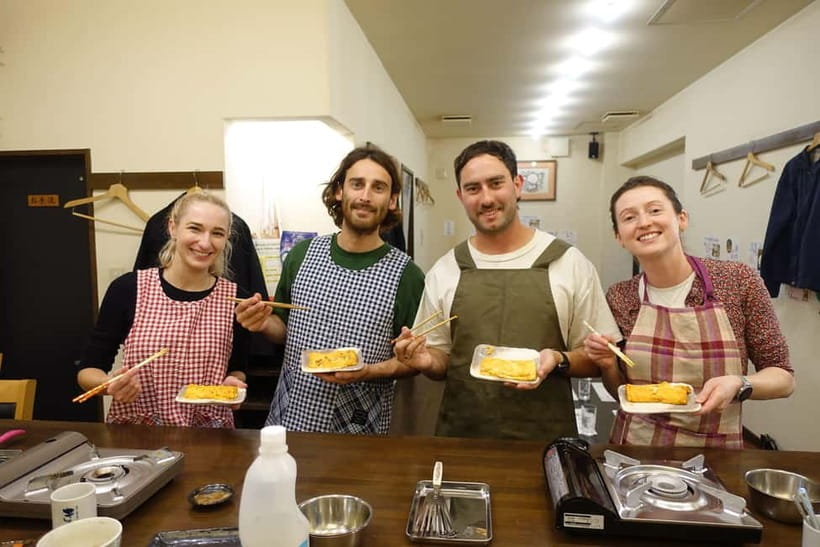
The matcha experience gives the class a second side. Cooking is active and social. Matcha preparation is quieter and more measured. Together, the two parts create a fuller introduction to Japanese food culture than a cooking lesson alone.
You should expect to learn how to make matcha as part of the same visit. The supplied details do not specify the exact utensils, serving style, or length of this portion, so I would not assume it is a full tea ceremony. Think of it as a hands-on matcha-making experience included with your cooking class.
That distinction matters. If you want a formal tea ceremony with traditional rituals, this may not be the right activity. If you want to try preparing matcha without giving up most of your day, it is a convenient addition.
The matcha session also helps the class end on a slower note. After choosing, preparing, and cooking your dish, you have time to shift gears and focus on a familiar Japanese drink in a different way. For families, it creates another activity for children to try. For adults, it offers a quiet pause before heading back into Osaka.
A friendly class for beginners and families
You do not need to arrive as a skilled cook. The class is built around support from a local chef and an Osaka mom, so beginners have a clear place in the group.
That does not mean the class is only for people who cannot cook. If you already know your way around a kitchen, you may enjoy learning how Japanese dishes are handled and seasoned. The value is in the local guidance and the chance to prepare food in a Japanese setting, not in mastering a difficult culinary technique.
Families are a particularly good match. A child-focused visit received strong praise for the enthusiastic teacher and the fun atmosphere, and the children enjoyed taking part. The two-hour length is also easier for a family schedule than a full-day food course.
Still, you know your own group best. Cooking involves standing, moving around, and handling food. Comfortable shoes and clothing are recommended. Wheelchair users should not book, since the activity is listed as unsuitable for them.
Couples and friends can also make good use of the format. You work together, which gives the activity a social purpose beyond learning a recipe. If you want a meal that creates a shared memory, this offers more interaction than a standard restaurant reservation.
Same city, a very different cup:
- Osaka: Tea Ceremony Experience
★ 4.9 · 1,426 reviews - Tea Ceremony Experience in Osaka Doutonbori
★ 5.0 · 754 reviews - Osaka: Tea Ceremony, Calligraphy, and Kimono Experience
★ 4.9 · 130 reviews - Osaka: Japanese Traditional Sweets Making and Tea Ceremony
★ 4.7 · 118 reviews
The location near Morinomiya and Osaka Castle
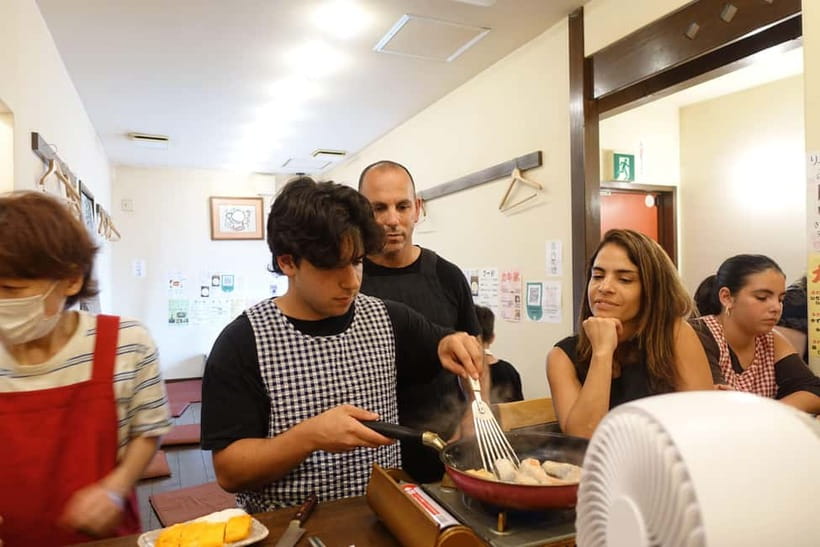
The class is held at Wa Cafe Kitajima, about a seven-minute walk from Morinomiya Station. That is a useful distance in Osaka, where a short train ride and walk can make it easy to place an activity between major sights.
The location is especially handy if Osaka Castle is on your schedule. The class is just one JR station from Osaka Castle Station, so you can pair a castle visit with a hands-on food activity without crossing the city. You might visit the castle first, attend the class afterward, and then continue toward another part of Osaka.
Shinsaibashi and Namba are also accessible from the area. That makes this a sensible midday or afternoon stop if you are spending time in the shopping and dining districts. Check the starting time before planning the rest of your day, since the class lasts two hours and available times can vary.
At the meeting point, look for a sign. The information does not give a detailed landmark or a named street entrance, so allow a little extra time to find the exact place, particularly if you are unfamiliar with Morinomiya. The host or greeter can communicate in English or Japanese.
Transportation to the activity is not included. You need to pay for your own train or other transport, as well as any personal expenses.
What two hours gets you for $64
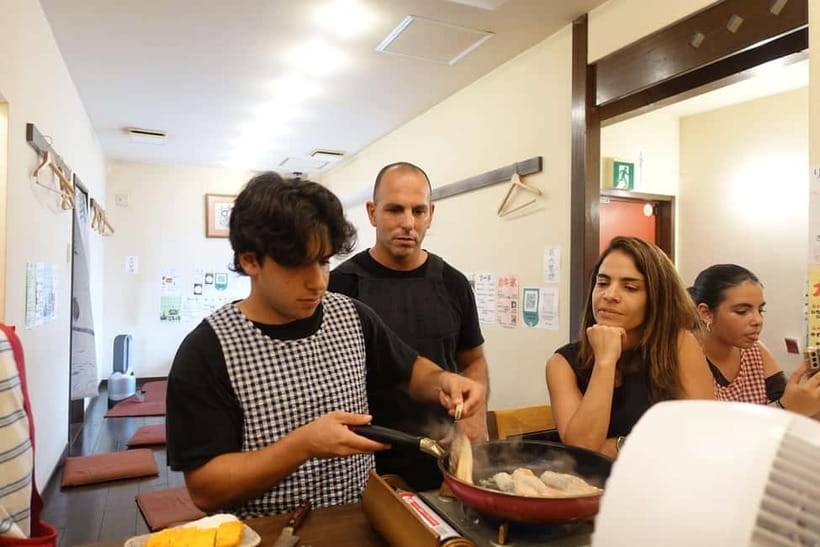
The price is $64 per person. That includes the cooking class with a local chef, the ingredients for your selected dish, and the matcha-making experience.
I see the value in the combination. You are paying for instruction, food materials, a cultural activity, and a small group rather than just a meal. The recipes are also intended to be practical enough to recreate at home, which gives the experience value after your Osaka visit ends.
The group limit of 10 is important here. A cheaper, larger demonstration might give you less chance to ask questions or handle the food yourself. With this format, the extra cost can make sense if personal guidance is a priority.
The price is less attractive if you mainly want to eat okonomiyaki or try matcha. Osaka has many restaurants and cafés where you can do that for less. Book this class for the participation and instruction, not as a budget meal.
Families should remember that the price is per person. Since ingredients are included, there should be fewer surprises during the class itself, but transportation and personal spending are extra.
What the teaching style adds
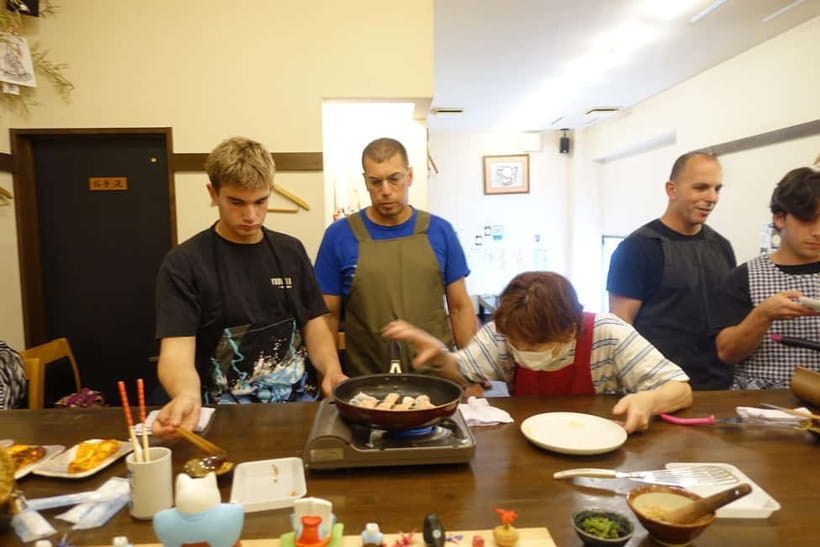
The strongest part of the experience is the human side. Ikuko is described as enthusiastic and happy to teach, with techniques that come through clearly. That is exactly what you want from a short class. You have only two hours, so the instruction needs to stay friendly while keeping the group moving.
The support from an Osaka mom gives the class a personal feel. You are not left alone with a recipe or expected to know Japanese cooking terms. That can be especially useful if you have never made the selected dish before.
English and Japanese are both offered. The activity does not promise that every explanation will be in perfect English, so if you have detailed dietary needs or questions, tell the host in advance. For general hands-on instruction, the small group and visual nature of cooking should help.
The class is also a good option for mixed-experience groups. One person can be comfortable in the kitchen while another is a complete beginner. The instructor’s role is not only to show the steps, but to help everyone take part.
Food restrictions and what to bring
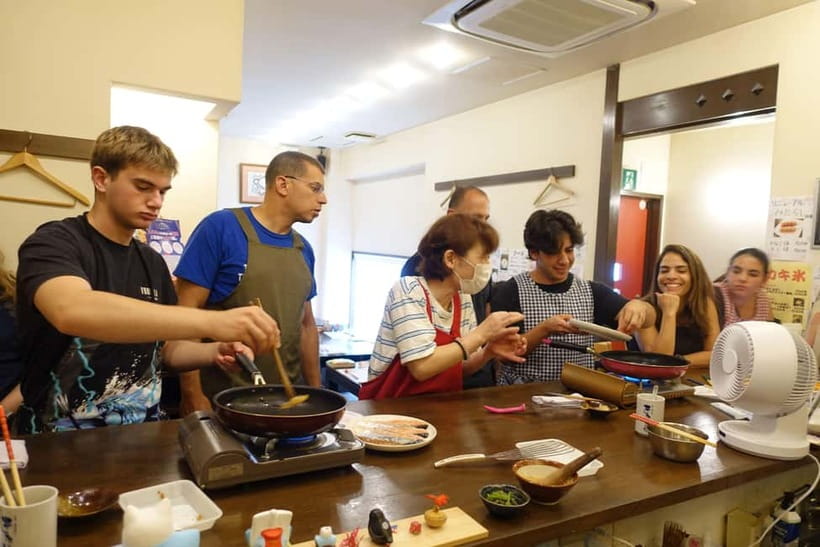
You should tell the operator about food allergies or dietary restrictions in advance. At the same time, the activity is listed as unsuitable for people with food allergies, so do not assume the kitchen can safely adjust the menu.
That warning deserves serious attention. If you have a medically serious allergy, contact the provider before paying and ask whether the class can accommodate you. If the answer is unclear, choose another activity.
Bring comfortable shoes and comfortable clothes. Cooking classes often involve standing and movement, and loose, easy clothing is more practical than something formal. The instructions also say to bring ingredients, although ingredients for the selected dish are included, so I would confirm this point before attending rather than arrive with unnecessary food.
Personal expenses are not included. Your transport to and from Wa Cafe Kitajima is also your responsibility.
The class offers free cancellation up to 24 hours before the activity for a full refund. You can also reserve now and pay later, which is useful if you are still arranging your Osaka days. Check the available starting times before building a tight sightseeing plan.
Who should book this experience
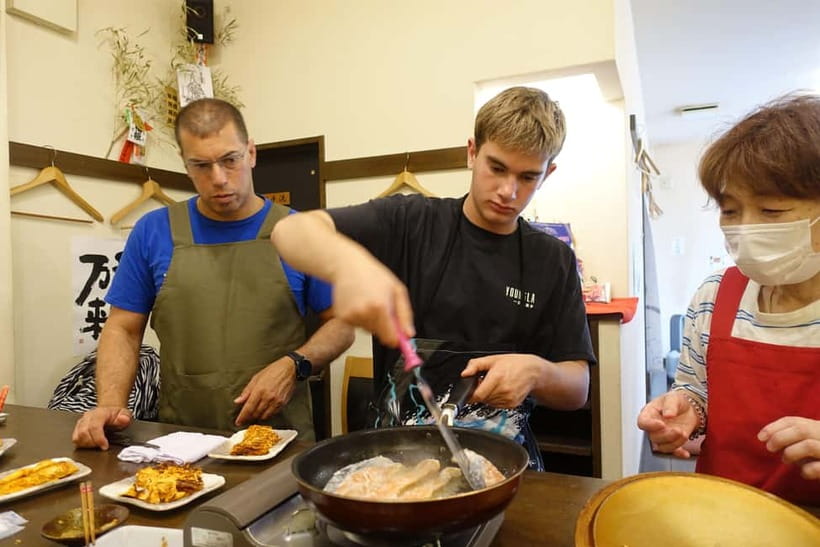
I would recommend this class to you if you want an active food experience near Osaka Castle, especially if you enjoy learning by doing. It suits couples, friends, and families who would rather prepare a meal together than sit through a long lecture.
It is also a smart choice for first-time cooks. The presence of an Osaka mom and a local chef means you can ask for help without needing prior skill. Children have enjoyed the activity, and the two-hour length keeps it manageable for a family outing.
You may want to skip it if your schedule is packed with major sights and you only have time for a quick meal. You should also skip it if you need wheelchair access or have food allergies that the provider cannot confirm they can handle.
My call: book it for the hands-on connection
Book this cooking class if you want to bring home more than a food photo. The strongest reasons are the small group, the friendly teaching style linked with Ikuko, the choice between three familiar Japanese food formats, and the included matcha preparation.
The location makes it easy to pair with Osaka Castle, Shinsaibashi, or Namba. At $64, it is fair value when you count the ingredients, instruction, meal, and cultural activity together. It is not the cheapest way to eat Japanese food, but it offers something a restaurant cannot.
Before booking, confirm the starting time, your chosen dish, and the note about bringing ingredients. If those details work for you, this is a warm, practical introduction to Japanese cooking that should suit beginners and families especially well.
FAQ
How long does the Japanese cooking and matcha class last?
The activity lasts two hours. Check the available starting times when booking.
What dishes can I choose to make?
You can choose one option from home-cooked dishes, okonomiyaki, or bento.
Is matcha included in the activity?
Yes. The matcha-making experience is included along with the cooking class and ingredients for your selected dish.
Where is the class located?
Wa Cafe Kitajima is about a seven-minute walk from Morinomiya Station. It is also one JR station from Osaka Castle Station and accessible from Shinsaibashi and Namba.
What languages are available?
The host or greeter can communicate in English and Japanese.
Is this a large group class?
No. It is a small-group activity limited to 10 participants.
Can I cancel for a full refund?
Yes. You can cancel up to 24 hours in advance for a full refund. The activity also offers a reserve-now-and-pay-later option.
More Cooking Classes in Osaka
- Osaka Japanese Cooking And Matcha Class near Osaka Castle
★ 5.0 · 22 reviews - Cultural Cooking Class Featuring Ramen Sushi and Tea Ceremony
★ 5.0 · 2 reviews - Osaka : Exclusive Tea Ceremony & Wagashi Cooking
★ 5.0 · 2 reviews - Xiao Long Bao, Beef Noodles & Boba Tea Cooking Class in Taipei
★ 5.0 · 159 reviews
Fresh tea listings around Osaka
- Osaka:Zen Tea Ceremony and Foot Bath Experience<45min>★ 5.0 · 7 reviews
- Nara Deer Park, Uji Matcha, & Hot Spring Full-Day Tour from Osaka★ 4.0 · 21 reviews
- Osaka: Tea Ceremony, Calligraphy, and Kimono Experience★ 5.0 · 6 reviews
- Osaka: Nara, Todaiji, Uji Matcha, and Hot Spring Tour★ 4.0 · 7 reviews
- Discover Japanese Tea Blending Techniques in Osaka★ 5.0 · 19 reviews
- Osaka Japanese Cooking And Matcha Class near Osaka Castle★ 5.0 · 22 reviews
- Craft Sushi and Matcha Ice Cream in Central Osaka (3-Course Meal)★ 5.0 · 2 reviews
- Tea and Calligraphy Session at a Table in Osaka★ 5.0 · 4 reviews
Matcha Experiences, compared.
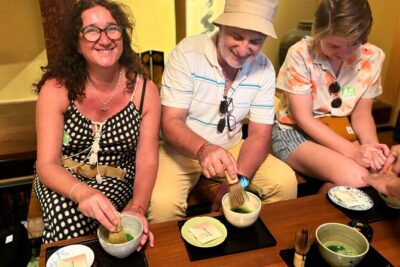
World Heritage Kyoto & Nara Uji Authentic Matcha Experience
Read our review →
Matcha Making Class in Tokyo with Authentic Japanese Sweets Set
Read our review →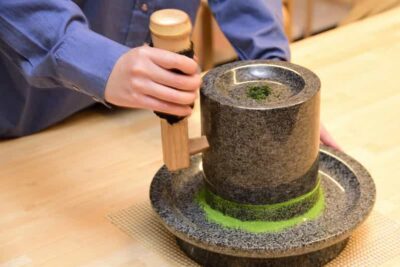
Kyoto: Tea Museum Tickets and Matcha Grinding Experience
Read our review →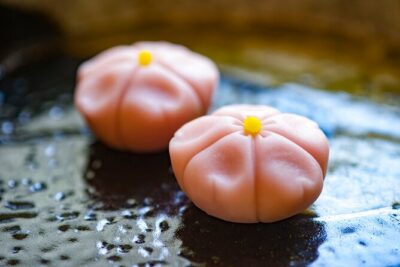
Matcha Making Class in Osaka with Authentic Japanese Sweets Set
Read our review →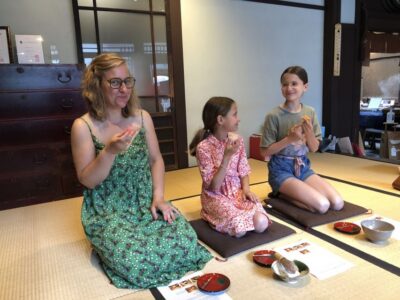
Kyoto: Tea Ceremony Meditation – Make Matcha with Tea Master
Read our review →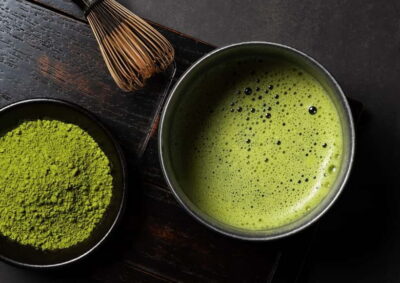
Tokyo: Matcha Making Experience with Mochi Sweets in Asakusa
Read our review →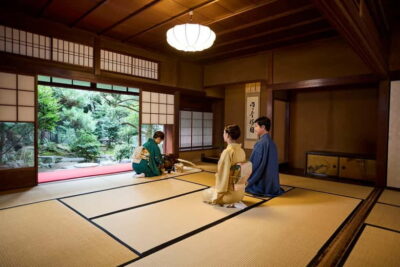
Kyoto: Kimono Tea Ceremony with Matcha and Sweet
Read our review →
Browse the lists this tour appears in