
Review · MATCHA EXPERIENCES
Kyoto Matcha Green Tea Tour
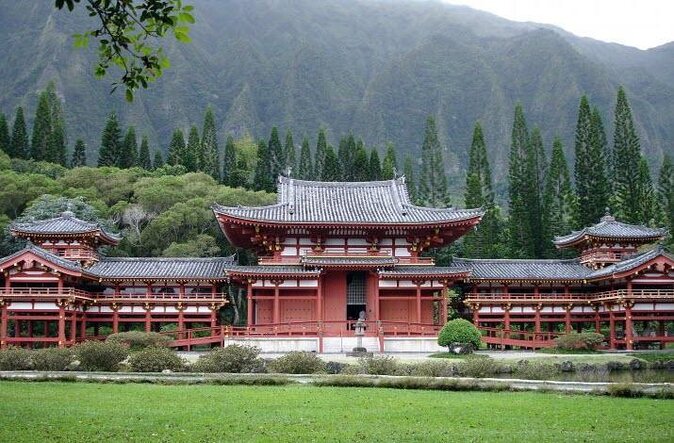
Uji is where Kyoto’s tea story becomes something you can taste. On this small-group outing, you’ll watch matcha being prepared, sample several tea treats, browse specialist shops, and visit Byodoin Temple, the graceful World Heritage site shown on Japan’s 10-yen coin.
I like the mix of food, culture, and easy sightseeing. The included set lunch gives the tour real value, while the guide’s translation help makes small local tea shops far easier to enjoy. The main drawback is the price: at $221 per person, this is not a cheap way to see Uji, especially since transportation and some food and drinks are not included.
Key points at a glance
- Matcha at its source: Visit Uji, one of Japan’s best-known green tea areas, and learn how matcha is made.
- A full tasting menu: Matcha, hojicha, wagashi sweets, matcha ice cream, and a set lunch are included.
- Byodoin Temple included: See one of Uji’s signature sights and a UNESCO World Heritage Site.
- Local shopping time: Browse tea shops and souvenir stores for products tied to Uji’s tea culture.
- Small group setting: A maximum of 10 people allows more room for questions and guide assistance.
- Useful practical limits: The tour is not recommended for vegans or gluten-free diners, and you need moderate physical fitness.
Why Uji is the right place for a matcha tour
Kyoto has no shortage of tea shops, but Uji gives you a stronger sense of place. The town is closely linked with high-quality green tea, and tea is not just a drink here. It appears in sweets, ice cream, lunch menus, souvenirs, and daily rituals.
That makes this experience more useful than a single tea ceremony. You are not only shown how to make a cup. You also get to compare tea products, see how matcha fits into local food, and learn what makes Uji tea special through tastings and shopping.
The tour begins at Uji Station at 11 a.m. That start time works well if you are staying in Kyoto and want a morning to reach Uji. You should plan your own transportation to the station, since hotel pickup and drop-off are not included. Transportation costs are also separate.
The walking portion takes you between tea shops, shrines, the river area, and Byodoin Temple. The total experience lasts about three hours and 15 minutes, though the sightseeing portion is also listed as about three hours. Either way, this is a compact half-day activity rather than a full-day excursion.
More Green Tea Tours in Japan
- Uji: Green Tea Tour with Byodoin and Koshoji Temple Visits
★ 4.8 · 72 reviews - Slow Cycling Tour at Uji’s Matcha Green Tea Fields and Heritage
★ 5.0 · 25 reviews - Uji Tea Ceremony and UNESCO Heritage Walking Tour
★ 5.0 · 20 reviews
Tea tasting, preparation, and the art of making matcha
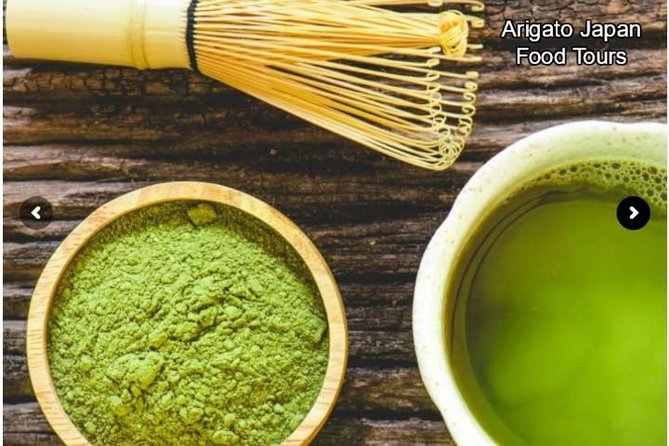
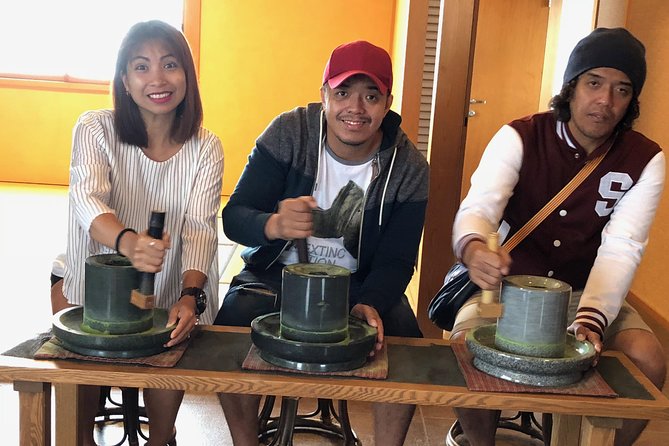
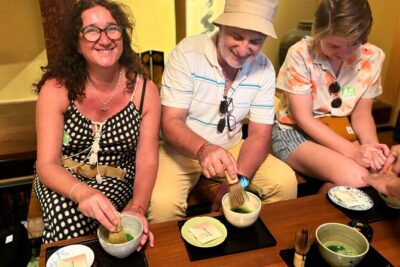
The center of the experience is the tea itself. You’ll watch matcha being made and take part in an authentic tea experience with a local. That demonstration matters because matcha is prepared differently from ordinary brewed green tea. The powder is whisked into water, so the leaf itself becomes part of what you drink.
The guide can help explain what you are tasting and translate at local shops. That is especially useful when you want to understand the difference between tea products rather than simply buy a bright green souvenir tin.
You’ll also taste hojicha, a roasted Japanese tea with a different flavor from matcha. The addition of wagashi sweets gives you a traditional pairing, while matcha ice cream shows the more casual, modern side of Uji’s tea culture.
I like this range. It gives you several ways to understand matcha without making the experience feel like a lecture. You can compare a carefully prepared cup with tea-flavored sweets and ice cream, then decide what you actually want to take home.
The tour is also suitable for families, provided children are accompanied by an adult. The group size is limited to 10 people, which should make it easier to see the preparation and ask questions than it would be in a large coach group.
Walking through Uji’s tea shops and shopping streets
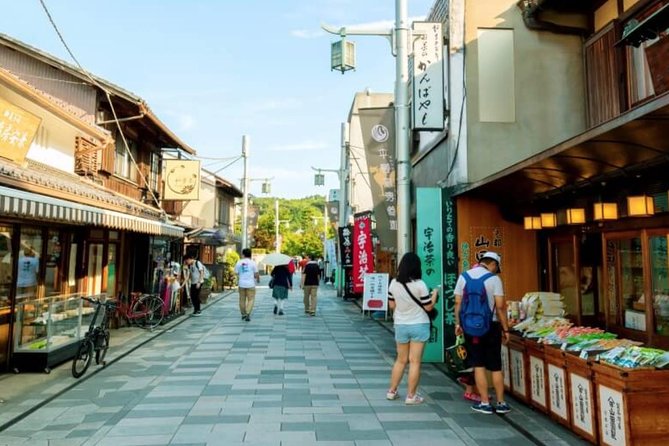
Uji’s shopping streets are part of the appeal. You’ll have time to browse local stores for souvenirs unique to the area, with tea as the obvious focus. The guide’s assistance can help you understand labels, flavors, and serving ideas that may be difficult to sort out on your own.
This is a good place to buy something you will use rather than a generic souvenir. Tea, sweets, and tea-making items all connect directly to what you have learned during the tour. Still, shopping time can feel different depending on your interests. If you already know exactly which tea you want, you may find the browsing portion longer than necessary. If you enjoy food souvenirs, it is a useful chance to compare products.
The tour ends around the Byodoin area, where you can continue browsing the shopping streets after the guided portion. That ending gives you some freedom instead of sending you straight back to the station.
The meeting point is Uji Station, while the listed end point is Byodoin Temple and the shopping streets nearby. Since you are not returned to your hotel, check your onward route before you begin. Uji is near public transportation, so you can continue exploring or make your own way back to Kyoto afterward.
Uji Shrine and the quiet side of the town
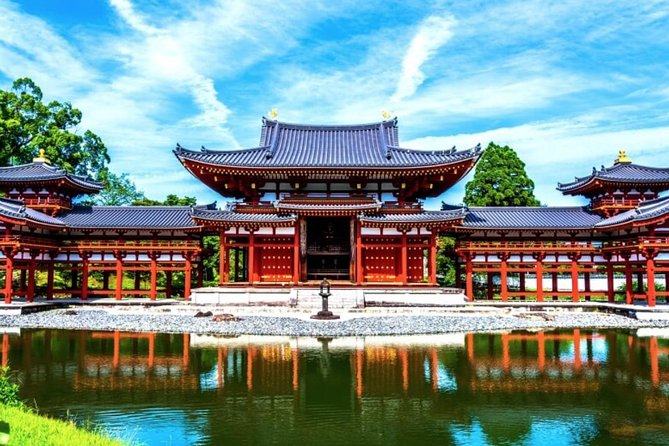
Uji Shrine adds a religious and historical stop to the food-focused day. It is a Shinto shrine with strong cultural importance and is often visited along with nearby Ujigami Shrine.
The shrine portion gives the tour some breathing room between tastings and shops. You can expect a more peaceful setting than the commercial streets, along with a look at the religious traditions that shape Japanese towns such as Uji.
The available details do not promise a long guided visit or a detailed shrine lecture, so I would treat this as a short cultural stop rather than the main event. Its value is in showing you another side of Uji. You are not spending the entire afternoon moving from one food sample to another.
You should also expect a fair amount of walking. The tour is listed as requiring moderate physical fitness, so comfortable shoes are sensible. The route includes streets, shrine grounds, and the area around the river and temple.
More Matcha Experiences in Uji:
- Kyoto: Tea Museum Tickets and Matcha Grinding Experience
★ 4.9 · 739 reviews - Uji and Wazuka Matcha Farm Half Day Private Guided Tour
★ 5.0 · 21 reviews - Kyoto tea town for matcha lovers
★ 5.0 · 16 reviews - Half Day Matcha Tour in Uji, home of culture, with a local
★ 4.8 · 14 reviews
Crossing Amagasetsuri Bridge beside the Uji River
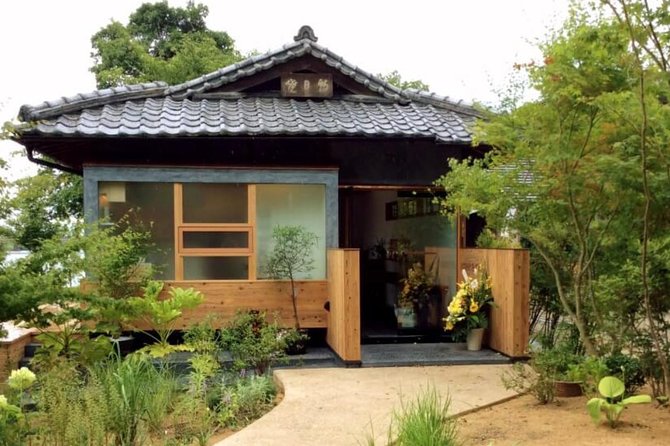
Amagasetsuri Bridge is a scenic wooden suspension bridge crossing the Uji River. It gives the tour a pleasant change of pace and a chance to look beyond the tea shops.
The bridge is presented as part of the walk between food and cultural stops. You can expect views of the river and nearby tea shops, with traditional scenery adding a visual break to the tasting schedule.
This is not described as a long photo stop or an adventure activity. Its appeal is simple: you cross a distinctive bridge, take in the river, and continue through Uji. If you dislike suspension bridges, you may want to ask the guide about the route. Otherwise, it should be an easy and memorable part of the walk.
The bridge also helps connect Uji’s different identities. The town is known for tea, but its river, shrines, temple grounds, and old streets are just as important to the overall experience.
Lunch, wagashi, and matcha ice cream
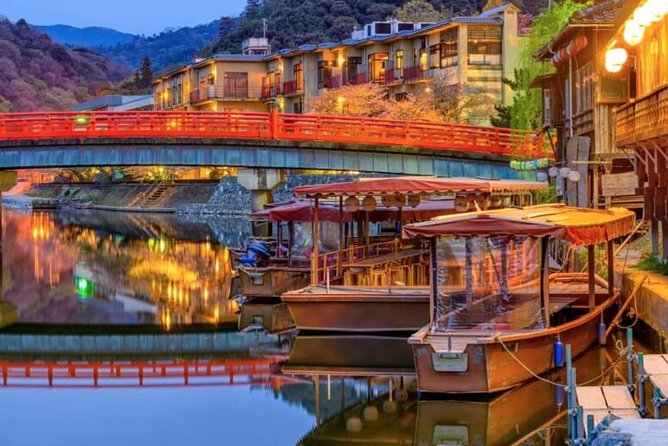
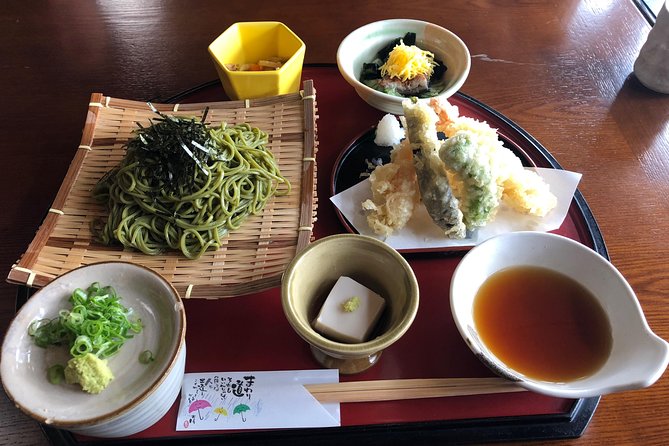
A set lunch is included, which is one of the strongest practical features of the tour. You do not need to arrange a separate meal during the activity, and the lunch gives you a chance to try Japanese food in a restaurant setting.
The exact menu is not provided, so you should not book this expecting a particular dish. Vegetarian diners are accommodated, but the tour is not recommended for vegans or people following a gluten-free diet. If you have allergies or strict dietary needs, ask before booking rather than relying on substitutions.
The food element is not limited to lunch. Wagashi sweets and matcha ice cream are also included, along with the tea tastings. That creates a useful progression: traditional sweets, a proper meal, and a familiar dessert made with the local ingredient.
The minimum drinking age is listed as 21. The tour information does not describe alcohol as a central part of the experience, but you should keep that age requirement in mind when booking for a group.
Byodoin Temple and the final stop at Masuda Chaho
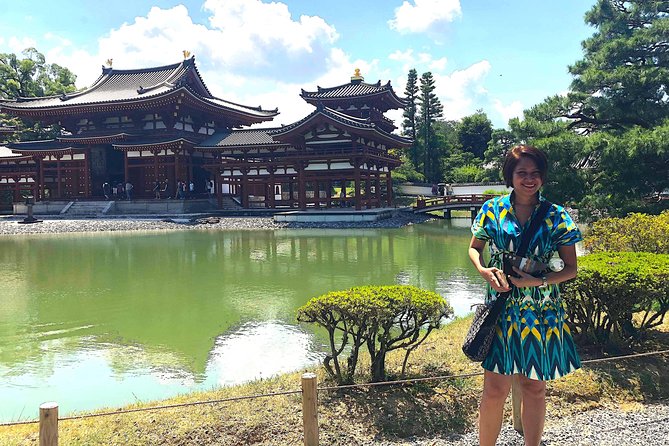
Byodoin Temple is the tour’s major sightseeing landmark. It is a UNESCO World Heritage Site and one of Uji’s defining attractions. The visit is listed as a short stop, about five minutes, so you should set your expectations accordingly.
This is not a long temple tour with extended time inside every building. Instead, Byodoin gives the day a strong cultural anchor after the tea shops and food stops. You can see one of Japan’s best-known temple sites without giving up the main focus on Uji tea.
The final tea stop is Masuda Chaho, a respected tea shop where you can have premium Uji matcha or hojicha in a relaxed setting. It makes sense as the closing stop because you have already learned the basics, tasted different tea products, and seen how tea fits into the town. Here, you can settle in with a final cup or use the stop to decide what to buy.
The tour then finishes in the shopping streets around Byodoin. That is convenient if you want to continue browsing, but less convenient if you prefer a direct return to the station. Keep your plans flexible.
Is $221 a fair price for three hours?
At $221 per person, the price is high for a three-hour experience. The value depends on how much of the package you would otherwise arrange yourself.
You are paying for a guide, translation help, tea tastings, the tea-making experience, a restaurant lunch, wagashi, matcha ice cream, a visit to Byodoin, and stops at local cultural sites. If you tried to build the same day independently, you could likely spend less, but you would need to research tea shops, arrange the meal, manage language questions, and decide how to fit in the sights.
The small group helps justify part of the cost. With no more than 10 people, the experience should feel more personal than a large sightseeing tour. The strongest value comes if you are new to Japanese tea, want help choosing what to taste and buy, or prefer an organized route through Uji.
The value is weaker if you only want to see Byodoin Temple. In that case, a self-guided visit would be a simpler and less expensive choice. This tour earns its price through the food and tea access, not through the temple visit alone.
The tour is booked an average of 47 days ahead, so popular dates may fill early. Confirmation is provided at booking, and the experience offers free cancellation up to 24 hours before the start time. Poor weather or failure to meet the minimum group size can lead to a new date, another experience, or a full refund.
Who should book this Uji experience?
I would recommend it most strongly to first-time visitors to Uji, tea lovers, food-focused visitors, and anyone who wants a guide to handle local shops and translation. It also suits families looking for a cultural activity with sweets and ice cream rather than a long, formal temple tour.
Vegetarians can consider it, but you should confirm that the set lunch works for your needs. Vegans and gluten-free diners should choose another activity unless the operator confirms suitable alternatives.
You should also be comfortable walking for several hours and moving between shops, shrines, bridge areas, and temple grounds. Solo travelers are welcome to inquire by email, although the booking information specifically asks solo participants to contact the provider.
Should you book the Kyoto Matcha Green Tea Tour?
Book it if you want Uji explained through its tea, food, shops, and landmarks in one organized outing. The included lunch and multiple tastings make it more than a quick tea demonstration, and the small group should give you a better chance to ask questions.
Skip it if you are watching your budget, need strict vegan or gluten-free meals, or mainly want a long visit inside Byodoin Temple. For everyone else, the tour offers a practical introduction to Uji, with enough food and local contact to make the $221 price easier to defend.
FAQ
Where does the Kyoto Matcha Green Tea Tour begin?
The tour begins at Uji Station in Uji, Kyoto. The scheduled start time is 11 a.m.
Where does the tour end?
The guided experience ends at Byodoin Temple and the shopping streets in the Byodoin area.
How long does the tour last?
The experience lasts approximately three hours and 15 minutes. The main Uji itinerary is also listed as about three hours.
Is lunch included?
Yes. A set lunch in a restaurant is included, along with the tea experience, matcha tasting, wagashi sweets, and matcha ice cream.
Is transportation included?
No. Hotel pickup and drop-off are not included, and transportation costs are separate.
Is the tour suitable for vegetarians, vegans, and people avoiding gluten?
The tour is listed as vegetarian friendly. It is not recommended for vegans or people following a gluten-free diet.
How many people can join the tour?
The maximum group size is 10 people. Children must be accompanied by an adult, and passport information is required for children aged 10 and above.
More Green Tea Tours in Uji
- Experience all of Japanese culture and Japanese food experience classes “origami, udon, Japanese food, green tea, calligraphy” in 4 hours
★ 5.0 · 105 reviews - Scenic Green Tea Fields of Hidden Kyoto & Local Tea Exp (Private)
★ 5.0 · 32 reviews - Osaka; Japanese Tea ceremony experience, Macha and Sencha
★ 4.9 · 29 reviews - Kyoto Matcha Green Tea Tour
★ 4.7 · 28 reviews
Fresh tea listings around Uji
- Uji: Private immersion into Kyoto’s tea and reglious culture★ 5.0 · 17 reviews
- Uji Tea Ceremony and UNESCO Heritage Walking Tour★ 5.0 · 20 reviews
- Kyoto tea town for matcha lovers★ 5.0 · 16 reviews
- Utilising upcycled Matcha! Creating matcha incense (Uji, Kyoto)★ 5.0 · 6 reviews
- Uji and Wazuka Matcha Farm Half Day Private Guided Tour★ 5.0 · 21 reviews
- 7 Hours Private Guided Tour Uji and Wazuka Matcha Farm★ 5.0 · 2 reviews
- Half Day Matcha Tour in Uji, home of culture, with a local★ 4.8 · 14 reviews
- Kyoto: Tea Museum and Tsuen Teahouse Guided Tour★ 5.0 · 2 reviews
Matcha Experiences, compared.
World Heritage Kyoto & Nara Uji Authentic Matcha Experience
Read our review →
Matcha Making Class in Tokyo with Authentic Japanese Sweets Set
Read our review →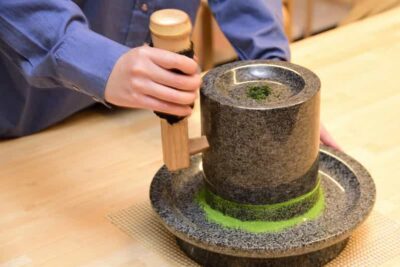
Kyoto: Tea Museum Tickets and Matcha Grinding Experience
Read our review →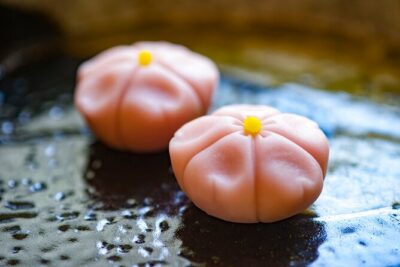
Matcha Making Class in Osaka with Authentic Japanese Sweets Set
Read our review →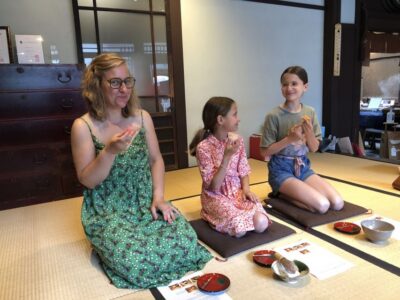
Kyoto: Tea Ceremony Meditation – Make Matcha with Tea Master
Read our review →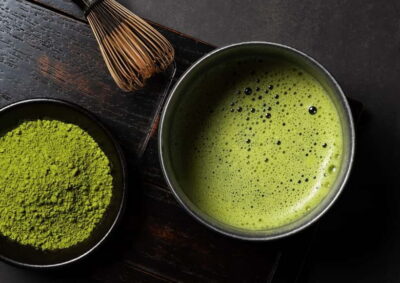
Tokyo: Matcha Making Experience with Mochi Sweets in Asakusa
Read our review →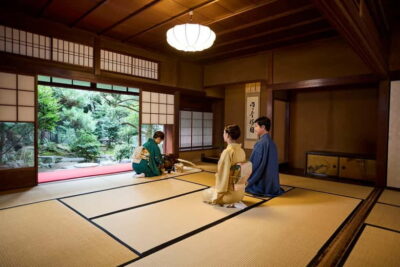
Kyoto: Kimono Tea Ceremony with Matcha and Sweet
Read our review →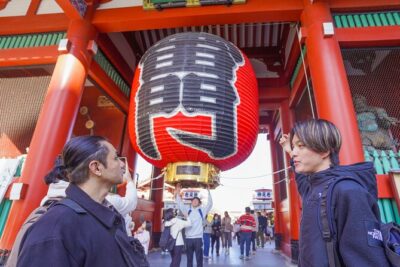
Browse the lists this tour appears in