Review · KIMONO & TEA CEREMONY
Matcha Kimono Tea Ceremony in Tokyo
The most unusual part of this Shinjuku workshop is that you do not simply watch a tea ceremony. You put on a specially designed kimono, learn why tea matters in Japan, and prepare your own bowl of matcha with the proper tools. The format is informal enough for first-timers, but it still explains the ideas behind Teaism and tea ceremony etiquette.
I like the easy-to-wear kimono, which saves you from the long dressing process of a formal kimono rental. I also like the chance to compare matcha by sight, smell, and taste, using high-quality first-flush tea selected from a collection of more than 100 Japanese matchas.
The main consideration is timing. The activity lasts about 90 minutes, so it gives you a useful introduction rather than a full, formal tea ceremony. You also need to arrive on time, bring socks for the tatami room, and remember that the reservation is canceled without a refund after a 10-minute delay.
Key points to know before booking
- First-flush matcha tasting: Compare high-quality matcha and learn how Japanese matcha differs from tea sold overseas.
- Quick kimono dressing: The specially made kimono goes on much faster than a standard kimono, which can take about 30 minutes.
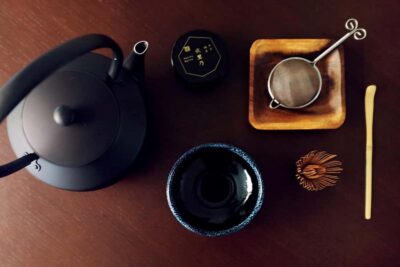
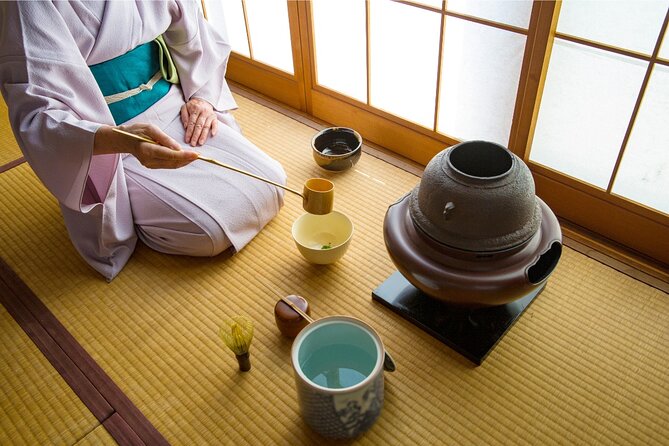
- Hands-on tea preparation: Use traditional tea implements to whisk your own bowl and learn the basic way to drink it.
- Small Shinjuku group: The workshop allows a maximum of 10 participants, leaving room for questions.
- Useful extras included: Japanese snacks, kimono rental, tea tools, matcha, coffee or tea, and a Japanese welcome drink are provided.
- Short, central activity: At roughly 90 minutes, this fits neatly between sightseeing plans in Tokyo.
A practical introduction to Japanese tea in Shinjuku
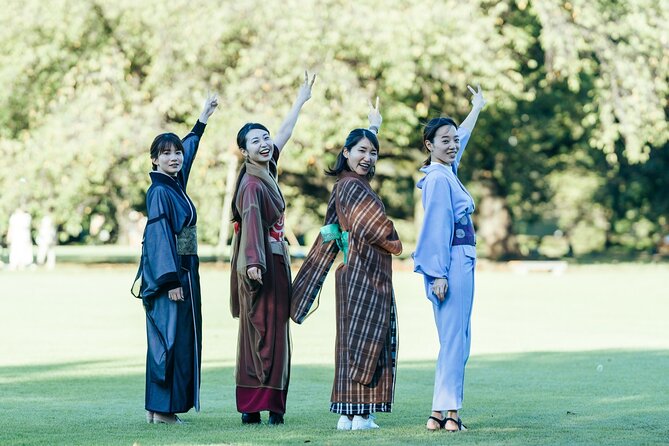
This experience works best as a cultural workshop, not as a staged photo stop. You spend the session learning what matcha is, how it relates to other teas, and why the tea ceremony has rules and quiet rituals.
Your host gives the session in English and leaves time for questions. That matters because tea terminology can become confusing quickly. Matcha is not simply another name for green tea, and the workshop explains the difference between matcha, other Japanese green teas, black tea, and Chinese tea.
The setting is in Shinjuku, with the meeting point listed at MPPG+HH, Shinjuku City. The activity ends where it begins, so you do not need to arrange a separate ride back. Public transportation is nearby, but private transportation is not included.
At $59.46 per person, the price is reasonable if you value instruction and participation. You are paying for more than a cup of tea: the session includes clothing, equipment, snacks, a welcome drink, a guided lesson, and the chance to make matcha yourself. It is less compelling if you only want a quick taste or a polished kimono photograph.
More Kimono and Tea Ceremonies in Tokyo
- Kimono Tea Ceremony at Tokyo, Asakusa Maikoya
★ 5.0 · 638 reviews - Tokyo: Matcha and Kimono Experience
★ 4.7 · 219 reviews - Tokyo: Asakusa Kimono Dressing and Matcha Experience
★ 4.9 · 173 reviews
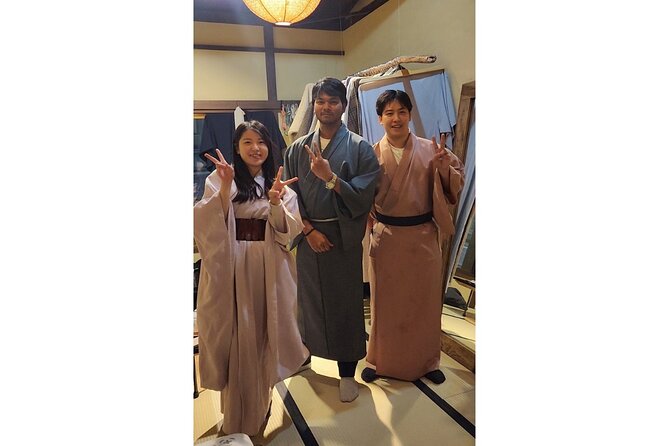
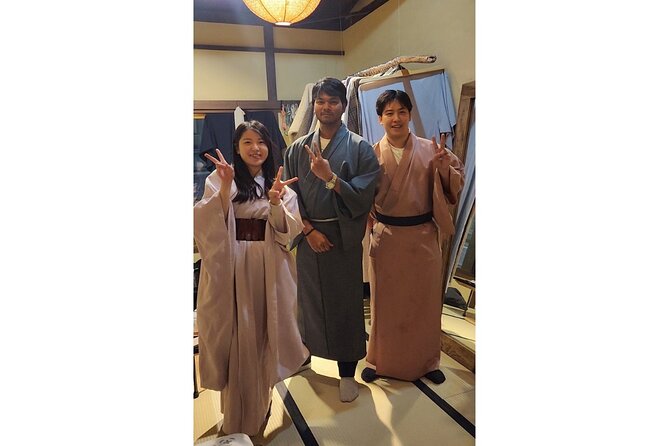
Putting on the easy kimono
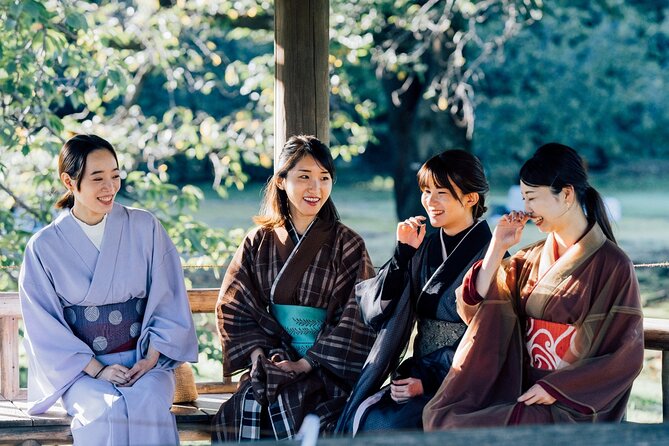
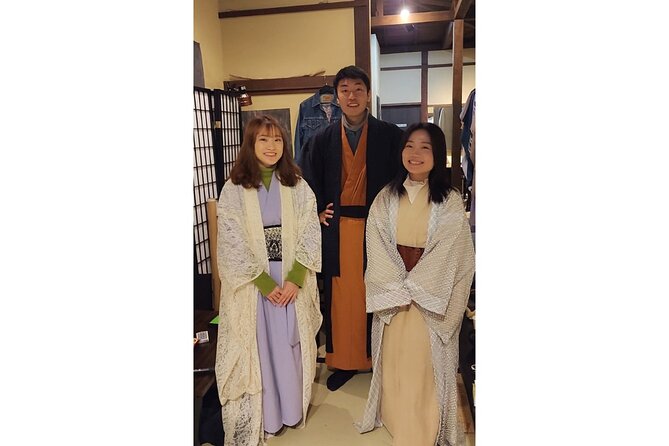
The first practical advantage appears before the tea lesson starts. The workshop uses simple kimonos designed to be put on quickly, rather than the layered formal garments that require considerable time and assistance.
You receive help from the host, so you do not need to know how to dress yourself. The kimono is intended to be comfortable and easy to wear, making it a good choice if you want the look and feel of Japanese traditional clothing without committing to a full rental session.
This is a casual kimono experience, not a formal dressing appointment. That distinction is useful when setting expectations. You get a genuine introduction to the garment and its place in Japanese culture, but the short format does not promise elaborate styling or a full formal outfit.
You must wear socks in the tatami room. If you forget them, the workshop asks you to buy a pair at the venue. Pack socks in your day bag, especially if you are wearing sandals during a hot Tokyo afternoon.
The kimono also helps make the lesson feel connected to its setting. You are not only hearing about tea ceremony manners from a chair in ordinary clothes. You are taking part in a small piece of the visual and physical tradition.
Learning what matcha really is
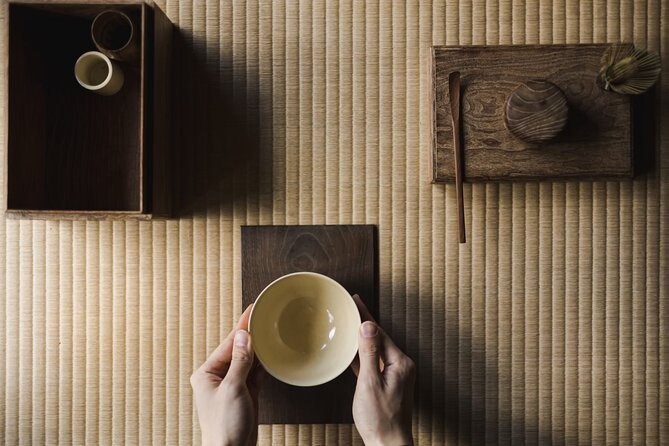
The tea lesson goes beyond the familiar green powder. You learn about matcha in relation to green, black, and Chinese teas, along with the cultural importance of each type.
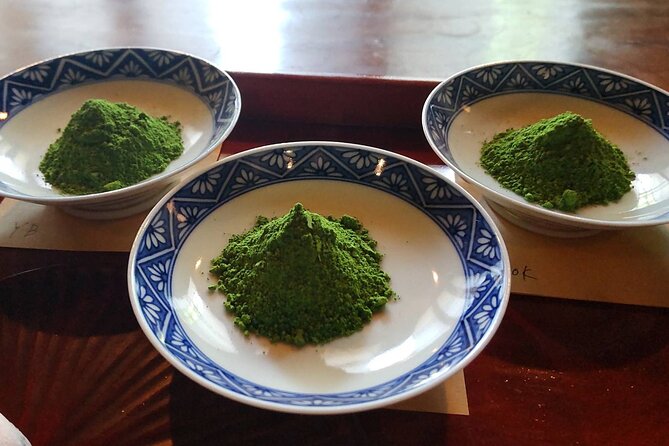
One of the more interesting elements is the comparison of Japanese and overseas matcha. The workshop presents them as noticeably different, which gives you a useful starting point when buying matcha later. You are encouraged to use your eyes, nose, and tongue to identify differences in the teas.
The host also introduces first-flush matcha. First flush refers to the earliest harvest, and the tea used here is presented as a high-quality selection. The collection includes more than 100 matchas from around Japan, so the tasting has more range than a single standard bowl.
You may be offered different matcha options, including a decaffeinated choice. That makes the activity more comfortable if caffeine is a concern, though you should still ask the host about the available selection when you arrive.
This tasting approach gives the session a useful sensory side. Instead of being told that one tea is better than another, you can look at the powder, smell it, taste it, and decide what appeals to you. Matcha can be grassy, bitter, sweet, or creamy, and your favorite may not be the one you expect.
Understanding tea ceremony manners and Teaism
The workshop also explains the philosophy behind tea ceremony. You learn about Teaism, the ideas and values connected with preparing and sharing tea, rather than only memorizing a sequence of movements.
That context is important. Without it, whisking matcha can feel like a craft demonstration. With it, the small gestures begin to make more sense. The lesson covers the basic manners for drinking a bowl of matcha, including how to approach the tea respectfully.
This is not presented as a test of strict etiquette. The tone is relaxed and suitable for people who know little about Japanese tea culture. You can ask questions as the host explains the customs, and the small group size should make it easier to speak up.
The workshop has room for cultural comparison as well. You can ask about the difference between Japanese tea ceremony and ordinary tea drinking, or clarify how matcha fits into Japan’s wider tea culture. The experience is particularly useful if you want context to carry with you to temples, tea shops, or traditional restaurants during the rest of your stay.
More Matcha Experiences in Tokyo
- Matcha Making Class in Tokyo with Authentic Japanese Sweets Set
★ 5.0 · 744 reviews - Tokyo: Matcha Making Experience with Mochi Sweets in Asakusa
★ 4.9 · 388 reviews - Asakusa Cultural Walk & Matcha Making Tour
★ 5.0 · 245 reviews - Asakusa: Kimono Tea Ceremony with Matcha and Sweet
★ 4.9 · 153 reviews
Making your own bowl of matcha
The hands-on portion is the heart of the activity. After the explanation, you use tea ceremony tools to prepare a bowl of matcha in the traditional way.
The host shows you how to handle the implements and how to create the finished drink. You do not need previous experience. The appeal is in performing the steps yourself, not in producing a perfect bowl on the first try.
You also learn the basic manner for drinking matcha. That turns the final cup into more than a tasting. You understand how the drink is presented, how to receive it, and how to approach it with the right level of care.
The matcha comes with Japanese traditional snacks, which provide a useful contrast to the tea’s bitter notes. The included refreshments also make the session feel like a complete cultural activity rather than a short demonstration.
The host may take photos during the experience. That is helpful if you want a record of the kimono and tea preparation, though the main value remains the lesson itself.
What the 90-minute schedule means for your day
A 90-minute duration is one of this experience’s strongest practical features. Tokyo sightseeing can involve long train rides and crowded attractions, so a compact activity is easier to fit into a busy itinerary.
You can place it between visits in Shinjuku or use it as a cultural break from shopping and city sightseeing. The meeting point and return point are the same, which removes the need to plan a second destination at the end.
The short length also sets a limit on what you will learn. You receive a clear introduction to matcha, tea varieties, kimono basics, and ceremony manners, but you will not become a trained tea practitioner in one session.
I would choose this for a first visit to Japan, a rainy-day plan, or a day when you want a quiet activity that still feels hands-on. I would not choose it as a substitute for a longer formal tea ceremony if your main goal is to study every movement in detail.
The maximum group size is 10 people. That is small enough for questions and personal guidance without the price of a private lesson. If you are traveling alone, the format also gives you a structured cultural activity without requiring you to organize a private booking.
How the price compares with what you receive
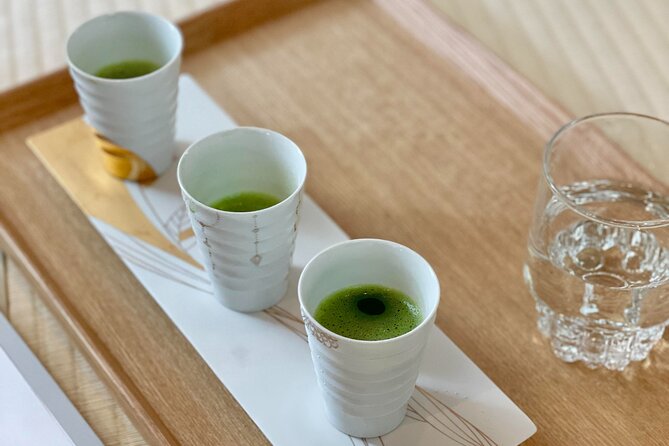
At $59.46, the workshop sits in the middle range for a short Tokyo cultural activity. Its value comes from the combination of parts: a kimono, instruction, matcha, tea implements, snacks, and a welcome drink.
A cheaper tea tasting might give you a sample without teaching you how to prepare it. A formal kimono rental may give you more time in traditional clothing but less explanation of matcha. This workshop combines both ideas in one visit.
The price is strongest for you if you plan to ask questions and take part fully. Listen to the tea comparison, smell the samples, try the whisking technique, and use the chance to learn the manners. If you only want a photograph in a kimono, you may find that the lesson makes the activity feel longer than necessary.
Children are charged the full price, so families should include that when comparing options. The experience is not listed as having a child discount.
Who will enjoy this most
I would recommend this experience to:
- First-time visitors who want a clear introduction to Japanese tea culture
- Matcha drinkers who want to understand differences in quality and origin
- People who like small-group workshops more than passive sightseeing
- Couples, friends, and solo visitors looking for a short Shinjuku activity
- Anyone curious about wearing a kimono without a long formal dressing process
- Visitors who appreciate an English-speaking host and plenty of time for questions
It is also a good fit if you are unsure about matcha. You do not need to arrive as a fan. The tasting and explanation help you understand why the flavor can vary, and the session still offers cultural value even if the drink is not your favorite.
You may want another option if you need private transportation, dislike sitting on tatami, or want a full formal kimono appointment. You should also reconsider if you are likely to arrive late, since the booking is automatically canceled after 10 minutes and no refund is accepted in that case.
Booking and cancellation details worth noting
Confirmation is provided when you book, and the activity is close to public transportation. The meeting point is in Shinjuku, but the supplied location is a map code rather than a named landmark, so check the exact map pin before leaving your hotel.
Free cancellation is available up to 24 hours before the start time for a full refund. Changes or cancellations made less than 24 hours before the activity are not refunded or accepted, and the cut-off uses Tokyo local time.
The activity requires a minimum number of participants. If the provider cancels because that minimum is not reached, you can choose another date or experience, or receive a full refund.
Should you book the Matcha Kimono Tea Ceremony?
Book it if you want a friendly, compact lesson that combines kimono dressing and matcha preparation rather than a formal ceremony viewed from the side. The high 5/5 rating from 104 reviews and 99 percent recommendation reflect the qualities that matter here: patient instruction, clear English, useful cultural background, and a relaxed atmosphere.
The best reason to choose it is the balance of learning and doing. You compare tea, wear a kimono, prepare matcha, eat Japanese snacks, and ask questions in one 90-minute visit.
Skip it if your priority is a long, highly formal ceremony or a private photo session. For most first-time visitors, though, the price and short schedule make this a practical way to add Japanese tea culture to a day in Shinjuku.
FAQ
Where does the Matcha Kimono Tea Ceremony take place?
The activity takes place in Shinjuku City, Tokyo. The listed meeting point is MPPG+HH, and the activity ends back at the same meeting point.
How long does the experience last?
The experience lasts approximately 1 hour and 30 minutes.
How much does the activity cost?
The listed price is $59.46 per person.
What is included in the experience?
The price includes Japanese traditional snacks, an easy-to-wear kimono rental, tea ceremony tool rental, high-quality matcha, coffee and/or tea, and a Japanese welcome drink.
Do I need to bring socks?
Yes. You are asked to wear socks in the tatami room. If you forget them, the workshop asks you to buy socks at the venue.
How many people can join the activity?
The experience has a maximum of 10 participants.
Is private transportation included?
No. Private transportation is not included, although the meeting point is near public transportation.
What happens if I arrive late?
The reservation is automatically canceled after 10 minutes of delay from the starting time, and no refund is accepted in that situation.
Can I cancel for a full refund?
Yes, if you cancel at least 24 hours before the experience start time. Cancellations or changes made less than 24 hours before the start are not accepted for a refund.
More Tea Ceremonies in Tokyo
- Tokyo: Traditional Tea Ceremony with a Tea Master
★ 5.0 · 528 reviews - Tea Ceremony Workshop in Tokyo by the Experienced Instrucor
★ 5.0 · 189 reviews - Tea Ceremony Experience in a Private Tea Room in Shibuya
★ 4.9 · 125 reviews - Tokyo: Practicing Zen with a Japanese Tea Ceremony
★ 4.7 · 105 reviews
Fresh tea listings around Tokyo
- Authentic Japanese tea tasting: sencha, matcha and gyokuro★ 5.0 · 12 reviews
- At an Antique Shop, Tea Ceremony and Japanese Sweets Forming★ 5.0 · 5 reviews
- Mochi Matcha Gluten Free Japanese Sweets Class near Shibuya area★ 5.0 · 26 reviews
- Tokyo: Two Types of Japanese Sweets Making and Tea Ceremony★ 4.6 · 26 reviews
- Japanese Matcha Tea Ceremony and Kimono Experience in Hanayaka★ 5.0 · 26 reviews
- Matcha Experience with of Japanese Tea Tasting in Tokyo★ 5.0 · 31 reviews
- EDOCCO Tea House–A Quick Dive into Japanese Traditional Culture★ 5.0 · 34 reviews
- Tokyo: Tea Ceremony Experience in Asakusa★ 5.0 · 36 reviews
Kimono & Tea Ceremony, compared.
KYOTO Tea Ceremony with kimono near by Imamiya Jinjya Shrine
Read our review →
Kyoto: Kimono and Tea Ceremony Experience at Cultural Asset
Read our review →
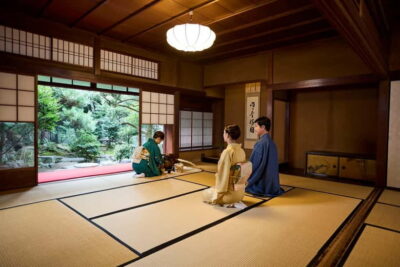
Kyoto: Kimono Tea Ceremony with Matcha and Sweet
Read our review →