
Review · MATCHA EXPERIENCES
Craft Sushi and Matcha Ice Cream in Central Osaka (3-Course Meal)
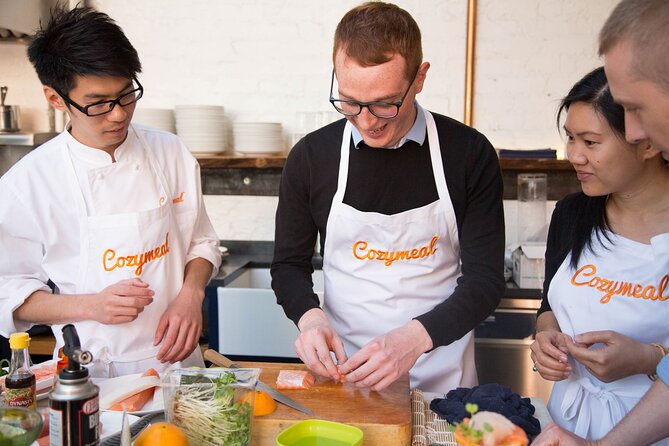
Osaka has long earned its nickname as Japan’s Nation’s Kitchen, and this class puts that idea on your cutting board. Over about three hours, you make miso soup from shaved bonito, roll futomaki and hosomaki, shape nigiri, and finish with matcha ice cream. It is a full meal, not just a quick sushi demonstration.
I like the small maximum of six people, which should give you useful time with the chef instead of a distant view of a cooking counter. I also like the menu’s range: you learn broth, rice, rolling, fish preparation, and dessert in one sitting.
The main point to check is the location. The activity is listed in Yoshita, Higashiosaka, rather than in central Osaka’s best-known sightseeing districts. At $104.72 per person, the price is fair for a three-course meal and private-feeling class, but you should allow time to reach the meeting point.
Key points at a glance
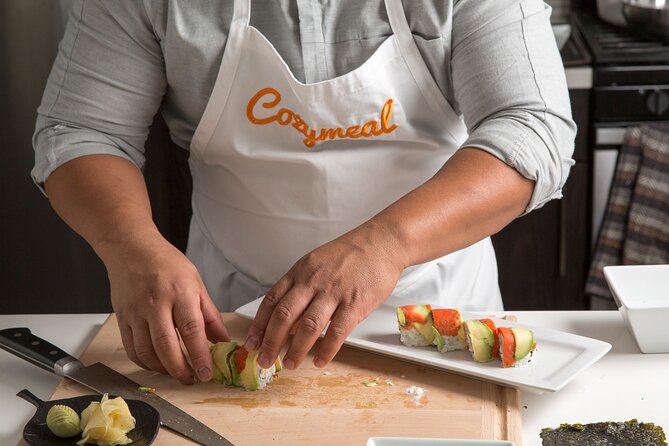
- A complete three-course lesson: Make bonito-based miso soup, several sushi styles, and matcha ice cream.
- Three sushi techniques in one class: Practice futomaki, hosomaki, and nigiri rather than learning only one roll.
- A maximum of six participants: The small format should allow close guidance from the local chef.
- Bonito is part of the lesson: You will work with katsuobushi, or dried bonito, for the soup broth.
- BYOB is allowed: Bring wine or beer if you would like a drink with the meal.
- Dietary requests can be discussed in advance: The class is designed to accommodate a range of food needs, but you should provide details before arrival.
What this Osaka cooking class actually offers
This is a hands-on Japanese cooking lesson hosted through Cozymeal. The experience lasts about three hours and ends where it begins, at Yoshita in Higashiosaka, Osaka 578-0924.
You are not simply watching a chef assemble attractive plates. The menu asks you to handle several basic parts of Japanese home and restaurant cooking. You work with rice, nori, tofu, miso, katsuobushi, raw fish, vegetables, and matcha. That makes the class useful for anyone who wants to understand how the pieces of a Japanese meal fit together.
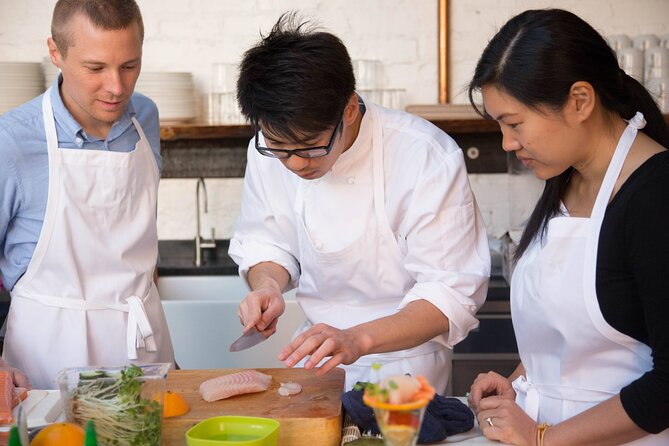
The class size matters here. With no more than six people, you should have a better chance to ask questions, correct a loose sushi roll, or get help with nigiri before the rice falls apart. A larger class can still be fun, but sushi rewards close instruction. Small errors in rice pressure, filling placement, or rolling technique make a big difference.
The chef’s name is not provided, so you should not book expecting a particular named instructor. What is clear is the teaching format: a local chef guides the group through traditional methods and explains the food as you prepare it.
More Matcha Experiences in Osaka
- Matcha Making Class in Osaka with Authentic Japanese Sweets Set
★ 5.0 · 509 reviews - Osaka: Matcha Making Experience with Japanese Sweets
★ 5.0 · 146 reviews - Osaka Temple Cool Foot Bath & Matcha Experience〈45min〉
★ 4.9 · 82 reviews
Starting with miso soup and shaved bonito
The first course is miso soup with tofu and broth made from shaved katsuobushi. This is a smart way to begin because it introduces a flavor base that many people taste in Japan without seeing how it is made.
Katsuobushi is dried, cured bonito that is shaved into thin flakes. Here, you get to take part in that process rather than treating the broth as an invisible kitchen shortcut. The result is a lesson in umami, the savory quality that gives many Japanese dishes their depth.
You will combine the bonito broth with miso paste and tofu. The soup is simple, but simple does not mean automatic. The timing and balance of broth, miso, and tofu show you why Japanese cooking often depends on careful handling rather than a long list of ingredients.
For first-time cooks, this is one of the more valuable parts of the class. Sushi gets the attention, but soup gives you a better sense of daily Japanese food. You can also enjoy it early in the meal while the sushi components come together.
Three sushi styles, three different skills
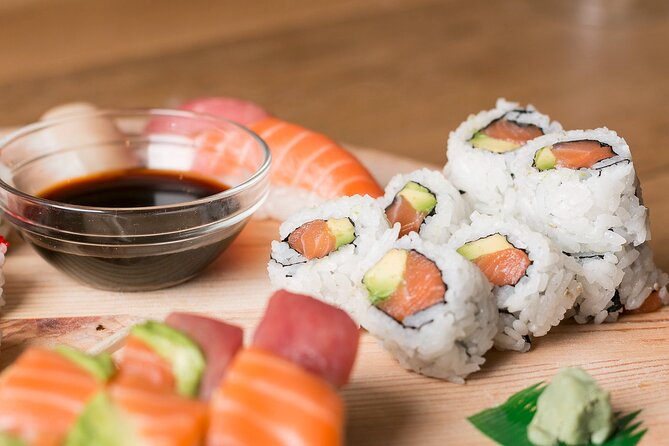
The second course is the main event. You prepare sushi using Japanese rice, nori, avocado, cucumber, and fresh fish. The menu includes futomaki, hosomaki, and nigiri, so you get to practice both rolled and hand-formed sushi.
Futomaki is the larger roll. It holds more filling and requires good control when you bring the nori and rice around the ingredients. This is often the most forgiving roll because its size gives you room to work, but it can also become too loose or overfilled if you do not distribute the ingredients evenly.
Hosomaki is the slimmer roll. With less space, it demands more precision. You need to place the filling neatly and apply enough pressure to create a clean shape without crushing the rice. Learning both futomaki and hosomaki lets you feel the difference between generous and restrained sushi design.
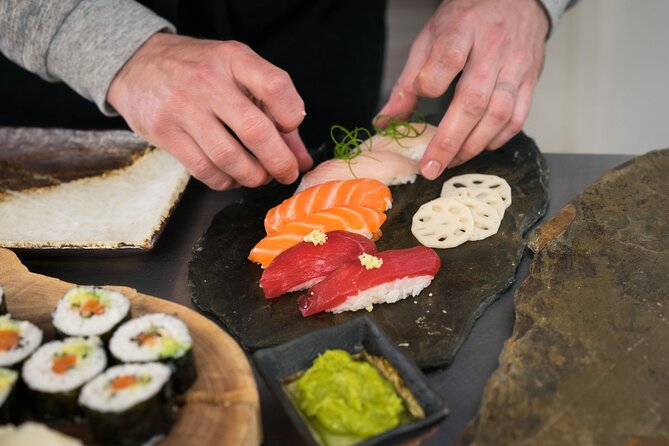
Nigiri shifts the technique again. Instead of rolling, you shape a small portion of rice by hand and pair it with fish. This is where rice texture, hand pressure, and portion size become especially important. A good chef can show you how to form the rice without packing it too tightly.
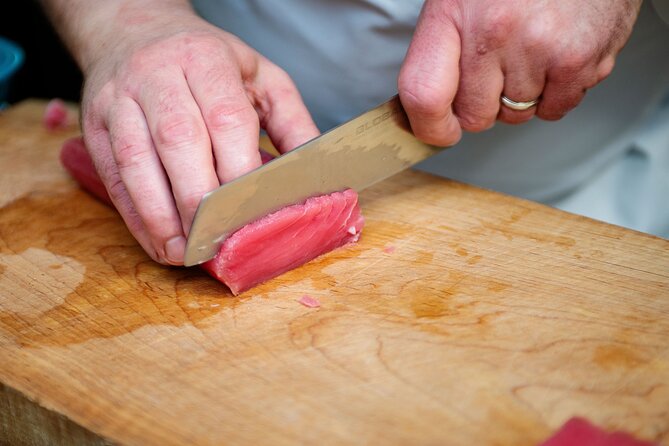
The inclusion of avocado and cucumber gives you familiar ingredients to work with, while the fish provides a traditional sushi element. Since the menu includes raw fish, anyone with food restrictions or concerns should explain them before booking. The provider says dietary needs can be accommodated with advance notice, but you should not wait until the class begins.
Why the rice and rolling lesson is worth your time
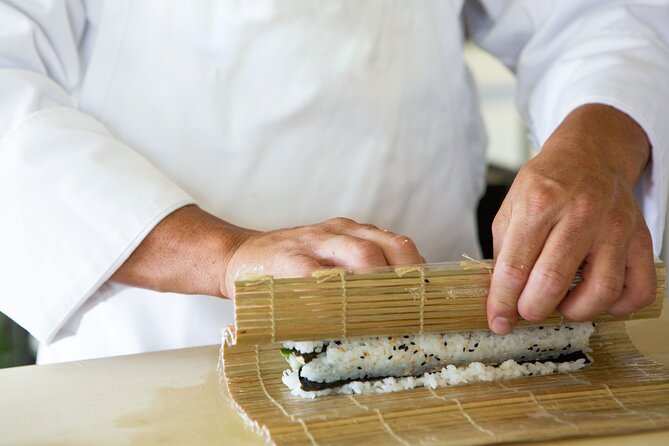
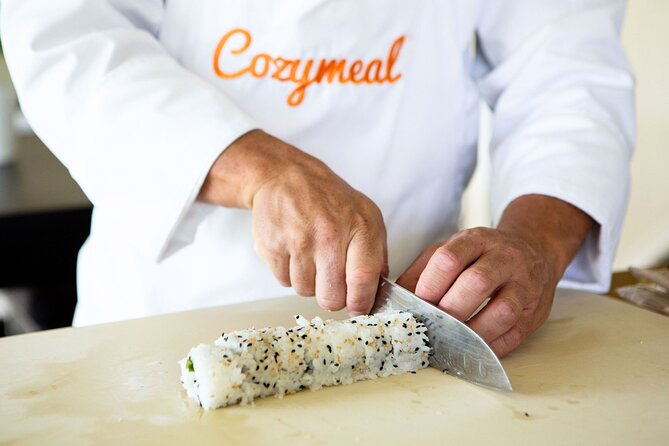
Sushi can look easy until you try to make it. The finished pieces are small, but the process involves several details: preparing rice, placing it on nori, leaving the correct edge for sealing, arranging fillings, and cutting rolls into even pieces.
A class like this gives you something a sushi restaurant cannot. At a restaurant, you can study the finished food, but you do not see how much pressure the chef uses or how the roll is positioned before it is cut. Here, you can make an imperfect first attempt and adjust it with direct help.
The two former participants whose feedback is reflected in the experience specifically praised the patient teaching and the chance to make futo maki, hoso maki, and nigiri. One also singled out the progression from bonito preparation to sushi and matcha ice cream. That sequence makes sense: you begin with a basic broth, move into the most technical course, and finish with a dessert that requires a different set of movements.
Do not expect restaurant-perfect pieces on your first try. That is not a flaw in the experience. The value is in learning the method, eating what you make, and leaving with a clearer sense of why sushi chefs pay such close attention to rice and shape.
Same city, a very different cup:
- Osaka: Tea Ceremony Experience
★ 4.9 · 1,426 reviews - Tea Ceremony Experience in Osaka Doutonbori
★ 5.0 · 754 reviews - Osaka: Tea Ceremony, Calligraphy, and Kimono Experience
★ 4.9 · 130 reviews - Osaka: Japanese Traditional Sweets Making and Tea Ceremony
★ 4.7 · 118 reviews
Matcha ice cream for the final course
Dessert is matcha ice cream made with matcha powder. This gives the meal a distinctly Japanese finish rather than ending with a generic sweet.
Matcha has a grassy, slightly bitter flavor, and its strength can vary depending on how much powder is used. Making the ice cream yourself lets you see how that flavor is balanced in a creamy dessert. The cold texture also provides a pleasant contrast to the warm soup and rice-based main course.
The ice cream is not just a token dessert added to fill out the menu. It helps round out the lesson by showing that matcha is not limited to tea. You get a chance to work with a familiar Japanese flavor in a form that many visitors enjoy.
One practical point: the class is described as a full three-course menu, but the supplied details do not specify the exact ice cream-making equipment or the amount of preparation completed by the chef beforehand. Think of it as a guided cooking lesson, not a professional pastry course.
The location in Yoshita, Higashiosaka
The meeting point is Yoshita, Higashiosaka, Osaka 578-0924. The end point is the same as the start point.
This detail deserves more attention than it usually gets. The activity is presented as a central Osaka experience, but the listed address is in Higashiosaka. You should check the route from your hotel before booking and leave enough time to arrive without rushing. The provided information does not include a transfer service or transportation from central Osaka.
That location may suit you if you are staying nearby or want a cooking activity away from the busiest sightseeing streets. It may be less convenient if you are planning to fit the class between visits to Dotonbori, Osaka Castle, or another central attraction.
A mobile ticket is included, and confirmation is sent at booking. Those details make entry simple, but they do not replace checking the exact route to Yoshita. Since the meeting point is important to the value of the day, treat transport planning as part of the booking decision.
Is $104.72 a fair price?
At $104.72 per person, this is not a budget meal. It is also more than the cost of ordering sushi and miso soup at an ordinary Osaka restaurant.
The comparison is not quite fair, though. You are paying for a three-hour activity, a full three-course menu, instruction from a local chef, hands-on use of Japanese ingredients, and a small group capped at six. If you value the cooking lesson as much as the food, the price is easier to justify.
I would consider it good value for a visitor who wants an activity rather than another restaurant meal. The class covers enough ground to feel substantial, and the small group should make the teaching more personal. It is less compelling if you only want to eat sushi or if your schedule is already packed with food stops.
The BYOB policy adds a little flexibility. You can bring wine or beer to enjoy during the class, though drinks are not included. That can make the meal feel more relaxed, but you should plan and purchase your own bottle before arriving.
Who should book this class?
I would recommend it to you if you enjoy learning by doing. It suits couples, small groups of friends, families with an interest in Japanese food, and solo participants who like a social activity with a clear purpose.
It is especially useful for first-time sushi makers because the menu covers three forms rather than repeating one basic roll. You also get a broader lesson in Japanese cooking through the soup and dessert.
Food-focused visitors will get the most from it, but you do not need advanced cooking skills. The reports of a patient chef and an easy learning process suggest that beginners are welcome. Still, the class may not suit someone who dislikes raw fish, wants a short demonstration, or has no interest in handling ingredients.
If you have dietary restrictions, tell the provider in advance. The class is designed to accommodate a variety of needs, but the listed sushi menu includes fish and the cooking format depends on preparation before the session.
Booking, cancellation, and practical details
You receive confirmation at the time of booking, and the mobile ticket makes it easy to keep the reservation on your phone. The activity requires a minimum number of participants. If that minimum is not met and the class is canceled, you are offered another date or experience, or a full refund.
You can cancel for a full refund up to 24 hours before the start time. Cancellations or changes made less than 24 hours before the experience are not accepted for a refund. The cut-off follows local Osaka time.
Service animals are allowed. The activity ends at the same meeting point where it begins, so plan your onward route from Yoshita rather than assuming you will finish in central Osaka.
Should you book it?
Book this class if you want to understand Japanese food through your hands, not just your appetite. The combination of bonito broth, three sushi styles, and matcha ice cream gives you a fuller lesson than a standard roll-making session, while the six-person maximum should keep the instruction personal.
I would pause only if Yoshita is inconvenient for your itinerary, if $104.72 feels high for a meal activity, or if raw fish is not suitable for you. For a food-focused day outside the main tourist core, this is a well-rounded choice with enough technique, variety, and shared cooking time to justify its place in an Osaka schedule.
FAQ
How long does the cooking class last?
The class lasts approximately three hours.
Where does the activity begin?
It begins at Yoshita, Higashiosaka, Osaka 578-0924, Japan.
Where does the activity end?
The activity ends back at the meeting point in Yoshita.
What food is included?
The menu includes miso soup, sushi, and matcha ice cream.
What kinds of sushi will I make?
You will prepare futomaki, hosomaki, and nigiri.
What ingredients are used for the sushi?
The listed ingredients include Japanese rice, nori, avocado, cucumber, and fresh fish.
Does the class include drinks?
Drinks are not included. This is a BYOB event, so you may bring wine or beer.
How many people can join the class?
The activity has a maximum of six participants.
Can dietary requirements be accommodated?
The class is designed to accommodate a variety of dietary needs. You should provide the details in advance so the provider can try to tailor the experience.
Can I cancel for a full refund?
Yes. You can cancel at least 24 hours before the start time for a full refund. Cancellations made less than 24 hours before the start time are not refunded.
Fresh tea listings around Osaka
- Osaka:Zen Tea Ceremony and Foot Bath Experience<45min>★ 5.0 · 7 reviews
- Nara Deer Park, Uji Matcha, & Hot Spring Full-Day Tour from Osaka★ 4.0 · 21 reviews
- Osaka: Tea Ceremony, Calligraphy, and Kimono Experience★ 5.0 · 6 reviews
- Osaka: Nara, Todaiji, Uji Matcha, and Hot Spring Tour★ 4.0 · 7 reviews
- Discover Japanese Tea Blending Techniques in Osaka★ 5.0 · 19 reviews
- Osaka Japanese Cooking And Matcha Class near Osaka Castle★ 5.0 · 22 reviews
- ZEN therapy | Shiatsu-style massage, EnergyTherapy & Japanese Tea★ 5.0 · 5 reviews
- Tea and Calligraphy Session at a Table in Osaka★ 5.0 · 4 reviews
Matcha Experiences, compared.
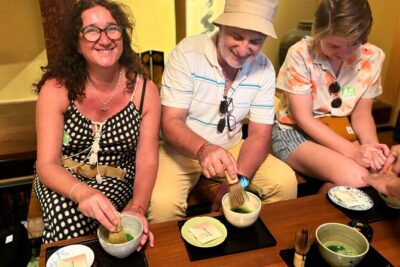
World Heritage Kyoto & Nara Uji Authentic Matcha Experience
Read our review →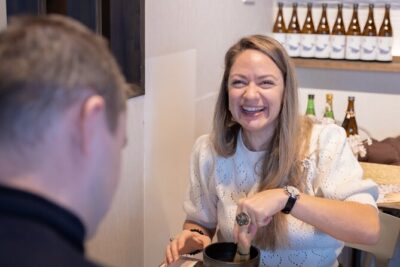
Matcha Making Class in Tokyo with Authentic Japanese Sweets Set
Read our review →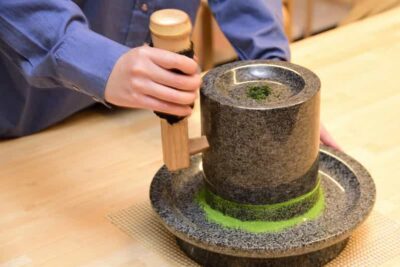
Kyoto: Tea Museum Tickets and Matcha Grinding Experience
Read our review →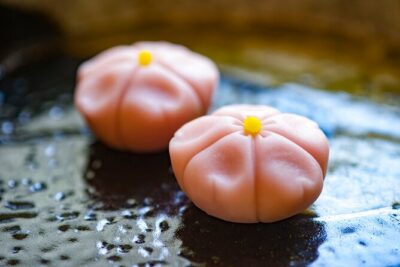
Matcha Making Class in Osaka with Authentic Japanese Sweets Set
Read our review →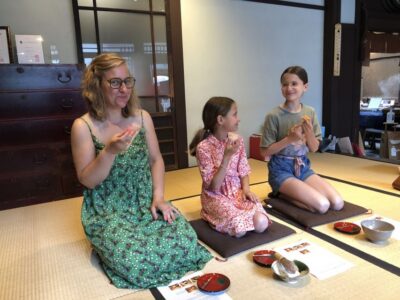
Kyoto: Tea Ceremony Meditation – Make Matcha with Tea Master
Read our review →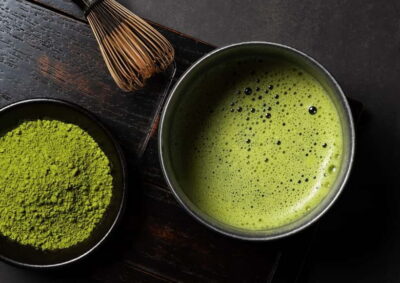
Tokyo: Matcha Making Experience with Mochi Sweets in Asakusa
Read our review →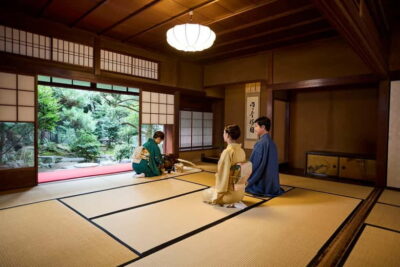
Kyoto: Kimono Tea Ceremony with Matcha and Sweet
Read our review →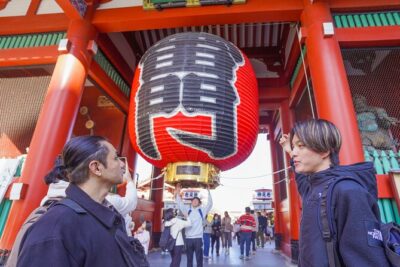
Browse the lists this tour appears in