
Review · KIMONO & TEA CEREMONY
A Unique Antique Kimono and Tea ceremony Experience in English
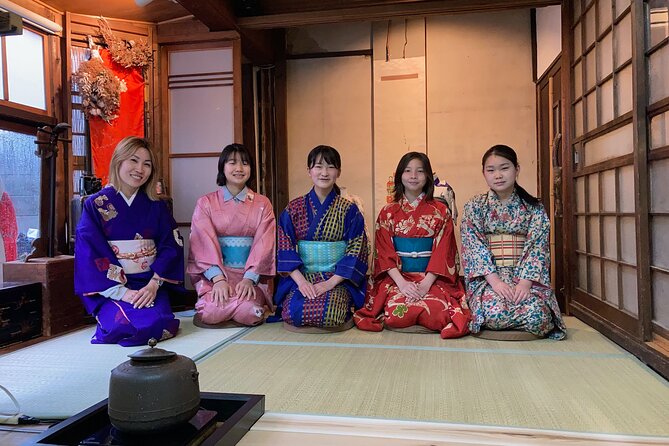
The most unusual part of this Kyoto experience happens before the first sip of tea: you choose an antique kimono more than 80 years old, then wear it inside a century-old family home near Katsura Imperial Villa. Toku Miyagawa, a kimono fitter with more than 20 years of tea ceremony experience, explains each step in clear English.
I like the quiet setting and the small six-person limit. I also like that the hosts make the ceremony approachable, helping with kimono selection, accessories, hair styling, photographs, and even seating adjustments when needed. The main consideration is that this is a home and kimono shop in a residential area, not a grand temple garden, so anyone expecting a polished scenic backdrop may find it modest.
Key points to know before booking
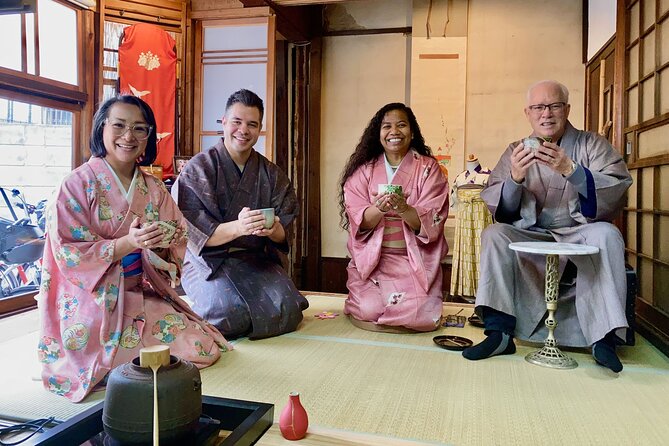
- Antique kimono included: You choose from a large collection of older garments, obis, and accessories, with dressing help from Toku and his team.
- A calm setting near Katsura: The house is close to Katsura Imperial Villa, away from Kyoto’s busiest sightseeing streets.
- English instruction: Toku explains tea etiquette, matcha preparation, and the meaning behind the ceremony in English.
- Small groups only: The experience accepts no more than six people, though you may sometimes have a much smaller group.
- Tea and sweets are included: You take part in the ceremony with green tea and traditional Japanese sweets.
- Best for a personal cultural lesson: This suits families, couples, and curious visitors who want interaction rather than a quick photo stop.
Entering a 100-year-old house near Katsura
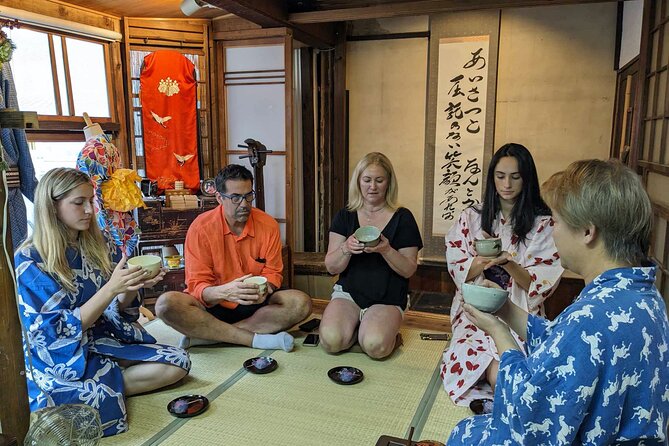
The experience begins at Miyagawa Tokusaburo Shoten, at 32-4 Katsuranozatocho in Kyoto’s Nishikyo Ward. It ends at the same place, so you do not need to manage a second meeting point after the ceremony.
The location matters. Katsura is known for the Katsura Imperial Villa, but this activity takes place in a regular residential neighborhood near it. That gives the visit a quieter tone than tea ceremonies held in central Kyoto attractions. You are not being moved from one staged display to another. You are visiting a working family setting where kimono, tea, and hospitality are part of the hosts’ daily world.
A taxi ride of about 15 minutes from central Kyoto was described as easy, and the shop is also near public transportation. Still, allow time to find the address, especially if your schedule includes another timed attraction afterward. The activity lasts about 90 minutes, but kimono selection and photographs make it wise not to plan anything too tightly around it.
The building itself is part of the appeal. You sit inside a private house more than 100 years old, rather than in a large commercial venue. That makes the ceremony feel intimate, though it also means the setting is simple. You should come for the people, the clothing, and the lesson, not for sweeping garden views.
More Kimono and Tea Ceremonies in Kyoto
- Kimono Tea Ceremony at Kyoto Maikoya, NISHIKI
★ 5.0 · 911 reviews - Kyoto: Kimono Tea Ceremony at Orizuruya Gion
★ 4.9 · 618 reviews - KYOTO Tea Ceremony with kimono near by Imamiya Jinjya Shrine
★ 5.0 · 343 reviews
Choosing an antique kimono and obi
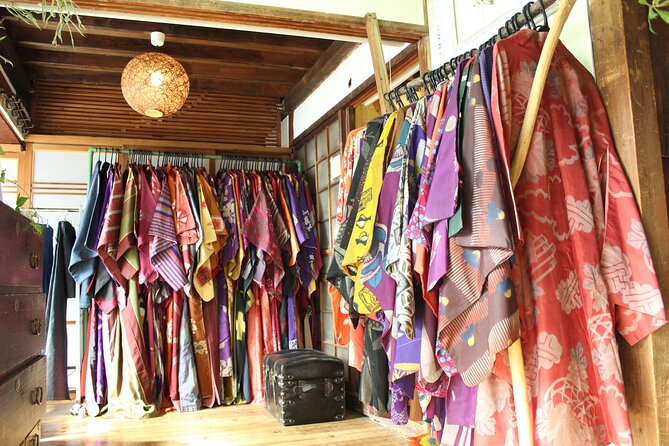
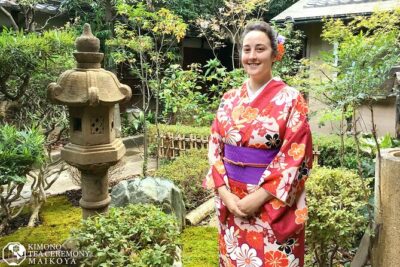
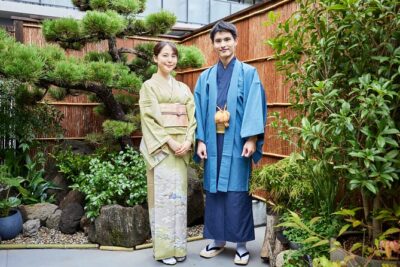
Kimono selection is one of the most praised parts of the experience. You are invited to choose a garment from a sizeable collection, with Toku and his wife offering advice on colors, accessories, and the obi, the broad sash worn around the waist.
This is not simply a rental counter where you pick a costume and leave. Toku’s background as a kimono fitter gives the dressing process more care. He helps you put on the kimono properly and makes adjustments so it sits securely. Several families also appreciated the welcoming approach with children, and the hosts have worked patiently with very young participants.
The word antique is important here. These are not described as new theatrical costumes made for tourist photographs. The oldest pieces are more than 80 years old, and the collection includes genuine older garments. That gives the clothing a sense of connection to Japanese domestic life and craft.
At the same time, do not expect every item to look like the most elaborate kimono you may see in Gion or at a formal cultural show. The collection is kept in the shop and home, and one negative account found the display less polished than expected. If you want a luxury fashion presentation, this may feel too informal. If you enjoy handling real older clothing and hearing about the person who fits it, the informality is part of the charm.
You may also receive help with hair accessories. The hosts have taken photographs during the dressing and ceremony, and you are encouraged to record the experience. Ask before the ceremony if you want a particular style or more time for pictures, since the formal tea portion has its own pace.
Learning tea etiquette from Toku Miyagawa
Once you are dressed, Toku explains the rules and movements of the tea ceremony. His experience extends more than 20 years, and he also discusses his personal path as a kimono fitter and tea practitioner. The lesson includes the connection between samurai culture and tea, a useful detail because it places the ceremony in a wider social setting rather than treating it as a series of mysterious gestures.
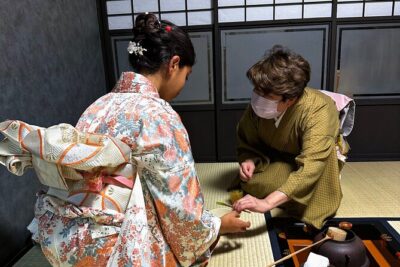
The instruction is in English. That makes a real difference. Tea ceremony can seem stiff or confusing when you only watch from a distance, but here you are told why you bow, how you receive the bowl, and how the host prepares and presents the tea. The hosts take time to explain the meaning behind the actions, not just the order.
I especially like this format for first-time visitors. You do not need prior knowledge, and the tone is not described as strict or intimidating. Families with children have been accommodated, and the hosts have adjusted the ceremony for someone who could not kneel. That flexibility makes the experience more usable than a formal demonstration where everyone must copy the same posture.
There is still a limit to what 90 minutes can cover. This is an introduction, not a full study of tea schools, tea utensils, or matcha production. One person expected more information about Japanese tea and several types of tea, and found that some simple activities felt stretched. If your main goal is a technical lesson about tea farming or production, you may find the content too light.
Preparing matcha, then sharing tea and sweets
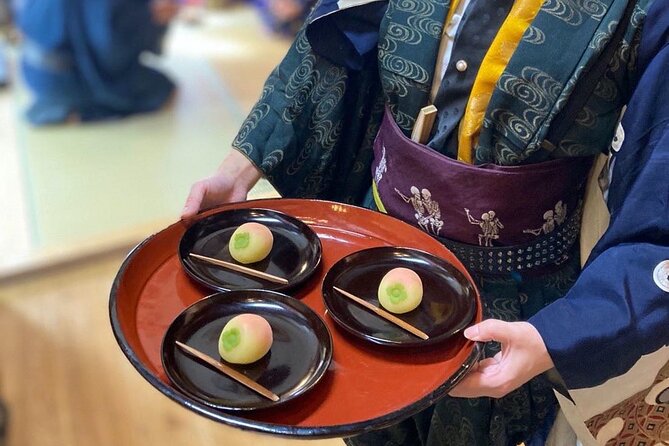
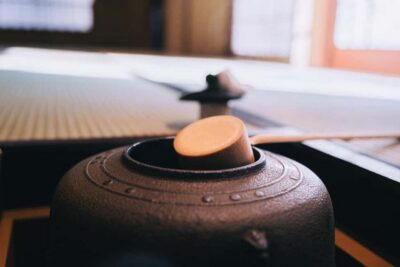
The central activity is the preparation and sharing of matcha. You learn how the powdered green tea is made into a drink and see how each stage connects to the larger etiquette of the ceremony. The tea is served with Japanese sweets, which are included in the price.
The ceremony moves slowly. That is deliberate. You are given time to watch the host, follow the instructions, and notice small gestures that are easy to miss in a fast demonstration. The quiet rhythm also gives the session a reflective quality. The point is not only the flavor of the tea. It is the act of giving full attention to the people and objects in the room.
Toku explains each part carefully, and the hosts invite photographs rather than treating the ceremony as untouchable. That balance works well for visitors who want both respect for tradition and a record of the day. You can take part without feeling that you are intruding.
The tea itself may not satisfy someone looking for a tasting session. The advertised experience includes green tea and Japanese sweets, but it does not promise multiple tea varieties, a meal, or lunch. Neither lunch nor dinner is included. Think of this as a cultural ceremony with a drink and sweet, not a food tour.
More Tea Ceremonies in Kyoto
- Kyoto: Tea Ceremony in a Traditional Tea House in Kiyomizu
★ 4.9 · 3,519 reviews - Kyoto: Tea Ceremony Ju-An at Jotokuji Temple
★ 4.9 · 3,207 reviews - Kyoto: 45-Minute Tea Ceremony Lesson Experience
★ 4.3 · 2,378 reviews - Kyoto: Table-Style Tea Ceremony at a Kyo-Machiya
★ 4.9 · 1,211 reviews
Why the small group limit matters
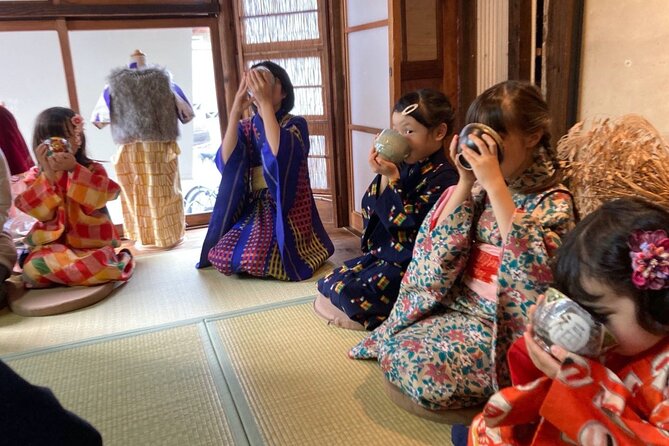
The maximum group size is six people. That is small enough for direct questions and personal help with the kimono. Toku can see whether you are following the tea movements, and the hosts have room to adapt the ceremony for children or for someone who cannot kneel comfortably.
The group size may be even smaller. A couple described having the ceremony with just the two of them, which changed the mood from a class to a private family visit. You should not assume you will have a private booking, but the six-person cap keeps the activity from becoming a crowded performance.
The family-run nature is central to the experience. Toku, his wife, and an assistant may all help with dressing, accessories, photographs, and explanations. Their warmth is one of the strongest reasons this experience receives such high marks, with a 4.9 rating from 109 reviews and a 97 percent recommendation rate.
There is a tradeoff. A family home does not offer the polished staging, wide spaces, or formal garden found at some Kyoto cultural venues. If you want a grand backdrop, choose a temple or garden ceremony instead. If you want conversation and attention, the small home setting has a clear advantage.
What the antique setting adds, and what it does not
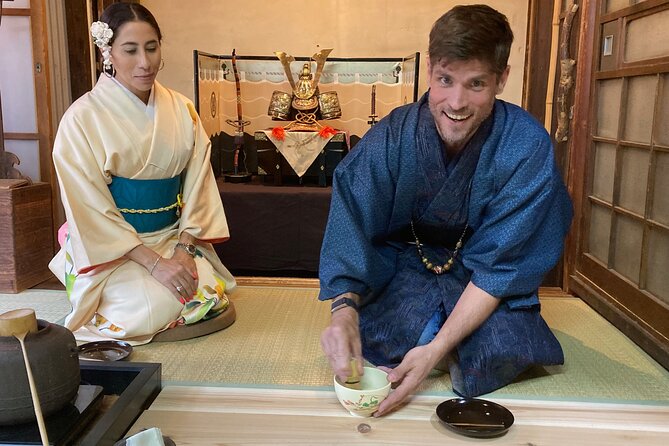
The old house gives the ceremony a sense of continuity. You are sitting in a place that has been used as a home and shop, surrounded by the family’s work rather than by a purpose-built tourist set. The hosts also share their family background, including the connection to a fourth-generation tea house described by one family.
That personal history helps explain why the ceremony feels less like a performance. Toku is not simply reciting facts about tea. He speaks about his own route back to this tradition and about the value of sharing time together. For many people, that is the most meaningful part of the visit.
But expectations matter. The house is in a normal residential area, and the kimono are kept in the shop rather than displayed like museum treasures. One disappointed visitor compared it unfavorably with ceremonies held in parks and more scenic locations. That criticism is fair if your ideal includes gardens, grand architecture, or a highly styled room.
I would choose this activity for human contact and a slower lesson. I would not choose it as the only cultural sight you see in Kyoto. Pair it with a temple, garden, or museum if you want a broader view of Japanese design and religious tradition.
The value of $99.10
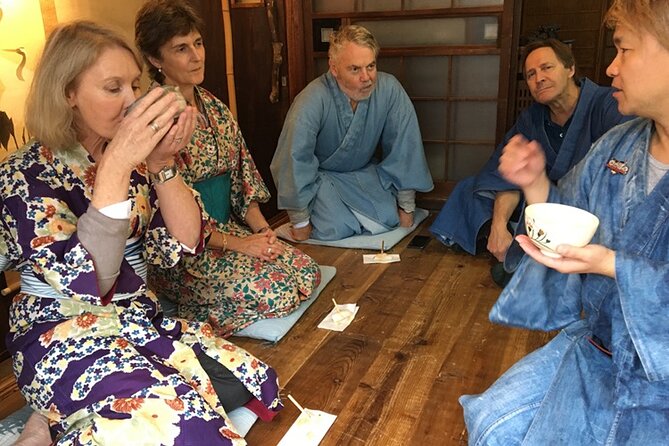
At $99.10 per person, this is not the cheapest way to drink matcha in Kyoto. The price covers a 90-minute English-language session, antique kimono rental, dressing help, the ceremony, green tea, Japanese sweets, and guidance from a host with more than two decades of experience.
The value depends on what you want. If you only want a bowl of matcha and a quick photograph, the cost may feel high. A simpler tea stop would do that for less. If you want the kimono, personal instruction, cultural context, and time for photographs, the package is easier to justify.
The antique clothing is especially important to the calculation. You are not paying only for tea. You are paying for access to a collection, help choosing a garment, proper fitting, and a setting where the clothing becomes part of the lesson. For couples and families, the chance to share the preparation and photographs adds value.
There is no lunch or dinner, so do not treat the booking as a meal replacement. I would schedule food separately and consider the activity a focused cultural appointment.
Who should book this experience
This is a strong choice if you want:
- A small, English-language introduction to tea ceremony
- A chance to wear an older Japanese kimono
- Personal help with clothing and accessories
- A family-friendly cultural activity
- A quiet neighborhood setting away from central Kyoto
- A ceremony that can be adapted for children or limited kneeling
- Direct conversation with a family connected to kimono and tea
You may want another option if you mainly want:
- A formal ceremony in a temple or garden
- A museum-like display of kimono
- A long lesson on tea cultivation and production
- Several tea varieties or a food-focused experience
- A grand, highly polished venue
The activity is suitable for families, couples, and solo visitors, and service animals are allowed. Confirmation is normally received when you book, though bookings made within one day of the visit are confirmed as soon as possible subject to availability.
Should you book this Kyoto tea ceremony?
Book it if the words personal, quiet, and hands-on describe your ideal Kyoto experience. Toku and his family offer more than a tea demonstration: you choose real older clothing, learn why the ceremony works as it does, and spend time in a family home near Katsura.
Skip it if your picture of tea ceremony requires a temple garden, formal architecture, or a full tea tasting. The ordinary residential setting is honest, but it will not satisfy everyone. For the right visitor, though, the modest room is exactly what makes the encounter feel human rather than staged.
Free cancellation is available up to 24 hours before the start time for a full refund. Changes or cancellations made later are not accepted for a refund, so check your Kyoto schedule before committing.
FAQ
Where does the tea ceremony take place?
It takes place at Miyagawa Tokusaburo Shoten, 32-4 Katsuranozatocho, Nishikyo Ward, Kyoto, 615-8073, Japan.
How long does the experience last?
The experience lasts approximately 1 hour and 30 minutes.
How many people can join?
The activity has a maximum of six participants.
Is the experience available in English?
Yes. The tea ceremony and explanations are available in English.
Is kimono rental included?
Yes. The antique kimono rental fee is included in the price.
How old are the antique kimonos?
The experience includes rare antique kimono that are more than 80 years old.
What is included with the tea ceremony?
Green tea, Japanese sweets, and the tea ceremony experience are included.
Are lunch and dinner included?
No. Lunch and dinner are not included.
Does the activity end at the meeting point?
Yes. The activity ends back at Miyagawa Tokusaburo Shoten.
Can I cancel for a full refund?
Yes. You can cancel at least 24 hours before the local start time for a full refund. Cancellations or changes made less than 24 hours before the start time are not refunded or accepted.
Fresh tea listings around Kyoto
- Cycling Tour at Uji’s Matcha Green Tea Fields and Heritage★ 5.0 · 10 reviews
- Authentic Tea Ceremony & Sushi in The Museum of Kyoto★ 5.0 · 3 reviews
- Kyoto Fushimiinari:Wagashi Making & Small Group Tea Ceremony★ 5.0 · 14 reviews
- 2 Types of Japanese Sweets making and Tea Ceremony★ 4.6 · 17 reviews
- Whisk Your Own Matcha: A Zen Matcha Experience at Temple★ 3.6 · 7 reviews
- Kyoto Hidden Riverside Zen Mediation and Uji Matcha Experience★ 5.0 · 9 reviews
- Kyoto: Nighttime Zen Meditation and Matcha Tea Experience★ 5.0 · 7 reviews
- Matcha Grinding Experience and Walking Tour in Uji Kyoto★ 5.0 · 26 reviews
Kimono & Tea Ceremony, compared.
KYOTO Tea Ceremony with kimono near by Imamiya Jinjya Shrine
Read our review →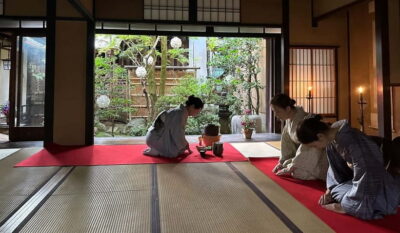
Kyoto: Kimono and Tea Ceremony Experience at Cultural Asset
Read our review →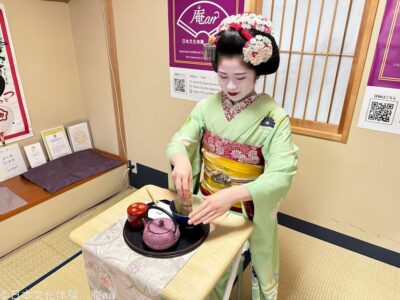
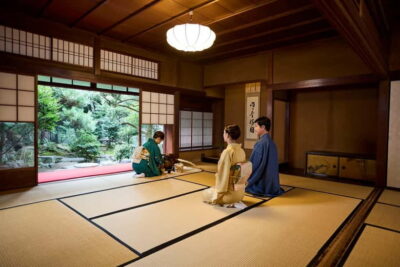
Kyoto: Kimono Tea Ceremony with Matcha and Sweet
Read our review →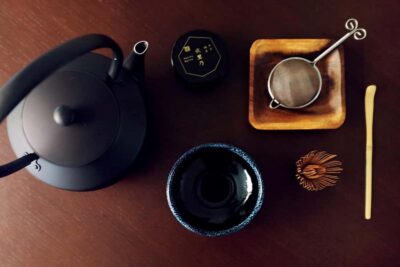
Browse the lists this tour appears in