
Review · TEA CEREMONY EXPERIENCES
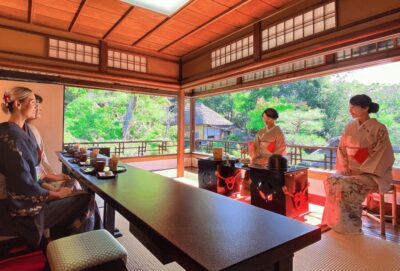
Tea Ceremony in 150 Years Old Townhouse with Tables and Chairs
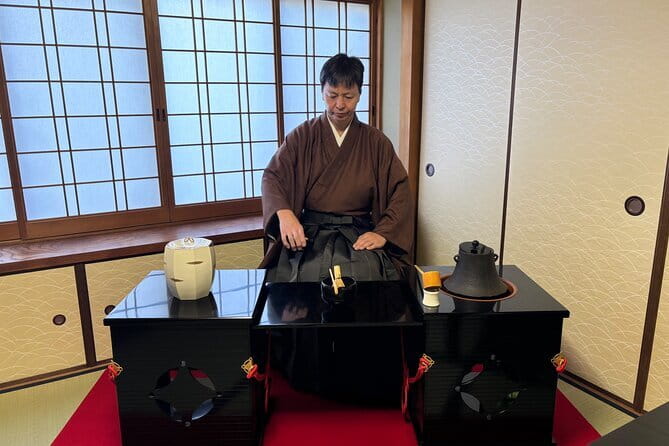
Kyoto’s tea ceremony tradition can feel formal and mysterious, but this 50-minute session makes it easy to follow. In a 150-year-old townhouse near Ninenzaka, the tea master explains the tools, gestures, etiquette, and meaning behind the ritual before you prepare matcha yourself.
I like two things here. First, you get hands-on practice, not just a demonstration. Second, the setting keeps the lesson connected to old Kyoto, while the English-speaking assistant makes the details clear. The main consideration is that this is a group class of up to 15 people, not a private, one-to-one ceremony.
Key details before you book
- A 150-year-old townhouse near Ninenzaka: The setting gives the lesson a stronger sense of place than a modern hotel room.
- Two cups of Uji matcha: You learn the preparation and have time to taste the tea.
- Two seasonal Japanese sweets: These are served with the matcha and help balance its bitter edge.
- A practical, hands-on lesson: You use the traditional tools and prepare your own cup.
- English instruction every day: The tea master leads the ceremony, with an assistant helping explain the steps.
- A small but not private group: The maximum is 15 people, so expect a shared class rather than an exclusive session.
Why this Kyoto tea ceremony works for first-time visitors
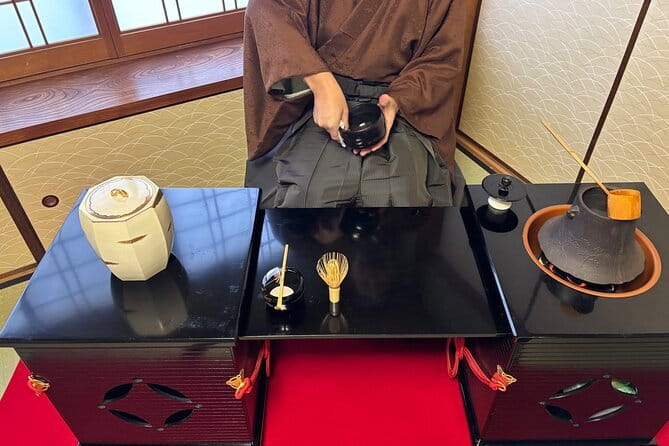
A tea ceremony is more than whisking green tea into foam. It is a carefully ordered meeting built around attention, respect, hospitality, and the seasons. This experience gives you enough background to understand those ideas without requiring you to sit silently through a long formal performance.
The format is especially useful if you have never encountered matcha before. You learn what the utensils do, how the tea is prepared, and why particular gestures matter. Then you get to try the process yourself, which turns an abstract cultural lesson into something you can remember.
The setting helps. The activity takes place at Tea Ceremony and Cultural Experience Kangetsu Kyoto, at 349-19 Masuyacho in Higashiyama Ward. It is in the Ninenzaka area, close to Sannenzaka and some of Kyoto’s most familiar old streets. You are not simply attending a class in an anonymous venue. You are entering a traditional townhouse in one of the city’s best-known historic districts.
That location also creates a practical tradeoff. Ninenzaka and Sannenzaka are popular areas, so give yourself enough time to find the townhouse. The experience itself lasts about 50 minutes, but your total outing will be longer once you allow for walking to the meeting point and exploring the surrounding streets.
More Tea Ceremonies in Kyoto
- Kyoto: Tea Ceremony in a Traditional Tea House in Kiyomizu
★ 4.9 · 3,519 reviews - Kyoto: Tea Ceremony Ju-An at Jotokuji Temple
★ 4.9 · 3,207 reviews - Kyoto: 45-Minute Tea Ceremony Lesson Experience
★ 4.3 · 2,378 reviews
Entering the 150-year-old townhouse
The first pleasure is the change of pace. Kyoto’s Higashiyama district can be busy outside, but the tea room asks you to slow down and pay attention to small details. The old townhouse provides the proper frame for a lesson about a tradition shaped over centuries.
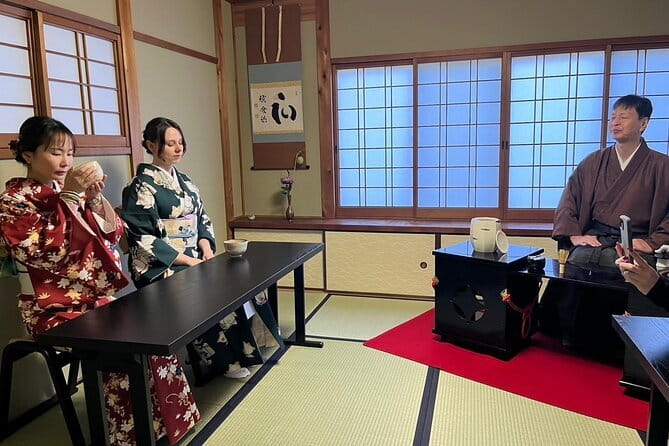
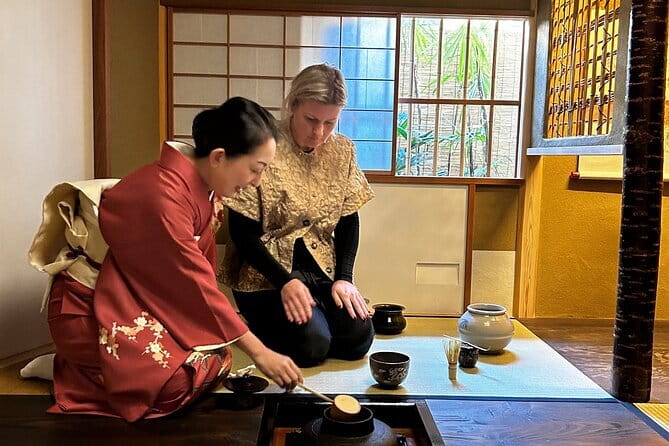
The activity is designed to be approachable. You do not need prior experience with tea ceremony customs, and the instructors explain the process step by step. The tea master demonstrates the important movements, while the English-speaking assistant helps make the explanations easy to follow.
One useful feature is the question-and-answer period. If you are wondering why a bowl is turned a certain way, how matcha differs from ordinary green tea, or what makes the ceremony respectful, this is your chance to ask. The format is educational without making you memorize a long list of rules.
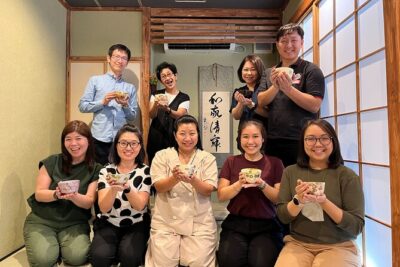
The room may feel intimate, particularly when the group is small. The listed maximum is 15 people, so the atmosphere can vary by date. A smaller session should feel more personal. A full session will be less quiet and may give each person slightly less individual attention.
What happens during the 50-minute session
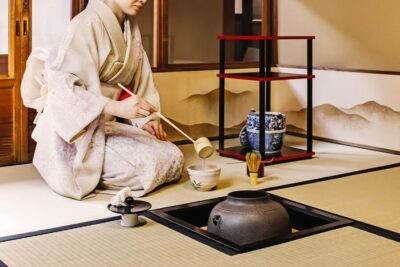
The program begins with an introduction to Japanese tea culture and the ceremony’s basic structure. The tea master explains the role of the utensils and the meaning behind the movements. This preparation matters because it keeps the ceremony from becoming a series of attractive but unexplained gestures.
Next comes the demonstration. Watch closely, since video recording during the instructor’s demonstration is not permitted. You may use a smartphone in the tea room, but the restrictions are meant to protect the mood and keep the focus on the lesson.
Then you prepare your own matcha. This is the strongest part of the experience for many people because you move from watching to doing. With guidance, you use the provided tools and make your cup. The instructions are clear enough for beginners, and you can ask questions if your technique feels uncertain.
The session includes two cups of high-quality matcha from Uji in Kyoto. Uji is closely associated with Japanese tea, so this is not just a generic green tea tasting. You have a chance to notice the texture, bitterness, aroma, and smoothness of properly prepared matcha.
The tea is served with two different seasonal Japanese sweets. These sweets are not an extra decoration. Their gentle sweetness helps offset matcha’s sharper taste and shows how Japanese tea service considers the balance of the entire experience.
The session closes with more tea, sweets, and questions. Since the activity is short, do not expect a full-day study of tea ceremony schools or a detailed lesson in every regional variation. Think of it as a clear introduction with a useful taste of the real practice.
The tea master, assistant, and English instruction
The tea master leads the ceremony and provides the cultural explanation. An assistant handles English interpretation and helps guide the group through each step. This partnership is important because the meaning of the ceremony can be lost if you only copy the physical motions.
The English support is offered every day. That makes this a practical choice if you want more than a silent demonstration and do not speak Japanese. The assistant’s role is especially helpful during the hands-on portion, when you need to know how to handle the tools and prepare the tea correctly.
The tone is intended to be warm and accessible, rather than stiff. Families have used the activity successfully with children aged 11 and 13, and the clear instructions make it suitable for people who know little about Japanese tea culture.
Children under seven are not permitted. For older children, consider whether they can sit quietly, listen, and follow instructions in a traditional room. The ceremony is relaxed, but respect for the setting is part of the experience.
Same city, a very different cup:
- Kyoto: Table-Style Tea Ceremony at a Kyo-Machiya
★ 4.9 · 1,211 reviews - Kimono Tea Ceremony at Kyoto Maikoya, NISHIKI
★ 5.0 · 911 reviews - Kyoto: Kimono Tea Ceremony at Orizuruya Gion
★ 4.9 · 618 reviews - Kyoto: Tea Ceremony in 100-year-old Kyo-Machiya Townhouse
★ 4.8 · 546 reviews
Matcha, sweets, and the value of doing it yourself
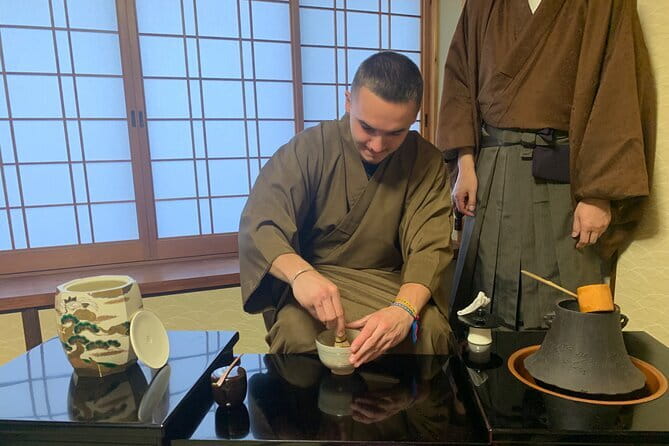
If you only want to drink matcha, you can find simpler tea stops around Kyoto. The value here comes from learning how the drink is made and why it matters.
Preparing the tea yourself gives you a better feel for the process. You handle the tools, follow the sequence, and see how the finished drink changes with preparation. Even if your first cup is not perfect, that small act of participation makes the lesson more memorable.
The two cups also make the price easier to assess. At about $28.90 per person, you are paying for instruction, the townhouse setting, the use of traditional tools, two cups of Uji matcha, two Japanese sweets, and an English-supported cultural lesson. It is not the cheapest way to taste green tea, but it is a fair price for a compact activity that combines education and participation.
The sweets add value in another way. Seasonal Japanese confections are part of the tea experience, and tasting two types lets you notice how different flavors work with the tea. If you have a food allergy, tell the provider in advance. The activity does not promise substitutions on the day.
The Ninenzaka setting and how to plan your time
The meeting point is in Kyoto’s Higashiyama Ward, in the Ninenzaka area. The listed stop is Sannenzaka Ninenzaka, and the activity ends back at the same meeting point.
This is a good experience to pair with a walk through the old streets around Ninenzaka and Sannenzaka. You can schedule it before or after visiting nearby sights, but avoid cutting your arrival too close. One session was delayed because a previous group arrived late, which caused frustration for the people waiting and disrupted the tea master’s schedule.
Arriving promptly is more than a basic tour rule here. Tea ceremony places value on respect, order, and consideration for others. Arriving late can affect the whole group, not just your own appointment.
The townhouse is near public transportation, but the provided information does not promise a particular station or walking time. Use the address and any arrival message sent after booking. A text with location guidance has helped visitors find the venue without much trouble.
Clothing, perfume, and room etiquette
Wear socks. If you arrive without them, you will need to buy a pair. This is a small point, but it matters in a traditional tea room where guests may be expected to sit in a way that exposes bare feet.
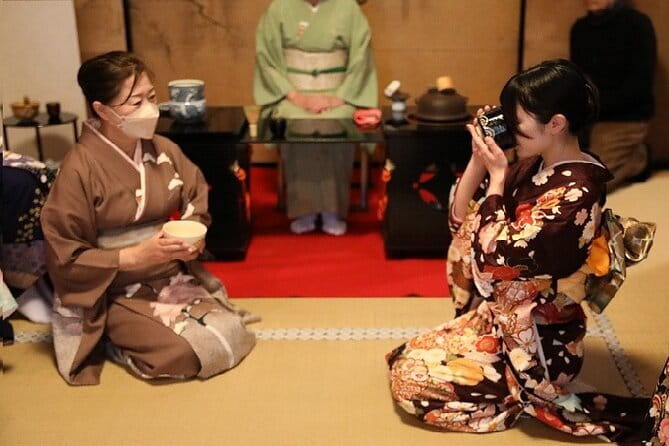
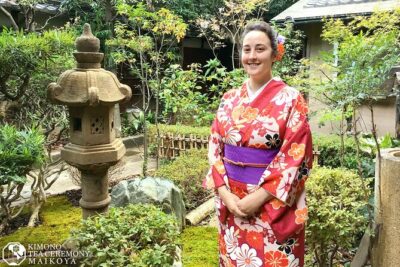
Choose modest clothing that does not expose too much skin. You do not need to rent a kimono to take part. A two-piece kimono option is available for an additional 1,000 yen per person, which can add a festive touch without requiring the full cost or time of a more elaborate dressing service.
Perfume is strictly prohibited. The reason is practical: strong fragrance interferes with the smell of incense and tea. If you want to appreciate the aroma of the matcha and the room, arrive without perfume or heavily scented products.
Only smartphones are allowed in the tea room. Video recording during the tea master’s demonstration is prohibited. You can take part without turning the lesson into a filming session, but follow the rules carefully.
Who should book this experience
I would choose this activity for a first visit to Kyoto when I wanted a short cultural lesson with real participation. It fits well between sightseeing stops and does not demand a full afternoon.
It is also a good choice for couples, families with older children, and solo visitors who want an organized introduction to tea ceremony etiquette. The English instruction removes much of the guesswork, and the question period gives you room to clarify details.
This may not suit you if you want a private ceremony, extensive kimono dressing, or a long, highly formal session. The maximum group size is 15, and one disappointing experience came from a misunderstanding about a private booking and included traditional clothing. Read the booking details carefully: this activity is offered as a group session, and kimono rental is an optional extra rather than a standard inclusion.
You should also reconsider if you dislike structured cultural activities or have difficulty following quiet-room etiquette. The ceremony asks you to pay attention, avoid strong scents, and respect the demonstration.
Booking, cancellation, and practical value
The price is $28.90 per person, with all fees and taxes included. The activity has attracted more than 10 bookings in the past month and carries a 4.8 rating from 22 ratings, with 95 percent recommending it. Those figures suggest steady demand, but they do not remove the need to check the session details before paying.
Free cancellation is available up to 24 hours before the start time for a full refund. Changes or cancellations inside that 24-hour window are not accepted for a refund. The cut-off follows local Kyoto time.
The activity requires good weather. If the provider cancels because of poor weather, you can choose another date or receive a full refund. Bottled water, soda, and alcoholic drinks are not included, though they are not really central to this short tea-focused session.
Should you book the Kangetsu tea ceremony?
Book it if you want a short, hands-on introduction to matcha in an old Kyoto setting. The combination of a tea master, English assistance, Uji matcha, seasonal sweets, and your own preparation makes the experience more useful than a simple tea tasting.
The best reason to choose it is the balance. You receive cultural context, practical instruction, and time to enjoy the tea without committing to a long formal ceremony. Just arrive on time, wear socks, skip perfume, and understand that you are joining a group of up to 15 people.
If you want privacy or a guaranteed kimono experience, choose another option. If you want to understand why tea ceremony matters and leave Kyoto having prepared matcha yourself, this is a sensible and fairly priced choice.
FAQ
How long does the tea ceremony last?
The activity lasts approximately 50 minutes.
Where does the activity take place?
It takes place at Tea Ceremony and Cultural Experience Kangetsu Kyoto, 349-19 Masuyacho, Higashiyama Ward, Kyoto, 605-0826, Japan, in the Ninenzaka area.
Does the experience include English instruction?
Yes. The experience is offered in English every day, with an assistant helping explain the tea master’s demonstration and instructions.
How many people can join the session?
The maximum group size is 15 people. This is a group activity, not a private one-to-one ceremony.
What food and drink are included?
The experience includes two cups of high-quality matcha from Uji in Kyoto and two different seasonal Japanese sweets.
Do I need to wear special clothing?
You do not need a kimono, but you must wear socks and clothing that does not expose too much skin. A two-piece kimono can be rented for an additional 1,000 yen per person.
Can I record the demonstration?
Only smartphones are allowed in the tea room, and video recording during the instructor’s demonstration is prohibited.
Are young children allowed to participate?
Children under seven years old are not allowed to participate. The activity can suit older children who are able to listen and follow the room’s etiquette.
What happens if I need to cancel?
You can cancel at least 24 hours before the start time for a full refund. Cancellations or changes made less than 24 hours before the start time are not accepted for a refund.
What if bad weather causes the activity to be canceled?
If the provider cancels because of poor weather, you will be offered another date or a full refund.
Fresh tea listings around Kyoto
- Uji Walking Tour – Byodo-in temple and Tea Ceremony from Kyoto★ 3.5 · 3 reviews
- Traditional Tea Ceremony in Kyoto★ 4.5 · 3 reviews
- Kyoto: Authentic Tea Ceremony in a Small Group★ 5.0 · 7 reviews
- Tea Ceremony Experience in Traditional Kyoto Townhouse★ 5.0 · 19 reviews
- Tea ceremony at Kyoto’s Zen Temple Teahouse★ 5.0 · 2 reviews
- Sencha-do the Japanese Tea Ceremony Workshop in Kyoto★ 5.0 · 21 reviews
- Silent Beauty of Kyoto Zen Walk and Tea Experience★ 5.0 · 2 reviews
- Kyoto Private Tea Ceremony at a Japanese Inns★ 5.0 · 12 reviews
Tea Ceremony Experiences, compared.
Kyoto: Tea Ceremony in a Traditional Tea House in Kiyomizu
Read our review →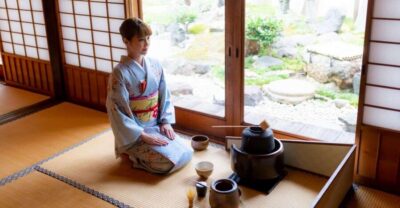
Kyoto: 45-Minute Tea Ceremony Lesson Experience
Read our review →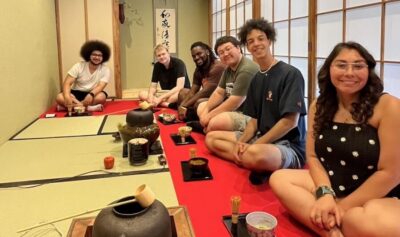
Kyoto: Table-Style Tea Ceremony at a Kyo-Machiya
Read our review →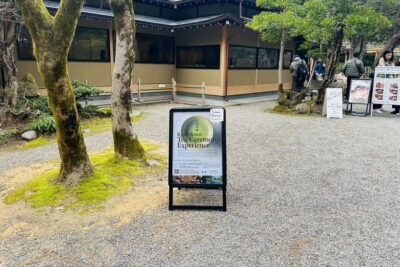
Browse the lists this tour appears in