
Review · TEA CEREMONY EXPERIENCES
Private Kyoto Sushi Cooking Class & Tea Ceremony with Emika
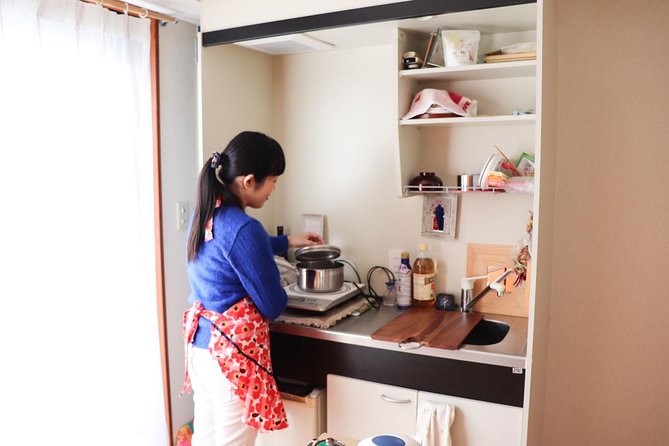
Kyoto’s best food lesson may be the one held away from a restaurant kitchen. Emika welcomes you into her home, where you can prepare sushi or Kyoto-style Obanzai with seasonal ingredients, including vegetables from her own organic garden. You then sit down together for the meal, conversation, and matcha prepared by Emika or her father.
I like the private setting and the useful, everyday cooking advice. You are not just watching a chef work. You are learning how to season miso soup, handle sushi rice, prepare vegetable side dishes, and find Japanese ingredients you can use at home. I also like the choice of lunch or dinner, plus the optional local market visit.
The main consideration is location. Emika’s home is about a 10 to 15 minute walk from Katsura Station, through residential streets, and there is no hotel pickup. Communication is part of the experience, but English instruction may feel less polished than at a large commercial cooking school.
Key points at a glance
- Cook in Emika’s Kyoto home: This private class gives you a look at ordinary home life rather than a staged restaurant setting.
- Choose your main dish: Request sushi or an Obanzai menu when booking, with past menus also including Osaka-style okonomiyaki.
- Use garden and seasonal produce: Emika grows organic vegetables that may appear in your side dishes.
- Finish with matcha: The meal starts or ends with freshly prepared matcha made by Emika or her father.
- Add a local shopping walk: The market option takes place after the meal and lasts about an hour.
- Bring the whole family: The class suits adults, teenagers, children, vegetarians, and people with dietary needs when arranged in advance.
A Home Kitchen Instead of a Cooking Studio
The heart of this experience is simple: you meet Emika at her home in Kyoto and cook together. That changes the feel of the class at once. You are not moving through a set of tourist demonstrations or standing behind a crowded counter. You are working in a private home, asking questions as you go, and sharing the finished food at the same table.
The address is in the Katsurainariyamacho area of Nishikyo Ward, at 31-30 Katsurainariyamacho. From Katsura Station, allow roughly 10 to 15 minutes on foot. You will walk through winding residential streets, so a phone map is useful. This is not a difficult transfer, but it is worth leaving time to find the house without rushing.
I like this setting because it gives the cooking a clear purpose. You are not only learning a recipe. You are seeing how a Kyoto resident thinks about vegetables, seasoning, hospitality, and the rhythm of a home meal. The atmosphere is relaxed and personal, though you should not expect the exact timing and polished English narration of a large cooking school.
The class is private, so only your party participates. That matters if you are traveling with children, have food restrictions, or want to ask many questions. It also means the cost makes more sense for couples, families, or small groups than for a solo visitor on a tight budget.
More Tea Ceremonies in Kyoto
- Kyoto: Tea Ceremony in a Traditional Tea House in Kiyomizu
★ 4.9 · 3,519 reviews - Kyoto: Tea Ceremony Ju-An at Jotokuji Temple
★ 4.9 · 3,207 reviews - Kyoto: 45-Minute Tea Ceremony Lesson Experience
★ 4.3 · 2,378 reviews
Choosing Sushi or Kyoto Obanzai
Tell Emika at booking if you prefer sushi or Obanzai, the home-style cooking associated with Kyoto. The menu is not a mystery until the day you arrive. Your choice helps shape the lesson and gives you a chance to mention allergies, dietary restrictions, and cooking preferences early.
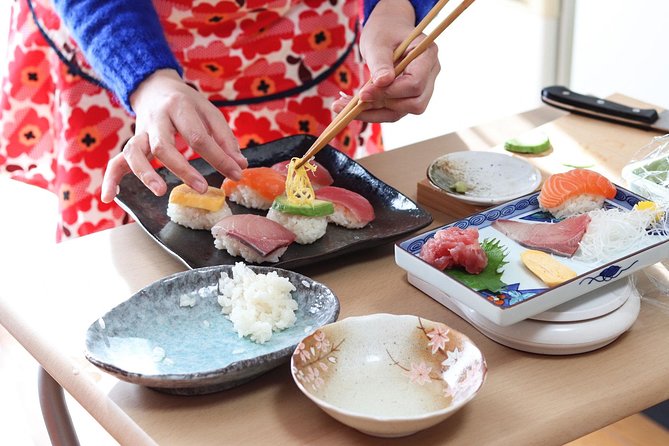
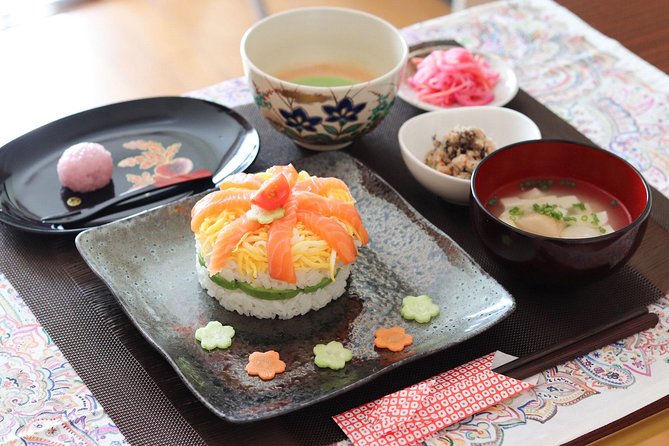
A sushi session can include preparing sushi rice, shaping the rice by hand, and placing fish on top. You may also make rolled sushi with seaweed. The class is aimed at all skill levels, so you do not need a steady restaurant-chef hand before you begin. The point is to learn the method, not produce identical pieces.
The sushi option often comes with supporting dishes, such as miso soup and seasonal vegetables. This is useful because sushi alone does not explain the full structure of a Japanese meal. You learn how rice, soup, vegetables, and a main dish work together.
Obanzai gives you a different picture of Kyoto cooking. Expect home-style preparations such as marinated mushrooms, slow-cooked vegetables, tofu dishes, and miso soup. These are modest dishes, but they depend on careful seasoning and good ingredients. Obanzai is a good choice if you want something closer to the food a Kyoto household might prepare regularly.
Past cooking sessions have also included Osaka-style okonomiyaki. If that is the dish you hope to make, ask Emika in advance rather than assuming it is part of every class. The menu depends on the arrangement you make when booking.
Seasonal Vegetables and Practical Cooking Skills
One of the nicest details here is that Emika grows organic vegetables herself. The produce is used in the cooking when available, giving you a direct connection between garden, kitchen, and table. It also means the menu may reflect the season instead of relying only on a fixed set of ingredients.
You may prepare two Obanzai-style vegetable dishes alongside sushi or another main. You will also learn about ingredients and seasonings that are easy to overlook in a restaurant meal. The instruction focuses on practical techniques, such as preparing sushi rice, making miso soup, handling vegetables, and shaping sushi.
I especially value the take-home usefulness. Several parts of the class can be repeated in your own kitchen, and Emika can offer tips on where to find supplies for sushi. If you choose the market option, she can also help you select Japanese ingredients to take home.
This is not a professional chef certification course. It is better understood as a patient home lesson. You cook, taste, ask questions, and adjust your understanding as you go. Some people will find that more helpful than a formal demonstration because you have time to handle the ingredients yourself.
What the Three Hours Feel Like
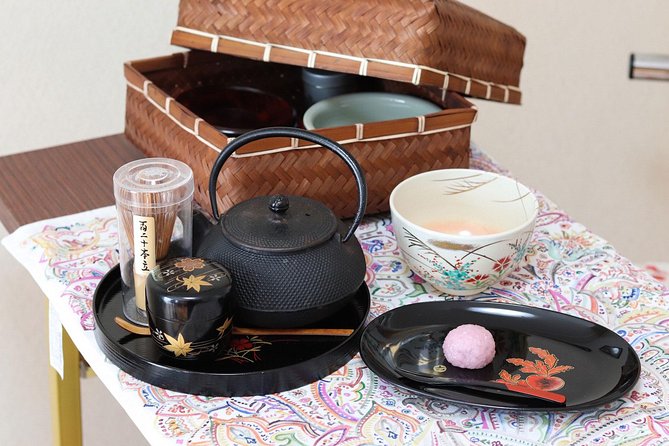
The full experience lasts about three hours. The cooking portion may take roughly an hour, though the overall session includes tea, the meal, conversation, and the optional market walk.
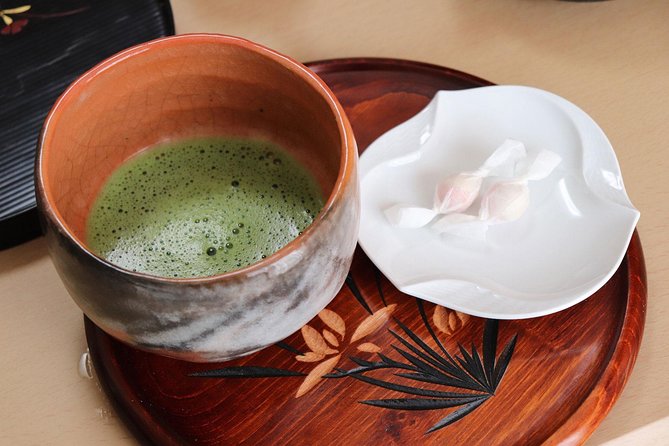
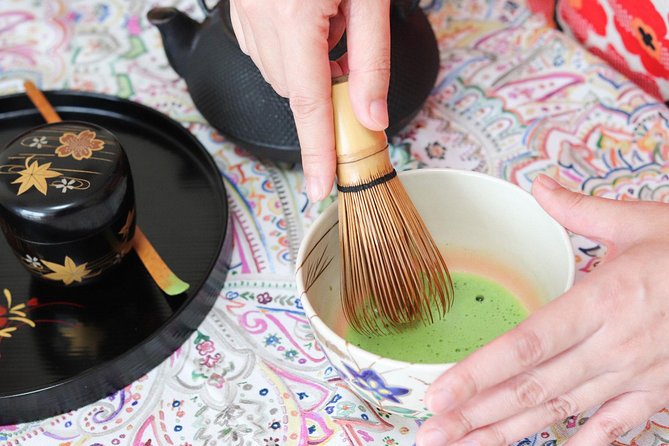
You begin with a cup of traditional matcha prepared by Emika or her father, or you finish with it, depending on how the session is arranged. The tea gives the visit a gentle cultural introduction without requiring you to book a separate ceremony.
The cooking then begins. Emika explains the dishes and guides you through the steps. Past sessions have included sushi, miso soup, seasonal vegetable dishes, tofu preparations, and okonomiyaki. You should expect to participate rather than simply watch.
After cooking, you sit down to eat what you made. Alcoholic drinks are included, usually one or two glasses of local alcohol. Nigori sake has been available in past sessions, though you can also choose matcha instead. If you do not drink alcohol, tell Emika when arranging the class.
The meal is the social center of the experience. You can discuss Japanese customs, food, etiquette, and Kyoto life while eating. Emika also offers recommendations about the city, which can make this a useful early-trip activity if you want local ideas before planning the rest of your stay.
The tea ceremony at the end is not described as a long formal performance. Think of it as a traditional matcha service that frames the meal and gives the class a calm closing moment. That distinction matters if you are seeking a full, highly formal tea ceremony with extensive ritual.
Same city, a very different cup:
- Kyoto: Table-Style Tea Ceremony at a Kyo-Machiya
★ 4.9 · 1,211 reviews - Kimono Tea Ceremony at Kyoto Maikoya, NISHIKI
★ 5.0 · 911 reviews - Kyoto: Kimono Tea Ceremony at Orizuruya Gion
★ 4.9 · 618 reviews - Kyoto: Tea Ceremony in 100-year-old Kyo-Machiya Townhouse
★ 4.8 · 546 reviews
The Optional Market Walk Happens After Lunch
Choose the market tour option if you want help understanding Japanese ingredients beyond the kitchen. The timing is important: the walk takes place after your cooking class and meal, not before.
Emika walks with you for about 10 minutes to a supermarket and produce store used by local residents. The total market portion lasts about an hour. You can look at Japanese seasonings, vegetables, and other food products while Emika explains what they are and how they are used.
This is a smart add-on for cooks who want to continue the experience at home. Emika can help you purchase ingredients to take with you, and the visit gives context to items that can be confusing when you see them alone on a supermarket shelf.
The market option does extend the day, so account for it when arranging dinner, temple visits, or train connections. It is also a shopping trip rather than a sightseeing stop. If your main goal is to cook and eat in a local home, the basic class may be enough.
Why the Private Format Helps Families and Special Diets
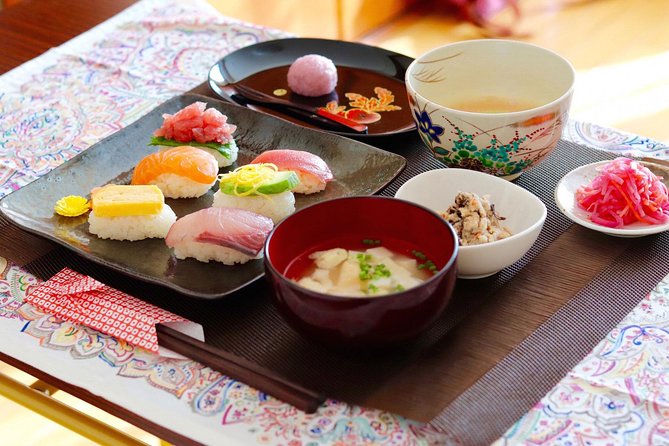
The private setup is one of the strongest reasons to choose this activity. A family can move at its own pace, and children can be included in the cooking rather than expected to sit quietly through a group lesson. Teenagers may especially enjoy sushi shaping and learning techniques they can repeat at home.
Vegetarian cooking is possible when arranged ahead of time. A vegetarian couple has been accommodated successfully, and dietary needs can be applied to the menu for your group. Still, do not wait until arrival to explain restrictions. Send all allergies, preferences, and dietary requirements when you book.
The private format also suits adults who want a quieter cultural experience. You can ask about customs, ingredients, or daily life without worrying about holding up a large group. If your party includes several generations, the combination of hands-on cooking, conversation, and eating gives everyone a role.
Service animals are allowed, and the meeting point is near public transportation. Hotel pickup and drop-off are not included, so you will make your own way to the house and return to that same meeting point at the end.
Is the $109 Price Fair?
At $109 per person, this costs more than a basic group cooking demonstration. The value comes from what is bundled into the three hours: a private class, a meal, matcha, conversation with a local host, and one or two glasses of local alcohol. You are also paying for the small-group attention that makes dietary changes and family participation easier.
The organic garden produce and market option add a personal touch that a standard cooking school may not provide. The market tour is included only if you select that option, so check the booking choice carefully rather than assuming it comes with every reservation.
I think the price is strongest for two or more people who care about food and want a real home setting. Solo visitors may still enjoy it, but the private rate can feel less attractive compared with a larger class. Group discounts may be available, which could improve the value for families or friends traveling together.
The experience also gives you something beyond a meal. You leave with techniques, ingredient ideas, and a better sense of how Japanese food fits into home life. That practical value makes the price easier to justify if you plan to cook Japanese dishes after returning home.
Communication, Timing, and Comfort
Emika is described as warm, patient, and clear in her teaching. She has not spent time in an English-speaking country, so communication may involve simple explanations, demonstration, and questions rather than fluent, fast conversation. For most people, that is part of the informal nature of the visit, but it is worth knowing if language ease is your top priority.
The class is held in a home, not a purpose-built cooking venue. That is the appeal, but it also means you should expect a more personal and ordinary setting. You may sit comfortably during the meal and work at a relaxed pace, yet the room will not have the spacious, professional layout of a culinary school.
The start time can be arranged as lunch or dinner, which helps fit the class into a Kyoto schedule. Keep the walking route and optional market visit in mind when choosing your time. If you select the market option, plan for the extra hour after eating.
Confirmation arrives when you book. Free cancellation is available up to 24 hours before the start time for a full refund. Changes or cancellations within 24 hours are not accepted, and the cutoff uses Kyoto local time.
Who Should Book This Kyoto Cooking Class?
I would choose this experience if you want food, conversation, and ordinary local life in the same afternoon or evening. It is especially well suited to:
- Couples looking for a private activity
- Families with children or teenagers
- Vegetarians and people with dietary restrictions who arrange details in advance
- Home cooks who want repeatable Japanese recipes
- Visitors who prefer a residential neighborhood to a tourist district
- Anyone who wants a market visit focused on ingredients rather than sightseeing
I would think twice if you want a formal chef-led course, a large selection of sushi techniques, or a grand tea ceremony with elaborate ritual. The experience is warm and practical, but its strength is home cooking and personal exchange.
Should You Book It?
Book this class if you want to sit at a Kyoto family table, prepare food with a local host, and leave with skills you can use again. The combination of garden vegetables, sushi or Obanzai, matcha, and optional market shopping gives the three hours a clear sense of place.
Before paying, decide on sushi or Obanzai, ask about any special menu such as okonomiyaki, and send every dietary detail to Emika. Choose the market option only if you want the extra shopping walk after the meal. For a private, food-focused look at Kyoto home life, this is a strong choice at $109, especially for a small group sharing the cost.
FAQ
Where does the cooking class take place?
The class takes place at Emika’s home at 31-30 Katsurainariyamacho, Nishikyo Ward, Kyoto, 615-8025, Japan.
How long does the experience last?
The experience lasts approximately three hours. The cooking portion may take about one hour, followed by the meal, conversation, tea, and any selected market visit.
Is the activity private?
Yes. Only your group participates in the private cooking class and tea ceremony.
Can I choose sushi or Obanzai?
Yes. Tell Emika when booking whether you prefer a sushi menu or a traditional Kyoto Obanzai menu.
Can I request a vegetarian menu?
Yes. Vegetarian requirements and other dietary restrictions can be accommodated when you provide the information at booking.
Is alcohol included?
Yes. One or two glasses of local alcohol are included. Matcha is also available as a pairing option.
Is the market tour included?
The supermarket and produce market tour is included only when you choose the Market tour option.
When does the market tour take place?
The market tour takes place after the cooking class and meal. It lasts about one hour, and the walk to the supermarket takes about 10 minutes.
Is hotel pickup provided?
No. Hotel pickup and drop-off are not included. You meet at Emika’s home and finish back at the meeting point.
What is the cancellation policy?
You can cancel at least 24 hours before the start time for a full refund. Cancellations or changes made less than 24 hours before the start time are not accepted.
More Cooking Classes in Kyoto
- Xiao Long Bao, Beef Noodles & Boba Tea Cooking Class in Taipei
★ 5.0 · 159 reviews - Xiao Long Bao, Chicken vermicelli with mushroom and sesame oil, Tofu strips salad, Bubble milk tea. Taiwan Traditional Delicacies Experience-A (Taipei Cooking Class)
★ 5.0 · 79 reviews - Xiao Long Bao & Boba Tea Cooking Class in Taipei
★ 5.0 · 28 reviews - Xiao Long Bao, Pork thick soup, Bubble milk tea. Taiwan Traditional Light Meals Experience-B (Taipei Cooking Class)
★ 5.0 · 24 reviews
Fresh tea listings around Kyoto
- Cycling Tour at Uji’s Matcha Green Tea Fields and Heritage★ 5.0 · 10 reviews
- Authentic Tea Ceremony & Sushi in The Museum of Kyoto★ 5.0 · 3 reviews
- Kyoto Fushimiinari:Wagashi Making & Small Group Tea Ceremony★ 5.0 · 14 reviews
- 2 Types of Japanese Sweets making and Tea Ceremony★ 4.6 · 17 reviews
- Whisk Your Own Matcha: A Zen Matcha Experience at Temple★ 3.6 · 7 reviews
- Kyoto Hidden Riverside Zen Mediation and Uji Matcha Experience★ 5.0 · 9 reviews
- Kyoto: Nighttime Zen Meditation and Matcha Tea Experience★ 5.0 · 7 reviews
- Matcha Grinding Experience and Walking Tour in Uji Kyoto★ 5.0 · 26 reviews
Tea Ceremony Experiences, compared.
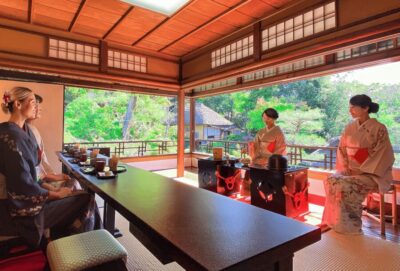
Kyoto: Tea Ceremony in a Traditional Tea House in Kiyomizu
Read our review →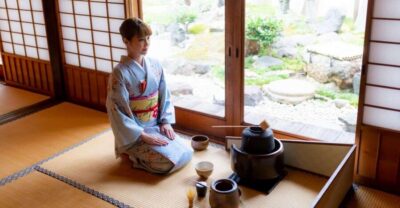
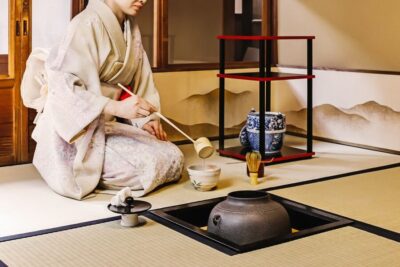
Kyoto: 45-Minute Tea Ceremony Lesson Experience
Read our review →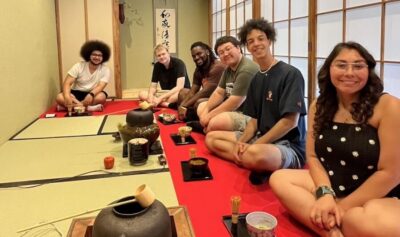
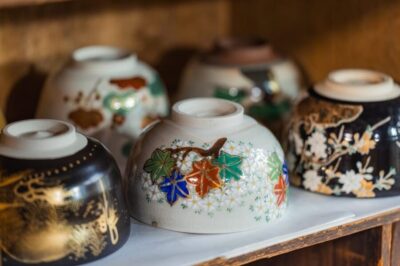
Kyoto: Table-Style Tea Ceremony at a Kyo-Machiya
Read our review →
Browse the lists this tour appears in