
Review · TEA CEREMONY EXPERIENCES
Tea Ceremony Experience in Kyoto
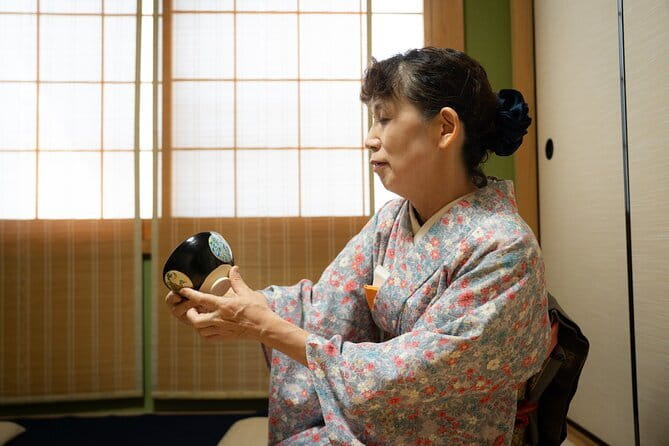
Kyoto’s tea ceremony can seem formal from the outside, but this one-hour session makes the custom easy to enter. You’ll watch the careful preparation of matcha, learn why each movement matters, and have the chance to make your own tea under expert guidance. I like the small group limit of six, and I like that the teacher focuses on respect and being present rather than making beginners feel awkward.
The setting near the Kamogawa Delta gives you a pleasant way to fit this into a day in northern Kyoto. The main consideration is that the English session may require you to ask questions simply at times, and the location is not wheelchair accessible.
Key points to know before booking
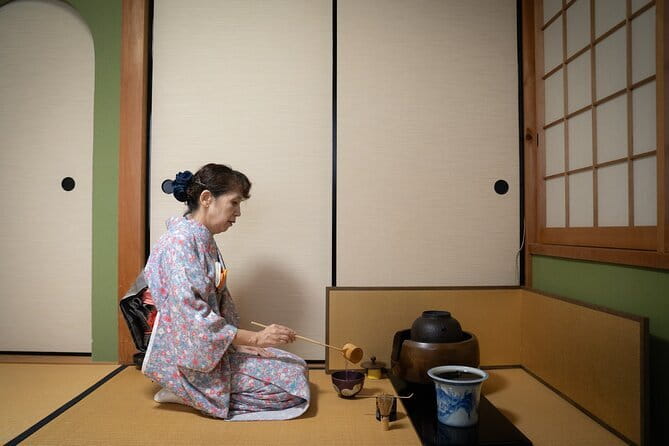
- You can prepare your own matcha: Learn to whisk powdered tea and follow the basic movements yourself.
- A teacher with more than 30 years of experience leads the session: You get cultural context as well as instructions.
- The group is limited to six people: This keeps the lesson personal and allows room for questions.
- Matcha and wagashi are included: The traditional sweet balances the tea’s sharp, grassy flavor.
- The location works well with northern Kyoto plans: It is about a 15-minute walk from Kamogawa Delta and Demachiyanagi Station.
- Plan for a calm, focused hour: Kimono rental is not included, and the experience is not wheelchair accessible.
What the one-hour Kyoto tea ceremony is really about
This is not simply a cup of green tea with a few photos around it. The point is to slow down and pay attention to actions that are easy to overlook: preparing the bowl, measuring the powdered tea, adding water, whisking, and presenting the finished drink.
Your teacher explains the ceremony in a way meant for beginners. You do not need prior knowledge of tea etiquette, and you do not need to arrive already familiar with Japanese customs. The session is built to lower the usual barrier around a formal tea ceremony, which makes it a good first encounter with the tradition.
The experience is guided by a teacher with more than 30 years of experience. That matters because tea ceremony is full of small details, and a seasoned instructor can explain the reason behind the gestures instead of asking you to copy movements without context.
Chisato is the host named for the experience. The session takes place in English, though you may need to keep questions simple at times. That is a practical point for anyone hoping for a long, free-flowing lecture. You should expect clear instruction and cultural explanation, but not necessarily perfect conversational English at every moment.
More Tea Ceremonies in Kyoto
- Kyoto: Tea Ceremony in a Traditional Tea House in Kiyomizu
★ 4.9 · 3,519 reviews - Kyoto: Tea Ceremony Ju-An at Jotokuji Temple
★ 4.9 · 3,207 reviews - Kyoto: 45-Minute Tea Ceremony Lesson Experience
★ 4.3 · 2,378 reviews
Learning to whisk matcha instead of only watching
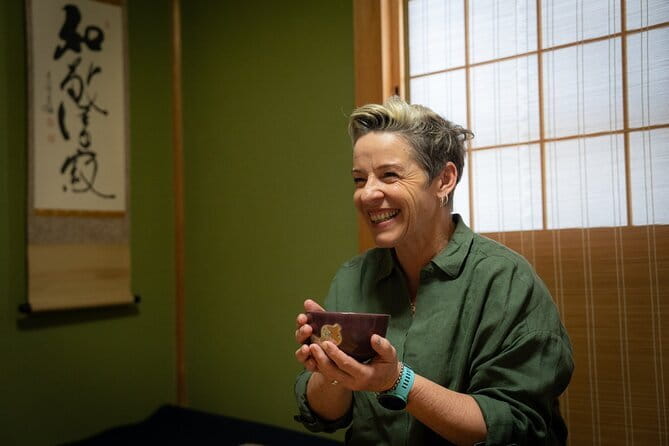
The most useful part of the session is the chance to make your own tea. You learn how powdered matcha becomes a smooth drink through whisking, and you practice the controlled movements that give the ceremony its quiet rhythm.
You may first watch the teacher demonstrate the process. Then, if you wish, you can prepare your own bowl. This choice is helpful for mixed groups. One person may want to take part at once, while another may prefer to observe and take in the explanation first.
The technique is simple to describe but harder to perform well. You are not just stirring the tea. The whisking motion affects the texture, and the pace encourages you to concentrate on the task in front of you. The teacher also explains the respectful behavior connected with the process, so you learn more than a recipe for powdered tea.
I like this hands-on approach because it gives you something to remember after the hour ends. You can buy matcha in many places in Kyoto, but preparing it with attention gives the drink a cultural setting. It also helps explain why the ceremony values calm, order, and care.
Matcha and wagashi: a small tasting with a purpose
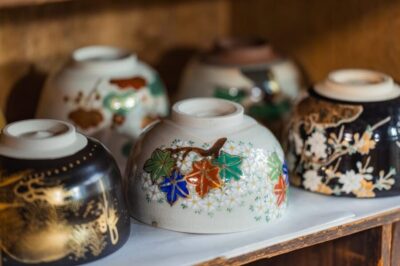
Matcha is served with wagashi, a traditional Japanese sweet. The sweet is not just a snack added to the booking. Its sugary flavor helps balance matcha’s bitter, earthy edge, making the pairing part of the lesson.
Expect a focused tasting rather than a full meal. The included food and drink are enough to support the ceremony, but you should not book this as a food tour or a substitute for lunch.
The tea itself can be an important surprise for first-time drinkers. Matcha has a stronger flavor and thicker feel than ordinary brewed green tea. The wagashi gives you a gentler way to approach it, and the teacher can help you understand the proper rhythm of tasting and drinking.
This is also where the ceremony’s attention to intention becomes clear. You are not rushing through a paper cup on the way to the next temple. You are given a sweet, a bowl of tea, and a set of movements that ask you to pause.
Why the setting near Kamogawa Delta helps
The meeting point is at 67-23 Shimogamo Matsunokicho in Sakyo Ward. It is about a 15-minute walk from the Kamogawa Delta, a local riverside meeting place where you can enjoy open scenery and a quieter break from central Kyoto.
That makes the tea ceremony easy to pair with a walk. You could visit the Delta before or after the session, depending on your schedule. The experience ends back at the meeting point, so you are not left at a different part of the city.
Demachiyanagi Station is also about a 15-minute walk away. The station is useful if you plan to continue toward places such as Kibune Shrine or Rurikou Temple. The tea ceremony is not a guided tour of those sights, but its position makes it a sensible addition to a northern Kyoto day.
Allow enough time to find the address and arrive without rushing. The activity itself lasts about an hour, and its value comes partly from the unhurried pace. Arriving flustered after a hurried walk works against the mood the session is trying to create.
Same city, a very different cup:
- Kyoto: Table-Style Tea Ceremony at a Kyo-Machiya
★ 4.9 · 1,211 reviews - Kimono Tea Ceremony at Kyoto Maikoya, NISHIKI
★ 5.0 · 911 reviews - Kyoto: Kimono Tea Ceremony at Orizuruya Gion
★ 4.9 · 618 reviews - Kyoto: Tea Ceremony in 100-year-old Kyo-Machiya Townhouse
★ 4.8 · 546 reviews
A small group makes a real difference
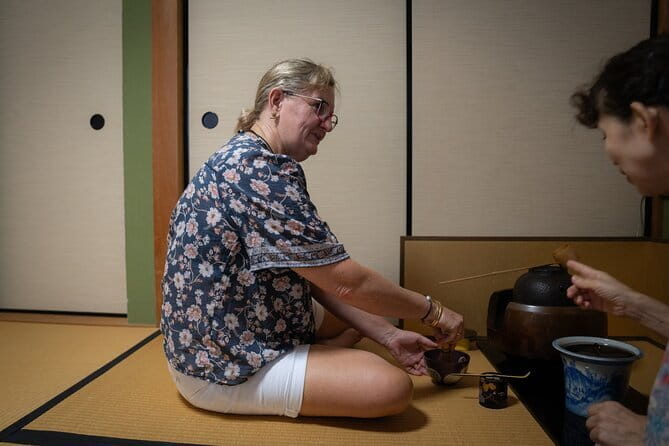
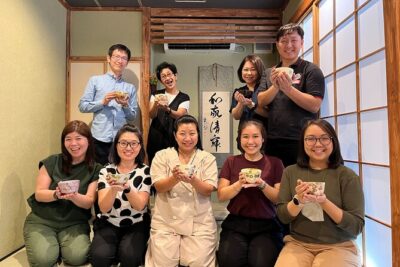
The maximum group size is six people. That is one of the strongest features of this experience because tea ceremony instruction depends on watching small movements and having a chance to try them yourself.
In a large class, you might spend most of the hour looking over someone else’s shoulder. With six or fewer people, you have a better chance to hear the explanation, see the demonstration, and ask for help when your whisking feels uncertain.
The group size may also suit families. One account describes the host as accommodating toward small children, and a family enjoyed the experience together. Still, children need to be comfortable with a quiet, focused activity. This is not a loud or fast-moving attraction.
The private-feeling format also helps if you are nervous about etiquette. You can make a mistake, ask what to do next, and continue without feeling as though you are performing for a crowd. The purpose is learning, not passing a test.
The cultural lesson behind the movements
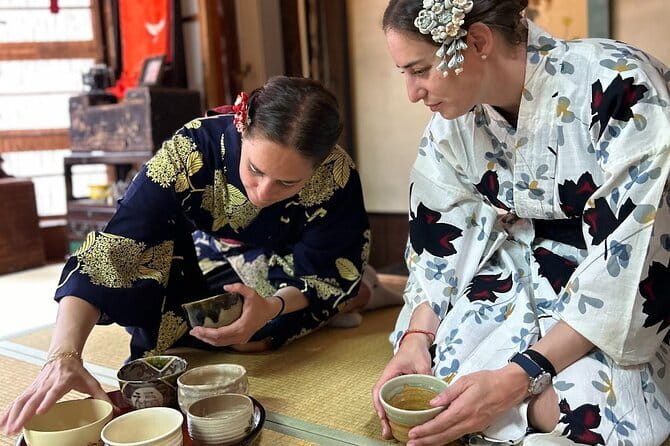
The tea ceremony is often presented as a set of rules, but the deeper lesson is the attitude behind them. The instructor explains how to show respect for Japanese culture and how to stay present during the process.
That explanation gives the session more weight than a basic matcha demonstration. You learn that the ceremony is connected with care, attention, and the relationship between host and guest. Even in a short session, those ideas help you see ordinary actions in a new way.
The teaching style appears warm and patient. One account described the host as initially nervous but very kind, with a strong command of the tea ceremony itself. That combination suggests a personal lesson rather than a polished stage performance. If you want a slick show with rehearsed jokes, this may feel modest. If you want a sincere introduction, the human quality is part of its appeal.
The English delivery is another point to weigh. The activity is conducted in English, but some questions may need simple wording. I would prepare a few direct questions in advance, such as why a certain gesture is used or how the sweet should be eaten. That can help you get more from the time without expecting a long academic discussion.
What the $39.09 price gets you
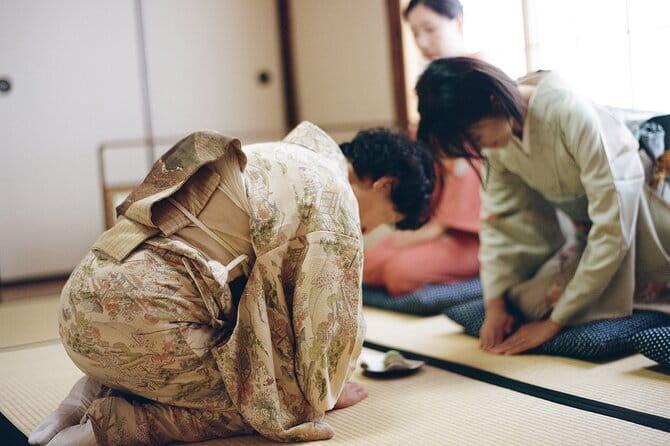
At $39.09 per person, this is reasonably priced for a one-hour cultural activity in Kyoto. The fee includes matcha, wagashi, and a guide, so you are paying for instruction and context as well as the tasting.
The small group limit improves the value. You are not paying only to sit in a room while someone demonstrates tea at a distance. You may have the chance to prepare your own bowl and receive direct guidance.
The price is less attractive if your main goal is simply to drink matcha. Kyoto has many cafés and shops where tea costs far less. This activity makes sense when you want to understand the ritual, learn the preparation, and take part in the process.
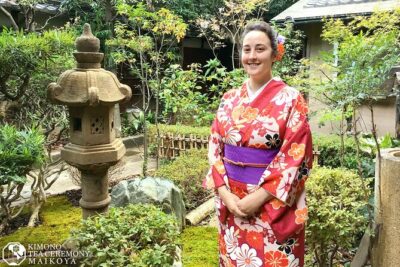
Kimono is not included. That is worth knowing before you book, especially if you have seen photographs of tea ceremonies with formal dress. You will need to arrange that separately if wearing a kimono is important to your Kyoto plans.
With a maximum of six people, five or six bookings in a month does not suggest a packed mass-market operation. Still, the exact group size for your time is not stated, so you should book for the lesson itself rather than assume it will always be private.
Who will get the most from this experience
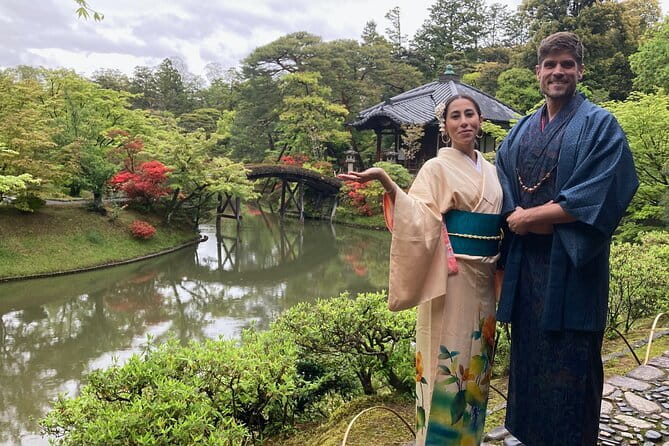
This session suits first-time visitors who want a gentle introduction to Japanese customs. You do not need to know the rules beforehand, and the teacher explains the process as you go.
It is also a good fit for couples, families, and small groups who want a quiet activity between temple visits. The hour is short enough to fit into a busy itinerary, while the location works well with Kamogawa Delta and Demachiyanagi.
You may especially enjoy it if you like practical cultural experiences. You are not only listening to a guide talk about tea. You are handling the whisk, preparing the drink, tasting wagashi, and learning why the actions are done with care.
I would think twice if you need full wheelchair access, since the experience is not wheelchair accessible. I would also choose another activity if you want a kimono experience, a long tea history lecture, or a full afternoon devoted to tea.
Booking, cancellation, and practical planning
You receive confirmation when you book, and the activity uses a mobile ticket. Keep the meeting address handy: Tea Ceremony Experience, Chisato, 67-23 Shimogamo Matsunokicho, Sakyo Ward, Kyoto, 606-0816, Japan.
The activity ends where it begins. Since the area is a 15-minute walk from both Kamogawa Delta and Demachiyanagi Station, build the walk into your schedule rather than treating the tea ceremony as a station-side stop.
Free cancellation is available up to 24 hours before the start time for a full refund. Cancellations or changes made less than 24 hours before the start time are not accepted for a refund, and the cut-off follows local Kyoto time.
Tips are not included. They are not required by the stated price, but you can decide for yourself after the session.
Should you book the Kyoto tea ceremony?
Book it if you want a small, calm lesson that lets you prepare matcha instead of only watching someone else do it. The experienced teacher, patient host, included wagashi, and six-person limit give the $39.09 price a fair value.
The best reason to choose this session is its balance of participation and explanation. You learn the steps, taste the result, and hear about respect and attention in Japanese tea culture. Skip it if you need wheelchair access, formal kimono rental, or a longer and more polished English presentation.
For a short cultural activity near Kamogawa Delta, this is a practical choice. It gives you a meaningful hour without taking over your Kyoto day.
FAQ
How long does the tea ceremony experience last?
The experience lasts approximately one hour.
Where does the tea ceremony take place?
It begins and ends at Tea Ceremony Experience, 67-23 Shimogamo Matsunokicho, Sakyo Ward, Kyoto, 606-0816, Japan.
Is matcha included in the price?
Yes. Matcha is included, along with wagashi and a guide.
Can I make my own matcha?
Yes. You can learn to prepare and whisk your own tea if you wish, under the teacher’s guidance.
How many people can join the session?
The activity has a maximum of six people.
Is the experience wheelchair accessible?
No. The experience is not wheelchair accessible.
Fresh tea listings around Kyoto
- Kyoto: Authentic Tea Ceremony in a Small Group★ 5.0 · 7 reviews
- Uji Walking Tour – Byodo-in temple and Tea Ceremony from Kyoto★ 3.5 · 3 reviews
- Traditional Tea Ceremony in Kyoto★ 4.5 · 3 reviews
- Tea Ceremony Experience in Traditional Kyoto Townhouse★ 5.0 · 19 reviews
- Tea Ceremony in 150 Years Old Townhouse with Tables and Chairs★ 5.0 · 22 reviews
- Tea ceremony at Kyoto’s Zen Temple Teahouse★ 5.0 · 2 reviews
- Sencha-do the Japanese Tea Ceremony Workshop in Kyoto★ 5.0 · 21 reviews
- Silent Beauty of Kyoto Zen Walk and Tea Experience★ 5.0 · 2 reviews
Tea Ceremony Experiences, compared.
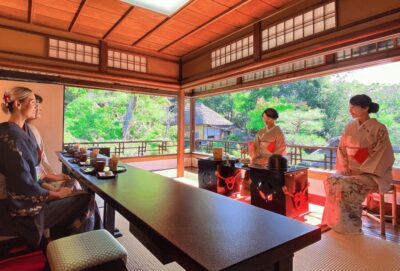
Kyoto: Tea Ceremony in a Traditional Tea House in Kiyomizu
Read our review →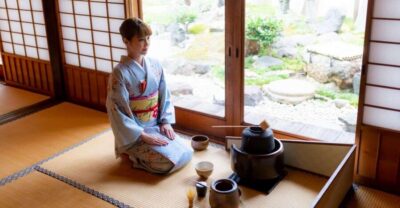
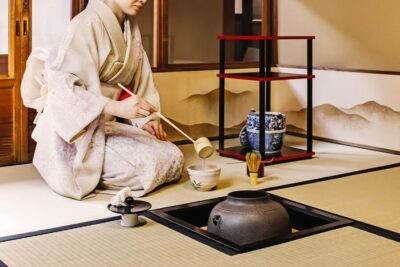
Kyoto: 45-Minute Tea Ceremony Lesson Experience
Read our review →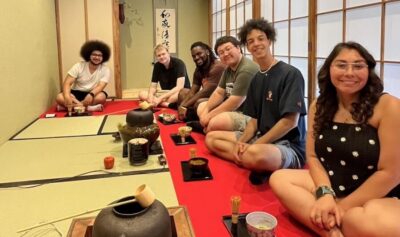
Kyoto: Table-Style Tea Ceremony at a Kyo-Machiya
Read our review →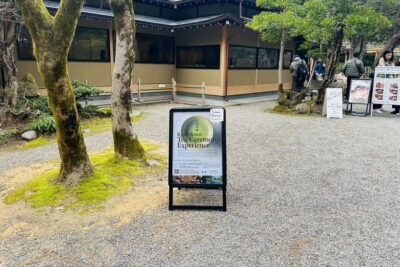
Browse the lists this tour appears in