
Review · KIMONO & TEA CEREMONY
Kimono Tea Ceremony Experience at Kyoto Oritzuruya, Nishiki
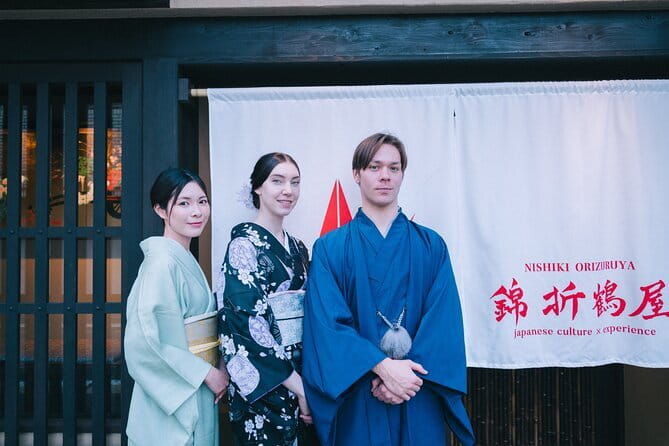
The most memorable part of this Kyoto experience begins before the tea is poured. You choose from more than 200 kimono designs, select accessories, and let the staff dress you in layers of traditional clothing. For women, simple hairstyling and hair ornaments complete the look.
I like two things especially. First, the staff guides you through every step, so you need not worry about getting the customs wrong. Second, you do not only watch: you learn to whisk your own matcha with a bamboo chasen and enjoy it with wagashi sweets. The main consideration is that the tea ceremony is partly a demonstration, so anyone seeking a long, highly detailed study of tea may find the cultural explanation brief.
Key points to know before booking
- Choose from more than 200 kimonos: Designs are available in many colors, sizes, and patterns, including options for plus-size participants.
- Small groups keep the activity manageable: The maximum is 10 people, though dressing can still take time when several people arrive together.
- Hair styling is included for women: You can choose hairpins, flowers, and other ornaments to finish the traditional look.
- You prepare your own matcha: An instructor demonstrates the careful movements, then you whisk and drink your own bowl.
- Calligraphy is optional: You can add a private lesson and take home your own piece of writing.
- You may have time for photographs outside: Some bookings allow you to walk around the nearby area in the kimono until the venue closes at 6 p.m.
Choosing a kimono near Nishiki Market
The activity begins at Nishiki Orizuruya, at 452 Jūmonjichō in central Kyoto. It is near public transportation and close to Nishiki Market, making this an easy addition to a day spent exploring central Kyoto.
Inside, you select your kimono from a large collection. The choice is part of the fun, but do not feel rushed into picking the first attractive pattern. Staff help you match the main garment with the obi sash, obijime cord, sandals, and hair ornaments. The selection includes many colors and sizes, and plus-size participants have reported finding several suitable choices rather than being limited to one or two options.
The dressing process takes more time than simply putting on a robe. Staff add the layers carefully and secure the sash so the kimono keeps its shape. This is one of the more useful cultural lessons in the experience. You see why dressing in a kimono is a skilled task, not a quick costume change.
Women receive simple hairstyling at no extra charge. You can choose from hairpins, flowers, and other decorations. The style is not presented as a full salon appointment, and makeup is not included, so plan your own finishing touches if photographs matter to you.
The staff also provide a light, moisture-wicking underlayer according to one detailed account of the process. That small practical touch matters, especially if you are visiting Kyoto during a warm season or wearing the kimono outdoors afterward.
More Kimono and Tea Ceremonies in Kyoto
- Kimono Tea Ceremony at Kyoto Maikoya, NISHIKI
★ 5.0 · 911 reviews - Kyoto: Kimono Tea Ceremony at Orizuruya Gion
★ 4.9 · 618 reviews - KYOTO Tea Ceremony with kimono near by Imamiya Jinjya Shrine
★ 5.0 · 343 reviews
The dressing room is part of the experience
Several staff members may help with the dressing, accessories, and hair. The process can feel busy when more than one group is getting ready, but the hands-on attention is a major reason this activity appeals to first-time visitors.
Allow extra patience at this stage. The advertised duration is about 90 minutes, and dressing occupies a meaningful portion of that time. If your priority is the tea lesson, you should know that the kimono and photographs receive plenty of attention.
Once dressed, you may have a small photo session. Staff can take a few pictures, giving you a record of the outfit before you move into the tea room. Bring your own phone if you want more images, but do not expect a long professional photo shoot.
The staff are used to helping people from different backgrounds. One account describes warm assistance with hairstyling for a Black participant, and another notes that an older person who could not sit on the floor was given a small table and chair. These details suggest a welcoming approach, though you should still tell the staff about mobility needs when you arrive.
Entering the tea room and learning the ritual
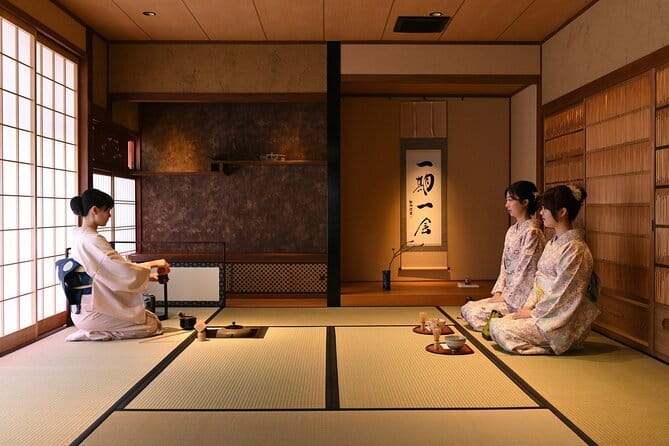
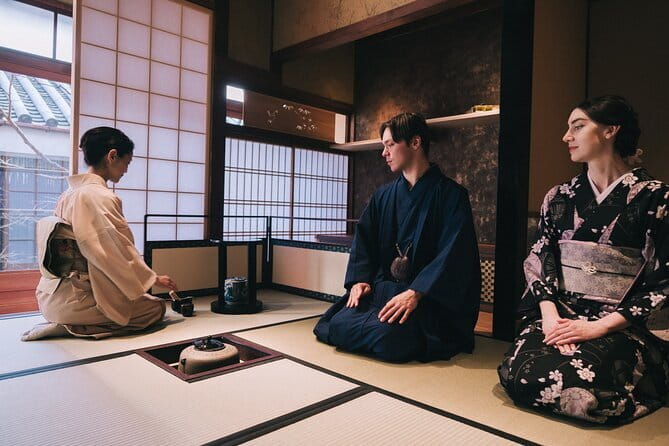
After dressing, you move to the tea room for the central cultural portion. The instructor explains the basic purification process and the meaning behind welcoming people into the room. You will see that the tea ceremony is not simply about mixing powdered tea with hot water.
The ceremony places value on deliberate movement, cleanliness, posture, hospitality, and attention. Even the steps before the tea is served help create a calm transition away from the noise of central Kyoto.
The exact balance between demonstration and participation is important. The instructor performs the formal ceremony, while you watch the sequence and learn what the movements mean. You then prepare your own bowl of matcha. This makes the experience participatory, but not in the sense of conducting the entire formal ceremony yourself.
That distinction may shape your decision. If you want a gentle introduction, the format works well. You can see the proper motions first, then try a practical part of the process without being expected to master every ritual. If you want a rigorous lesson in the schools, philosophy, and history of tea, this session may feel too short.
The instructor also explains how to receive the tea and sweet. The setting is quiet and orderly, giving the ceremony a more reflective mood than the dressing room. Some participants describe the tea portion as calming and meditative, while others find it brief.
Whisking matcha with a bamboo chasen
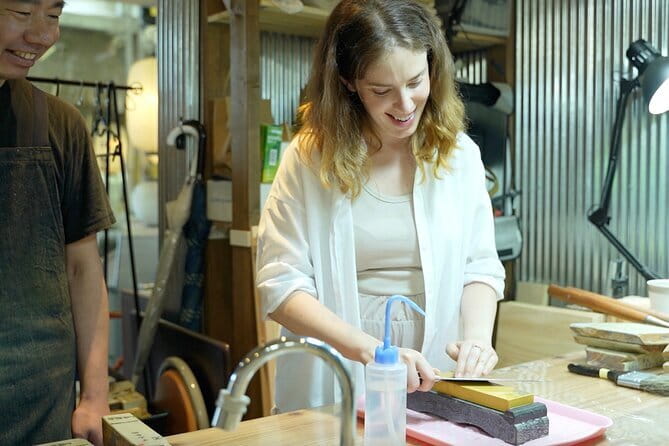
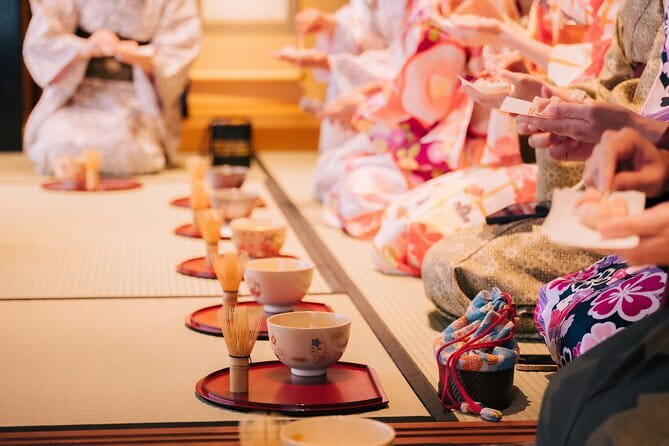
The hands-on matcha lesson is the clearest skill you take home. The instructor shows you how to use the bamboo chasen, then gives you the chance to whisk your own tea.
You will not leave as a tea master after one bowl, but you will understand the basic action and the care required to make a smooth cup. The tea is served with wagashi, traditional Japanese sweets supplied by a century-old confectionery. The sweet provides a pleasant contrast to matcha’s earthy, slightly bitter taste.
The included food is modest, not a meal. Plan to eat before or after the activity if you need something substantial. The combination of one sweet and one bowl of tea fits the short format well.
I especially like this part because it turns a performance into a small act of participation. You watch an expert, then use the same kind of utensil yourself. It is a simple lesson, but it gives meaning to the careful motions you have just seen.
More Tea Ceremonies in Kyoto
- Kyoto: Tea Ceremony in a Traditional Tea House in Kiyomizu
★ 4.9 · 3,519 reviews - Kyoto: Tea Ceremony Ju-An at Jotokuji Temple
★ 4.9 · 3,207 reviews - Kyoto: 45-Minute Tea Ceremony Lesson Experience
★ 4.3 · 2,378 reviews - Kyoto: Table-Style Tea Ceremony at a Kyo-Machiya
★ 4.9 · 1,211 reviews
Adding calligraphy for a personal souvenir
Calligraphy is optional rather than part of the basic price. If you add it, you receive instruction in the fundamentals and create your own piece to take home.
The calligraphy session can be a good choice if you want more than photographs. One detailed experience describes a private lesson and a finished kanji character meaning beautiful. That sort of souvenir has a personal connection to the day and takes up far less luggage space than a purchased object.
The tradeoff is time and cost. The core activity already includes dressing, hair styling for women, the tea ceremony, matcha preparation, and wagashi. Add calligraphy if you genuinely want to practice Japanese brush writing, not simply because you feel you should add every option.
Wearing the kimono around Nishiki
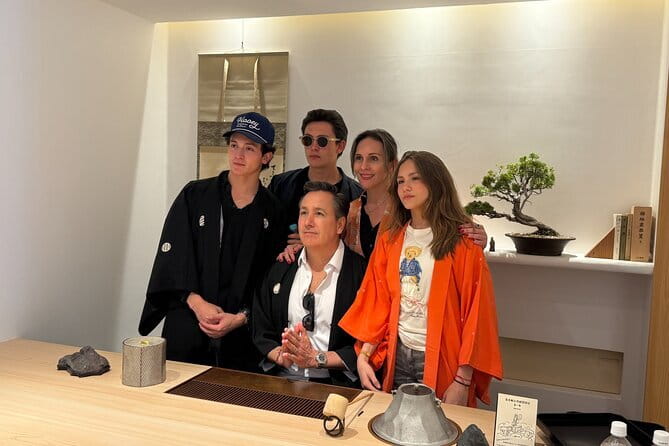
A particularly useful feature is the chance, in some arrangements, to continue wearing the kimono outside after the ceremony until 6 p.m. This gives you time to take photographs near the venue and explore the surrounding shops and streets.
Confirm the return time with staff before leaving. You are responsible for bringing yourself back to the meeting point, and the activity ends there rather than at your hotel.
Walking in a kimono is slower and more formal than strolling in ordinary clothes. That can make a nearby outing memorable, but it may not suit a long day of sightseeing. Keep the walk local and allow plenty of time to return the clothing.
Nishiki Market makes the location convenient. You can combine the activity with food stalls and central Kyoto sights, but remember that you may be moving through crowded public areas in borrowed clothing. Watch the hem, avoid spills, and follow the staff’s instructions about where to go.
Is $50.87 good value?
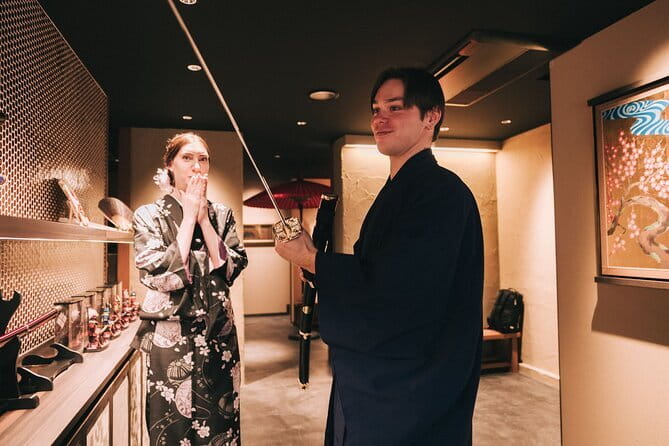
At $50.87 per person, this is a fair price for a combined dressing, hairstyling, tea, and matcha activity. You are paying for more than a cup of tea. The price includes the kimono costume, utensils, wagashi, matcha, simple hairstyling for women, a licensed guide, and taxes.
The strongest value comes from the dressing experience. Renting a kimono alone can take time and planning, while this package gives you staff assistance, accessories, photographs, and a structured cultural activity in one visit.
The value is weaker if your only goal is a serious tea ceremony lesson. The formal demonstration is relatively short, and you do not lead the full ceremony. In that case, a more specialized tea school or longer lesson may suit you better, though that is not this experience’s purpose.
For a first visit to Kyoto, the combination is efficient. In 90 minutes, you receive a traditional outfit, a basic cultural explanation, a practical matcha lesson, and an optional add-on. It fits well into a busy itinerary.
Timing, group size, and practical details
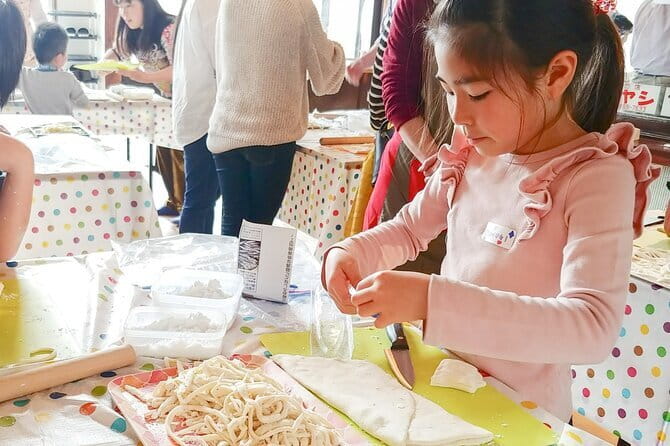
The maximum group size is 10 people. That is small enough for the instructor to manage the matcha portion, but the room may still feel active during dressing if several people need help at once.
The entire activity lasts about one hour and 30 minutes. Build in extra time if you plan to walk around afterward, take photographs, or visit Nishiki Market. The timetable can feel tight if you add calligraphy.
Transportation and hotel pickup are not included. You make your own way to Nishiki Orizuruya, and the activity returns to that same meeting point.
At booking, confirmation is issued immediately. To enter, you must open the website page from the voucher on your smartphone, press the Use button, and show the live screen to staff. Screenshots and printed tickets are not accepted, so make sure your phone can connect to the internet.
Date or time changes require you to cancel the original booking and make a new one. Free cancellation is available up to 24 hours before the start time for a full refund. Changes or cancellations inside that window are not accepted or refunded. If poor weather causes the activity to be canceled, you are offered another date or a full refund.
Who will enjoy this most?
I would choose this for someone who wants a polished first encounter with kimono culture and Japanese tea without worrying about etiquette. It suits couples, families, and solo participants who enjoy photographs, clothing, and a short hands-on lesson.
It is also a good fit if you have limited time in Kyoto. The central location, 90-minute format, and optional walk afterward make it easy to place between other sights.
People with knee problems should ask for the chair and table arrangement on arrival. Sitting on the floor may be part of the traditional setting, but an accommodation has been made for participants who could not sit that way.
I would be more cautious if your main goal is spiritual or scholarly depth. The experience introduces the purpose of purification, hospitality, and careful movement, but it does not provide a long lecture or extensive discussion of tea ceremony schools.
Should you book it?
Book this experience if you want the full visual pleasure of a kimono, help with dressing, a styled hairdo for women, a taste of wagashi and matcha, and a simple lesson you can take part in. The staff attention, broad kimono selection, and optional time outside give it more substance than a quick photo stop.
Skip it if you expect to conduct a complete tea ceremony or spend most of the 90 minutes in detailed cultural instruction. The kimono dressing is a major part of the appointment, and the formal tea portion remains compact.
For most first-time visitors, I think the mix is worth the price. Go in expecting a friendly introduction rather than advanced training, and you will be prepared to enjoy the quiet tea room, the careful clothing process, and your own freshly whisked bowl of matcha.
FAQ
Where does the kimono tea ceremony take place?
It takes place at Nishiki Orizuruya, 452 Jūmonjichō, Nakagyo Ward, Kyoto, 604-8121, Japan.
How long does the experience last?
The activity lasts approximately one hour and 30 minutes.
How many people can join the activity?
The maximum group size is 10 people.
Is hairstyling included?
Simple hairstyling is included for women. Hairpins, flowers, and other hair ornaments can be selected as part of the styling process.
How many kimonos can I choose from?
The venue offers more than 200 kimono designs in a range of colors and sizes.
Is matcha included?
Yes. Matcha, traditional wagashi sweets, utensils, and the kimono costume are included.
Do I prepare my own matcha?
Yes. The instructor demonstrates the process, and you prepare your own bowl using a traditional bamboo whisk called a chasen.
Is calligraphy included?
Calligraphy is an optional addition, not part of the standard inclusions. It includes basic instruction and a piece you can take home.
Can I wear the kimono outside afterward?
Some arrangements allow you to walk around the nearby area in the kimono until 6 p.m. Confirm the return time with the staff before leaving.
Is transportation included?
No. Hotel pickup, hotel drop-off, and transportation to and from Nishiki Orizuruya are not included.
What happens if I need to cancel?
You can cancel at least 24 hours before the start time for a full refund. Cancellations or changes made less than 24 hours before the activity are not accepted or refunded.
Fresh tea listings around Kyoto
- Cycling Tour at Uji’s Matcha Green Tea Fields and Heritage★ 5.0 · 10 reviews
- Authentic Tea Ceremony & Sushi in The Museum of Kyoto★ 5.0 · 3 reviews
- Kyoto: Nighttime Zen Meditation and Matcha Tea Experience★ 5.0 · 7 reviews
- Kyoto Fushimiinari:Wagashi Making & Small Group Tea Ceremony★ 5.0 · 14 reviews
- 2 Types of Japanese Sweets making and Tea Ceremony★ 4.6 · 17 reviews
- Kyoto Hidden Riverside Zen Mediation and Uji Matcha Experience★ 5.0 · 9 reviews
- Whisk Your Own Matcha: A Zen Matcha Experience at Temple★ 3.6 · 7 reviews
- Matcha Grinding Experience and Walking Tour in Uji Kyoto★ 5.0 · 26 reviews
Kimono & Tea Ceremony, compared.
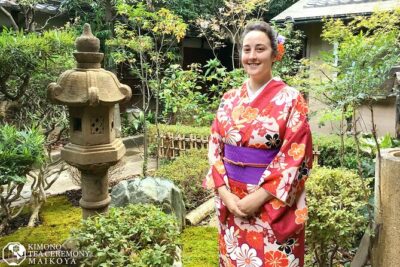
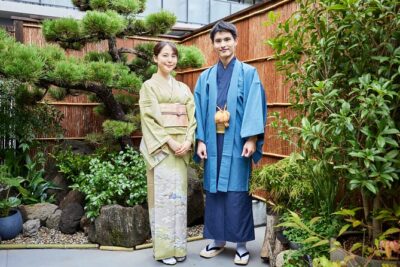
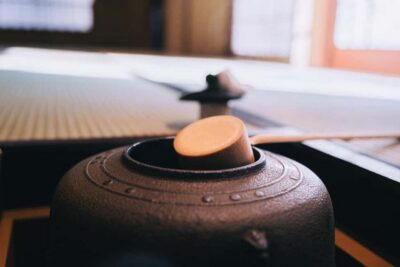
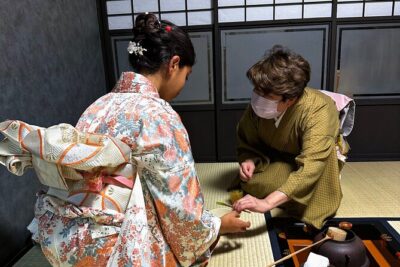
KYOTO Tea Ceremony with kimono near by Imamiya Jinjya Shrine
Read our review →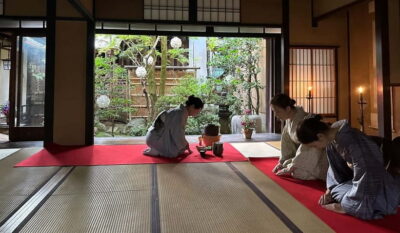
Kyoto: Kimono and Tea Ceremony Experience at Cultural Asset
Read our review →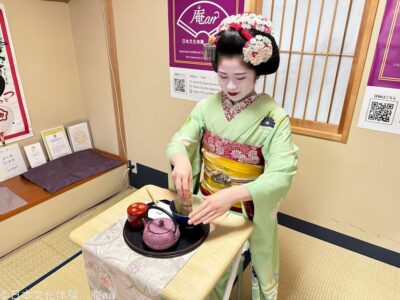
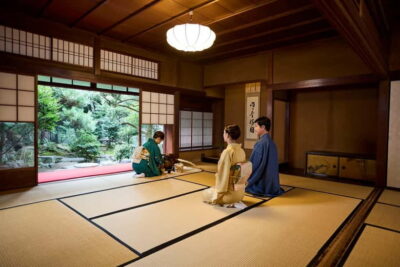
Kyoto: Kimono Tea Ceremony with Matcha and Sweet
Read our review →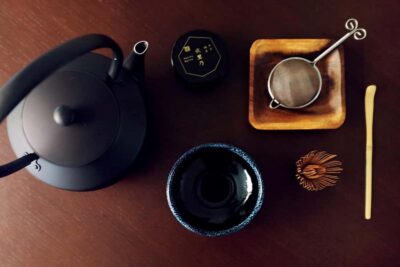
Browse the lists this tour appears in