
Review · TEA CEREMONY EXPERIENCES
Japanese Tea Ceremony Private Experience
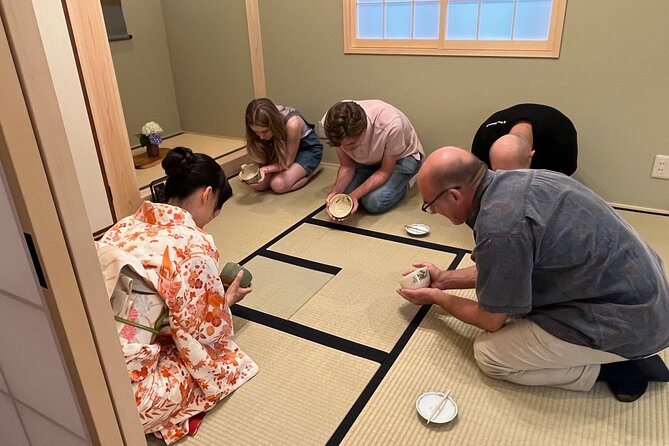
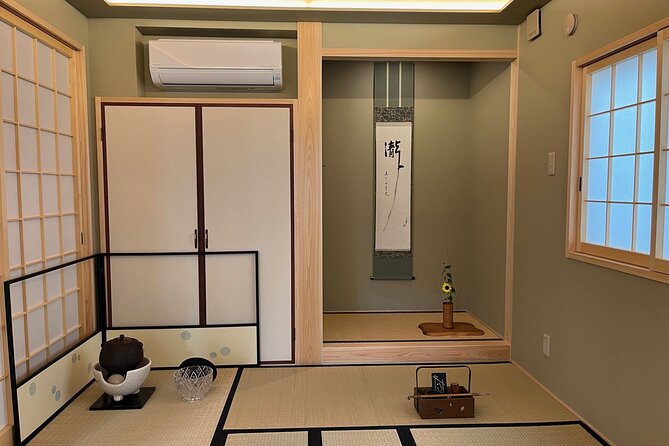
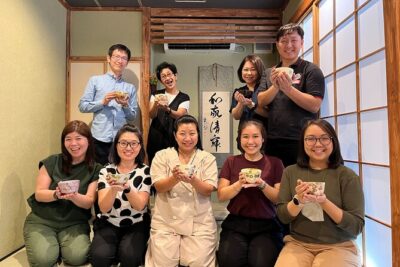
A qualified tea master prepares matcha in a traditional tea room while explaining the gestures, tools, and manners behind the ceremony. The setting in Kurashiki’s old town gives this one-hour experience a strong sense of place, without asking you to commit to a long formal lesson.
I like the private format, which lets your group ask questions and move at a comfortable pace. I also like the family-friendly approach: children as young as 11 took part with their parent and enjoyed both the lesson and the treats. The main consideration is that sitting in a traditional tea room may be hard on your feet, even though the host takes care to explain things comfortably.
Key points
- A private tea ceremony: Only your group participates, so the session feels personal rather than staged for a crowd.
- A qualified tea master: You’ll receive an explanation of tea-room etiquette, utensils, and the meaning behind each action.
- Matcha prepared in front of you: The tea is made during the ceremony, giving you a clear look at the process.
- Seasonal Japanese sweets: Beautiful sweets accompany the matcha and add a welcome taste of Japanese seasonal culture.
- Easy for first-timers: No special clothes or personal equipment are required.
- Kurashiki location: The salon is at 2-chōme-16-11 Achi, close to public transportation and within Kurashiki’s historic old-town area.
A Quiet Introduction to Kurashiki’s Tea Culture
Kurashiki is a fine place to learn about tea ceremony because the experience fits naturally with the town’s traditional character. The activity takes place at 月と花 Japanese Tea Ceremony Salon in Achi, at 2-chōme-16-11, Kurashiki, Okayama.
I would treat this as a focused cultural stop rather than a sightseeing tour. You will not be taken from one attraction to another. Instead, you spend about an hour in one tea room, learning why the ceremony is performed as it is and taking part at a pace suited to beginners.
That distinction matters. A short cultural activity can sometimes feel like a quick photo stop, but this one gives you time to listen, watch, taste, and ask questions. The private arrangement also means the experience is limited to your own group, not mixed with unrelated participants.
The salon’s location near public transportation makes it practical to add before or after a walk through Kurashiki. The activity ends back at the meeting point, so you do not need to arrange a separate return transfer or wonder where the session finishes.
More Private Tea Experiences in Japan
- Private Tea Ceremony and Sake Tasting in Kyoto Samurai House
★ 5.0 · 163 reviews - Tea Ceremony Experience in a Private Tea Room in Shibuya
★ 4.9 · 125 reviews - Kyoto: Private Tea Ceremony with a Garden View
★ 4.9 · 61 reviews
What Happens Inside the Traditional Tea Room
The ceremony begins with an introduction to the basic etiquette. You’ll hear how to behave in the tea room and why certain movements matter. The host also explains how to use the utensils, so you are not left guessing when the tea and sweets arrive.
This teaching is especially useful if you have never seen a tea ceremony before. Japanese tea ceremony can look formal from the outside, with many small movements and rules. Here, the instructions are designed for first-timers, and you do not need prior knowledge to follow along.
The session is described as a full-fledged tea ceremony, but it is also casual and approachable. That balance should appeal to you if you want something more meaningful than simply drinking matcha, but do not want an intimidating lesson in strict form.
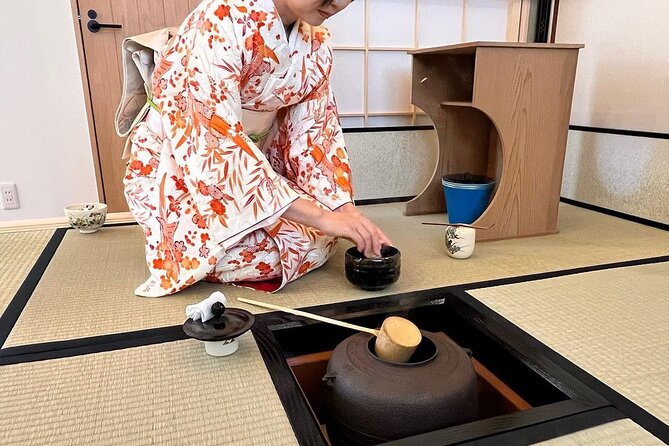
The tea master prepares the matcha in front of you. Watching this part gives you a better understanding of the care involved. Rather than receiving a drink with no explanation, you see the tea being made as part of the ceremony itself.
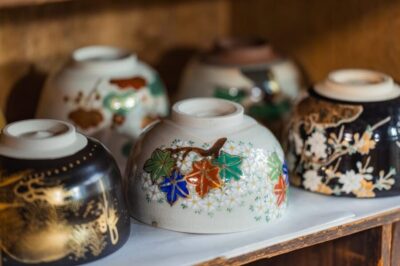
You will also learn about the utensils used in the process. The available information does not name each item or describe every movement in detail, so you should expect an introduction rather than a specialist-level study of tea equipment. For most visitors, that is the right amount of information for a one-hour visit.
Matcha and Seasonal Japanese Sweets
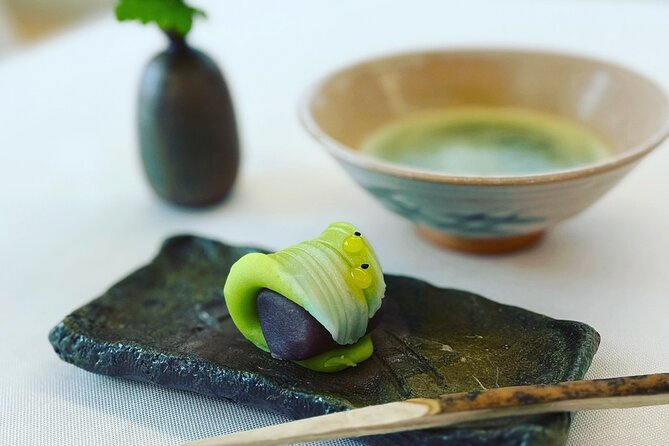
The tasting is an important part of the experience. You receive matcha prepared during the ceremony, along with beautiful seasonal Japanese sweets.
The sweets are not just a small extra. In a tea ceremony, the food helps balance the strong, slightly bitter taste of matcha. The seasonal element also gives you a small connection to the time of year, even though the specific sweets will depend on when you visit.
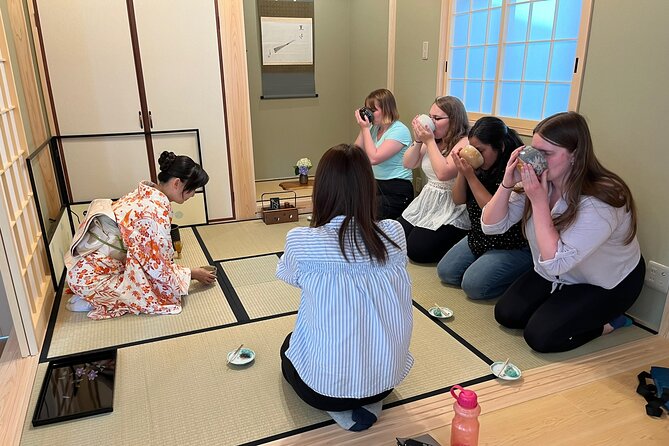
If you are new to matcha, expect a flavor that is quite different from sweetened tea. The ceremony gives you the chance to try it in the setting where it has long been enjoyed, with the host explaining the process rather than leaving you to work it out alone.
I would consider this especially useful for families. A parent and children can share the same activity, and the session includes more than sitting quietly with a cup. The tea, sweets, utensils, and etiquette offer several points of interest for younger visitors.
One family attended with children aged 14 and 11, and both children enjoyed the lesson, tea, and treats. That does not guarantee every child will enjoy the quiet pace, but it does show that the activity can work well for older children who can listen and take part respectfully.
Why the Private Format Matters
The activity is private, meaning only your group participates. That is one of its strongest features.
In a large class, you might hesitate to ask why a particular gesture matters or how to hold an item correctly. With a private group, you can ask questions without worrying about slowing down strangers. The tea master can also explain things at a pace that fits your party.
Private does not always mean better value, of course. If you are traveling alone, the listed $50 price may feel less attractive than joining a larger public class. If you are traveling as a family or small group, the value becomes easier to see, especially if group discounts apply to your booking.
The private format also suits different ages. One person may be curious about Japanese customs, while another may simply want to try matcha. You can share the same hour without needing everyone to have the same level of interest.
I would not book this expecting a lively social event. The appeal is quiet attention, explanation, and participation. If you want to meet a large number of other visitors, a private session will not provide that.
More Tea Ceremonies in Japan:
- Kyoto: Tea Ceremony in a Traditional Tea House in Kiyomizu
★ 4.9 · 3,519 reviews - Kyoto: Tea Ceremony Ju-An at Jotokuji Temple
★ 4.9 · 3,207 reviews - Kyoto: 45-Minute Tea Ceremony Lesson Experience
★ 4.3 · 2,378 reviews - Osaka: Tea Ceremony Experience
★ 4.9 · 1,426 reviews
Sitting Comfortably in the Tea Room
Traditional tea rooms often involve sitting in a formal position, and the host specifically takes care to avoid hurting your feet as much as possible. That is reassuring, but it does not remove the need to think about comfort.
You should arrive ready to follow the host’s instructions and sit in the way requested. The available details do not specify the exact seating arrangement or whether chairs are available, so it is sensible to ask the provider in advance if you have a foot, knee, or mobility concern.
This is the one practical drawback I would keep in mind. The ceremony lasts about an hour, which is not a long commitment, but even a short period in an unfamiliar seated position can be uncomfortable.
The good news is that you do not need to dress formally. No special clothes are required, and the items needed for the session are prepared at the tea room. That makes the experience easy to fit into a day of sightseeing.
You also do not need to carry special equipment. The utensils and tea-room supplies are available on site, so you can arrive with the ordinary belongings you already have for your day in Kurashiki.
How the One-Hour Timing Fits Your Day
At approximately one hour, this is compact enough to fit between other plans. You can schedule it as a cultural break during your time in Kurashiki rather than giving up half a day.
The activity starts and ends at 月と花 Japanese Tea Ceremony Salon. Since the return point is the same as the meeting point, you can continue exploring Kurashiki afterward without arranging transport from a different location.
The start point is in Achi, Kurashiki, Okayama, and the salon is near public transportation. You should still allow enough time to find the address, particularly if you are unfamiliar with the local streets or have a fixed reservation elsewhere.
The ceremony itself is the main event. There are no listed additional stops, walking sections, or transport segments. That makes the timing fairly clear, but it also means you should not expect a guided tour of Kurashiki’s old town as part of the booking.
I like that simplicity. You know you are paying for an hour of instruction and tea culture, not for a package padded with transfers or loosely connected sightseeing.
Is $50 Good Value?
The listed price is $50, with group discounts available. The exact discount is not provided, so check the booking details for the final amount before you reserve.
For that price, you are paying for a private session with a qualified tea master, use of the tea-room equipment, an explanation of etiquette and utensils, matcha prepared in front of you, and seasonal Japanese sweets. That is a fair package if you value personal instruction and want a cultural activity that your group can share.
The price is less compelling if you only want to taste matcha. You can find tea in many settings for less, but that would not give you the ceremony, explanations, or private attention offered here.
Families and small groups should pay close attention to the group discount. Because only your party participates, the cost may make more sense when spread across several people. The family-friendly format also means you do not need to book separate activities for adults and older children.
I would judge the value by asking what you want from the hour. If your goal is a quick drink, this is more than you need. If you want to understand the manners and meaning behind tea ceremony while taking part yourself, the price is easier to justify.
Who Will Enjoy This Most
I would recommend this experience to first-time visitors who want a manageable introduction to Japanese culture. The host explains the rules rather than assuming you already understand them, and the session does not require special clothing or preparation.
It is also a good choice for families with school-age children and teenagers. The tea-making process, utensils, sweets, and customs give children several things to watch and discuss. Very young children may find the quiet setting difficult, but no minimum age is stated, so families should judge based on their child’s ability to sit and listen.
Couples and small groups may appreciate the private setting. You can share a quiet cultural experience without being placed with strangers, and you can ask questions that fit your own interests.
I would be more cautious if you have difficulty sitting on the floor or remaining in one position. The host takes care with comfort, but the available details do not promise special seating. Contact the provider before booking if this could affect your enjoyment.
This also suits anyone with a tight sightseeing schedule. At about one hour, it offers a clear cultural experience without taking up an entire morning or afternoon.
Booking, Confirmation, and Cancellation
Confirmation is normally received at the time of booking. If you book within two days of the experience, confirmation may arrive within 48 hours and remains subject to availability, so last-minute planning requires a little patience.
The activity offers free cancellation up to 24 hours before the start time for a full refund. If you cancel less than 24 hours before the local start time, you will not receive a refund, and changes made within that same period are not accepted.
That policy is reasonable for a private appointment, but you should check your schedule before reserving. If you are coordinating trains, meals, or other timed activities in Kurashiki, leave room for delays rather than booking this at the very edge of your day.
A mobile ticket is available, which keeps the arrival process simple. You should still have the meeting-point details ready when you make your way to the salon.
My Take on the Tea Ceremony
I like this experience because it gives you context, not just a cup of tea. You learn how the ceremony works, why etiquette matters, and how the utensils are used. Then you taste matcha and seasonal sweets in the same setting.
The one-hour format is another strength. It is long enough to feel like a real cultural lesson, but short enough for a busy day in Kurashiki. The private arrangement adds comfort for families and small groups, while the beginner-friendly explanations keep the experience from feeling stiff or forbidding.
The main limitation is physical comfort. You may be asked to sit in a way that is unfamiliar, and the exact seating arrangement is not specified. The price also makes most sense for people who want the instruction and ceremony, not simply the beverage.
Should You Book This Kurashiki Tea Ceremony?
Book it if you want a quiet, personal introduction to Japanese tea culture and you are interested in understanding the meaning behind the rituals. It is particularly well suited to small groups, families with older children, and first-time visitors who appreciate clear guidance.
Skip it if you are looking for a broad Kurashiki sightseeing tour, a large social group, or only a quick matcha tasting. This is a focused one-hour ceremony in a traditional tea room, with the value coming from the setting, instruction, and private attention.
For many visitors, it offers a pleasant change of pace from walking through the old town. You sit, listen, watch the tea being made, and take part in a small but meaningful piece of Japanese culture.
FAQ
Where does the Japanese tea ceremony take place?
The experience takes place at 月と花 Japanese Tea Ceremony Salon, 2-chōme-16-11 Achi, Kurashiki, Okayama 710-0055, Japan.
How long does the tea ceremony last?
The activity lasts approximately one hour.
Does the experience include matcha?
Yes. Matcha is prepared in front of you during the ceremony.
Are Japanese sweets included?
Yes. The experience includes beautiful seasonal Japanese sweets.
Is this a private activity?
Yes. Only your group participates in the activity.
Do I need to wear special clothing?
No. Special clothing is not required, and the items needed for the experience are prepared at the tea room.
Is the tea ceremony suitable for beginners?
Yes. The experience is designed as a casual introduction, and the tea master explains the etiquette, utensils, and meaning of the ceremony.
Can I cancel for a full refund?
Yes. You can cancel at least 24 hours before the local start time for a full refund. Cancellations and changes made less than 24 hours before the start time are not accepted for a refund.
Fresh tea listings around Japan
- Yokohama : Tea Ceremony with Sweets and Souvenir★ 5.0 · 5 reviews
- Walking Tour: Yanaka,Nezu& Sendagi: Tea Ceremony & Old Tokyo★ 5.0 · 3 reviews
- Visit local home for music and tea ceremony near Disney★ 4.9 · 13 reviews
- Yokohama: Sushi & Gyoza Cooking with Matcha & GreenTea Experience★ 5.0 · 3 reviews
- Trip to Kamakura & Enoshima: Shrines, Seaside, Temples &Tea★ 5.0 · 11 reviews
- Uji: Private immersion into Kyoto’s tea and reglious culture★ 5.0 · 17 reviews
- Uji Tea Ceremony and UNESCO Heritage Walking Tour★ 5.0 · 20 reviews
- Kyoto tea town for matcha lovers★ 5.0 · 16 reviews
Tea Ceremony Experiences, compared.
Kyoto: Tea Ceremony in a Traditional Tea House in Kiyomizu
Read our review →
Kyoto: 45-Minute Tea Ceremony Lesson Experience
Read our review →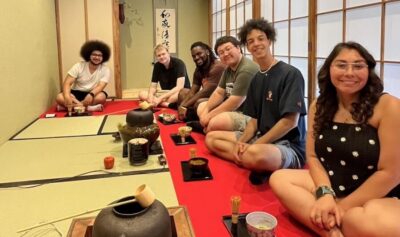
Kyoto: Table-Style Tea Ceremony at a Kyo-Machiya
Read our review →
Browse the lists this tour appears in