
Review · MATCHA EXPERIENCES
Calligraphy and Matcha in a Warm Kumamoto Home
The best part of this Kumamoto experience is the setting: you leave the usual sightseeing route and enter a local home about a 10-minute walk from Kumamoto Castle. Tommy, a qualified instructor in calligraphy, tea ceremony, and flower arrangement, gives you time to work carefully rather than rushing you through a photo stop.
I like two things in particular. First, you create a finished hanging scroll, not just a few practice characters. Second, the group is limited to four, so Tommy can help with brush control, character shape, and your Japanese name. The main consideration is that this suits quiet, focused people. It is less appealing if you want a fast-moving morning or a large, social class.
Key points to know
- Make a hanging scroll: Your final calligraphy piece is prepared for you to take home.
- Choose your own kanji: You select a favorite character from examples, then write your name using phonetic equivalents.
- Visit a private home: The setting offers a personal look at Japanese hospitality near Kumamoto Castle.
- Finish with table-served matcha: The BONTEMAE-style tea experience uses a table rather than floor seating.
- Keep the group small: A maximum of four people allows for close instruction.
- Plan around a flexible start: The stated meeting time is 9:30 a.m., but Tommy can adjust the start within her available schedule after you communicate with her.
A quiet morning inside a Kumamoto home
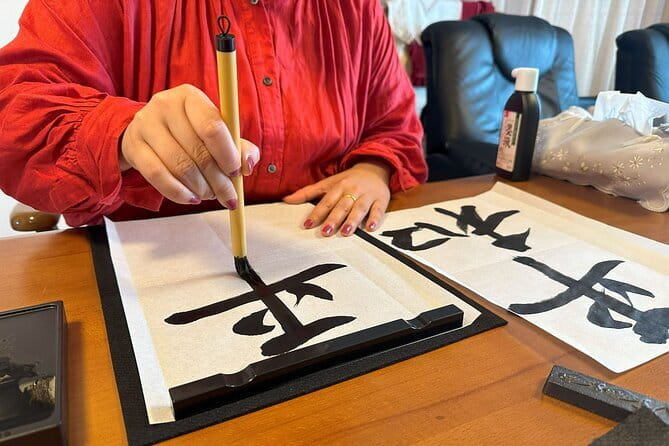
Kumamoto has plenty of major sights, but this activity gives you a different kind of morning. Instead of spending three hours moving between landmarks, you settle into one place and pay attention to the small details of Japanese brush writing, tea, and conversation.
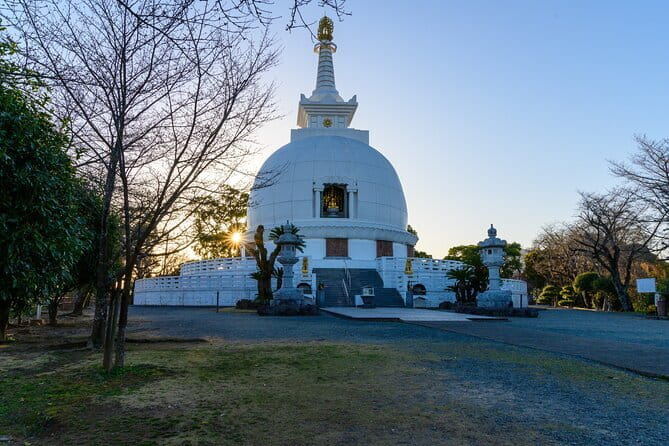
The home is about a 10-minute walk from Kumamoto Castle. You meet at the Shinmachi tram stop, at 2 Chome Shinmachi, Chuo Ward, then return to that meeting point when the activity ends. The program begins at 9:30 a.m., with the main calligraphy session scheduled from 10:00 a.m. to 12:30 p.m.
Tommy is the guide and instructor. Her background includes calligraphy, tea ceremony, and flower arrangement, so the class connects several traditional arts without trying to turn the morning into a full formal ceremony. Her husband, Taka, joined one couple during the visit, adding to the feeling of a genuine household welcome.
That personal setting is the main reason to book this experience. You are not simply watching a demonstration. You are sitting with a local guide, asking questions, practicing with her help, and sharing tea at the end.
More Tea and Calligraphy Workshops in Japan
- Kyoto: Tea Ceremony Meditation – Make Matcha with Tea Master
★ 4.8 · 406 reviews - Osaka: Tea Ceremony, Calligraphy, and Kimono Experience
★ 4.9 · 130 reviews - Tokyo: Practicing Zen with a Japanese Tea Ceremony
★ 4.7 · 105 reviews
Learning why Japanese calligraphy takes patience
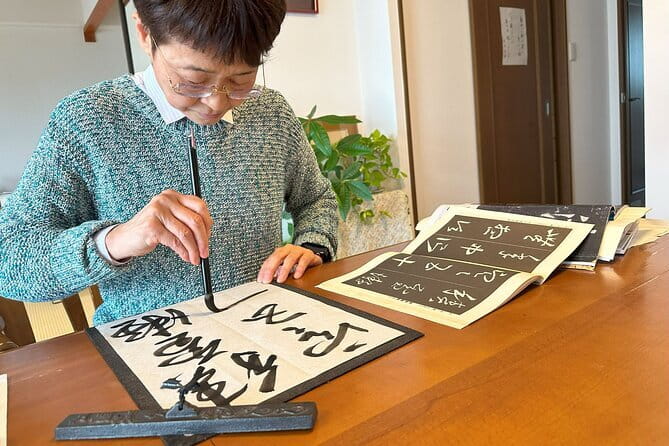
The session begins with an introduction to the history of calligraphy. This gives you a useful frame for the activity, since Japanese characters are not just decorative marks. Brush angle, pressure, spacing, and the order of strokes all affect the final shape.
You then watch Tommy demonstrate on rice paper. A demonstration matters here because the brush behaves differently from a pencil or ballpoint pen. It can produce thick and thin lines in one movement, and a small change in pressure can alter the balance of a character.
After the demonstration, you choose a favorite kanji from the examples provided. This is a helpful option if you cannot read Japanese or do not know which character to select. You are not expected to arrive with a carefully researched word.
You also write your name in kanji using phonetic equivalence. That means the characters are chosen for their sound rather than for a direct translation of your name. It gives you a second piece of writing to practice and makes the finished work more personal.
The first attempts are done as practice. Tommy offers guidance and examples, then lets you repeat the characters on rice paper. Expect to make several tries. That is part of the point. Calligraphy rewards a calm pace, and the small group size gives you room to ask for help instead of trying to copy a teacher from the back of a crowded room.
Turning practice into a hanging scroll
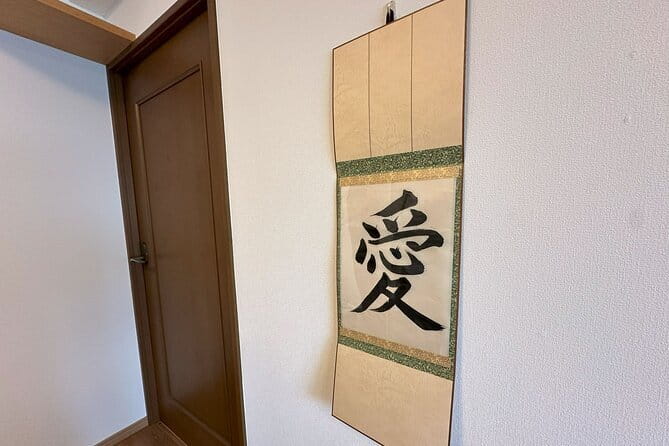
The final stage is the most satisfying part for many people because your best work becomes something you can take home. After practicing, you produce a final version and make a hanging scroll.
This changes the experience from a short craft lesson into a keepsake with a clear connection to Kumamoto. You are not buying a generic souvenir in a shop. You have chosen the character, written it yourself, and spent time learning how it should look.
The finished piece will take up some space in your luggage, so keep that in mind if you are traveling with a very full suitcase. Still, a hanging scroll is light compared with many souvenirs, and it gives you a lasting reminder of the morning.
The included materials cover the calligraphy supplies, practice copying sheets, and the hanging scroll. You do not need to arrange or rent equipment separately. The instructor fee and trial fee are also included.
Matcha at a table, not a formal floor ceremony
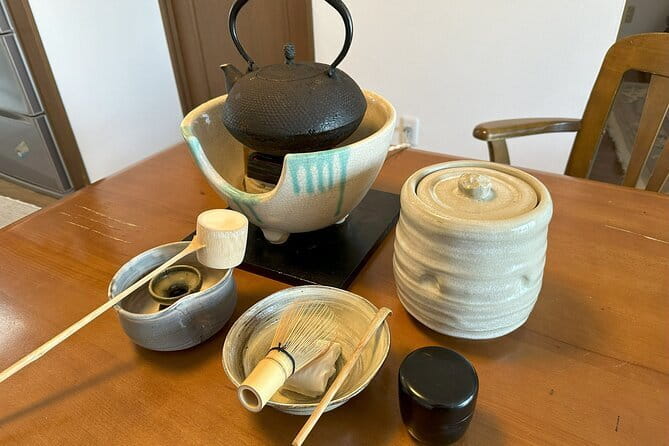
From 12:30 to 1:00 p.m., the activity shifts to a simple matcha tea experience. You sit at a table in the BONTEMAE style and receive matcha with traditional sweets.
This is not presented as a long, formal tea ceremony with a complex sequence of movements. That is good news if you want a relaxed introduction. You get to taste the tea, enjoy the sweets, and talk with Tommy and the other people in your group.
The table seating also makes the experience easier for people who do not want to sit on the floor. The information provided does not describe a full ceremonial format, so you should book this for a friendly matcha introduction rather than an advanced study of tea procedure.
The conversation is an important part of the final half hour. After concentrating on brushwork, you have time to slow down and talk. One detail that shows Tommy’s care is her attention to food allergies. She asked a couple about allergies while preparing a snack, so it is sensible to share any dietary concerns when you communicate after booking.
More Matcha Experiences in Japan:
- World Heritage Kyoto & Nara Uji Authentic Matcha Experience
★ 5.0 · 1,573 reviews - Matcha Making Class in Tokyo with Authentic Japanese Sweets Set
★ 5.0 · 744 reviews - Kyoto: Tea Museum Tickets and Matcha Grinding Experience
★ 4.9 · 739 reviews - Matcha Making Class in Osaka with Authentic Japanese Sweets Set
★ 5.0 · 509 reviews
What the small group changes
The maximum group size is four people. That is a major advantage for an activity based on handwriting, since the instructor can look closely at your work and make corrections.
A larger class might provide more energy, but it would also make it harder to receive individual help. Here, you can take your time with a difficult character and ask Tommy to show a movement again. If you are intellectually curious and comfortable spending around three hours in a quiet space, the format should suit you well.
The small group also makes the home setting feel more natural. You are not entering a public workshop filled with strangers. You are sharing a compact cultural lesson in a private space, with room for conversation and a slower rhythm.
That intimacy can work both ways. If you prefer anonymous sightseeing or do not enjoy personal conversation, the setting may feel too close. This is an experience built around exchange, not a hands-off demonstration.
Timing, meeting point, and pickup details
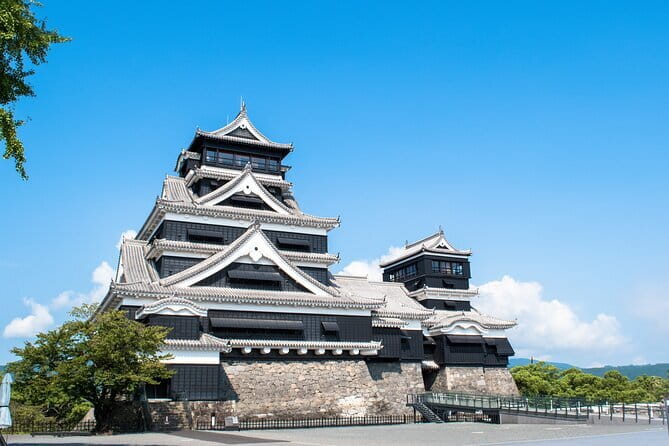
The listed start time is 9:30 a.m. at the Shinmachi tram stop. The activity ends back at the meeting point, with an expected finish around 1:00 p.m. The end time can vary slightly.
The venue is near public transportation and close to Kumamoto Castle. You should allow enough time to reach Shinmachi before the meeting time, especially if you are coming from another part of the city.
The start time may be adjusted within Tommy’s available time range. After booking, communicate with her directly to confirm the details. One couple was offered pickup from their hotel, but the standard meeting information names Shinmachi tram stop, so do not assume hotel pickup unless Tommy confirms it for you.
Transportation to the venue is not included. The walk from the meeting point to the home is short, and the location makes this easy to pair with sightseeing around Kumamoto Castle before or after the activity.
Is $162.40 a fair price?
At $162.40 per person, this is not a bargain class. You are paying for more than a basic calligraphy lesson, though. The price includes the instructor, calligraphy supplies, practice sheets, a hanging scroll, matcha, sweets, and the private-home setting.
The group limit is important when judging the cost. With no more than four people, your fee supports close instruction rather than a standardized presentation. The finished scroll also adds practical value, since you leave with a handmade piece rather than only a memory.
I would see the price as reasonable for someone who values personal instruction and a cultural exchange. It is harder to justify if your main goal is simply to try writing one character for a few minutes. You could find shorter and cheaper cultural activities elsewhere, but they would not offer the same amount of time, private setting, or finished artwork.
The value is strongest for couples, solo visitors who enjoy guided activities, and small groups looking for something calmer than a standard sightseeing tour. Families with young children may find the three-hour focus demanding, though the provided information says most people can participate.
Who will enjoy this most
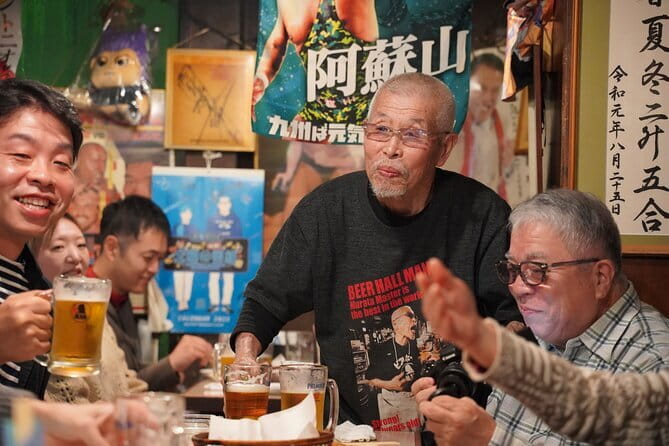
I would recommend this experience to you if you like learning by doing. You should be willing to practice the same character several times, listen to explanations, and accept that the first version may not be your best.
It also suits anyone interested in the everyday side of Japanese culture. The home visit, shared snack, and conversation offer a more personal encounter than simply viewing calligraphy in a museum.
This is a good choice for:
- Couples seeking a quiet cultural morning
- Solo visitors who enjoy close instruction
- Small groups of friends
- People who want a useful souvenir they made themselves
- Visitors staying near Kumamoto Castle
- Anyone curious about calligraphy and matcha but new to both
You may want to choose another activity if you dislike indoor programs, want a formal full-length tea ceremony, or prefer a packed schedule with several sightseeing stops. The morning is intentionally narrow in focus.
Practical tips before you book
Confirm the exact meeting arrangements with Tommy after booking. The start time can be adjusted, and communication is especially useful if you need hotel pickup or have food allergies.
Wear something comfortable for a quiet seated activity. The provided details do not specify a dress code, but you will be handling ink and practicing brushwork, so clothing that you do not mind wearing during a hands-on class is sensible.
Plan where you will keep the hanging scroll afterward. It should be easy to carry, but protect it from being crushed in an overfilled bag.
The activity has mobile ticketing, and confirmation is provided at booking. Free cancellation is available if you cancel at least 24 hours before the local start time. A cancellation or change made later is not accepted for a refund.
Should you book the Kumamoto calligraphy and matcha experience?
Book it if you want a personal, unhurried introduction to Japanese arts and like the idea of entering a local home near Kumamoto Castle. Tommy’s instruction, the four-person limit, and the handmade hanging scroll give the morning real substance.
I would especially choose it for a couple or small group that values conversation and careful practice. The price is high for a short class, but the private setting, supplies, tea, sweets, and finished artwork help explain the cost.
Skip it if you want a formal tea ceremony, a large group atmosphere, or several attractions in one morning. For the right person, though, this is a thoughtful way to spend three and a half hours in Kumamoto, with something personal to carry home.
FAQ
Where does the calligraphy and matcha experience meet?
You meet at the Shinmachi tram stop at 2 Chome Shinmachi, Chuo Ward, Kumamoto, 860-0004, Japan.
How far is the home from Kumamoto Castle?
The residence is about a 10-minute walk from Kumamoto Castle.
What time does the activity begin and end?
The stated start time is 9:30 a.m. The expected end is around 1:00 p.m., though the finish may vary slightly.
What will I make during the calligraphy class?
You will practice a chosen kanji and write your name in kanji using phonetic equivalence. Your final work is made into a hanging scroll that you can take home.
Is matcha included?
Yes. The activity includes matcha and traditional sweets served at a table in the BONTEMAE style.
How many people can join the activity?
The maximum group size is four people.
Fresh tea listings around Japan
- Yokohama : Tea Ceremony with Sweets and Souvenir★ 5.0 · 5 reviews
- Walking Tour: Yanaka,Nezu& Sendagi: Tea Ceremony & Old Tokyo★ 5.0 · 3 reviews
- Visit local home for music and tea ceremony near Disney★ 4.9 · 13 reviews
- Yokohama: Sushi & Gyoza Cooking with Matcha & GreenTea Experience★ 5.0 · 3 reviews
- Trip to Kamakura & Enoshima: Shrines, Seaside, Temples &Tea★ 5.0 · 11 reviews
- Uji: Private immersion into Kyoto’s tea and reglious culture★ 5.0 · 17 reviews
- Uji Tea Ceremony and UNESCO Heritage Walking Tour★ 5.0 · 20 reviews
- Kyoto tea town for matcha lovers★ 5.0 · 16 reviews
Matcha Experiences, compared.
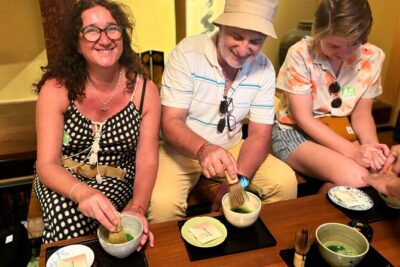
World Heritage Kyoto & Nara Uji Authentic Matcha Experience
Read our review →
Matcha Making Class in Tokyo with Authentic Japanese Sweets Set
Read our review →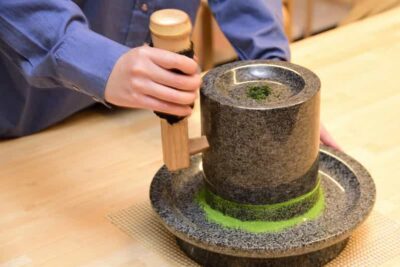
Kyoto: Tea Museum Tickets and Matcha Grinding Experience
Read our review →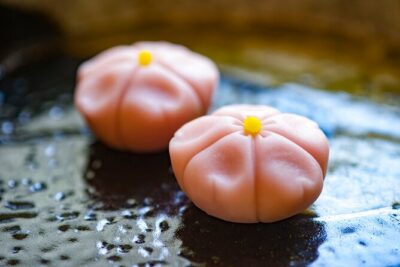
Matcha Making Class in Osaka with Authentic Japanese Sweets Set
Read our review →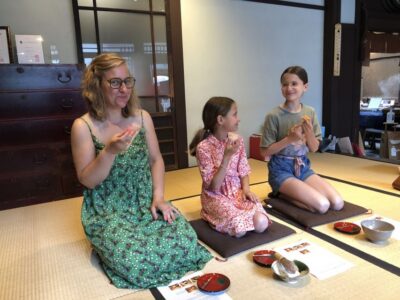
Kyoto: Tea Ceremony Meditation – Make Matcha with Tea Master
Read our review →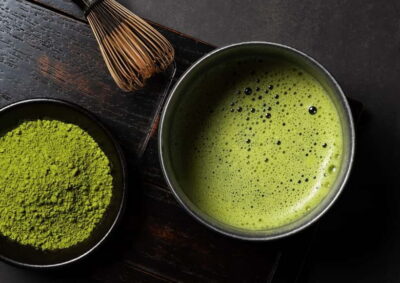
Tokyo: Matcha Making Experience with Mochi Sweets in Asakusa
Read our review →
Kyoto: Kimono Tea Ceremony with Matcha and Sweet
Read our review →
Browse the lists this tour appears in