
Review · MATCHA EXPERIENCES
Tokyo: Matcha Tea Ceremony Experience in Shibuya
The best part of this Shibuya experience is that you do not just watch tea being made. You prepare your own matcha, then taste several Japanese teas and learn why each one is served and enjoyed in a particular way. I like the small-group limit of 10, and I like that the hour combines hands-on practice with history and manners instead of treating the ceremony as a quick photo stop.
The main consideration is time. One hour goes quickly, so this is an introduction rather than a full study of Japanese tea culture. The meeting point is also quite specific: find the Okazaki Building entrance and the vending machine beside it, rather than simply wandering around Shibuya looking for a tea room.
Key points to know before booking
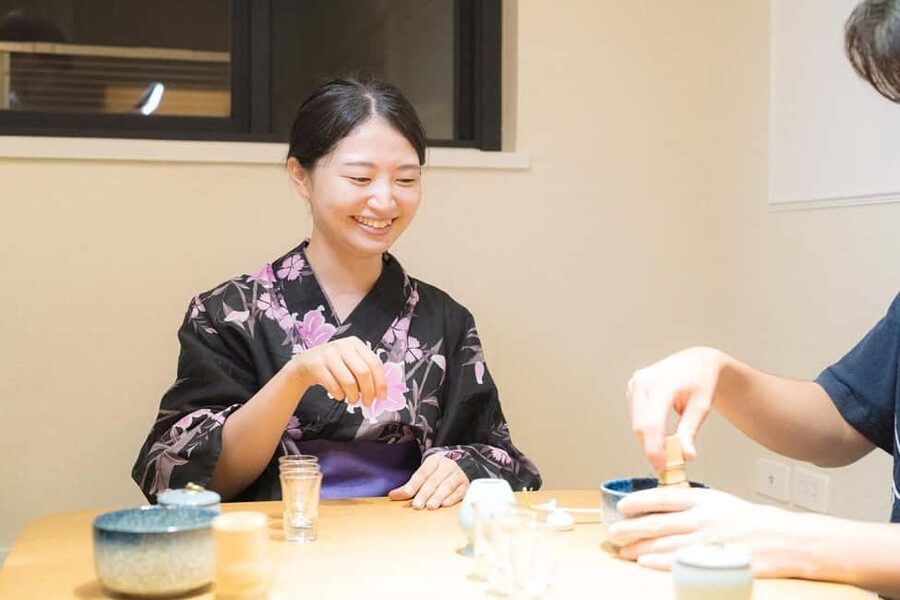
- You make your own matcha: Step-by-step instruction lets you take part instead of sitting back and watching.
- Several teas are served: You can compare taste, aroma, and presentation, with a small traditional sweet alongside the tea.
- Taku may lead your session: His English and preparation received especially strong praise in the available feedback.
- The setting is calm and welcoming: The focus is on careful movements, good manners, and Japanese hospitality.
- Small groups keep it personal: The maximum is 10 participants, useful when you want time to ask questions.
- The price is $30: For a one-hour cultural activity with tea, a sweet, equipment, and photographs, it offers fair value.
Why this one-hour tea experience works
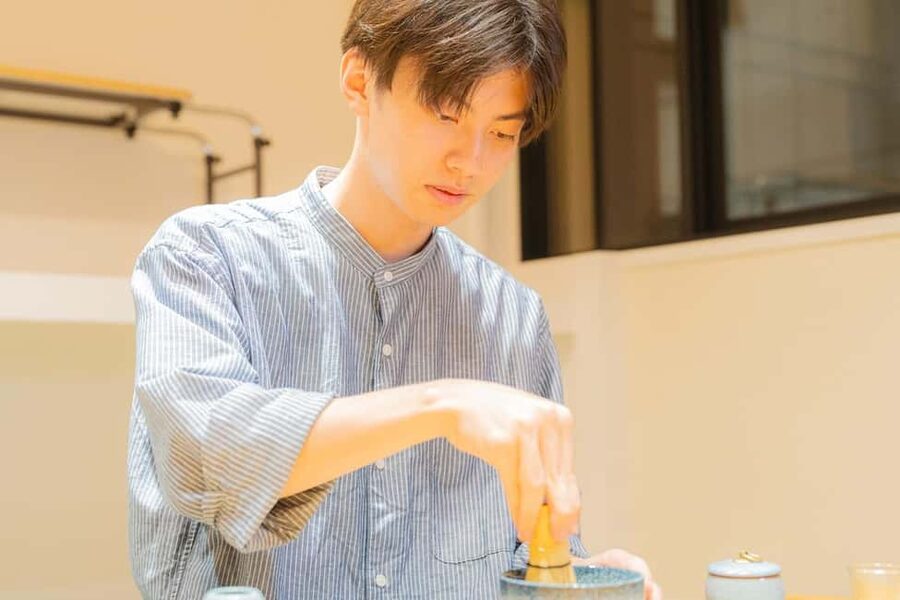
Japanese tea ceremony can look formal from the outside. There are careful movements, set manners, and a strong sense of order. That can make the tradition feel hard to approach, especially if you do not know what you are meant to do.
This activity softens that barrier. You receive guidance from a local English-speaking teacher, learn the basic steps, and get a chance to make matcha yourself. You are not expected to arrive with any background in tea culture. The experience is designed for first-time participants as well as people who already have some curiosity about Japanese traditions.
I like this format because it gives you something useful to take away. You learn how the tea is served, how to approach the ceremony respectfully, and how small differences in flavor and aroma matter. That is more satisfying than simply drinking a cup and being told that it is traditional.
The hour also has a quiet rhythm. Tea is prepared, tasted, discussed, and compared. The pace gives you a short break from the noise and speed that can define a visit to Tokyo. You still get a cultural activity in central Shibuya, but the focus is on attention and manners rather than rushing between sights.
More Matcha Experiences in Tokyo
- Matcha Making Class in Tokyo with Authentic Japanese Sweets Set
★ 5.0 · 744 reviews - Tokyo: Matcha Making Experience with Mochi Sweets in Asakusa
★ 4.9 · 388 reviews - Asakusa Cultural Walk & Matcha Making Tour
★ 5.0 · 245 reviews
Finding the Okazaki Building meeting point
The meeting point is in front of the Okazaki Building entrance. A vending machine is next to the entrance, which serves as the clearest landmark. The instructor will be standing there.
This detail matters because the meeting instructions are not simply a broad location such as Shibuya Station. Give yourself enough time to find the building and identify the entrance. If you are using a map app, check the building name before setting off. The activity lasts only one hour, so arriving late could cut into the part that interests you most.
The instructor speaks English, and the group is limited to 10 people. That size should make it easier to follow demonstrations and ask questions than in a large bus tour. It also keeps the activity from feeling like a stage show.
Tasting several teas with a traditional sweet
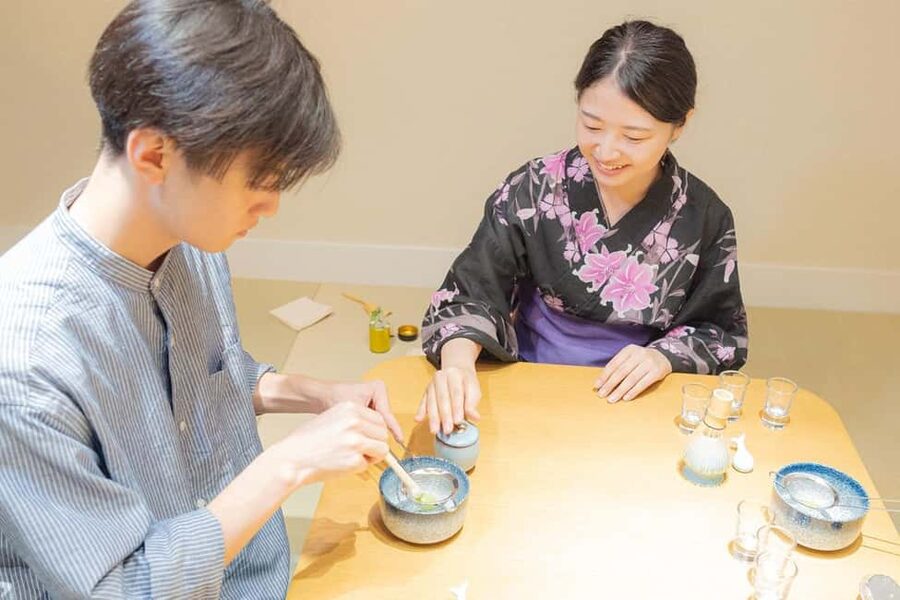
The experience includes several kinds of carefully selected tea. You taste and compare them rather than treating Japanese tea as one single drink. The teacher explains differences in flavor, aroma, and presentation, along with some of the traditions connected to each tea.
That comparison is one of the more useful parts of the hour. If you are new to Japanese tea, a single cup can be difficult to place. Tasting more than one gives you a point of reference. You begin to notice that tea can have different strengths and characters, and that the way it is presented forms part of the experience.
A small traditional sweet is served with the tea. This is not just an extra snack. Sweetness can change how you notice the tea, and the pairing helps show how Japanese tea service balances flavors. The sweet also gives the tasting a clear cultural connection instead of making it feel like a standard beverage class.
Do not expect a large meal. The included food is described as a little sweet snack, so you should eat beforehand if you need something substantial. Think of this as a focused tasting and cultural lesson, not a dining experience.
Making matcha with step-by-step help
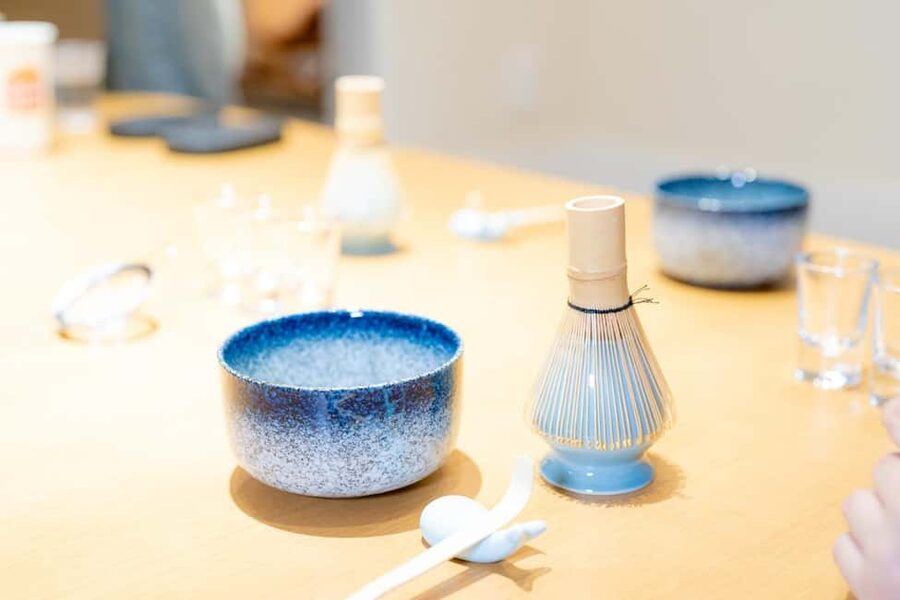
The hands-on matcha section is the heart of the activity. You receive guidance as you prepare your own tea using the provided ceremony tools. That makes the lesson approachable even if you have never handled matcha before.
The teacher explains the basic movements and manners as you go. This matters because the ceremony is not only about the finished drink. The way tea is prepared and served reflects care, attention, and respect for the person receiving it.
I like that you get to try the process yourself. Watching a skilled teacher can be pleasant, but doing the work helps you understand why each step is deliberate. You may also gain a better sense of the effort behind a well-prepared bowl of matcha.
The instruction is intended to be relaxed and welcoming. You do not need to know the rules in advance, and the teacher can guide you through the sequence. The experience is a good fit if you enjoy practical activities but do not want a demanding workshop.
More Tea Ceremonies in Tokyo
- Kimono Tea Ceremony at Tokyo, Asakusa Maikoya
★ 5.0 · 638 reviews - Tokyo: Traditional Tea Ceremony with a Tea Master
★ 5.0 · 528 reviews - Tea Ceremony Workshop in Tokyo by the Experienced Instrucor
★ 5.0 · 189 reviews - Asakusa: Kimono Tea Ceremony with Matcha and Sweet
★ 4.9 · 153 reviews
Learning manners, history, and hospitality
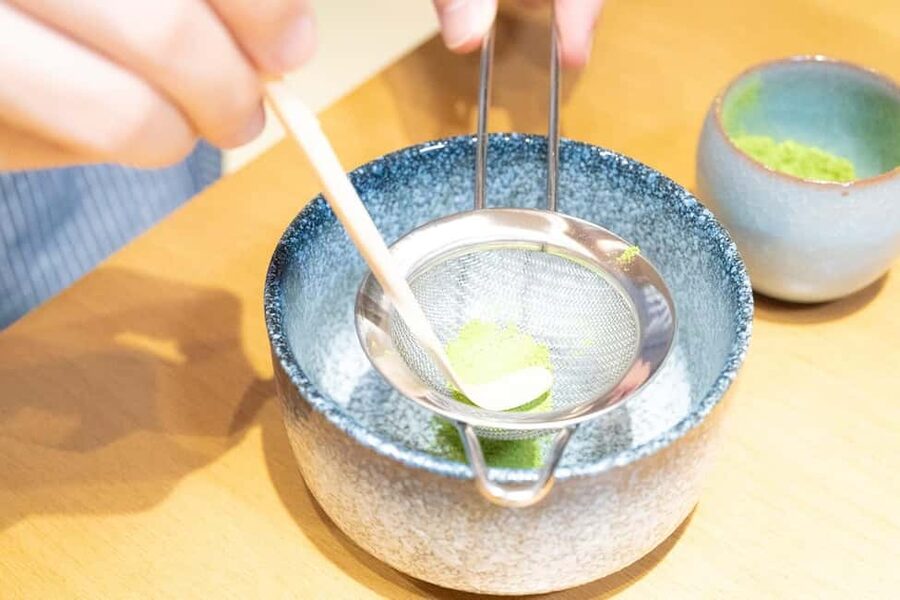
The teacher covers the history and cultural meaning connected with tea ceremony. You also learn the basic manners of serving and receiving tea. These explanations give the activity a wider frame, so you are not simply copying movements without knowing why they matter.
The phrase tea ceremony can suggest a long, highly formal event. Here, the one-hour format gives you a compact introduction. You get enough context to recognize the role of calm movements, presentation, and hospitality, but not enough time for a detailed course in every school or tradition of Japanese tea.
That limit is worth keeping in mind. If you have already studied tea ceremony in depth, this may feel introductory. If you are visiting Japan for the first time, the shorter format is an advantage. You can learn the basics without giving up half a day of sightseeing.
The teacher’s communication is especially important in an activity built around subtle ideas. Taku was praised for speaking excellent English, being well prepared, and providing useful insight into Japanese culture and history. That makes the explanation easier to follow, particularly when the subject involves manners that may not have a direct equivalent in English.
The calm atmosphere and small-group format
The activity aims for a calm and welcoming mood. That atmosphere is not decoration. It supports the central lesson: tea ceremony asks you to slow down, pay attention, and appreciate small details.
With a maximum of 10 participants, the group is small enough to remain manageable. You should have a better chance of seeing the demonstration and taking part directly than you would in a large class. A small group also helps the teacher respond to basic questions about tea, manners, and the history behind the activity.
There is still a possible trade-off. A group of 10 is not a private lesson, and the exact amount of personal instruction can depend on how many people attend your session. If you want one-on-one coaching throughout the hour, this is not described as a private experience.
The provider also says the activity is wheelchair accessible. That is useful information for anyone checking physical access in advance. Since the supplied details do not explain the exact room layout or restroom arrangements, you may want to confirm any specific access needs before booking.
What the $30 price includes
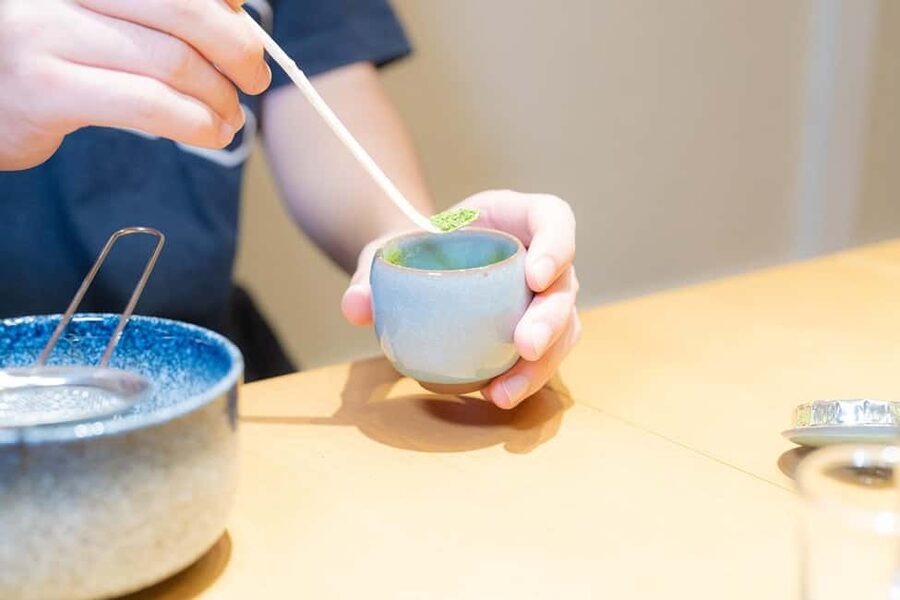
At $30 per person, the experience is reasonably priced for a short cultural activity. The fee includes one hour of guidance, the tea ceremony tools, selected tea leaves, a small sweet, and photos taken during the session and shared afterward.
The value comes from the combination. You are paying for instruction as well as the drinks and snack. You also get an activity you can take part in, rather than a simple tasting where the teacher does all the preparation.
For many people, the photos will be a pleasant bonus. They can preserve the hands-on part of the visit without requiring you to spend the whole session taking pictures. Still, I would judge the experience mainly by the teaching and tasting, since those are the lasting parts.
The price is less compelling if you are looking for a long ceremony, a full meal, or advanced training. It makes better sense as a compact introduction that fits between other Tokyo plans.
Who should book this experience
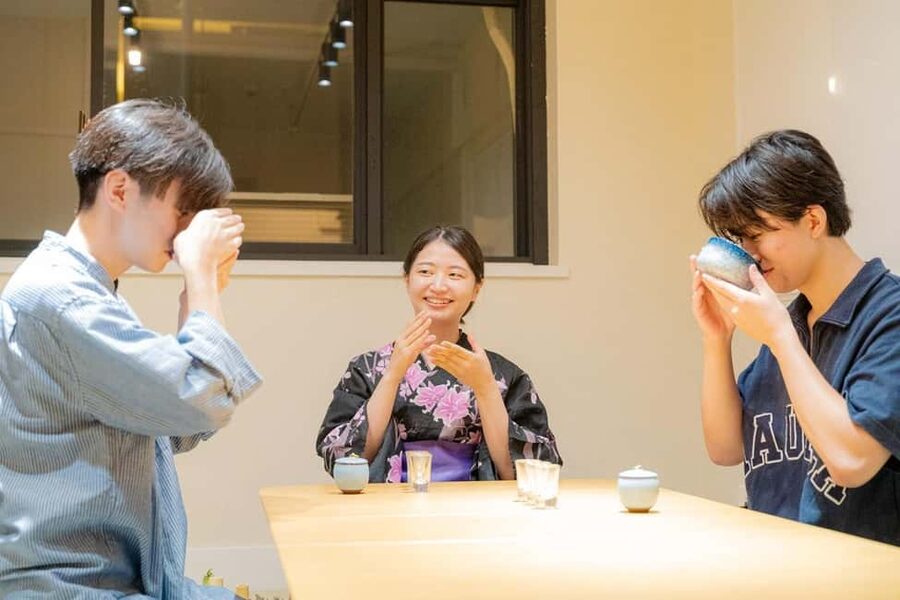
I would recommend it to first-time visitors who want a clear, friendly entry into Japanese tea culture. It also suits anyone who enjoys tasting activities, hands-on classes, or quiet cultural experiences.
Families and mixed-age groups may appreciate the simple structure, though the activity data does not specify a minimum age. English speakers have a clear advantage because instruction is offered in English. You can ask questions and follow the explanations without relying on translation.
It is also a good choice for people who want a break from sightseeing. Shibuya is known for energy and movement, while this hour is built around patience and concentration. The contrast can be welcome.
I would be more cautious about booking it if your main goal is a full, formal tea ceremony with extensive history or a long period of ritual. The one-hour length keeps the experience accessible, but it also limits how far the lesson can go.
Booking is flexible. You can cancel up to 24 hours before the start for a full refund, and you can reserve now and pay later. Starting times vary, so check availability before fitting it into your day.
My verdict on this Shibuya tea ceremony
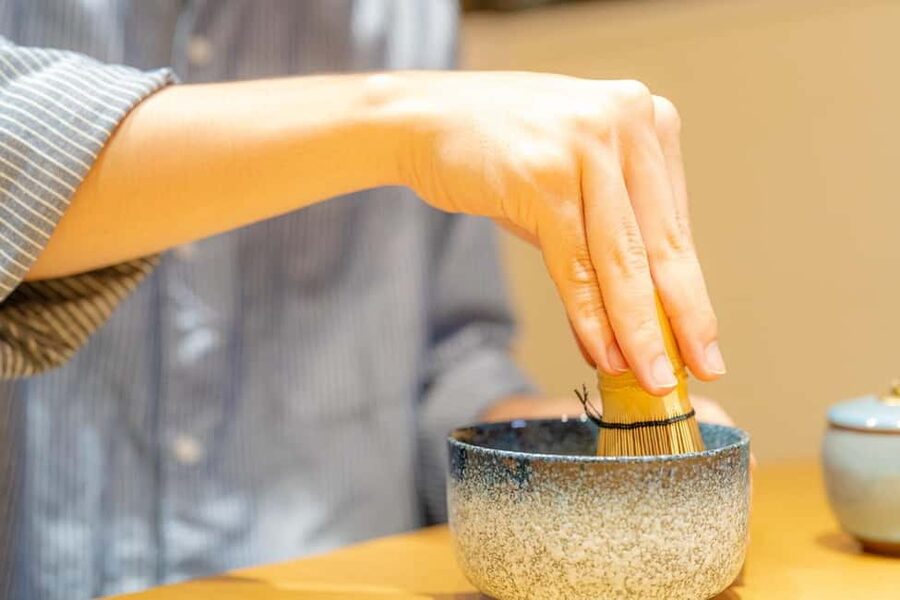
Book this experience if you want to do more than take a picture of matcha. The chance to prepare your own tea, compare several varieties, learn basic manners, and hear cultural background gives the $30 price solid value.
The strongest reason to choose it is the teaching. Taku was praised for clear English and careful preparation, and those qualities matter in a ceremony where small details carry meaning. The small group and included equipment add to the practical appeal.
Skip it if you want a long formal ceremony, a substantial meal, or advanced instruction. For a friendly one-hour introduction in English, though, this is a sensible and enjoyable addition to a Tokyo schedule.
FAQ
How long does the matcha tea ceremony experience last?
The experience lasts one hour.
How much does the activity cost?
The price is $30 per person.
Is the activity conducted in English?
Yes. The instructor language is English.
How many people can join the group?
The group is limited to 10 participants.
What is included in the price?
The price includes one hour of guidance from a local teacher, tea ceremony tools, selected tea leaves, a small sweet snack, and photos taken during the experience.
Where is the meeting point?
Meet the instructor in front of the Okazaki Building entrance. There is a vending machine next to the entrance.
Can I cancel and receive a refund?
Yes. You can cancel up to 24 hours in advance for a full refund. You can also reserve now and pay later.
Fresh tea listings around Tokyo
- Yokohama : Tea Ceremony with Sweets and Souvenir★ 5.0 · 5 reviews
- Walking Tour: Yanaka,Nezu& Sendagi: Tea Ceremony & Old Tokyo★ 5.0 · 3 reviews
- Private Mochi・Matcha sweets Making Class Near Shibuya Area★ 5.0 · 22 reviews
- Private Kimono and tea ceremony at local home near Tokyo Disney★ 5.0 · 6 reviews
- 2 Hours Mochi &Nerikiri Making & Matcha Class in Bunkyo★ 5.0 · 21 reviews
- Tokyo Sweets Tour: Hidden Gems & Matcha at an Old Tea House★ 5.0 · 6 reviews
- Kimono and Tea Ceremony in Asakusa Private Food Tour With Guide★ 5.0 · 4 reviews
- Tokyo: Tea Ceremony & Japanese Sweets Making★ 5.0 · 10 reviews
Matcha Experiences, compared.
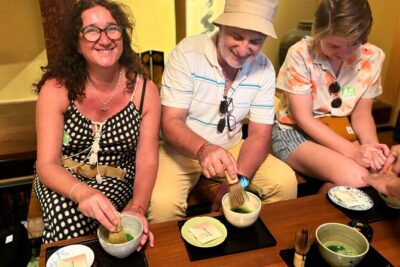
World Heritage Kyoto & Nara Uji Authentic Matcha Experience
Read our review →
Matcha Making Class in Tokyo with Authentic Japanese Sweets Set
Read our review →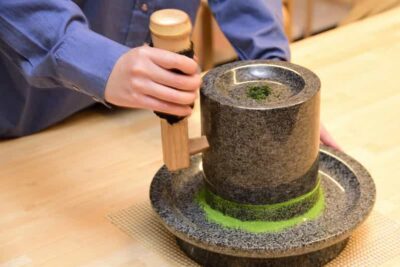
Kyoto: Tea Museum Tickets and Matcha Grinding Experience
Read our review →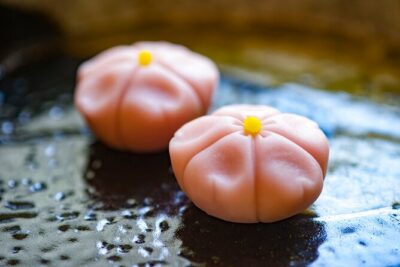
Matcha Making Class in Osaka with Authentic Japanese Sweets Set
Read our review →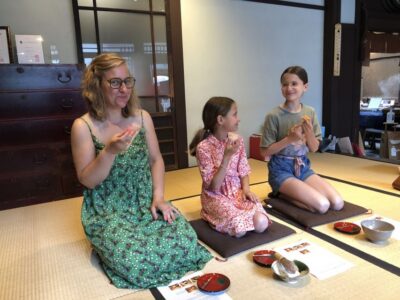
Kyoto: Tea Ceremony Meditation – Make Matcha with Tea Master
Read our review →
Tokyo: Matcha Making Experience with Mochi Sweets in Asakusa
Read our review →
Kyoto: Kimono Tea Ceremony with Matcha and Sweet
Read our review →
Browse the lists this tour appears in