
Review · TEA CEREMONY EXPERIENCES
Kyoto Ninenzaka: Tea Ceremony in Old Townhouse with Chairs
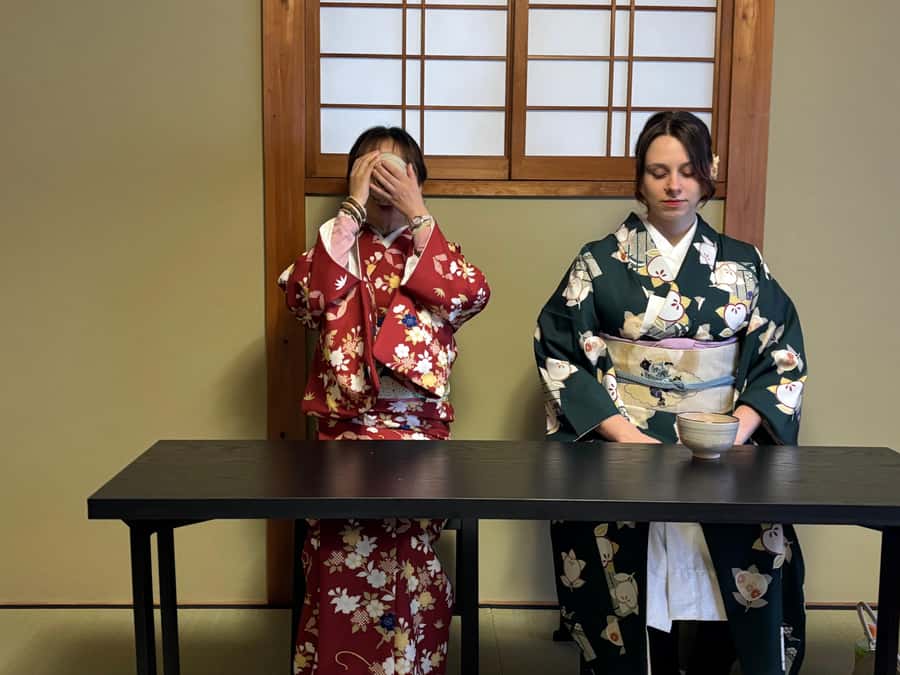
The best part of this Kyoto tea ceremony is its seriousness. In a 150-year-old townhouse near Kiyomizu Temple, you learn why each bowl, movement, sweet, and pause matters, then whisk your own Uji matcha. Sakura and her assistants have led especially warm, clear sessions, with time for real questions rather than a quick photo stop.
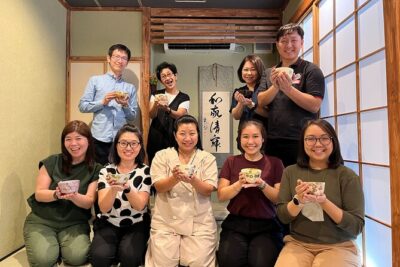
I love the small groups, often only four to six people, and I like the thoughtful choice of tables and chairs for anyone who finds floor sitting hard. The historic house, premium tea, and wagashi from a long-established Kyoto confectioner add real value. The drawback is that the steep, narrow stairs and small rooms can be awkward, and the strict no-video rule may disappoint anyone hoping to record the ceremony.
Key points to know before booking
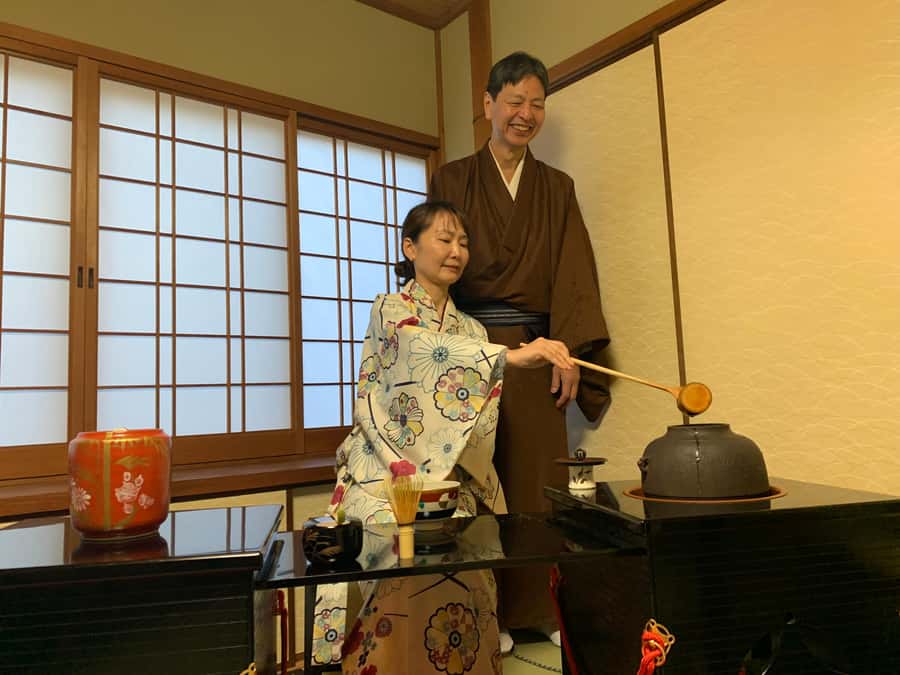
- Two cups of Uji matcha: You watch the tea being prepared, then make matcha yourself using traditional utensils.
- A true teaching session: The class covers Zen, history, etiquette, utensil care, seasonal hospitality, and the meaning behind the movements.
- Tables and chairs: This is a standing-style tea ceremony, a useful choice if kneeling on tatami is difficult.
- A 150-year-old townhouse: The rooms retain traditional character, though stairs are narrow and steep.
- Quiet by design: Perfume, food, drinks, recording, and electronic devices are restricted to keep attention on the tea.
- Near Ninenzaka and Kiyomizu Temple: The location is convenient, but follow the written directions carefully because the entrance can be easy to miss.
Why this tea ceremony feels different from a quick Kyoto photo stop
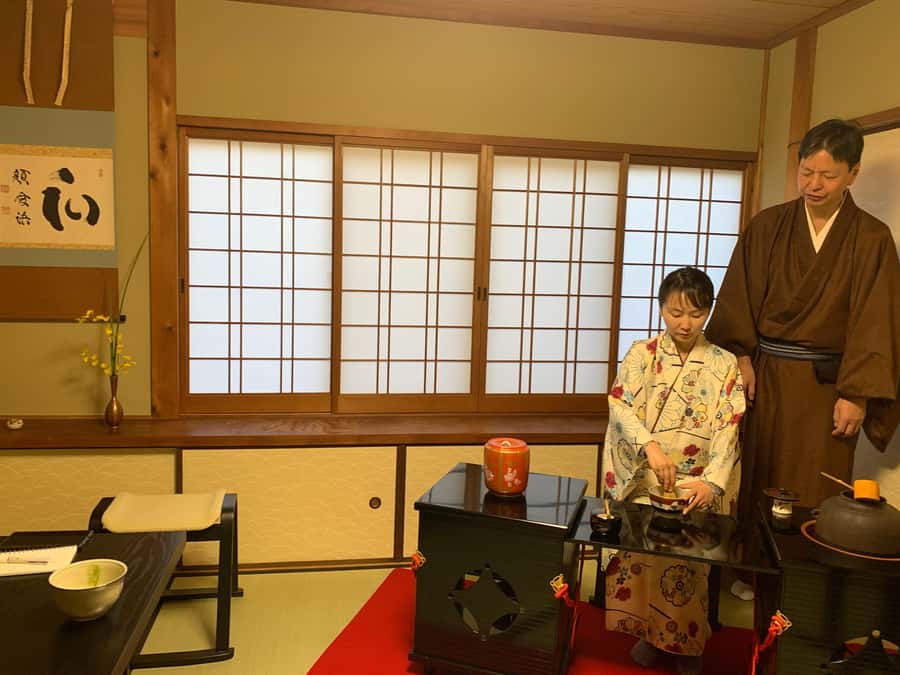
Many cultural activities give you a costume, a pose, and a short demonstration. This one asks you to slow down and pay attention. The focus is not simply on drinking green tea. You learn how the tea ceremony connects with Zen ideas, seasonal awareness, hospitality, and respect for objects.
That distinction matters. The ceremony can look simple from the outside: hot water, powdered tea, a whisk, and a bowl. The class shows you the care hidden inside those actions. You learn how utensils are handled, why their condition matters, and how guests receive and drink the tea properly.
The mood is quiet and formal, but not stiff. The tea master demonstrates the ceremony’s measured movements while an English-speaking assistant explains what is happening. Some sessions have included Sakura, whose patient explanations and welcoming manner have made the class especially approachable. Other sessions may include a Japanese tea master with an English-speaking guide or translator.
You should come ready to listen. This is designed for people who want cultural context, not just a pretty backdrop.
More Tea Ceremonies in Kyoto
- Kyoto: Tea Ceremony in a Traditional Tea House in Kiyomizu
★ 4.9 · 3,519 reviews - Kyoto: Tea Ceremony Ju-An at Jotokuji Temple
★ 4.9 · 3,207 reviews - Kyoto: 45-Minute Tea Ceremony Lesson Experience
★ 4.3 · 2,378 reviews
Entering the 150-year-old townhouse near Ninenzaka
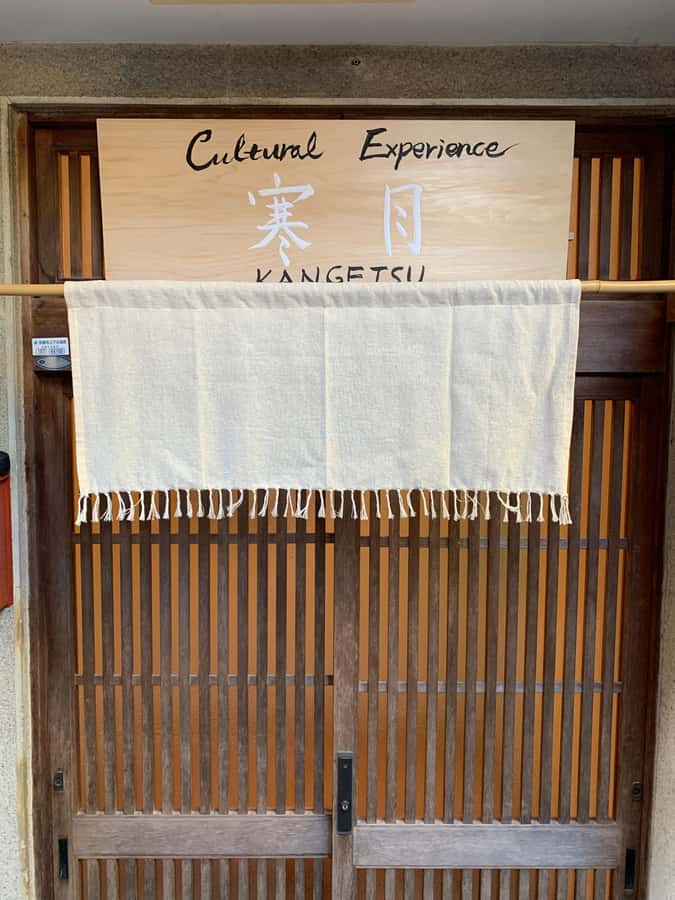
The venue sits near Kiyomizu Temple, at the end of the alley next to the Starbucks on Ninenzaka. That puts you in one of Kyoto’s most popular sightseeing areas, so you can pair the ceremony with Kiyomizu-dera, Ninenzaka, and Sannenzaka.
The exact entrance can be tricky. Written directions are important, and you should not rely only on the map pin. One participant found that the map location pointed toward another activity provider, so give yourself a little extra time and read the arrival instructions before setting out.
Once inside, you leave the noise of the street behind. The townhouse was built about 150 years ago. Its interior has been renovated, but it keeps its old character, including tatami, compact rooms, and low ceilings. The classroom is brighter and roomier than a very formal tea room, which makes it easier for first-time visitors to follow the demonstration.
The stairs deserve a warning. They are narrow and steep, and this venue is not suitable for wheelchair users. Large bags and oversize luggage are not allowed, so arrive with only what you need.
A chair-based format that helps your knees
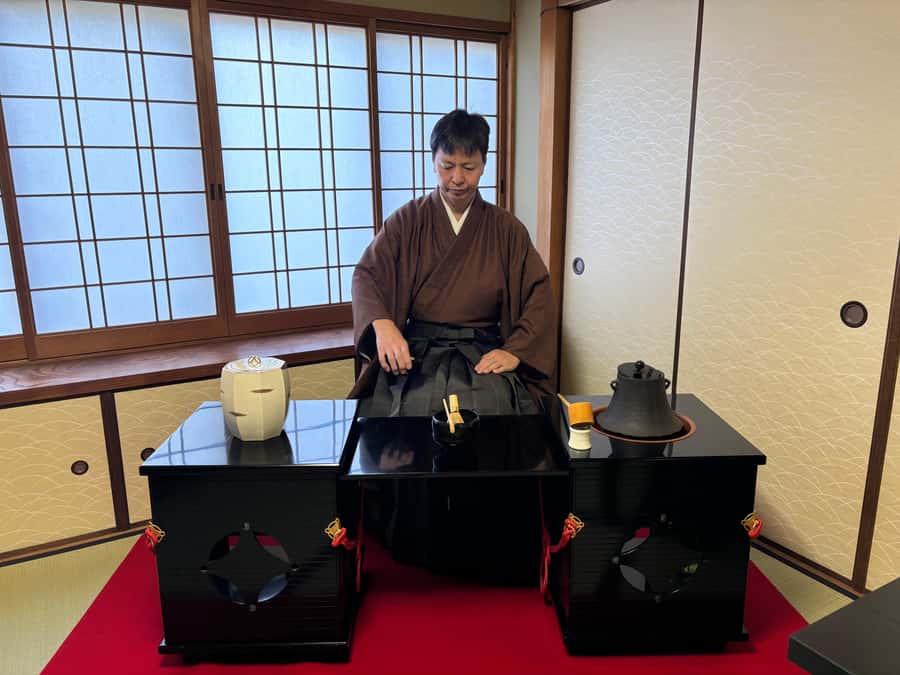
Traditional tea ceremony often involves sitting on the floor in a kneeling position. Here, you use a stand for a seated ceremony, with tables and chairs arranged for comfort. The format still follows the principles of tea practice, but it removes one of the biggest physical barriers for many people.
That makes this a smart choice for anyone with bad knees, limited flexibility, or no interest in spending nearly an hour on tatami. The standing-style arrangement also lets you concentrate on the tea instead of quietly calculating how long your legs can last.
There is still a traditional feel to the room. You will remove your shoes, and socks are required. If you arrive barefoot, socks can be purchased for 500 yen. Tie back long hair, since loose hair can fall into your bowl, and remove large rings, bracelets, and long necklaces so they do not damage a valuable tea bowl.
The room is small, and the ceiling is low. I see this as part of the charm, but it can feel close if you prefer a broad, open setting. The space can accommodate groups of up to 20, though many scheduled classes are much smaller.
The opening lesson: tea, Zen, and the language of objects
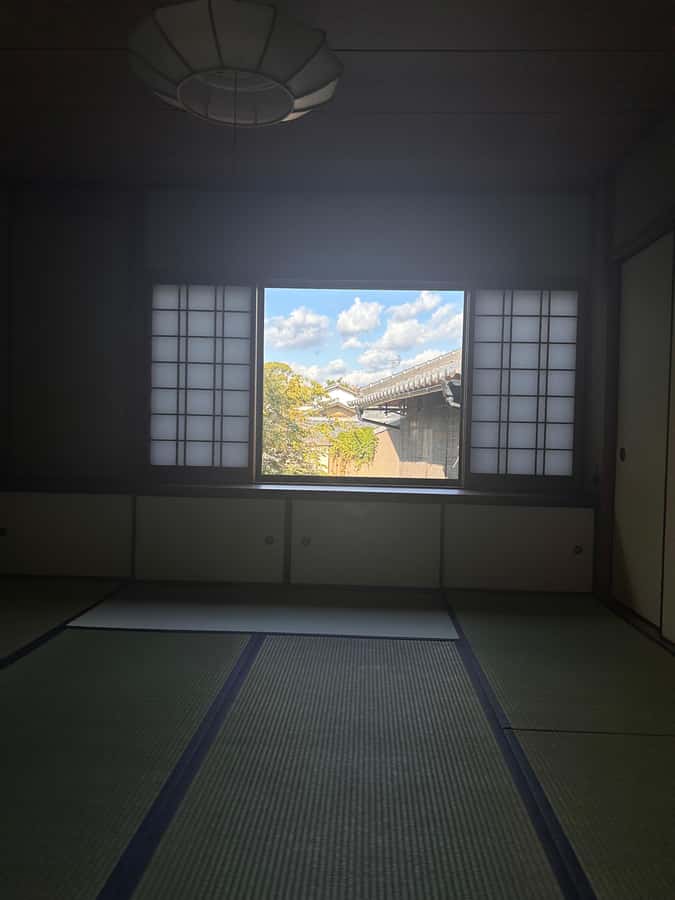
The class begins with the background of Japanese tea ceremony. You learn how tea practice developed, how it relates to Zen, and why the ceremony values calm attention and harmony.
The explanation is aimed at beginners, so you do not need prior knowledge. The English has generally been clear, though translation quality can vary slightly depending on the assistant. That is worth knowing if you want a scholarly lecture. For most people, the combination of spoken explanation and live demonstration makes the ideas easy to follow.
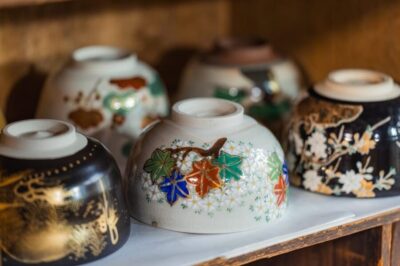
The utensils receive careful attention. You are introduced to the tea bowl, whisk, scoop, container, and other tools, along with their uses and proper care. You may also see a range of tea bowls, which adds a useful lesson in Japanese aesthetics. Instead of treating the bowl as a plain cup, the class helps you notice shape, texture, seasonal details, and the way an object feels in the hand.
This is one of the strongest parts of the experience because it turns ordinary equipment into part of the story. You begin to understand why handling a bowl is not casual and why guests observe it with care.
Same city, a very different cup:
- Kyoto: Table-Style Tea Ceremony at a Kyo-Machiya
★ 4.9 · 1,211 reviews - Kimono Tea Ceremony at Kyoto Maikoya, NISHIKI
★ 5.0 · 911 reviews - Kyoto: Kimono Tea Ceremony at Orizuruya Gion
★ 4.9 · 618 reviews - Kyoto: Tea Ceremony in 100-year-old Kyo-Machiya Townhouse
★ 4.8 · 546 reviews
Watching the tea master work
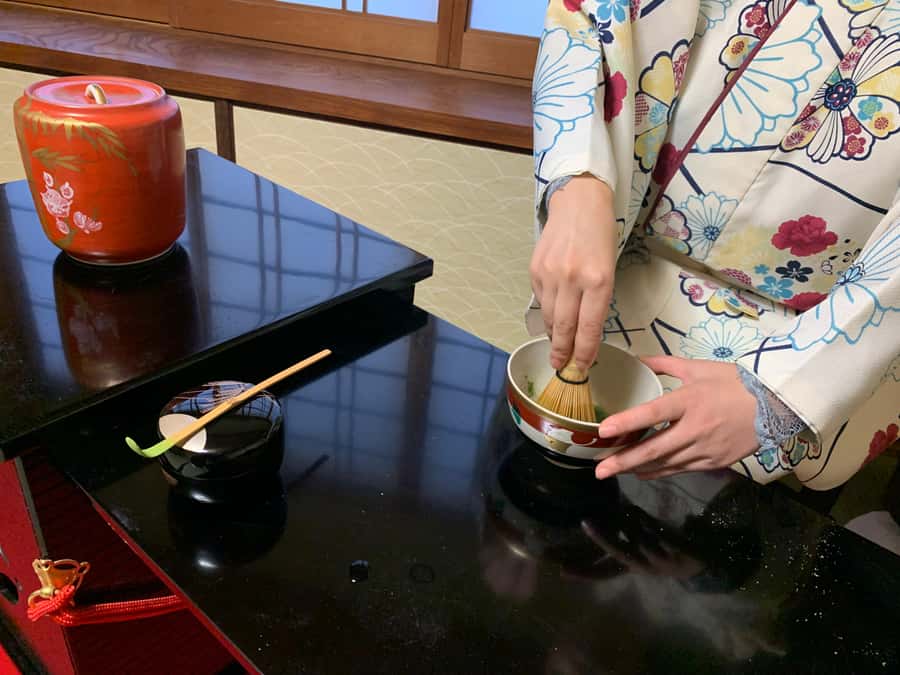
The demonstration is the calm center of the class. The tea master prepares the tea with controlled, economical movements. Nothing is rushed, and each gesture has a purpose.
You see how the tea is measured, whisked, presented, and received. The instructor explains proper etiquette and serving technique as the ceremony unfolds. Seasonal hospitality is part of the lesson too, so the room, sweets, utensils, and tea are not treated as separate pieces.
Several people have found the demonstration almost meditative. That does not mean you must adopt a solemn expression or understand every rule at once. The class explains the reasons behind the actions, making the ceremony easier to appreciate instead of asking you to copy gestures without context.
The experience is not performed by a geisha, and it is not meant to imitate a geisha entertainment show. It offers a different view of Kyoto culture: tea as a disciplined art, a form of welcome, and a way to give full attention to the present moment.
Making two cups of Uji matcha yourself
After watching the demonstration, you prepare matcha on your own. Two cups of matcha are included, so you get more than a token taste.
The tea is premium Uji matcha sourced directly from a tea farmer whose family has cultivated tea since the Bunsei era, from 1818 to 1831. That long family connection does not make the tea automatically right for every palate, but it does explain why the flavor is treated as an important part of the lesson.
Real matcha can taste grassy, bitter, or intensely savory if you are used to sweetened café drinks. The class lets you experience the tea in its traditional form. You learn how to whisk it and how to drink it with the correct manners, while the instructor can answer questions about the tools and method.
I would not book this expecting a sugary green tea latte. If you appreciate subtle, earthy flavors, you will get more from the tasting. If you dislike unsweetened tea, the wagashi helps balance the bitterness.
Making the tea yourself is also where the lesson becomes personal. You are no longer only watching a ritual. You are handling the whisk, preparing the bowl, and learning how small changes in technique affect the result.
Kyoto wagashi that completes the tasting
The sweets are seasonal Japanese wagashi from a long-established Kyoto confectionery shop that belongs to the Kyoto Prefectural Confectionery Association. They are delicate, carefully shaped, and designed to be eaten with matcha.
Wagashi are not simply dessert. Their color and form can reflect the season, and their mild sweetness prepares your palate for the tea. The contrast is useful: the sweet comes first, then the matcha tastes more balanced and less sharp.
The handmade quality is easy to appreciate even if you know little about Japanese confectionery. You may also find the sweets visually striking, but the point is not only decoration. They are part of the hospitality offered in the tea room.
Two cups of matcha plus seasonal wagashi make the $21 price especially fair. You are paying for instruction, cultural context, quality ingredients, and a small-group setting rather than just a drink. Similar activities can cost more when they include costumes or a larger production, but this class puts its money into the tea, teaching, and quiet setting.
Questions, etiquette, and the no-camera rule
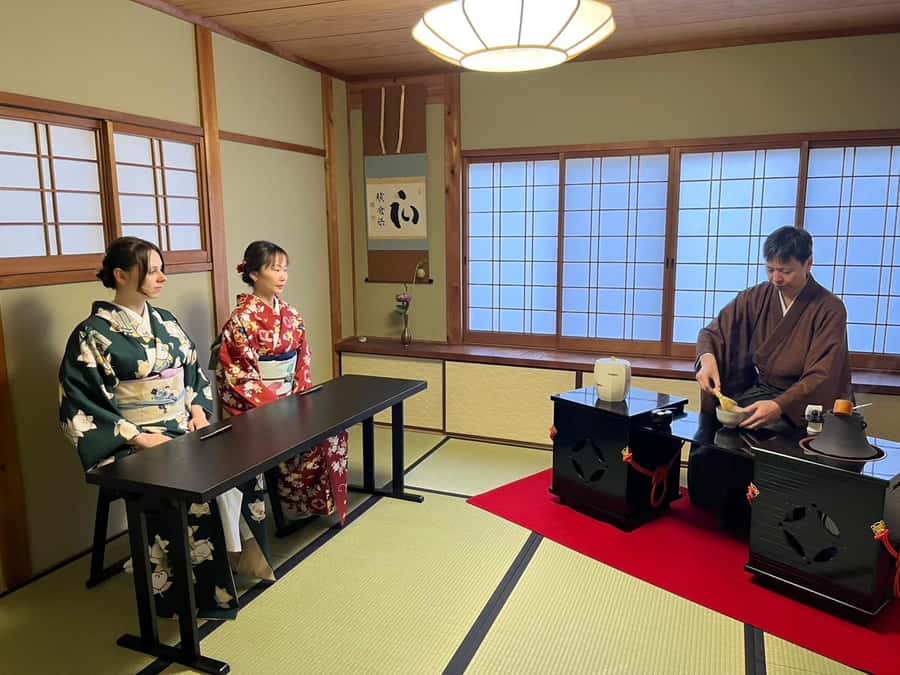
The class includes a question-and-answer period. Use it. This is your chance to ask why a movement is done a certain way, how tea bowls are cared for, or how tea ceremony fits into Japanese daily life.
The atmosphere is quiet on purpose. Hats, jewelry, strong fragrances, drinks, chewing gum, and electronic devices are not allowed. Perfume is discouraged because it can interfere with the delicate scents of incense, matcha, and sumi ink.
Photography and video are tightly restricted. Flash photography, video recording, audio recording, and professional cameras are not allowed. One person found the no-filming rule strange, but it protects the concentration of the room and keeps the class from becoming a performance for phones.
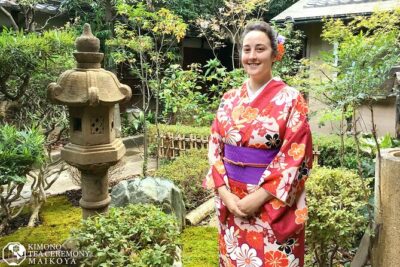
You may be able to arrange a kimono rental at an extra cost, and some sessions offer a photo opportunity afterward. A kimono can make the occasion feel more special, but it is not included in the $21 price. The basic experience remains worthwhile without one.
Group size, language, and the overall pace
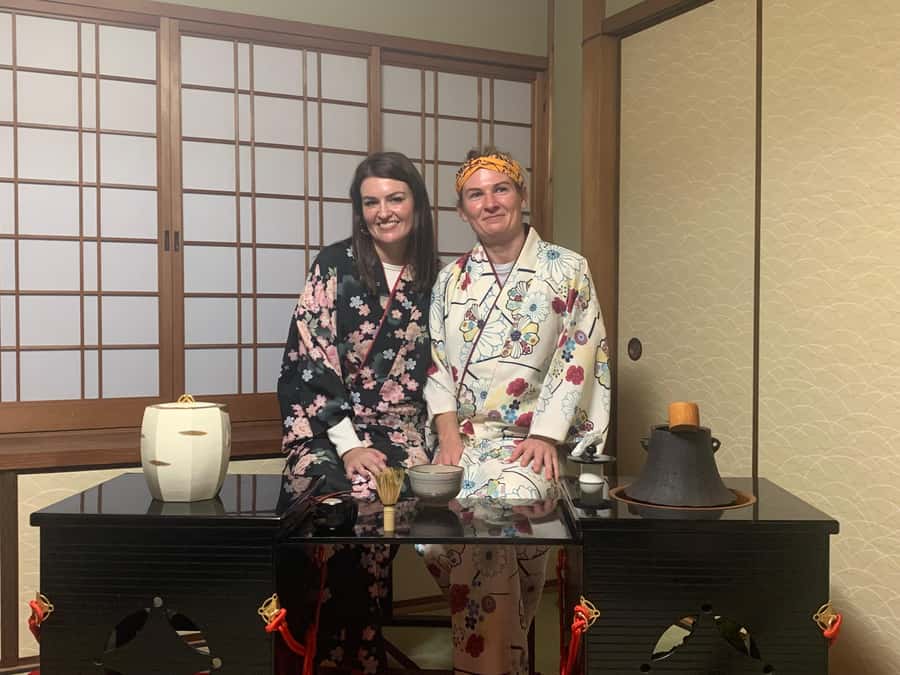
The experience lasts 50 minutes. That is long enough for a proper introduction, demonstration, hands-on preparation, sweets, and questions, but short enough to fit into a busy Kyoto day.
Small groups are a major advantage. Classes have often had four to six people, which gives you a better view of the tea master and makes it easier to ask questions. Larger parties can be accommodated, up to 20 people, so the atmosphere may depend on the size of your scheduled group.
The activity is offered in English with an English-speaking host or greeter. If you reserve at the last minute, especially the day before or the same day, the class may be conducted in English even if another arrangement was expected. The guides generally explain things clearly, though occasional translation differences are possible.
The tone is serious but friendly. You will learn formal rules, yet the assistants can keep the session light enough for beginners. That balance is important. A ceremony that is too casual loses meaning, while one that is too formal can leave you afraid to move.
How to fit it into a day around Kiyomizu Temple
Plan this as part of a walking day in eastern Kyoto. The meeting point is near Ninenzaka and Kiyomizu Temple, so you can visit the temple before or after the class. The area is popular and the approach includes narrow lanes, which makes arriving early sensible.
No transportation is included. You make your own way to the townhouse, and the venue does not accept bicycles. You should also avoid bringing a large bag, since luggage storage is not part of the experience.
Wear comfortable clothes and clean socks. Avoid strong fragrance, large accessories, and clothing that is see-through. If you have a cold, choose another day, since the activity is not suitable for people who are ill.
Children under 10 are not accepted. The quiet format and the delicate tea bowls make this a better fit for older children and adults who can listen carefully.
Who should book this tea ceremony
I would choose this for you if you want to understand Japanese culture rather than simply collect a photo. It suits anyone interested in Zen, traditional arts, design, food, or the small rules that shape Japanese hospitality.
It is especially good for:
- First-time visitors who want a clear introduction to tea ceremony
- People who need chairs rather than floor seating
- Couples or small groups looking for a quiet cultural activity
- Visitors who enjoy traditional sweets and unsweetened matcha
- Anyone curious about utensils, seasonal customs, and Japanese aesthetics
I would skip it if your main goal is a fast, casual attraction with lots of filming. The no-recording policy is firm, and the ceremony rewards attention more than spectacle.
The main practical concerns are the steep stairs, compact rooms, and possible variation in English translation. None of these ruins the experience, but you should know them before booking.
Is this Kyoto tea ceremony worth $21?
Yes, for the right person. At $21, the price is modest for a 50-minute class that includes experienced instructors, a booklet, two cups of Uji matcha, seasonal wagashi, hands-on practice, and a traditional townhouse setting.
The value comes from the teaching. You leave with more than a taste of tea. You understand why the ceremony moves slowly, how the utensils are treated, and how the sweet and tea work together. That makes the experience useful even if you never attend another tea ceremony.
Book it if you want a calm, educational stop near Kiyomizu Temple and appreciate genuine detail. Skip it if you want a theatrical show, unrestricted photos, or a roomy modern venue. Bring socks, leave the large bag at your accommodation, follow the directions closely, and allow yourself to be quiet for 50 minutes. That is when this small Kyoto experience makes the most sense.
FAQ
How long does the tea ceremony last?
The experience lasts 50 minutes.
How much does it cost?
The listed price is $21 per person.
Is transportation included?
No. You are responsible for reaching the venue near Kiyomizu Temple and Ninenzaka.
Where is the meeting point?
The venue is at the end of the alley next to the Starbucks on Ninenzaka, near Kiyomizu Temple. Written directions are recommended because the map location can be confusing.
Is the activity conducted in English?
Yes. The experience includes an English-speaking host or greeter, and explanations are given in English.
Do I have to sit on the floor?
No. The activity uses a standing-style tea ceremony with tables, chairs, and a stand, making it more suitable for people who find floor sitting difficult.
What is included?
The experience includes experienced instructors, detailed guidance, a tea ceremony booklet, two cups of matcha, and seasonal Japanese sweets.
Are socks required?
Yes. Bare feet are not allowed. You can purchase socks at the venue for 500 yen if needed.
Can I take photos or record the ceremony?
Flash photography, video recording, audio recording, and professional cameras are not allowed. Electronic devices are also restricted during the experience.
Can children attend?
Children under 10 years old are not accepted.
Is a kimono included?
No. A two-piece kimono can be rented for an additional cost.
Can I cancel my booking?
You can cancel up to 24 hours in advance for a full refund. Reserve now and pay later is also available.
Fresh tea listings around Kyoto
- Cycling Tour at Uji’s Matcha Green Tea Fields and Heritage★ 5.0 · 10 reviews
- Authentic Tea Ceremony & Sushi in The Museum of Kyoto★ 5.0 · 3 reviews
- Kyoto Hidden Riverside Zen Mediation and Uji Matcha Experience★ 5.0 · 9 reviews
- Whisk Your Own Matcha: A Zen Matcha Experience at Temple★ 3.6 · 7 reviews
- Kyoto: Nighttime Zen Meditation and Matcha Tea Experience★ 5.0 · 7 reviews
- Kyoto Fushimiinari:Wagashi Making & Small Group Tea Ceremony★ 5.0 · 14 reviews
- 2 Types of Japanese Sweets making and Tea Ceremony★ 4.6 · 17 reviews
- Matcha Grinding Experience and Walking Tour in Uji Kyoto★ 5.0 · 26 reviews
Tea Ceremony Experiences, compared.
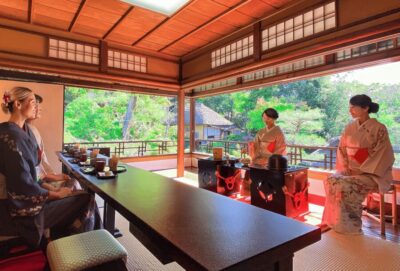
Kyoto: Tea Ceremony in a Traditional Tea House in Kiyomizu
Read our review →
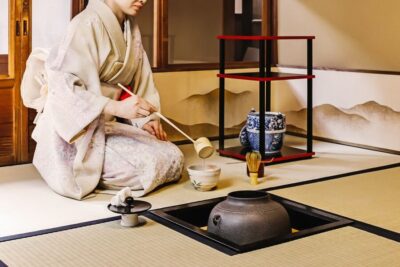
Kyoto: 45-Minute Tea Ceremony Lesson Experience
Read our review →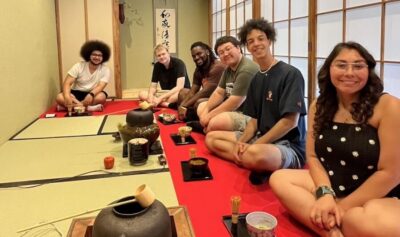
Kyoto: Table-Style Tea Ceremony at a Kyo-Machiya
Read our review →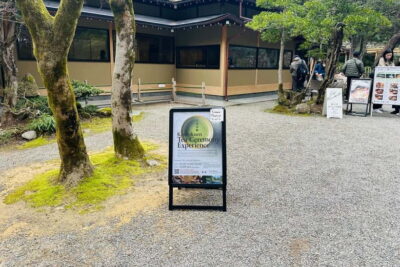
Browse the lists this tour appears in