
Review · MATCHA EXPERIENCES
Experience mindfulness and tranquility with Matcha Calligraphy
Matcha Calligraphy turns a familiar Japanese drink into a slow-changing work of art. During this 90-minute session, you create a hanging scroll with matcha, learn Kanji characters for your name, and watch the color change as the matcha ages. It is part calligraphy lesson, part quiet reflection, and part souvenir-making workshop.
I like two things right away: your name is given a personal Kanji meaning, rather than simply copied, and you leave with a piece of art made by your own hand. The small group size, limited to 10 people, should also give the lesson a calm feel instead of a rushed classroom mood.
The main drawback is the price, $192.69 per person for about an hour and a half. That is a serious cost for a short activity, so this works best if you value personal instruction and a lasting handmade keepsake more than a standard sightseeing stop.
Key points to know before booking
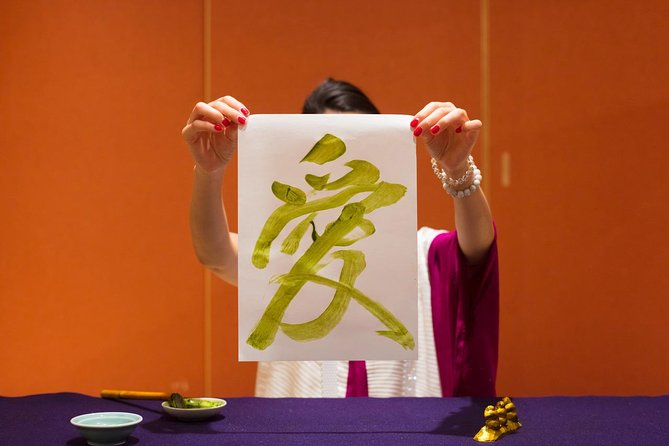
- Matcha becomes the art medium: The work changes gradually as the matcha color fades and ages, giving your scroll a natural sense of time.
- Your Kanji name is personal: You learn characters selected for their meanings and connection to your personality.
- You make a hanging scroll: This is a finished souvenir, not just a demonstration to watch.
- Shoran leads the lesson: The calligraphy master has teaching experience in the United States.
- The session is small: A maximum of 10 people helps preserve the quiet, focused mood.
- The meeting point is in Shizuoka: Start at 2-chōme-2-5 Gofukuchō, Aoi Ward, Shizuoka, and finish at the same place.
Matcha becomes a changing canvas
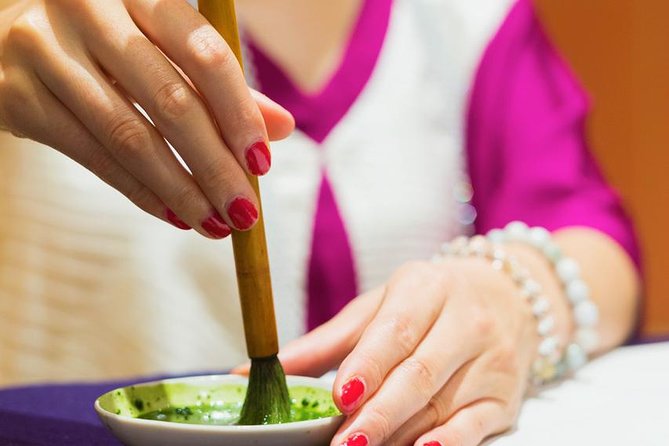
Most calligraphy workshops focus on ink, brush control, and the beauty of individual characters. This one adds an unusual element: matcha. The green powder is not treated only as something to drink. It becomes part of a work that changes with time.
The idea behind the art is central to the experience. As the matcha color gradually changes and decays, the scroll recalls the passing seasons of Japan. You are not making a perfectly fixed image that remains exactly the same forever. You are making something that records change.
That gives the activity a quiet, thoughtful quality. You can look at the work as calligraphy, but you can also see it as a reminder that natural materials age. The concept reaches beyond decoration. It connects the colors and scent of matcha with the feeling of being alive in nature.
The experience is also designed to appeal to several senses. You may notice the appearance of the matcha, its aroma, and its gradual visual change. The information provided does not promise a tea tasting, so you should book this for the art and reflection rather than expecting a traditional tea ceremony.
More Tea and Calligraphy Workshops in Japan
- Kyoto: Tea Ceremony Meditation – Make Matcha with Tea Master
★ 4.8 · 406 reviews - Osaka: Tea Ceremony, Calligraphy, and Kimono Experience
★ 4.9 · 130 reviews - Experience all of Japanese culture and Japanese food experience classes “origami, udon, Japanese food, green tea, calligraphy” in 4 hours
★ 5.0 · 105 reviews
Your 90-minute lesson with Shoran
The activity begins at 2-chōme-2-5 Gofukuchō in Aoi Ward, Shizuoka. It ends back at the same meeting point, which keeps the logistics simple. The location is described as being near public transportation, but you should still allow enough time to find the address before the scheduled start.
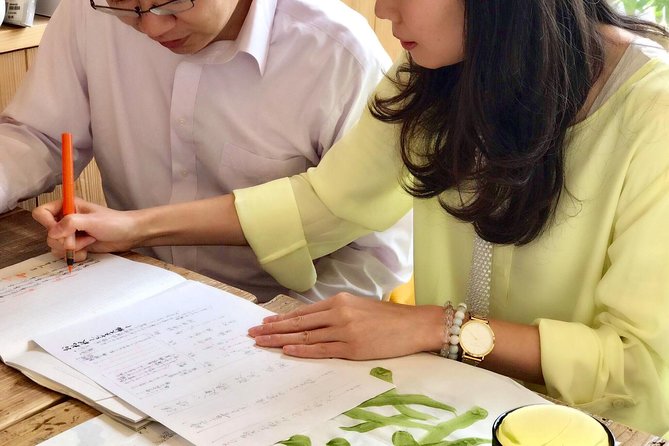
Shoran Japanese Calligraphy provides the instruction. Shoran is a calligraphy master with teaching experience in the United States, a useful point for visitors who want guidance in an accessible teaching style. The lesson is not presented as a performance where you sit and watch an expert work. You are expected to make your own piece.
The exact minute-by-minute schedule is not provided, but the session includes three clear parts. You learn about the matcha-based technique, work with Kanji characters for your name, and create a hanging scroll. Since the full activity lasts about an hour and a half, the pace should leave room for instruction and hands-on practice without becoming an all-day commitment.
I would treat the short duration as a strength if you have a packed Shizuoka schedule. You get a focused cultural activity without giving up half a day. Still, the price means you should not expect a broad workshop with several separate projects. The value comes from the personal attention and the final scroll.
Choosing Kanji for your name
One of the most appealing parts is learning to write your name with Kanji characters that suit your personality. Kanji characters carry meaning, so this is not simply a matter of matching sounds to symbols. The chosen characters give your name a distinct character and make your scroll different from everyone else’s.
That personal element helps separate this activity from a generic souvenir. A printed name card can be bought almost anywhere. A name selected for its meaning, then written into a handmade work, has a stronger connection to the time you spent in Japan.
You should pay attention during this part of the lesson. Ask about the meaning of the characters and remember what they represent. The supplied information does not specify how many character choices you receive or how the selection is made, so do not expect a fixed menu of names. The important point is that the characters are intended to suit your personality.
This also makes the session a good choice for couples, friends, and family members who want souvenirs with a personal difference. Each person can leave with a separate interpretation rather than an identical item from a shop.
Making a hanging scroll you can keep
The hands-on goal is your own hanging scroll. You create it during the lesson and take it away as a memento. The scroll format gives the finished work a clear Japanese character and makes it more than a loose sheet of practice paper.
I like the fact that the souvenir is tied directly to the experience. You are not buying an object after the activity and calling it a memory. The object is the result of the lesson itself. The reviews supplied for this experience place strong emphasis on keeping the paintings, which suggests that the finished pieces are intended to have lasting personal value.
At the same time, you should understand the limits. This is a short introductory session, not professional calligraphy training. You will receive instruction from a master, but 90 minutes is not enough to build advanced brush technique. Come ready to enjoy the process and produce something meaningful, not to leave with museum-quality work.
The changing matcha color also means the scroll may not remain exactly as it looks on the day you make it. That is part of the concept. If you want a completely permanent, uniform souvenir, this may not be the right art form. If you like objects that show the passage of time, that change is one of the strongest reasons to choose it.
More Matcha Experiences in Japan:
- World Heritage Kyoto & Nara Uji Authentic Matcha Experience
★ 5.0 · 1,573 reviews - Matcha Making Class in Tokyo with Authentic Japanese Sweets Set
★ 5.0 · 744 reviews - Kyoto: Tea Museum Tickets and Matcha Grinding Experience
★ 4.9 · 739 reviews - Matcha Making Class in Osaka with Authentic Japanese Sweets Set
★ 5.0 · 509 reviews
A quiet setting behind the busy sights
The experience is described as traditional and relaxing, with a setting just behind Sensoji temple. The meeting address provided is in Shizuoka, so you should confirm the exact location and route carefully before booking if you are planning around Sensoji or another destination. The supplied details connect the atmosphere with Sensoji, but they do not state that the meeting point is in Tokyo.
That location note matters. Shizuoka and Tokyo are separate destinations, and a casual assumption could create a major scheduling problem. Use the full address, 2-chōme-2-5 Gofukuchō, Aoi Ward, Shizuoka, 420-0031, Japan, when planning your route.
The setting should suit you if you want a break from fast sightseeing. Calligraphy rewards attention. You need to notice the brush, the color, the shape of each character, and the meaning behind the work. A quiet room makes more sense here than a crowded attraction.
The experience also has a personal story behind it. The artist connects Matcha Calligraphy with memories of a grandfather who was a master calligrapher and with a tea garden near his calligraphy room. That background helps explain why the activity focuses so much on safety, affection, nature, and silence. You are not simply being shown a craft technique. You are being introduced to an art form shaped by family memory.
How the group size affects the experience
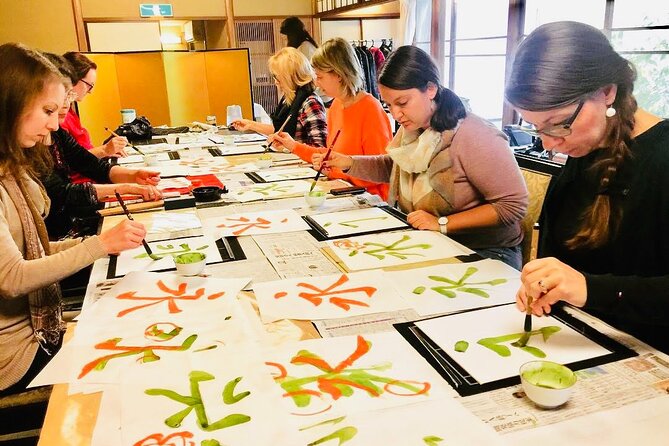
The maximum group size is 10 people. That is small enough to keep the session more personal than a large coach-group workshop, though it does not guarantee a private lesson. If all 10 places are filled, you will still be sharing the instructor’s attention.
For a brush-based activity, group size matters. You may need help with the technique, the Kanji characters, or the arrangement of your scroll. A smaller room should also make it easier to focus on the quiet side of the experience.
The available information does not say that the activity is private, nor does it list a minimum age or specific skill requirement. Most people can participate, and no previous calligraphy experience is stated as necessary. You should not need to arrive as an artist. The point is to learn and make something under instruction.
Service animals are allowed, and the activity is near public transportation. Those details help with basic planning, though no further accessibility information is provided. If you need specific seating, step-free access, or extra assistance, contact the provider before booking.
Is $192.69 a fair price?
At $192.69 per person, this is expensive for a 90-minute activity. You are paying considerably more than you would for a casual souvenir or a basic cultural demonstration.
The price makes more sense if you place value on three things: direct instruction from Shoran, the personal Kanji-name lesson, and a handmade hanging scroll that you keep. The changing matcha process also gives the artwork a character that a standard ink souvenir would not have.
I would compare it with the cost of other special cultural workshops rather than with the price of a museum ticket. This is a personal, small-group activity. It is not designed to give you the greatest number of sights for your money. It gives you time, guidance, and an object connected to your own participation.
The reviews supplied for this activity give particular weight to the quality of the art and the message behind Matcha Calligraphy. One person said they still keep the paintings, while another expressed interest in taking Shoran’s lesson again. Those details suggest the strongest value comes after the session, when the scroll remains at home as a reminder of Japan.
If you are watching every yen, the cost may be hard to justify. If you are celebrating a special trip, seeking a personal gift, or prefer a quiet cultural activity to another group tour, the price may feel worthwhile.
Who will enjoy this activity most?
I would recommend Matcha Calligraphy to you if you enjoy crafts, Japanese art, or experiences that leave you with something personal. It also suits people who prefer a calm room and a reflective activity instead of a busy schedule packed with landmarks.
It can work well for first-time visitors who want an introduction to Kanji and calligraphy without committing to a long course. The 90-minute length is manageable, and the instructor’s teaching experience in the United States may help make the lesson approachable for international participants.
This is also a good choice if you want a souvenir with a story. Your scroll records the place, the lesson, the selected Kanji, and the changing quality of the matcha. That is more personal than a mass-produced item.
You may want to skip it if you mainly want to drink matcha, watch a formal tea ceremony, or visit several sights in one session. No tea tasting is promised, and the activity stays focused on calligraphy and the matcha artwork.
Booking, weather, and timing details
You receive confirmation within 48 hours of booking, subject to availability. Since the group is limited to 10 people, it is sensible to book before your schedule fills, particularly if you have only one open time in Shizuoka.
The activity offers a mobile ticket, so you do not need to depend on a printed voucher. Bring the booking details on your phone and use the complete meeting address when making your route plan.
Free cancellation is available if you cancel at least 24 hours before the local start time. Changes or cancellations made less than 24 hours before the start are not accepted for a refund.
The activity requires good weather. If poor weather causes cancellation, you are offered another date or a full refund. The same applies if the minimum number of participants is not reached. The minimum number is not specified, so keep a little flexibility in your schedule.
Should you book Matcha Calligraphy?
Book this experience if you want a quiet, personal piece of Japanese art and are comfortable paying a premium for a short lesson. The strongest features are the meaningful Kanji name, the handmade hanging scroll, and the unusual way matcha changes as time passes.
I would not book it for a tea tasting or a broad tour of Shizuoka. I would book it for the focused act of making something with Shoran’s guidance, especially if the memory of a handmade object matters more to you than the number of sights covered.
Before paying, confirm the exact meeting location in Shizuoka and make sure the price fits your plans. If it does, this offers a thoughtful break from ordinary sightseeing and a souvenir that keeps changing after you return home.
FAQ
Where does Matcha Calligraphy take place?
The meeting point is 2-chōme-2-5 Gofukuchō, Aoi Ward, Shizuoka, 420-0031, Japan. The activity ends back at the meeting point.
How long does the experience last?
The activity lasts approximately 1 hour and 30 minutes.
What will I make?
You will make your own hanging scroll using the Matcha Calligraphy technique. The scroll is intended to be a keepsake you can take home.
Will I learn how to write my name in Kanji?
Yes. You will learn Kanji characters for your name, with meanings selected to suit your personality.
Who teaches the activity?
Shoran Japanese Calligraphy provides the experience. The calligraphy master has teaching experience in the United States.
How many people can join?
The activity has a maximum of 10 participants.
Is the experience near public transportation?
Yes. The activity is described as being near public transportation.
Are service animals allowed?
Yes. Service animals are allowed.
Can I cancel for a full refund?
Yes, if you cancel at least 24 hours before the experience start time. Cancellations made less than 24 hours before the start are not refunded. If the provider cancels because of poor weather or because the minimum number of participants is not met, you will be offered another date or a full refund.
Fresh tea listings around Japan
- Cycling Tour at Uji’s Matcha Green Tea Fields and Heritage★ 5.0 · 10 reviews
- Authentic Japanese tea tasting: sencha, matcha and gyokuro★ 5.0 · 12 reviews
- Asakusa Cultural Walk & Matcha Making Tour★ 4.5 · 7 reviews
- Authentic Tea Ceremony & Sushi in The Museum of Kyoto★ 5.0 · 3 reviews
- At an Antique Shop, Tea Ceremony and Japanese Sweets Forming★ 5.0 · 5 reviews
- Authentic Japanese Tea Ceremony Experience in Kamakura★ 4.5 · 8 reviews
- Japanese Sweets Making & Tea Ceremony in Yokohama, suburban Tokyo★ 5.0 · 4 reviews
- Matcha tasting for all five senses at Hotel Yokohama★ 5.0 · 7 reviews
Matcha Experiences, compared.
World Heritage Kyoto & Nara Uji Authentic Matcha Experience
Read our review →
Matcha Making Class in Tokyo with Authentic Japanese Sweets Set
Read our review →
Kyoto: Tea Museum Tickets and Matcha Grinding Experience
Read our review →
Matcha Making Class in Osaka with Authentic Japanese Sweets Set
Read our review →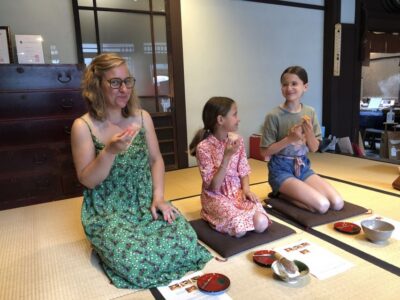
Kyoto: Tea Ceremony Meditation – Make Matcha with Tea Master
Read our review →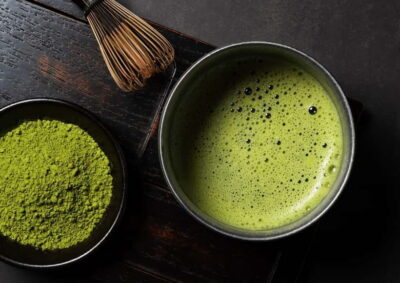
Tokyo: Matcha Making Experience with Mochi Sweets in Asakusa
Read our review →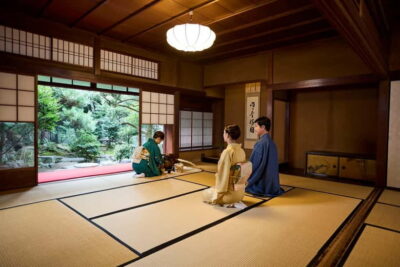
Kyoto: Kimono Tea Ceremony with Matcha and Sweet
Read our review →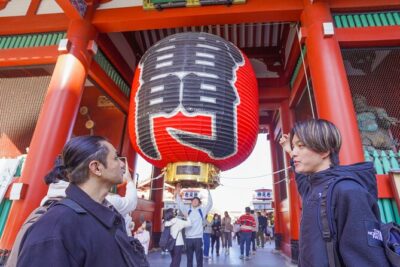
Browse the lists this tour appears in