
Review · MATCHA EXPERIENCES
No Bitter Matcha! Casual Tea Ceremony Experience with the Finest Tea Leaves
The best part of this Asakusa activity is that you do not simply drink prepared matcha. You start by grinding first-harvest tea leaves from Uji, Kyoto with a real stone mill, then taste the fresh powder with a Japanese sweet. It offers a clear answer to anyone who thinks matcha must be harsh and bitter.
I like the small time commitment, just 50 minutes, and the easy location near Sensoji Temple and Asakusa Shrine. I also like the focus on tea quality rather than ceremony costumes or formal rules. You get a hands-on activity, a sweet, and a better sense of how matcha is made.
The main consideration is the English support. Guidance is provided through menus and written explanations, so this is not the best choice if you want a long, detailed English lecture or a fully formal tea ceremony. The experience is casual and compact.
Key points at a glance
- Grind your own tea: Use a real stone mill before preparing the matcha.
- Taste rare Uji ichibancha: The tea comes from the first harvest of the year, known for a gentler flavor.
- Pair matcha with jo-namagashi: This high-quality Japanese confectionery balances the tea.
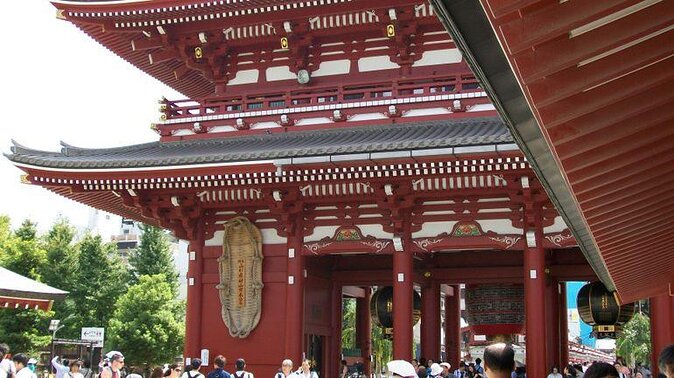
- Stay close to Asakusa sights: The shop is near Sensoji Temple and Asakusa Shrine.
- Plan for 50 minutes: It fits neatly into a morning or afternoon of sightseeing.
- Pay $23.91 per person: The fee includes tea, a sweet, utensils, and the activity guidance.
Starting with Uji tea and a stone mill
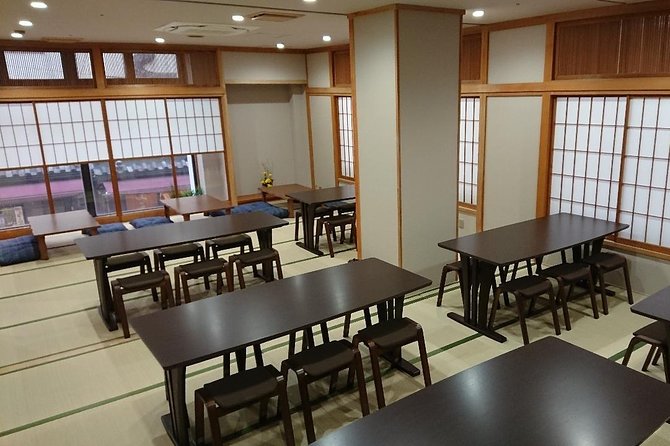
You meet at Matcha Sweets Kaminari-Issa, at 2-chome-7-3 Asakusa in Taito City. The activity ends at the same place, so you do not need to arrange a separate pickup or find your way back after the tea.
The first step is the most useful one: grinding tea leaves into powder with a genuine stone mill used at the shop. This gives you a physical connection to the drink. Matcha is not ordinary loose-leaf tea steeped in hot water. The whole leaf is ground into powder, and you consume that powder when you drink it.
That small difference explains why the making process matters. You see the leaves change form before you whisk them into tea. The stone mill also slows the start of the experience in a good way. Instead of rushing straight to a cup, you get a short lesson in what makes matcha different from sencha or other Japanese teas.
The shop uses ichibancha, the first tea harvest of the year, from Uji in Kyoto. The first harvest is limited and comes from mature tea plants. It is valued for its fresh young-leaf aroma and softer taste. You should still expect a distinct green tea character, but the point is to show that quality matcha need not have the sharp bitterness often associated with cheaper powder.
More Matcha Experiences in Tokyo
- Matcha Making Class in Tokyo with Authentic Japanese Sweets Set
★ 5.0 · 744 reviews - Tokyo: Matcha Making Experience with Mochi Sweets in Asakusa
★ 4.9 · 388 reviews - Asakusa Cultural Walk & Matcha Making Tour
★ 5.0 · 245 reviews
Why the tea tastes gentler than expected
Matcha quality varies. Lower-grade matcha can have a stronger bitter edge, especially when it is produced from less prized leaves or used mainly as an ingredient in food. This activity presents a higher grade made with first-picked leaves, so the cup should be more mellow and fragrant.
That makes the session useful for two kinds of people. If you already enjoy matcha, you can pay attention to the difference between an ordinary cup and ceremonial-grade tea. If you usually avoid matcha because you expect bitterness, this is a fairer first taste than a random matcha drink from a fast-food counter.
The two recorded experiences describe the tea as memorable and full of flavor, with one person calling the ceremonial-grade matcha unforgettable. That is enthusiastic praise, but it also points to the central purpose of the activity: the tea itself is the main event, not a long performance or a costume photo.
You should keep your expectations sensible. A smoother matcha is not a sweet drink. The tea still has a strong green flavor, caffeine, and the earthy character that makes matcha distinctive. The fresh sweet served beside it helps balance the cup, but it does not turn matcha into a dessert.
Preparing matcha with Japanese sweets
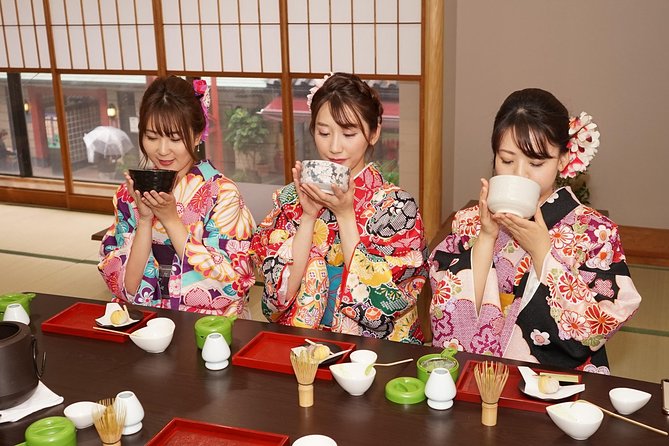
After grinding, you prepare the tea with a set of tea utensils supplied by the shop. The supplied information does not specify every step or the exact amount of hands-on whisking, so you should think of this as a guided introduction rather than a formal lesson in every school of tea ceremony.
The tea is served with jo-namagashi, a high-quality Japanese confectionery. Japanese sweets are often designed to accompany tea, not simply to provide sugar after it. The sweet gives your palate a softer note before or after the matcha, making the contrast easier to notice.
This pairing is one of the strongest reasons to choose this activity over simply ordering a matcha latte. You taste the powder in a traditional setting, with a confection made to work beside it. The combination gives you a more complete picture of matcha as part of Japanese food culture.
The activity also includes a commemorative photo. That is a small extra, but it can be worthwhile because the stone mill, utensils, and finished cup give you something more specific to remember than a standard café stop.
A casual alternative to a formal tea ceremony
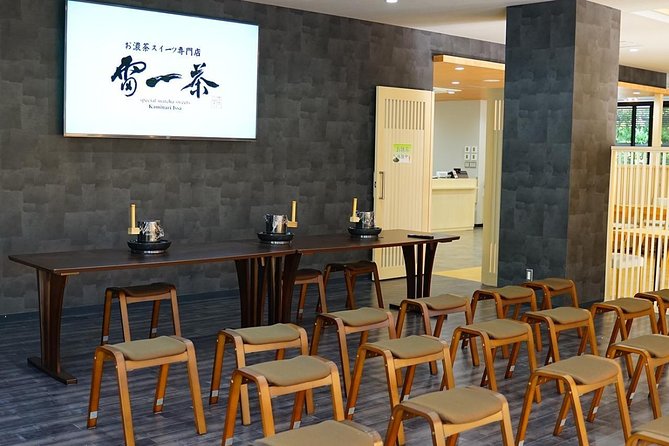
The title promises a casual tea ceremony experience, and that distinction matters. You are not signing up for a highly formal ritual with strict posture, elaborate movements, or a kimono rental. The plan does not include kimono rental, and the focus is on making and tasting the tea.
For many people, that is an advantage. You can fit the activity between visits to Asakusa’s major sights without setting aside half a day. You also do not need to know tea ceremony etiquette before arriving. The format is designed to make matcha approachable.
The instructor is described as friendly and funny, with explanations covering the path from cultivation and harvesting to production and tasting. That broad overview adds value because you are not only learning how to hold a utensil. You are learning why first-harvest leaves cost more and why the finished powder tastes different.
English support is the one area to watch. The included English guidance consists of the menu and written explanation. You should be comfortable following a short activity with written help rather than expecting continuous interpretation in English. The instructor’s approachable manner helps, but the written format remains an important part of the setup.
More Tea Ceremonies in Tokyo
- Kimono Tea Ceremony at Tokyo, Asakusa Maikoya
★ 5.0 · 638 reviews - Tokyo: Traditional Tea Ceremony with a Tea Master
★ 5.0 · 528 reviews - Tea Ceremony Workshop in Tokyo by the Experienced Instrucor
★ 5.0 · 189 reviews - Asakusa: Kimono Tea Ceremony with Matcha and Sweet
★ 4.9 · 153 reviews
Fitting the session into an Asakusa day
This experience works best as a planned break during sightseeing. The meeting point is near Sensoji Temple and Asakusa Shrine, two of Asakusa’s main stops. You can visit the area’s famous temples and then step into a quieter tea-focused activity without leaving the district.
At 50 minutes, the session is short enough to combine with shopping and sightseeing. It will not take over your day, but you should still allow time to arrive at the meeting point. The activity begins and ends at Matcha Sweets Kaminari-Issa, so the location is simple to manage.
The shop has free Wi-Fi and a Western-style toilet. Public transportation is nearby, which helps if you are using the activity as one stop in a larger Tokyo itinerary. The mobile ticket also means you can keep the booking on your phone rather than print a voucher.
The maximum group size is 40 people. That is not an intimate private lesson, and the experience may feel busier if the full capacity is reached. Still, the stone mill, utensils, and short format make it suited to a shared group activity rather than a long, quiet ceremony.
Because the average booking point is 21 days ahead, you should reserve before your Asakusa day if your schedule is fixed. This is especially sensible if you want a particular time. Confirmation is sent within 48 hours of booking, subject to availability.
Is $23.91 a fair price?
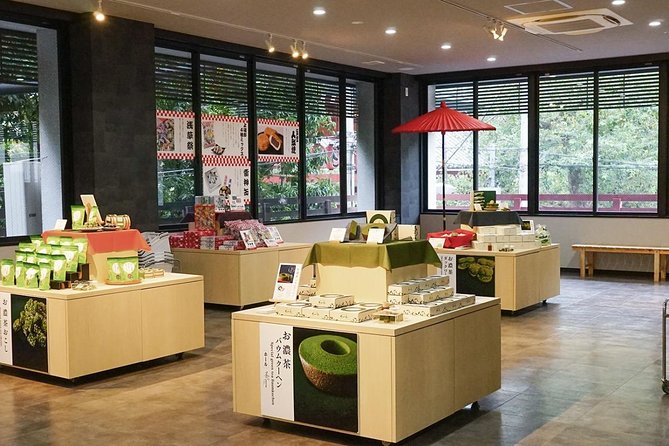
At $23.91 per person, the value depends on what you want from a tea stop. The price includes matcha, jo-namagashi, tea utensils, and the guidance for the activity. You are paying for participation and context, not just for a prepared beverage.
Compared with buying a matcha drink, the price is clearly higher. But a café cup does not usually include grinding tea leaves, learning about harvest grades, preparing the drink yourself, tasting a high-quality confection, and taking a commemorative photo.
Compared with a long, formal tea ceremony, this is a lower-cost and shorter introduction. You avoid the added expense of kimono rental, which is not included here anyway. If your interest is mainly in tasting premium matcha and learning the basics, the price is reasonable.
The value is strongest for first-time visitors and couples or families who want one shared activity in Asakusa. It is less compelling if you only want a quick drink, already know how to prepare matcha, or expect an advanced tea lesson with extensive English interpretation.
Transportation outside the activity and personal expenses are not included. You should also remember that the booking is non-refundable and cannot be changed after purchase. Check your Tokyo schedule before paying, since a missed appointment would mean losing the full amount.
Who will enjoy this matcha experience?
I would choose this for you if you want to understand why matcha has such a strong place in Japanese food culture. The stone mill gives you a memorable starting point, and the first-harvest Uji tea gives the tasting a clear focus.
It also suits people who have tried matcha and found it too bitter. The activity does not promise that every person will suddenly love green tea, but it offers a higher-quality sample and explains why different grades taste different.
Families and mixed-age groups may appreciate the short length and hands-on format. Children may find the stone mill interesting, although the supplied details do not specify a minimum age or special child pricing. You should check those points before booking if they matter to your group.
Tea enthusiasts will enjoy the chance to compare what they already know with ceremonial-grade matcha. The session may feel basic to someone seeking a specialist workshop, but its strength is that it explains the essentials without demanding prior knowledge.
This is also a good rainy-day plan in Asakusa. The activity takes place indoors, includes Wi-Fi and a toilet, and can fill a useful hour between temple visits and shopping. The location makes it easy to combine with other nearby stops.
What to know before you book
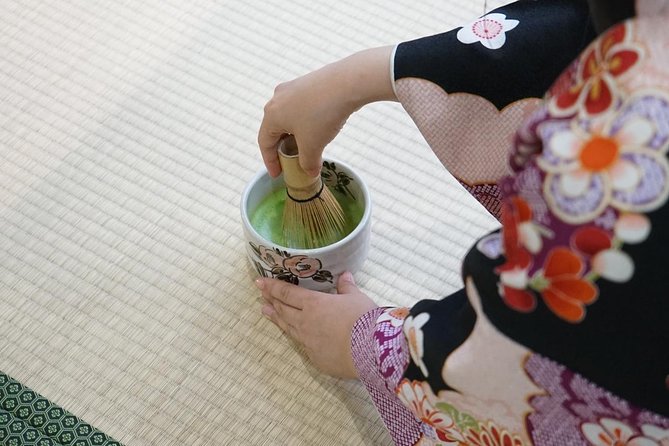
Arrive at the named meeting point, Matcha Sweets Kaminari-Issa, rather than heading directly to Sensoji Temple and assuming the activity begins there. The tour ends back at the shop, so your onward plans can start from the same Asakusa area.
Wear whatever is comfortable for sightseeing. A kimono is not part of the plan, and renting one is an extra expense if you decide to add it separately.
Bring your phone for the mobile ticket and for the commemorative photo. Since the English guidance is provided through menus and written explanations, reading the information carefully will help you get more from the short session.
Most important, leave room in your schedule for the tea to be prepared rather than treating this as a quick drink purchase. The stone-milling stage is part of what you are paying for. The experience works best when you give that process your attention.
Should you book it?
Book this matcha experience if you want a short, reasonably priced Asakusa activity with real participation, premium Uji tea, and a traditional sweet. The first-harvest leaves and stone mill give it more substance than a simple café tasting, while the 50-minute length keeps it easy to fit into a Tokyo day.
Skip it if you need extensive spoken English guidance, a private lesson, or a formal tea ceremony with kimono and strict etiquette. For everyone else, especially first-time matcha drinkers, this is a practical way to test the tea at its best and leave with a clearer idea of why grade and harvest matter.
FAQ
Where does the matcha experience take place?
It takes place at Matcha Sweets Kaminari-Issa, 2-chome-7-3 Asakusa, Taito City, Tokyo 111-0032, Japan. The activity ends at the same meeting point.
How long does the activity last?
The experience lasts approximately 50 minutes.
What kind of tea is used?
The activity uses ichibancha, the first harvest of the year, from Uji in Kyoto. It is presented as a high-quality matcha with a mellow flavor and less bitterness.
What is included in the price?
The price includes matcha, jo-namagashi Japanese confectionery, a set of tea utensils, and guidance for the activity. Transportation outside the activity and personal expenses are not included.
Is English guidance available?
English menus and written explanations are provided. The available information does not specify continuous spoken English interpretation.
Is kimono rental included?
No. Kimono rental is not included in the plan.
Can I cancel or change my booking?
No. The experience is non-refundable and cannot be changed for any reason after booking.
Fresh tea listings around Tokyo
- Yokohama : Tea Ceremony with Sweets and Souvenir★ 5.0 · 5 reviews
- Walking Tour: Yanaka,Nezu& Sendagi: Tea Ceremony & Old Tokyo★ 5.0 · 3 reviews
- Private Mochi・Matcha sweets Making Class Near Shibuya Area★ 5.0 · 22 reviews
- Private Kimono and tea ceremony at local home near Tokyo Disney★ 5.0 · 6 reviews
- 2 Hours Mochi &Nerikiri Making & Matcha Class in Bunkyo★ 5.0 · 21 reviews
- Tokyo: Tea Ceremony & Japanese Sweets Making★ 5.0 · 10 reviews
- Tokyo Sweets Tour: Hidden Gems & Matcha at an Old Tea House★ 5.0 · 6 reviews
- Kimono and Tea Ceremony in Asakusa Private Food Tour With Guide★ 5.0 · 4 reviews
Matcha Experiences, compared.
World Heritage Kyoto & Nara Uji Authentic Matcha Experience
Read our review →
Matcha Making Class in Tokyo with Authentic Japanese Sweets Set
Read our review →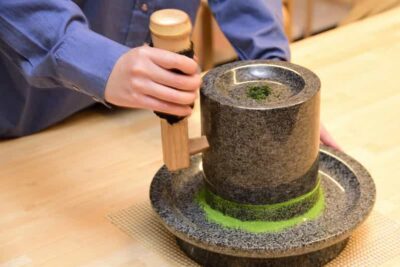
Kyoto: Tea Museum Tickets and Matcha Grinding Experience
Read our review →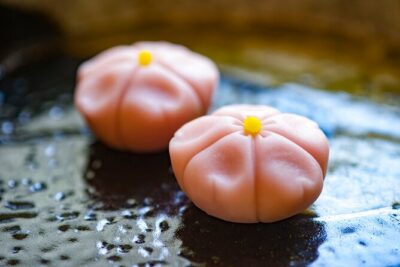
Matcha Making Class in Osaka with Authentic Japanese Sweets Set
Read our review →
Kyoto: Tea Ceremony Meditation – Make Matcha with Tea Master
Read our review →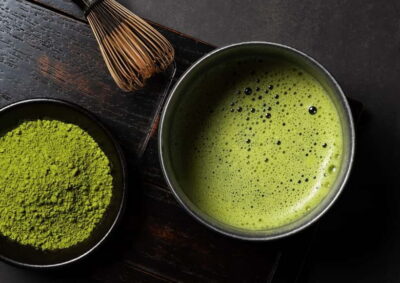
Tokyo: Matcha Making Experience with Mochi Sweets in Asakusa
Read our review →
Kyoto: Kimono Tea Ceremony with Matcha and Sweet
Read our review →
Browse the lists this tour appears in