
Review · KIMONO & TEA CEREMONY
Tokyo: Asakusa Kimono Dressing and Matcha Experience
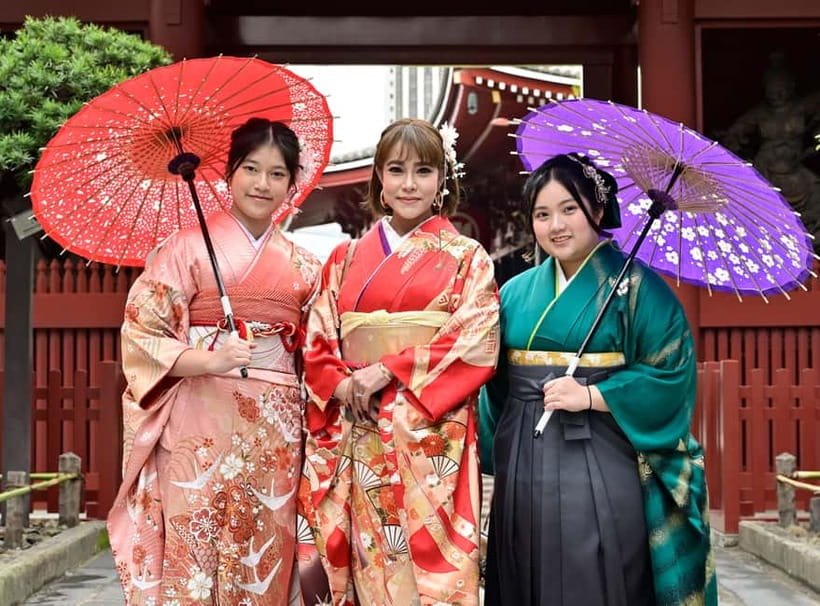
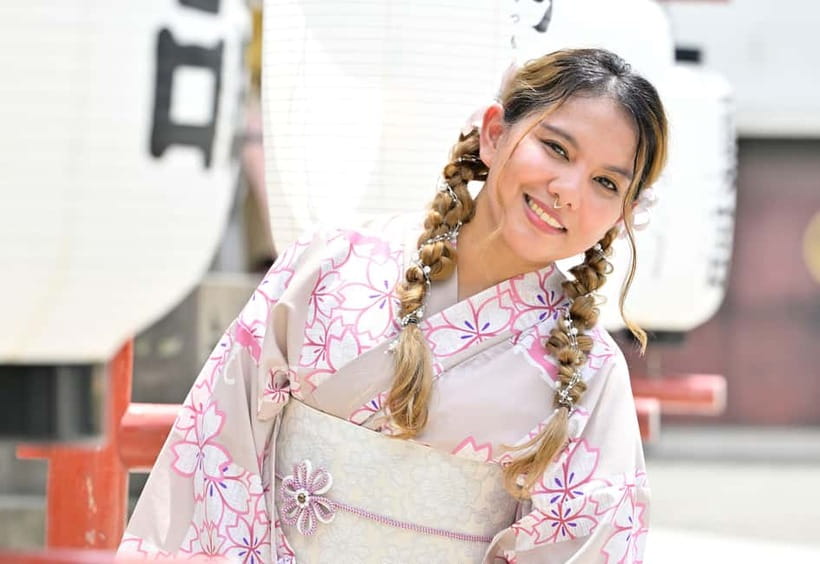
Asakusa is one of the best places in Tokyo to wear a kimono. The shop sits just four minutes from Asakusa Station and two minutes from Kaminarimon Gate, so you can move from dressing room to Sensoji’s old streets without losing time. The outfit includes shoes, a handbag, hairstyling, and accessories, not just the robe itself.
I like the large choice of kimonos and summer yukatas, including options for children, men, plus-size customers, and different occasions. I also like the personal care from Tsuyoshi, his wife, and the staff, who take time with hair, fittings, photographs, and the short matcha lesson.
The main drawback is time and comfort. Dressing and hair can take 45 to 70 minutes, and a kimono has several snug layers. In hot weather, you may feel warm, and walking in wooden geta takes a little care. Pregnant women cannot take part.
Key points at a glance
- Walk through Asakusa in your chosen kimono: Keep the outfit until 5:30 pm and explore Sensoji and nearby streets at your own pace.
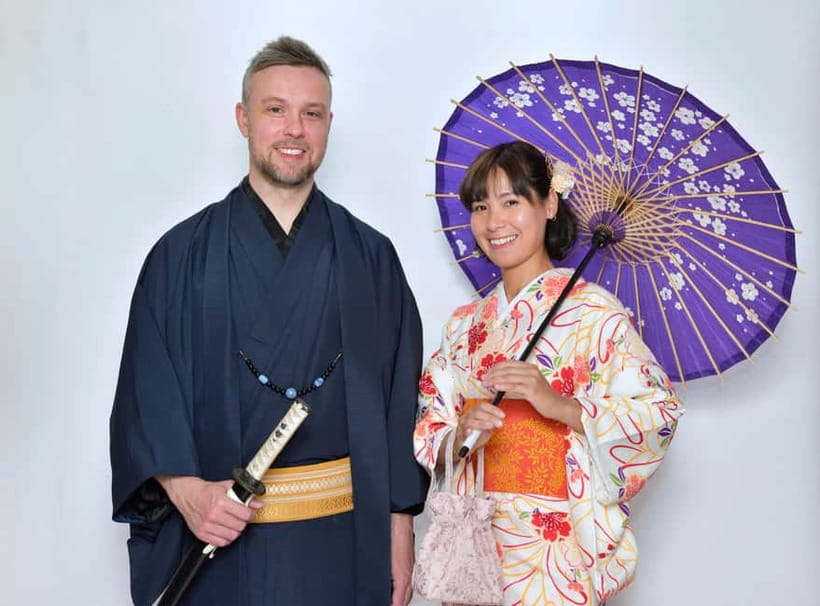
- Pick from more than one level of dress: Light street kimonos and yukatas are included, while lace, silk, haori hakama, and furisode cost extra.
- Hair and accessories are part of the standard package: You receive a suitable hairstyle, hair ornaments, geta, and a traditional handbag.
- Learn matcha etiquette in about 15 minutes: The shop owner explains the proper way to drink matcha and serves tea with sweets.
- Add a 60-minute photo session: A professional photographer can lead you to attractive spots near Sensoji Temple and the Sumida River.
- Expect a warm, small-shop welcome: English support is available, and private or small-group bookings can be arranged.
Why Asakusa is the right place for a kimono
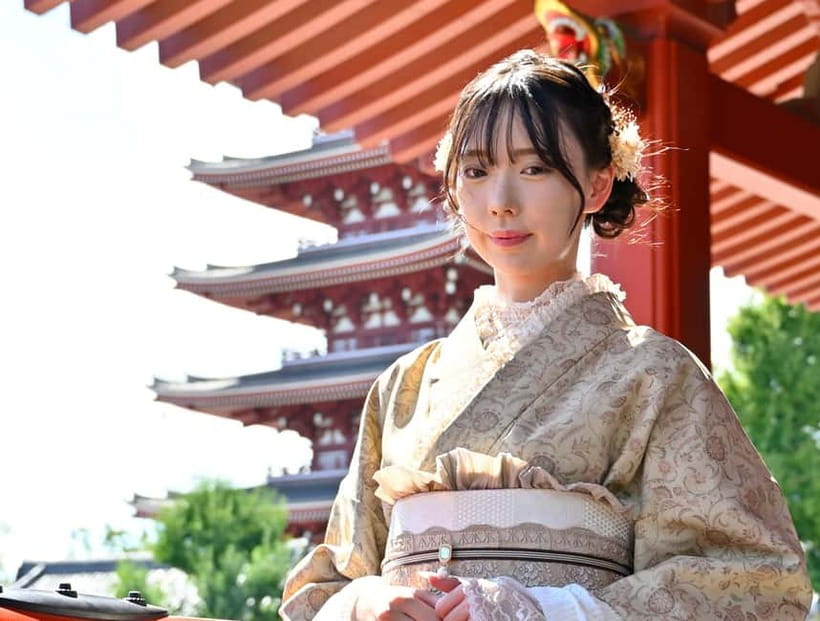
Tokyo offers plenty of modern streets, tall buildings, and polished shopping districts. Asakusa gives you a different setting. The Kaminarimon Gate, Sensoji Temple, narrow lanes, traditional shops, and views toward the Sumida River provide a more fitting backdrop for Japanese dress.
You are not confined to a studio. After your fitting and matcha lesson, you can spend the rest of the day walking around the district until 5:30 pm. That changes the activity from a quick costume photograph into a half-day outing, especially if you plan to visit Sensoji, browse the streets near Nakamise, or stop for food nearby.
The shop’s location matters. It is close enough to Asakusa Station and Kaminarimon Gate that you can find your way in without a long transfer or complicated walk. The meeting point is on the second floor, reached by elevator, which helps if you have limited mobility or a stroller.
More Kimono and Tea Ceremonies in Tokyo
- Kimono Tea Ceremony at Tokyo, Asakusa Maikoya
★ 5.0 · 638 reviews - Tokyo: Matcha and Kimono Experience
★ 4.7 · 219 reviews - Asakusa: Kimono Tea Ceremony with Matcha and Sweet
★ 4.9 · 153 reviews
Choosing between a kimono and a yukata
The staff will show you a wide range of styles. A yukata is a lighter summer garment and generally makes sense in warm weather. A standard street kimono gives you a more formal look, while traditional silk pieces are intended for official occasions and cost extra.
The included selection is aimed at walking around town, taking pictures, and enjoying the district. You can ask the staff for help matching the color, pattern, handbag, and hair ornaments. That advice is useful if you are unsure how formal you want to look or how to coordinate several pieces.
Some options have an additional charge. Lace kimono, silk kimono, haori hakama, and furisode are not part of the basic $56 package. Ask about the price before choosing one of these styles. The same applies to next-day return service and large luggage storage.
The range also appears practical for families and different body sizes. One customer specifically praised the choice available to plus-size customers. Families with young children can take part, and the staff have shown patience with very young children during the fitting process.
What the 45 to 70-minute dressing process feels like
Allow more time than the headline two-hour duration might suggest. The dressing and hairstyling portion alone usually takes 45 to 70 minutes, followed by about 15 minutes for the matcha experience. The rest of your time in the outfit depends on your booking and the shop’s schedule, but the kimono can be kept for exploring Asakusa until 5:30 pm.
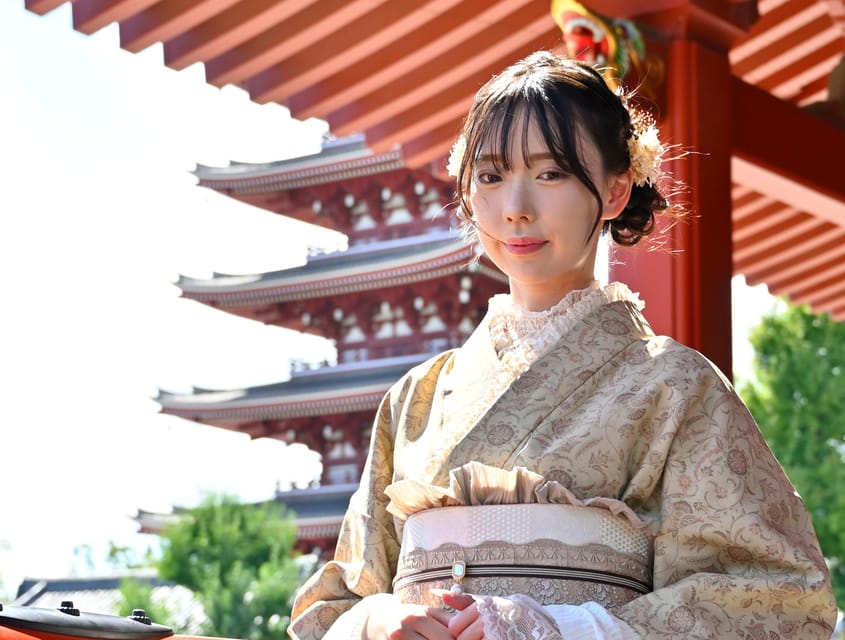
The staff first help you choose your outfit. Then they arrange the layers, secure the garment, and complete the look with geta and a small traditional handbag. The clothing is fitted carefully, which is important because a loose or badly arranged kimono would make walking and photographs less comfortable.
Hair styling is included, but makeup is not. You should arrive with your makeup finished if that part of your look matters to you. Hair accessories are included, and the staff can adjust the style to suit the outfit.
A useful point for customers with curly or Afro-textured hair is that the staff have made a serious effort to work respectfully with hair types that may be less familiar in Japan. That does not guarantee a particular style, but it is a good reason to discuss your preferences clearly before the appointment.
Men and children are catered for as well. The selection includes options for men, and one account describes a samurai outfit. If you are booking for several people, allow extra time for everyone to choose and dress, even though the listed activity duration is two hours.
The matcha lesson is short, useful, and not a full tea ceremony
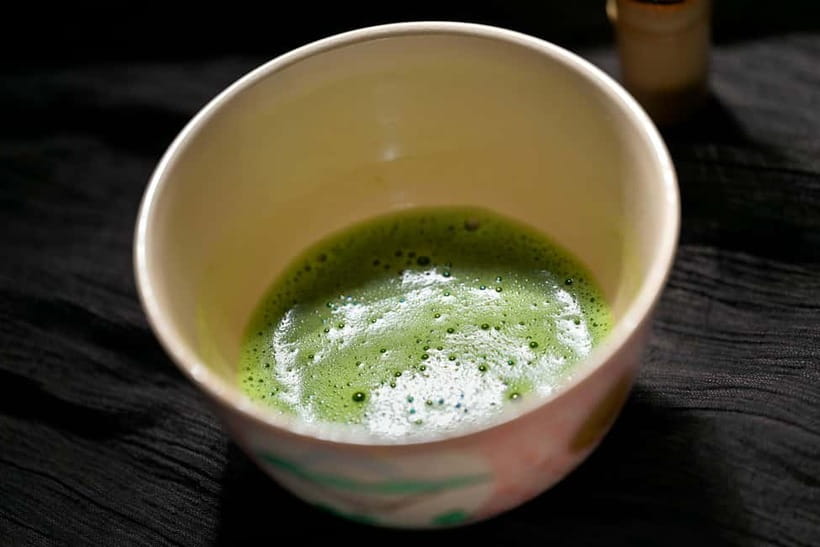
The matcha portion lasts about 15 minutes. The shop owner practices tea ceremony and explains how to drink matcha according to Japanese custom. You also receive sweets with the tea.
This is best understood as an introduction to matcha etiquette, not a full tea ceremony. A formal tea ceremony is specifically excluded from the package. The lesson gives you enough context to understand the gestures and manners, without turning the experience into a long, highly formal performance.
That short format works well after the fitting. You learn why the tea is handled in a particular way, try it yourself, and then continue with your day. Several customers found the explanation of matcha’s history and customs one of the most interesting parts of the visit.
The tea itself can be an acquired taste. Matcha is finely powdered green tea, with a strong, grassy flavor and a different texture from ordinary brewed tea. The accompanying sweets help balance it. If you have never tried matcha, this is a pleasant way to sample it before deciding how much you like it.
English support is available. Tsuyoshi has been specifically praised for his English conversation, and the staff work hard to communicate during the fitting even when language is limited. The tone is informal and welcoming rather than stiff, which helps if you are nervous about getting dressed in an unfamiliar outfit.
More Matcha Experiences in Tokyo
- Matcha Making Class in Tokyo with Authentic Japanese Sweets Set
★ 5.0 · 744 reviews - Tokyo: Matcha Making Experience with Mochi Sweets in Asakusa
★ 4.9 · 388 reviews - Asakusa Cultural Walk & Matcha Making Tour
★ 5.0 · 245 reviews - Make Traditional Nerikiri Sweets & Matcha experience in Shibuya
★ 5.0 · 130 reviews
Walking from Kaminarimon Gate to Sensoji
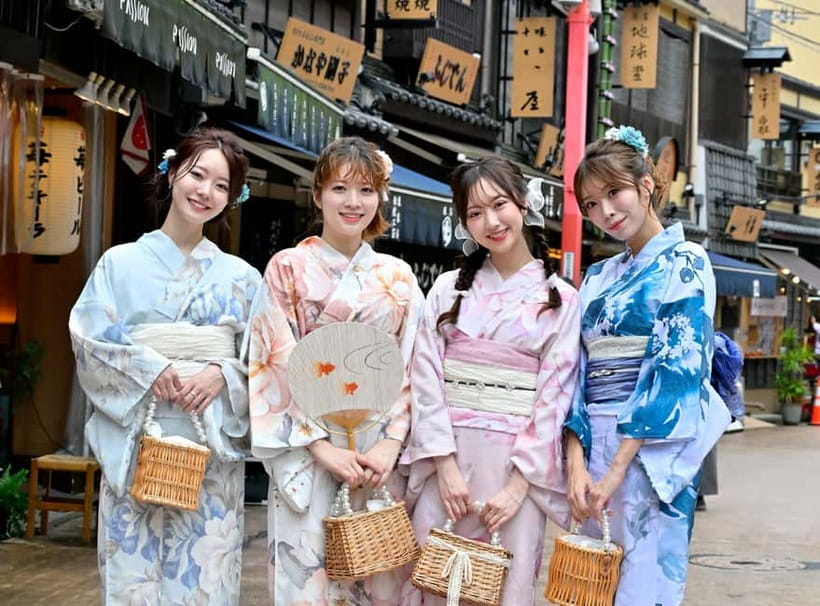
Once you are dressed, you are free to walk around Asakusa. The area around Kaminarimon Gate and Sensoji is the obvious route, but you can also head toward the Sumida River for different views and photographs.
The district gives you several kinds of setting in a small area. Sensoji provides the major temple backdrop, the side streets offer quieter angles, and the river area adds open views. You will also be walking through ordinary public streets, so the experience feels less staged than a studio-only session.
There are a few practical limits. A kimono restricts your stride, and geta can be slippery or awkward until your feet adjust. Walk slowly, especially on uneven paving and crowded approaches to the temple. In summer, the layers can be hot. One customer specifically noted the warmth under the clothing.
Plan your route before leaving the shop. You may want to see Sensoji first while your hair and clothing are fresh, then continue to the river. Bring only what you need, since large luggage storage costs extra. A small bag is already supplied as part of the outfit.
You can also use your phone for pictures. Staff have sometimes helped take photographs before customers set out, but that is different from the professional photo add-on. If getting polished images is important, book the dedicated session rather than relying only on casual phone pictures.
The optional 60-minute photo session
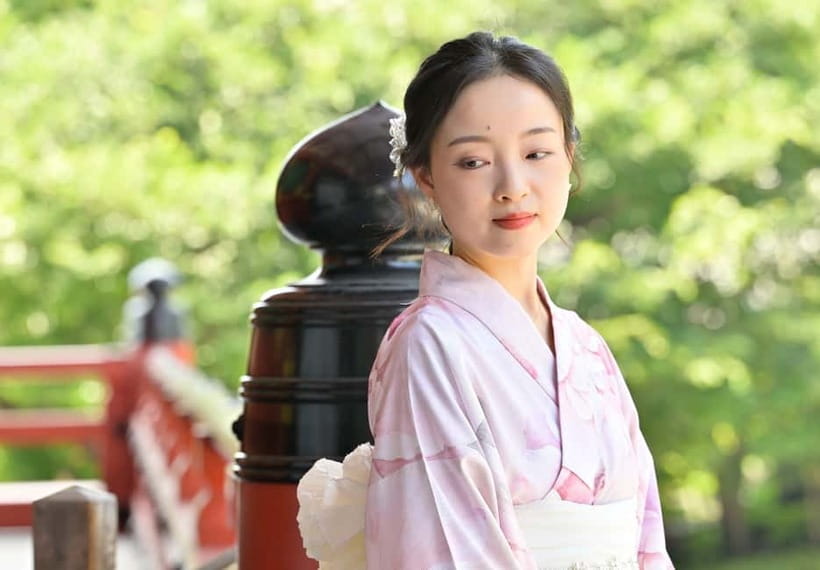
The professional photo session lasts 60 minutes. A photographer accompanies you around Sensoji Temple and the Sumida River, pointing out photogenic places and helping with poses.
That guidance is useful if you are traveling alone or feel awkward in front of a camera. One customer who had never planned to pose in a kimono decided to do the session after the fitting and found that the photographer helped her feel comfortable. You do not need to invent poses or know how to stand in the clothing.
The photo session is an add-on, so check the total price when booking. The edited photo data is sent for download within a week. That delay matters if you are leaving Japan immediately after the activity, though you can still take your own pictures on the day.
I see the photo option as good value for solo visitors, couples, families, and anyone marking a special occasion. Without it, you still get the experience of walking around Asakusa dressed traditionally. With it, you receive more controlled images and help finding suitable backgrounds.
The photographer may also be able to work around weather and crowds, but the supplied details do not promise a specific number of final photographs or a rain plan. If conditions look uncertain, bring a compact umbrella or ask the shop what can be arranged. Staff have lent umbrellas in at least one rainy situation, but that should not be treated as a guaranteed inclusion.
Is $56 a fair price?
At $56 per person, the basic package includes more than a simple kimono rental. You receive the kimono or yukata, dressing assistance, hairstyling, hair accessories, geta, a handbag, matcha, and sweets. You can then wear the outfit around Asakusa until the 5:30 pm return deadline.
That makes the price reasonable for someone who wants a full cultural activity rather than a quick change of clothes. Dressing alone can take close to an hour, and the staff’s help is important because putting on a kimono correctly is not a do-it-yourself task for most visitors.
The value is strongest if you use the walking time. Visit Sensoji, take photographs, and enjoy the setting instead of returning immediately after the tea lesson. The price is less attractive if you only want a five-minute studio picture or if you are uncomfortable spending several hours in restrictive clothing.
Budget extra for premium garments, large luggage storage, next-day return, and the professional photo session. Makeup is not included. Those additions can change the final cost, so decide in advance which parts matter most to you.
Free cancellation is available up to 24 hours before the activity for a full refund, and you can reserve now and pay later. That is useful when your Tokyo schedule may change, but you still need to return the outfit by 5:30 pm on the day.
Who will enjoy this most?
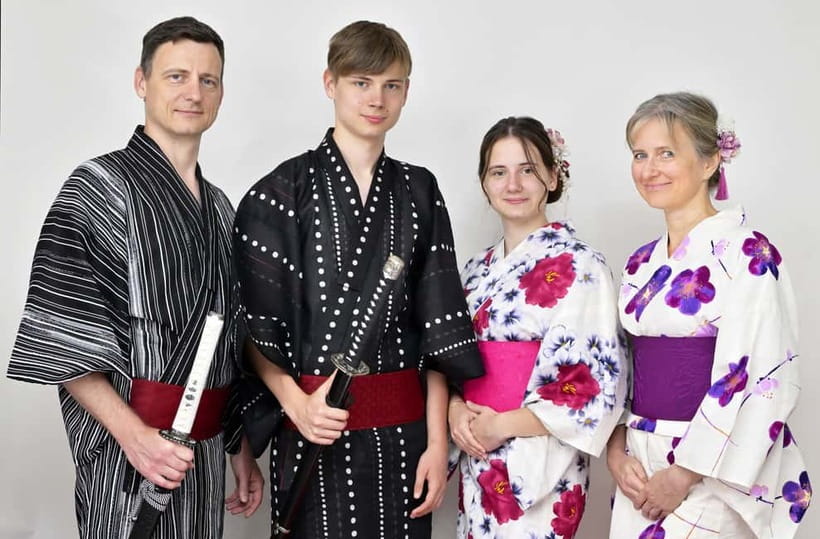
I would recommend it to first-time visitors who want a clear introduction to kimono culture without committing to a long formal ceremony. It also works well for couples, families, solo visitors, and small groups who want photographs in a famous Tokyo setting.
Children are welcome, and the activity is wheelchair accessible. The elevator access to the second floor is helpful. The experience is not suitable for pregnant women, and anyone with mobility concerns should remember that geta and several layers of clothing may still make walking harder after the fitting.
The staff’s patient manner is a major part of the appeal. They have been praised for helping young children, styling different hair textures, accommodating plus-size customers, and making first-time wearers feel at ease. The English support is another advantage if you want explanations rather than a silent rental transaction.
You may want to skip it if you dislike being photographed, have a tight morning schedule, or plan to spend the day doing strenuous walking. A kimono looks lovely, but it is not the most practical outfit for rushing between distant Tokyo sights.
Practical details before you book
The shop is called Kimono Rental Shop YUI. It is a four-minute walk from Asakusa Station and two minutes from Kaminarimon Gate. Take the elevator to the second floor at the meeting point.
The operating hours are 9:30 am to 5:30 pm. Return the kimono no later than 5:30 pm. Dressing and hair usually require 45 to 70 minutes, and the matcha lesson takes about 15 minutes.
The standard package includes adult and children’s kimono or yukata rental, hairstyle, hair accessories, geta, a handbag, matcha, and sweets. Makeup, a formal tea ceremony, a tour guide, and large luggage storage are not included.
Private and small-group options are available. English is the listed language, and the experience is wheelchair accessible. Ask about premium garments, luggage storage, and next-day return before confirming any extras.
Should you book it?
Book this experience if you want to do more than look at Tokyo’s traditional culture from the outside. You choose the clothing, learn a little about matcha etiquette, and then walk through Asakusa in the outfit while Sensoji and the Sumida River provide the setting.
The strongest reasons to book are the patient staff, broad clothing choice, included hairstyling, and the freedom to explore after dressing. Add the photo session if you want professional images or need help posing. Skip premium clothing unless the specific style matters to you, and remember that summer heat and geta can test your patience.
For $56, it is a well-rounded Asakusa activity, especially for a first visit or a special day with family or friends.
FAQ
How long does the activity take?
The listed activity duration is two hours, but dressing and hairstyling usually take 45 to 70 minutes, followed by about 15 minutes for the matcha experience. You may keep the kimono and explore Asakusa until 5:30 pm, when it must be returned.
What is included in the $56 price?
The price includes a kimono or yukata for adults and children, hairstyling, hair accessories, geta, a traditional handbag, matcha, and sweets.
Is a formal tea ceremony included?
No. The activity includes a short matcha lesson covering the traditional way to drink the tea. A full tea ceremony is not included.
Can I have professional photographs taken?
Yes. A 60-minute professional photo session is available as an add-on. The photographer can take you to photo spots near Sensoji Temple and the Sumida River, and edited photo data is sent for download within a week.
Can I wear the kimono outside the shop?
Yes. After dressing and the matcha lesson, you can explore Asakusa at your own pace and return the kimono by 5:30 pm.
Is the activity suitable for children and wheelchair users?
Yes. The activity is suitable for children and wheelchair users, and the meeting point can be reached by elevator. Pregnant women should not take part.
Fresh tea listings around Tokyo
- Authentic Japanese tea tasting: sencha, matcha and gyokuro★ 5.0 · 12 reviews
- At an Antique Shop, Tea Ceremony and Japanese Sweets Forming★ 5.0 · 5 reviews
- Mochi Matcha Gluten Free Japanese Sweets Class near Shibuya area★ 5.0 · 26 reviews
- Tokyo: Two Types of Japanese Sweets Making and Tea Ceremony★ 4.6 · 26 reviews
- Japanese Matcha Tea Ceremony and Kimono Experience in Hanayaka★ 5.0 · 26 reviews
- Matcha Experience with of Japanese Tea Tasting in Tokyo★ 5.0 · 31 reviews
- Tokyo:Genuine Tea Ceremony, Kimono Dressing, and Photography★ 5.0 · 33 reviews
- EDOCCO Tea House–A Quick Dive into Japanese Traditional Culture★ 5.0 · 34 reviews
Kimono & Tea Ceremony, compared.
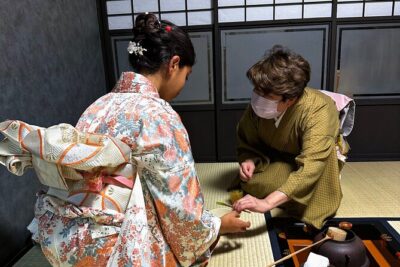
KYOTO Tea Ceremony with kimono near by Imamiya Jinjya Shrine
Read our review →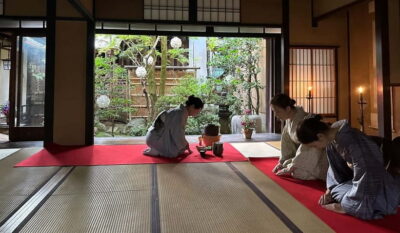
Kyoto: Kimono and Tea Ceremony Experience at Cultural Asset
Read our review →
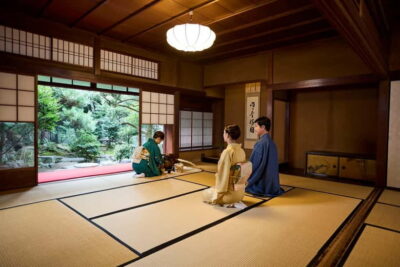
Kyoto: Kimono Tea Ceremony with Matcha and Sweet
Read our review →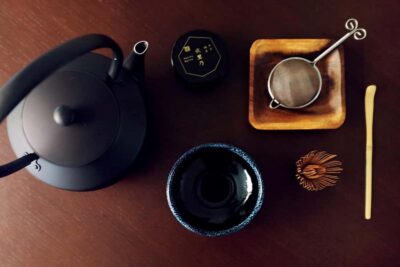
Browse the lists this tour appears in