Review · TEA CEREMONY EXPERIENCES
Beijing:Learn Calligraphy & Enjoy Kung Fu Tea Ceremony
Beijing’s best cultural lessons are often the small ones, and this two-hour class keeps the focus on doing, not just watching. You choose between Kung Fu tea and Chinese calligraphy, then work with an English-speaking teacher in a traditional cultural space filled with tea ware, brushes, and other hands-on tools.
I like the clear English instruction, which lets you ask about details without waiting for a translator. I also like the useful souvenirs: tea gives you a better sense of daily Chinese customs, while calligraphy lets you take home a piece you made yourself. The main thing to consider is that you must choose one option when booking, since this short class does not provide time for a full tea lesson and a full calligraphy lesson.
Key points at a glance
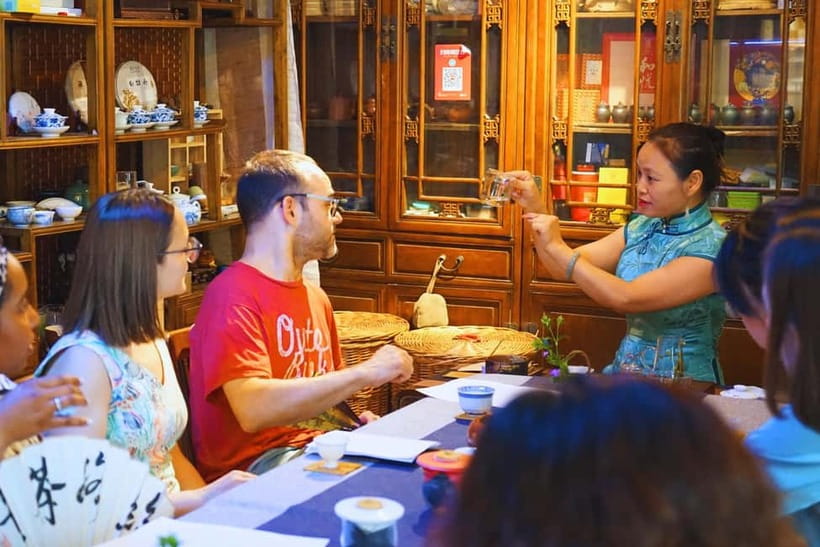
- Taste six major tea types: Learn how Chinese tea is classified, stored, bought, brewed, and enjoyed.
- Handle traditional tea ware: See how simple gaiwans differ from more intricate Yixing teapots.
- Create your own calligraphy scroll: Practice brush, ink, paper, and inkstone before making a piece to take home.
- Learn in English: Certified or professional English-speaking teachers lead both options.
- Tea and snacks are included: The class adds a relaxed food element without turning into a meal.
- Plan your own way there: Transportation and hotel transfers are not included, and the meeting point depends on your chosen option.
Two Beijing traditions, one practical choice
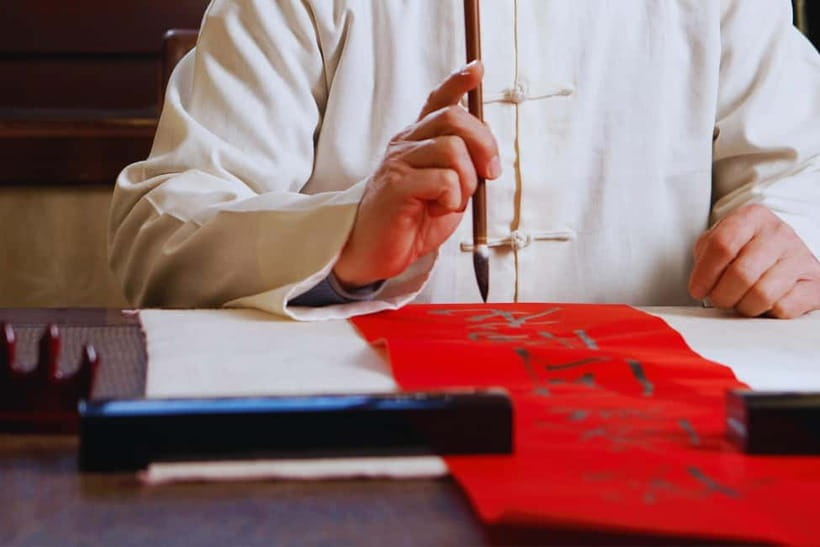
This experience gives you two different ways to spend the same two hours. The tea option is about taste, etiquette, equipment, and the social role of tea. The calligraphy option is quieter and more tactile, with your attention on brush control, Chinese characters, and the look of ink on paper.
I would choose tea if you are curious about everyday Chinese customs and want to sample several kinds of tea. I would choose calligraphy if you prefer making something with your hands and want a physical memento that connects directly to your time in Beijing.
Both classes are designed for beginners. You do not need to read Chinese, know tea terminology, or have used a calligraphy brush before. The instructors explain the basics in English and guide you through the process rather than expecting prior skill.
The setting matters here. You are not simply handed a cup of tea in a modern café, or shown a brush from a distance. The tea class takes place in a traditional tea space, while the calligraphy class uses the classic four tools of brush, ink, paper, and inkstone. That setting gives the lesson a stronger sense of place.
More Chinese Tea Ceremonies in China
- One-Day Hangzhou Dragon Well Tea Culture & West Lake Private Tour
★ 5.0 · 98 reviews - Traditional Chinese Tea Ceremony Experience
★ 4.7 · 74 reviews - Authentic Hangzhou Longjing Tea Culture Experience Tour
★ 5.0 · 32 reviews
Option one: learning Kung Fu tea one step at a time
The Kung Fu tea class begins with the tea itself. You learn about the six major types of Chinese tea, along with the ways tea is classified and stored. That is useful because Chinese tea culture can seem confusing at first. The names, colors, preparation methods, and prices vary widely, and a short introduction helps you understand what is in your cup.
You also taste several interesting teas during the lesson. This is one of the better features of the experience, since tasting gives you a direct way to compare flavor and preparation. You are not just memorizing facts. You can notice how different leaves, water, timing, and equipment affect the finished drink.
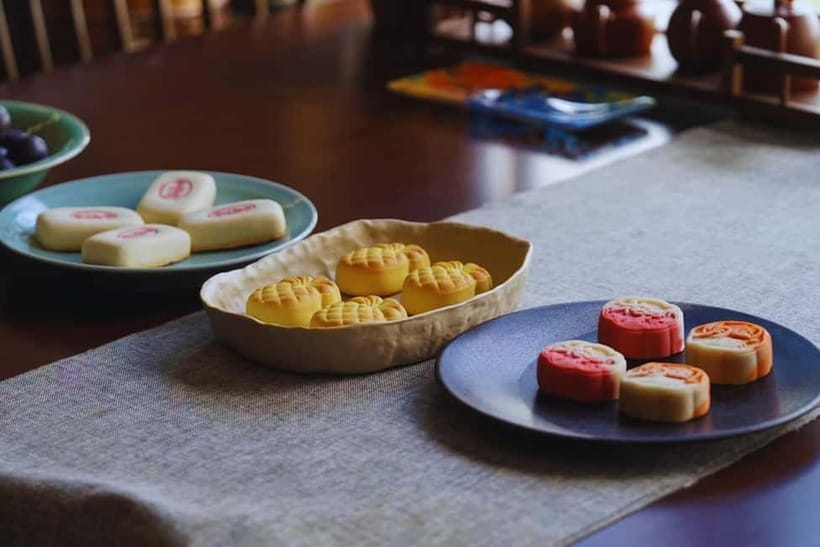
The teacher explains how tea is brewed using traditional methods. You learn about brewing techniques and the role of temperature, timing, and serving ware. The class is not presented as a formal meal, so do not expect a large spread. Tea and local snacks are provided, giving you something light to enjoy as you work through the lesson.
The tea tools are part of the appeal. You are introduced to the gaiwan, a lidded bowl used for brewing and drinking tea, as well as Yixing teapots, which have a more specialized place in Chinese tea practice. The contrast between a simple gaiwan and an ornate clay pot helps you see that tea equipment is not merely decorative.
The lesson also covers tea storage, purchasing, and appreciation across Chinese society. This broadens the class beyond a demonstration. You gain a better idea of how people select and care for tea, and why the same drink can be treated as a daily habit, a social ritual, or a valued gift.
Charlotte is one of the named teachers connected with the experience. She welcomes participants in a room filled with teapots, cups, and tea, then answers questions as the class develops. That detail matters if you like to ask follow-up questions rather than sit through a fixed performance. The setting is designed for curiosity, and the teacher’s role is part instructor, part guide through an unfamiliar custom.
Option two: brush, ink, paper, and inkstone
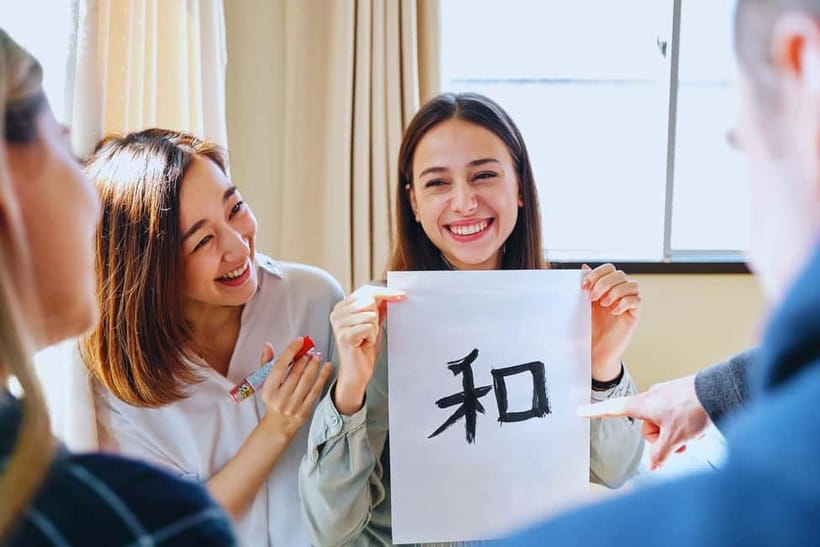
The calligraphy class starts with the tools. You learn how the brush, ink, paper, and inkstone work together, then practice the basic techniques needed to write Chinese characters. These materials are simple in appearance, but the lesson shows you why each one matters.
Calligraphy is not just a way to copy a symbol. The class introduces its history and cultural role, then connects that background to the physical act of writing. You learn how to hold and control the brush, how ink behaves on paper, and how individual strokes combine to form a character.
The teacher guides you through hands-on practice before you create your own calligraphy piece. That progression is important. You are not expected to produce a polished scroll at once, and the class is suitable for people with no previous experience.
Your finished work becomes a souvenir. This is more personal than buying a ready-made decorative item because you have taken part in making it. The scroll may not look like the work of a professional calligrapher, but that is not really the point. It records a moment of learning and gives you something tangible to bring home.
The class lasts about one to two hours within the overall two-hour experience. The exact balance depends on the session, but you should expect guided instruction and time to practice rather than a quick photo opportunity. Tea and local snacks are also included, which gives the class a pleasant pause between exercises.
I would recommend comfortable clothing. Calligraphy involves ink, paper, and close work at a table, so clothes you can move in are a sensible choice. No special equipment is needed because the materials used in the class are supplied.
Why English instruction makes a difference
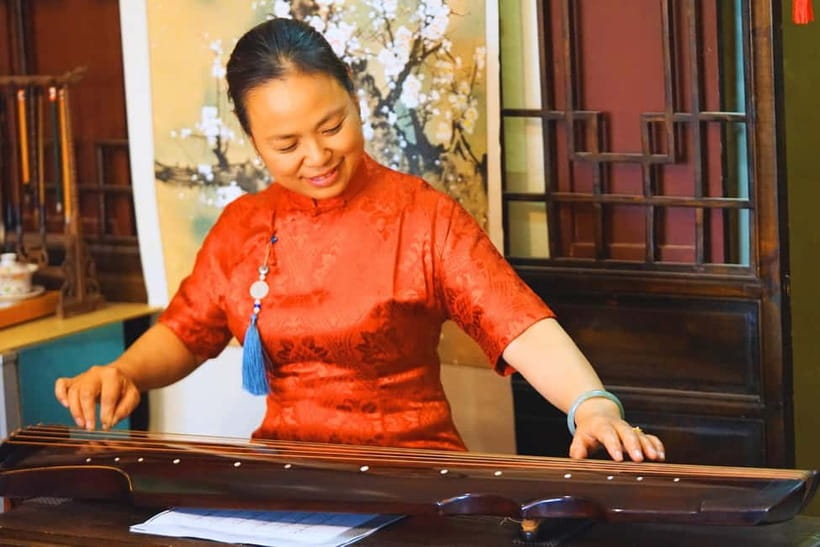
Chinese tea ceremony and calligraphy both rely on small details. A gesture with a gaiwan, the order of brewing steps, or the pressure of a brush can be hard to understand if the explanation is being relayed through a translator.
Here, the class is led by a certified or professional English-speaking teacher. That means you can ask why a certain pot is used, how tea is stored, or how a brush stroke should begin and end. It also makes the class easier for families and small groups with different levels of interest.
The available language options are English and Chinese. You should still check the exact meeting details for your selected option, but the teaching itself is intended to be accessible to English speakers.
The strongest part of the teaching is the chance to ask questions. Tea culture has plenty of rules and vocabulary, while calligraphy can feel mysterious if you only see the finished characters. A teacher who can explain the reasons behind the actions helps you remember more than a simple demonstration would.
More Tea Ceremonies in China
- Beijing Culture: Tea Ceremony, Heritage Instrument & Calligraphy
★ 5.0 · 57 reviews - Chinese Tea ceremony in Beijing Hutong courtyard
★ 4.7 · 26 reviews - Beijing Culture Event: Tradition Music, Tea Ceremony, Calligraphy
★ 5.0 · 11 reviews - Beijing: Temple Of Heaven+Tai Chi Class+Tea Ceremony
★ 5.0 · 8 reviews
A two-hour schedule that stays focused
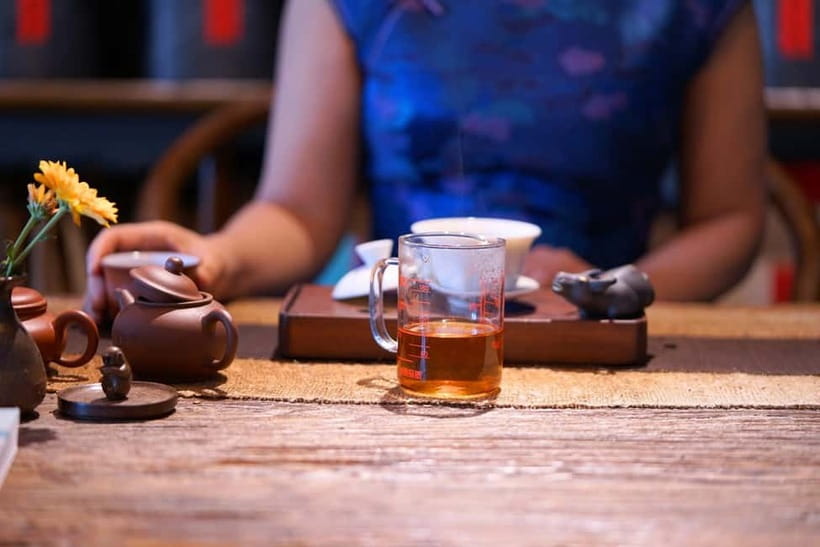
The short duration is both a benefit and a limit. Two hours fits neatly into a busy Beijing sightseeing day. You can schedule the class before or after another activity without giving up half a day.
The time is also long enough to do more than sample a cup or make a quick brush mark. Tea participants can taste several types, study the utensils, and learn about brewing. Calligraphy participants can hear some background, practice, and produce a take-home scroll.
At the same time, this is an introduction, not professional training. You will not become a tea master or calligrapher in one session. The value lies in gaining a practical starting point and a better understanding of traditions you might otherwise only observe from outside.
The meeting point may vary according to the option you book. Check it carefully before setting out, since transportation and hotel transfers are not included. You will need to make your own way to the class, and lunch or dinner is not part of the experience.
The activity is wheelchair accessible, though the exact arrangement can depend on the selected location. Smoking is not allowed. Children under five are not considered suitable for the class, so families with very young children should plan another activity.
Tea, snacks, and the value of the $48 price
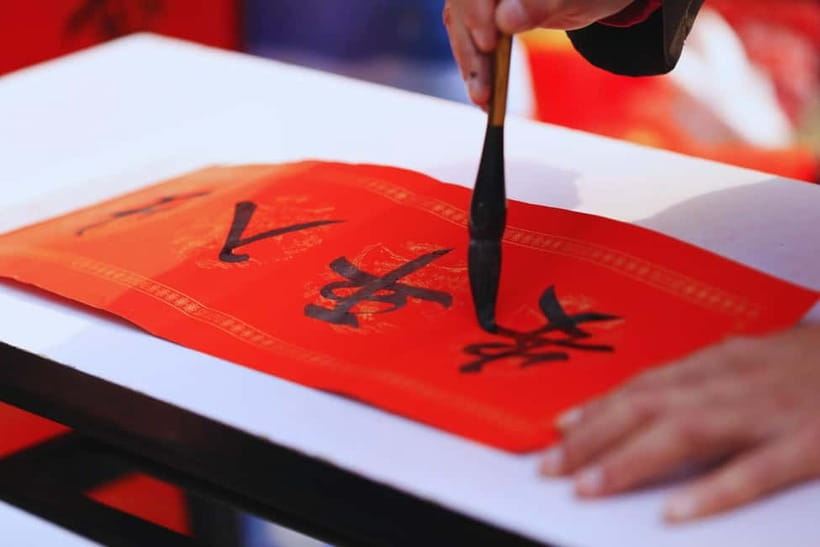
At $48 per person, the experience is priced above a simple tea tasting, but you are paying for instruction as well as refreshments. The fee includes the two-hour tea course, all tea leaves and ingredients used in that lesson, traditional tea, and snacks.
For the calligraphy choice, the price includes guided teaching, materials, tea, local snacks, and the scroll you make yourself. If you value a personal souvenir and prefer an activity over another sightseeing stop, that makes the price easier to justify.
The tea option offers value through variety and explanation. You taste several teas while learning how they fit into a larger system of classification and preparation. The calligraphy option offers value through the finished artwork and the hands-on practice.
The price does not cover personal expenses, transportation, transfers, meals beyond the supplied snacks, or tips. Build those costs into your Beijing plans. Since the meeting point changes by option, you should also allow enough time to reach the correct location.
Free cancellation is available up to 24 hours before the class for a full refund. You can also reserve now and pay later, which is helpful if your Beijing schedule is still taking shape.
Who will enjoy this class most
I would recommend the experience to solo visitors, couples, families with older children, and small groups who want a cultural activity with real participation. It also works well for a rainy day or for anyone who wants a break from temples, museums, and crowded streets.
The tea option suits people who like food culture, objects, and conversation. You do not need to be a serious tea enthusiast. The teacher explains the basics, and the tasting gives you an easy way into the subject.
The calligraphy option suits people who like art, crafts, and quiet concentration. It is also a good choice if you want a souvenir that is not mass-produced. You may find the activity especially satisfying if you enjoy trying a traditional skill without committing to a long course.
This may be less suitable if you want a fast-paced tour, a large meal, or a broad survey of Beijing’s major sights. The class stays in one cultural space and focuses closely on one subject. That narrow focus is its strength, but it will not replace a city tour.
The experience has received a top rating from the small number of verified bookings available. The praise centers on the welcoming tea room, the many teapots and cups, the chance to taste different teas, and the teacher’s clear explanations. I would put those points near the top of your decision list, since they describe what you will actually spend your time doing.
Tea or calligraphy: my practical choice
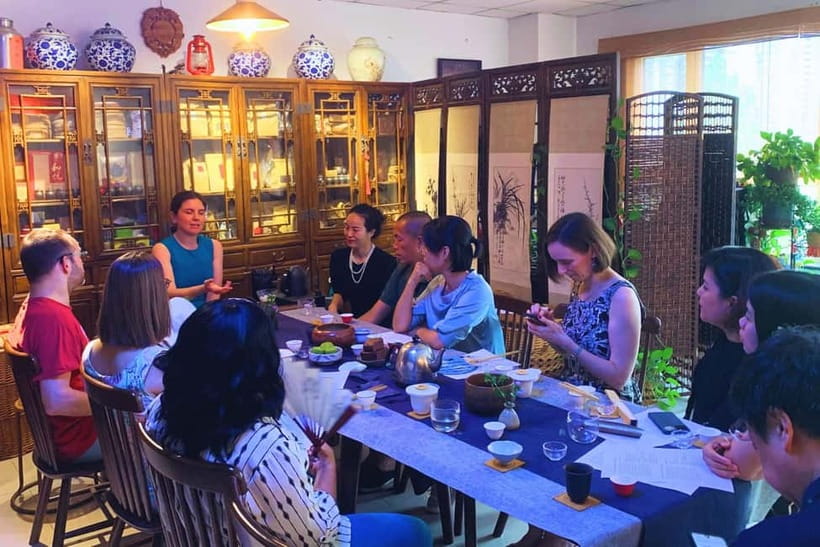
If you are undecided, ask yourself what you want to remember from Beijing. The tea class leaves you with a better sense of Chinese drinking customs and a palate shaped by several tastings. The calligraphy class leaves you with a handmade scroll and a physical feel for an art form that is often admired from a distance.
I would pick Kung Fu tea for a first visit to China if I wanted cultural context that connects to daily life. I would pick calligraphy if I wanted a calmer session and a keepsake I could display at home.
Both choices offer more substance than a quick demonstration. You receive direct instruction, use traditional materials, and have time to ask questions. Just keep your expectations realistic: this is a two-hour introduction, not an advanced workshop.
Should you book it?
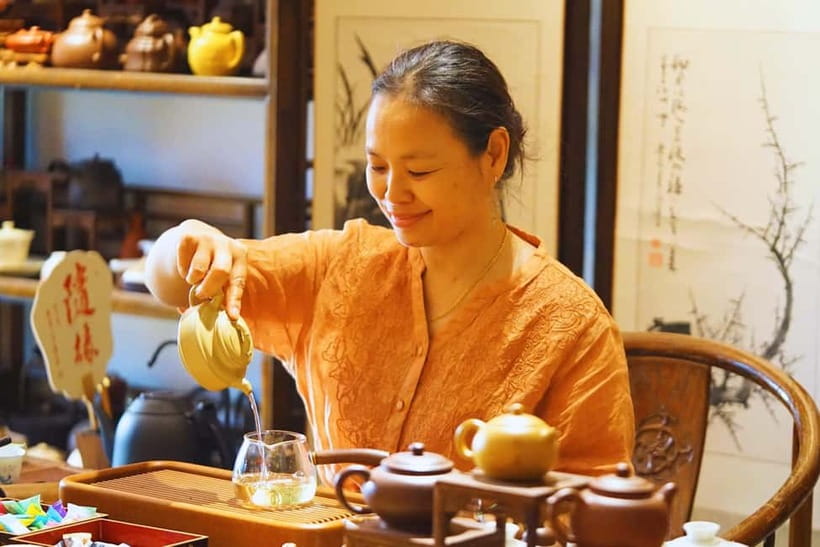
Book this experience if you want a compact Beijing activity with English instruction, local tea and snacks, and genuine hands-on work. The tea option is the better choice for tasting and cultural explanation, while calligraphy is the better choice for making something you can take home.
Skip it if you are looking for sightseeing, a full meal, or a flexible drop-in activity. You need to choose one option, travel to the correct meeting point, and give the class your full two hours.
For most visitors who want to understand a small but meaningful part of Chinese culture, the $48 cost is reasonable. I would reserve it, then check the meeting point and choose between tea and calligraphy based on the kind of memory you want to carry home.
FAQ
How long does the experience last?
The experience lasts two hours. The calligraphy instruction itself is described as lasting one to two hours, while the tea option is a two-hour course.
Can I choose between tea and calligraphy?
Yes. You choose either the Kung Fu tea ceremony class or the Chinese calligraphy class when booking.
Is the class taught in English?
Yes. Both options are guided by professional English-speaking instructors. Chinese is also available.
Are tea, snacks, and class materials included?
Yes. Tea and traditional or local snacks are included. Tea leaves and ingredients are provided for the tea option, while calligraphy materials and the scroll you create are included for the calligraphy option.
Do I need previous experience?
No. The activity is suitable for beginners, and no prior tea or calligraphy experience is required.
Is transportation included?
No. Transportation and hotel transfers are not included. The meeting point may vary depending on the option you choose.
More Tea and Calligraphy Workshops in China
- Beijing Hands-On Culture Tour: Tea, Instrument, Calligraphy
★ 5.0 · 6 reviews - Xi’an Calligraphy & Tea Ceremony – Dive into Ink & Brush Artistry
★ 5.0 · 4 reviews - Xi’an Chinese Calligraphy Workshop: Ink Art & Tea Tasting
★ 5.0 · 4 reviews - Kyoto: Tea Ceremony Meditation – Make Matcha with Tea Master
★ 4.8 · 406 reviews
Fresh tea listings around China
- Beijing: Temple Of Heaven+Tai Chi Class+Tea Ceremony★ 5.0 · 8 reviews
- Beijing Hands-On Culture Tour: Tea, Instrument, Calligraphy★ 5.0 · 6 reviews
- Beijing: Chinese Culture Tea Ceremony Reservation Service★ 4.8 · 4 reviews
- 3 hours Xi’an Mahjong Class with Local Tea★ 5.0 · 2 reviews
- Xi’an Calligraphy & Tea Ceremony – Dive into Ink & Brush Artistry★ 5.0 · 4 reviews
- Xi’an Noodle Making and Tea Tasting Experience★ 5.0 · 6 reviews
- Half-day Tour: Largest Tea Plantation & Amazing Xianggong Hill★ 5.0 · 9 reviews
- Xi’an Chinese Calligraphy Workshop: Ink Art & Tea Tasting★ 5.0 · 4 reviews
Tea Ceremony Experiences, compared.
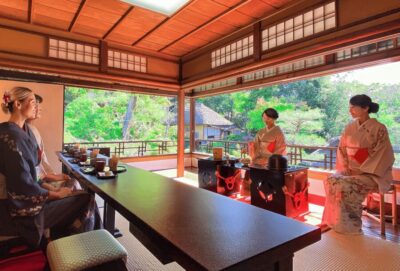
Kyoto: Tea Ceremony in a Traditional Tea House in Kiyomizu
Read our review →
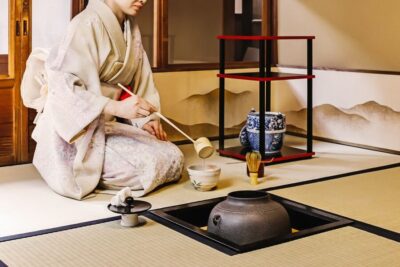
Kyoto: 45-Minute Tea Ceremony Lesson Experience
Read our review →
Kyoto: Table-Style Tea Ceremony at a Kyo-Machiya
Read our review →