
Review · MATCHA EXPERIENCES
Nara:Authentic Tea Ceremony(Max 5 ppl) -Master Matcha Making
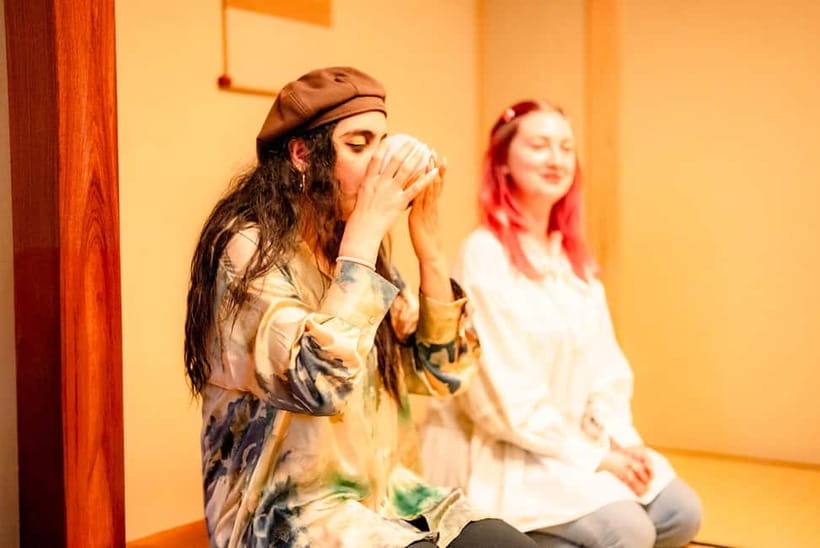
Stepping into a 120-year-old Japanese farmhouse is the most memorable part of this Nara tea experience. Instead of watching a polished performance from the sidelines, you learn why the utensils, gestures, and quiet pauses matter, then whisk your own matcha under the tea master’s direction.
I like the one-on-one teaching and the chance to compare single-origin matcha from Nara before choosing a favorite. I also like the warm, useful local advice, from places to eat and buy tea to help finding the next bus. The main consideration is time: one hour gives you a focused introduction, not a full study of every school and form of Japanese tea ceremony.
Key points at a glance
- A farmhouse setting: The ceremony takes place in a quiet, traditional house around 120 years old.
- Personal matcha practice: You whisk your own tea and receive direct advice on speed and technique.
- Nara tea tasting: Compare single-origin matcha and learn how the flavors differ.
- Small groups: The activity is limited to six people, though some bookings may feel private or one-on-one.
- English instruction: Tea masters including Kurabi, Mike, Hasumi, and Tate have led sessions in English and Japanese.
- Local help after tea: Your host may suggest restaurants, sake shops, matcha cafés, attractions, and practical transport tips.
A quiet farmhouse, not a staged show
Nara is famous for deer, temples, and ancient Buddhist landmarks. This experience gives you a different way into the city’s culture. You leave the busy sightseeing route and enter a traditional farmhouse where the room, the tools, and the measured pace do much of the teaching.
The house is about 120 years old. That matters because tea ceremony is not only about drinking powdered tea. The setting helps you notice the Japanese preference for restraint, seasonal detail, and careful hospitality. A simple bowl or sweet can carry more meaning when it is presented with care.
I would not expect an elaborate palace or a large formal tea school. This is a compact, personal lesson in a real traditional house. That makes it easier to ask questions and relax, but it also means the experience is designed as an introduction rather than a long ceremonial performance.
Some participants have met their host near the meeting point and walked roughly ten minutes to the house. Directions can matter in the older parts of Nara, so keep your phone available. One visitor needed a WhatsApp call to locate the master, then received help getting to Nara’s deer park afterward. That sort of practical support is part of the experience’s appeal.
More Tea Ceremonies in Japan:
- Kyoto: Tea Ceremony in a Traditional Tea House in Kiyomizu
★ 4.9 · 3,519 reviews - Kyoto: Tea Ceremony Ju-An at Jotokuji Temple
★ 4.9 · 3,207 reviews - Kyoto: 45-Minute Tea Ceremony Lesson Experience
★ 4.3 · 2,378 reviews
What happens during the one-hour session
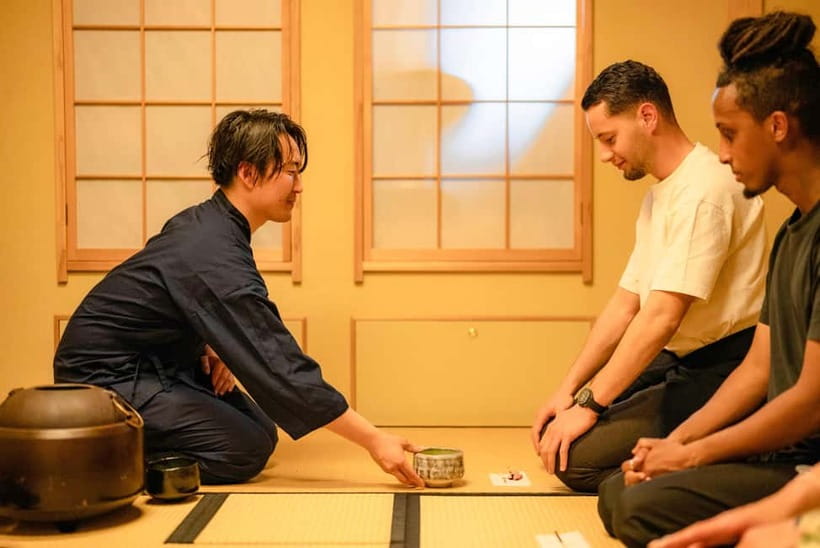
The hour is short, but it has a clear rhythm. You begin with an explanation of the tea ceremony, its background, and the purpose of the objects in front of you. The master explains etiquette without expecting you to know Japanese customs in advance.
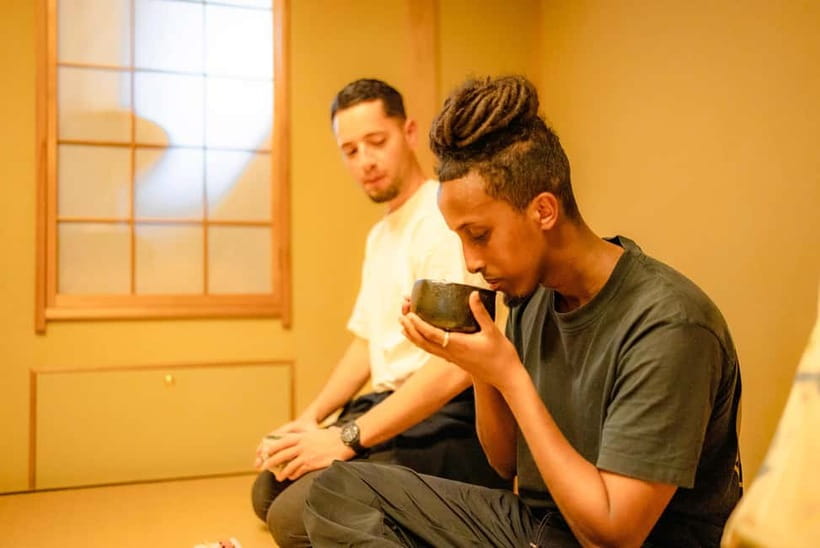
You may learn how to sit, receive the bowl, drink, and handle the basic utensils. The point is not to memorize a long list of rules. It is to understand the care behind each movement. Your guide can also explain the philosophical side of the ceremony, an element several participants found especially useful.
Next comes the tea tasting. The focus is on single-origin matcha from Nara, so you can compare cups rather than treat matcha as one single flavor. The differences may be subtle, but the tasting gives you a better way to think about bitterness, sweetness, aroma, and texture.
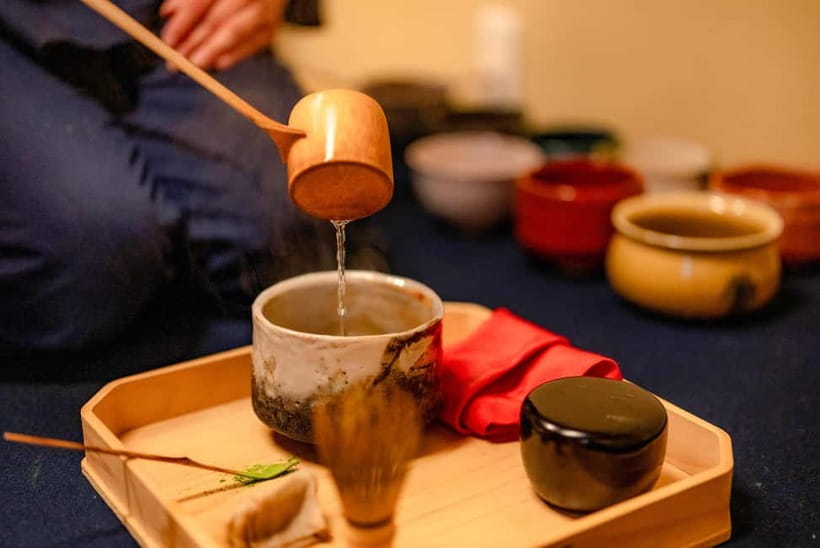
The master then prepares matcha for you. Watch the wrist, the angle of the whisk, and the movement used to create a fine, creamy surface. This demonstration is useful because it gives you a target before you try it yourself.
Your turn follows. You measure or receive the tea, add water, and whisk under guidance. The hands-on part is the heart of the lesson. You are not simply told how to make matcha, then left to guess. The master watches your technique and offers personal tips, including ways to improve the speed and motion of your whisking.
The result may not look perfect on your first attempt. That is fine. The lesson is designed to make the process understandable and enjoyable, not to turn you into a tea-school expert in sixty minutes. You get to taste what you made and notice how your technique affects the texture.
The session finishes with seasonal wagashi, traditional Japanese sweets served with the tea. The sweet is not just a snack. Its gentle flavor balances matcha’s sharper edge and shows how Japanese tea service considers the whole tasting experience.
Why the instruction works for beginners
A formal ceremony can feel intimidating if you do not know when to bow, how to hold the bowl, or what to do with the whisk. Here, the master explains the steps in plain English or Japanese and allows questions throughout.
Guides named Kurabi, Mike, Hasumi, and Tate have led sessions associated with this activity. The exact host may depend on your booking, but the teaching style described across the experience is friendly and interactive. Mike, in particular, has been praised for combining formal instruction with humor, which helps keep the ceremony from feeling stiff.
That balance matters. You learn the proper forms, but you are not expected to sit silently while someone performs at you. You can ask why a gesture is used, how matcha differs between regions, or where to buy good tea in Nara.
The English support is another strong point. Several English-speaking participants found the explanations clear, and the host’s local suggestions often continued after the tea lesson. If you want cultural context rather than a photo opportunity, this is a good fit.
Matcha tasting with a practical purpose
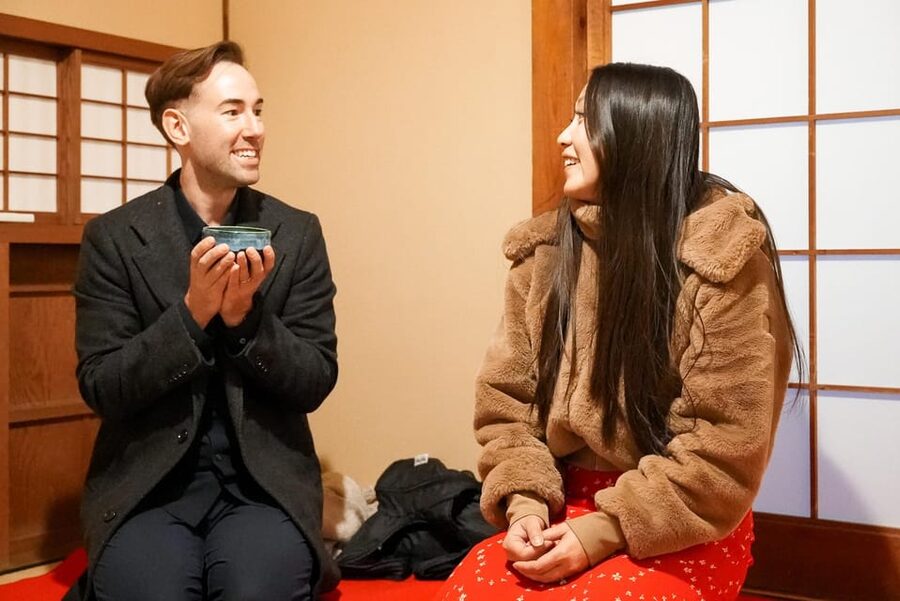
Many visitors try matcha in Japan without learning how it is made. They drink a sweetened matcha dessert or a café latte and leave with only a general idea of the tea. This class gives you a more useful foundation.
You taste matcha prepared by the master, compare Nara examples, and then make your own bowl. That sequence lets you connect the ingredients to the technique. If your tea tastes too bitter or feels thin, you can ask what went wrong and adjust your method.
The tasting can also help you shop later. Several hosts have given advice about buying matcha and sake in Nara, and one session included a recommendation for additional matcha from Uji. You should not expect a shopping tour, but you will leave with better questions to ask when you visit a tea shop.
The lesson is also useful for home use. The whisking tips are simple enough to repeat in your own kitchen, provided you have matcha, a bowl, and a bamboo whisk. The experience does not promise a full equipment kit, so check the booking details if you hope to take supplies home.
More Matcha Experiences in Japan:
- World Heritage Kyoto & Nara Uji Authentic Matcha Experience
★ 5.0 · 1,573 reviews - Matcha Making Class in Tokyo with Authentic Japanese Sweets Set
★ 5.0 · 744 reviews - Kyoto: Tea Museum Tickets and Matcha Grinding Experience
★ 4.9 · 739 reviews - Matcha Making Class in Osaka with Authentic Japanese Sweets Set
★ 5.0 · 509 reviews
A personal encounter rather than a large group class
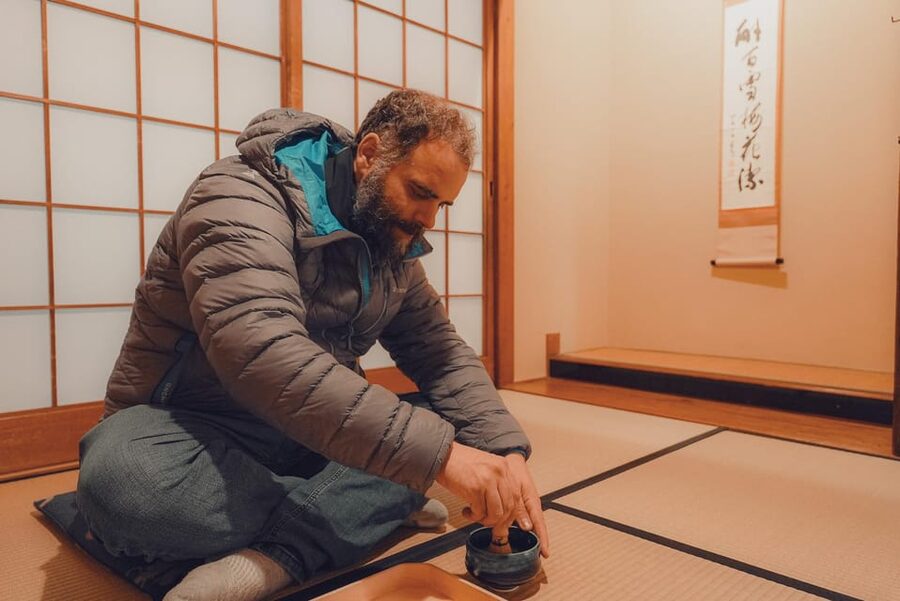
The activity is limited to six participants. That is small enough for questions and direct feedback, though the actual feel can vary. Some bookings have been private for one person or a family of four, while others have been shared group sessions.
The listing describes a maximum of five in its title but also states a limit of six participants. If group size matters to you, confirm the current capacity when you book. The difference is unlikely to change the lesson itself, but it can affect how much individual attention you receive.
For couples, families, and solo visitors, this format has clear advantages. You can ask about customs that interest you, and the master can spend time correcting your whisking motion. Children or first-time visitors may also find the relaxed tone easier than a strict formal ceremony.
There is a trade-off. If you want a long, highly ceremonial experience with several courses and extended silence, this one-hour class may feel brief. It is better understood as a cultural lesson with a ceremony element and practical matcha training.
The local advice is an unexpected bonus
The tea is the main reason to book, but the local knowledge adds value. Hosts have suggested restaurants, ramen shops, yakiniku restaurants, sake stores, matcha cafés, and less-visited places in Nara and Kyoto.
One tea master even helped arrange a restaurant reservation. Another helped a participant find the bus to Nara Park. These details are not guaranteed as a formal part of the itinerary, but they show why speaking with a local host can improve the rest of your day.
You can make this work harder for you by arriving with a few questions. Ask where to eat near your next stop, where to buy matcha, or which Nara sights deserve time beyond the main temple route. The host’s advice is most useful when it matches your interests.
Do not book the class solely for restaurant tips. They are an extra benefit, not the central product. The real value is the combination of cultural explanation, tasting, and practice in a calm setting.
Is $46 a fair price?
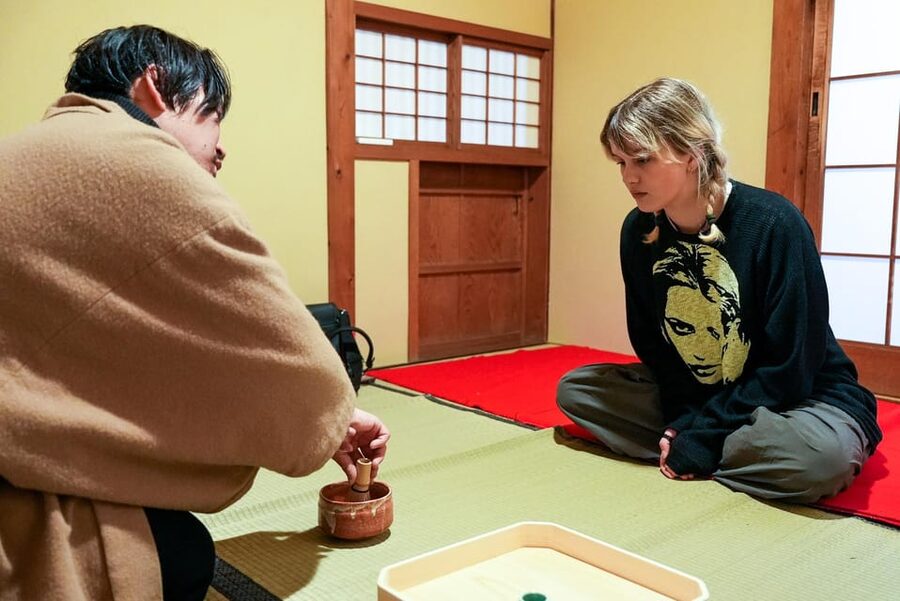
At $46 per person, the price is reasonable for a one-hour private-feeling cultural activity in a traditional house. You are paying for the tea master’s time, several tea experiences, instruction, wagashi, and the chance to practice rather than only watch.
The value is strongest if you want an activity with substance. A quick tea served at a tourist attraction may cost less, but it may not explain the history, etiquette, utensils, or preparation technique. Here, you get a lesson you can use again at home.
The value is weaker if you only want to taste matcha and take a few photographs. The class spends time on manners and whisking, so visitors looking for a fast drink may find it more structured than necessary.
The free cancellation policy allows cancellation up to 24 hours before the activity for a full refund. You can also reserve now and pay later, which is helpful when your Nara schedule may shift around temple visits, weather, or train plans.
Who will enjoy this most?
I would recommend this experience to first-time visitors who want a clear introduction to Japanese tea culture without committing to a long formal course. It suits solo visitors, couples, families, and small groups who enjoy asking questions and trying a skill with their hands.
It is also a strong choice if you have already seen Nara’s major temples and want something quieter. The farmhouse setting offers a change of pace from outdoor sightseeing, especially in the middle of a busy day.
Tea lovers will appreciate the comparison of Nara matcha and the advice on preparing a smoother bowl. Food-minded visitors should enjoy the relationship between bitter tea and seasonal wagashi.
You may want something else if you need a fully formal ceremony, a long multi-course service, or a guaranteed private booking. The activity is small, but the stated capacity can reach six people. Confirm the group arrangement if privacy is essential.
Practical details before you book
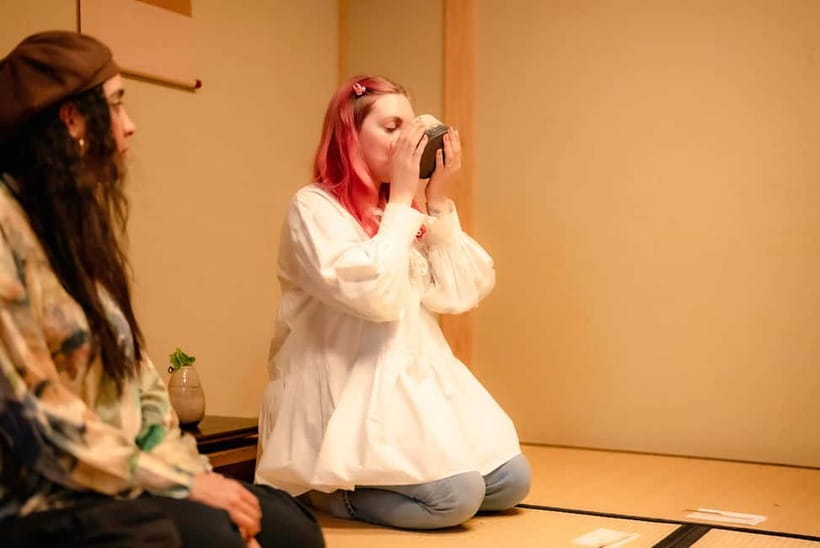
The activity lasts one hour, with starting times based on availability. English and Japanese instruction is offered. The supplied details do not specify accessibility arrangements, dress requirements, or a precise meeting point, so ask the provider if any of those affect your plans.
Wear something that lets you sit comfortably. Traditional tea ceremony can involve seated positions on the floor, although the exact setup is not specified. If floor sitting may be difficult, contact the provider before booking rather than assuming the room will have chairs.
Leave a little space around the appointment if you want to follow restaurant or sightseeing suggestions afterward. The formal session lasts an hour, but locating the meeting point or walking to the farmhouse may take extra time.
The activity has a 5 out of 5 rating from 119 bookings, which matches the strongest features of the format: personal teaching, a peaceful setting, and a host who can explain both tea and Nara. Still, the experience depends on the assigned tea master and the size of your group, so keep your expectations focused on a friendly introduction rather than a grand ceremony.
Should you book this Nara tea ceremony?
Book it if you want to understand what you are drinking, learn the basic etiquette, and make matcha yourself in an old Japanese house. The best parts are the direct feedback, the Nara tea comparison, and the calm setting. The local food and sightseeing advice is a useful bonus.
Skip it if you want only a quick cup of matcha or a long, highly formal performance. For most visitors, though, $46 buys more than a tasting. It gives you a small but meaningful connection to Japanese hospitality, plus a skill you can repeat after you leave Nara.
FAQ
How long does the tea ceremony experience last?
The experience lasts one hour.
How much does the experience cost?
The listed price is $46 per person.
Where does the tea ceremony take place?
It takes place in a traditional Japanese farmhouse that is about 120 years old, in Nara on Honshu.
How many people can join?
The activity is described as a small group limited to six participants. The title also refers to a maximum of five, so confirm the current group size when booking if this matters to you.
Is the experience available in English?
Yes. Instruction is available in English and Japanese.
Do I make my own matcha?
Yes. The tea master demonstrates matcha preparation, then guides you as you whisk your own tea and gives personal feedback.
What will I taste during the experience?
You will taste matcha, including single-origin matcha from Nara, and enjoy seasonal wagashi, traditional Japanese sweets.
Can I cancel for a refund?
Yes. You can cancel up to 24 hours in advance for a full refund.
Do I have to pay when I reserve?
No. The activity offers a reserve-now-and-pay-later option, allowing you to book without paying immediately.
Fresh tea listings around Japan
- Cycling Tour at Uji’s Matcha Green Tea Fields and Heritage★ 5.0 · 10 reviews
- Authentic Japanese tea tasting: sencha, matcha and gyokuro★ 5.0 · 12 reviews
- Asakusa Cultural Walk & Matcha Making Tour★ 4.5 · 7 reviews
- Authentic Tea Ceremony & Sushi in The Museum of Kyoto★ 5.0 · 3 reviews
- At an Antique Shop, Tea Ceremony and Japanese Sweets Forming★ 5.0 · 5 reviews
- Authentic Japanese Tea Ceremony Experience in Kamakura★ 4.5 · 8 reviews
- Japanese Sweets Making & Tea Ceremony in Yokohama, suburban Tokyo★ 5.0 · 4 reviews
- Matcha tasting for all five senses at Hotel Yokohama★ 5.0 · 7 reviews
Matcha Experiences, compared.
World Heritage Kyoto & Nara Uji Authentic Matcha Experience
Read our review →
Matcha Making Class in Tokyo with Authentic Japanese Sweets Set
Read our review →
Kyoto: Tea Museum Tickets and Matcha Grinding Experience
Read our review →
Matcha Making Class in Osaka with Authentic Japanese Sweets Set
Read our review →
Kyoto: Tea Ceremony Meditation – Make Matcha with Tea Master
Read our review →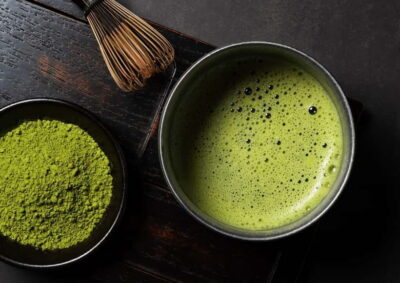
Tokyo: Matcha Making Experience with Mochi Sweets in Asakusa
Read our review →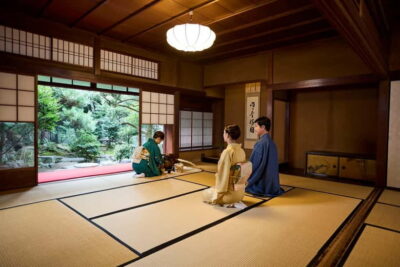
Kyoto: Kimono Tea Ceremony with Matcha and Sweet
Read our review →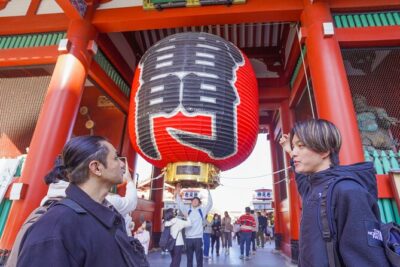
Browse the lists this tour appears in