
Review · TEA CEREMONY EXPERIENCES
Kyoto: Private Tea Ceremony with a Garden View
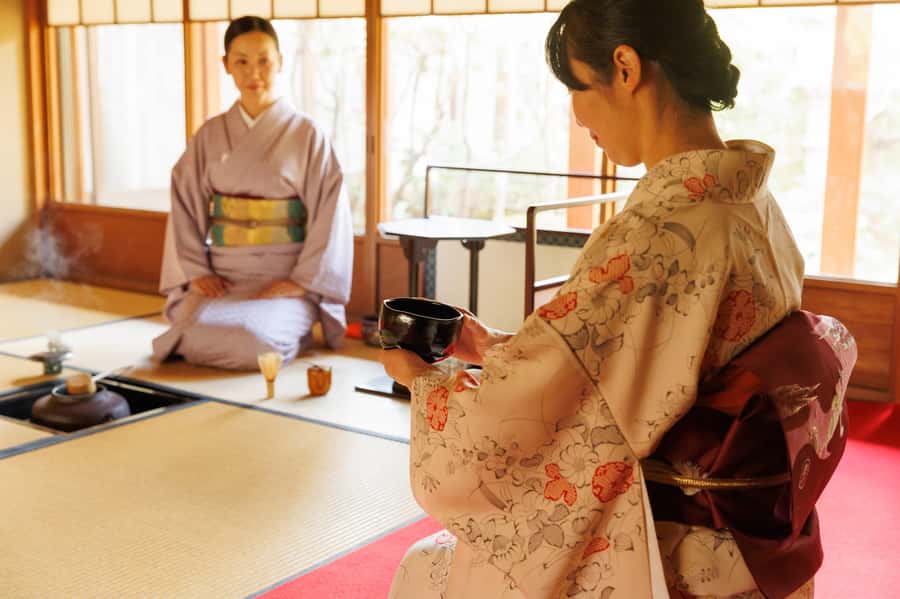
Kyoto’s best tea ceremonies are not always the grandest. This one takes place in a private 100-year-old house across from Ryoan-ji, where the garden, not a stage or crowded room, sets the mood. You watch an authentic ceremony, taste seasonal sweets, and then make your own bowl of matcha.
I like the calm setting and the fact that the house is yours alone during the session. I also like the practical approach: you are not just watching. You learn how to prepare matcha, ask questions, and take photos of the garden and ceremony.
The main consideration is the price. At $116 per person for one hour, this is not a budget tea stop. You are paying for privacy, a personal instructor, the setting, and a carefully arranged cultural lesson rather than a quick cup of green tea.
Key points at a glance
- A private house near Ryoan-ji: The teahouse sits across from one of Kyoto’s most famous Zen temples, with Ninna-ji and Kinkaku-ji also within walking distance.
- Two traditional gardens: You begin in a sofa room overlooking the front garden, then move to the tearoom with the main garden behind the ceremony.
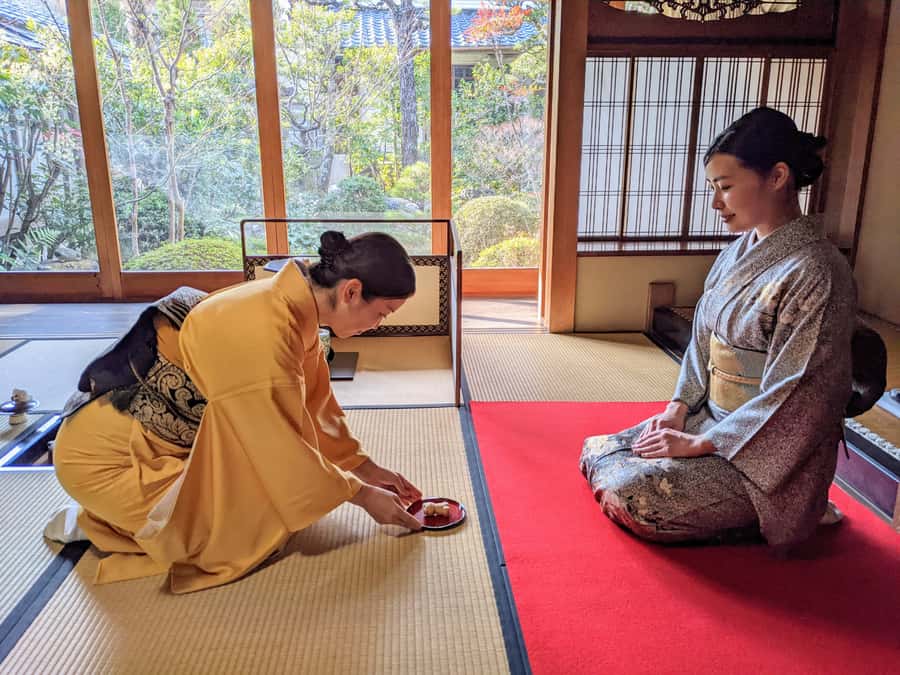
- You make your own matcha: After watching the host, you prepare your own bowl using the provided tea tools and ingredients.
- Seasonal sweets from a respected Kyoto confectioner: The sweets are vegan, gluten-free, and nut-free.
- Comfortable for many visitors: Chairs and tables are available, and the property is wheelchair accessible.
- A quiet private setting: The house is reserved entirely for your group during the experience, with an English-speaking instructor.
A private tea ceremony across from Ryoan-ji
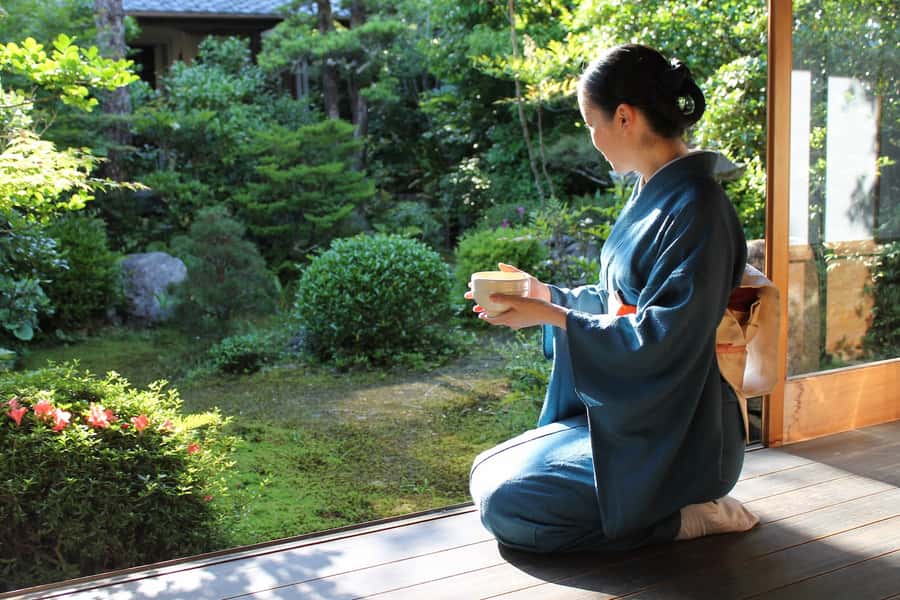
The setting does much of the work here. Camellia Garden is across the road from Ryoan-ji, one of Kyoto’s best-known Zen temples, but the experience itself takes place behind a high wall on a residential street. That change matters. You move from a busy sightseeing route into a quiet traditional house, where the pace slows at once.
The property is about 100 years old and has a long connection with Ryoan-ji. It is not a modern event venue dressed up with Japanese decoration. The house itself, the gardens, and the tearoom give the ceremony its sense of place.
I like this arrangement because you can pair the activity with a temple visit without spending half the day crossing Kyoto. Ryoan-ji, Ninna-ji, and Kinkaku-ji are all close by, and Myoshin-ji is also in the area. You can plan a western Kyoto sightseeing day around the ceremony, rather than treating it as an isolated appointment.
The tradeoff is that the tea ceremony is only one hour. That is enough time for an introduction, sweets, the formal demonstration, and your own tea preparation, but it is not a long retreat or extended study of tea practice. Go in expecting a focused introduction, not a full course.
More Private Tea Experiences in Japan
- Private Tea Ceremony and Sake Tasting in Kyoto Samurai House
★ 5.0 · 163 reviews - Kyoto Private Tea Ceremony with Tea Master at Home
★ 5.0 · 58 reviews - Stunning Private Tea Ceremony: Camellia Garden Teahouse
★ 5.0 · 28 reviews
Your first lesson begins in the front garden room
At the start, your English-speaking instructor welcomes you in a sofa room overlooking the front garden. This is a useful choice for visitors who may not know the customs of a Japanese tea ceremony. You receive a short explanation of the history and culture surrounding tea before moving into the formal tearoom.
That introduction helps you understand why the host handles each item with care. Tea ceremony is not simply the act of whisking powdered tea. The placement of the tools, the serving of sweets, the movements of the host, and the relationship between the room and garden all form part of the experience.
You also receive seasonal sweets from one of Kyoto’s most respected confectioners. The sweets are not an afterthought. In a tea ceremony, they balance the bitter matcha and give you a taste of seasonal Japanese food culture.
The dietary information is unusually helpful. The sweets are vegan, gluten-free, and nut-free. You should still mention any special needs when booking, but those three details make the experience easier for many people to plan.
This first room is also a good place to settle in. You are not required to sit on the floor immediately. Chairs and tables are available for anyone who finds floor seating uncomfortable, which is important for older visitors, anyone with knee trouble, and people who simply do not want to kneel in formal clothing.
Watching the ceremony beside the main garden
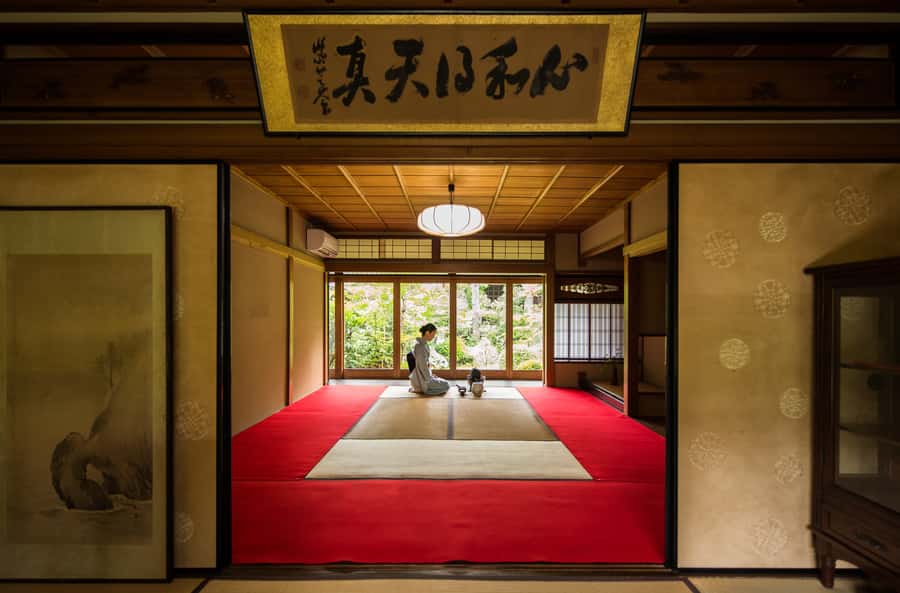
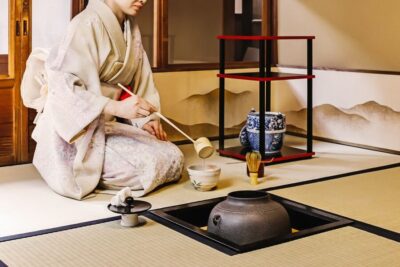
After the introduction and sweets, the host takes you into the tearoom. The main garden forms the backdrop as you watch the ceremony. The garden view is the central reason to choose this experience over a basic matcha demonstration in a classroom or restaurant.
The ceremony gives you time to notice the small actions. The host prepares the tea with measured movements, serves it, and explains what is happening along the way. The setting encourages you to pay attention rather than rush toward the next sightseeing stop.
You can take photographs throughout the experience, but flash photography is not allowed. That rule protects the quiet mood and prevents a sudden burst of light from interrupting the ceremony. Video recording is not permitted, so bring your camera for still images only.
I would avoid treating this as a photo session. The best photographs will likely come during the quieter moments, when the room, garden, tea tools, and sweets can be seen without a crowd around you. Since the house is private for your group, you have time to take pictures without competing with other participants.
The formal portion may feel unfamiliar if this is your first tea ceremony. That is part of the point. The instructor provides cultural context so the ceremony does not become a string of unexplained gestures. Still, the experience is designed for visitors, so you do not need prior knowledge of tea etiquette.
Making your own bowl of matcha
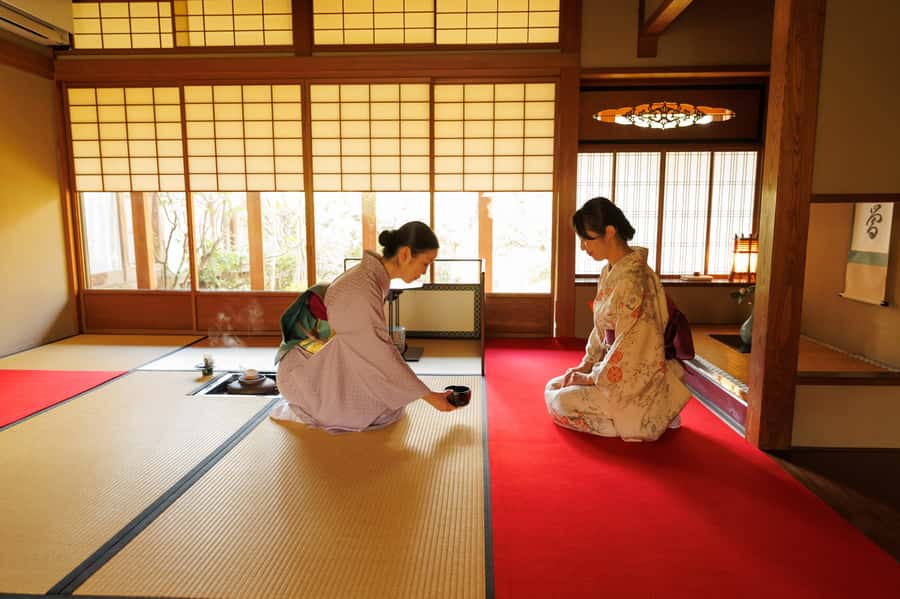
The most hands-on part comes after you have watched the host. You receive everything needed to make your own tea, then prepare a bowl of matcha with the instructor’s guidance.
This changes the experience from a performance into a small lesson. You see how the tea is made, then try the process yourself. If your whisking technique is not perfect, that is fine. The value is in understanding the work behind the drink and feeling the texture and rhythm of the preparation.
You also have time to ask questions. That is important because the formal ceremony can raise practical questions about the tea, tools, sweets, and meaning behind the actions. The instructor speaks English, so you can ask directly rather than relying on a guidebook explanation.
Several strong ratings for this experience focus on the clear cultural explanation, the gentle manner of the host, and the chance to prepare matcha yourself. Those are the features I would give the most weight to when deciding if the price is worthwhile. A pretty garden alone does not make a good tea ceremony. The teaching and personal attention are what turn the visit into a useful introduction to Kyoto culture.
More Tea Ceremonies in Kyoto
- Kyoto: Tea Ceremony in a Traditional Tea House in Kiyomizu
★ 4.9 · 3,519 reviews - Kyoto: Tea Ceremony Ju-An at Jotokuji Temple
★ 4.9 · 3,207 reviews - Kyoto: 45-Minute Tea Ceremony Lesson Experience
★ 4.3 · 2,378 reviews - Kyoto: Table-Style Tea Ceremony at a Kyo-Machiya
★ 4.9 · 1,211 reviews
What the $116 price really covers
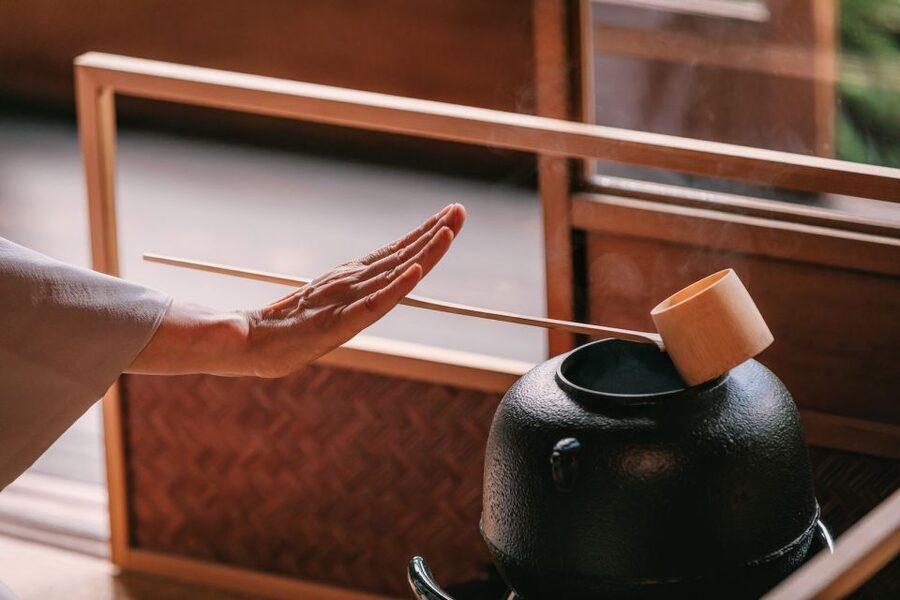
At $116 per person, the cost is high for a one-hour activity. You do not receive a meal, transportation, or a kimono, and the short duration may make the price feel steep if you are mainly looking for a casual taste of matcha.
The value is in the format. Your group has the entire house to itself during the session. You receive a personal instructor, seasonal sweets, matcha, all the equipment, access to a historic property, and a garden setting connected with Ryoan-ji.
Private experiences also remove several common annoyances. You do not have to share the room with a large class, wait for a demonstration to come around to your side, or compete for a chance to make tea. You can ask questions at your own pace and take photographs without strangers filling the frame.
For a first visit to Kyoto, I would see this as a special occasion activity rather than an everyday snack stop. It suits a couple, family, or small private group that values quiet surroundings and personal instruction. If you are traveling on a tight budget, a less expensive matcha experience may make more sense.
The strong 4.9 rating from 61 published ratings supports the idea that the format is working well for people who want a calm, personal ceremony. Still, ratings cannot change the basic facts: one hour is brief, and the price reflects privacy more than quantity.
Getting there from Kyoto’s western temple district
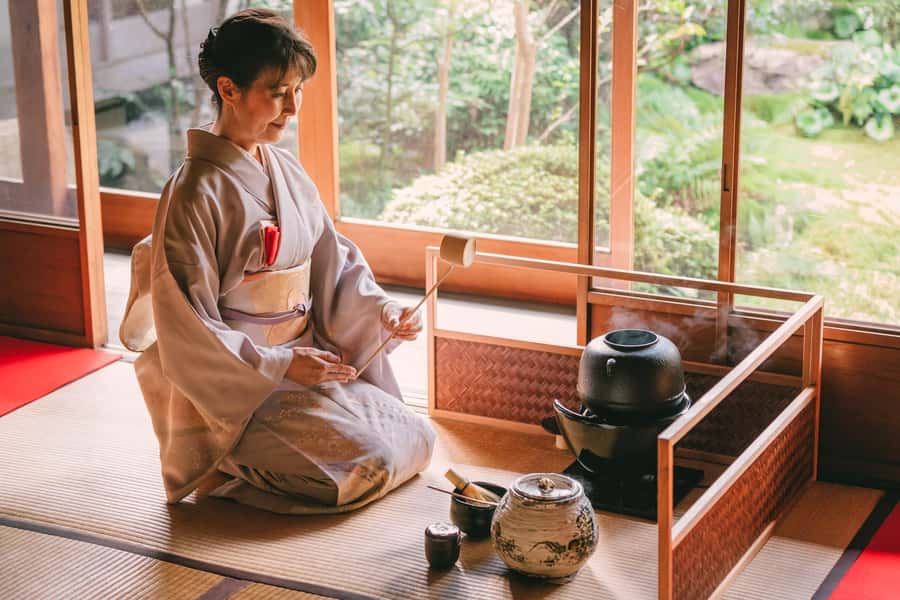
The simplest landmark is Ryoan-ji. The teahouse is across the road from the temple, beside a small path leading slightly downhill to a residential street. From the Ryoan-ji Mae bus stop, look for the first house on the right, surrounded by a high wall.
You can also reach the property in less than 10 minutes on foot from Ryoanji Station on the Keifuku Randen tram line. The tram is useful if you are combining this visit with Hakubaicho and Kitano Tenmangu, Arashiyama, or Shijo Omiya near the western side of central Kyoto.
The location works best as part of a temple day. You can visit Ryoan-ji, walk to the tea ceremony, then continue toward Ninna-ji or Kinkaku-ji. Check your walking plan carefully, though. These sights are close by Kyoto standards, but a full day in the western district still involves steady walking.
Transportation to the meeting point is not included. One parking space is available for the duration of the ceremony, and the host can arrange a taxi if you ask upon arrival. Public transportation into the city center is also within a short walk.
Comfort, access, and small rules worth knowing
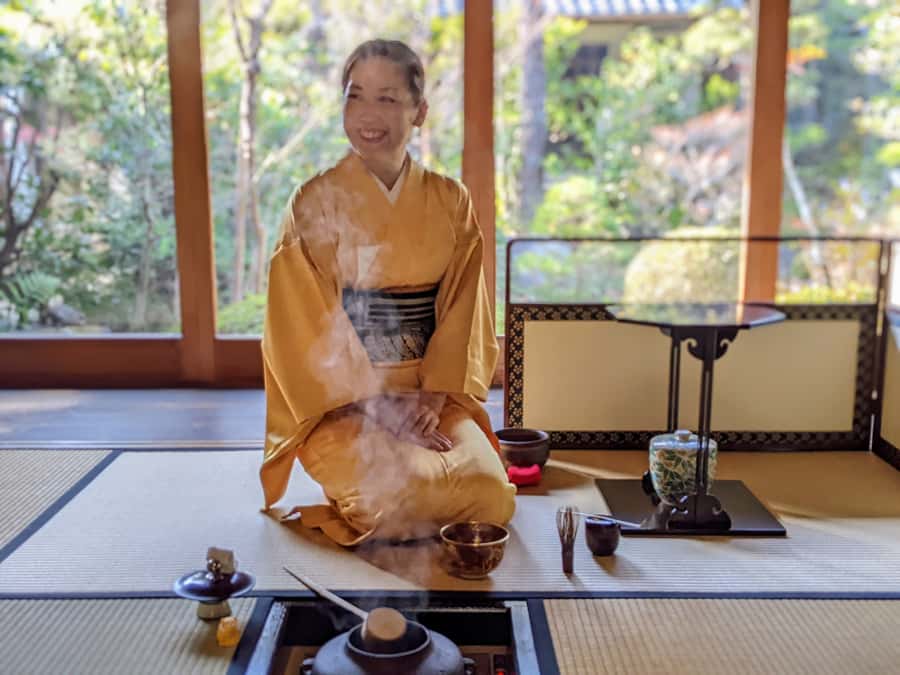
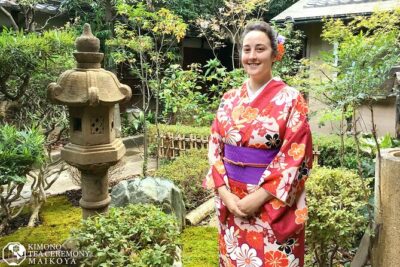
You do not need to wear a kimono. Kimono rental is not included, and ordinary travel clothing is suitable. That makes the activity easier to fit into a busy sightseeing day.
Floor seating is not required. Chairs and tables are available for people who find sitting on the floor difficult. The teahouse is wheelchair accessible, and you should contact the provider in advance if you have particular access needs or other requests.
There is a toilet at the property. A guide or translator may join the ceremony as an additional participant at no extra charge, which can help if you are traveling with someone who needs language support.
Remember the photography rules. Still photographs are allowed with the flash turned off, but video recording is not allowed. The restriction is simple, but it is worth knowing before you arrive with a phone or camera ready to film.
You can cancel up to 24 hours ahead for a full refund, and the reserve now, pay later option keeps your schedule flexible. Starting times vary, so check availability before planning the rest of your temple visits.
Who will get the most from this experience
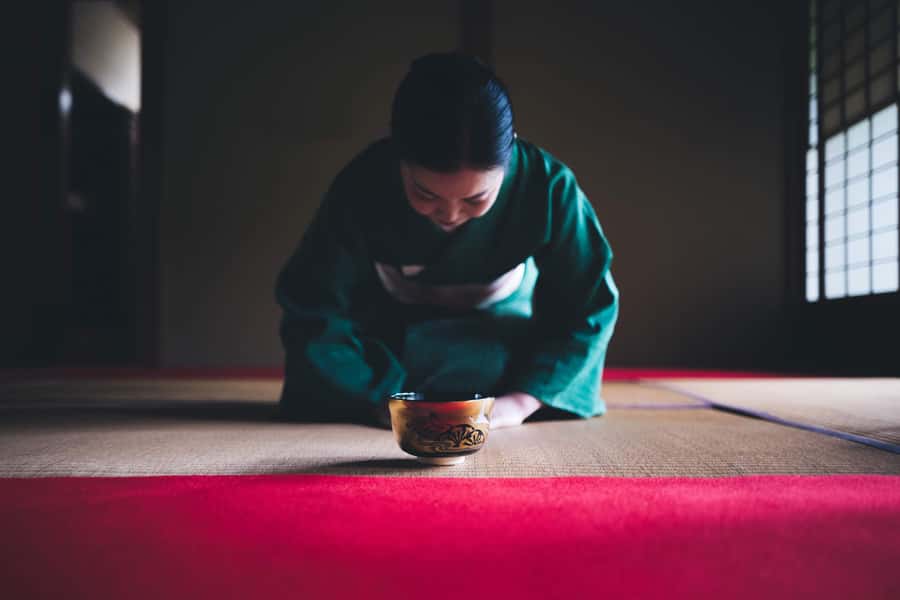
I would recommend this ceremony to you if you want more than a quick cup of matcha and prefer a quiet cultural activity over a large group demonstration. It is especially well suited to first-time visitors who want the customs explained in English.
It is also a good choice for couples and families looking for a peaceful pause between major temples. The private house gives the hour a sense of occasion, while the hands-on tea preparation keeps children and curious adults involved.
Visitors with mobility concerns may find the chairs, tables, wheelchair access, and toilet useful. Ask about your needs in advance rather than leaving arrangements until arrival.
You may want to choose another activity if your main goal is a low-cost introduction, a kimono photo session, or a longer formal study. This experience does not include a meal, transportation, or kimono, and one hour passes quickly.
Should you book the Camellia Garden ceremony?
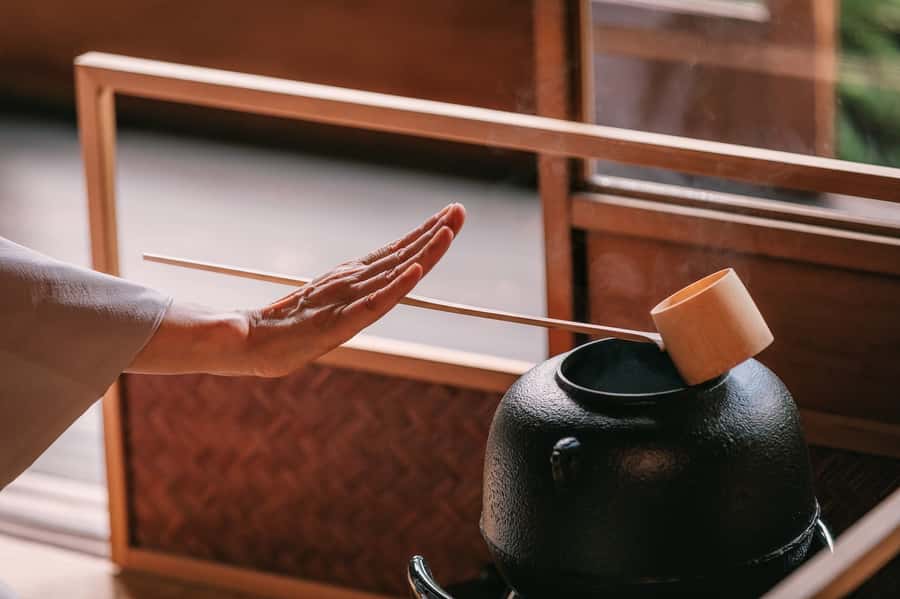
Book it if you value privacy, garden views, and clear cultural instruction more than a low price. The combination of a historic house, two gardens, seasonal sweets, and your own matcha preparation gives the hour real substance.
I especially like the setting across from Ryoan-ji and the fact that your group has the house to itself. The chairs, accessible layout, dietary-friendly sweets, and English instruction make it easier for a wide range of visitors to enjoy.
Skip it if $116 feels too high for a one-hour activity or if you want a longer tea lesson. For everyone else, this is a polished and peaceful way to add traditional Kyoto culture to a western temple itinerary.
FAQ
Where does the tea ceremony take place?
It takes place at Camellia Garden, a traditional 100-year-old house across the road from Ryoan-ji in Kyoto.
How long does the experience last?
The tea ceremony lasts one hour.
Is the activity private?
Yes. Your group has the house completely to itself during the experience.
Is the instructor English-speaking?
Yes. The instructor provides the experience in English.
Do I get to make my own matcha?
Yes. After watching the ceremony, you have the opportunity to prepare your own bowl of matcha using the provided equipment.
Are seasonal sweets included?
Yes. Traditional seasonal sweets are included, and they are vegan, gluten-free, and nut-free.
Can I take photographs?
Yes. You may take photographs throughout the experience, but flash photography is not allowed.
Is video recording permitted?
No. Video recording is not allowed.
Do I have to sit on the floor?
No. Chairs and tables are available for anyone who finds sitting on the floor difficult.
Is the teahouse wheelchair accessible?
Yes. The teahouse is wheelchair accessible, and you should contact the provider with any special requirements.
Is transportation included?
No. Transportation to the meeting point is not included. The house is near the Ryoan-ji Mae bus stop and less than a 10-minute walk from Ryoanji Station on the Keifuku Randen tram line.
Can I wear a kimono?
A kimono is not included. You may arrange your own clothing separately, but the activity does not provide kimono rental.
More Private Tea Experiences in Kyoto
- Tea Ceremony Experience in a Private Tea Room in Shibuya
★ 4.9 · 125 reviews - One-Day Hangzhou Dragon Well Tea Culture & West Lake Private Tour
★ 5.0 · 98 reviews - Tangier Private Tour with a Local Writer (Includes Tea & Sweet)
★ 5.0 · 52 reviews - Osaka: Private Tea Ceremony and Calligraphy Experience
★ 5.0 · 50 reviews
Fresh tea listings around Kyoto
- Cycling Tour at Uji’s Matcha Green Tea Fields and Heritage★ 5.0 · 10 reviews
- Authentic Tea Ceremony & Sushi in The Museum of Kyoto★ 5.0 · 3 reviews
- Kyoto Hidden Riverside Zen Mediation and Uji Matcha Experience★ 5.0 · 9 reviews
- Whisk Your Own Matcha: A Zen Matcha Experience at Temple★ 3.6 · 7 reviews
- Kyoto: Nighttime Zen Meditation and Matcha Tea Experience★ 5.0 · 7 reviews
- Kyoto Fushimiinari:Wagashi Making & Small Group Tea Ceremony★ 5.0 · 14 reviews
- 2 Types of Japanese Sweets making and Tea Ceremony★ 4.6 · 17 reviews
- Matcha Grinding Experience and Walking Tour in Uji Kyoto★ 5.0 · 26 reviews
Tea Ceremony Experiences, compared.
Kyoto: Tea Ceremony in a Traditional Tea House in Kiyomizu
Read our review →
Kyoto: 45-Minute Tea Ceremony Lesson Experience
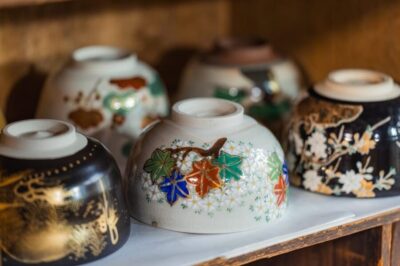
Read our review →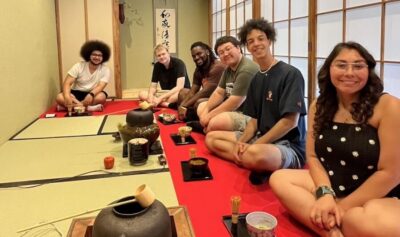
Kyoto: Table-Style Tea Ceremony at a Kyo-Machiya
Read our review →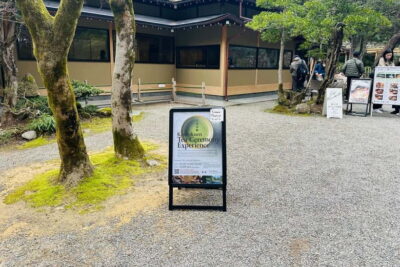
Browse the lists this tour appears in