
Review · TEA CEREMONY EXPERIENCES
Kyoto Private Tea Ceremony at a Japanese Inns
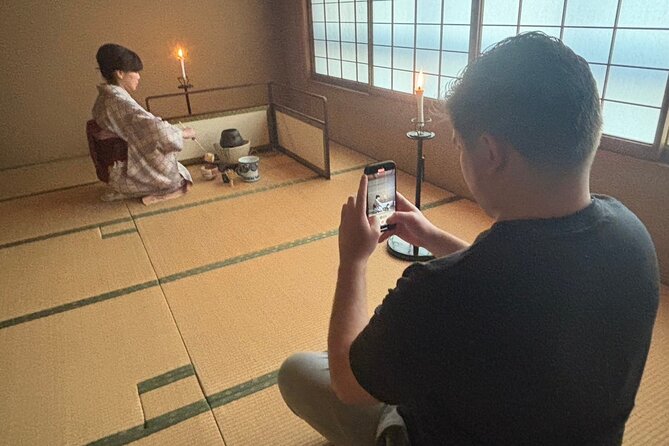
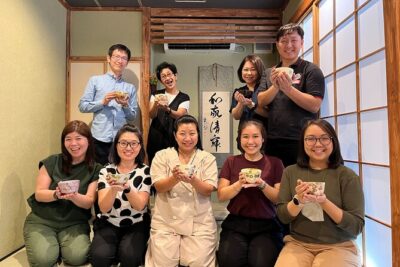
Kyoto’s evening atmosphere gets a special touch here: you enter a traditional inn, climb to a fourth-floor tatami room, and take part in Zen meditation, a tea ceremony, and kimono dressing under the soft glow of Japanese candles. The private setting feels more personal than a large cultural show.
I like the combination of quiet ritual and playful photography. I also like the historic 20-mat room, where folding fans and a replica Japanese sword give your photos a clear sense of place. The main consideration is communication: the instructor speaks Japanese, with translation devices supplied, so this is not a long English-language cultural lecture.
Key points
- A private 75-minute visit: You share the experience only with your own group.
- Three connected activities: The order is greeting, Zen meditation, tea ceremony, kimono fitting, and photos.
- A traditional Kyoto setting: The venue is in a ryokan near Higashi Honganji Temple, with a 20-mat tatami room.
- Choice of clothing: You can select a bridal kimono or a men’s haori.
- Props for photographs: Folding fans and a replica Japanese sword are provided.
- Useful flexibility: You can cancel up to 24 hours ahead, and reserve now while paying later.
A candlelit Kyoto evening inside a traditional inn
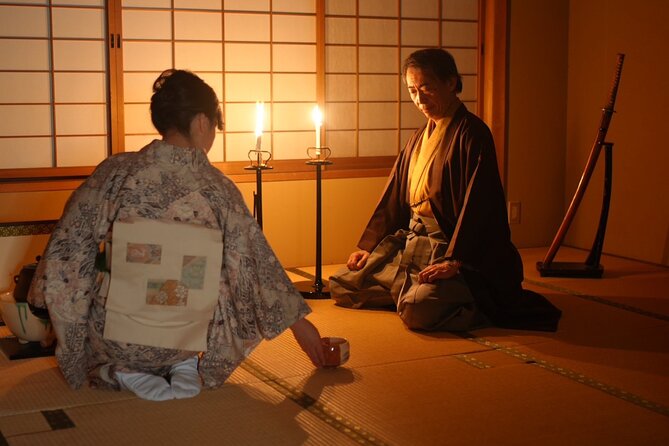
This experience takes place near Higashi Honganji Temple, in a traditional Kyoto ryokan. You check in at the front desk and then go to the fourth-floor venue, where your host greets you and explains what will happen.
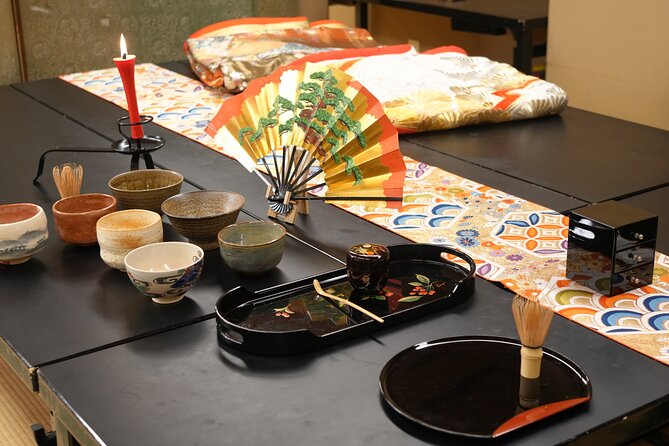
The setting matters. A tea ceremony in a plain activity room would still teach you something, but the ryokan gives the visit a stronger connection to Japanese daily life and hospitality. The 20-mat tatami room also provides enough space for meditation, tea, dressing, and photographs without making the event feel cramped.
Traditional candles add a gentle evening mood. This is not a loud performance with a packed audience. It is a private group experience, which lets your party move at its own pace within the fixed 75-minute schedule.
I would plan to arrive with time to spare. You need to register at the front desk, find the fourth-floor venue, and settle in before the greeting begins. Transportation is not included, so you are responsible for reaching the ryokan yourself.
More Private Tea Experiences in Japan
- Private Tea Ceremony and Sake Tasting in Kyoto Samurai House
★ 5.0 · 163 reviews - Kyoto: Private Tea Ceremony with a Garden View
★ 4.9 · 61 reviews - Kyoto Private Tea Ceremony with Tea Master at Home
★ 5.0 · 58 reviews
Zen meditation gives the evening a quiet beginning
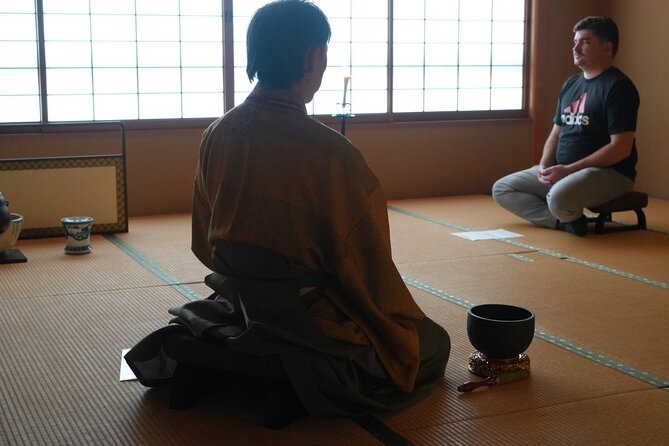
The activity starts with a short introduction, followed by Zen meditation. This opening is useful because it changes the pace of your evening. Kyoto sightseeing can involve temples, markets, trains, and plenty of walking. Sitting quietly before the tea ceremony gives you a chance to stop and pay attention.
The supplied details do not state how long the meditation lasts or provide a detailed description of its method. You should therefore expect an introductory cultural activity rather than a full Zen retreat or formal period of religious study.
Still, its place in the schedule makes sense. Tea ceremony is built around concentration, careful movement, and awareness of small actions. Beginning with stillness helps you notice those qualities instead of treating the tea as a quick demonstration.
The instructor is Japanese, and the stated language is Japanese. Multi-language translation devices are provided, so you can communicate with the host even if you do not speak Japanese. These devices are practical, though they may make the exchange feel a little less natural than a shared conversation in one language.
The tea ceremony is the cultural heart of the visit
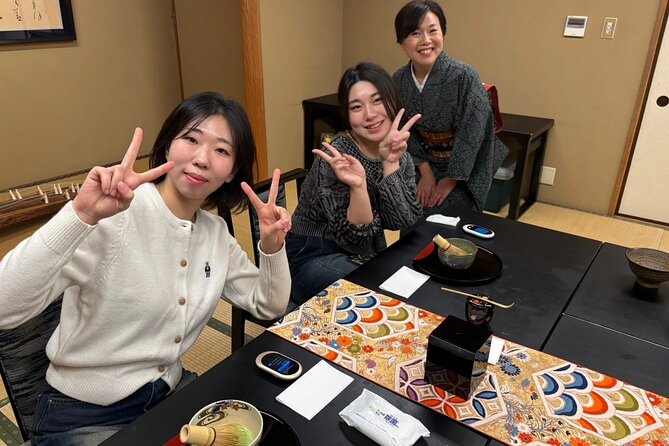
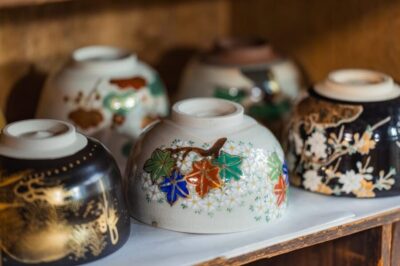
After meditation, you take part in the tea ceremony. The available information does not specify the type of tea, the utensils used, or the exact sequence of movements, so I would not book this expecting a technical lesson in every school of Japanese tea.
What you can count on is the ceremony itself, presented in a private ryokan setting. That makes it a good choice if you want a focused introduction without giving up a large part of your day. At 75 minutes, the schedule is compact enough to fit around dinner or an evening walk.
The tea ceremony also benefits from the small group format. In a private setting, you have more room to watch closely and respond to the host. You are not sitting behind a crowd or competing with dozens of cameras for a clear view.
The strongest praise attached to this experience describes it as highly worthwhile and as the best tea ceremony the writer had attended. That is a very positive judgment, but the sample is small, so I would treat it as encouragement rather than proof that it will suit every tea enthusiast. If you want a quiet, accessible introduction paired with clothing and photos, it makes good sense. If your main goal is advanced instruction in tea preparation, you may want a more specialized class.
Kimono fitting turns the cultural visit into a photo session
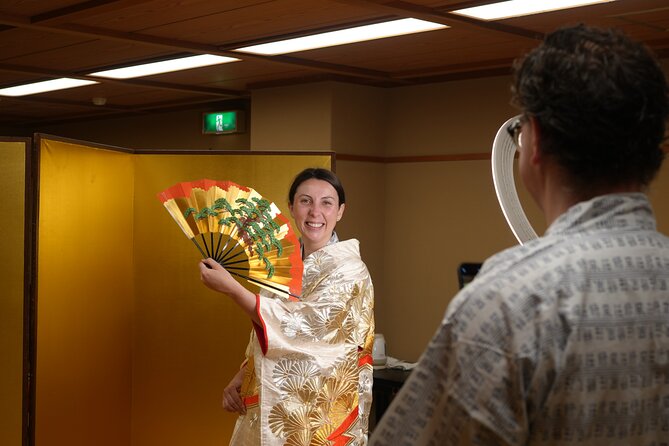
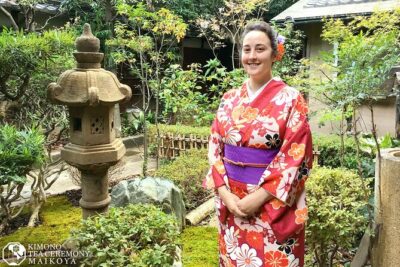
The final major part of the experience is choosing traditional clothing. You can select a bridal kimono or a men’s haori, then pose for commemorative photographs in the tatami room.
The choice is appealing because it gives the evening a visual finish. You are not only watching a ceremony. You are also taking part in a carefully staged moment and leaving with photographs that show you in the setting.
The listing does not describe the full dressing process, the number of garments, or whether the fitting is formal or simplified for the short schedule. For that reason, I would think of this as a cultural kimono fitting and photo session, not a complete bridal preparation service.
The bridal kimono option is especially suited to couples, families, and anyone who wants a formal Japanese image. The men’s haori offers a simpler traditional look. The experience data does not say whether every participant can wear both styles, so choose with the expectation that you will select one option.
The room itself helps the photographs. A 20-mat tatami space gives you a recognizable Japanese backdrop, while the soft candlelight creates a calm evening look. Flash photography is not allowed, so follow the host’s instructions and rely on the available room lighting.
More Tea Ceremonies in Kyoto
- Kyoto: Tea Ceremony in a Traditional Tea House in Kiyomizu
★ 4.9 · 3,519 reviews - Kyoto: Tea Ceremony Ju-An at Jotokuji Temple
★ 4.9 · 3,207 reviews - Kyoto: 45-Minute Tea Ceremony Lesson Experience
★ 4.3 · 2,378 reviews - Kyoto: Table-Style Tea Ceremony at a Kyo-Machiya
★ 4.9 · 1,211 reviews
Folding fans and a replica sword add personality to the photos
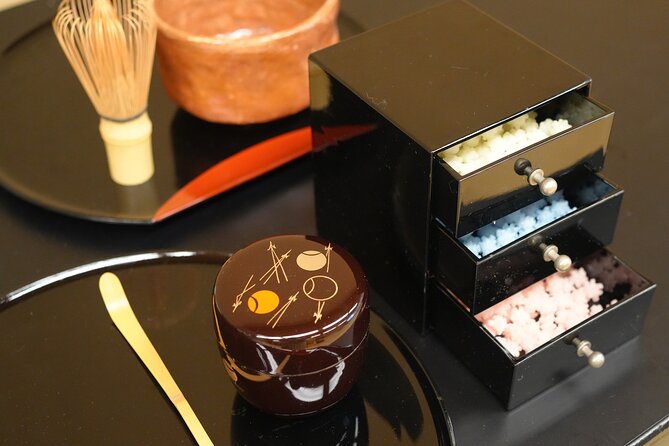
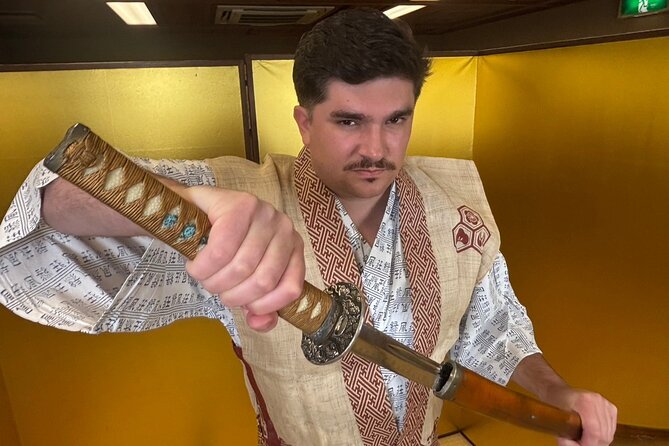
The included props are folding fans and replica Japanese swords. They give you more ways to pose than a standard portrait session, and they make the photographs feel connected to the setting.
The word replica matters. These are photographic props, not historical weapons. Use them as part of the staged session and follow any handling directions from the host.
The props also make the activity appealing to different ages and interests. Someone who finds a formal tea ceremony a little quiet may enjoy the creative photo portion. Children and families may prefer the fan and sword poses, while couples may focus on the kimono and candlelit room.
Do not expect unrestricted photography throughout the ceremony. Flash photography is specifically forbidden, and the host controls the pace of the session. The included commemorative photo opportunity is a benefit, but the supplied details do not promise a particular number of photographs, a professional photographer, or digital files. Confirm those points if they matter to you before booking.
How the $161 price measures up
At $161 per person, this is not a cheap way to spend an hour in Kyoto. The value comes from the combination of several elements: a private booking, the ryokan venue, Zen meditation, tea ceremony, kimono fitting, props, and a photo session.
If you priced each part as a separate activity, the cost could seem more reasonable. You are paying for access to a traditional setting and for staff time during a private 75-minute appointment, not simply for a cup of tea.
The price works best for someone who wants a polished cultural memory and does not want to organize separate activities. It is less compelling if you only want to taste Japanese tea or sit quietly for meditation, since the package includes a broader sequence that you may not use fully.
The group arrangement is important to the value. This is not a general admission session where you are placed with an unknown crowd. Your private group receives the experience together, which can be useful for families, couples, and small parties who want photographs of one another.
I would compare the cost with your priorities. For a short visit to Kyoto, the convenience of having meditation, tea, traditional clothing, and photographs in one appointment may justify the price. For a longer stay, you may prefer to spend less on a simple tea experience and use the difference for another cultural activity.
Who will get the most from this experience
I would recommend this activity to you if you want several sides of Japanese culture in one evening. It suits first-time visitors who may not know which tea ceremony to choose, families looking for a private appointment, couples wanting formal photographs, and anyone who likes a calm setting with a creative finish.
It is also a good fit if you are staying near the central Kyoto temple area and want an activity that does not take a full afternoon. The duration is only 75 minutes, although you should allow extra time to reach the ryokan and check in.
You may want to think twice if you need detailed explanations in English. The instructor is Japanese, and translation devices are available, but the experience is not advertised as an English-led tour.
It may also be a weaker match if photography is your only interest. The photo session is one part of a larger program, not a standalone studio booking. The same is true if you want a long meditation period or an advanced tea lesson. This activity offers an introduction to all three areas, rather than deep training in one.
Wheelchair access is listed, which is helpful for many visitors. Since the experience takes place on the fourth floor of a traditional inn, I would still confirm the access arrangements directly if you have specific mobility needs.
Practical details that shape your visit
Book at least one day ahead. The experience is private and needs preparation for the clothing fitting, so a last-minute request may not work.
You check in at the front desk, then proceed to the fourth floor. This meeting arrangement is simple, but it is worth reading the instructions carefully so you do not wait in the wrong part of the building.
The activity runs for 75 minutes, with starting times based on availability. Because it takes place at night, plan your route before arriving. Transportation to and from the venue is not included.
Cancellation is free up to 24 hours before the start time. You can also reserve now and pay later, which helps if you are arranging several Kyoto activities and want to keep your schedule flexible.
The experience is provided by Matsuda Shouten. No individual host names are supplied, so you should expect to meet the Japanese instructor assigned to your booking rather than a named guide.
What I would ask before booking
I would confirm the exact starting time, especially if you have dinner reservations afterward. The 75-minute duration is clear, but changing into traditional clothing and taking photographs may make the ending feel close to your next appointment.
I would also ask how the translation device works and what languages it supports. The activity states that multi-language devices are provided, but it does not list each language or explain whether the device translates spoken conversation in real time.
If photographs are important, ask how many are taken and how they are delivered. The commemorative photo session is included, but the details do not say whether images are handed over digitally, printed, or supplied in another form.
Finally, clarify the clothing choice if your group has several people. The information specifies bridal kimono or men’s haori, but it does not state how many participants can dress at once or whether other garments are available.
Should you book this Kyoto tea ceremony?
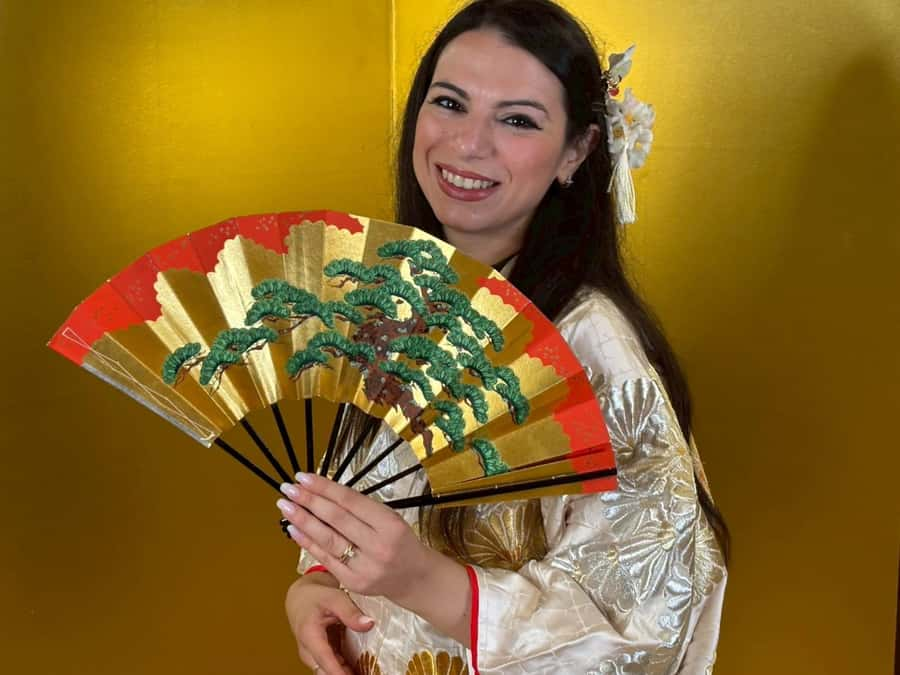
Book it if you want a private, compact cultural evening that combines meditation, tea, traditional clothing, and photos in one atmospheric setting. The candlelit ryokan and 20-mat tatami room give the visit a strong sense of place, while the replica sword and folding fans keep the photo session relaxed and fun.
Skip it if you want a long, highly technical tea lesson, a fully English-speaking guide, or a dedicated professional photo shoot. At $161 per person, the experience earns its price through variety and privacy, not through a single extended activity.
For most visitors with limited time in Kyoto, I see the appeal. You get a quiet ritual, a traditional setting, and a tangible souvenir in 75 minutes. Just arrive prepared for a Japanese-led session supported by translation technology, and treat the photographs as part of the cultural experience rather than the whole purpose.
FAQ
How long does the Kyoto tea ceremony experience last?
The experience lasts 75 minutes.
Where does the activity take place?
It takes place in a traditional Kyoto ryokan near Higashi Honganji Temple, at a fourth-floor venue.
What activities are included?
The program includes a greeting and introduction, Zen meditation, a tea ceremony, kimono fitting, and a commemorative photo session.
What clothing can I choose?
You can choose between a bridal kimono and a men’s haori.
Are translation devices provided?
Yes. Multi-language translation devices are provided, although the instructor language is Japanese.
Is transportation included?
No. Transportation to and from the venue is not included.
Can I cancel for a full refund?
Yes. You can cancel up to 24 hours in advance for a full refund.
More Private Tea Experiences in Kyoto
- Stunning Private Tea Ceremony: Camellia Garden Teahouse
★ 5.0 · 28 reviews - KYOTO: Private Tea Ceremony in Hidden Townhouse (Kid-Friendly)
★ 5.0 · 20 reviews - Kyoto Private Tea Ceremony at a Japanese Inns
★ 5.0 · 12 reviews - Kyoto Newly Opened Private Tea Ceremony – Sanjo Chasuian
★ 5.0 · 2 reviews
Fresh tea listings around Kyoto
- Traditional Tea Ceremony in Kyoto★ 4.5 · 3 reviews
- Kyoto: Authentic Tea Ceremony in a Small Group★ 5.0 · 7 reviews
- Uji Walking Tour – Byodo-in temple and Tea Ceremony from Kyoto★ 3.5 · 3 reviews
- Tea Ceremony Experience in Traditional Kyoto Townhouse★ 5.0 · 19 reviews
- Tea Ceremony in 150 Years Old Townhouse with Tables and Chairs★ 5.0 · 22 reviews
- Tea ceremony at Kyoto’s Zen Temple Teahouse★ 5.0 · 2 reviews
- Silent Beauty of Kyoto Zen Walk and Tea Experience★ 5.0 · 2 reviews
- Sencha-do the Japanese Tea Ceremony Workshop in Kyoto★ 5.0 · 21 reviews
Tea Ceremony Experiences, compared.
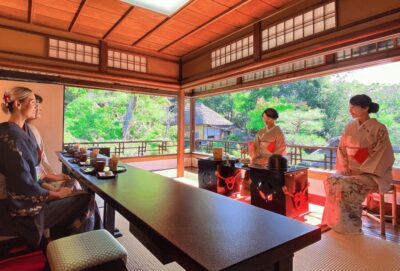
Kyoto: Tea Ceremony in a Traditional Tea House in Kiyomizu
Read our review →
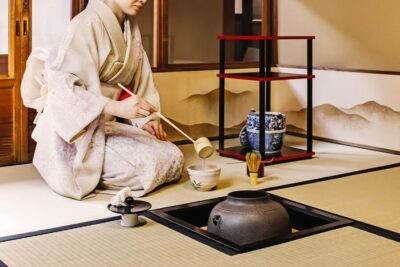
Kyoto: 45-Minute Tea Ceremony Lesson Experience
Read our review →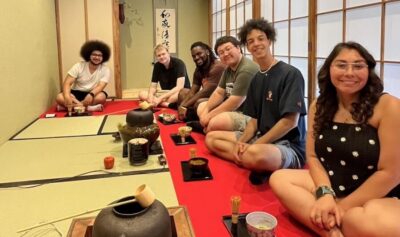
Kyoto: Table-Style Tea Ceremony at a Kyo-Machiya
Read our review →
Browse the lists this tour appears in