
Review · MATCHA EXPERIENCES
Matcha Tea Ceremony in a Cosy Cafe in Shimokitazawa, Tokyo
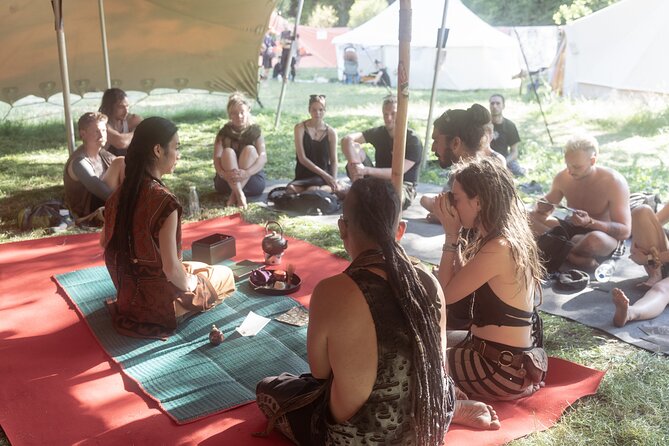
The most interesting part of this matcha ceremony is not simply drinking green tea. Takao Omori asks you to imagine the tea room’s tokonoma, the small decorative alcove traditionally used for a scroll or seasonal object, and decide what kind of hanging scroll reflects your state of mind. That turns a formal Japanese custom into a personal exercise.
I like the very small group size, capped at five, and the chance to meet in a cosy cafe rather than a grand, staged tea house. I also like the focus on meaning: each movement and tool connects to harmony, the seasons, and the quiet bond between host and participants. The main caution is value. At $116.35 for about 80 minutes, this is a premium introduction, and one account found the session rushed and the matcha merely average.
Key points to know before booking
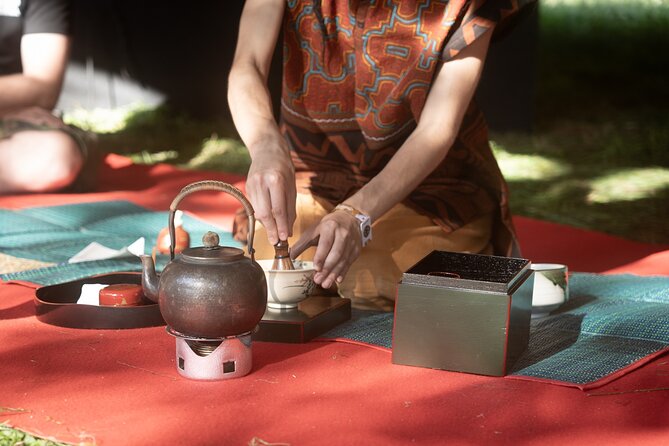
- Imagine the tokonoma: You will use your imagination to create the tea room’s decorative focal point and choose a scroll that suits the moment.
- Meet Takao Omori: Takao leads the ceremony and explains the ideas behind chanoyu, Japan’s traditional way of tea.
- Expect an intimate setting: The maximum group size is five people at Cafe Stay Happy.
- Plan for about 80 minutes: The session begins and ends at the cafe in Shimokitazawa.
- Consider the price carefully: $116.35 is high for a short introduction, so the personal, reflective format needs to appeal to you.
- Keep expectations realistic: The setting and host receive positive attention, but the matcha itself may not be exceptional.
A small tea room idea in Shimokitazawa
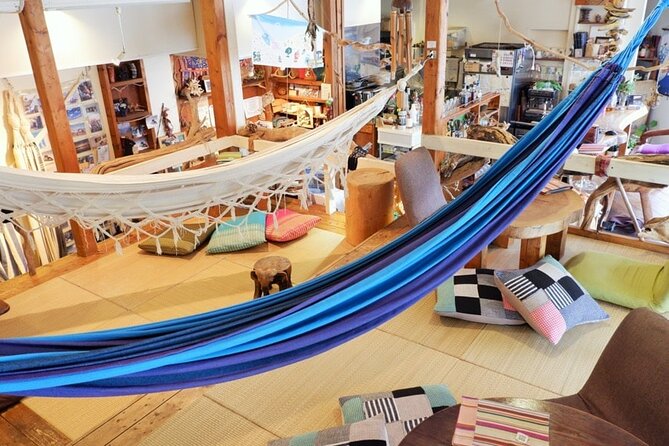
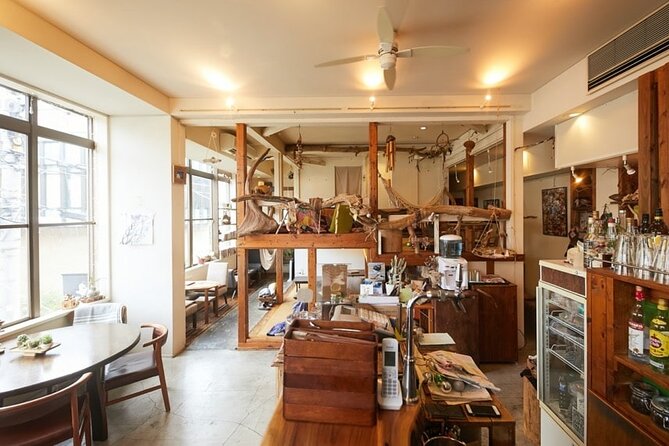
Shimokitazawa is known for its independent shops, cafes, and relaxed neighborhood feel. This activity takes place at Cafe Stay Happy, at 2-chōme-29-14 Daizawa in Setagaya City. The address matters because you are not heading to a famous temple or a purpose-built tea pavilion. You are meeting in a working cafe with a cosy atmosphere.
That setting gives the session a more informal edge. You can learn about chanoyu without having to enter a highly formal cultural venue, decode a long list of rules, or commit to a full ceremonial performance. At the same time, a cafe cannot recreate every feature of a traditional tea room. If you want architecture, antique utensils, or a carefully arranged garden as part of the event, this may feel modest.
The experience lasts about 1 hour and 20 minutes. That is enough time for a focused introduction, but not enough for an extensive history lesson or a long multi-course tea gathering. I would treat it as a thoughtful cultural conversation built around matcha, not as a complete training course in Japanese tea.
More Matcha Experiences in Tokyo
- Matcha Making Class in Tokyo with Authentic Japanese Sweets Set
★ 5.0 · 744 reviews - Tokyo: Matcha Making Experience with Mochi Sweets in Asakusa
★ 4.9 · 388 reviews - Asakusa Cultural Walk & Matcha Making Tour
★ 5.0 · 245 reviews
Takao Omori’s approach to chanoyu
Takao Omori facilitates the session and welcomes people from different cultural backgrounds. His stated aim is to use tea as a way to bring people together through calm attention, shared stories, and a common ritual.
That idea fits the origin of the activity. The ceremony draws on a tradition dating back to the 16th century and was formalized by Sen no Rikyu, one of the central figures in the development of Japanese tea. Chanoyu is not just a beverage service. It gives weight to the room, the season, the utensils, the host’s preparation, and the way people sit together for a short period.
You will likely spend time learning why the movements matter rather than simply copying them. The description places strong emphasis on the spiritual and poetic side of the ceremony. That makes this a good choice if you want context and reflection, not only a quick bowl of bright green tea for a photograph.
The small group helps here. With no more than five people, Takao has a better chance to explain details and respond to individual questions. A large class can make tea demonstrations feel distant. This format should feel more personal, though the limited capacity also helps explain some of the higher price.
Imagining the tokonoma
The tokonoma is the most distinctive idea in this activity. In a traditional tea room, it is the decorative alcove where the host displays a hanging scroll, flowers, or another carefully chosen object. The display helps express respect for the people gathered and acknowledges the passing season.
Here, you are invited to picture the tokonoma in your mind. You then consider what type of hanging scroll should be placed there to reflect your present thoughts. This is not a standard sightseeing stop with something to photograph. It is an imaginative prompt that asks you to slow down and think about the mood of the gathering.
I like this part because it gives you a way into the ceremony without requiring prior knowledge. You do not need to recognize every utensil or understand every Japanese term before taking part. Instead, you can begin with a simple question: what image or phrase would fit this moment?
The activity may suit you especially well if you enjoy quiet cultural experiences, symbolism, and conversation. If you prefer a quick demonstration with a clear beginning, middle, and end, this reflective section could feel less direct. The value depends on how willing you are to pause and use your imagination.
The ceremony itself, in practical terms
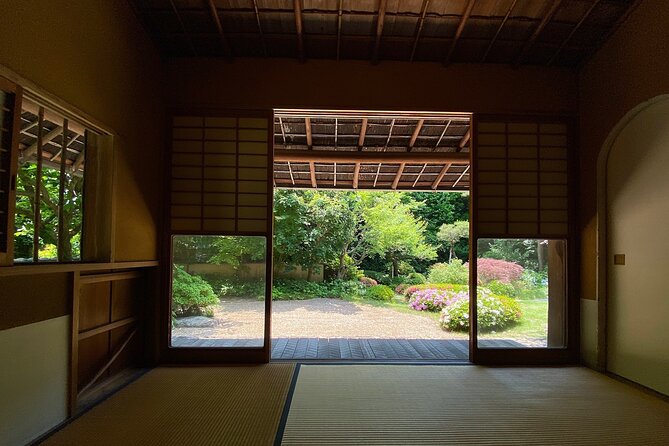
The available details do not provide a minute-by-minute schedule, so you should not expect a fixed list of separate stops. The session is centered on Takao’s explanation, the imagined tokonoma, the ceremony’s gestures and tools, and the act of drinking matcha together.
You can expect the host to explain the ceremony as a form of harmony. The room becomes a temporary place where social status and cultural background matter less than attention to the moment. That message is central to the activity, and it gives the tea a purpose beyond taste.
The tools also carry meaning. The information provided does not name each utensil, so I would avoid booking this expecting a detailed museum-style examination of every object. The emphasis is on how tools are used within the ritual and how each action contributes to the whole.
The ceremony is described as carefully formalized, but the cafe setting and Takao’s welcoming approach suggest an accessible introduction. You should still pay attention to the order of actions and the tone of the room. Tea ceremony is built around care, restraint, and respect, not speed.
One practical point is worth noting: a published account described the session as feeling rushed. That does not mean every visit will feel hurried, but it is a fair concern for an experience with several ideas to explain in only 80 minutes. If you want plenty of time for questions, personal conversation, and a slow demonstration, you may find the schedule tight.
More Tea Ceremonies in Tokyo
- Kimono Tea Ceremony at Tokyo, Asakusa Maikoya
★ 5.0 · 638 reviews - Tokyo: Traditional Tea Ceremony with a Tea Master
★ 5.0 · 528 reviews - Tea Ceremony Workshop in Tokyo by the Experienced Instrucor
★ 5.0 · 189 reviews - Asakusa: Kimono Tea Ceremony with Matcha and Sweet
★ 4.9 · 153 reviews
What the matcha may be like
Matcha is powdered green tea whisked into water, so you drink the tea leaves rather than straining them out. The taste can be grassy, bitter, sweet, or creamy depending on the tea and preparation.
The available feedback on this particular session was mixed on the tea itself. The matcha was considered acceptable but not exceptional, while the cafe’s cosy setting and Takao’s friendly manner were stronger points. That distinction matters. You may enjoy the ritual and atmosphere more than the flavor.
At $116.35, you are paying for the full setting and instruction, not just the cost of a bowl of tea. Still, the drink remains part of the experience. If your main goal is to taste outstanding ceremonial-grade matcha, this may not be the safest choice. A specialist tea shop or dedicated tea tasting could offer better value for that narrow purpose.
If you see matcha as one part of a cultural activity, the price becomes easier to assess. You are paying for a small group, a guided introduction, and a chance to think about the ceremony’s ideas in a relaxed cafe. That can be worthwhile for the right person, but it is not a budget activity.
Why the cafe setting matters
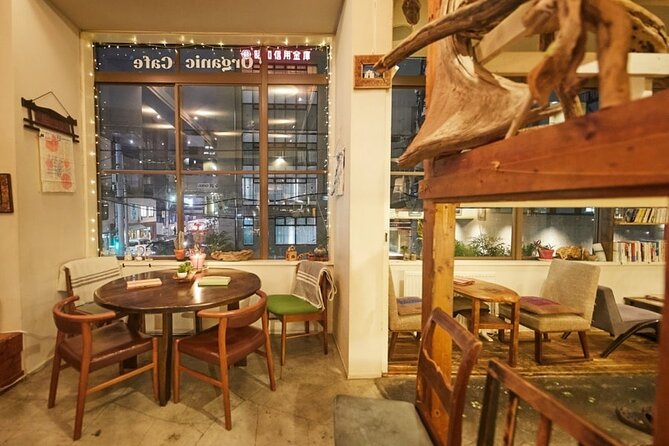
Cafe Stay Happy gives this event a softer, more approachable character. You are not being placed into an intimidating formal environment. The cosy room can make it easier to ask questions and take part, especially if this is your first contact with Japanese tea ceremony.
The tradeoff is authenticity of setting. The ceremony draws from a refined tradition shaped around purpose-built spaces, seasonal objects, and precise hospitality. A cafe can support the spirit of the event, but it may not offer the same visual detail or silence as a traditional tea room.
I would think of the venue as a bridge. It lets you explore chanoyu in a comfortable urban setting, then notice how the ceremony’s ideas differ from ordinary cafe culture. The contrast can be useful. You are drinking tea in a familiar kind of place, but paying attention in a very different way.
The setting also makes the experience easy to combine with time in Shimokitazawa. The meeting point is near public transportation, and the activity returns to the same place at the end. No separate transfer or second meeting point is involved.
Who will get the most from this experience
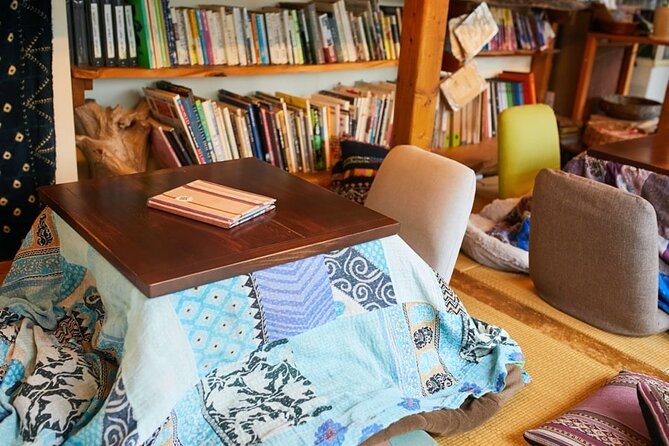
This session is best for you if you want a personal introduction to Japanese culture and enjoy a slower pace. It suits people who like to think about symbolism, seasonal change, hospitality, and the meaning behind everyday actions.
It can also work well for a couple or a small group of friends who want something quieter than a major attraction. The five-person limit should make it easier to hear Takao and take part in the discussion.
You may want to choose another activity if your priorities are:
- A long, highly formal ceremony
- A historic tea house or temple setting
- A detailed lesson in every utensil and rule
- A premium matcha tasting focused mainly on flavor
- A lower-cost activity lasting several hours
Families and first-time visitors can still consider it, but the introspective tone will suit adults and older children better than anyone looking for a lively hands-on class. The supplied information does not specify age limits, so you should confirm any age concerns before booking.
Price, timing, and cancellation
The cost is $116.35 per person for approximately 80 minutes. That is expensive when compared with a simple cafe visit or a brief tea demonstration. The strongest case for the price is the personal format: Takao leads a group of no more than five and gives attention to the ceremony’s ideas, not just its mechanics.
I would book it for the atmosphere and conversation rather than for the matcha alone. If the tea quality is your main concern, the reported average impression of the matcha should make you pause.
Confirmation arrives within 48 hours of booking, subject to availability. The activity has mobile ticketing, which is useful while moving around Tokyo. You meet at Cafe Stay Happy and finish there, so allow time to find the address in Daizawa before the scheduled start.
You can cancel up to 24 hours before the start time for a full refund. Cancellations or changes made less than 24 hours in advance are not accepted for a refund, and the cut-off follows local Tokyo time. That policy is simple, but check the start time carefully if you are booking around a packed Tokyo schedule.
Should you book this Shimokitazawa tea ceremony?
Book this experience if you want a small, reflective introduction to chanoyu led by Takao Omori, and if imagining the tokonoma sounds more appealing than visiting a formal historic venue. The cosy cafe, five-person limit, and focus on shared humanity give it a personal feel.
Skip it if you mainly want exceptional matcha, a longer ceremony, or a traditional tea house with elaborate surroundings. At $116.35, the activity needs to offer more than a drink, and its real value lies in the meaning, setting, and conversation. Go in with that expectation, and it can be a memorable quiet hour in Shimokitazawa.
FAQ
Where does the matcha tea ceremony take place?
It takes place at Cafe Stay Happy, located at 2-chōme-29-14 Daizawa, Setagaya City, Tokyo 155-0032, Japan.
How long does the experience last?
The ceremony lasts approximately 1 hour and 20 minutes.
Who leads the ceremony?
Takao Omori facilitates the matcha ceremony and introduces the ideas, actions, and tools connected with chanoyu.
How many people can join?
The activity has a maximum of five participants.
Does the activity start and finish at the same place?
Yes. It begins at Cafe Stay Happy and ends back at the meeting point.
Is the meeting point near public transportation?
Yes. The activity information states that the meeting point is near public transportation.
How much does the experience cost?
The listed price is $116.35 per person.
Can I cancel for a full refund?
Yes. You can cancel at least 24 hours before the local start time for a full refund. Cancellations or changes made less than 24 hours before the start time are not accepted for a refund.
Fresh tea listings around Tokyo
- Yokohama : Tea Ceremony with Sweets and Souvenir★ 5.0 · 5 reviews
- Walking Tour: Yanaka,Nezu& Sendagi: Tea Ceremony & Old Tokyo★ 5.0 · 3 reviews
- Private Mochi・Matcha sweets Making Class Near Shibuya Area★ 5.0 · 22 reviews
- Private Kimono and tea ceremony at local home near Tokyo Disney★ 5.0 · 6 reviews
- 2 Hours Mochi &Nerikiri Making & Matcha Class in Bunkyo★ 5.0 · 21 reviews
- Kimono and Tea Ceremony in Asakusa Private Food Tour With Guide★ 5.0 · 4 reviews
- Tokyo: Tea Ceremony & Japanese Sweets Making★ 5.0 · 10 reviews
- Tokyo Sweets Tour: Hidden Gems & Matcha at an Old Tea House★ 5.0 · 6 reviews
Matcha Experiences, compared.
World Heritage Kyoto & Nara Uji Authentic Matcha Experience
Read our review →
Matcha Making Class in Tokyo with Authentic Japanese Sweets Set
Read our review →
Kyoto: Tea Museum Tickets and Matcha Grinding Experience
Read our review →
Matcha Making Class in Osaka with Authentic Japanese Sweets Set
Read our review →
Kyoto: Tea Ceremony Meditation – Make Matcha with Tea Master
Read our review →
Tokyo: Matcha Making Experience with Mochi Sweets in Asakusa
Read our review →
Kyoto: Kimono Tea Ceremony with Matcha and Sweet
Read our review →
Browse the lists this tour appears in