
Review · MATCHA EXPERIENCES
Matcha table tea ceremony experience in Tokyo
This is a tea ceremony without the sore knees. In Meguro, master instructor Masumi Matsumoto introduces you to matcha while you sit at a table in a chair, then guides you through the quiet rituals of preparing and serving tea yourself.
I like the small group limit of five, which leaves room for questions and personal help. I also like the balance between watching a skilled teacher and doing the work yourself, with seasonal wagashi and a lesson you can repeat at home.
The main consideration is scope. This is a focused, two-hour cultural lesson, not a grand tea-house performance or a full-day tour of Tokyo. You come here to learn, taste, and practice.
Key points
- Chair-based ceremony: Enjoy the customs of tea ceremony without sitting on the floor.
- Masumi Matsumoto leads the lesson: She is a master instructor with the Japan Table Tea Ceremony Association.
- Two-part format: Watch the instructor first, then whisk and serve your own matcha.
- Seasonal wagashi included: The Japanese sweet changes with the season and accompanies the tea.
- Very small class: The maximum is five people, useful for families and first-time participants.
- Easy Meguro location: The meeting point is a two-minute walk from Toritsudaigaku Station.
A traditional tea lesson made easier on your knees
Japanese tea ceremony can seem formal from the outside. The movements are deliberate, the manners matter, and the setting may suggest that you need to know the rules before you arrive. This experience takes away much of that worry.
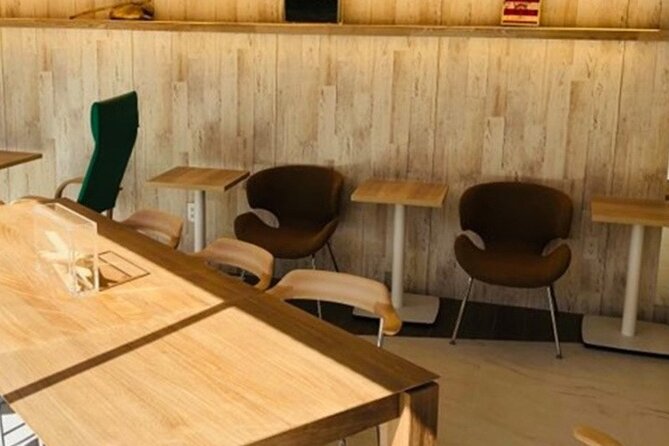
The table tea format replaces floor seating with chairs and a table. That makes the session more approachable for children, older adults, and anyone who simply does not enjoy kneeling or sitting on the floor for long periods.
You still learn the central ideas of the ceremony: how to appreciate the tea, how to handle the utensils, how to observe manners, and how to serve another person with care. The chair changes the physical setup, not the basic aim of the lesson.
I also like the relaxed tone. Masumi Matsumoto explains the history, spirit, and etiquette in English, using humor and patient instruction to help beginners feel at ease. You do not need prior knowledge of matcha or Japanese ceremony to take part.
More Matcha Experiences in Tokyo
- Matcha Making Class in Tokyo with Authentic Japanese Sweets Set
★ 5.0 · 744 reviews - Tokyo: Matcha Making Experience with Mochi Sweets in Asakusa
★ 4.9 · 388 reviews - Asakusa Cultural Walk & Matcha Making Tour
★ 5.0 · 245 reviews
What happens during the two-hour session
The experience begins at 1-chōme-9-1 Nakane in Meguro City. The meeting point is about two minutes from Toritsudaigaku Station, so you do not need to build a complicated transfer plan around it.
The activity lasts about two hours and returns to the same meeting point. Since the group can have no more than five participants, the session should feel more like a lesson in a small room than a large demonstration with a crowd watching from the back.
The first half centers on observation and explanation. Masumi shows you how to enjoy matcha and explains the customs surrounding it. This is a useful starting point because the ceremony is not only about making a powdered green tea taste good. It is also about attention, hospitality, and the way host and guest interact.
You then receive matcha prepared by the instructor, along with a seasonal Japanese sweet called wagashi. This order matters. You first see the process done properly, learn how to receive and enjoy the tea, and only then try the techniques yourself.
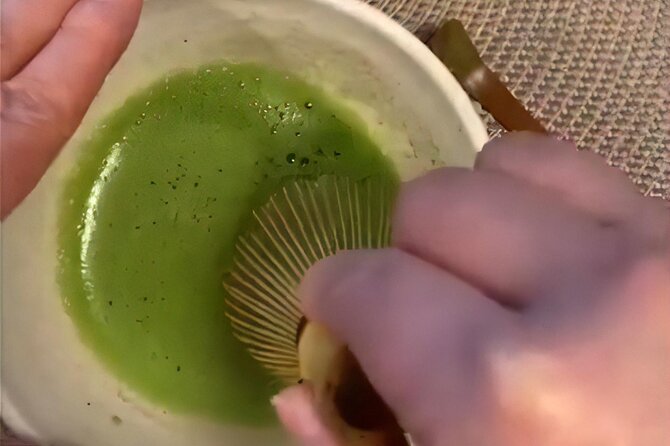
In the second half, you pick up the tea whisk and prepare matcha. You also practice serving it. That hands-on section gives the lesson a practical finish. Instead of leaving with only photographs and general impressions, you leave knowing the basic steps you can try again at home.
Why the instructor matters
The teacher is Masumi Matsumoto, a master instructor with the Japan Table Tea Ceremony Association. That title is important for anyone who wants more than a quick tourist demonstration.
Masumi’s role is not limited to showing a sequence of movements. She explains the meaning behind the manners and the spirit of the ceremony, while keeping the setting comfortable for beginners. The available feedback repeatedly highlights her warmth, clear English, and careful explanations.
That combination is especially useful for families. Children can find formal customs intimidating, but a friendly teacher who explains each step and lets them practice can turn the ceremony into an active cultural lesson. The children in family groups were able to take part rather than simply sit quietly and watch.
You should still expect some quiet concentration. Tea ceremony is not a noisy cooking class. The pauses, careful movements, and attention to the cup are part of the experience. The casual atmosphere makes the lesson easier to enter, but it does not remove the ceremonial side.
Matcha, wagashi, and the pleasure of doing less
The tea itself is only one part of the experience. You learn how to approach the cup, how to handle the whisk, and how to pay attention to the small details of preparation.
The seasonal wagashi gives you a traditional pairing and adds variety to the session. Since the sweet changes with the season, the exact item is not fixed. That is worth knowing if you have a particular preference or food concern, because you should not expect the same sweet at every date.
The combination of matcha and wagashi also teaches a useful point about Japanese tea culture. The sweet offsets the tea’s bitterness, while the tea keeps the sweet from becoming too heavy. You are not just being handed a snack and a drink. You are being shown how the two work together.
I like that the food portion is modest and purposeful. This is not a tasting tour, and it should not be booked as one. The value comes from the instruction and the chance to take part in the preparation.
More Tea Ceremonies in Tokyo
- Kimono Tea Ceremony at Tokyo, Asakusa Maikoya
★ 5.0 · 638 reviews - Tokyo: Traditional Tea Ceremony with a Tea Master
★ 5.0 · 528 reviews - Tea Ceremony Workshop in Tokyo by the Experienced Instrucor
★ 5.0 · 189 reviews - Asakusa: Kimono Tea Ceremony with Matcha and Sweet
★ 4.9 · 153 reviews
The hands-on whisking lesson
The most useful part for many people will be the whisking practice. You learn how to use the special bamboo tea whisk, then prepare your own cup.
A demonstration can make a cultural custom look simple. Trying it yourself reveals the small challenges: how to hold the utensil, how to move it, and how to serve the tea with the right manners. Masumi can correct you as you work, which is one reason the five-person limit matters.
You also learn a skill you can recreate at home. You will not leave as a tea master after one session, but you will understand the basic process and have a better sense of how the tools work. If you buy matcha and a whisk later, the lesson gives you a starting point.
The serving practice adds another layer. Tea ceremony is not only private preparation. It is also an act of hospitality. Serving someone else requires attention to placement, timing, and courtesy. That makes the activity more meaningful than simply learning to froth a drink.
A good choice for families and first-time visitors
This experience suits people who want an introduction rather than a highly specialized study session. The relaxed style makes it a sensible pick for a first tea ceremony in Tokyo.
Families should pay attention to the chair-based setup and small class size. Children can participate in preparing tea, and the teacher has experience explaining the customs in English. The available family feedback puts particular emphasis on children becoming interested in the etiquette and spirit of the ceremony.
It also works well for adults who feel nervous about getting something wrong. The lesson is described as casual, and the instructor explains the steps carefully. You are not expected to arrive already familiar with Japanese manners.
The experience may be less suitable if you want a dramatic setting, a large historic tea house, or a long formal ceremony with many prescribed movements. The information provided describes a compact lesson in Meguro, designed around access and participation.
What makes the Meguro setting useful
The meeting point is in Meguro-ku, a part of Tokyo with several possible additions to your day. The experience itself lasts about two hours, so you can pair it with nearby plans rather than losing an entire afternoon.
Toritsudaigaku Station is only a two-minute walk away. That is a real benefit in Tokyo, where a pleasant activity can become tiring if the final walk is long or confusing.
After the ceremony, you might continue toward the Meguro River, visit Nakameguro Park, or make your way to Jiyugaoka, known here for its sweets theme park. These places are not included in the tea activity, but they give you options for building a relaxed neighborhood itinerary around it.
Do not expect the teacher to guide you through these areas. The tour begins and ends at the stated meeting point. Think of the location as a convenient base for the tea lesson, not as a sightseeing route.
Is $65.04 a fair price?
At $65.04 per person, this is not the cheapest way to drink matcha in Tokyo. You can find tea and sweets for far less at a café. The comparison is not quite fair, though, because the main product here is instruction.
You are paying for a two-hour lesson with a master instructor, a prepared cup of matcha, seasonal wagashi, an explanation of the customs, and time to whisk and serve your own tea. The group limit of five improves the value because you should have a chance to follow along and ask questions.
I would consider the price reasonable for someone who wants an interactive cultural activity and does not want to sit through a large group presentation. It is less compelling for anyone who only wants a quick taste of matcha or is already trained in tea ceremony.
The booking pattern is also worth noting. This experience is booked, on average, 98 days ahead. That suggests you should plan early if the session is a priority, especially if you are visiting Tokyo with family or need a specific date.
Group discounts are available, though the exact discount is not specified. Ask about the final price for your party before booking if you are traveling with several people.
Practical points before you book
You receive confirmation within 48 hours of booking, subject to availability. That means you should not treat an unconfirmed request as a final appointment until the provider sends confirmation.
A mobile ticket is offered, which keeps the arrival process simple. The activity is near public transportation, with Toritsudaigaku Station the key landmark for finding the meeting point.
The full location is 1-chōme-9-1 Nakane, Meguro City, Tokyo 152-0031, Japan. Since the activity returns there at the end, plan your onward route from that same area.
You do not need to worry about floor seating. The table ceremony uses chairs, which is one of its clearest practical advantages. The available details do not specify dietary substitutions or the exact seasonal sweets, so ask the provider directly if food allergies or restrictions affect your decision.
Free cancellation is allowed up to 24 hours before the start time for a full refund. Cancellations or changes made inside that 24-hour window are not accepted for a refund, with cut-off times based on local Tokyo time.
How this compares with a more formal tea ceremony
The table format is the key difference. A traditional ceremony may involve floor seating and a more formal physical setting, while this activity puts the lesson around a table.
That makes it less demanding and more accessible, but it may also feel less ceremonial to someone looking for a highly formal performance. Neither format is automatically better. The right choice depends on what you want from the afternoon.
Choose this experience if your priority is understanding the steps, asking questions, and making tea yourself. Choose another format if your main goal is watching a long, formal presentation in an elaborate setting.
I see the table approach as a strong first step. It removes the worry about posture and lets you focus on the tea, the manners, and the exchange between host and guest.
Should you book this matcha experience?
Book it if you want a small, English-friendly lesson led by a qualified instructor, especially if you are traveling with children or prefer chairs to floor seating. The two-hour format is easy to fit into a Tokyo schedule, and the hands-on whisking gives you something practical to remember.
The experience is also a good match for anyone who wants cultural context rather than a simple drink stop. Masumi Matsumoto’s patient teaching style, seasonal wagashi, and focus on etiquette make the session feel personal without being intimidating.
Skip it if you want a major sightseeing attraction, a full meal, or a long ceremonial production. At $65.04, the value depends on your interest in learning. For a first encounter with matcha and Japanese tea manners, the small group and chance to prepare your own cup make it a sensible choice.
FAQ
Where does the matcha tea ceremony take place?
It takes place at 1-chōme-9-1 Nakane, Meguro City, Tokyo 152-0031, Japan, in Meguro-ku.
How close is the meeting point to public transportation?
The location is about a two-minute walk from Toritsudaigaku Station.
How long does the experience last?
The activity lasts approximately two hours and ends back at the meeting point.
Who teaches the tea ceremony?
Masumi Matsumoto leads the experience. She is a master instructor with the Japan Table Tea Ceremony Association.
Do I have to sit on the floor?
No. This is a table tea ceremony, so you sit on a chair at a table.
Is the experience suitable for beginners and children?
Yes. The instructor explains the tea ceremony, its manners, and its spirit in English, and the experience is designed for participants without prior training. Family groups and children can take part in making tea.
What is included in the tea experience?
In the first half, the instructor prepares matcha for you and serves it with a seasonal Japanese sweet. In the second half, you learn to prepare and serve matcha yourself using a tea whisk.
Fresh tea listings around Tokyo
- Yokohama : Tea Ceremony with Sweets and Souvenir★ 5.0 · 5 reviews
- Walking Tour: Yanaka,Nezu& Sendagi: Tea Ceremony & Old Tokyo★ 5.0 · 3 reviews
- Private Mochi・Matcha sweets Making Class Near Shibuya Area★ 5.0 · 22 reviews
- Private Kimono and tea ceremony at local home near Tokyo Disney★ 5.0 · 6 reviews
- 2 Hours Mochi &Nerikiri Making & Matcha Class in Bunkyo★ 5.0 · 21 reviews
- Kimono and Tea Ceremony in Asakusa Private Food Tour With Guide★ 5.0 · 4 reviews
- Tokyo: Tea Ceremony & Japanese Sweets Making★ 5.0 · 10 reviews
- Tokyo Sweets Tour: Hidden Gems & Matcha at an Old Tea House★ 5.0 · 6 reviews
Matcha Experiences, compared.
World Heritage Kyoto & Nara Uji Authentic Matcha Experience
Read our review →
Matcha Making Class in Tokyo with Authentic Japanese Sweets Set
Read our review →
Kyoto: Tea Museum Tickets and Matcha Grinding Experience
Read our review →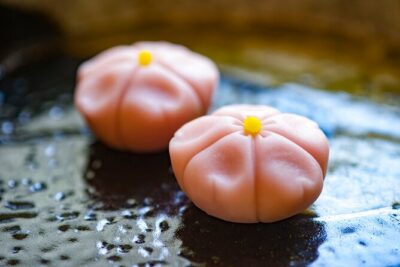
Matcha Making Class in Osaka with Authentic Japanese Sweets Set
Read our review →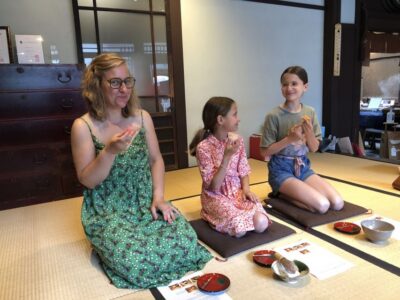
Kyoto: Tea Ceremony Meditation – Make Matcha with Tea Master
Read our review →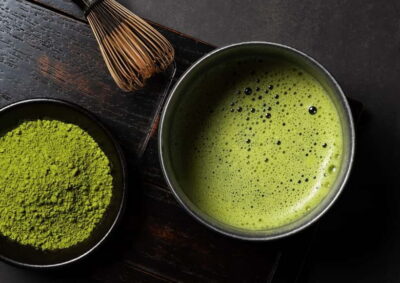
Tokyo: Matcha Making Experience with Mochi Sweets in Asakusa
Read our review →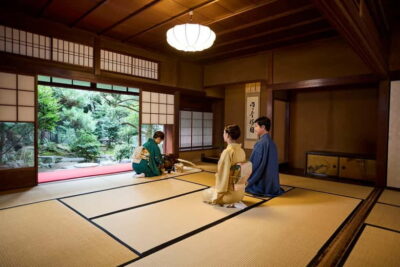
Kyoto: Kimono Tea Ceremony with Matcha and Sweet
Read our review →
Browse the lists this tour appears in